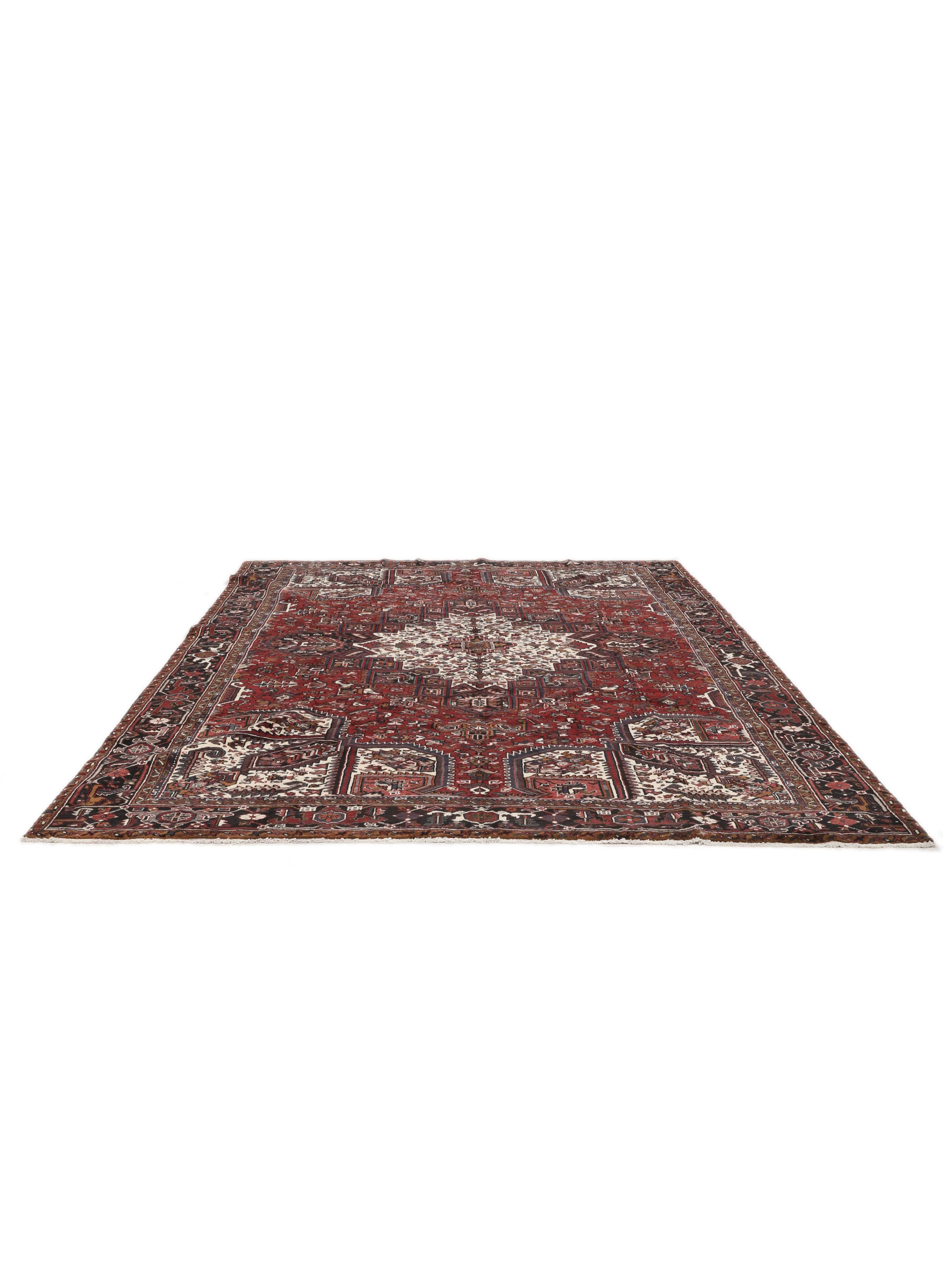
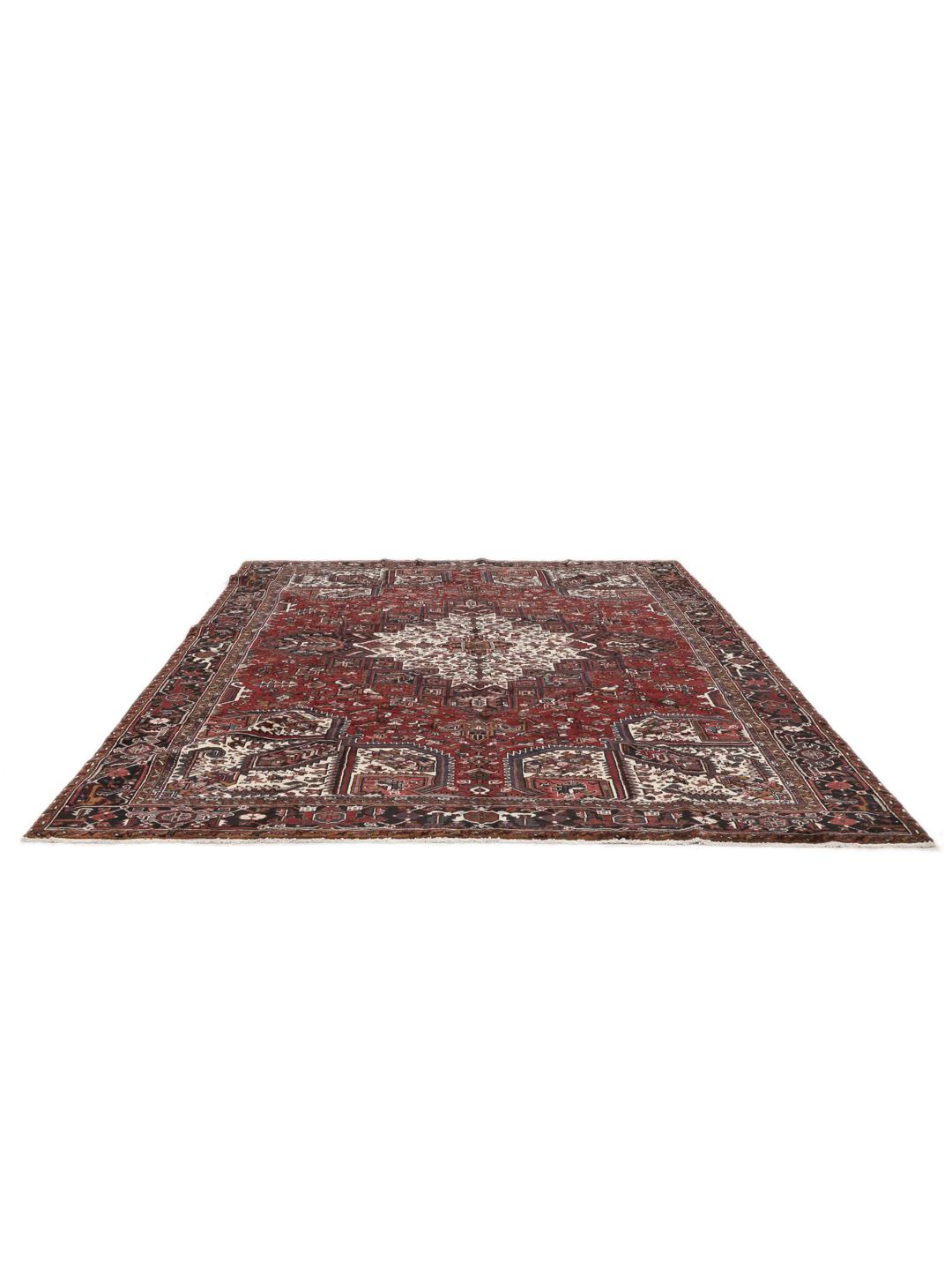
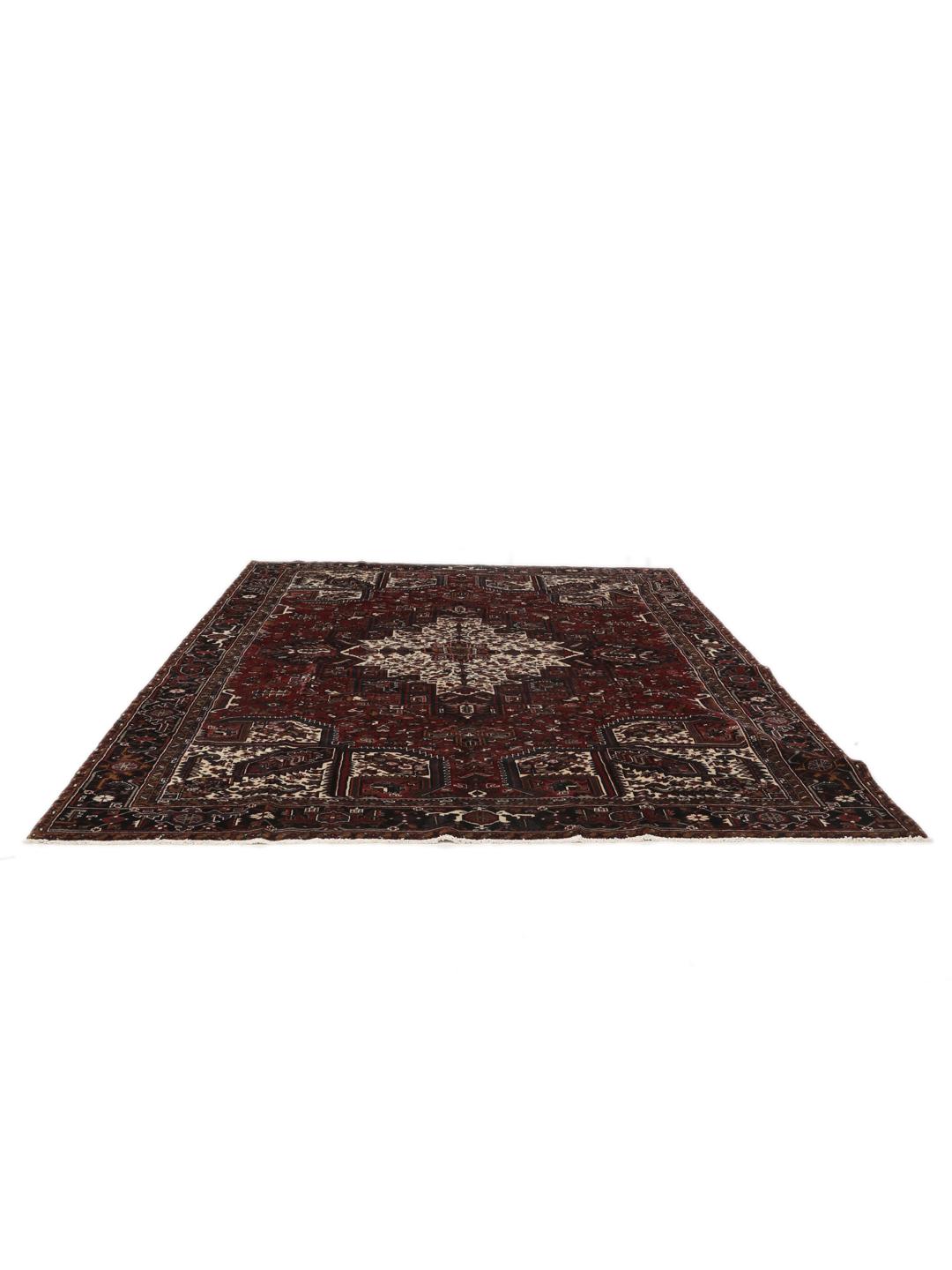
Heriz rugs originate from a mountainous region in the Middle East, specifically from the area around the village of Heriz. This region is famous for its long-standing tradition of weaving rugs that are not only beautiful but also incredibly durable. The harsh climate of the region has historically influenced the design and construction of these rugs, leading to a style that is both sturdy and visually commanding.
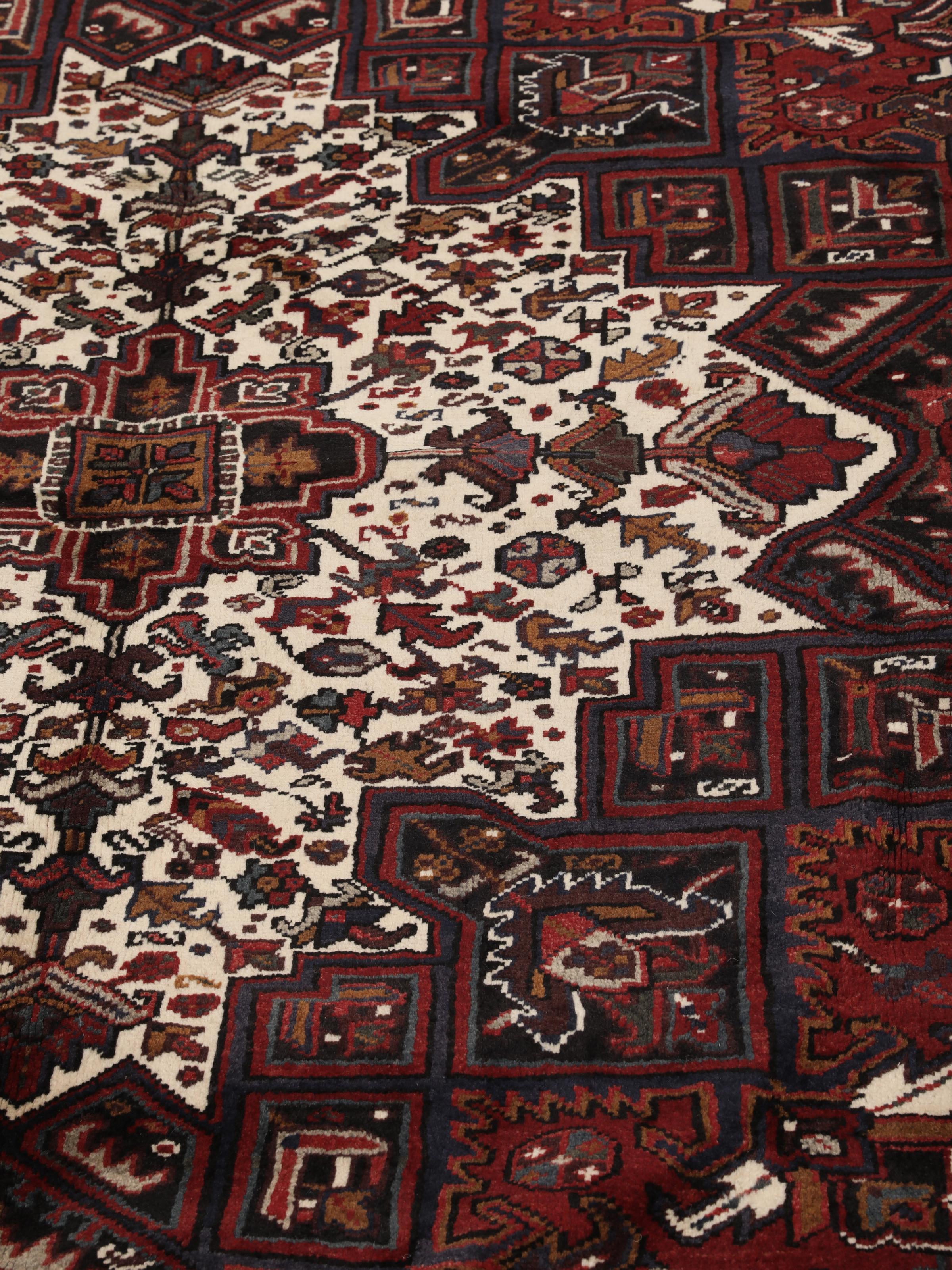
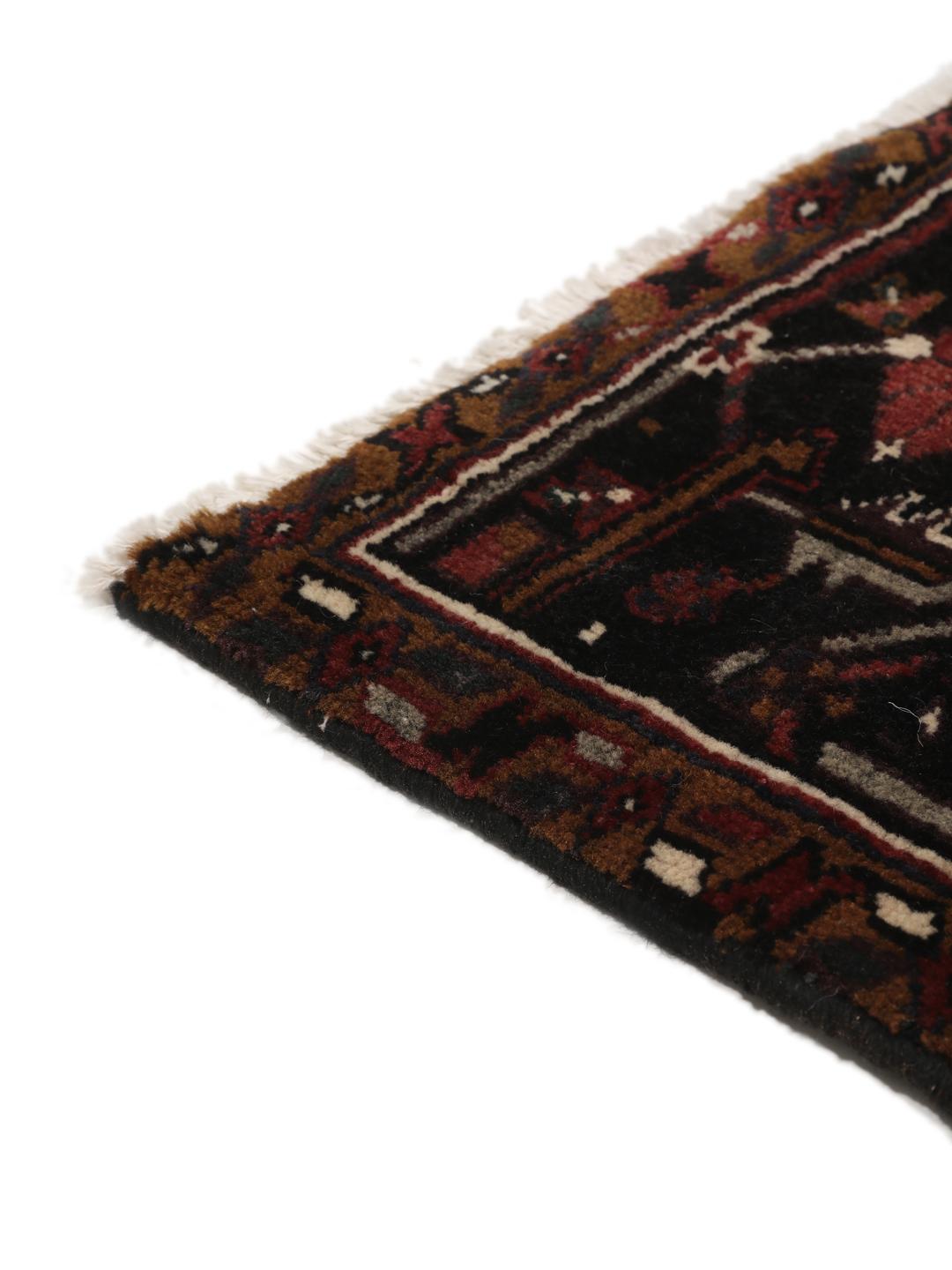
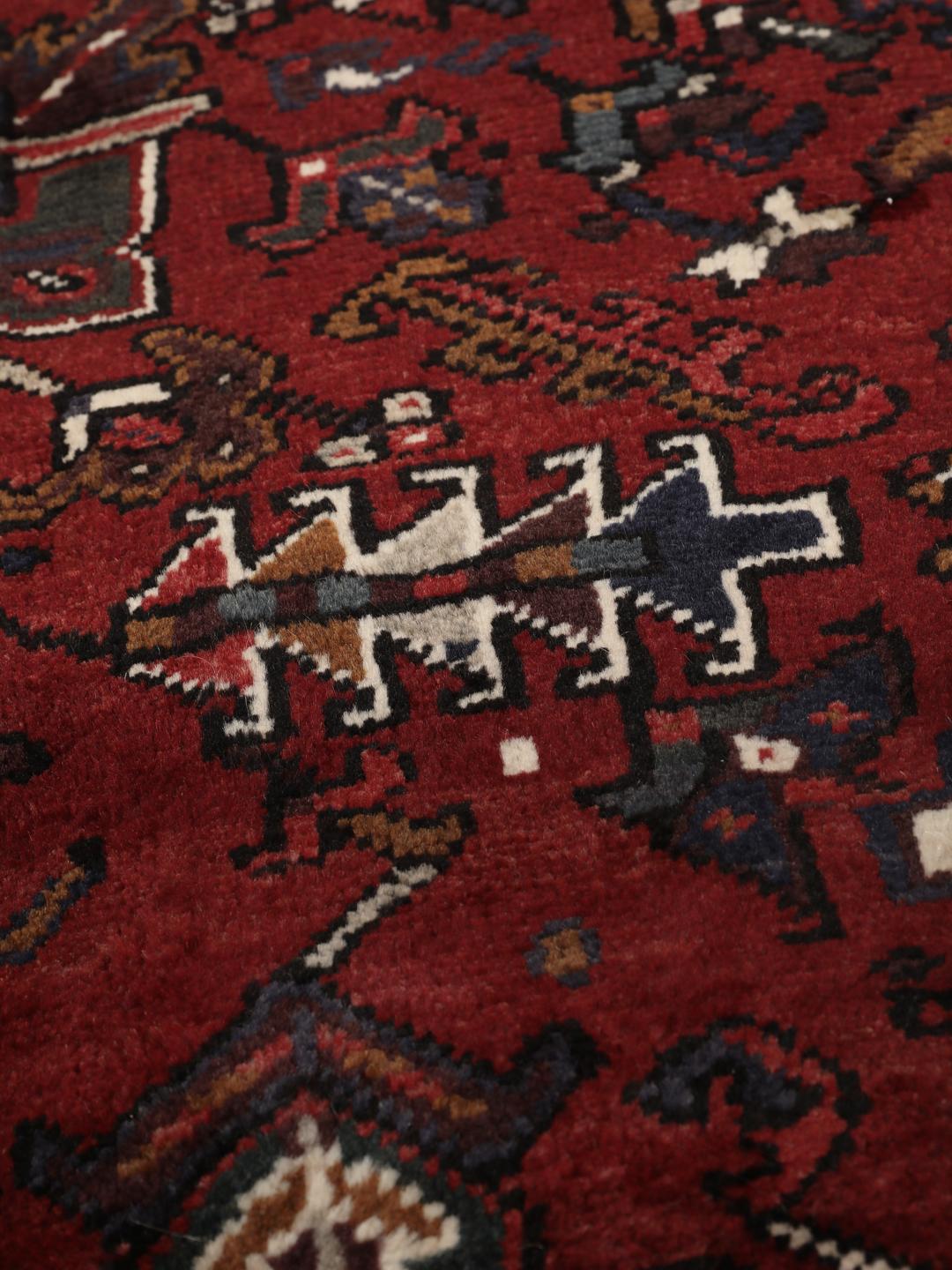
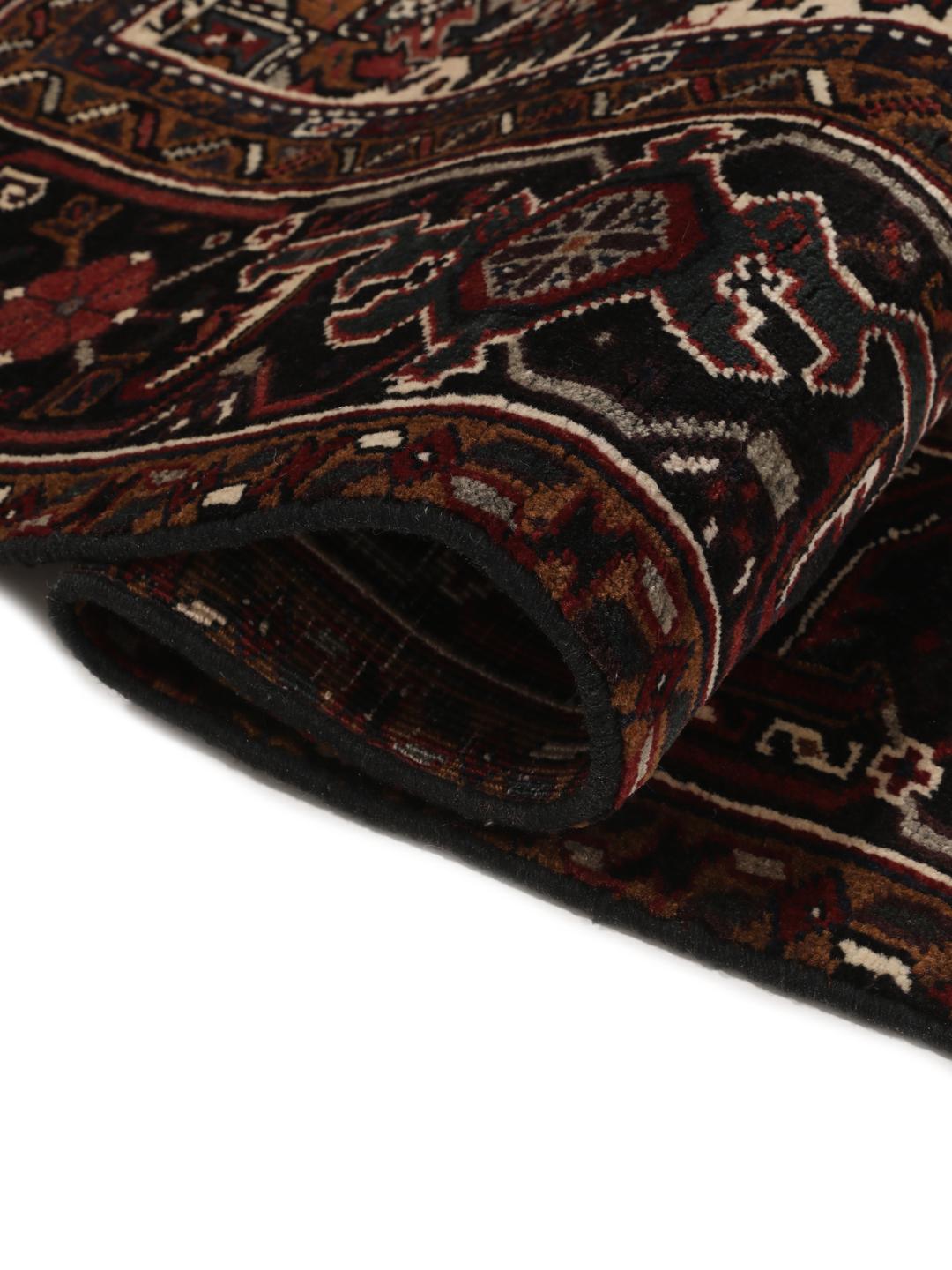
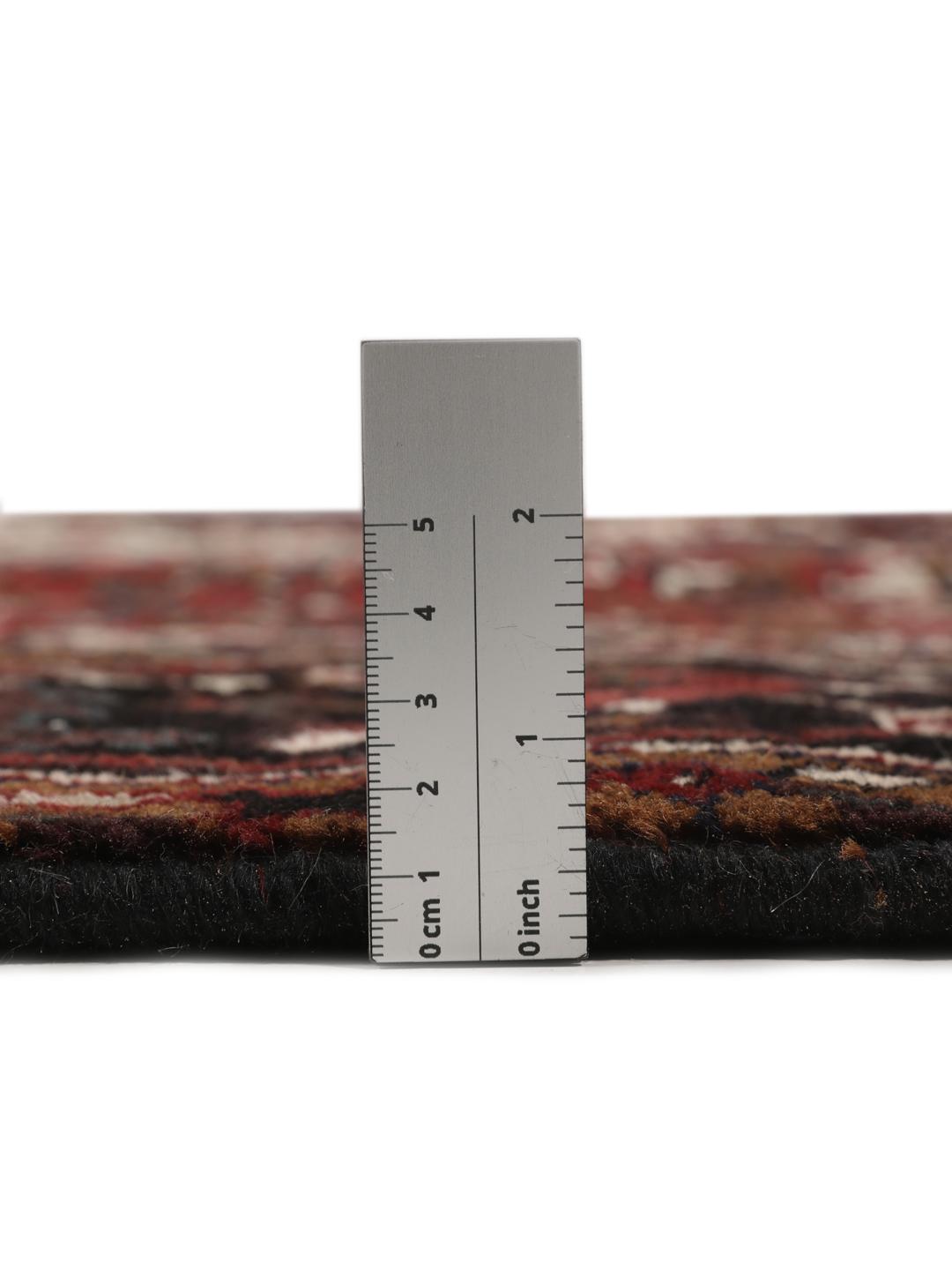
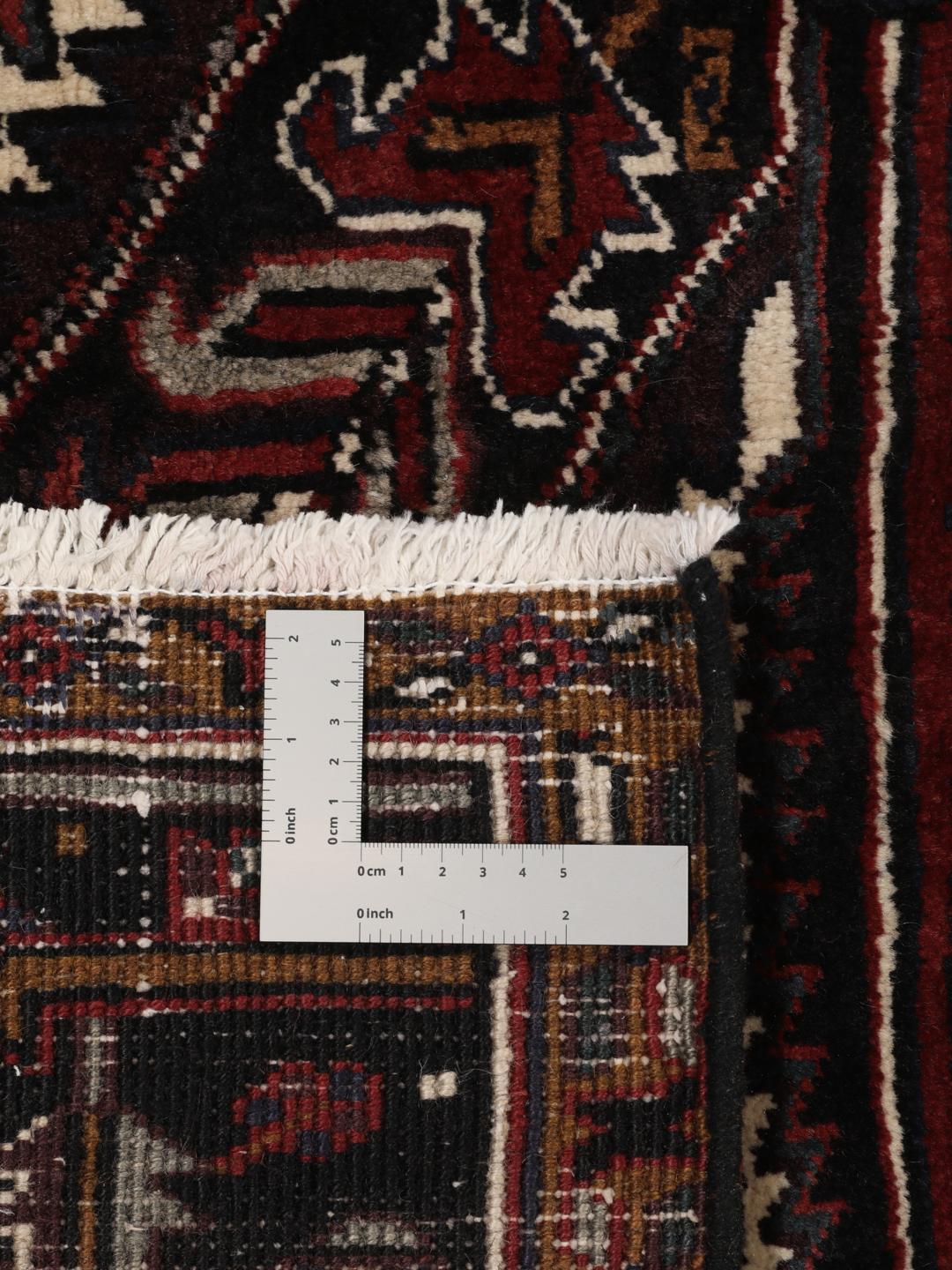
The technical quality of a Heriz rug is defined by its foundation and the way it is knotted. These rugs are known for their robust construction, which allows them to withstand heavy foot traffic while retaining their structure. The use of high-quality materials and a deliberate, knot-by-knot weaving process ensures that each piece has a significant weight and a dense, high-quality pile that feels substantial and luxurious.
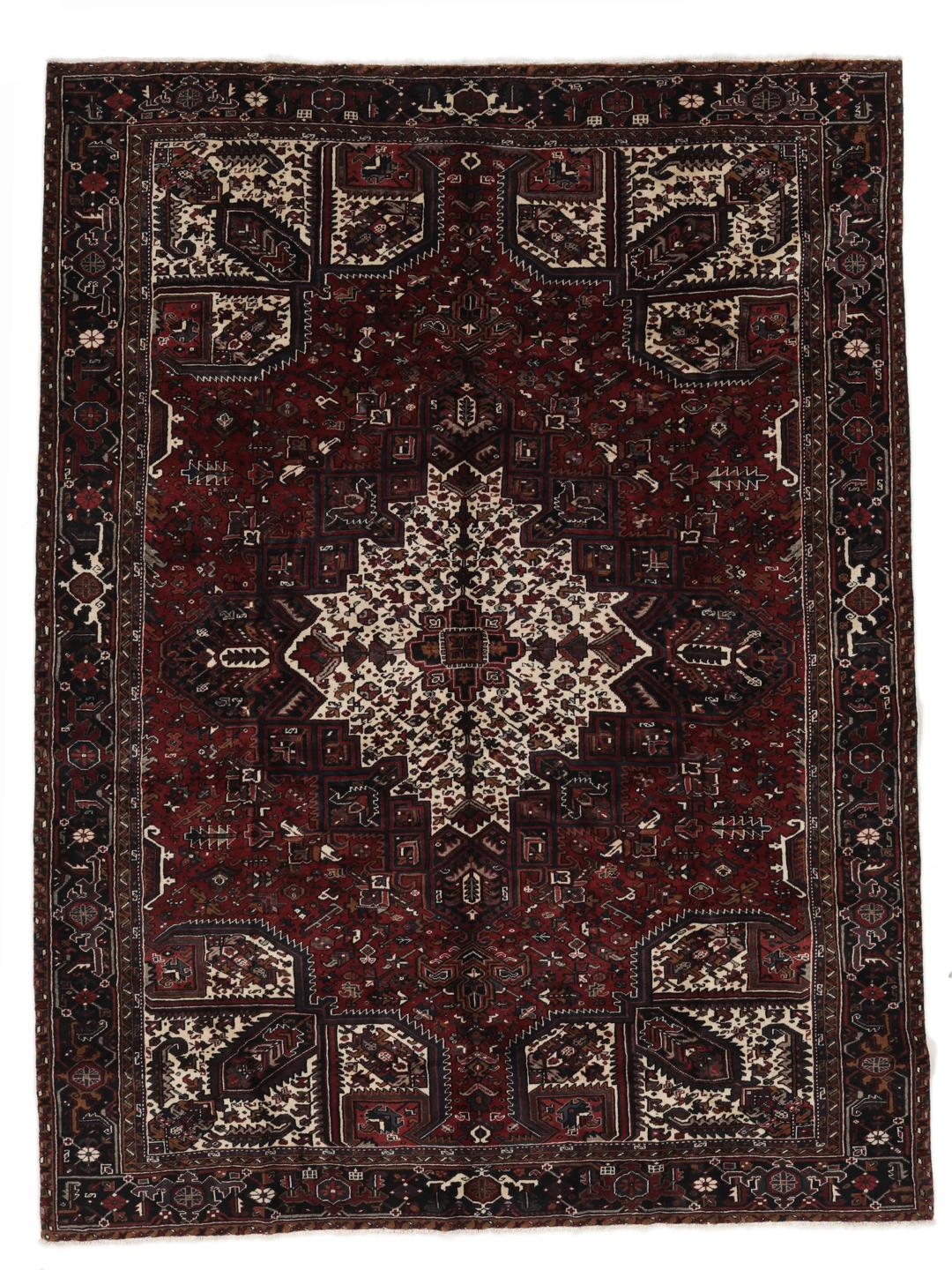
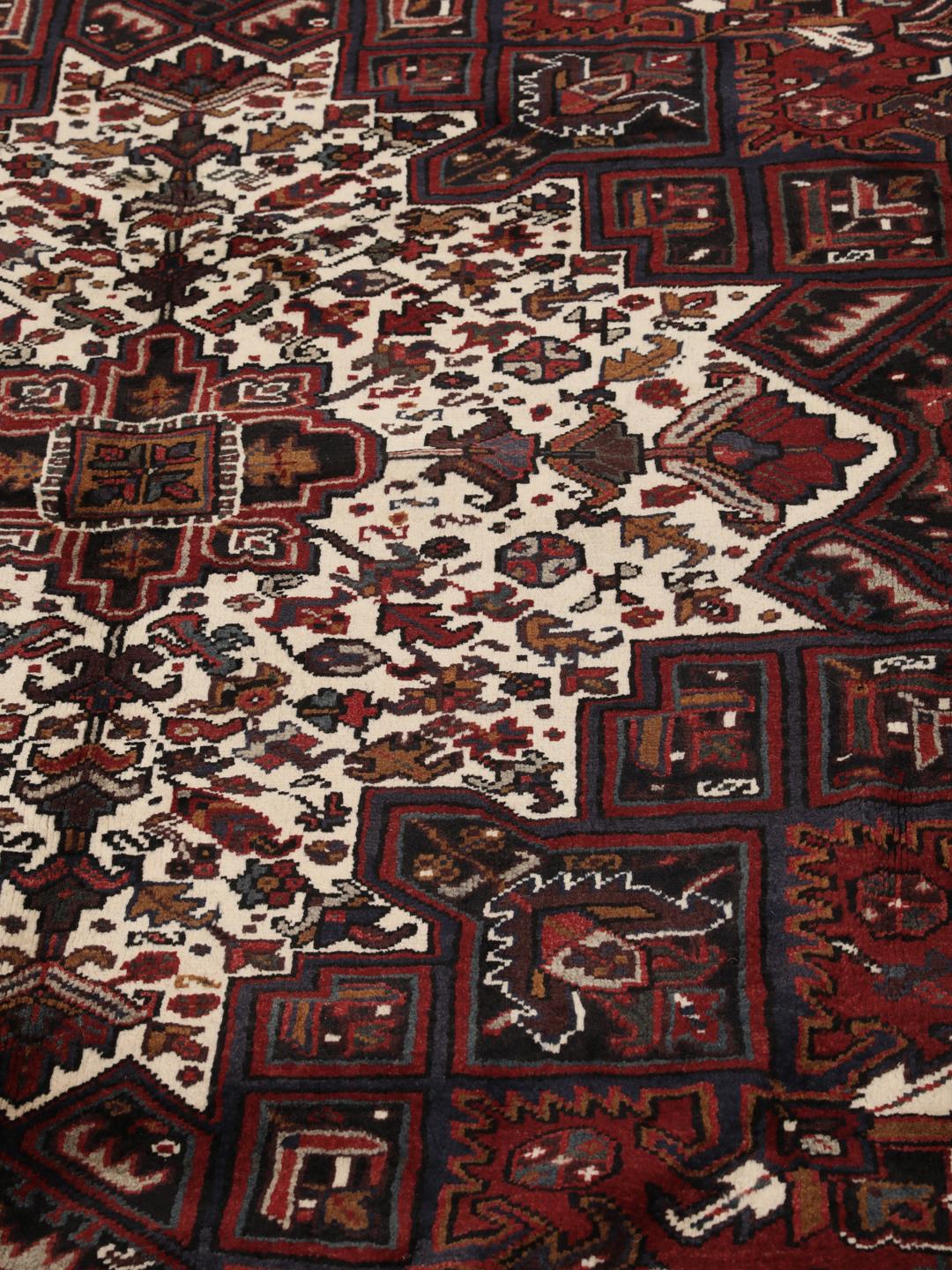
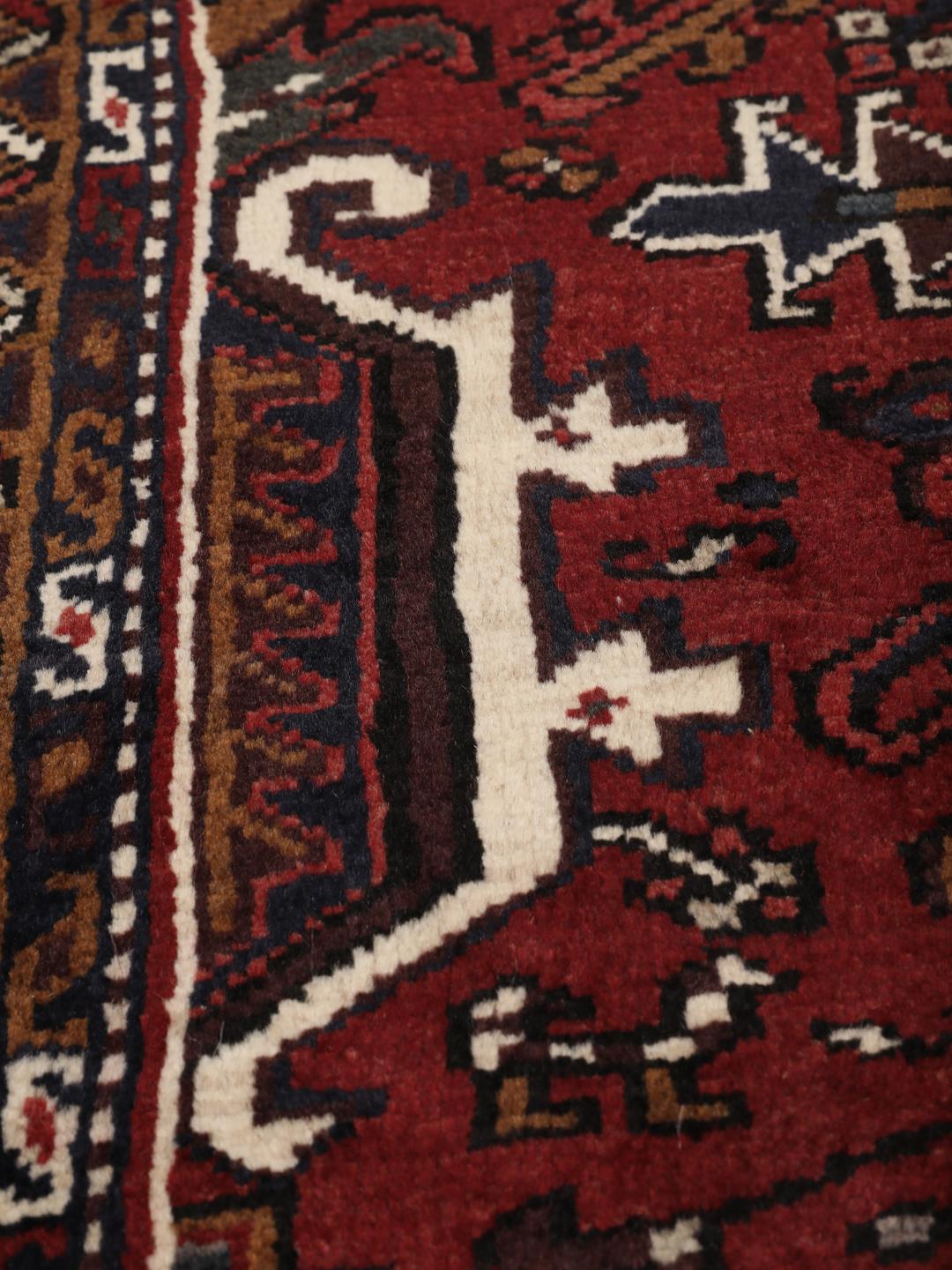
Visually, Heriz rugs are celebrated for their large, geometric central medallions, which often dominate the field of the rug. These motifs are typically surrounded by intricate, angular floral patterns and stylised vines that reflect a distinct local aesthetic. The contrast between the bold, often dark-red fields and the lighter, cream-coloured accents creates a dramatic effect that has made these rugs highly sought after by collectors and interior designers alike.
Owning a piece from this tradition is an opportunity to connect with a rich history of craftsmanship. These rugs are valued not just for their aesthetic appeal, but for their ability to serve as a bridge between ancient techniques and contemporary living. They are collected for their resilience and their capacity to anchor a room, providing a sense of heritage and enduring quality that is increasingly rare in the modern world.