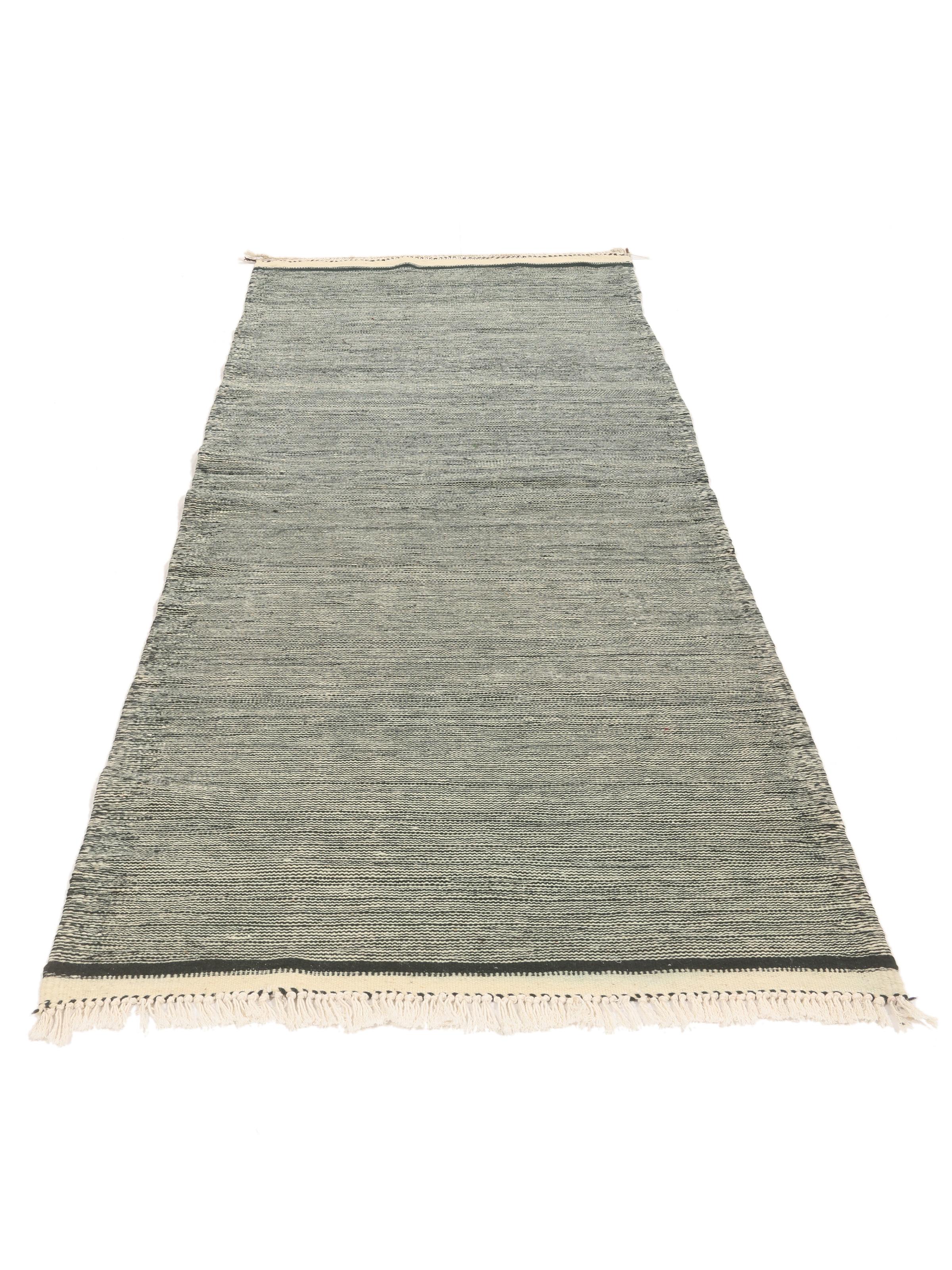
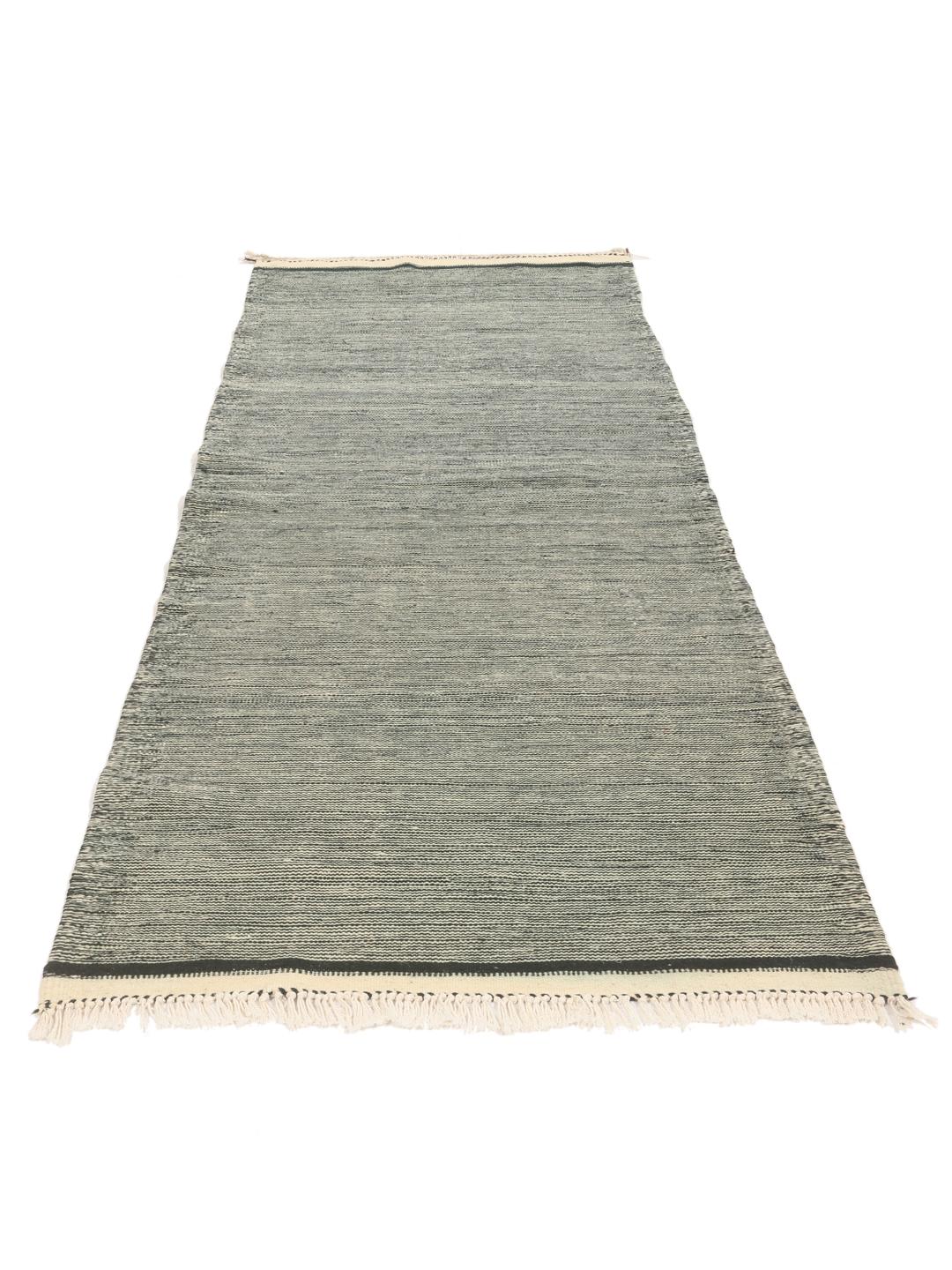
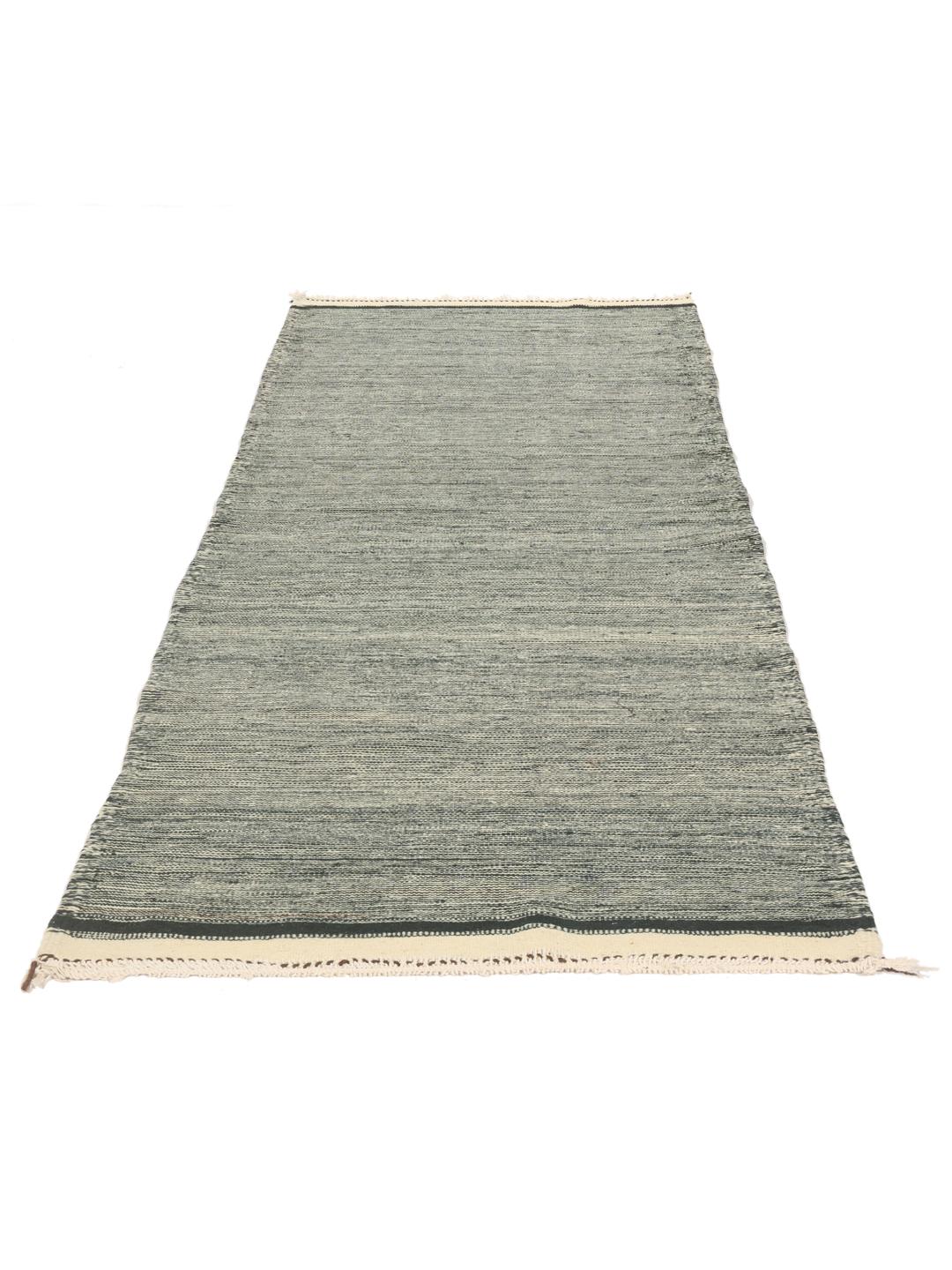
The High Atlas region of Morocco has long been a cradle for textile traditions that prioritise utility and natural beauty. The Berber tribes of these mountains have woven rugs for centuries, not merely as floor coverings, but as essential tools for survival against the harsh mountain climate. These textiles are deeply rooted in the local landscape, often reflecting the colours of the earth and stone found in the high-altitude terrain.
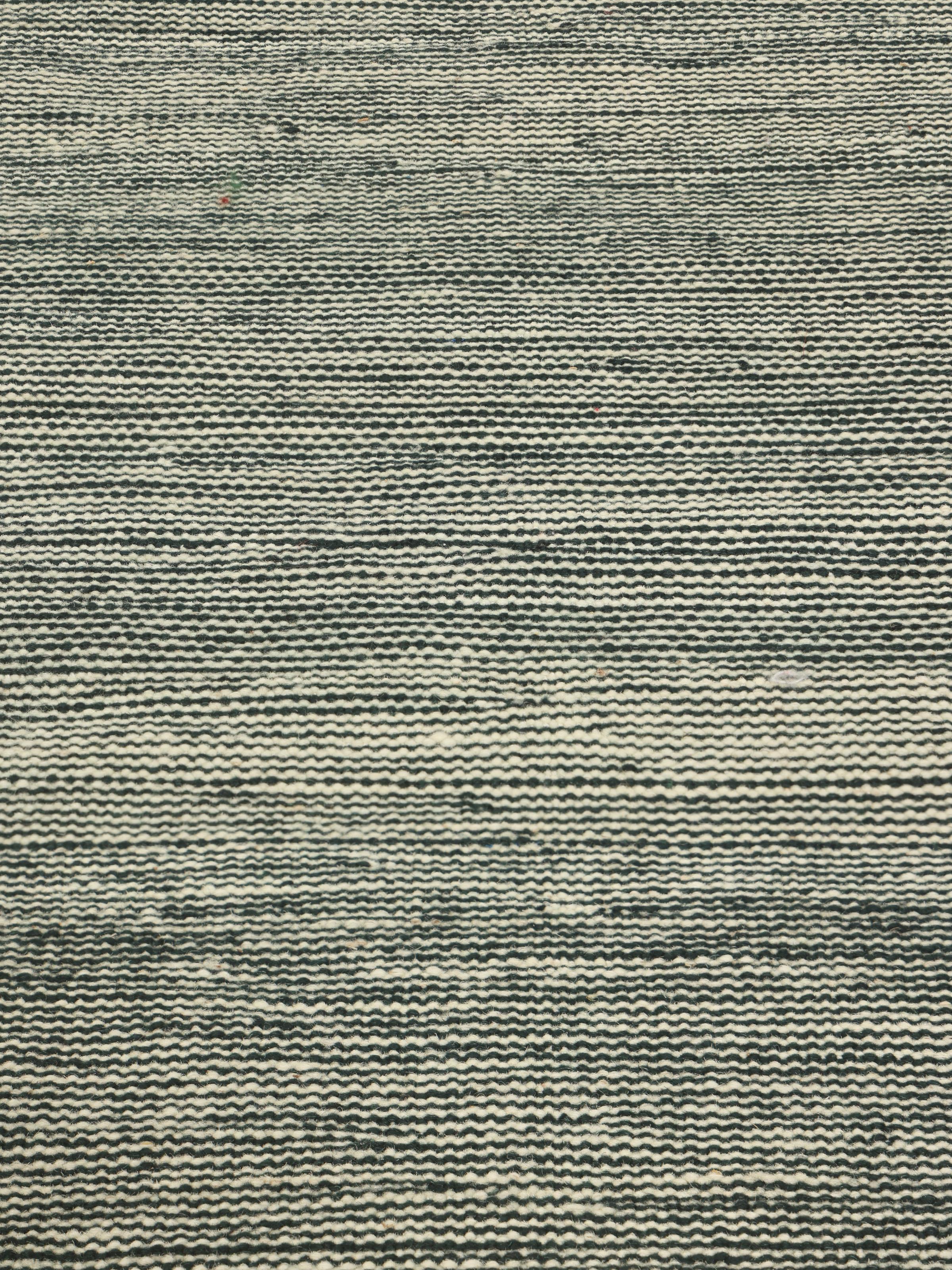
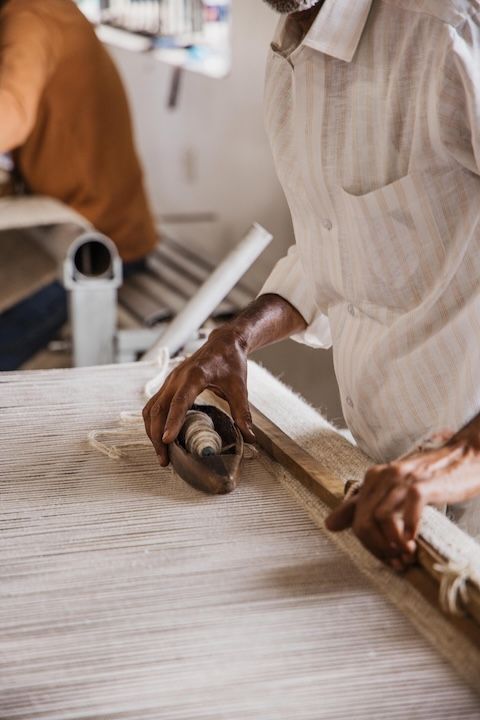
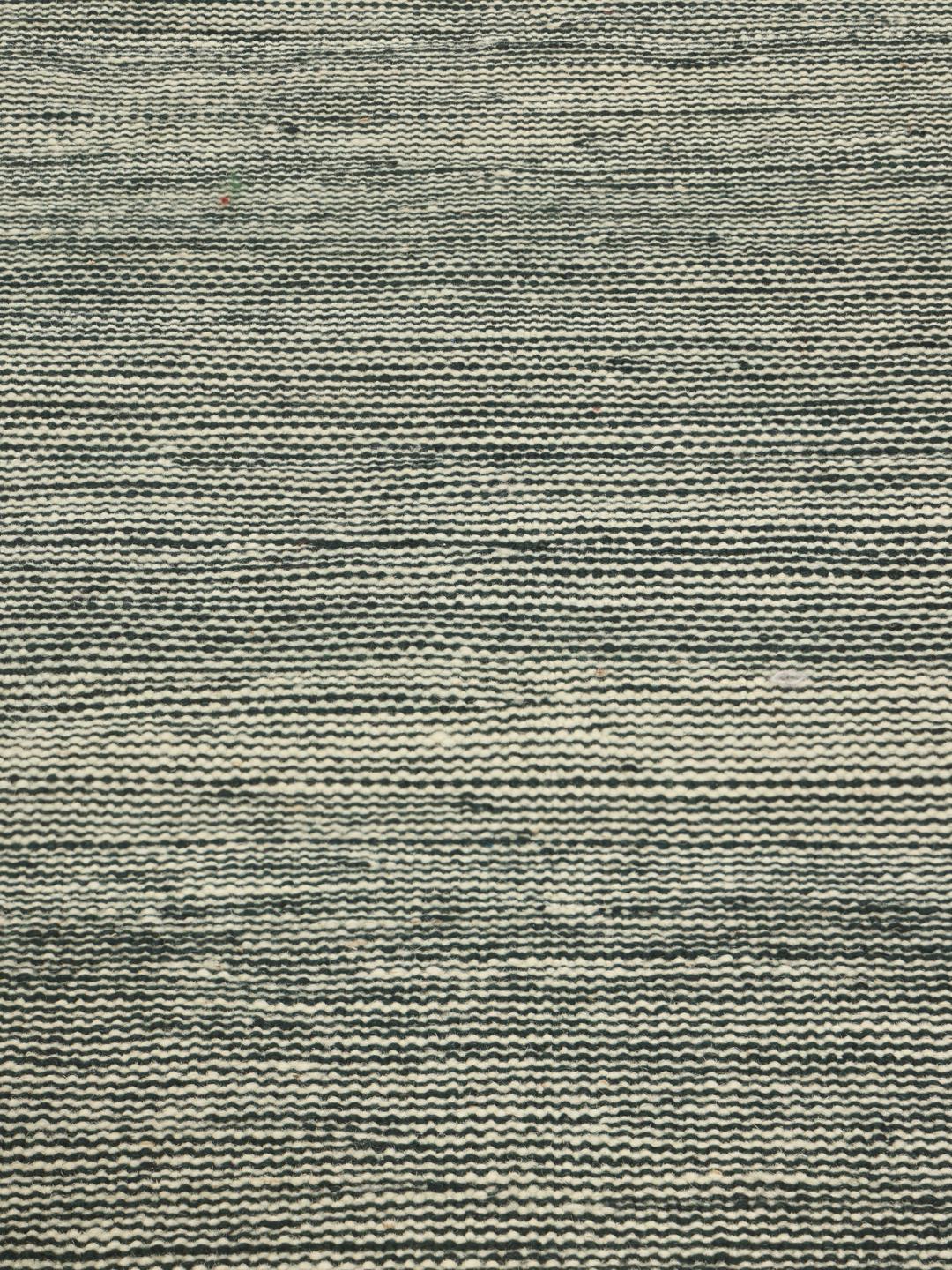
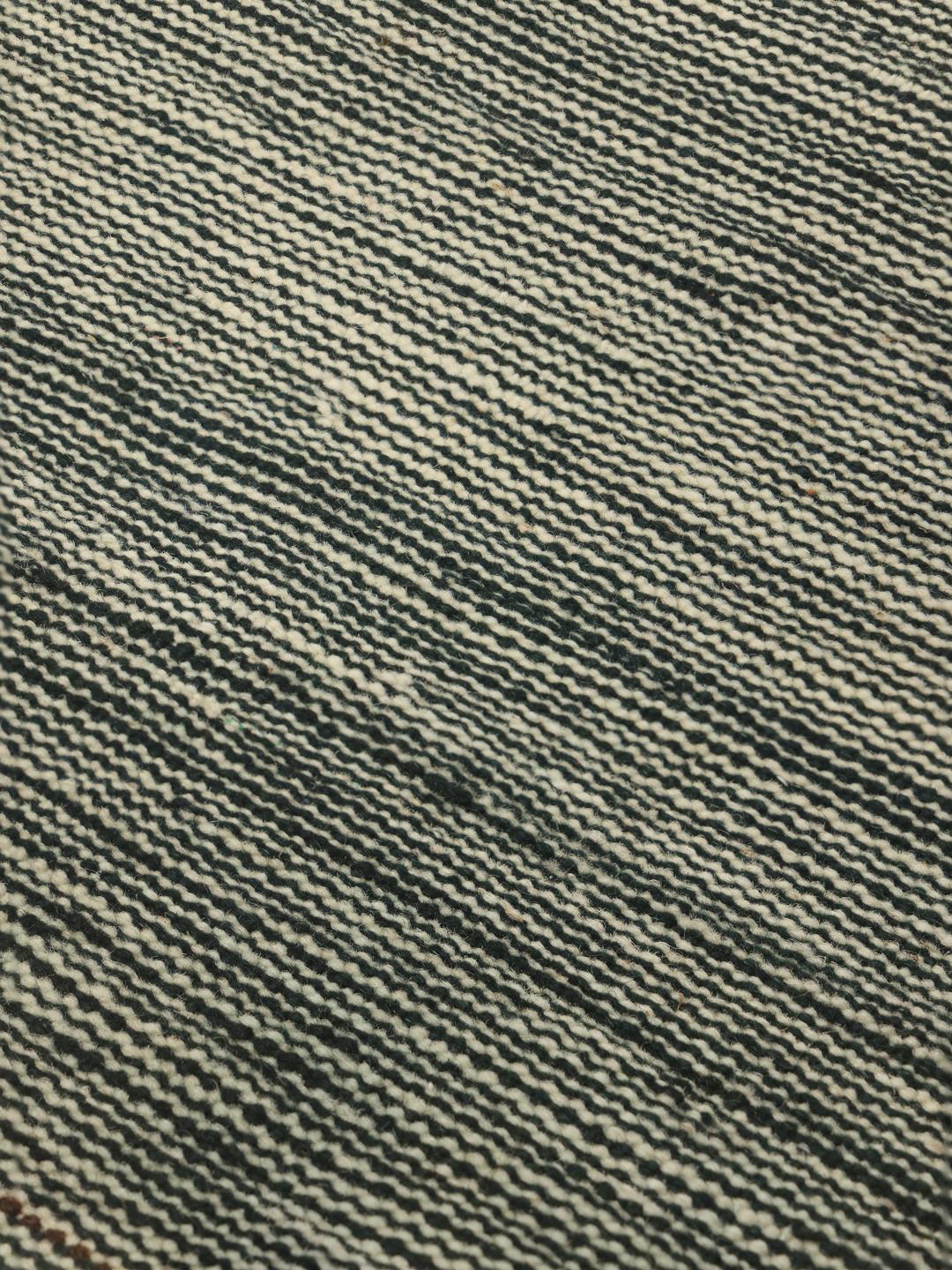
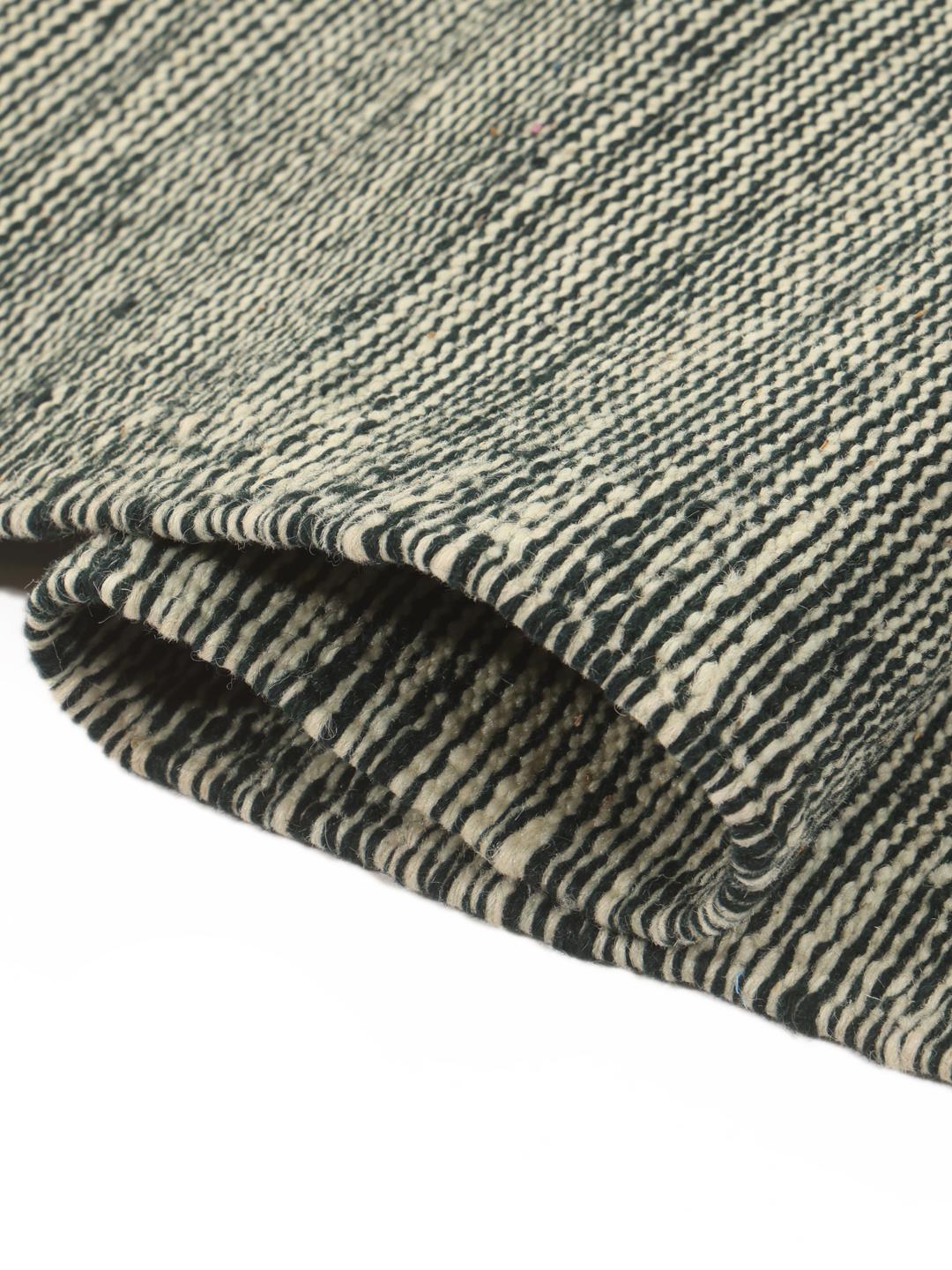
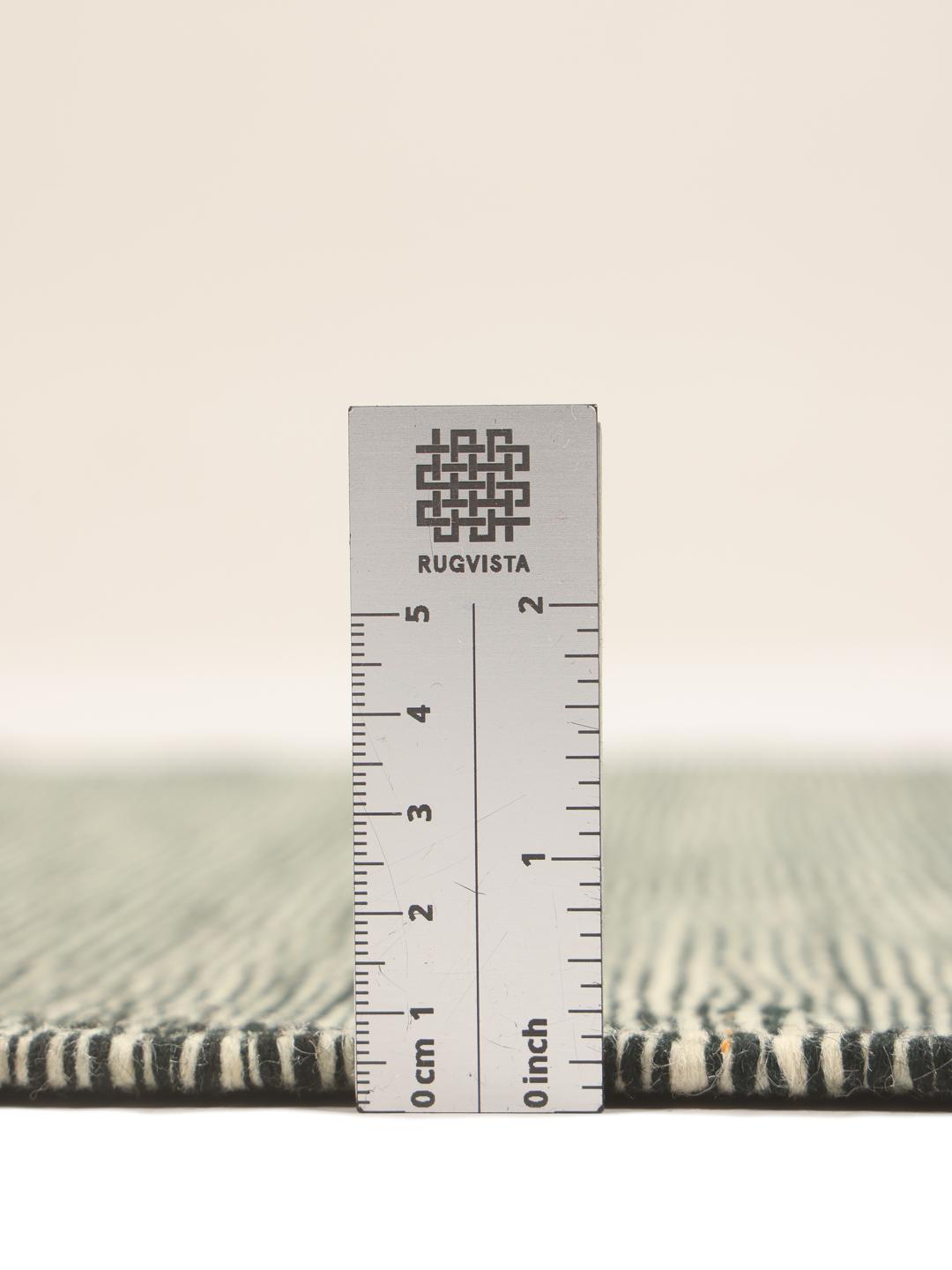
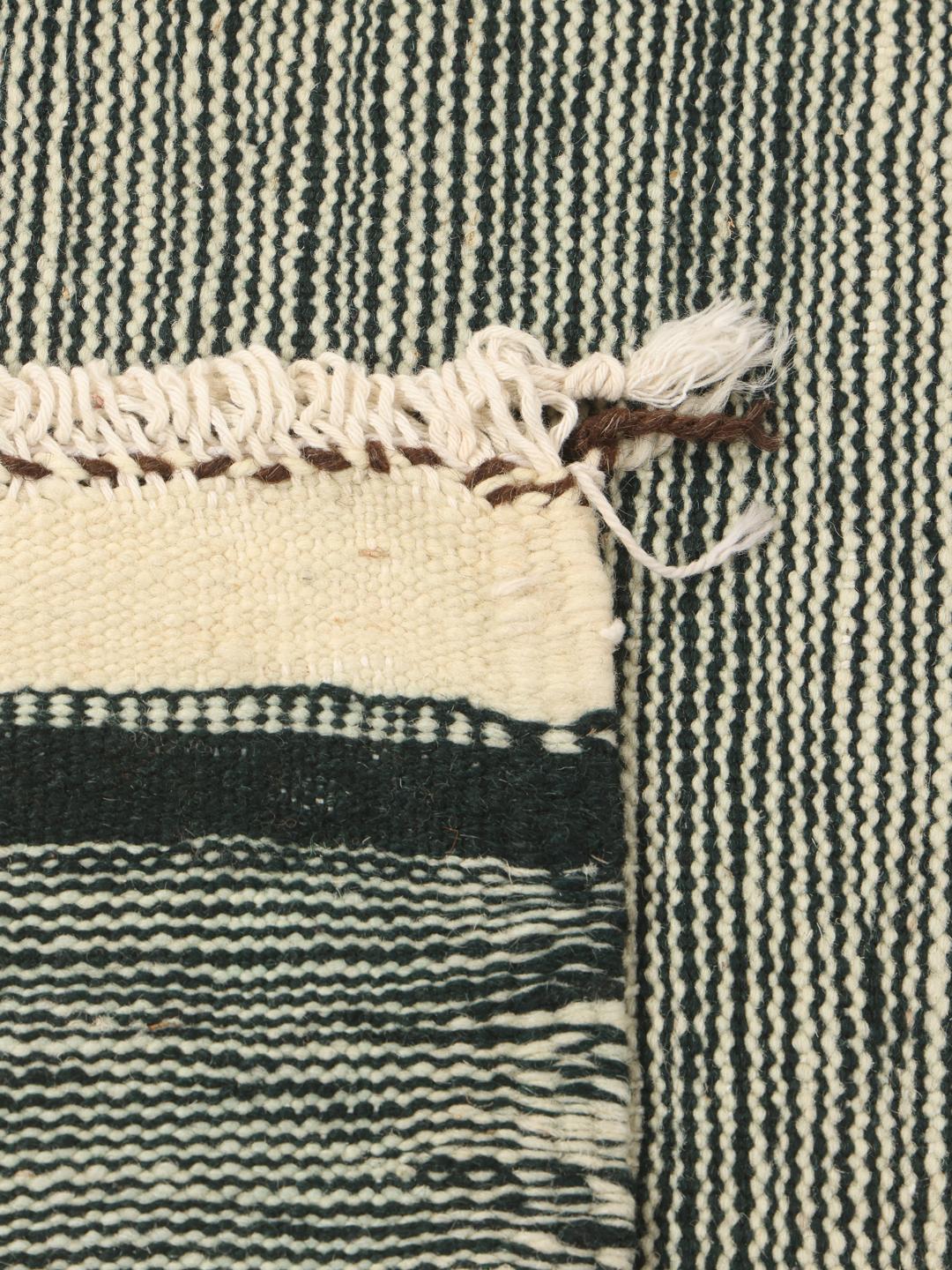
Kelim refers to the flat-woven technique where the pile is absent, resulting in a lightweight yet exceptionally durable textile. By interlacing the warp and weft threads, the weaver creates a smooth, reversible surface that is prized for its versatility. This method requires a high degree of precision, as the structural integrity of the entire piece depends on the tension maintained during the weaving process.
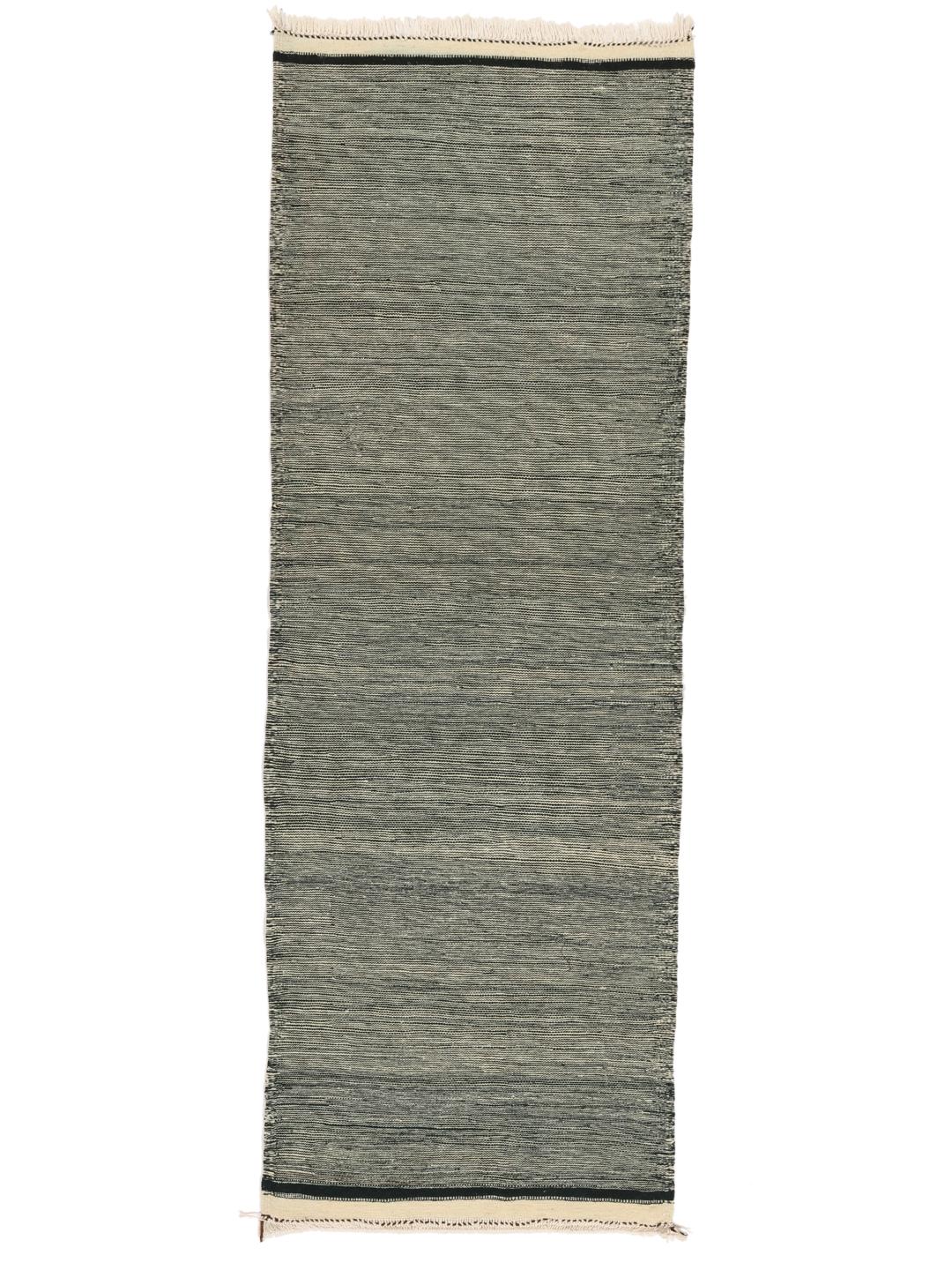
Design in this tradition is often minimalist, relying on the quality of the raw wool and the natural undyed colours to create visual interest. While some regions are known for complex geometric motifs, the high-altitude traditions often favour solid fields or subtle, linear variations that highlight the raw, organic quality of the wool. These pieces are meant to be functional works of art that age gracefully over time.
Owning a piece from this tradition is an act of supporting a craft that has remained largely unchanged for generations. These rugs are highly valued by collectors for their authenticity and the human story woven into every thread. By choosing a hand-woven runner, you are bringing home a piece of Moroccan heritage that celebrates the intersection of skill, environment, and daily life.