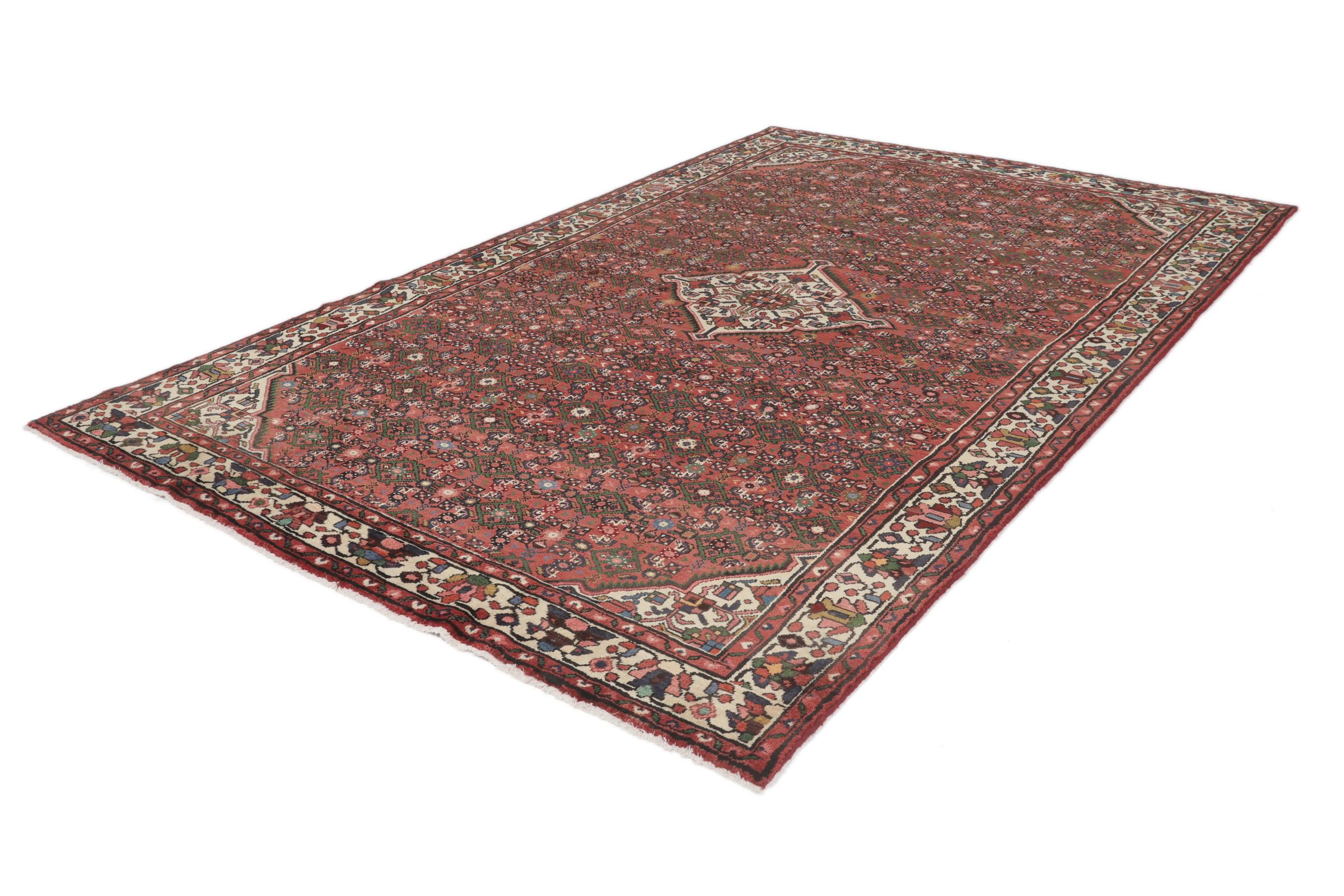
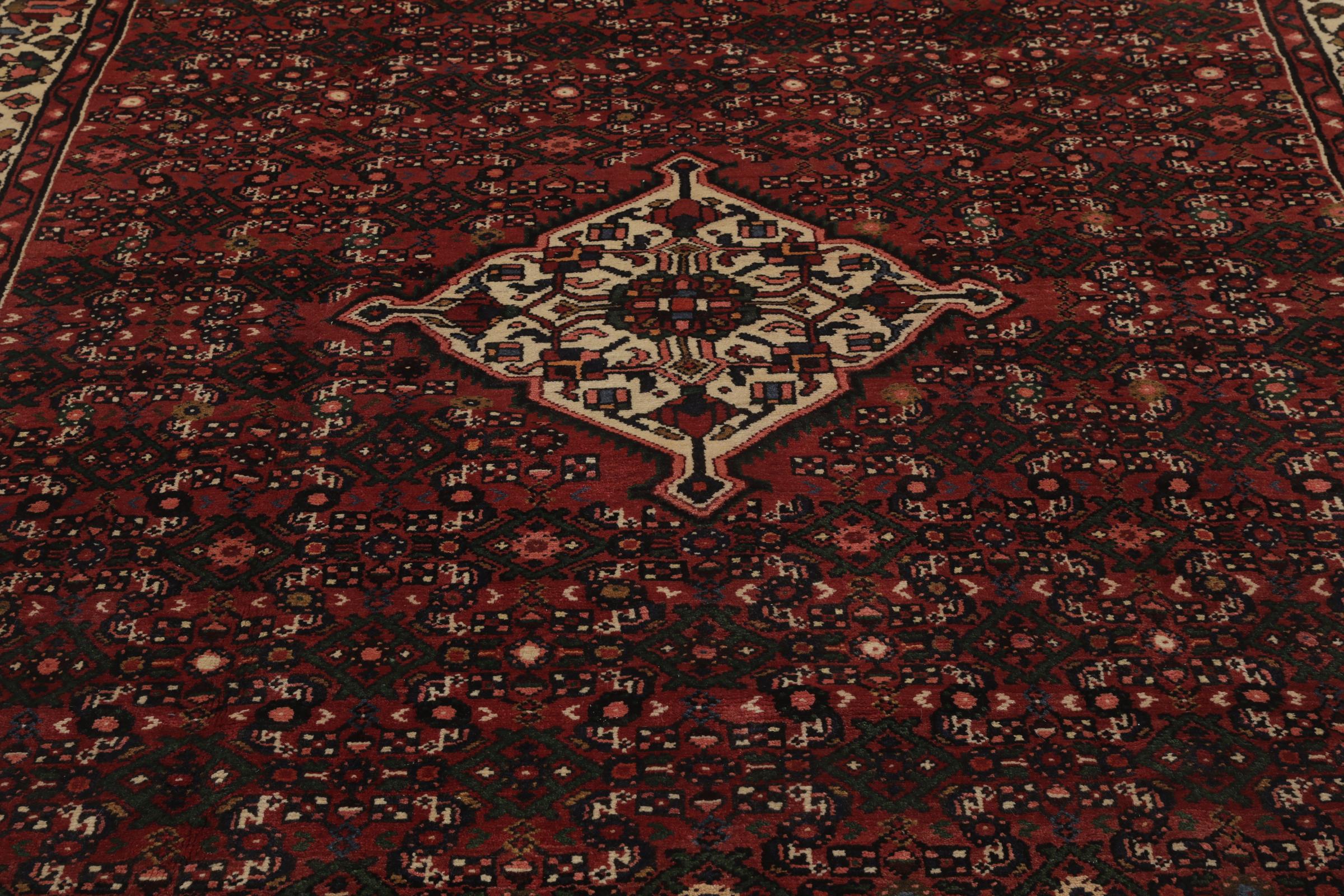
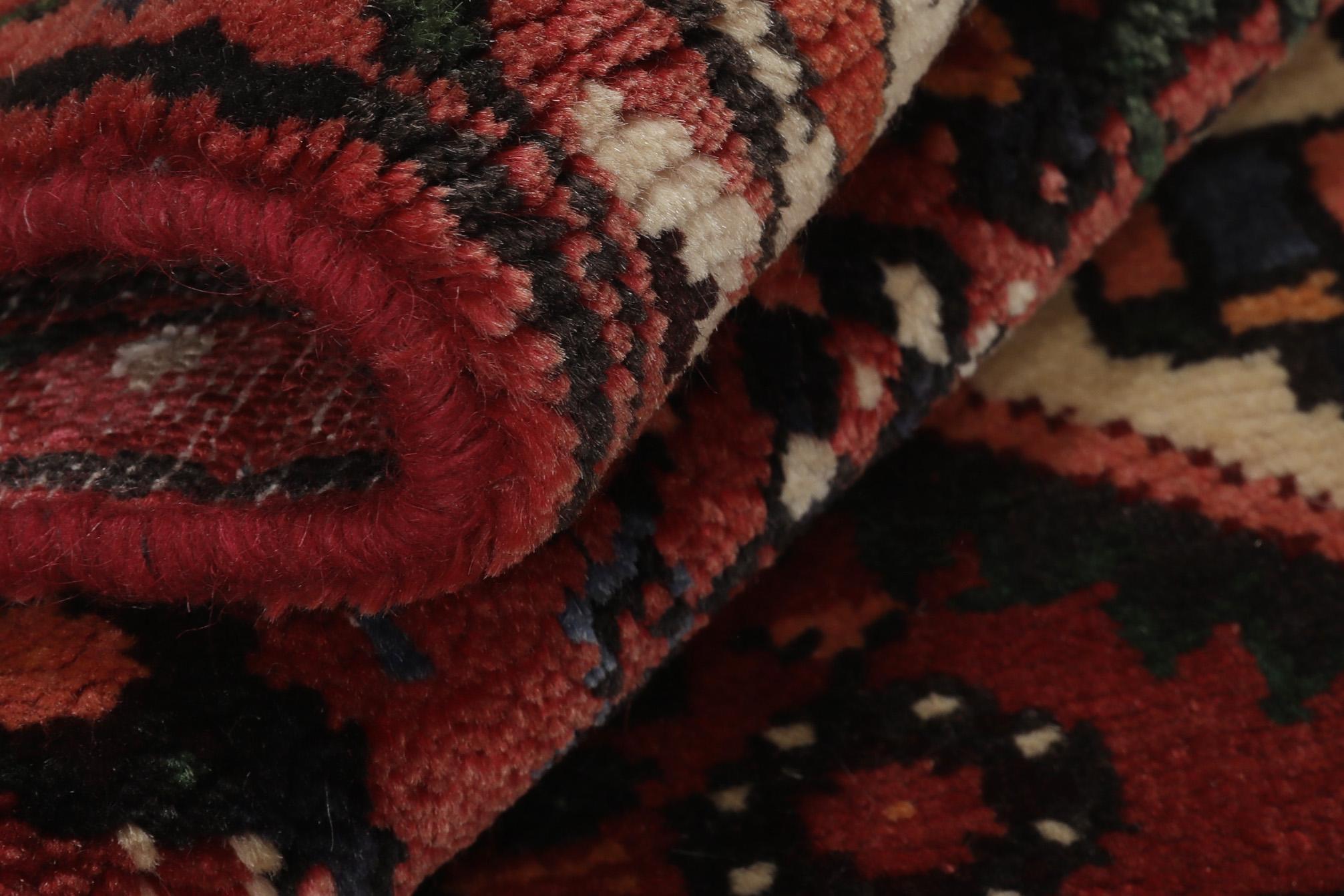
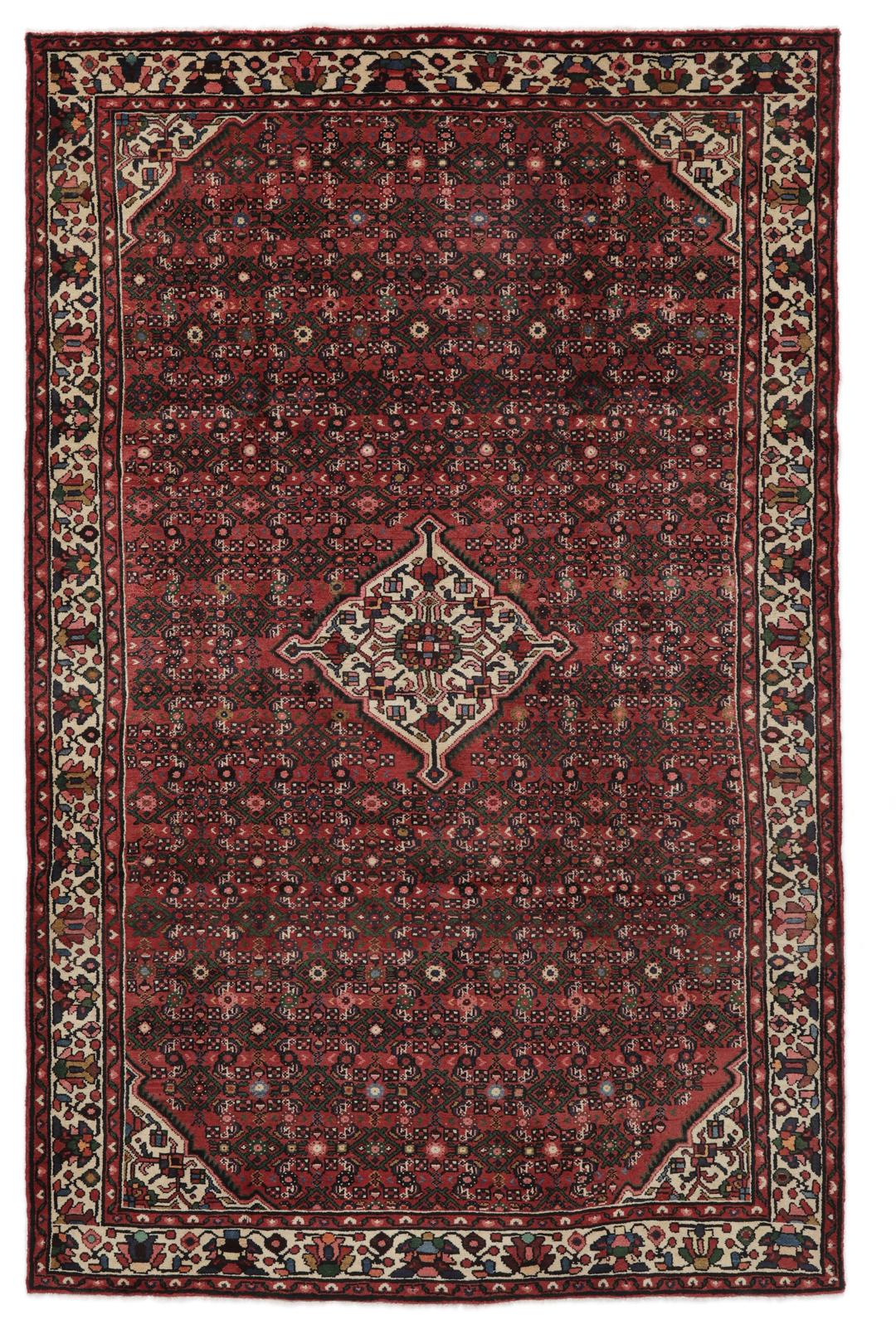
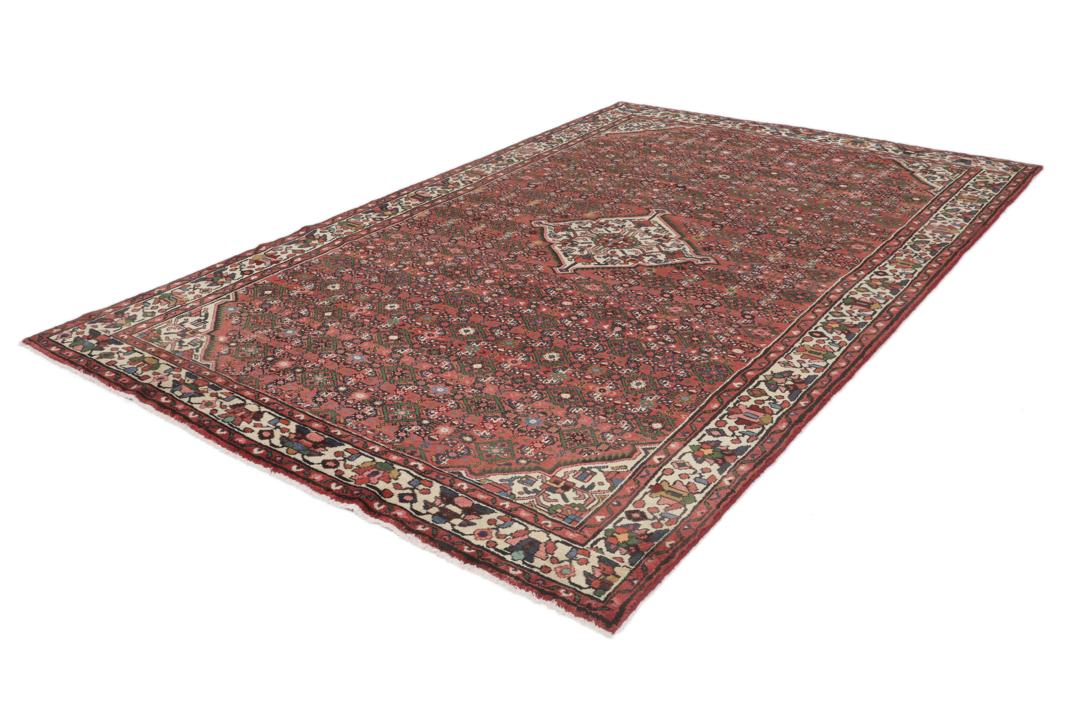
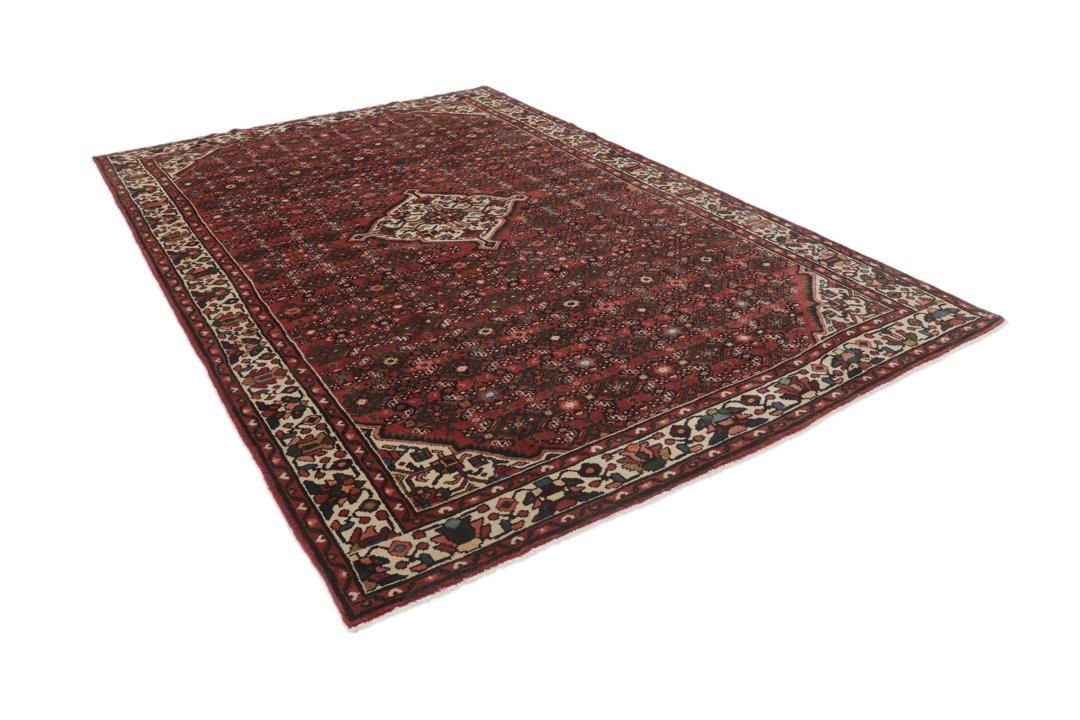
Hosseinabad rugs originate from the Hamadan region in the Middle East, a historic area renowned for its long-standing tradition of village weaving. These rugs are deeply connected to the local culture, where weaving has been a vital household craft for generations. The evolution of these rugs reflects the unique aesthetic sensibilities of the local artisans who have preserved their traditional techniques while adapting them to broader design tastes.
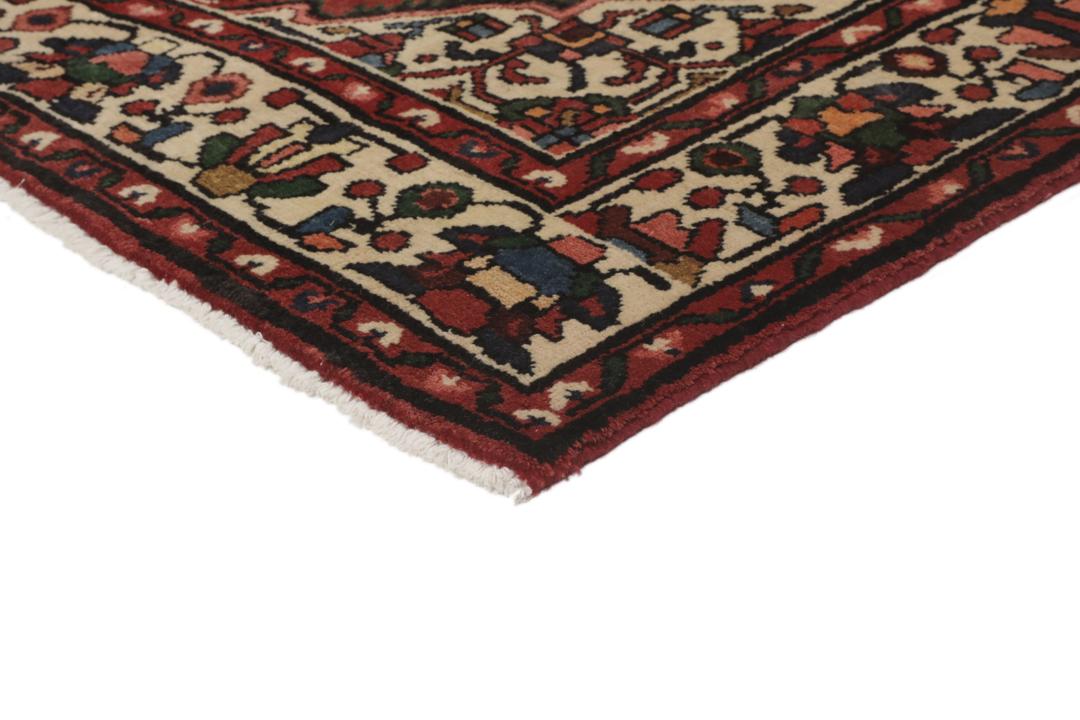
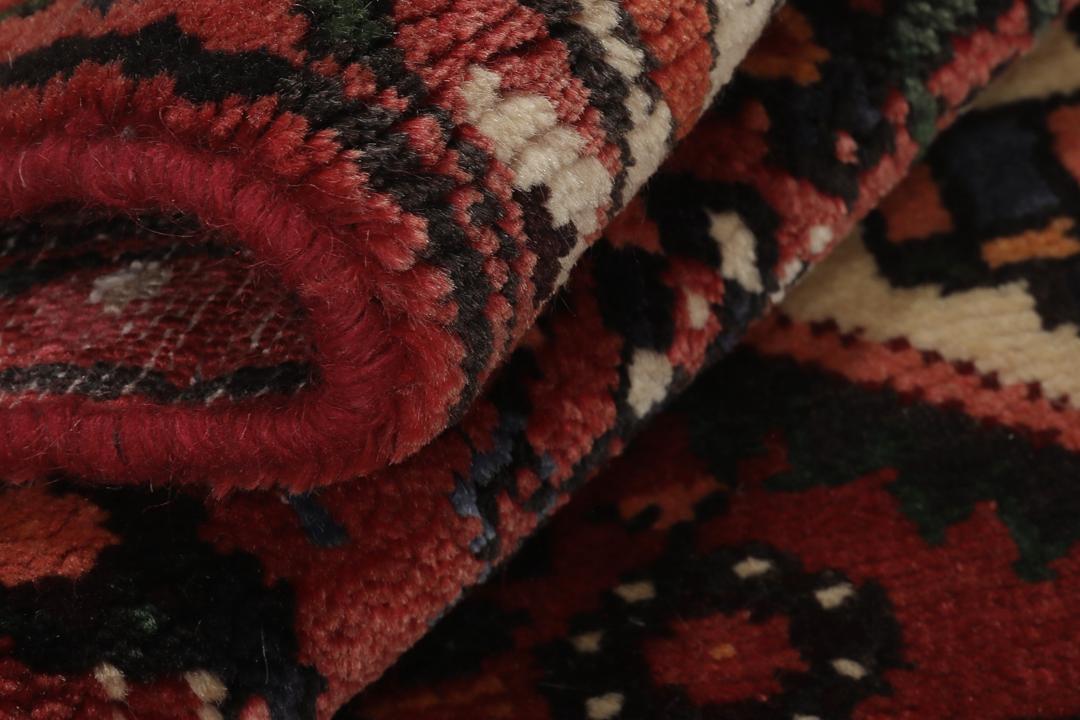
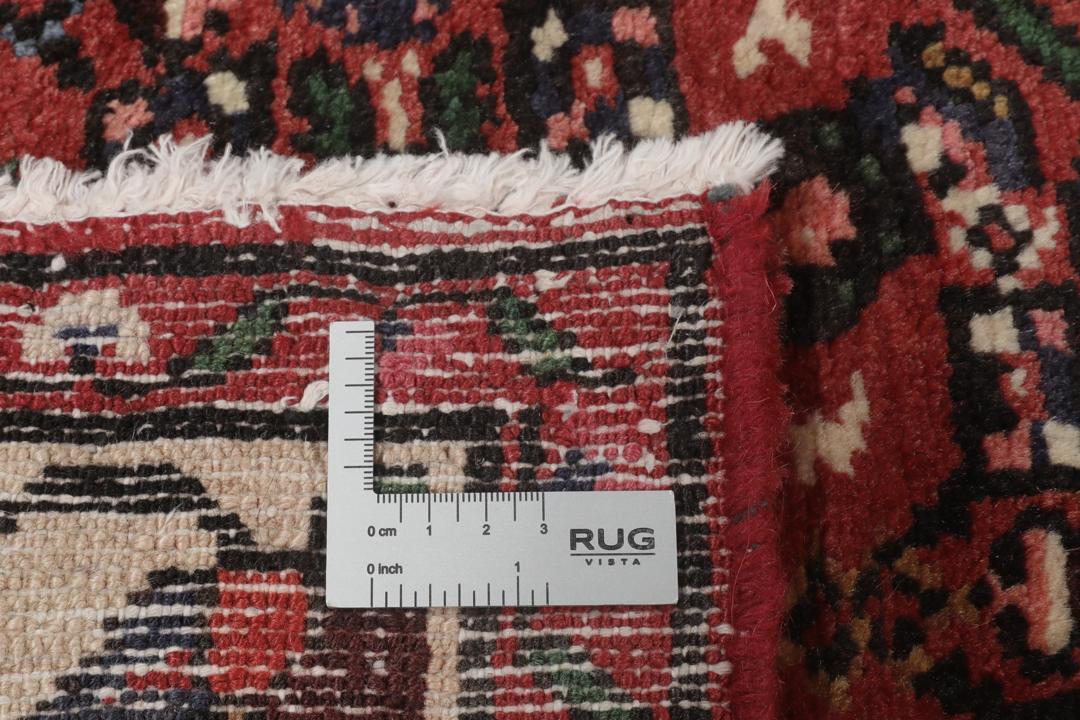
The term hand-knotted describes the essential technique where individual strands of wool are tied around the foundation, creating a pile that is exceptionally resilient. This method is what gives the rug its weight and longevity, as the knots lock the pile firmly in place. Unlike machine-made alternatives, this traditional approach ensures that the rug develops a beautiful character as it ages, becoming a lasting part of your home history.
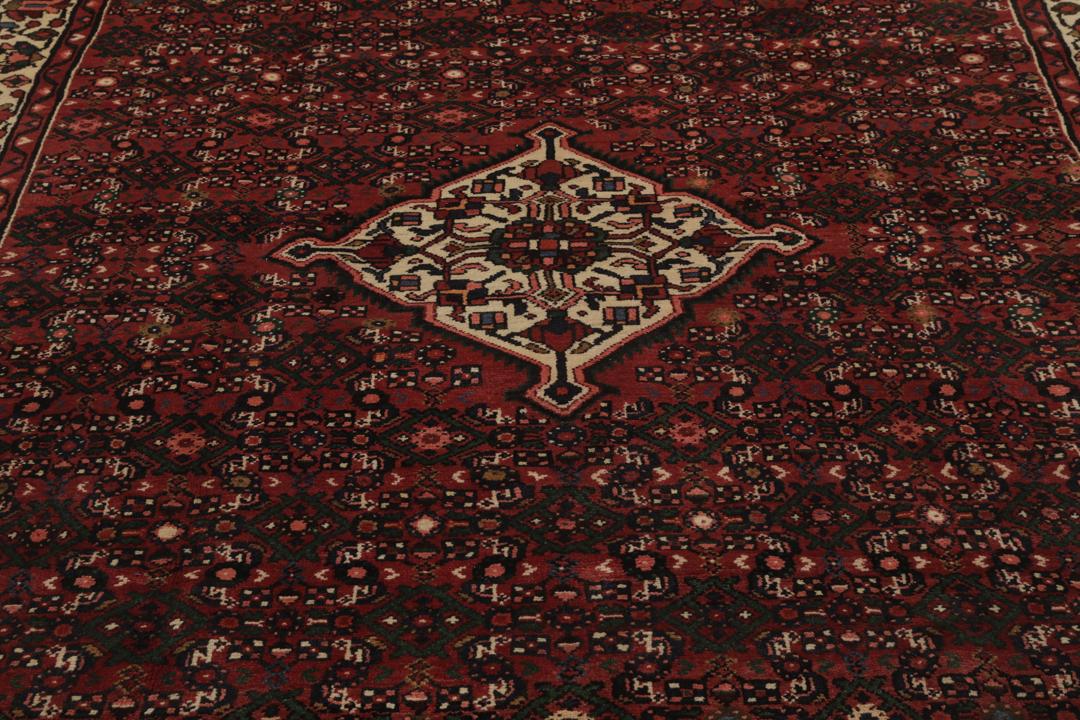
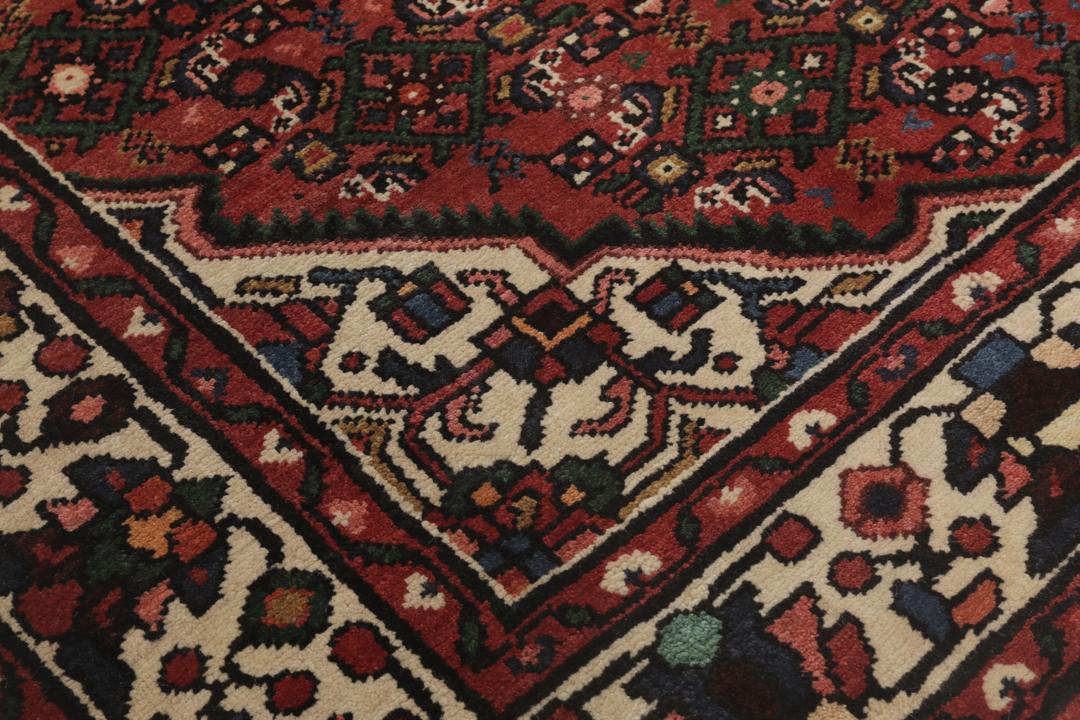
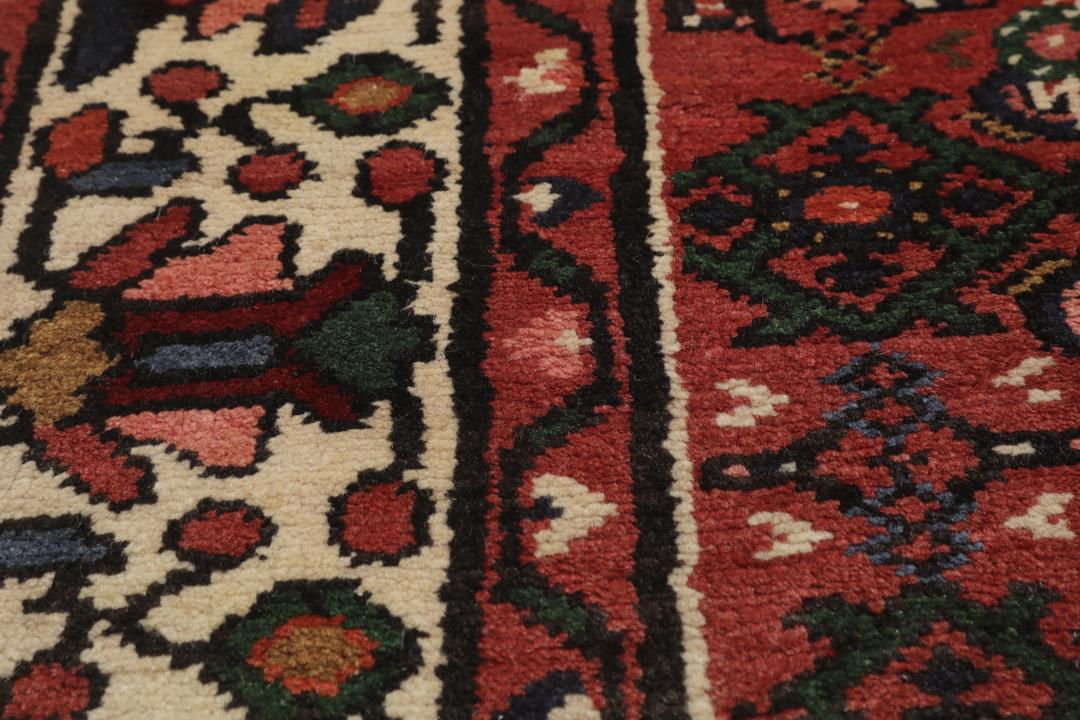
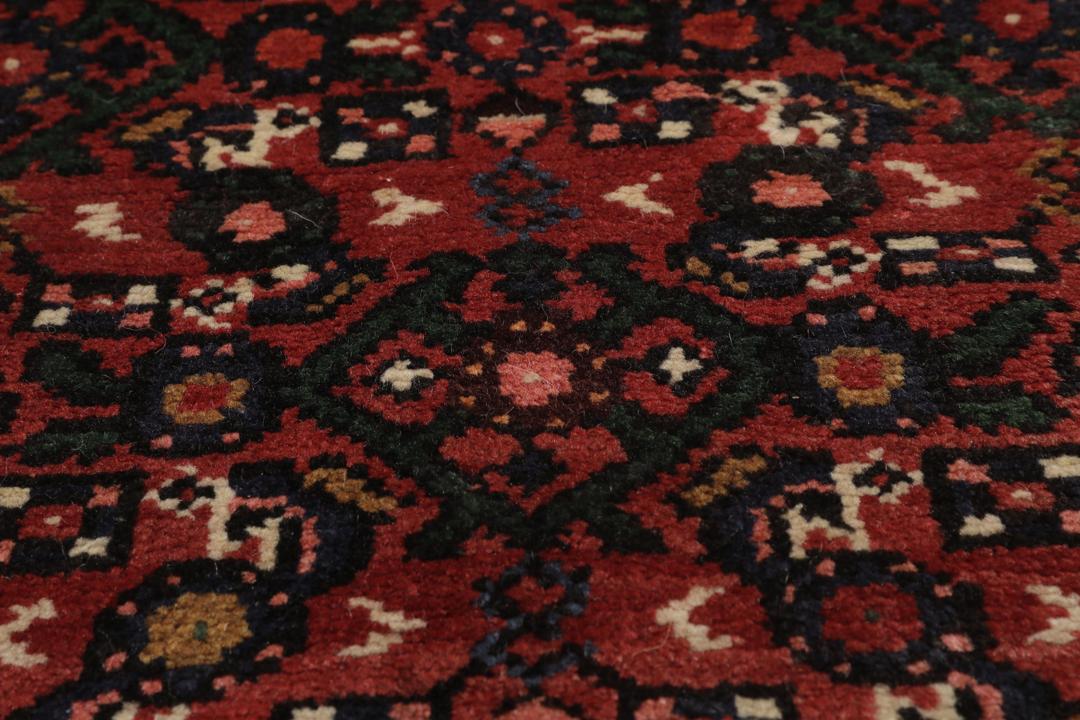
Visually, these rugs are often defined by their bold, geometric interpretations of floral motifs and central medallions. The design language is rich with symmetry, typically featuring a prominent medallion that draws the eye, surrounded by a field of repeating patterns. The deep, earthy colour palette is a hallmark of the region, often achieved through traditional dyeing methods that result in rich, complex tones that harmonise well with classic interiors.
Owning a piece from this tradition is a way to celebrate human skill and heritage. These rugs are highly valued by collectors and homeowners alike for their authenticity and the sheer amount of effort embedded in every square centimetre. By choosing this rug, you are preserving a craft tradition that prioritises quality and artistic expression over convenience, making it a meaningful addition to any collection.