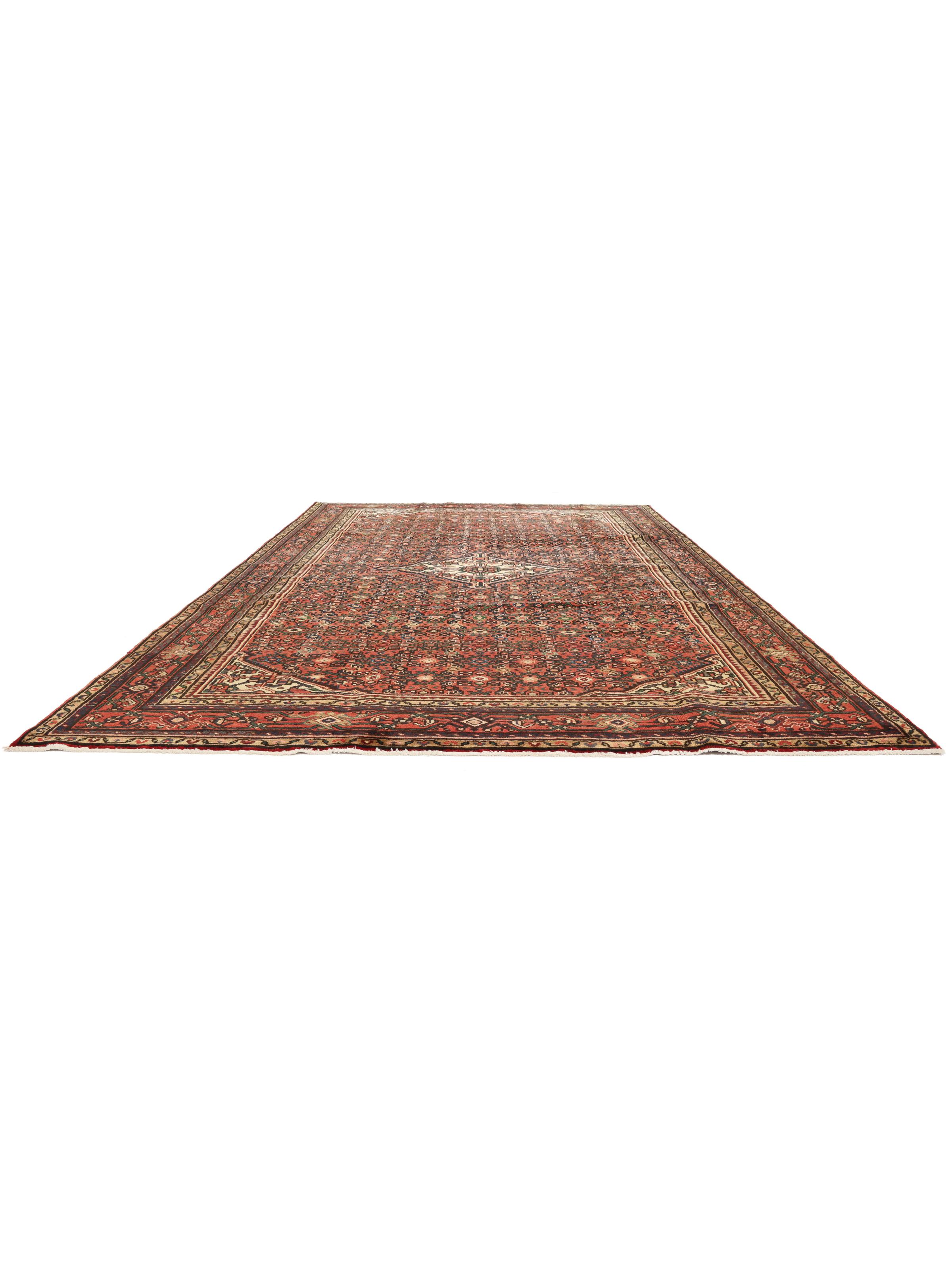
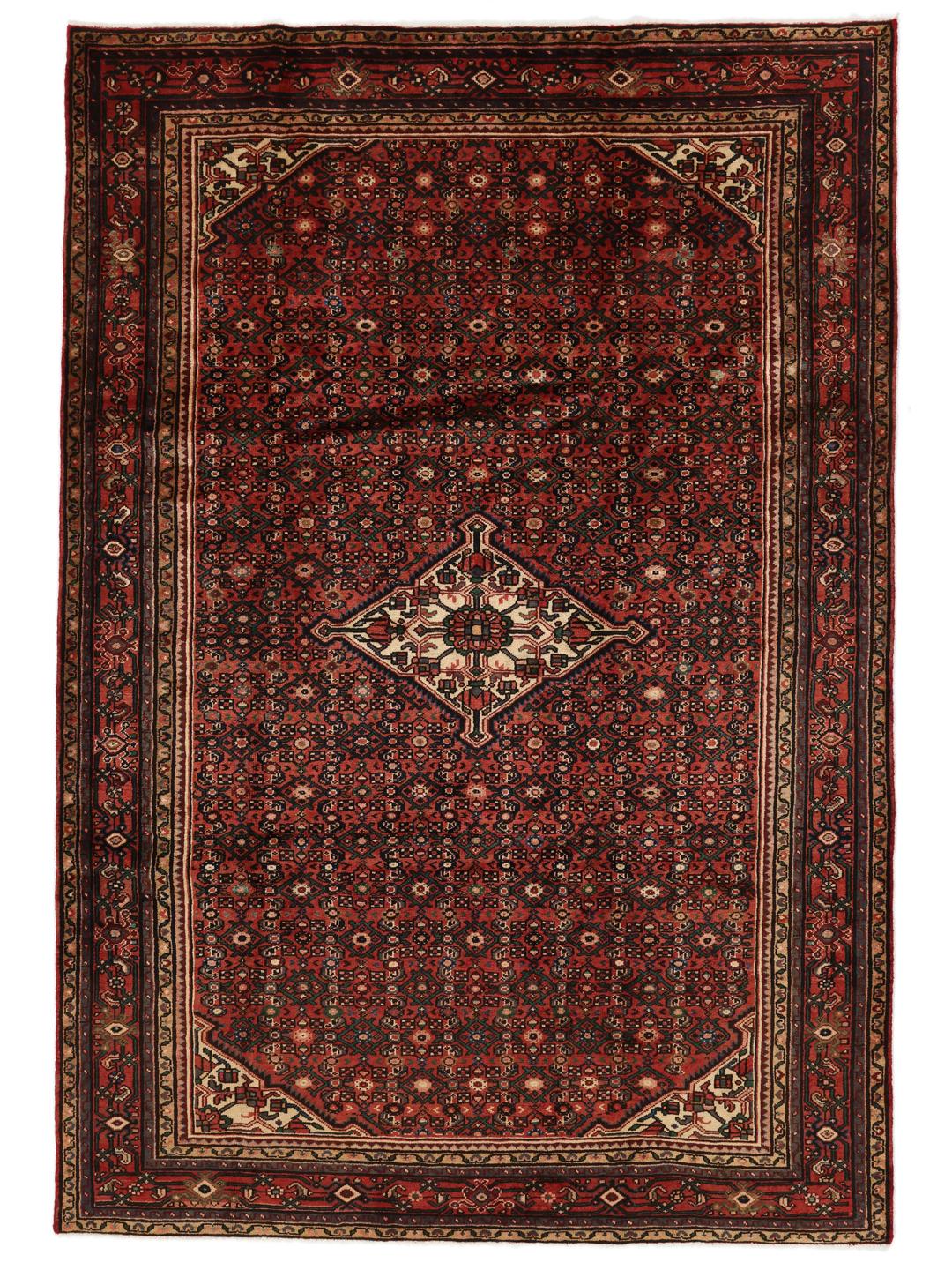
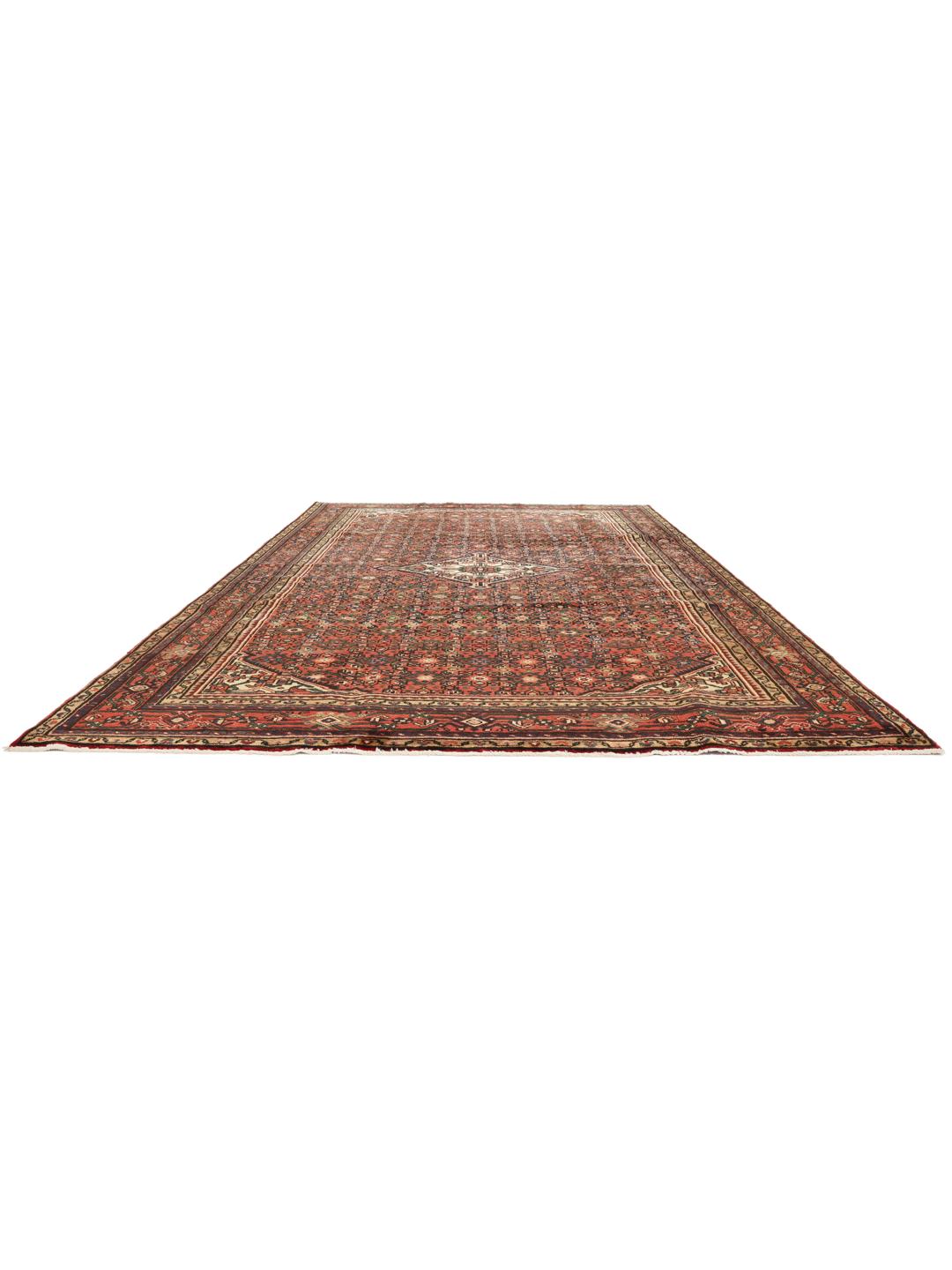
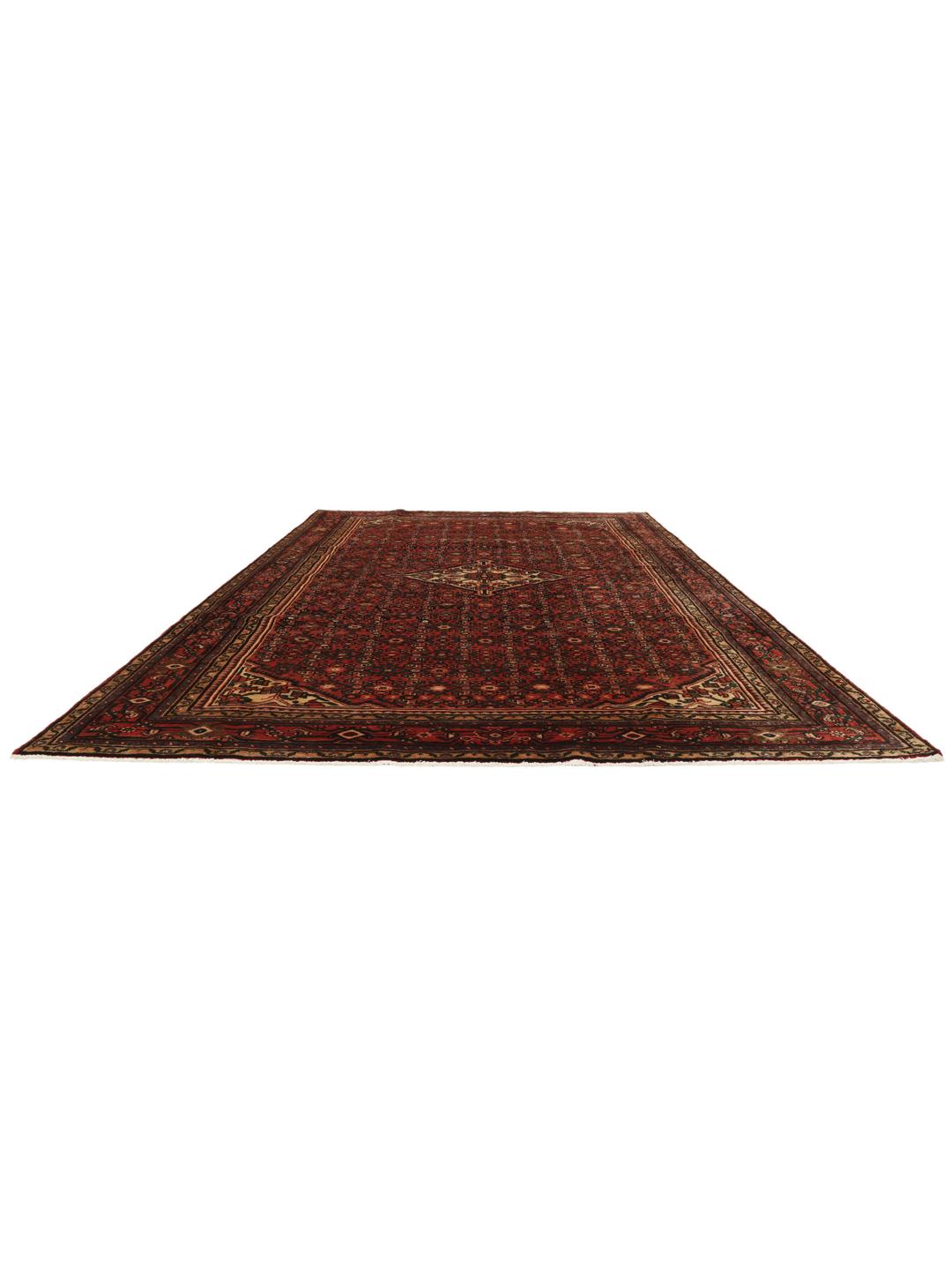
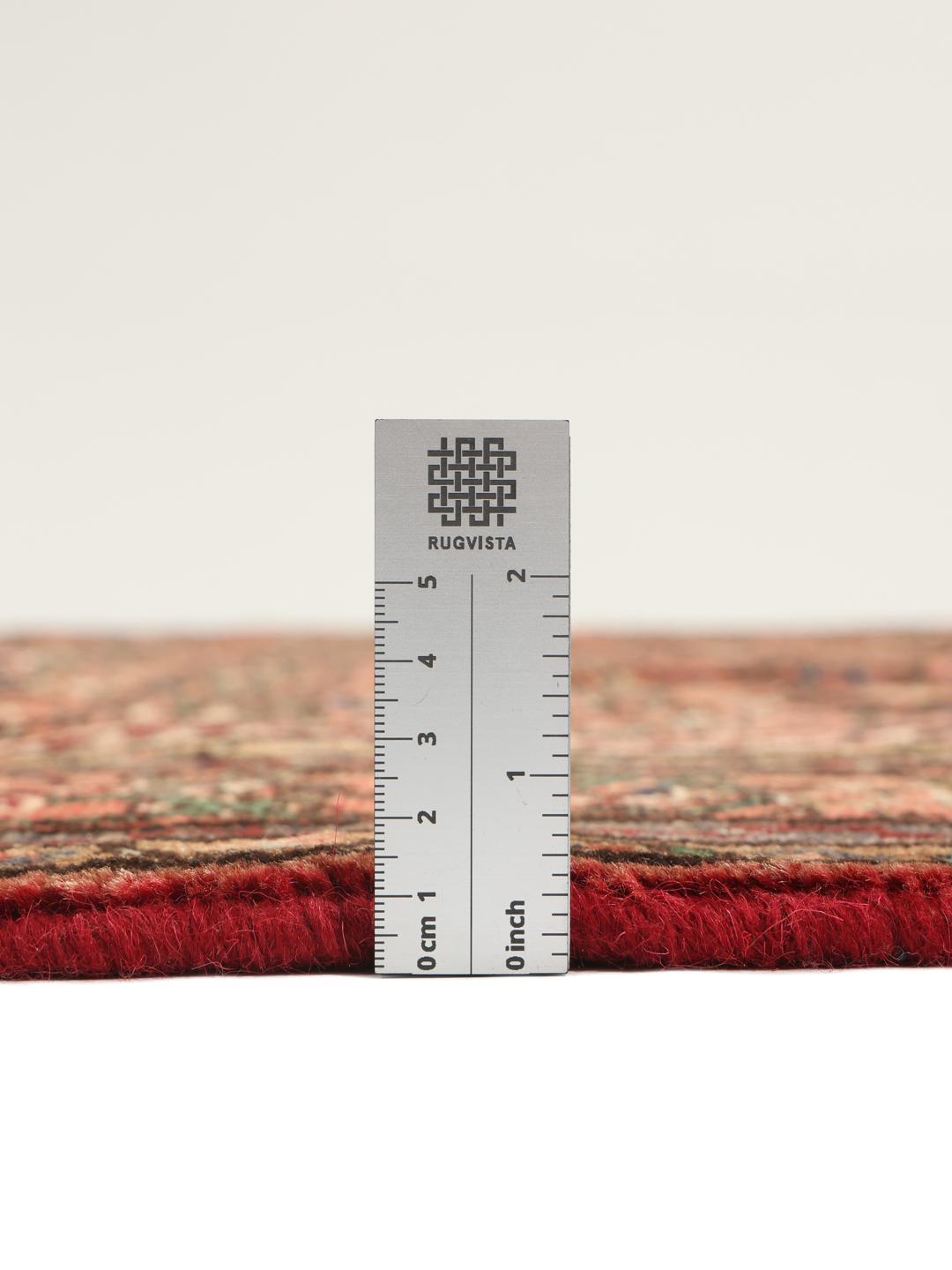
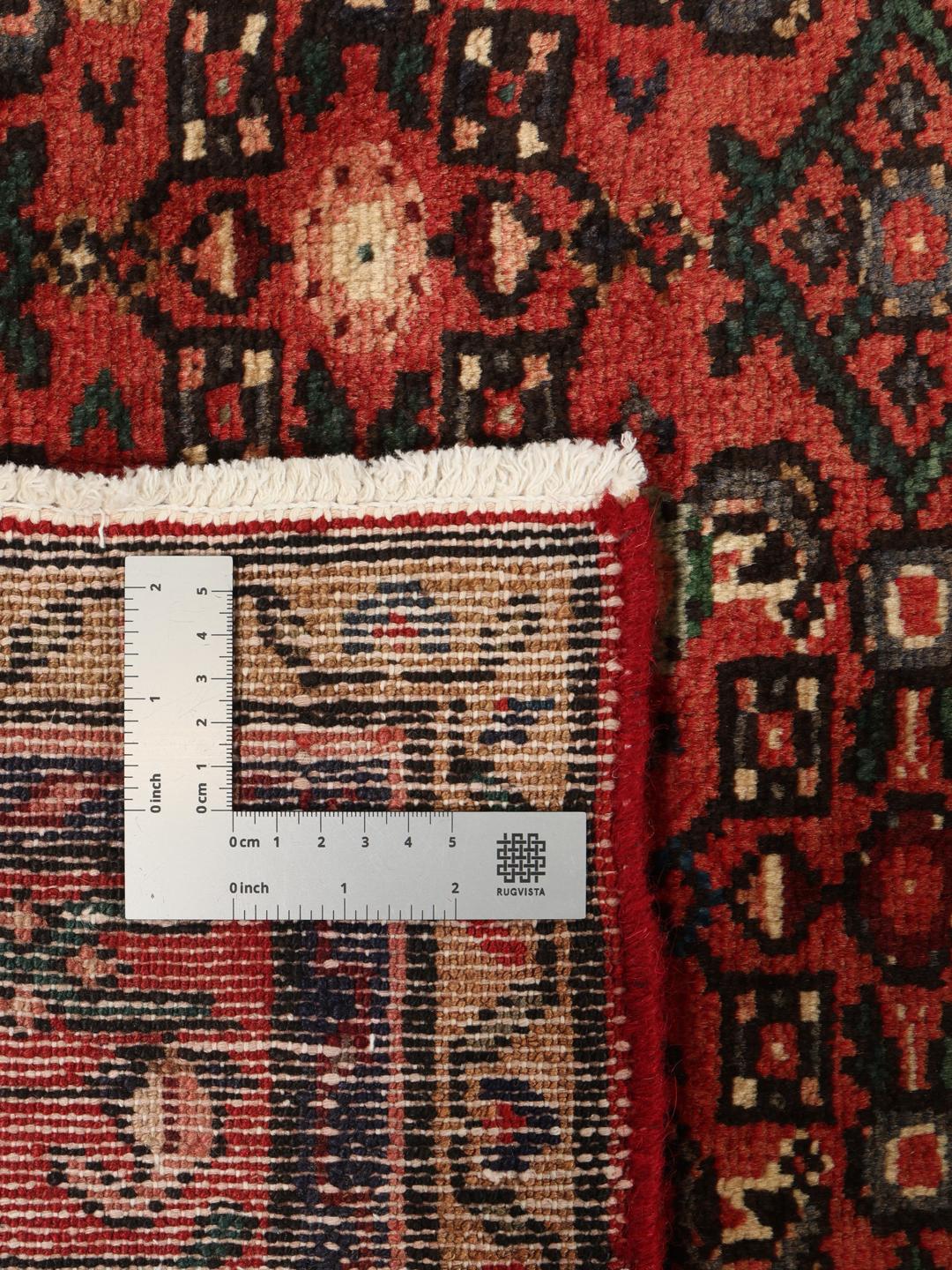
The Hosseinabad rug tradition originates from the Hamadan region of the Middle East, a historic area renowned for its long-standing weaving culture. These rugs are deeply rooted in the local village aesthetic, where generations of weavers have developed a distinct style that balances geometric precision with a warm, rustic charm.
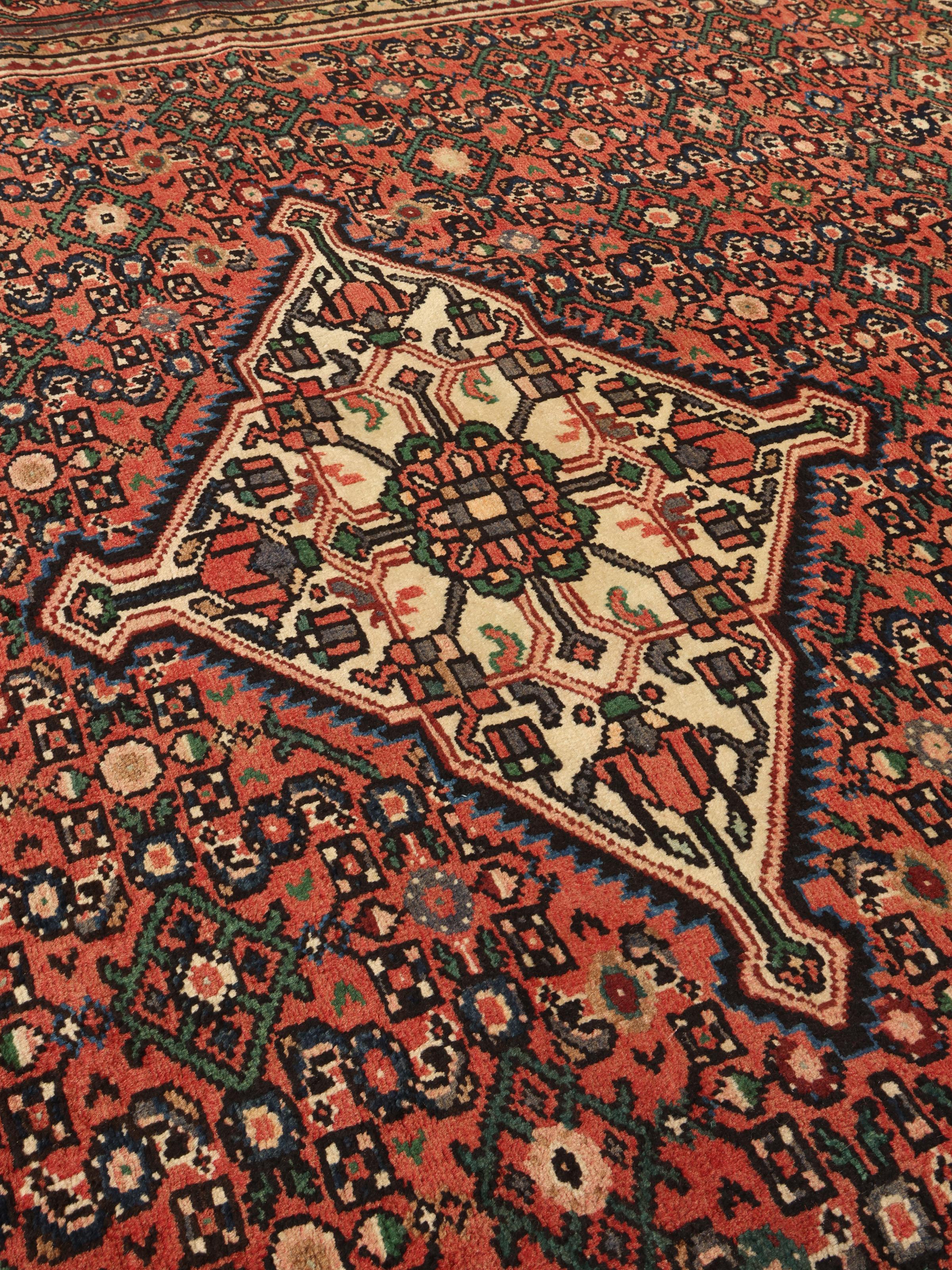
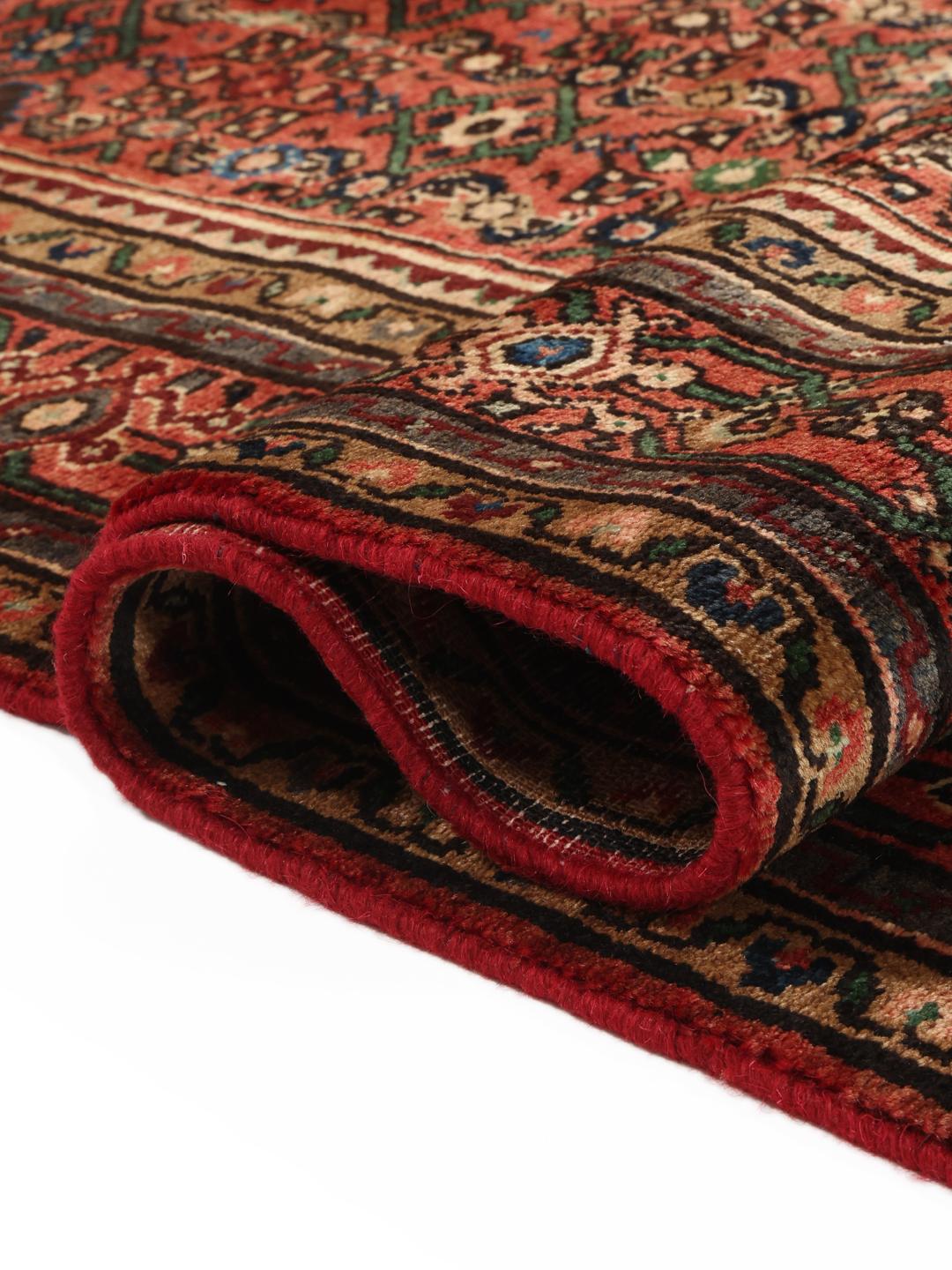
The term Hosseinabad refers to specific village workshops that have become synonymous with high-quality, durable floor coverings. These rugs are typically crafted with a sturdy cotton foundation, which provides the necessary tension for the Wool pile to be knotted tightly. This technique is essential for creating the resilience that these pieces are famous for, ensuring they can handle heavy foot traffic while retaining their beauty.
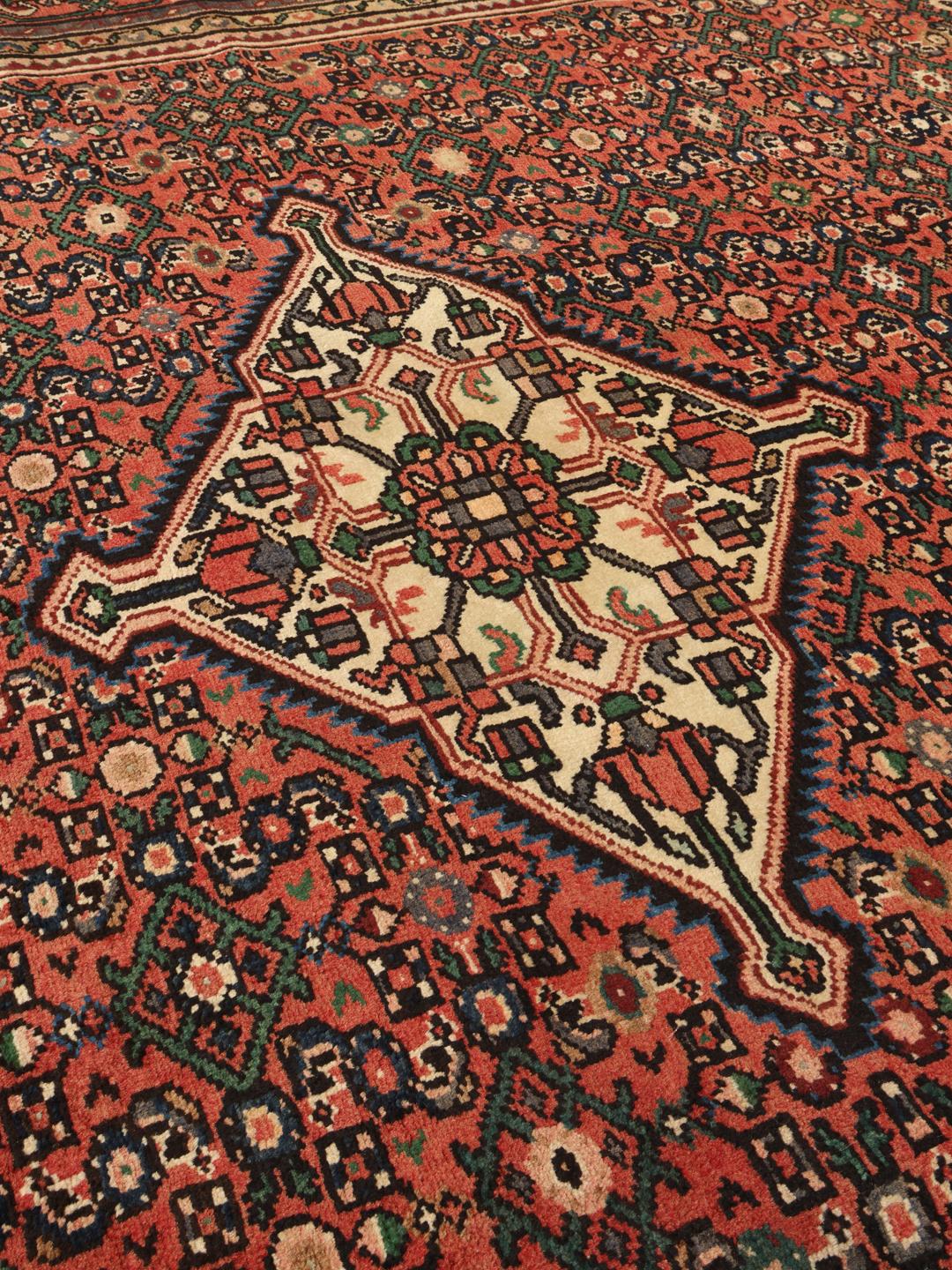
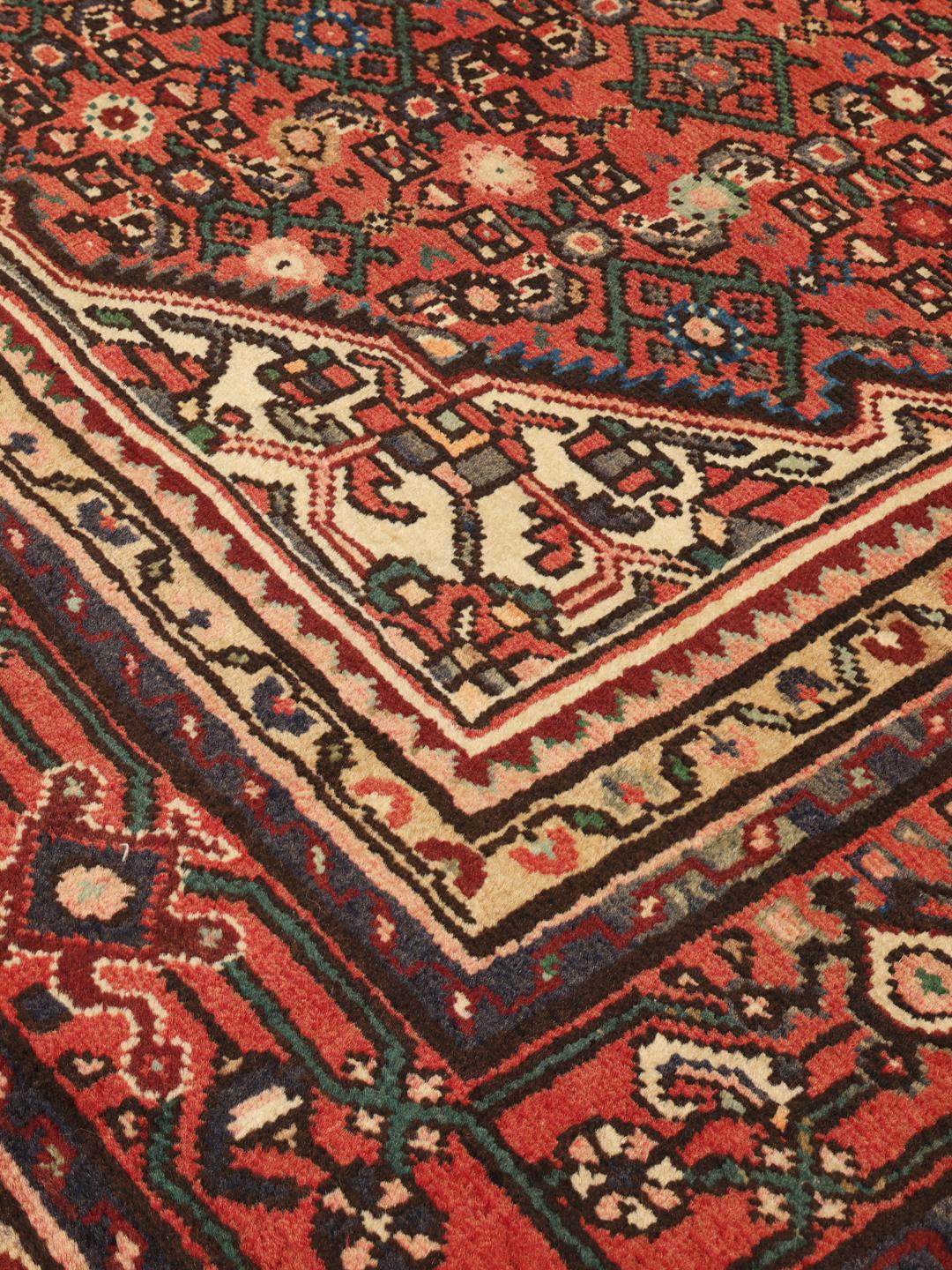
Visually, these rugs are often characterised by a central medallion, frequently set against a field filled with repeating floral or geometric motifs. The borders are usually bold and well-defined, framing the intricate work within. The colours are traditionally derived from natural sources, resulting in deep, earthy tones that age gracefully over time.
Collecting a rug from this tradition is an investment in cultural heritage. Each piece acts as a physical record of the weaver's skill and the design language of their village. Owning such a rug connects your living space to a centuries-old craft, bringing a level of authenticity and character that mass-produced items cannot replicate.