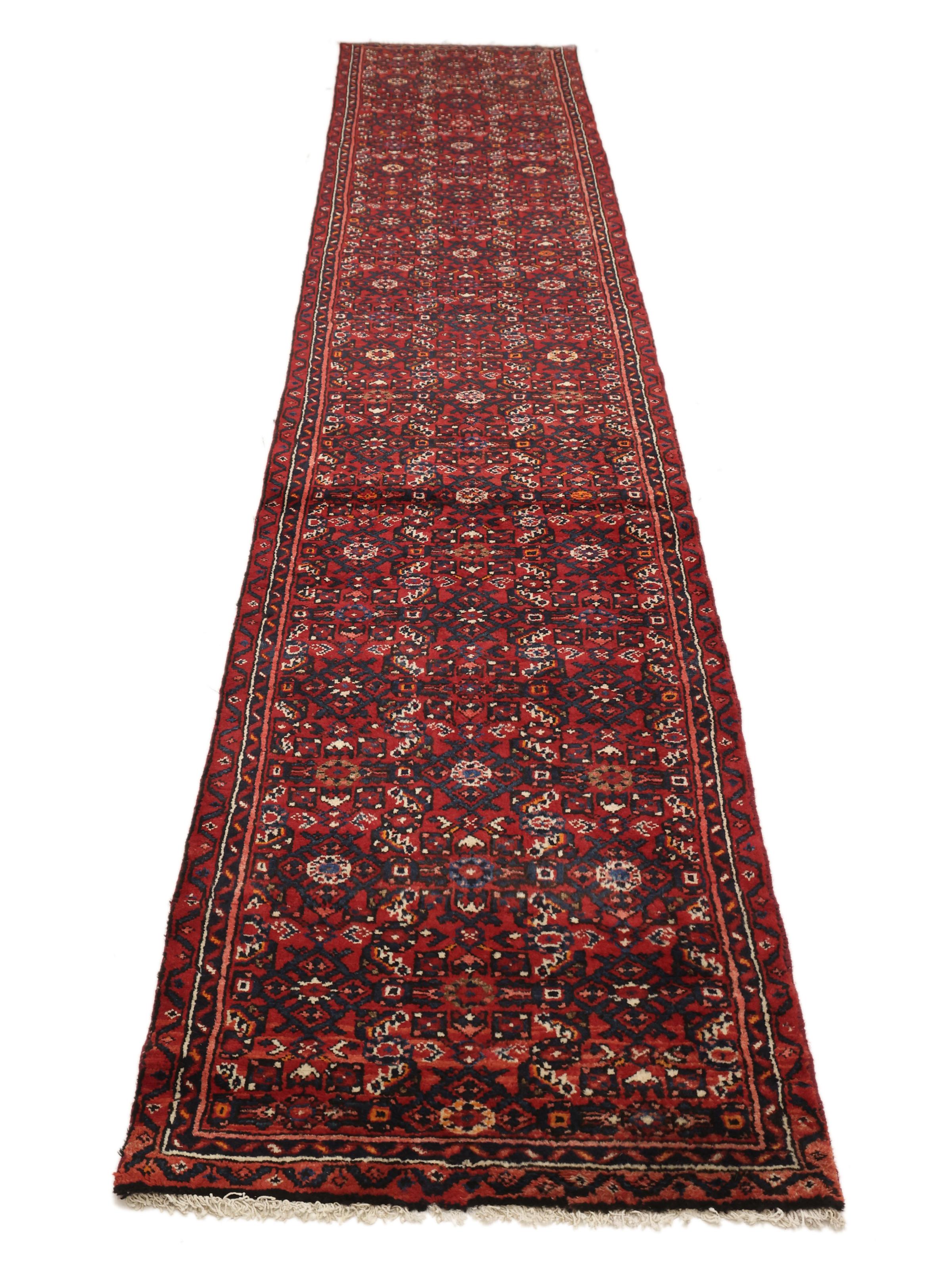
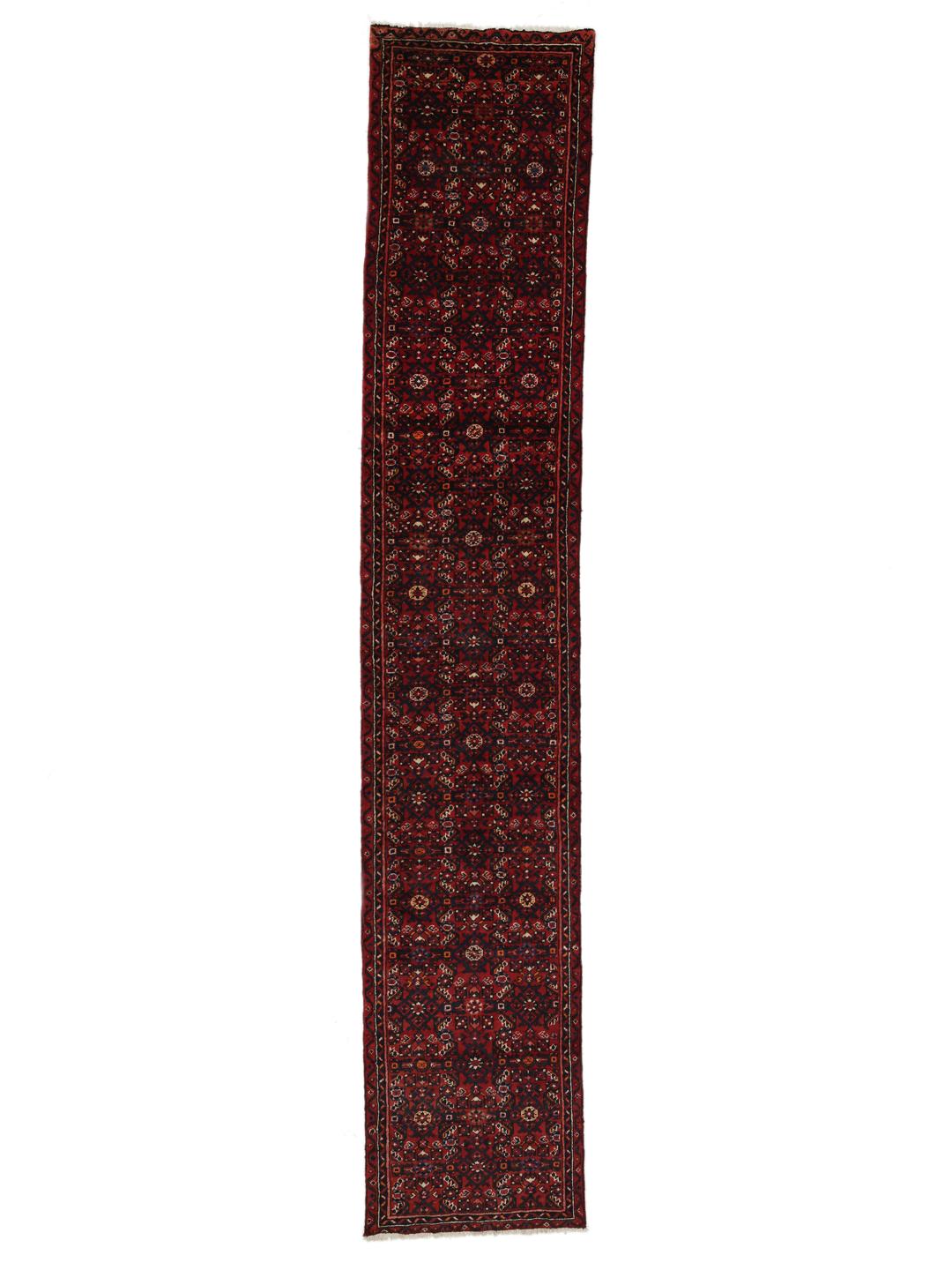
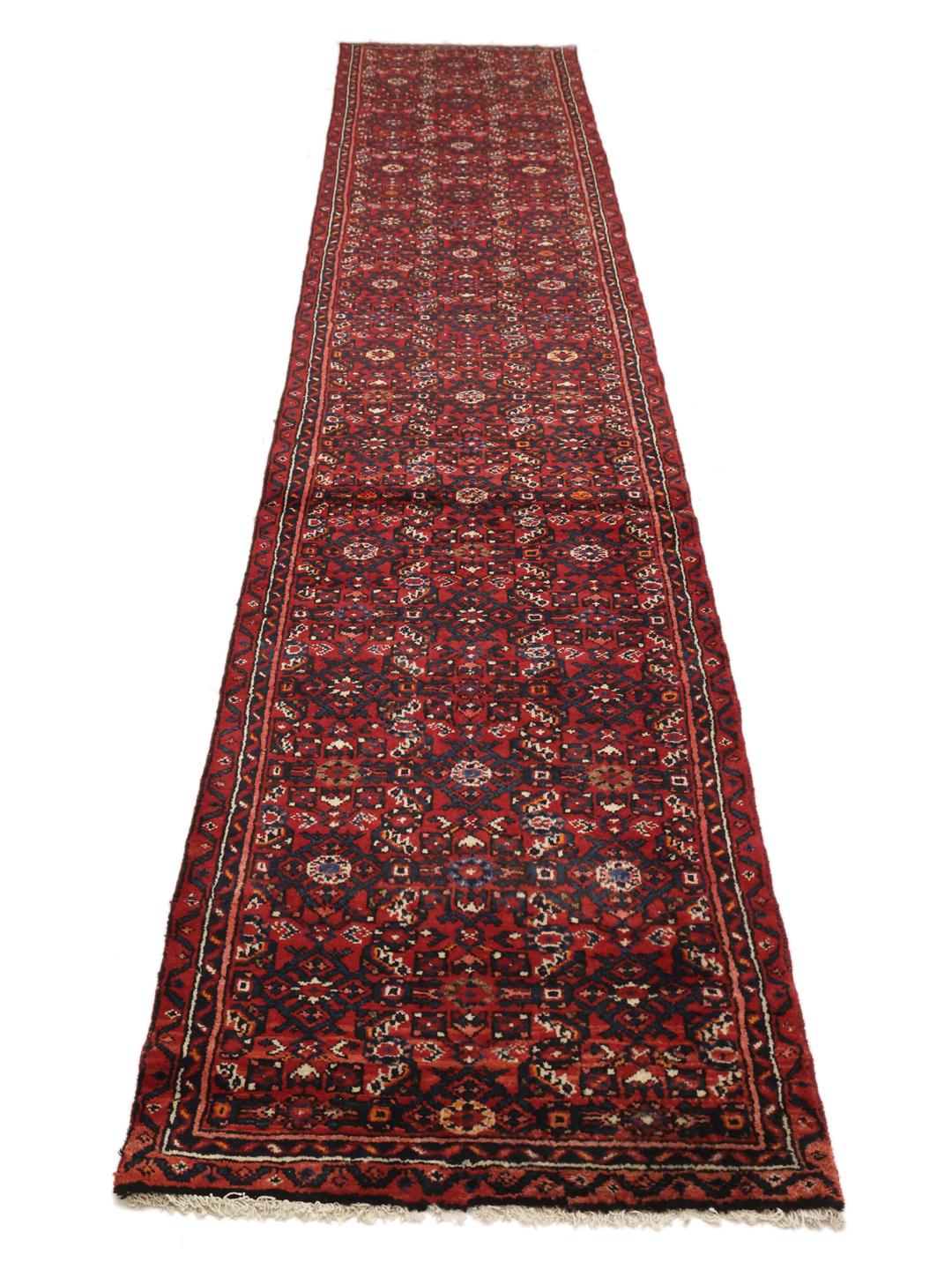
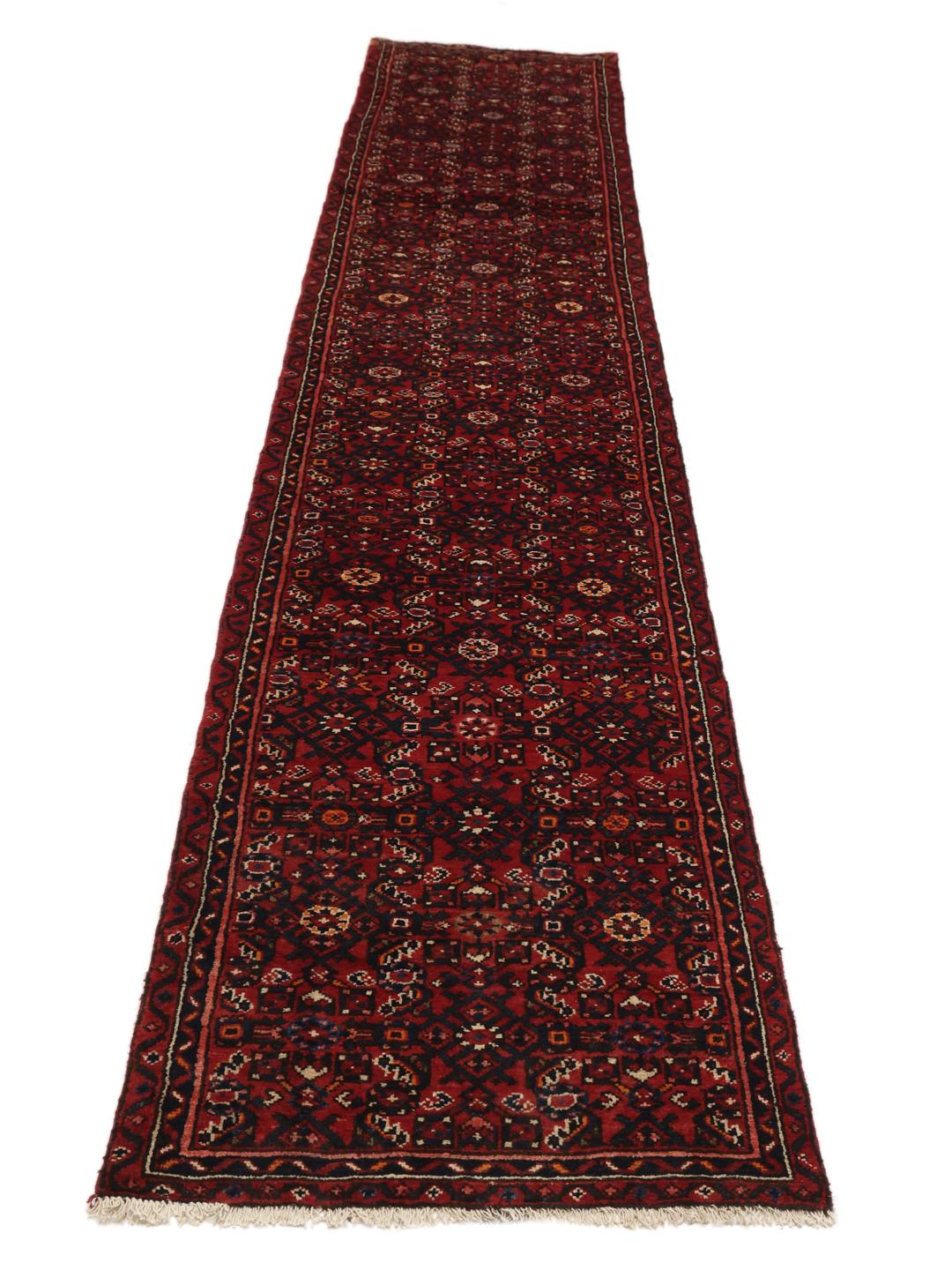
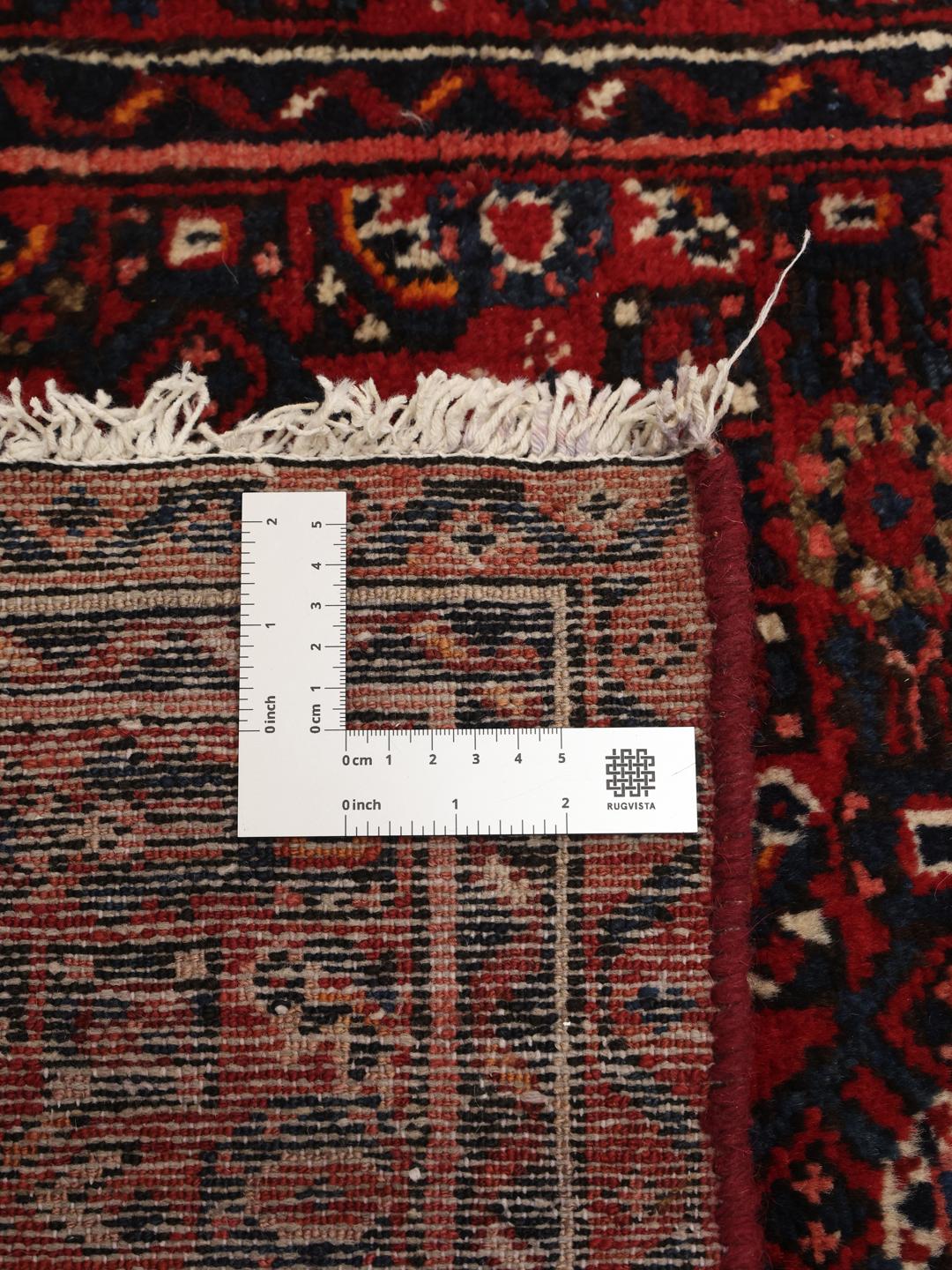
The Hosseinabad region in the Middle East has a long-standing reputation for producing rugs that are as practical as they are beautiful. These rugs are deeply rooted in the nomadic and village weaving traditions of the area, where the creation of textiles was a vital part of daily life and cultural identity.
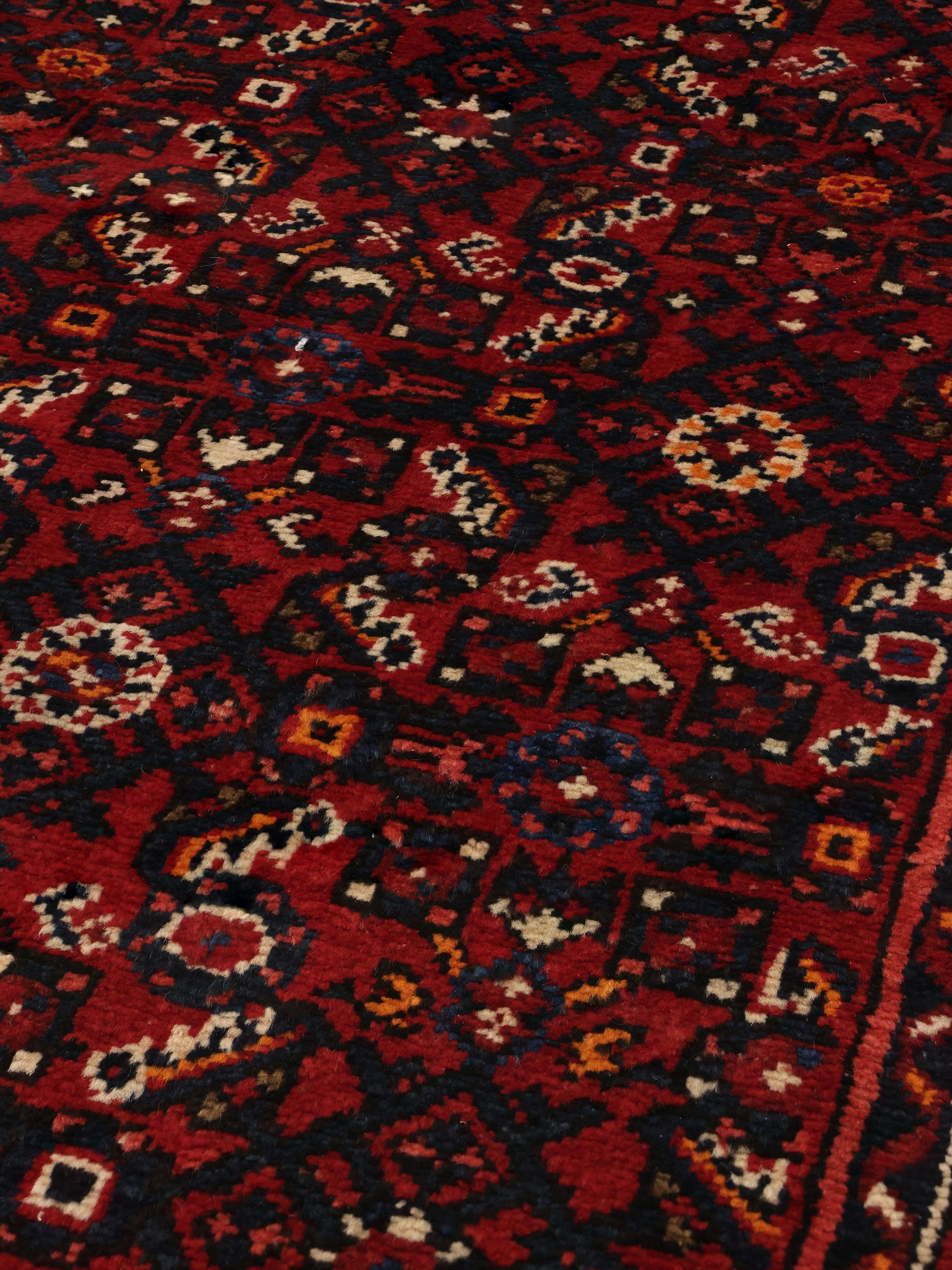
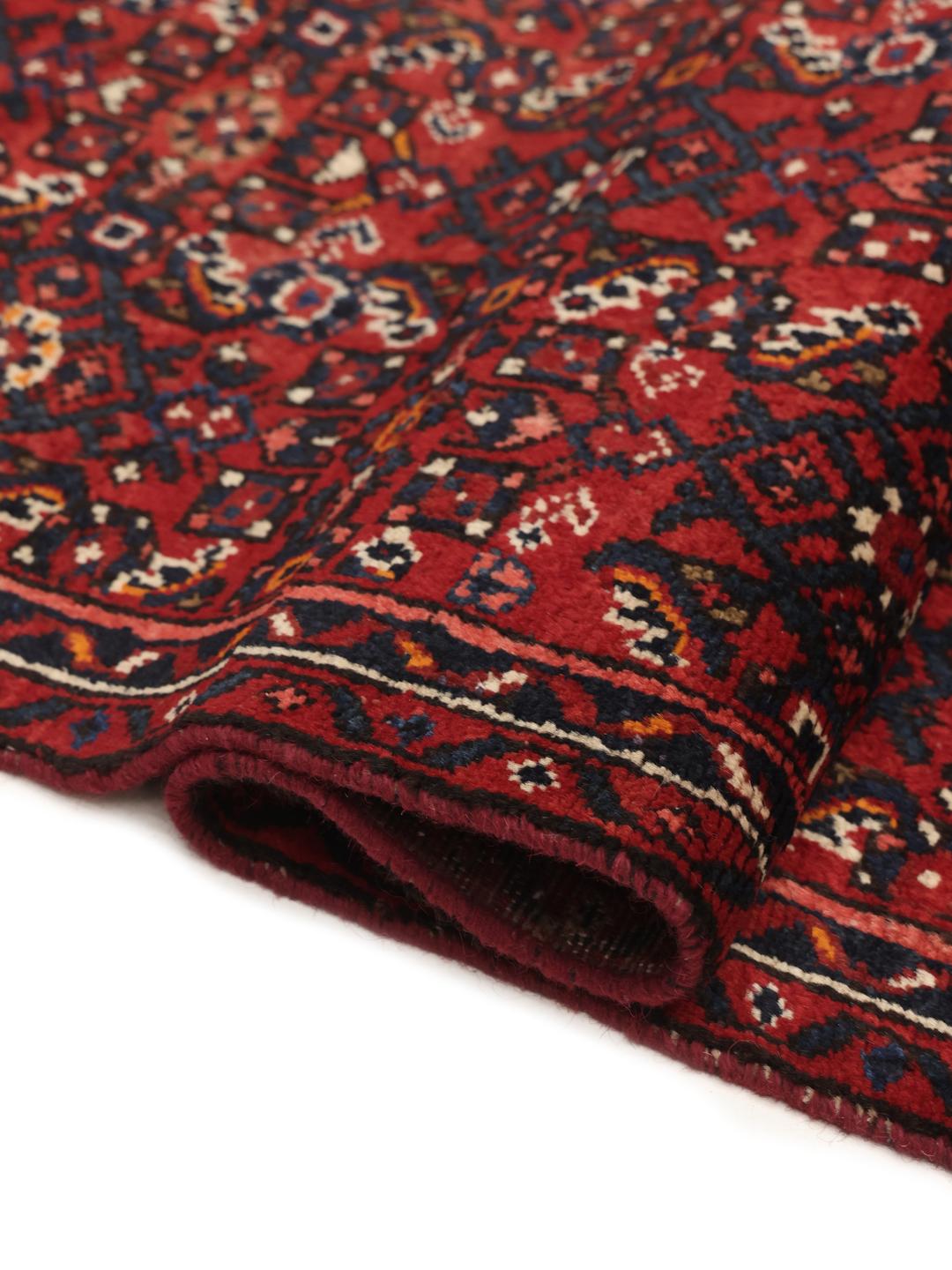
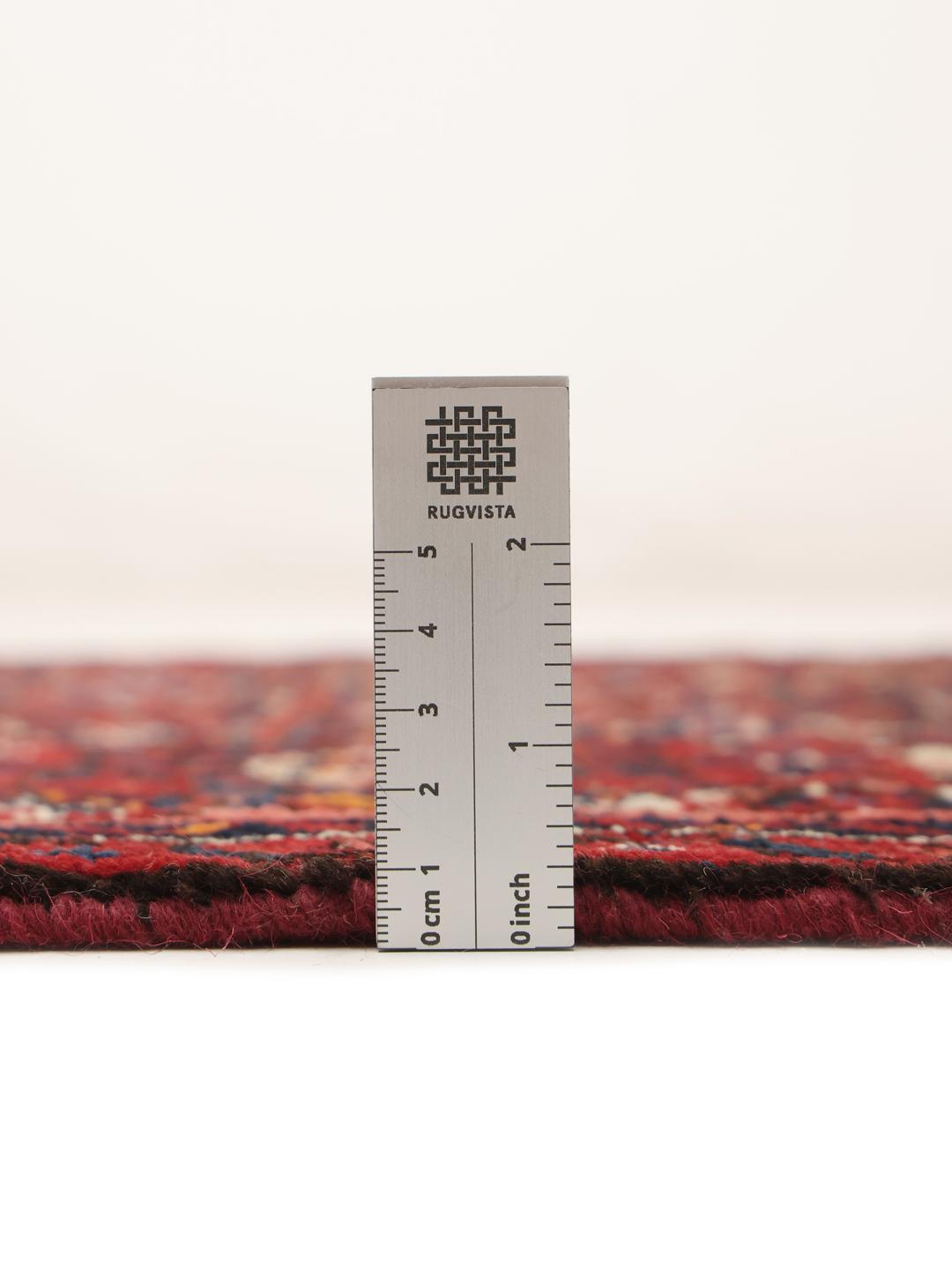
The quality of a rug from this tradition is often determined by the material and the consistency of the weave. Using high-quality local Wool, artisans create a dense pile that is naturally resistant to wear. This choice of material is essential to the rug's ability to maintain its appearance over decades of use.
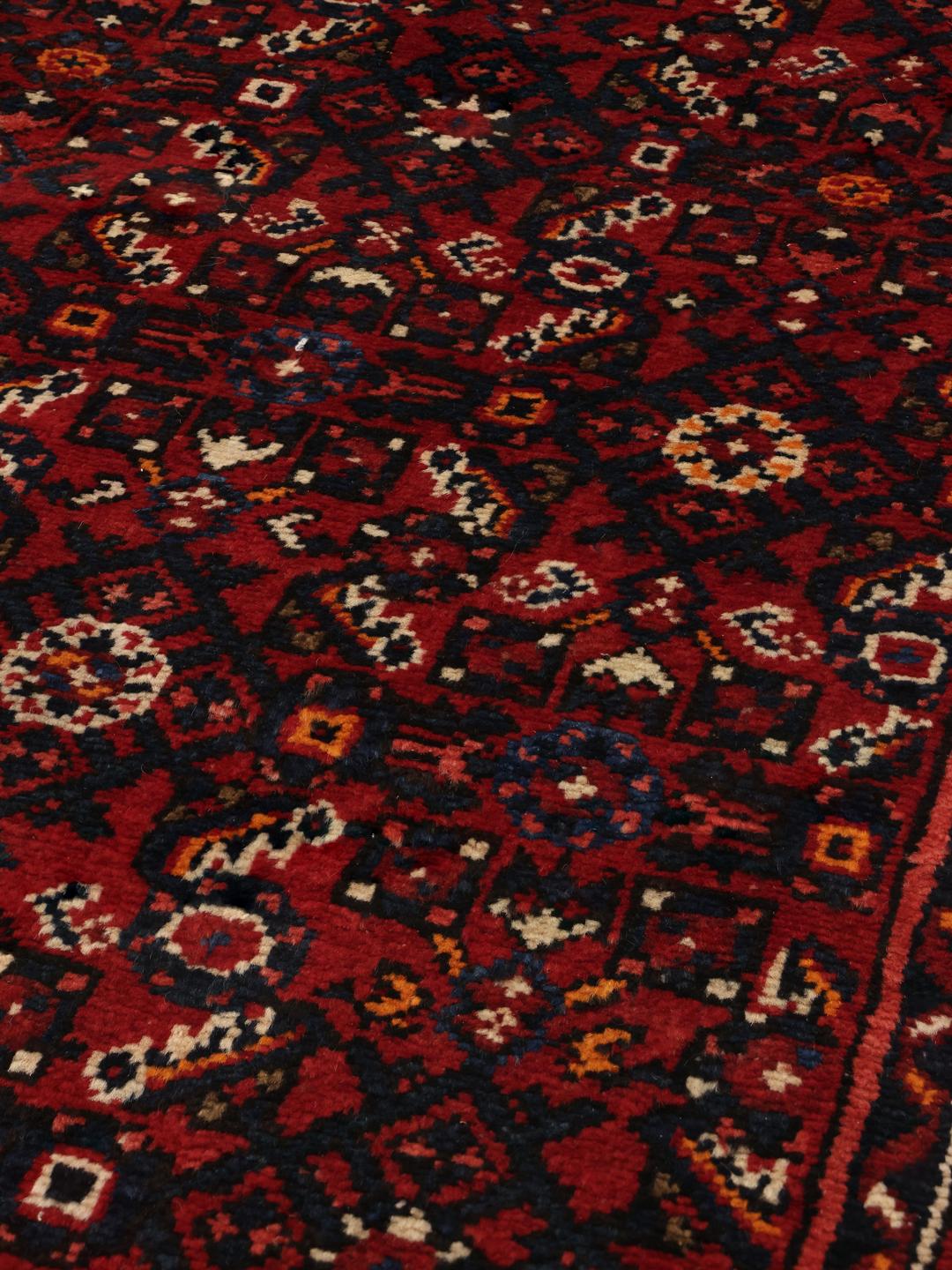
Visually, these rugs are known for their intricate, often geometric or floral-inspired motifs that draw from a rich heritage of symbolic design. The borders are typically well-defined, framing a central field that tells a story through colour and symmetry. The deep, dark-red tones seen here are a classic hallmark of the region's dye traditions, achieved through time-honoured methods.
Owning a Hosseinabad rug is an opportunity to connect with a legacy of skill that has been passed down through generations. These pieces are highly valued by collectors and enthusiasts alike, not just for their aesthetic appeal, but as tangible evidence of a living craft that prioritises patience, precision, and enduring quality.