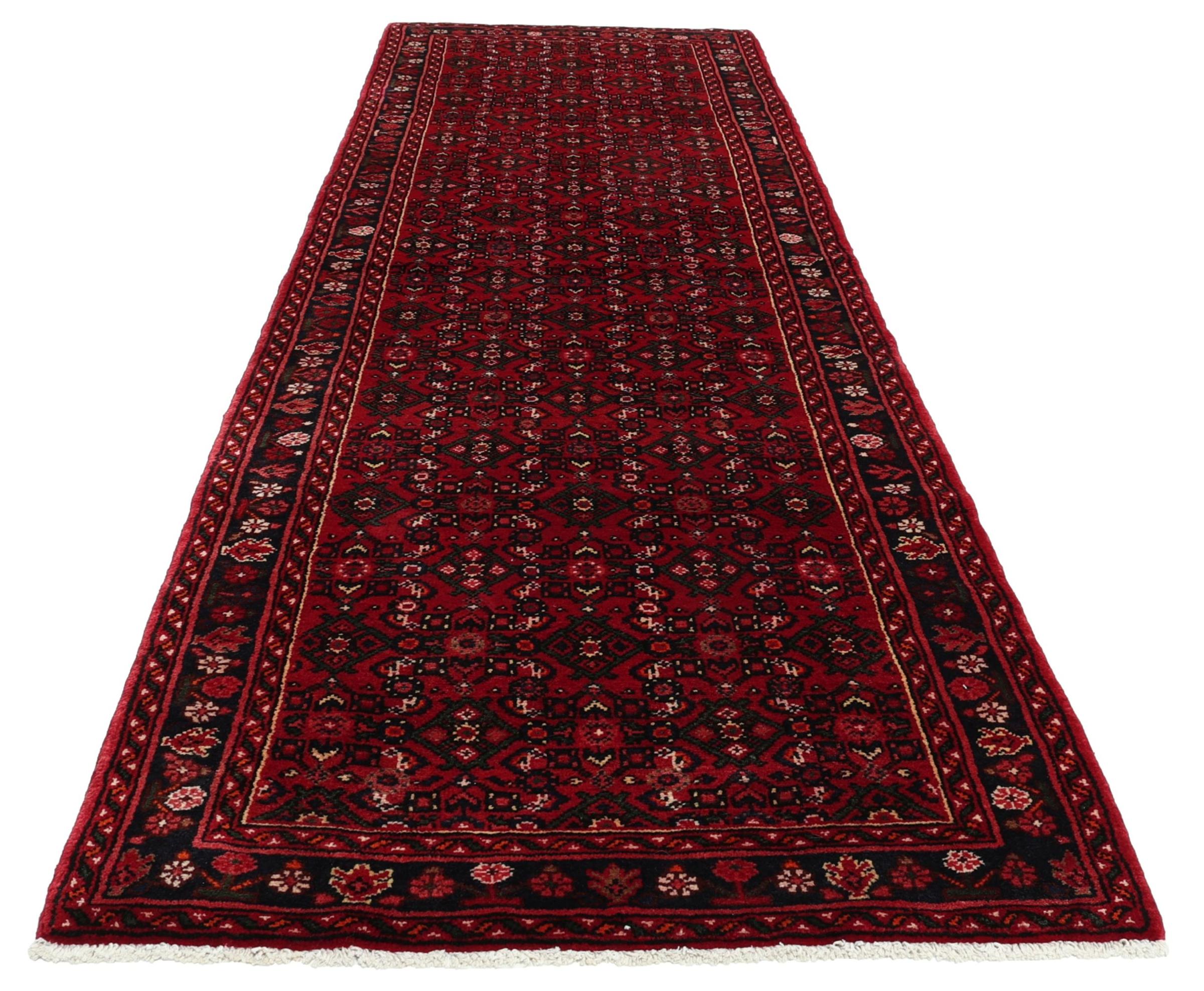
Hosseinabad rugs originate from a village in the Hamadan region of the Middle East, an area long celebrated for its robust and characterful weaving traditions. These rugs are deeply rooted in the daily lives of the local communities, where the craft has been passed down through generations. They are known for their sturdy construction and the use of locally sourced, high-quality Wool, which makes them ideal for the practical demands of a home.
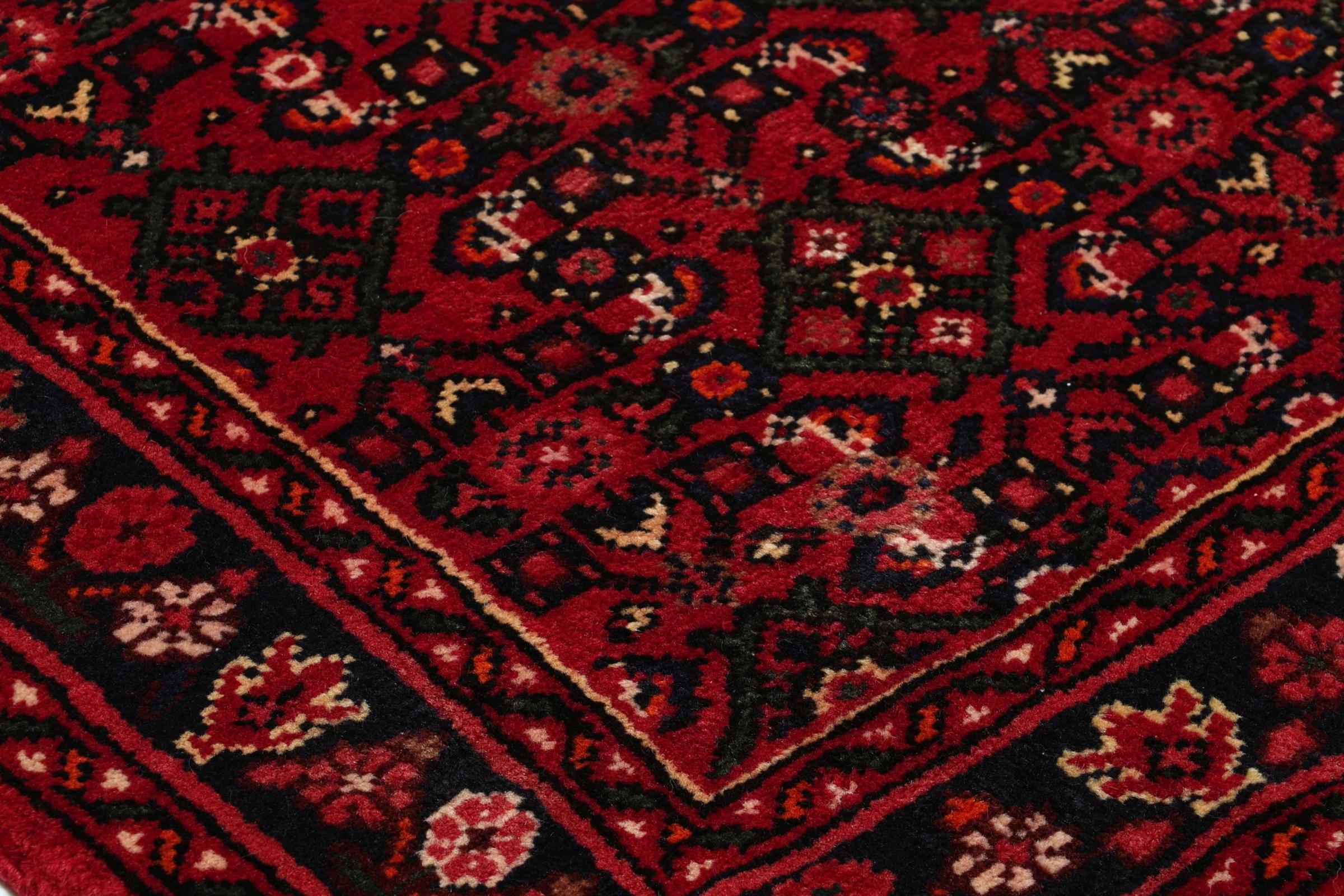
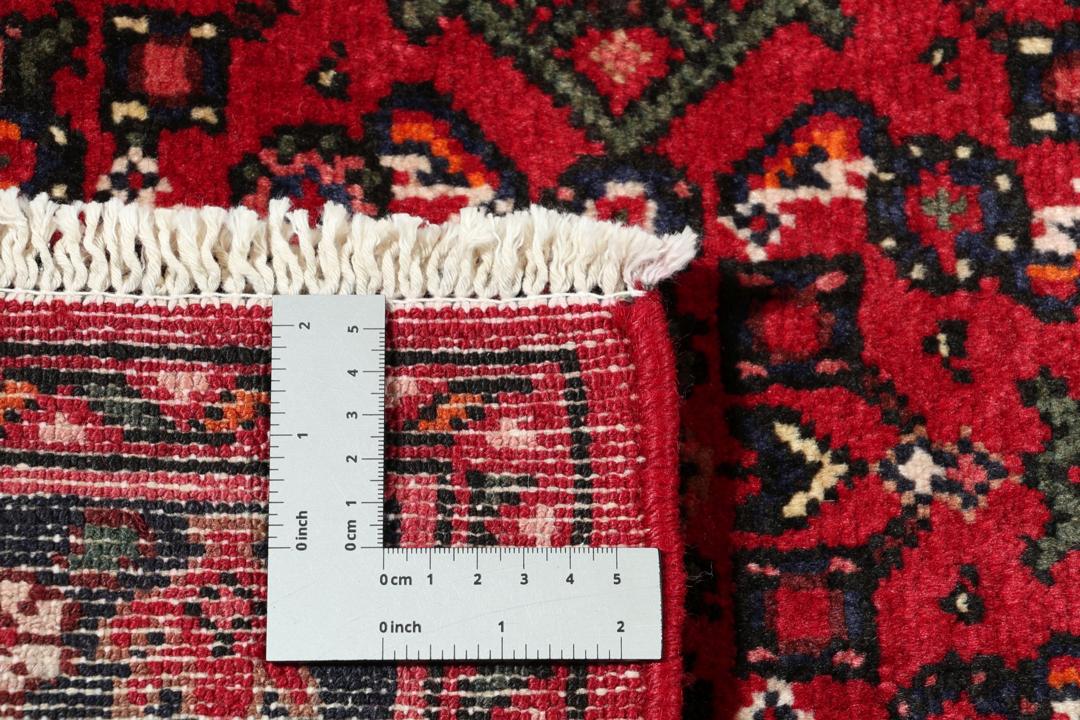
The term Hosseinabad refers to the specific village tradition where these rugs are crafted. The construction typically involves a single-weft technique that creates a firm, reliable foundation. This method is highly valued for producing a rug that is both flexible and incredibly durable, ensuring that the Wool pile remains vibrant and intact even after decades of use in a busy household.
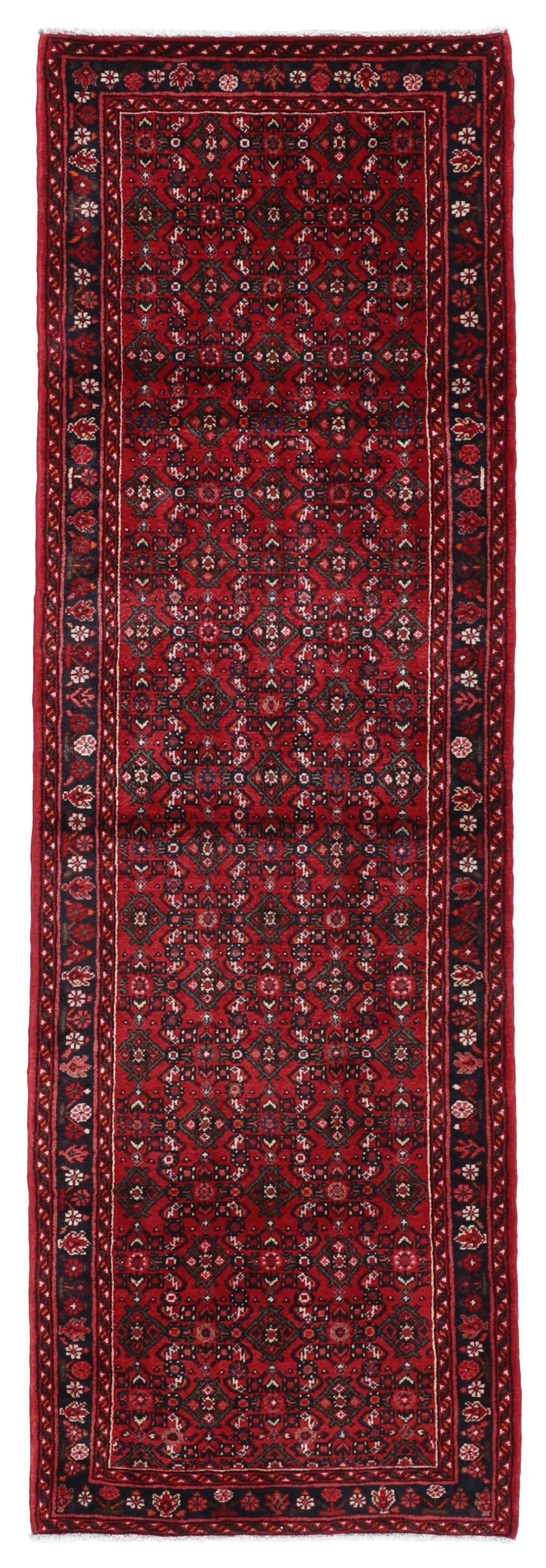
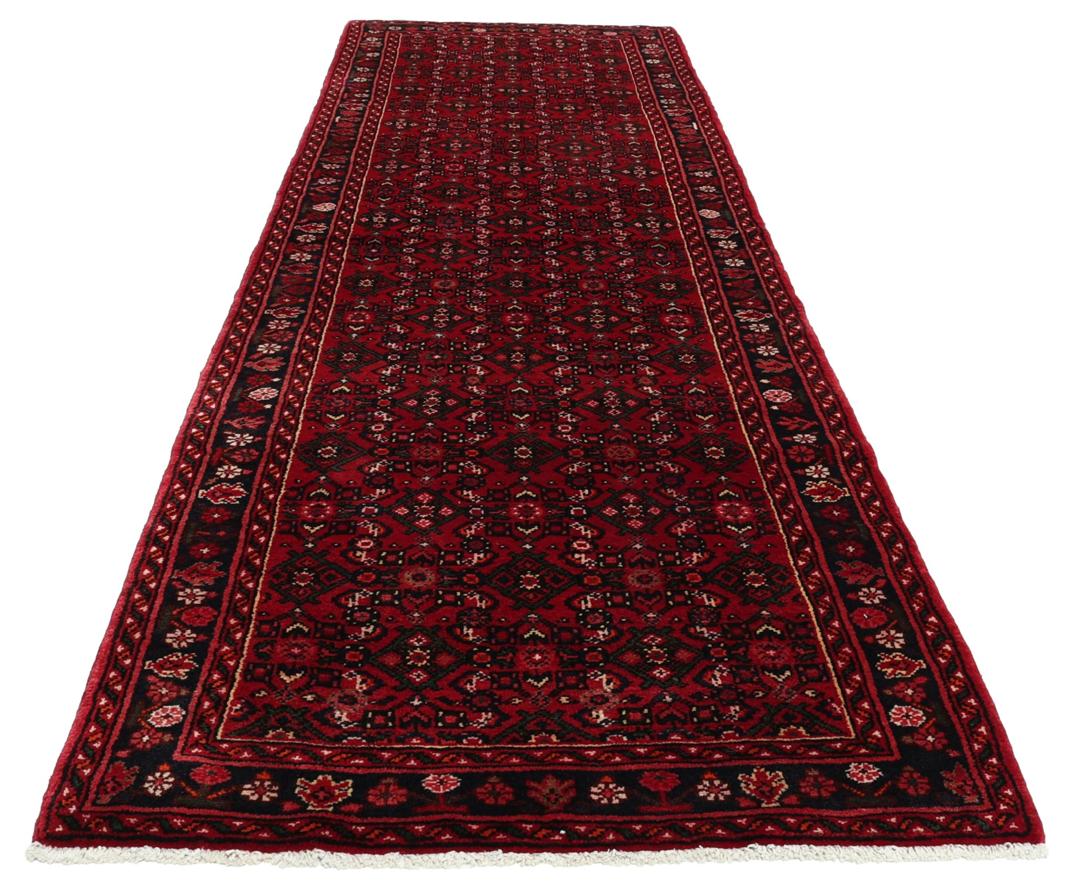
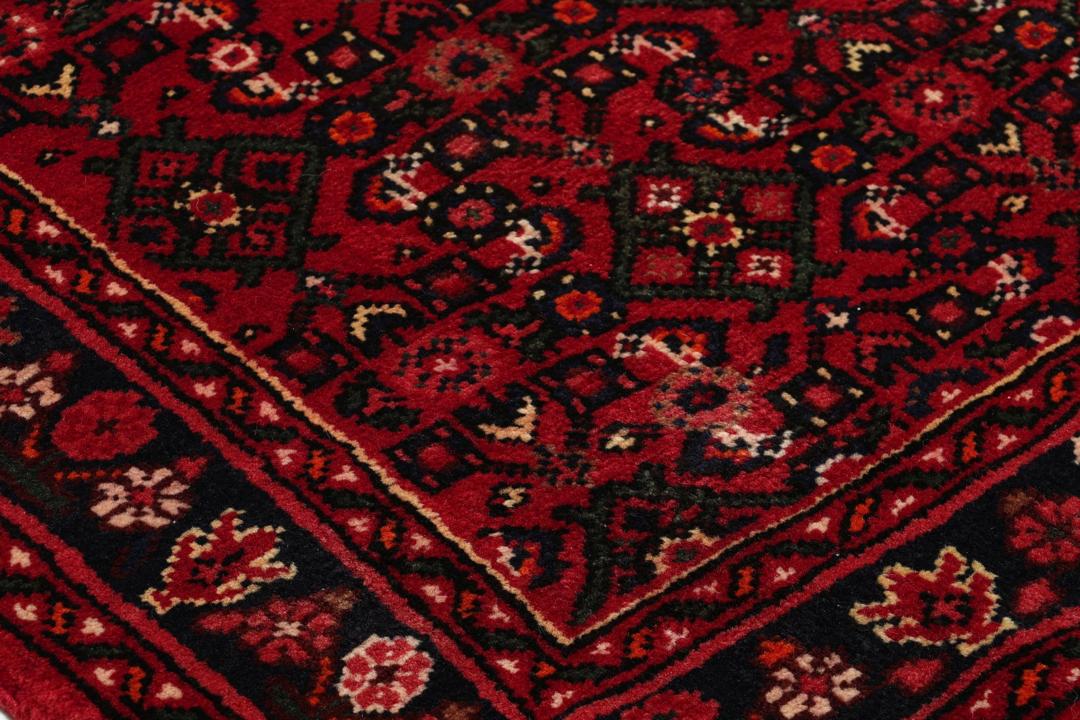
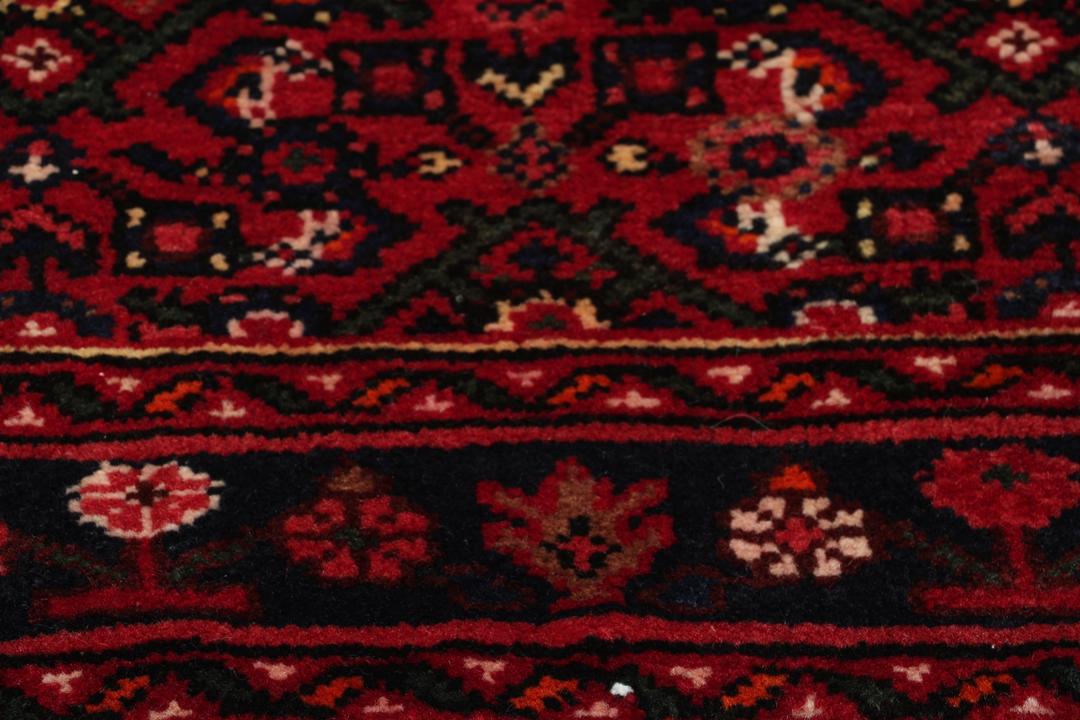
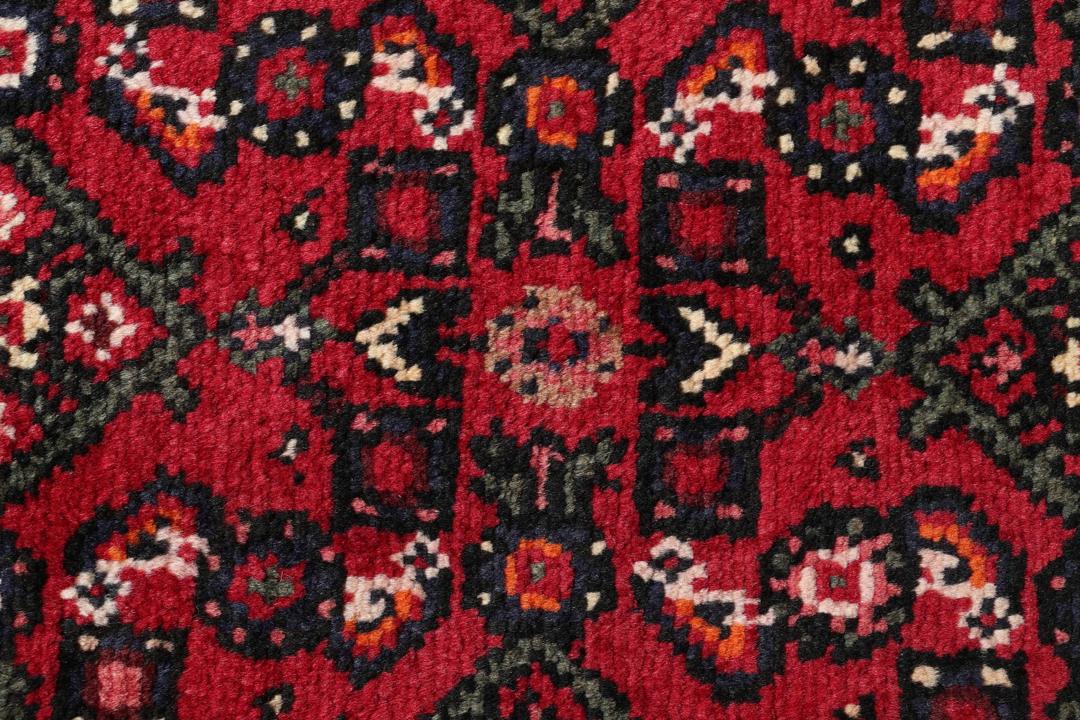
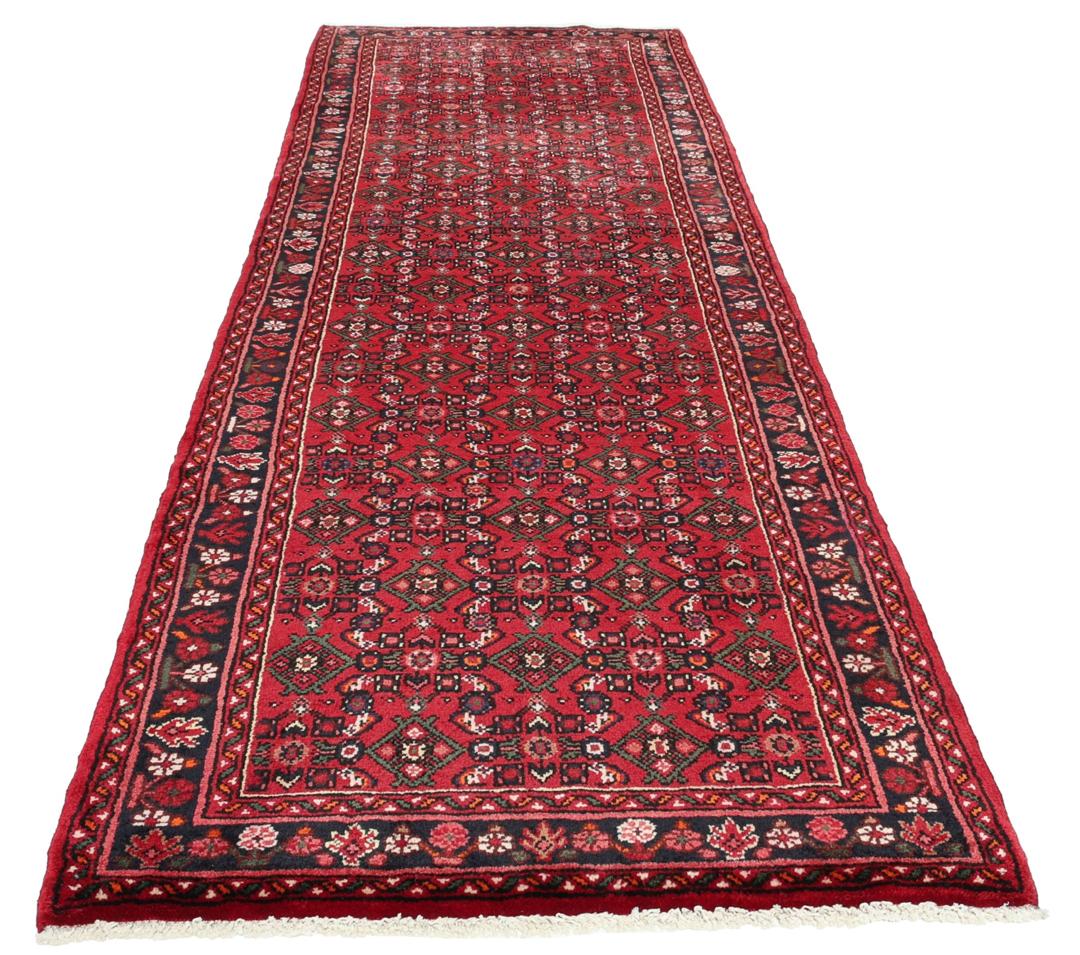
Visually, Hosseinabad rugs are famous for their bold, often geometric patterns. The designs frequently feature central medallions or repeating motifs that reflect the regional aesthetic of the Hamadan province. The deep, saturated red hues are a hallmark of this style, often contrasted with dark, earthy tones that define the borders and intricate details of the field, giving the rug a powerful presence in any room.
Collectors value these rugs for their authenticity and the clear link they provide to a centuries-old craft. Unlike mass-produced alternatives, a Hosseinabad rug carries the mark of the individual artisan, making it a prized acquisition for those who appreciate heritage and lasting quality. Owning one is an investment in a living tradition that brings a sense of history and warmth into the modern home.