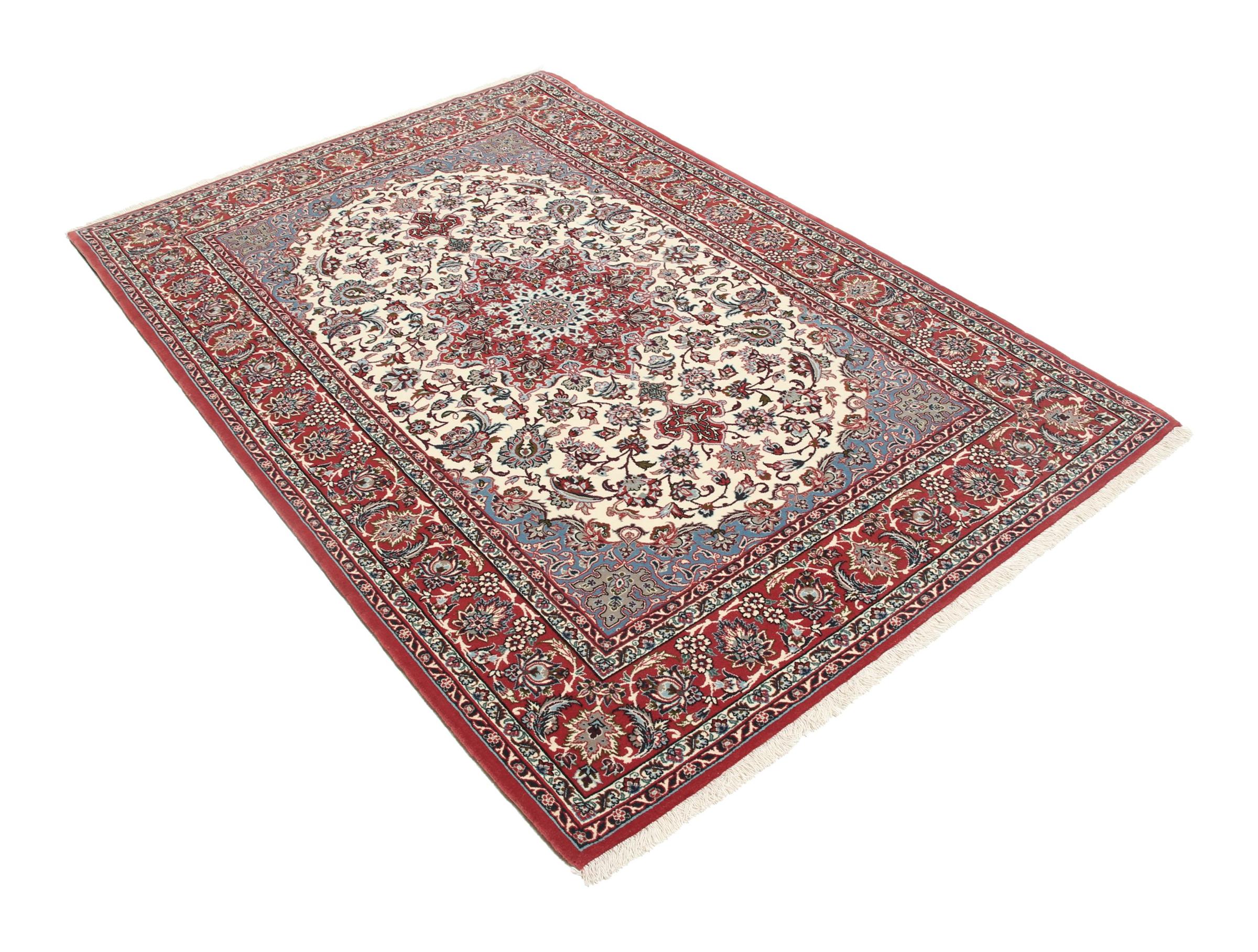
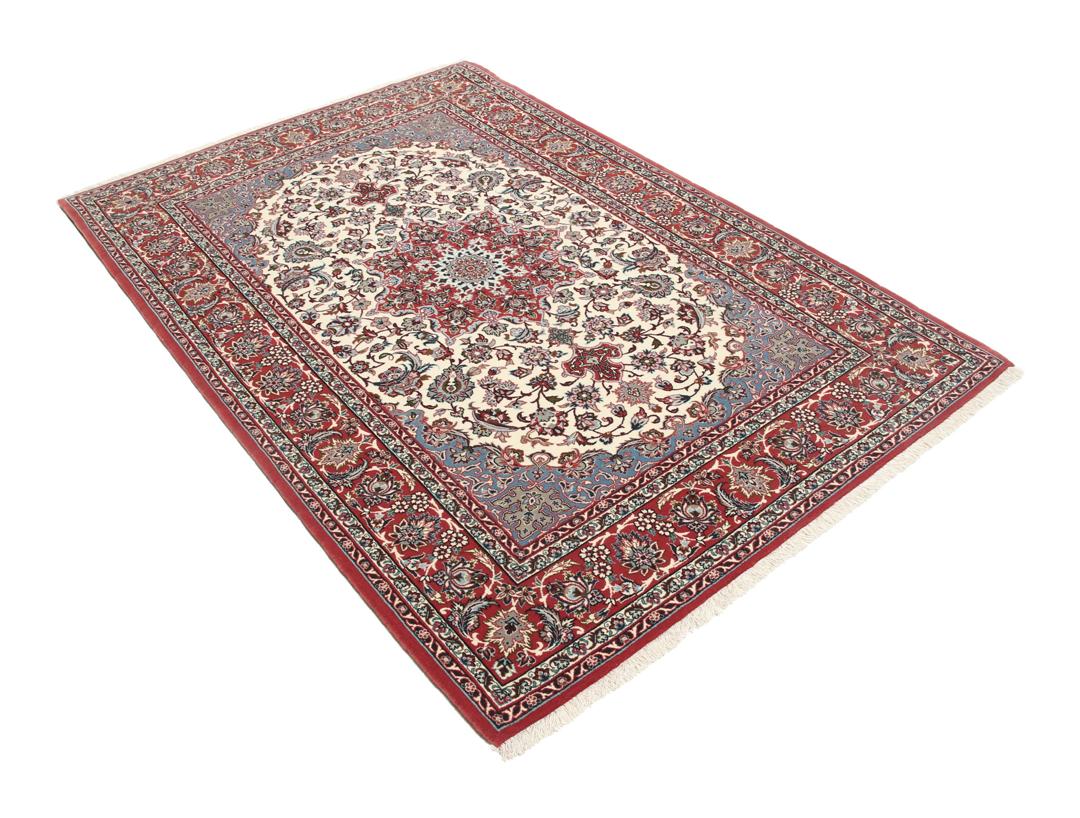
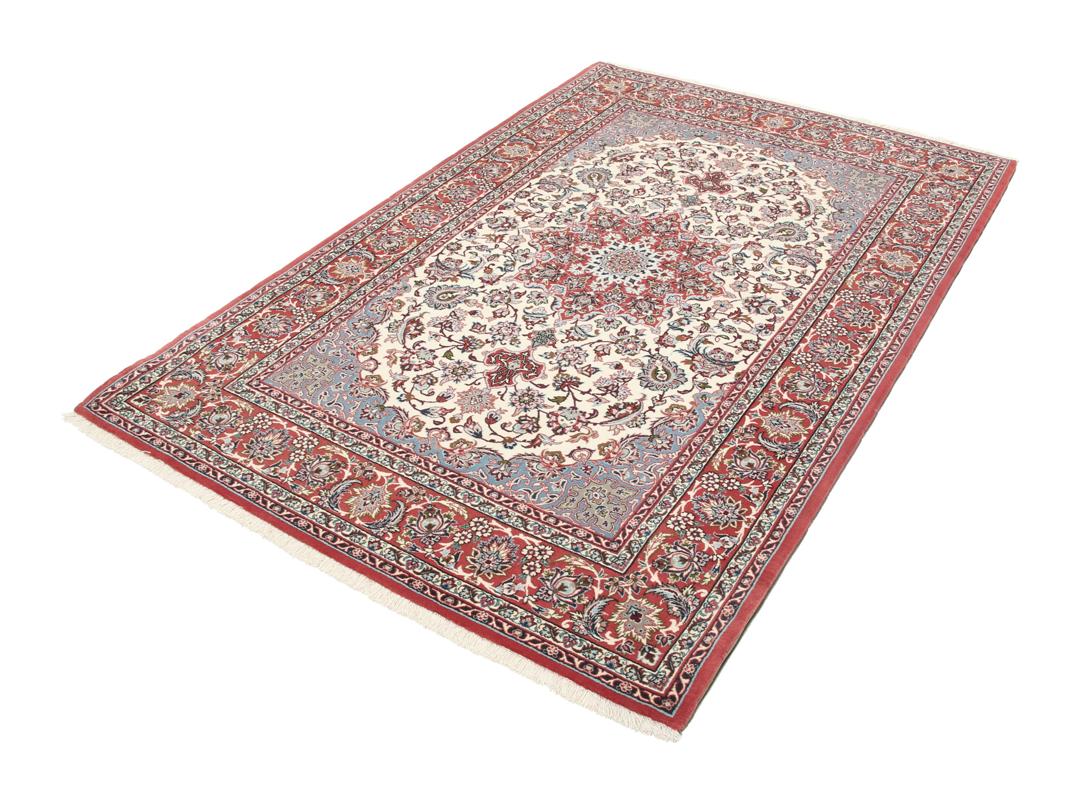
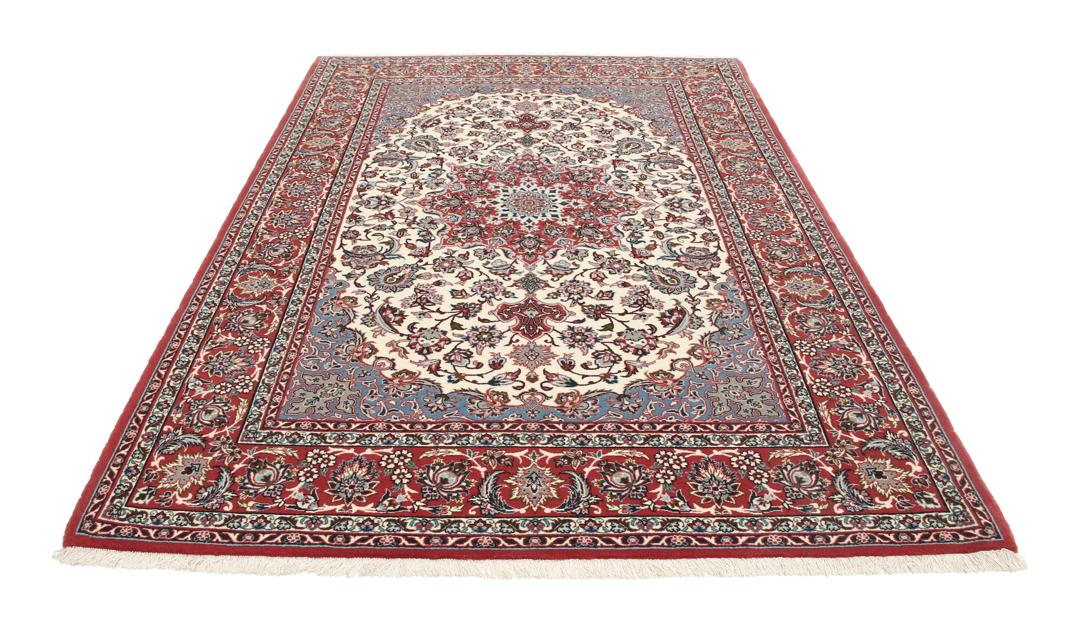
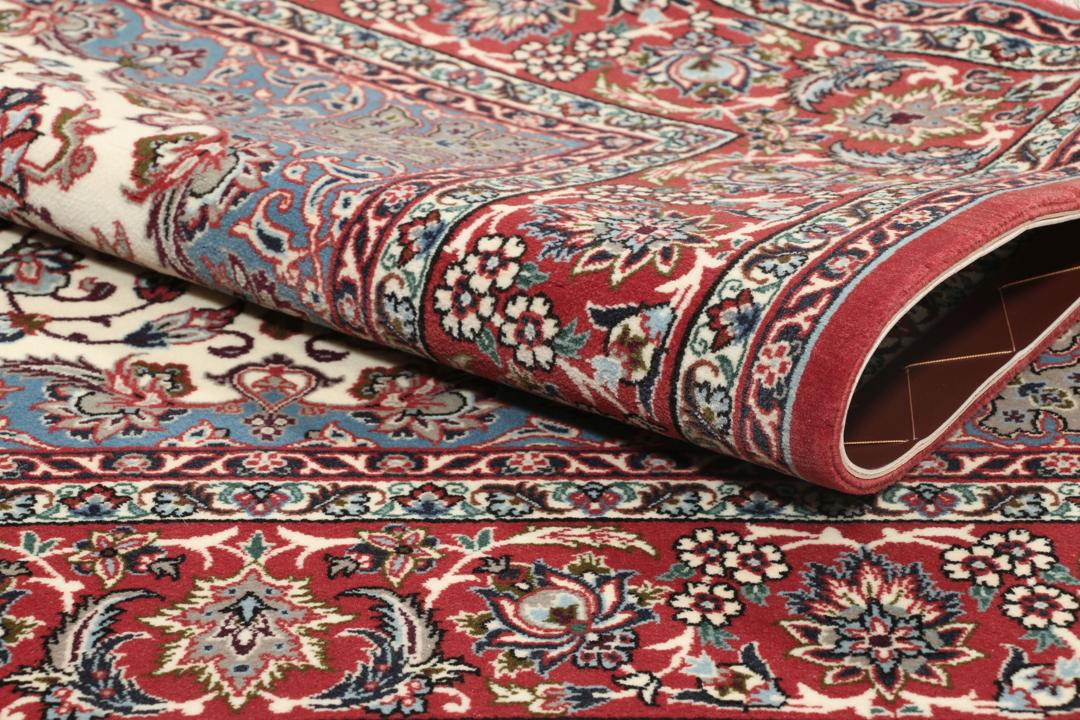
Isfahan rugs originate from one of the most culturally significant cities in the Middle East, a place long celebrated as a hub for the arts, architecture, and sophisticated textile production. The tradition of weaving in this region is deeply intertwined with the royal courts, where the demand for luxury and precision led to the development of some of the most refined designs in history.
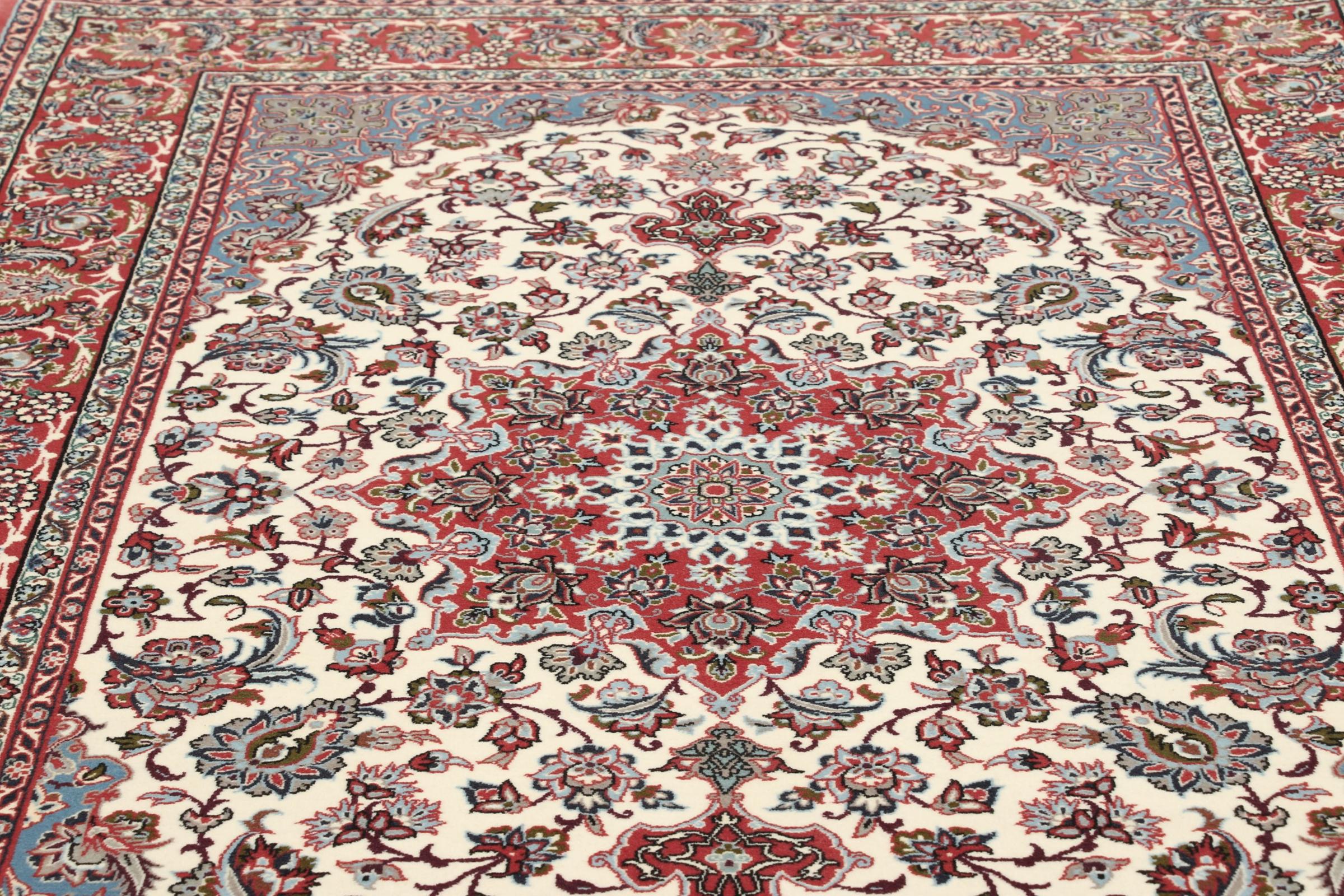
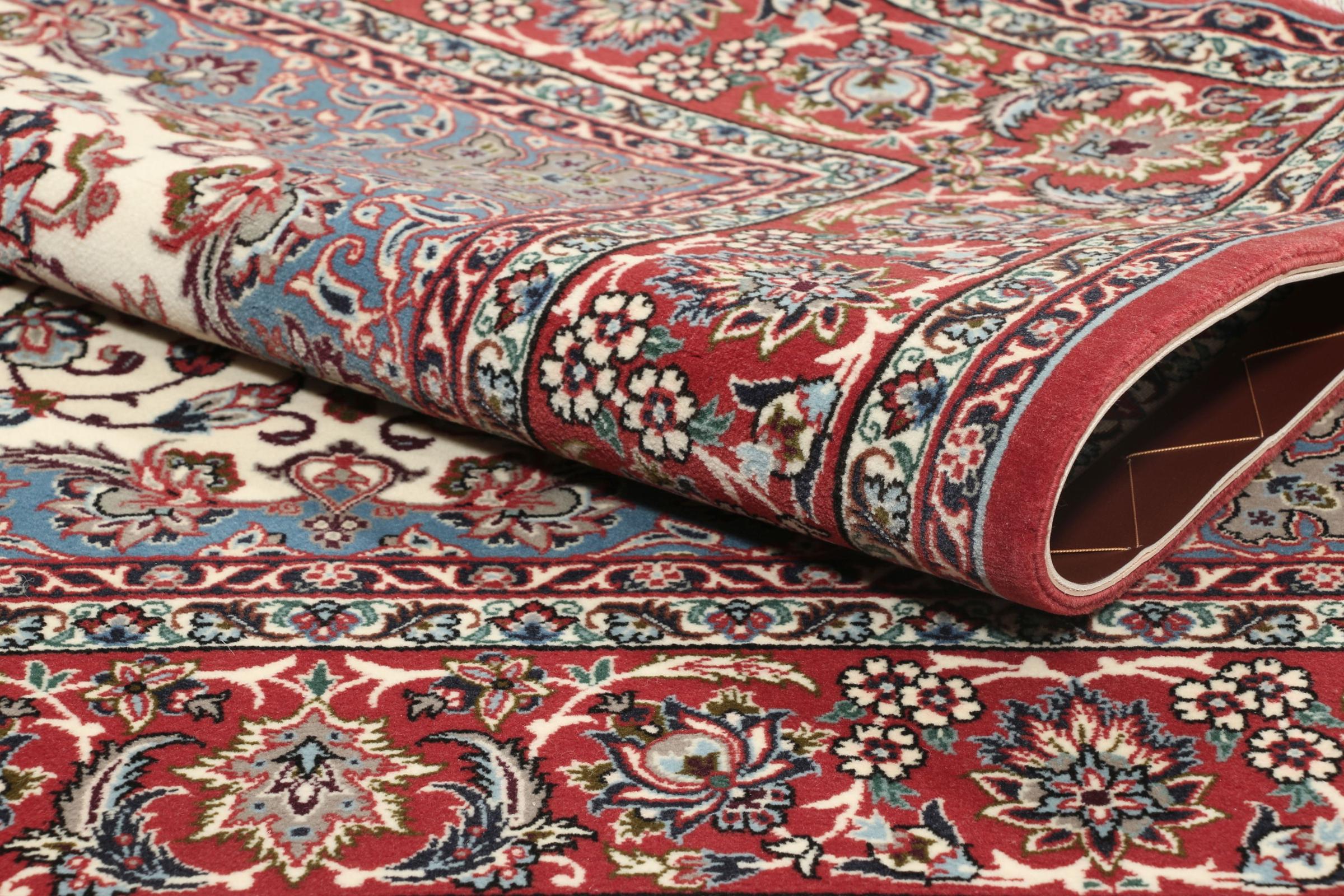
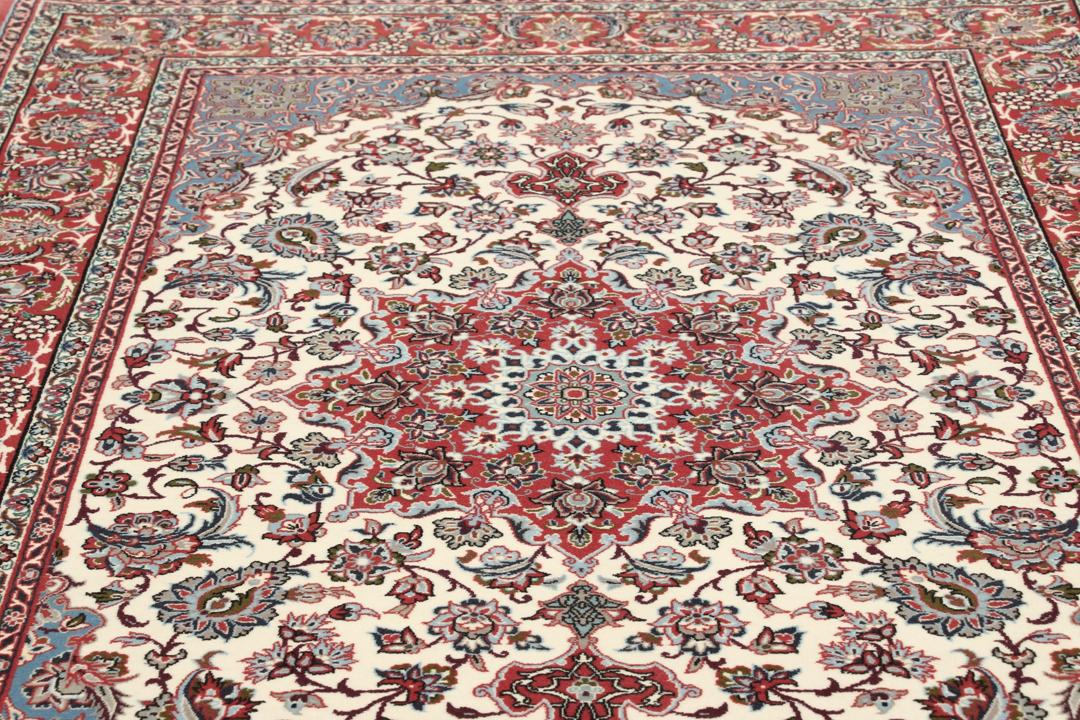
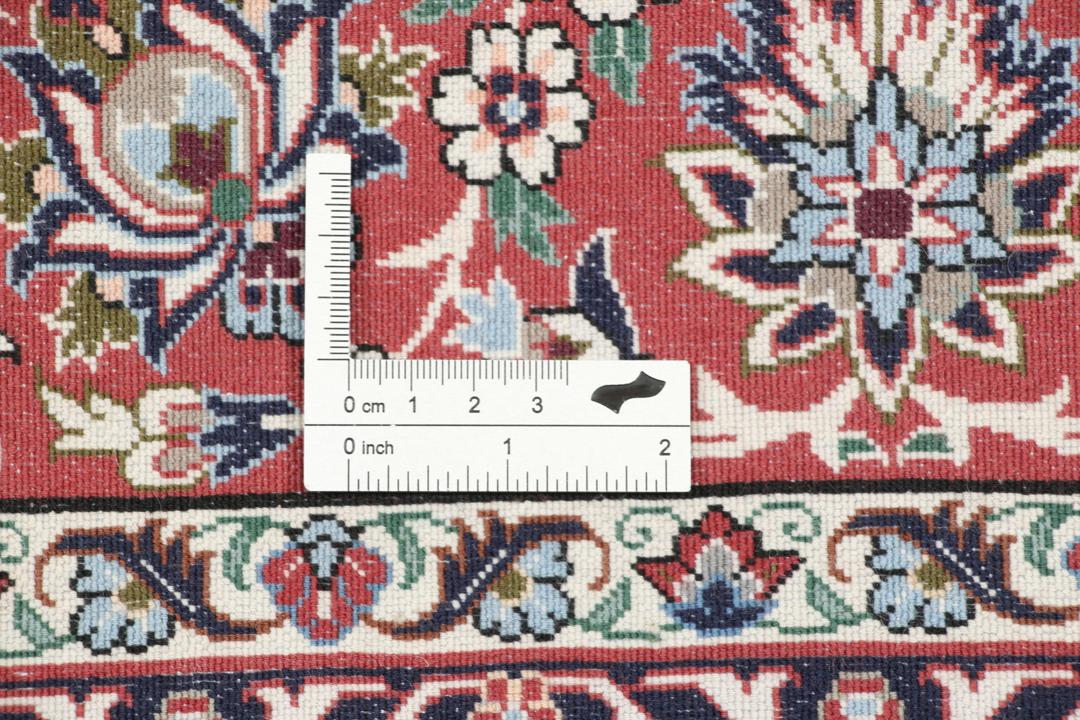
The technical mastery required to create an Isfahan rug is legendary. These pieces often utilise a silk foundation, which allows for a much finer weave compared to standard wool-on-cotton constructions. This technical choice is what enables the intricate, curvilinear patterns that are the hallmark of the Isfahan style, providing a thin, durable, and highly detailed result.
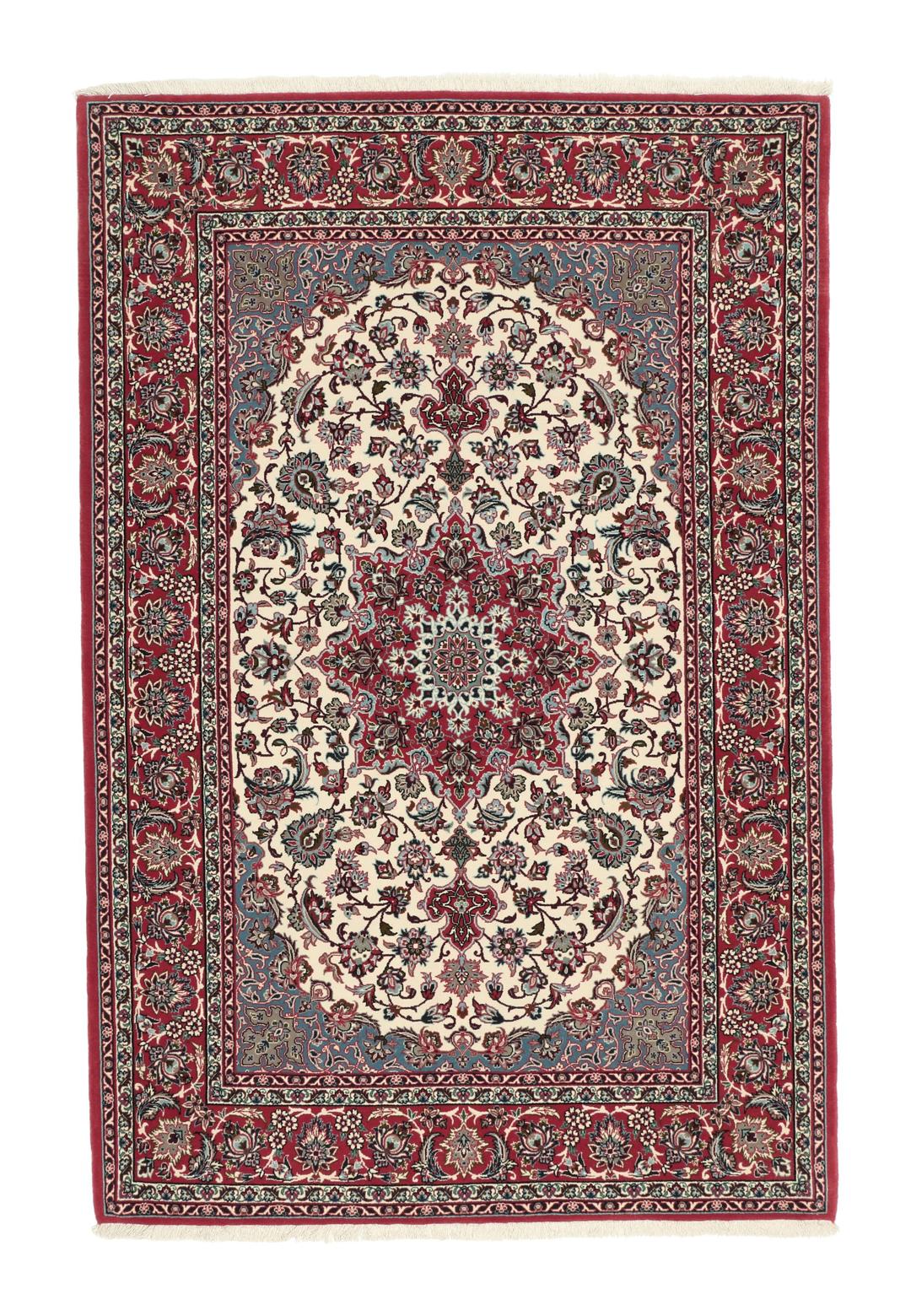
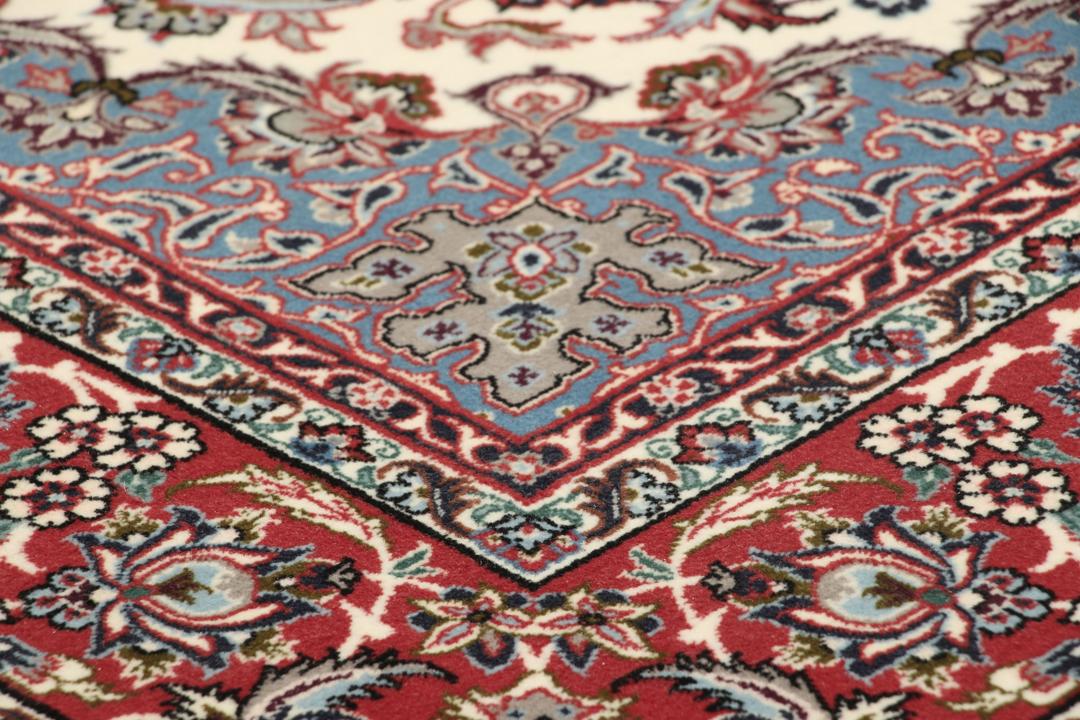
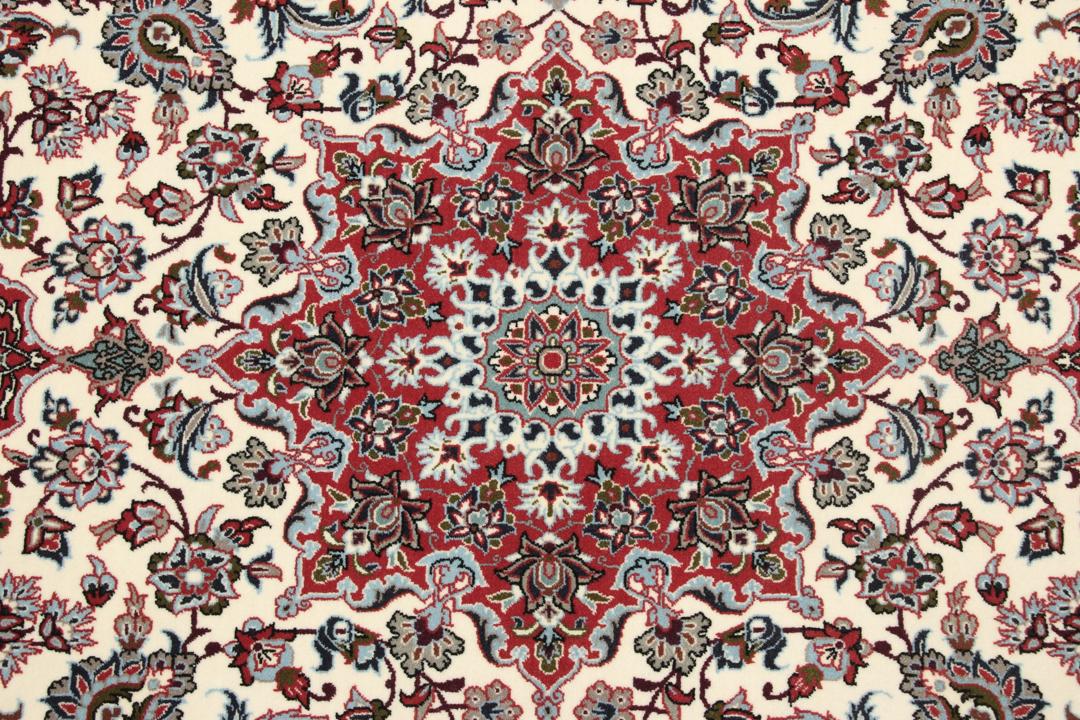
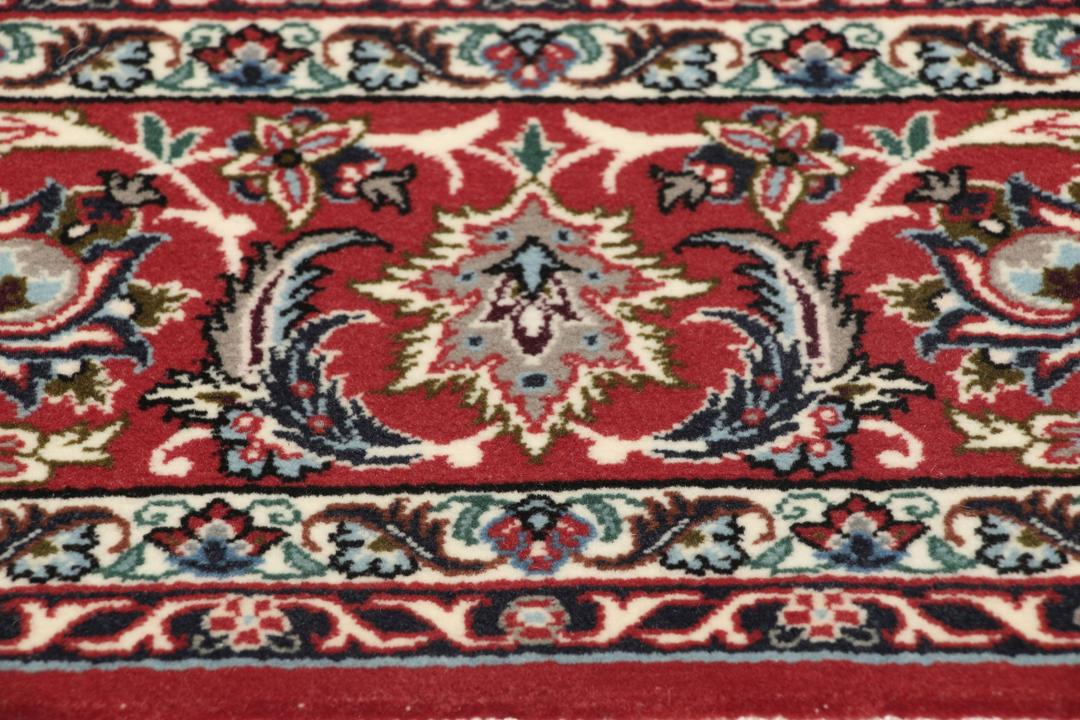
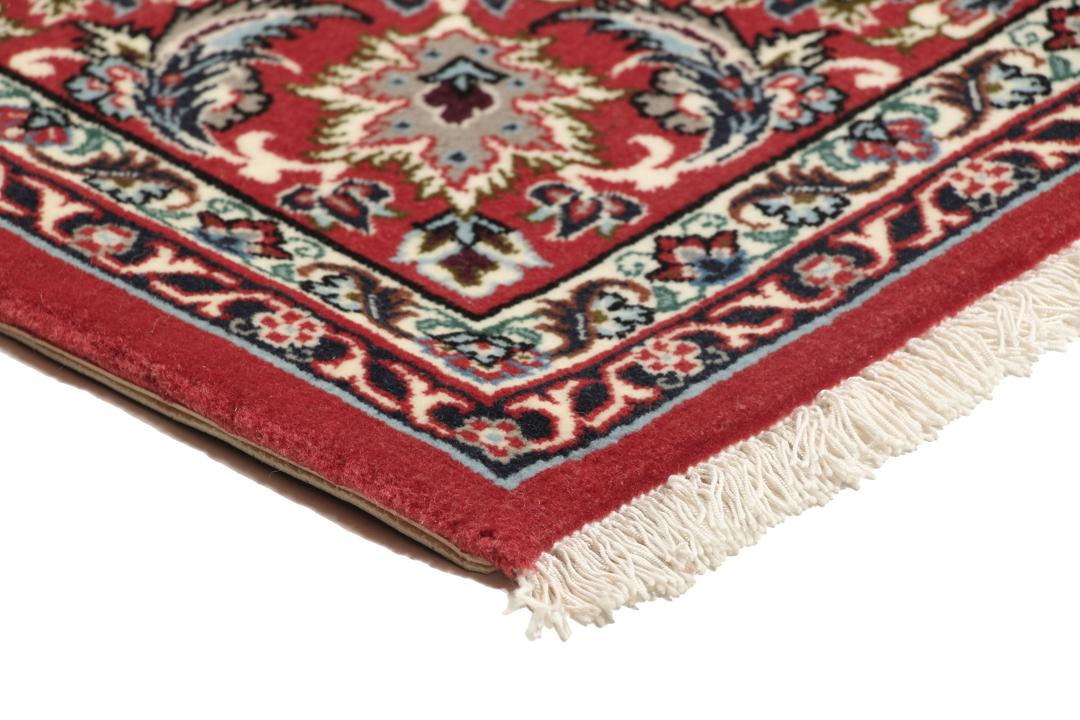
Visually, Isfahan rugs are characterised by their formal and balanced layouts. They frequently feature a central medallion surrounded by a field of dense, flowing floral motifs, often inspired by classic garden themes or architectural tile work. The borders are typically multi-layered and just as detailed as the centre, creating a cohesive frame for the complex internal design.
Owning an Isfahan rug is considered an investment in cultural heritage. These pieces are highly sought after by collectors for their technical complexity and the historical weight they carry. To possess one is to participate in a centuries-old lineage of craftsmanship, where the focus is always on achieving a harmonious blend of colour, pattern, and durability.