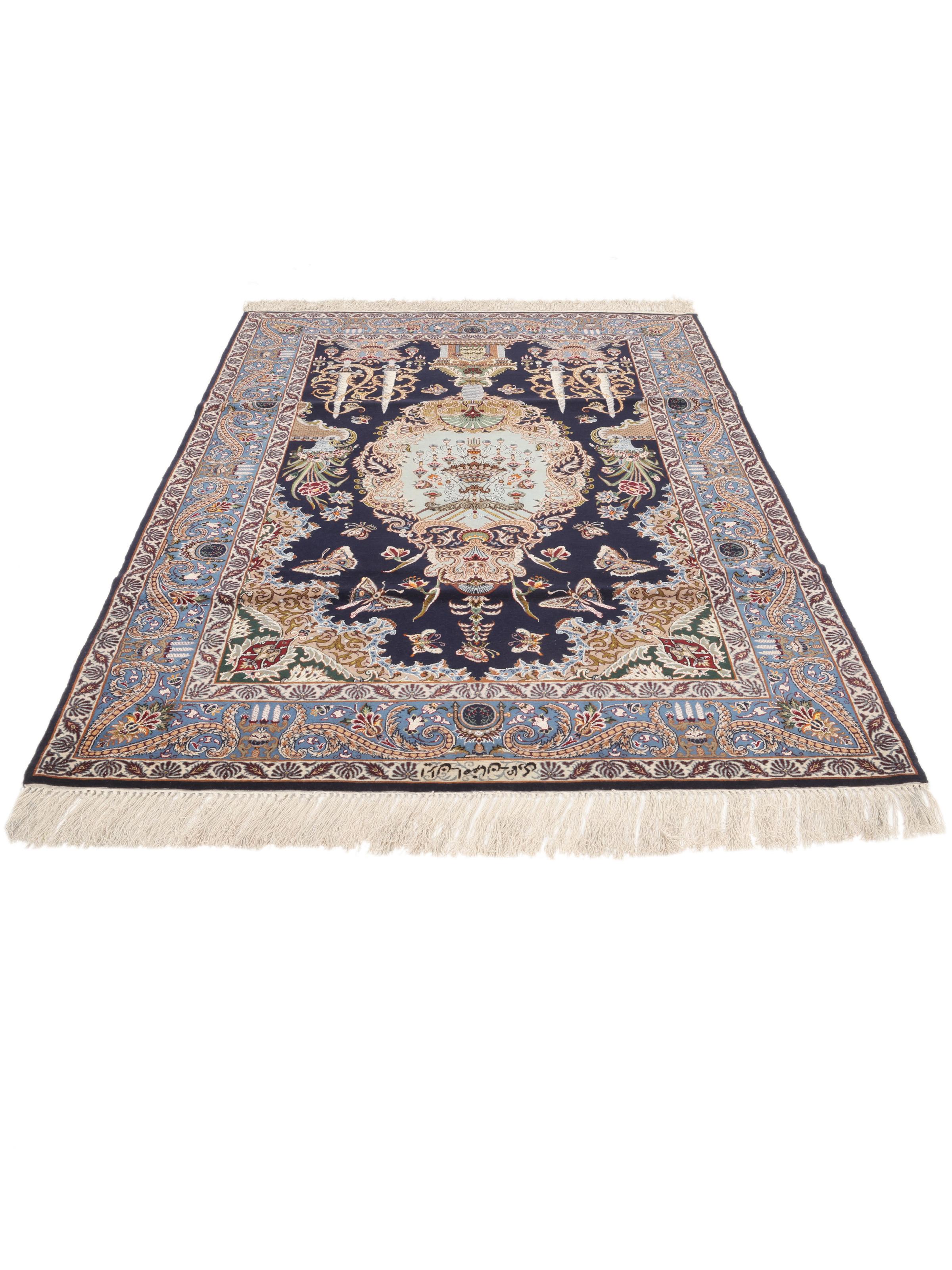
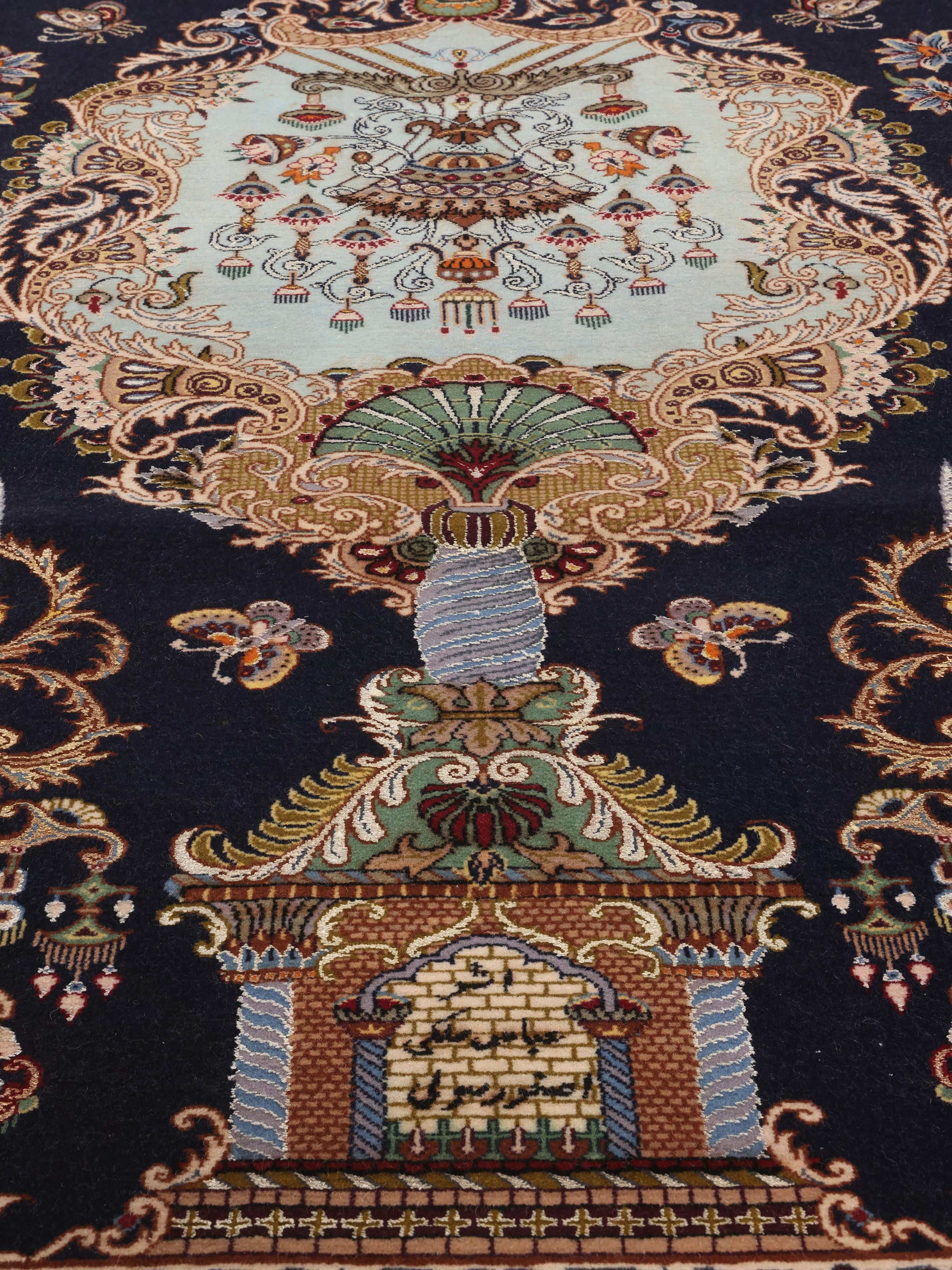
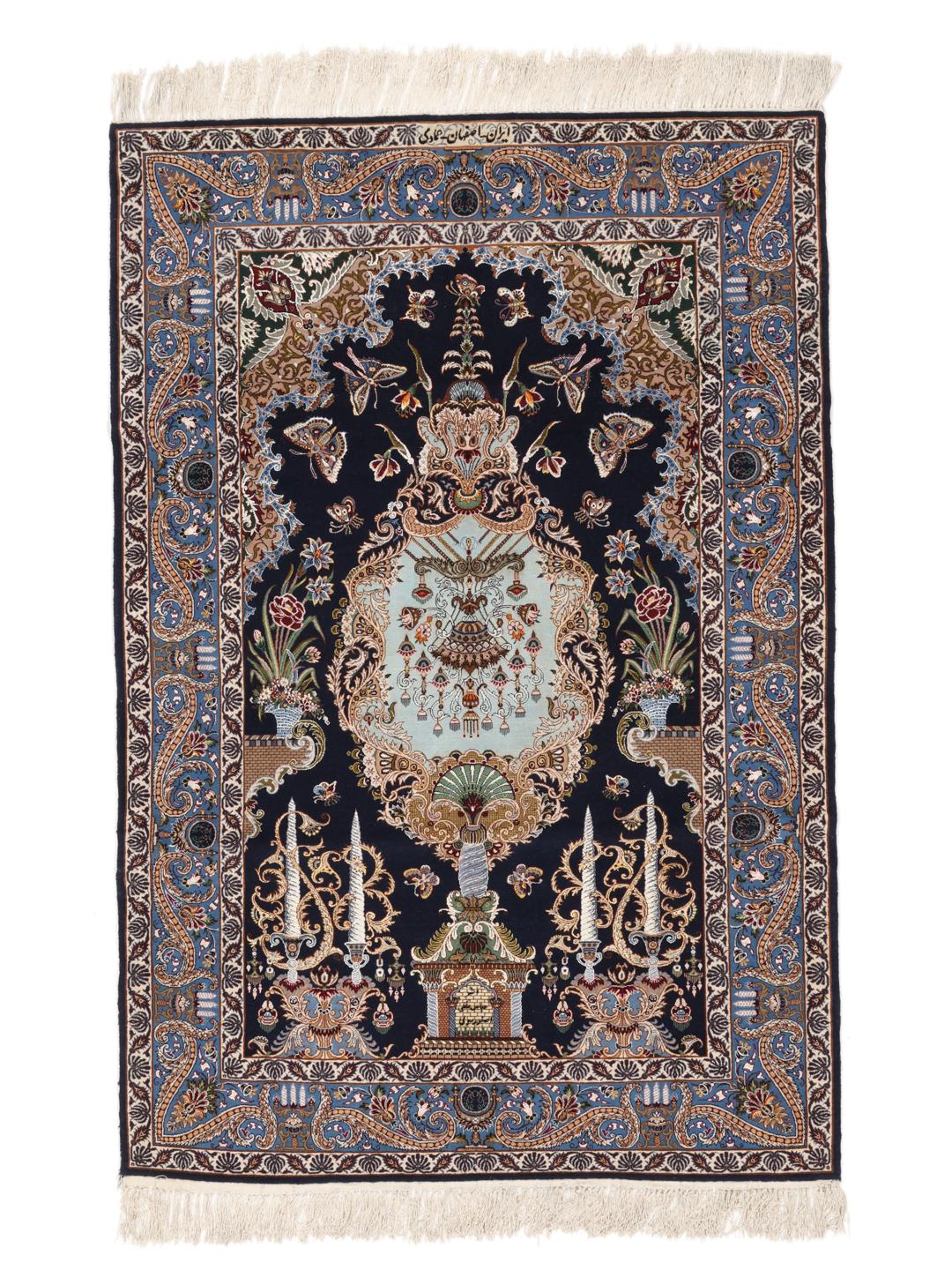
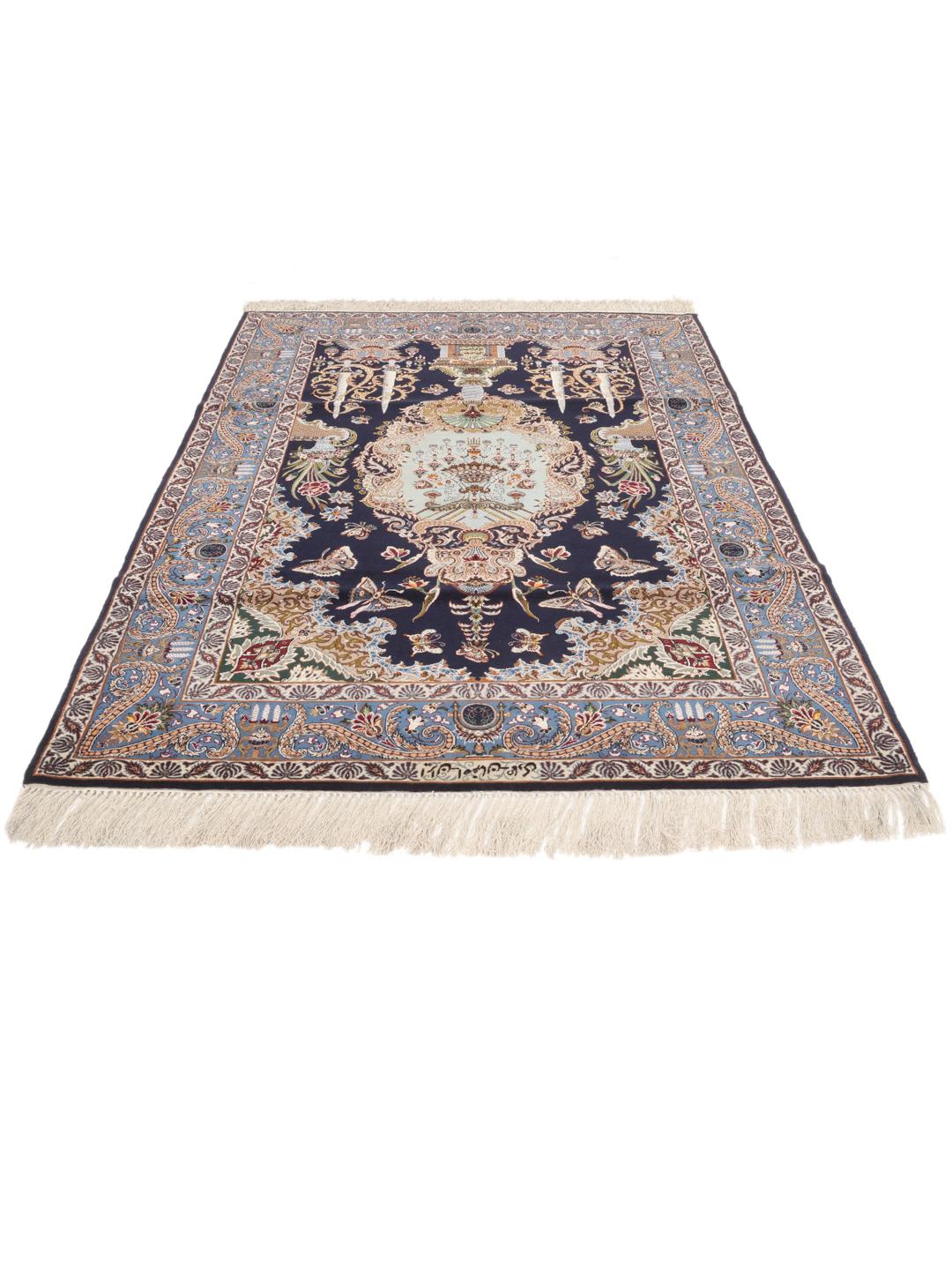
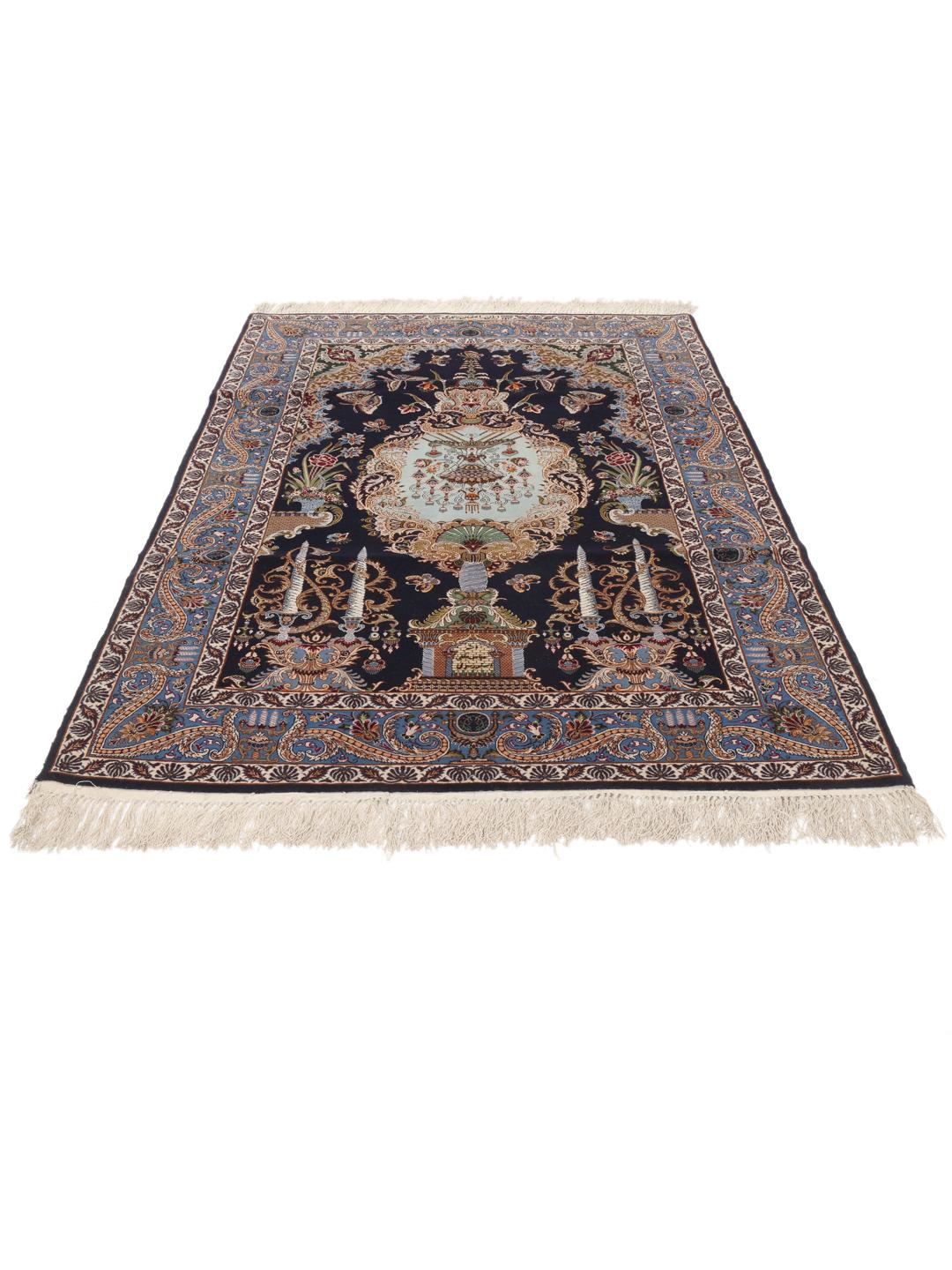
Isfahan rugs originate from one of the most culturally significant cities in the Middle East, a place long celebrated as a centre of art, architecture, and refined craftsmanship. Historically, the city served as a capital where the finest weavers were commissioned to create works for royal courts, establishing a reputation for excellence that continues to define the tradition today.
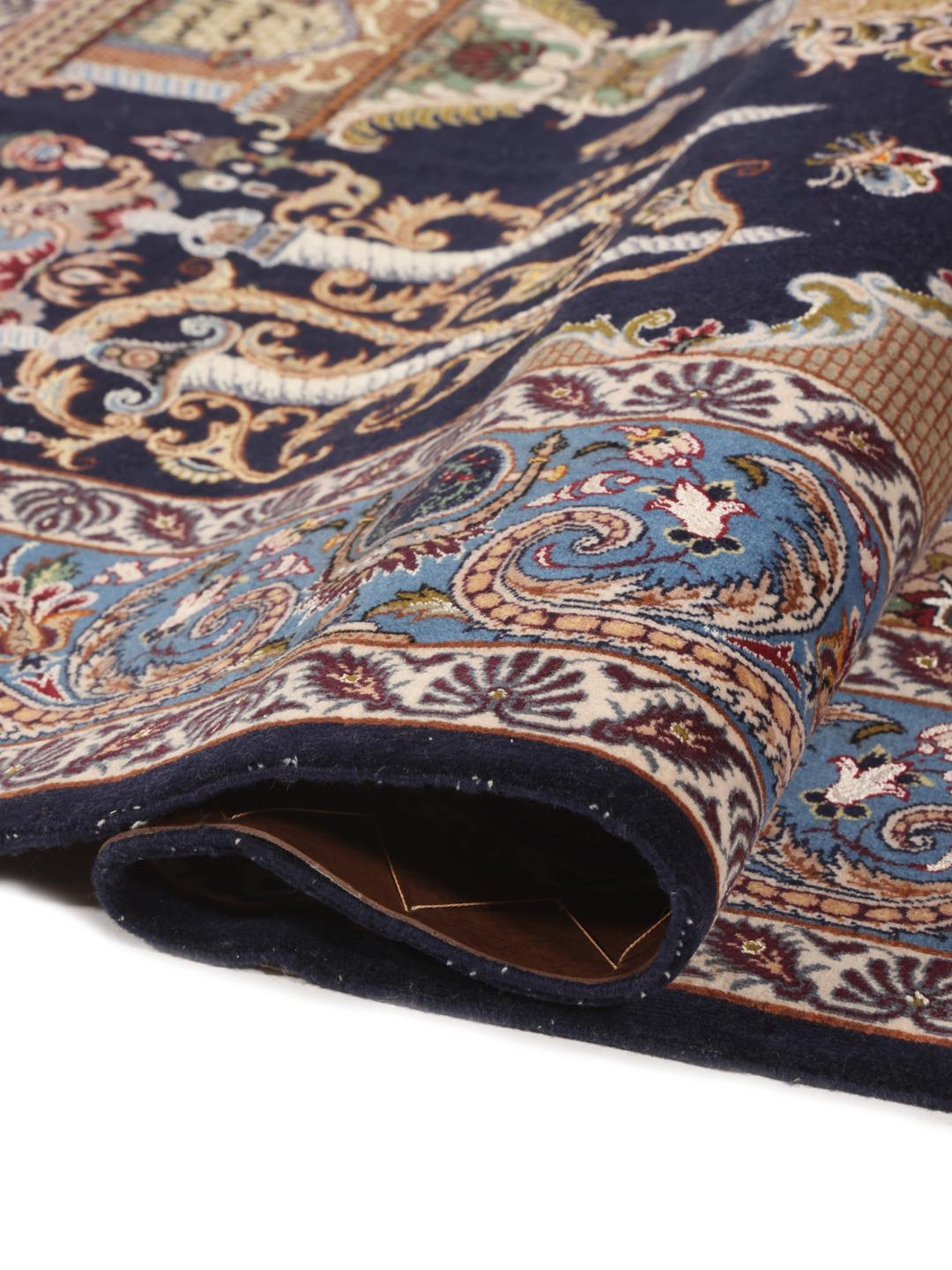
The prestige of an Isfahan rug is rooted in its technical complexity. The use of a silk foundation, or warp, is a hallmark of the finest workshops, providing a structural strength that allows for a much finer weave. This combination of materials ensures that the final piece is both flexible and incredibly durable, maintaining its shape and detail over generations.
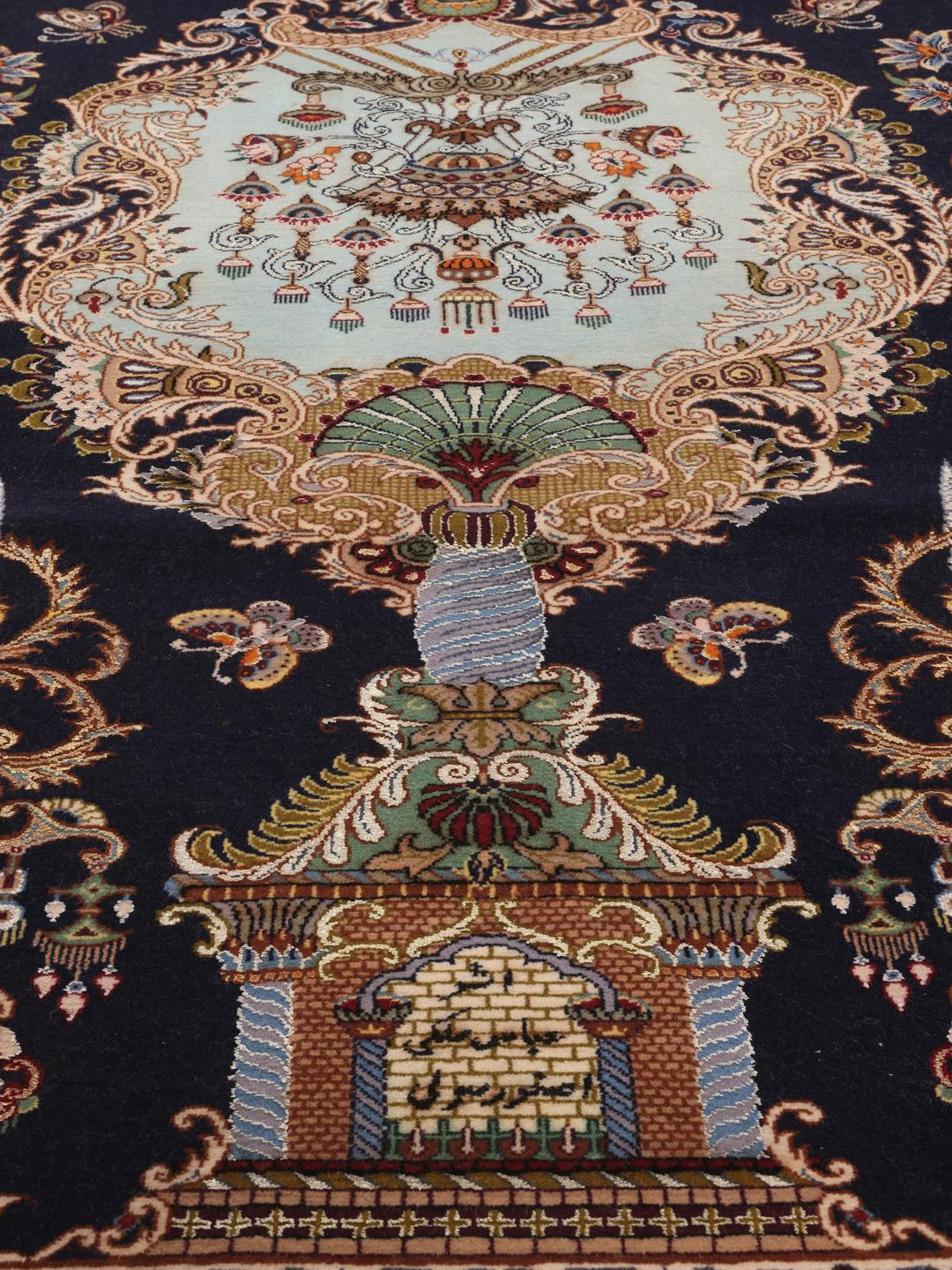
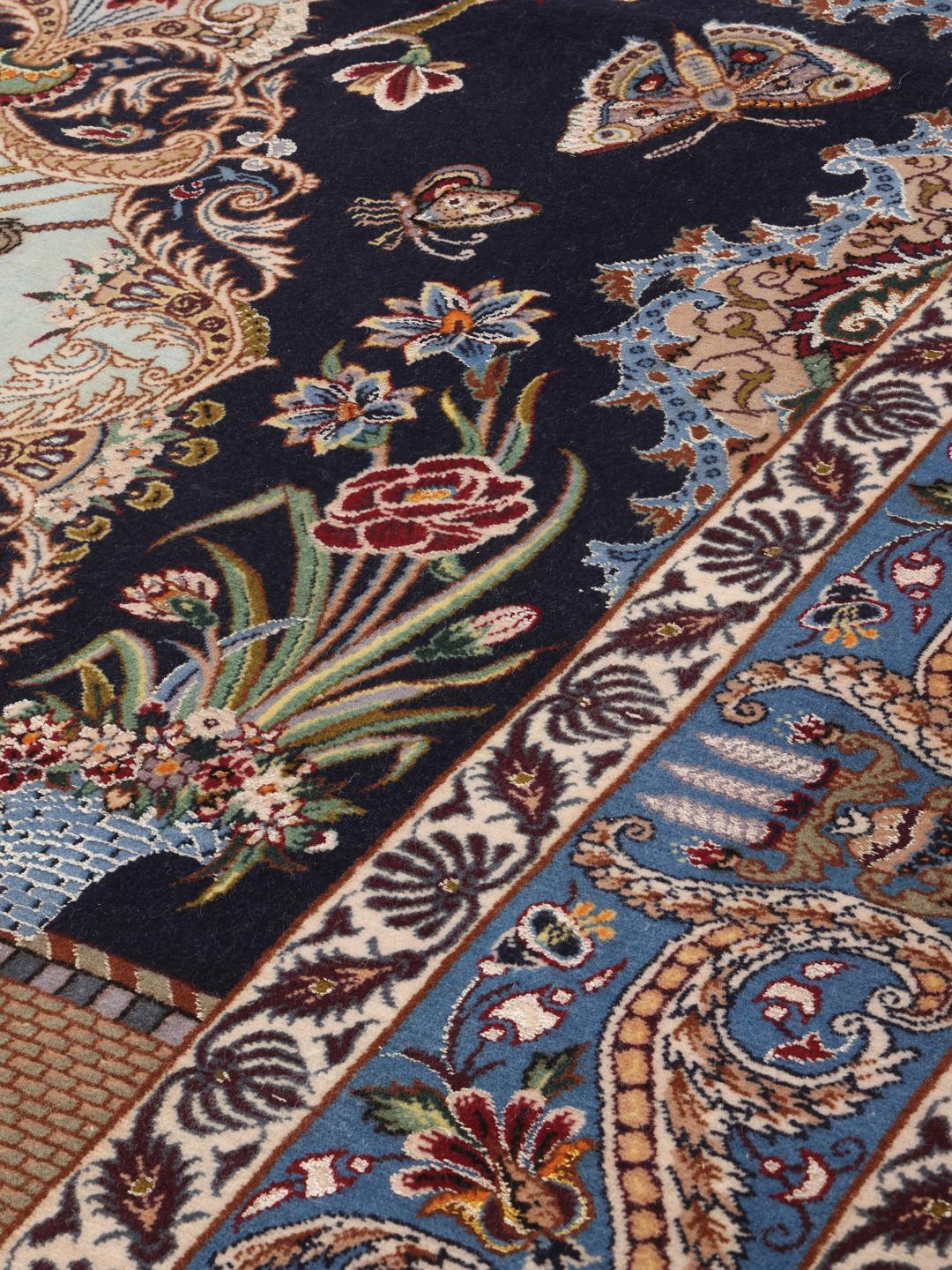
Visually, these rugs are known for their sophisticated pictorial motifs and balanced, harmonious compositions. Often featuring intricate central medallions surrounded by flowing floral arabesques and hunting scenes, they reflect a deep connection to classical Middle Eastern art. The precision of the drawing is paramount, often mimicking the fluidity of traditional painting and calligraphy.
Collectors value these rugs for their immense heritage and the skill required to produce them. Owning an Isfahan is seen as acquiring a piece of cultural history, where the mastery of the weaver and the beauty of the design are preserved in every knot. It is a testament to a tradition that prioritises patience, precision, and an enduring eye for beauty.