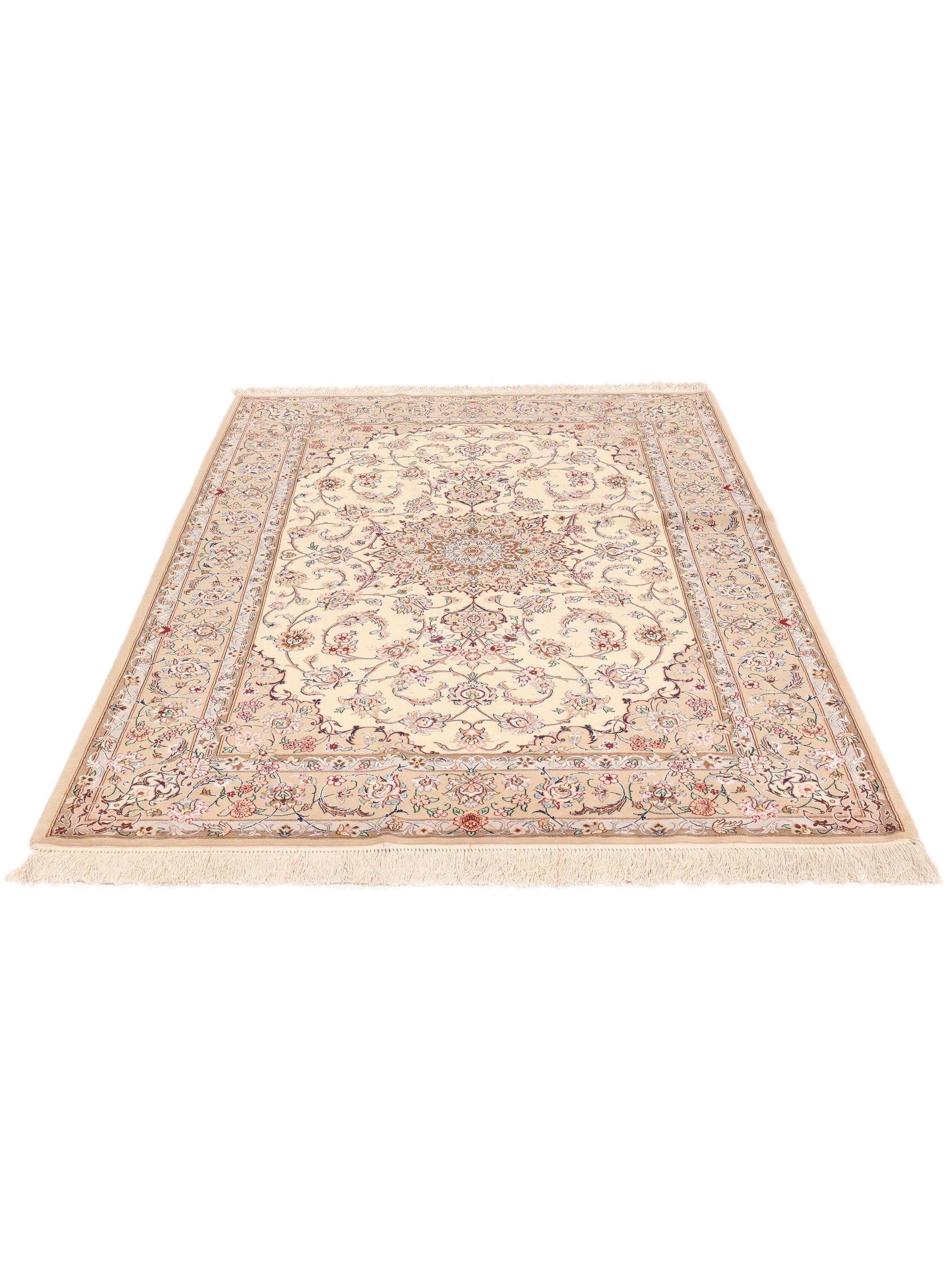
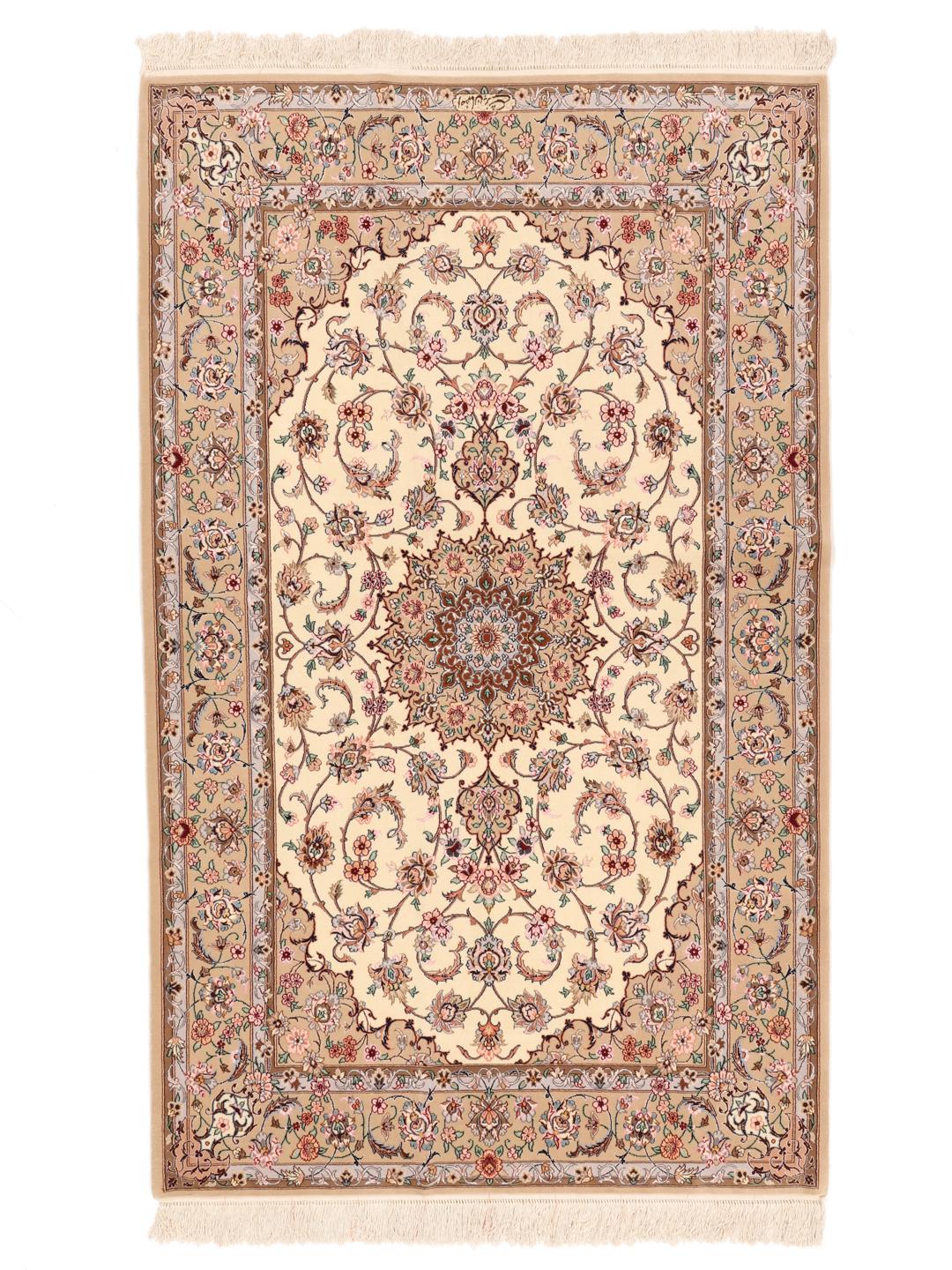
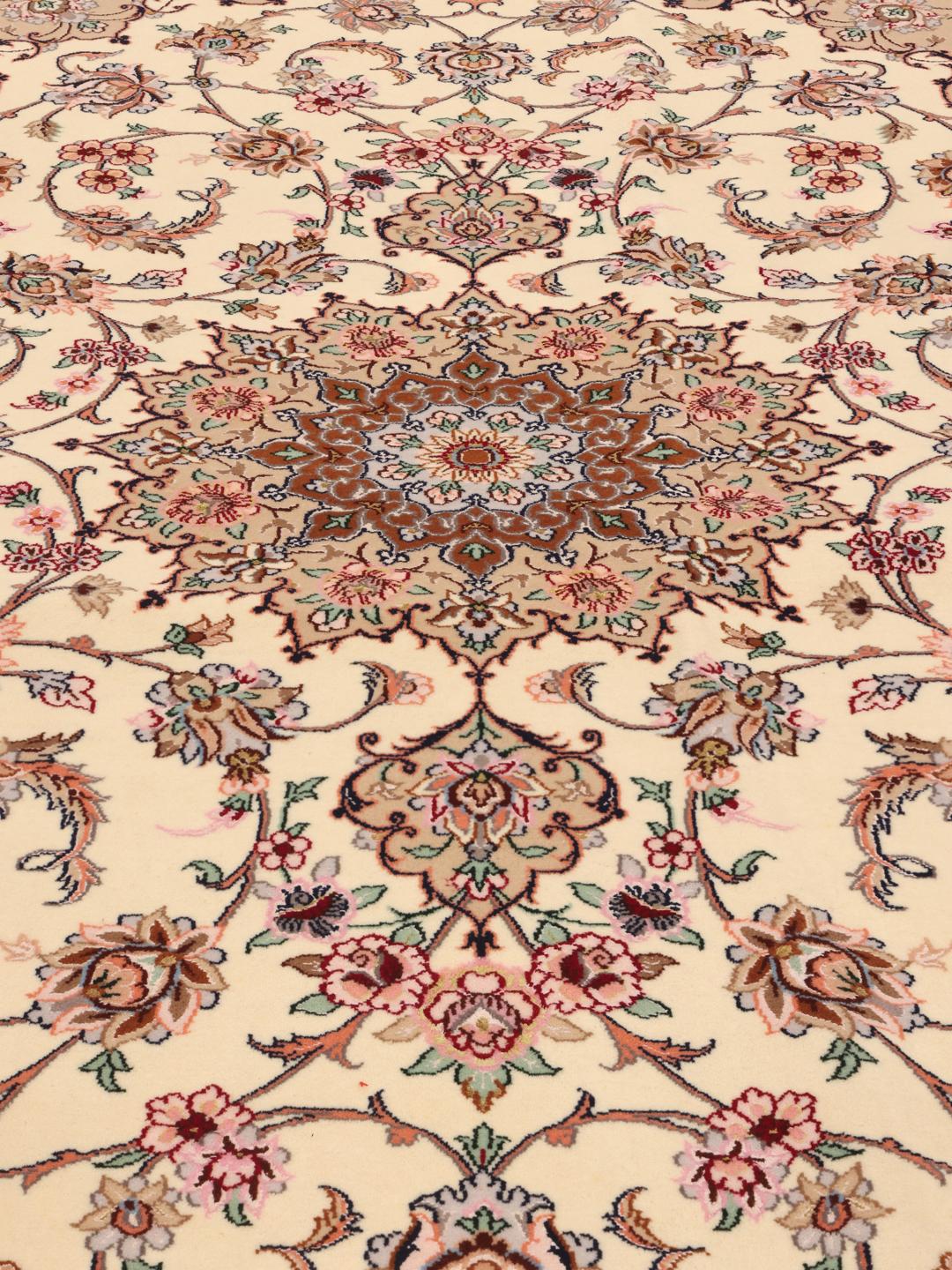
Isfahan rugs originate from the historic city of Isfahan in the Middle East, a place long celebrated as a centre for high-level artistic production. For centuries, the city has been a hub for master weavers who draw inspiration from the architectural beauty of local mosques and the intricate designs found in royal gardens. This tradition has evolved, blending ancient techniques with a refined aesthetic that is globally recognised for its sophistication.
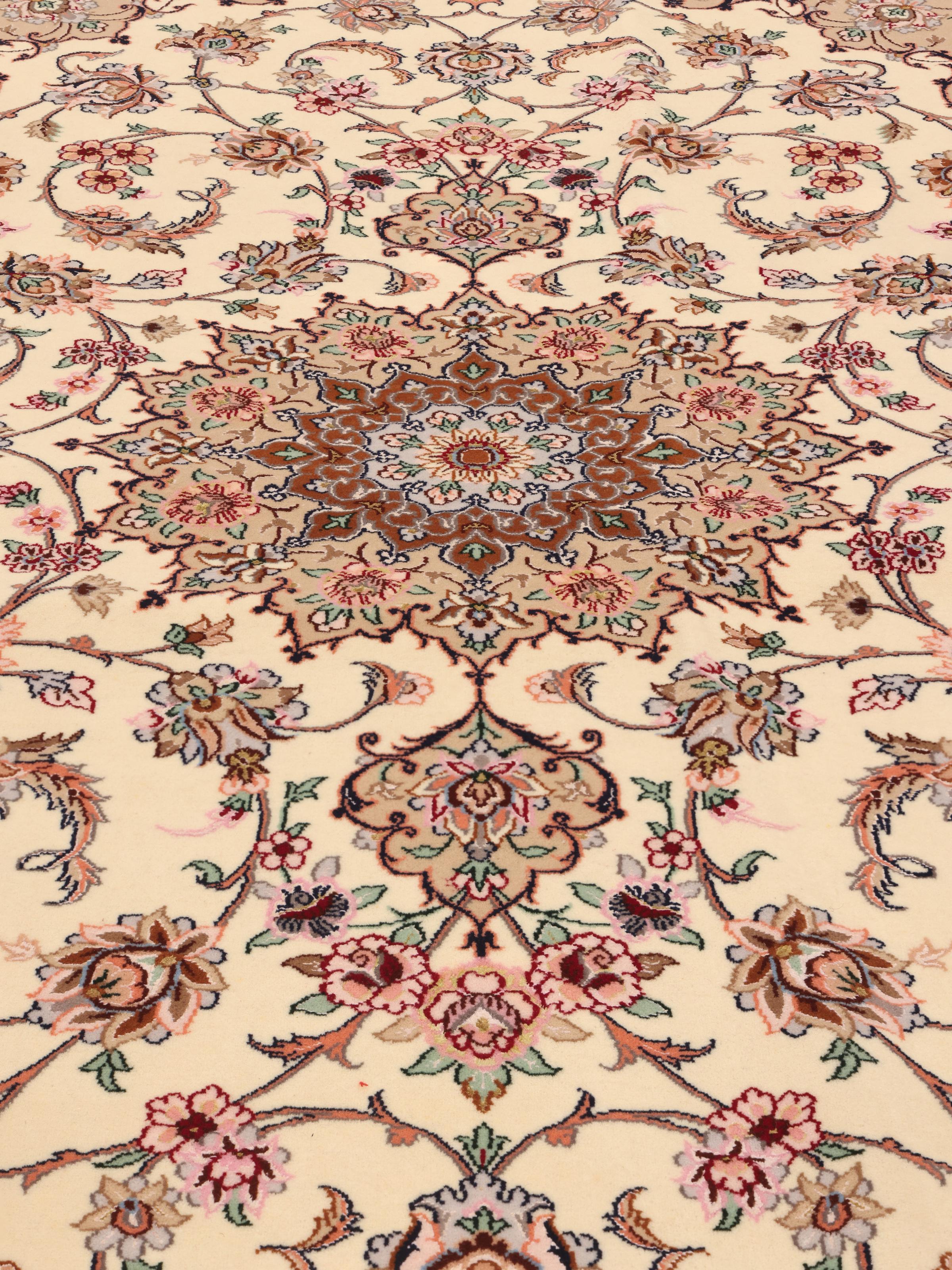
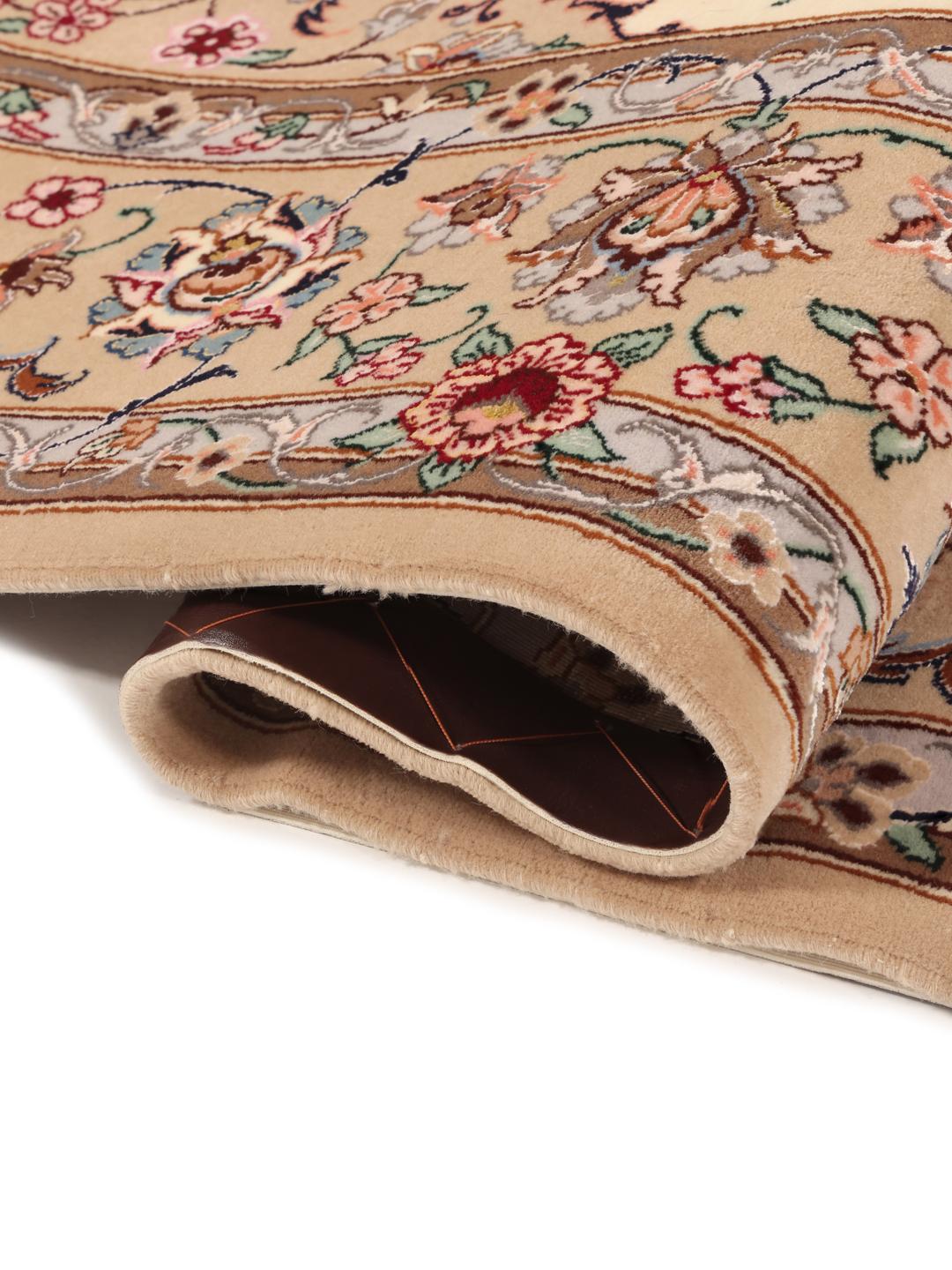
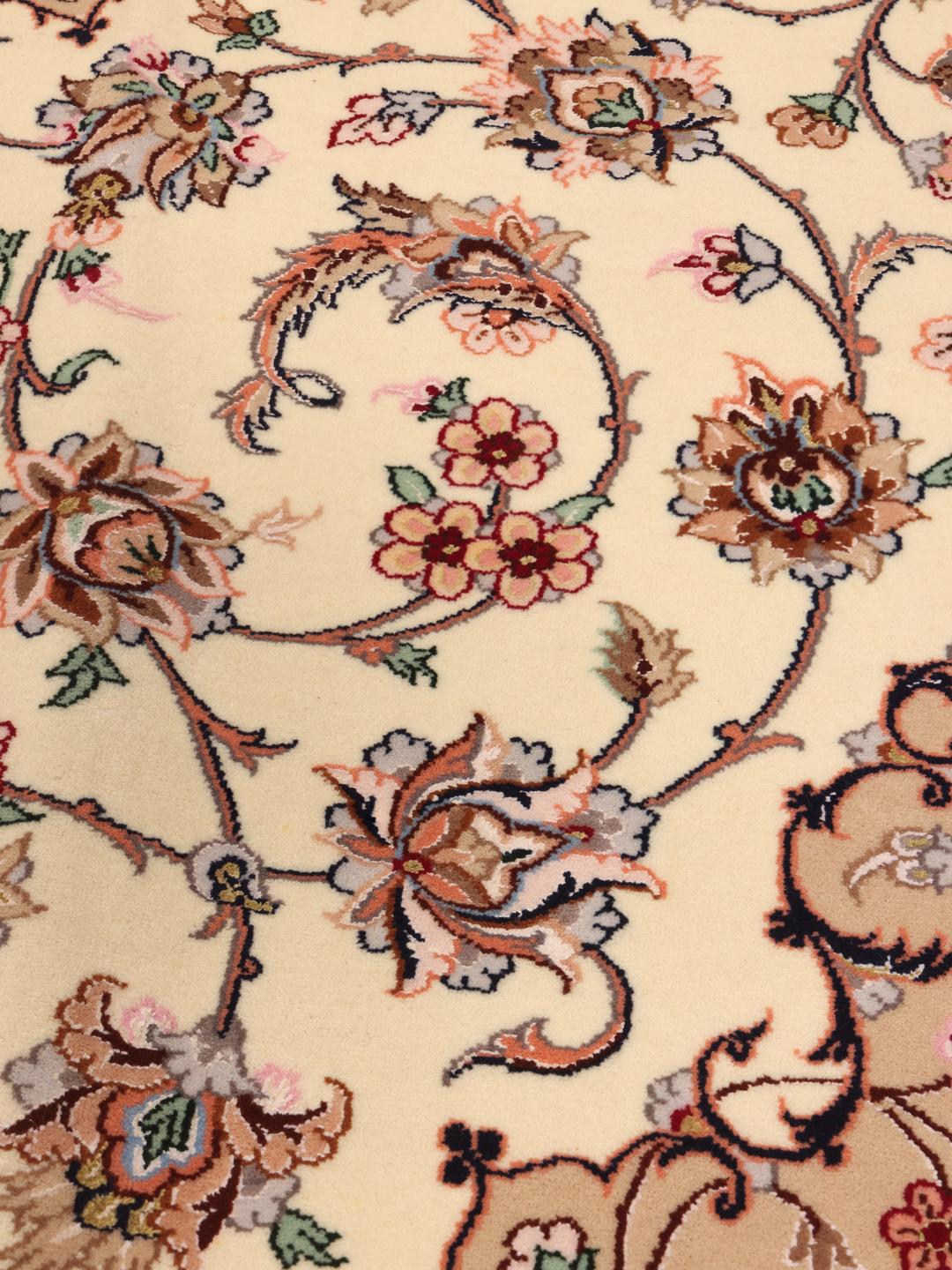
The term Isfahan refers to a specific, high-standard tradition of rug making. These rugs are known for their exceptionally fine knotting, which allows for the inclusion of complex, curvilinear patterns that would be impossible to achieve with simpler techniques. This technical precision is what enables the characteristic 'Isfahan look'—a style that prioritises grace, balance, and fine detail over bold, geometric simplicity.
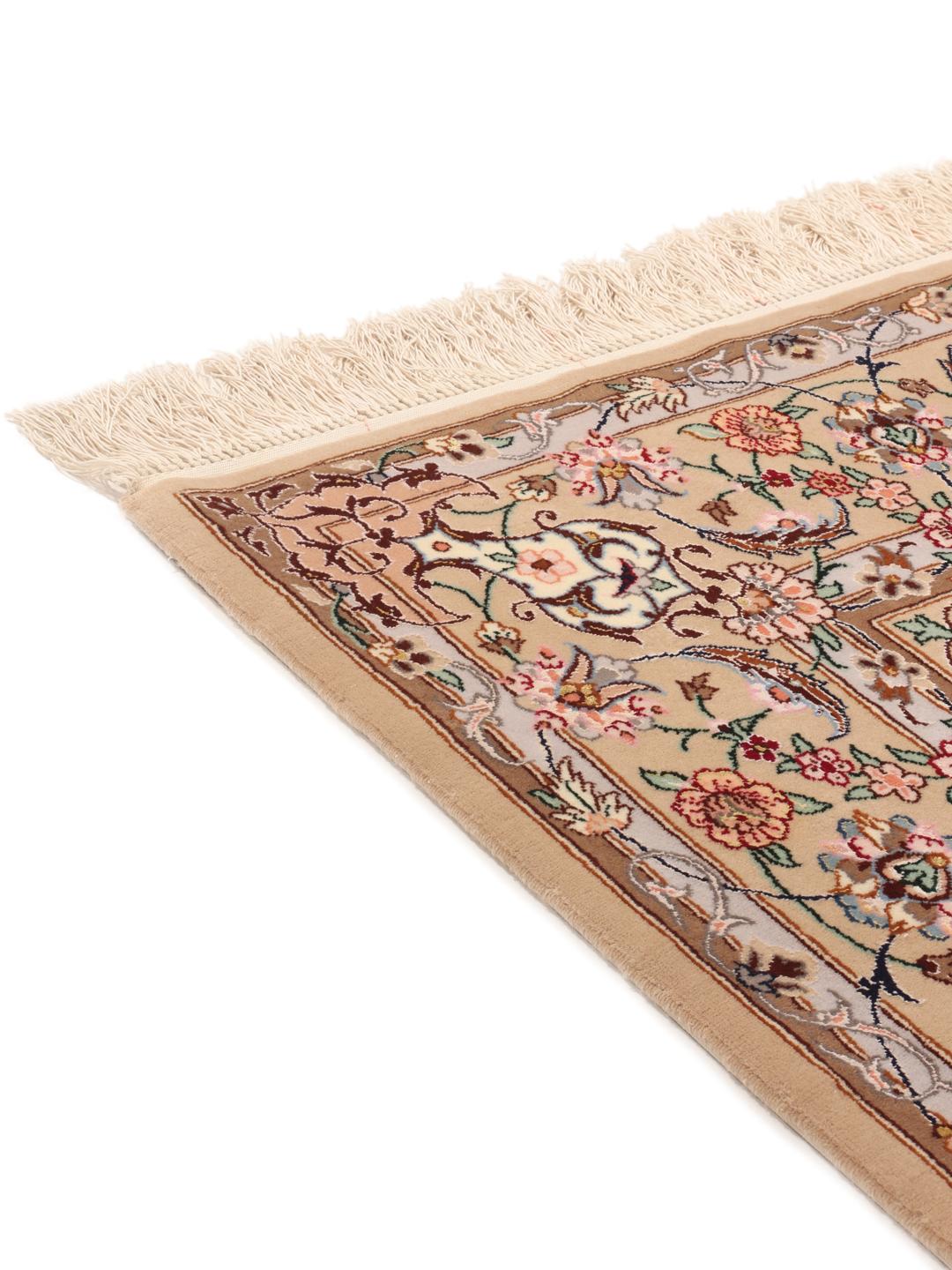
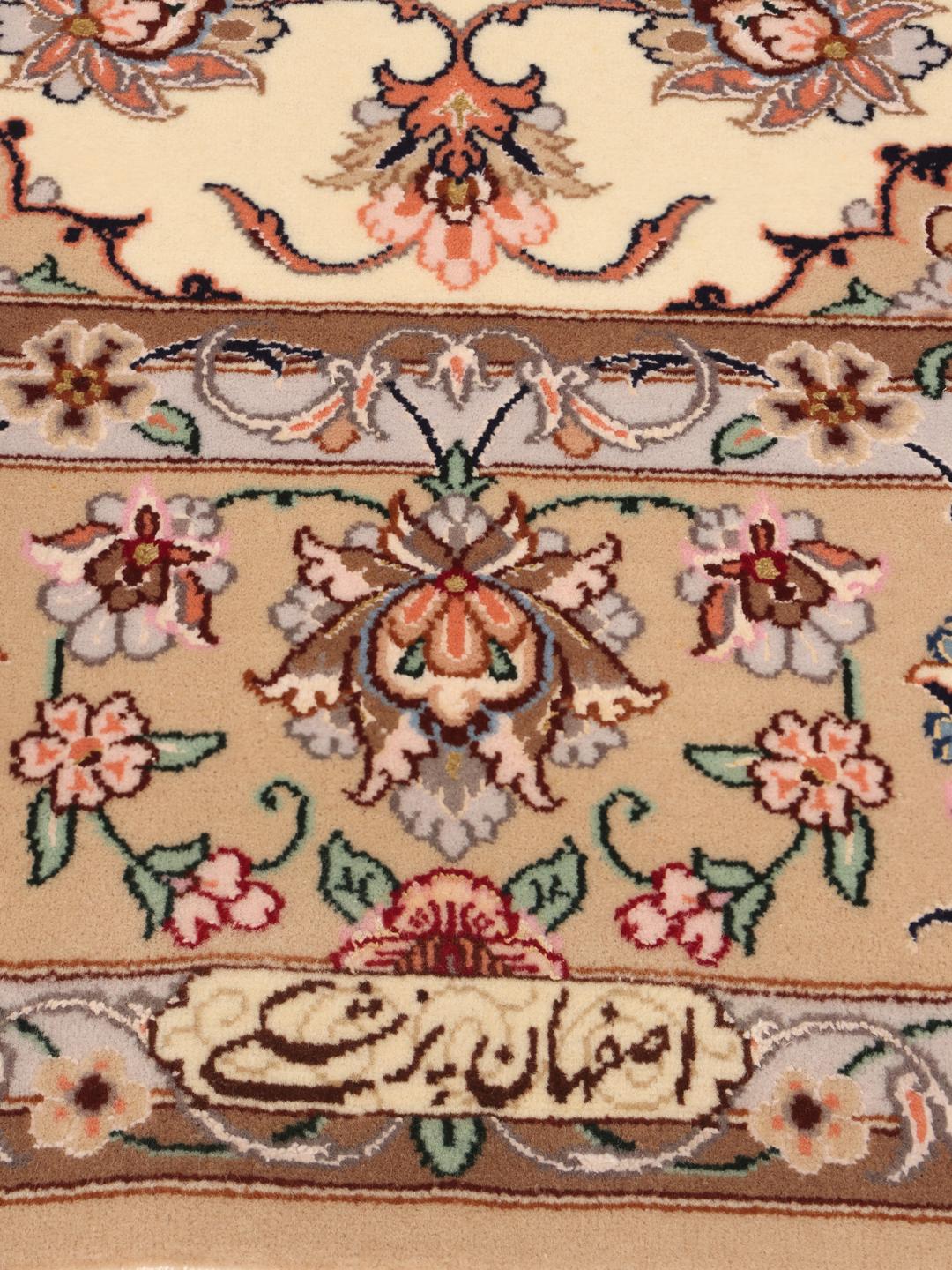
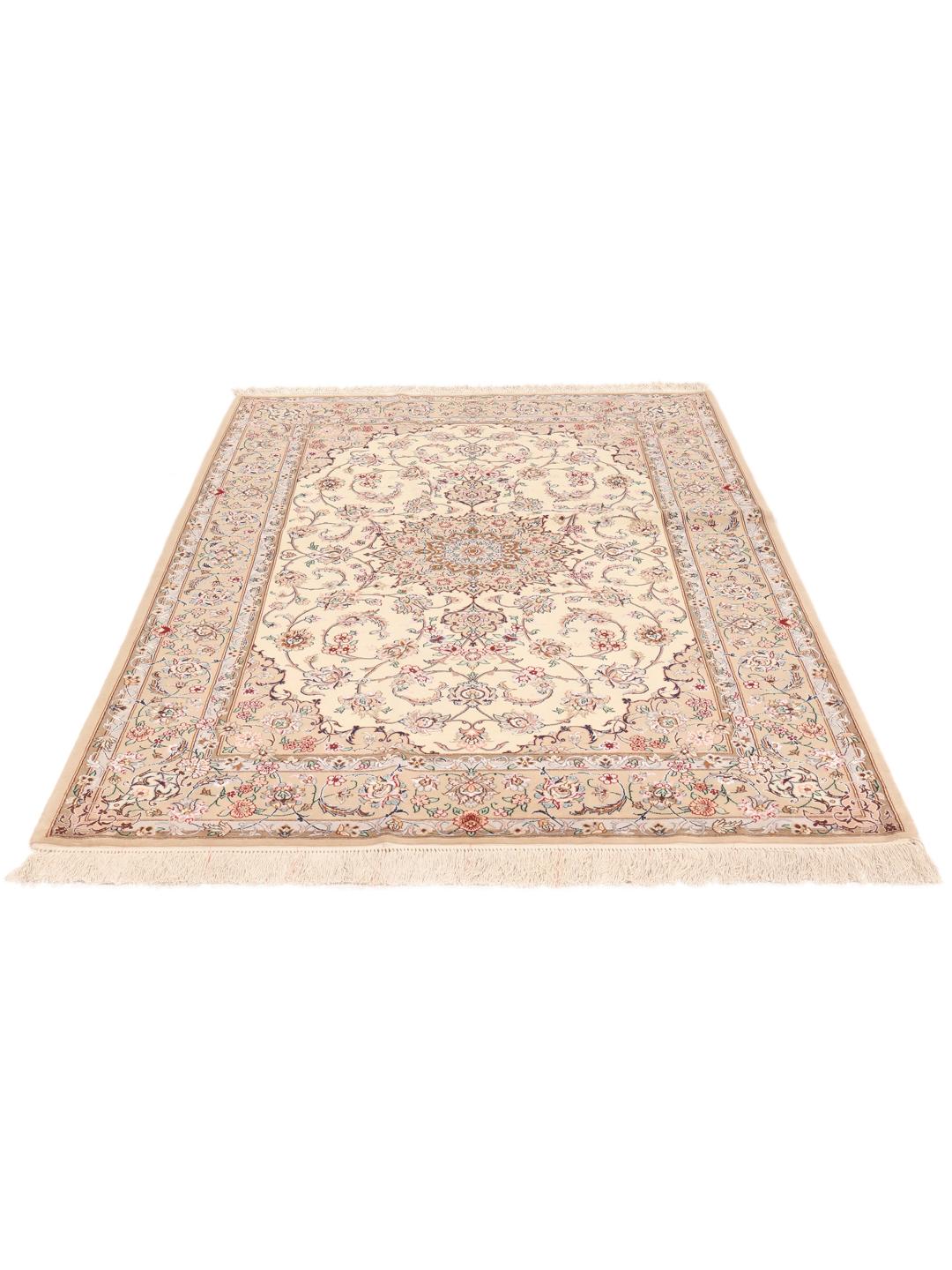
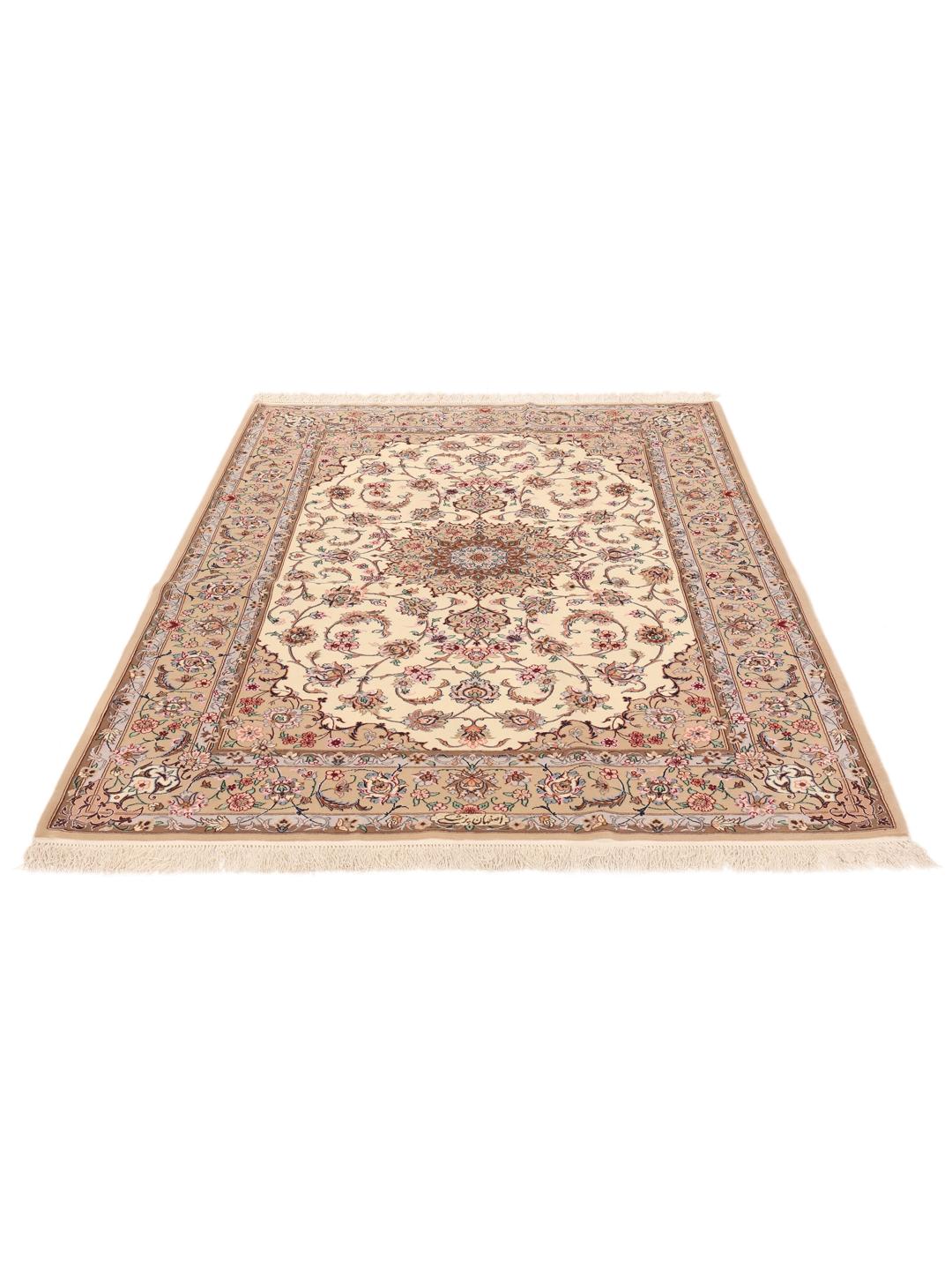
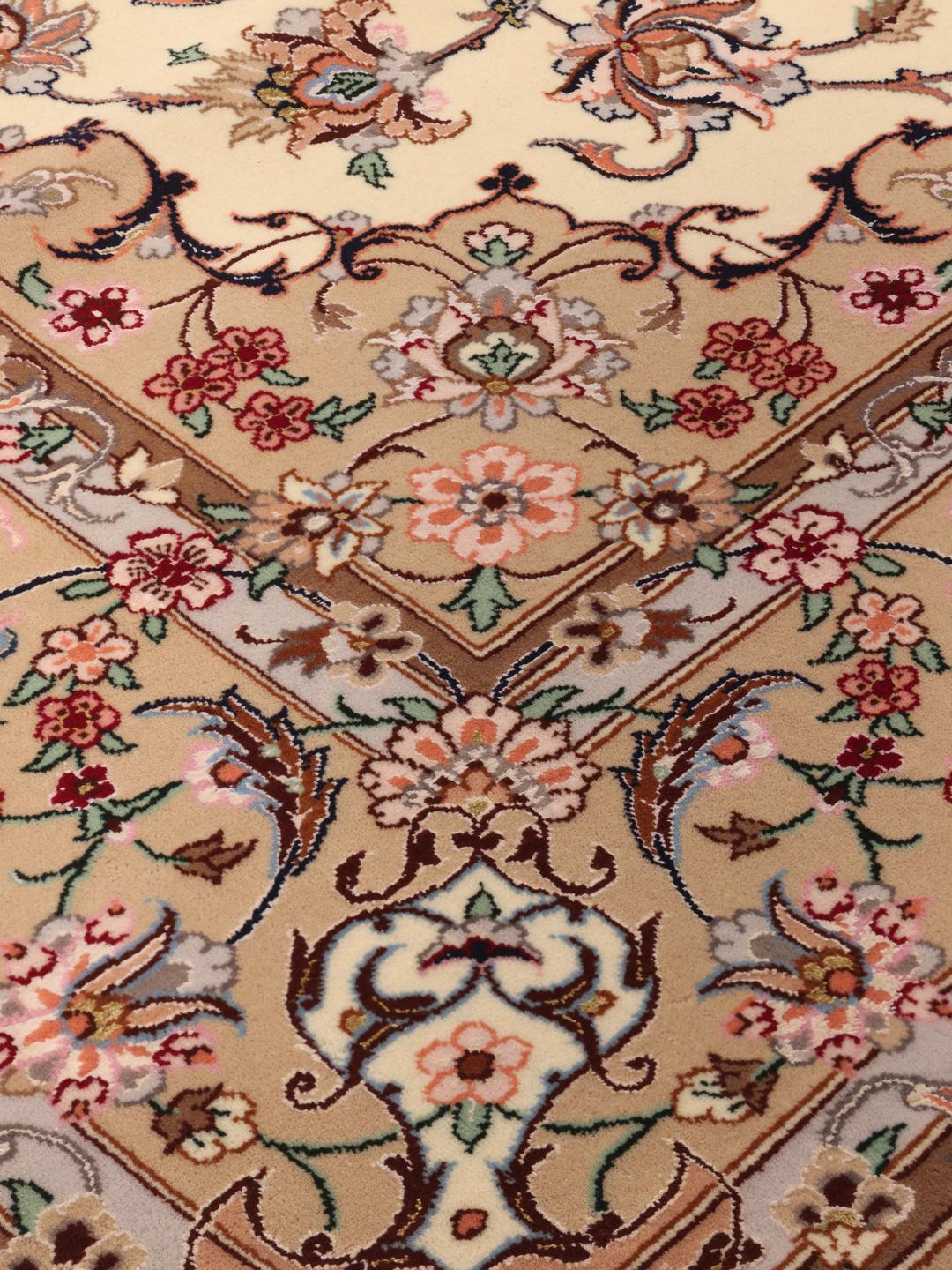
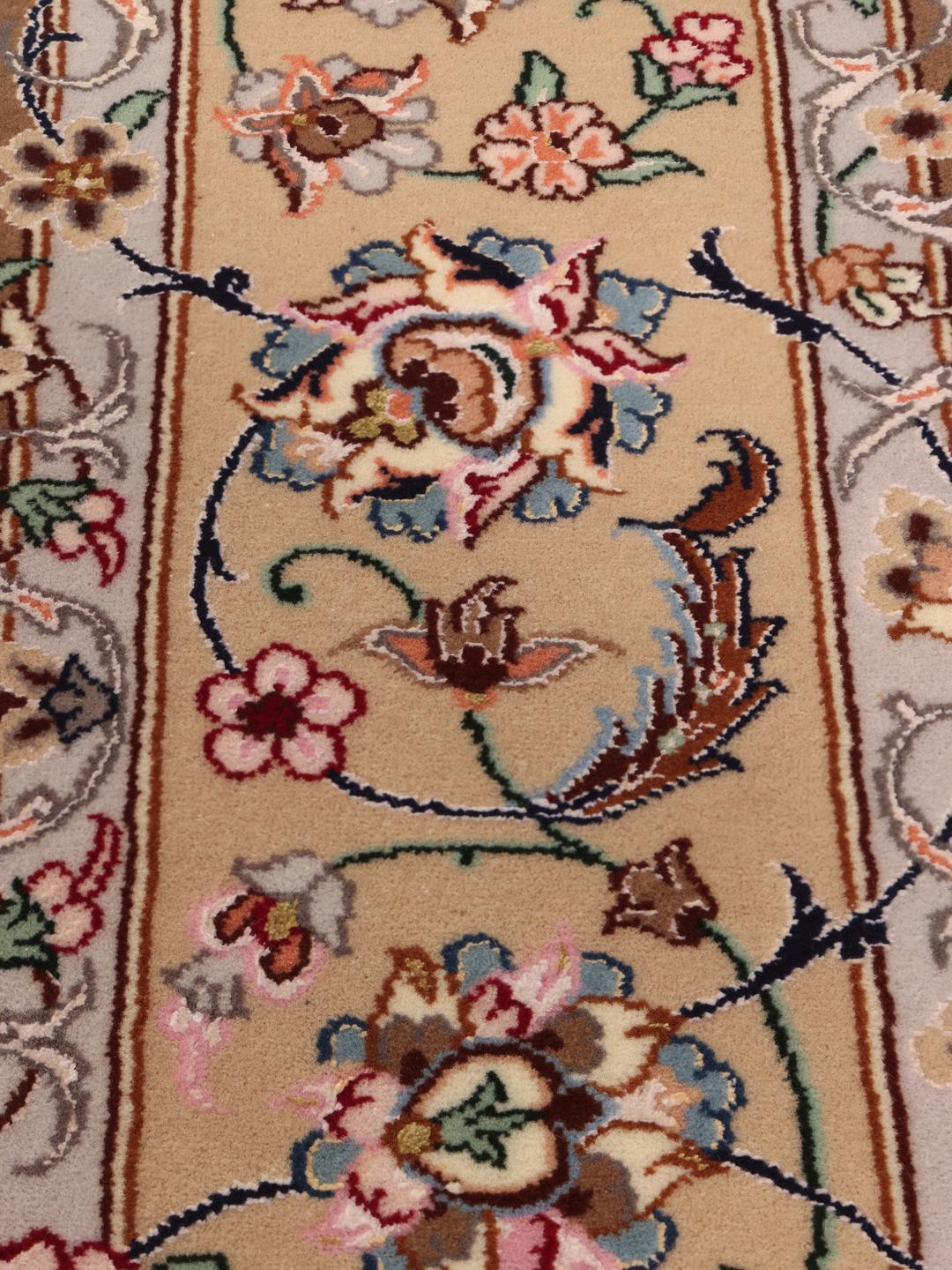
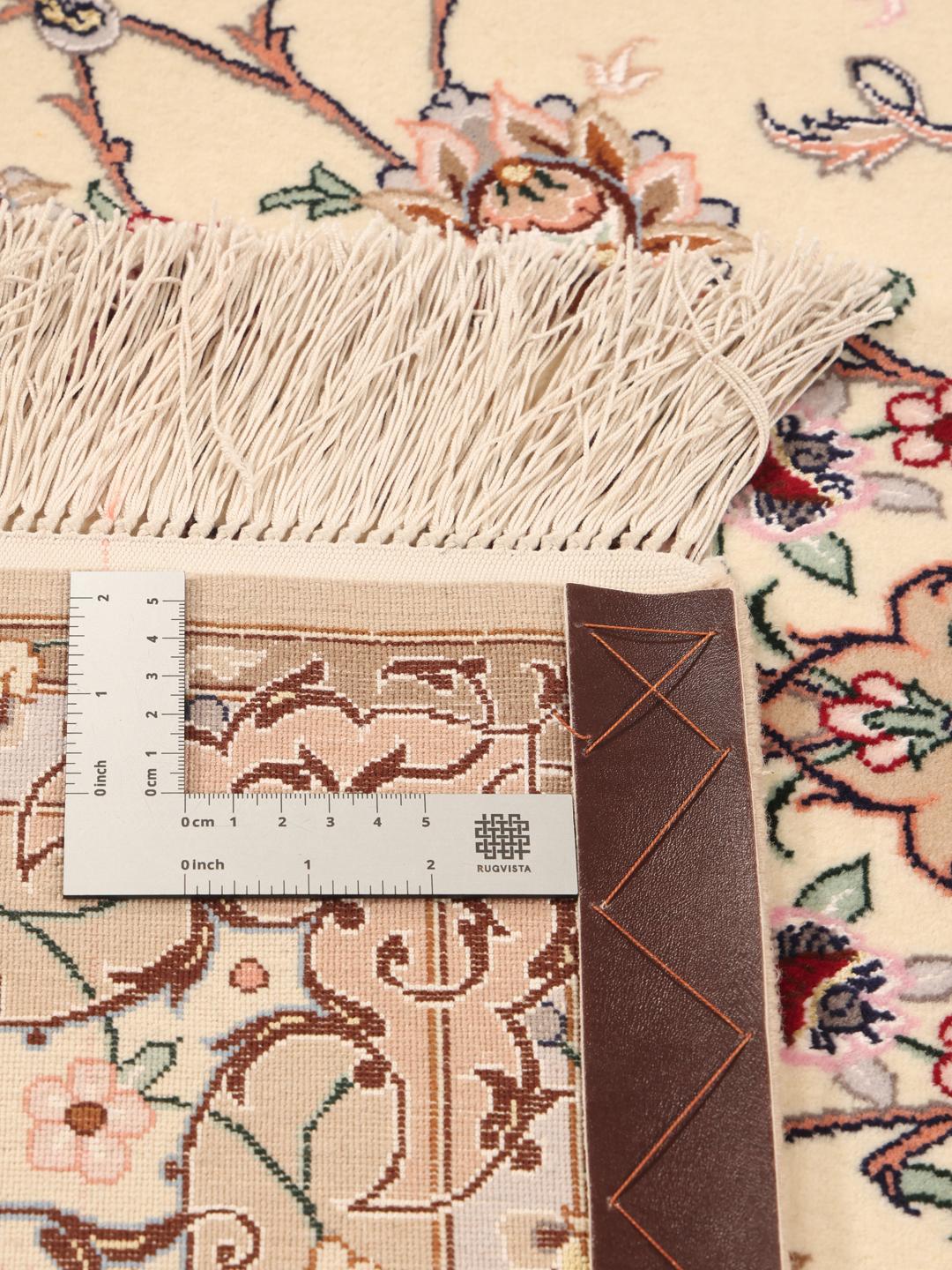
Visual language in an Isfahan rug is typically defined by a central medallion, which acts as the heart of the design, surrounded by a field filled with Shah Abbasi flowers, palmettes, and scrolling arabesque vines. The borders are often just as intricate, mirroring the complexity of the central field. While traditional palettes often feature soft creams and deep reds, the skill of the weavers allows for subtle tonal variations that bring the design to life.
Owning an Isfahan rug is a statement of appreciation for heritage and human effort. These rugs are highly prized by collectors and enthusiasts who understand that they are not just floor coverings, but records of a specific cultural moment and the artisan's individual skill. To possess one is to act as a custodian of a tradition that values patience, beauty, and the pursuit of perfection in every single knot.