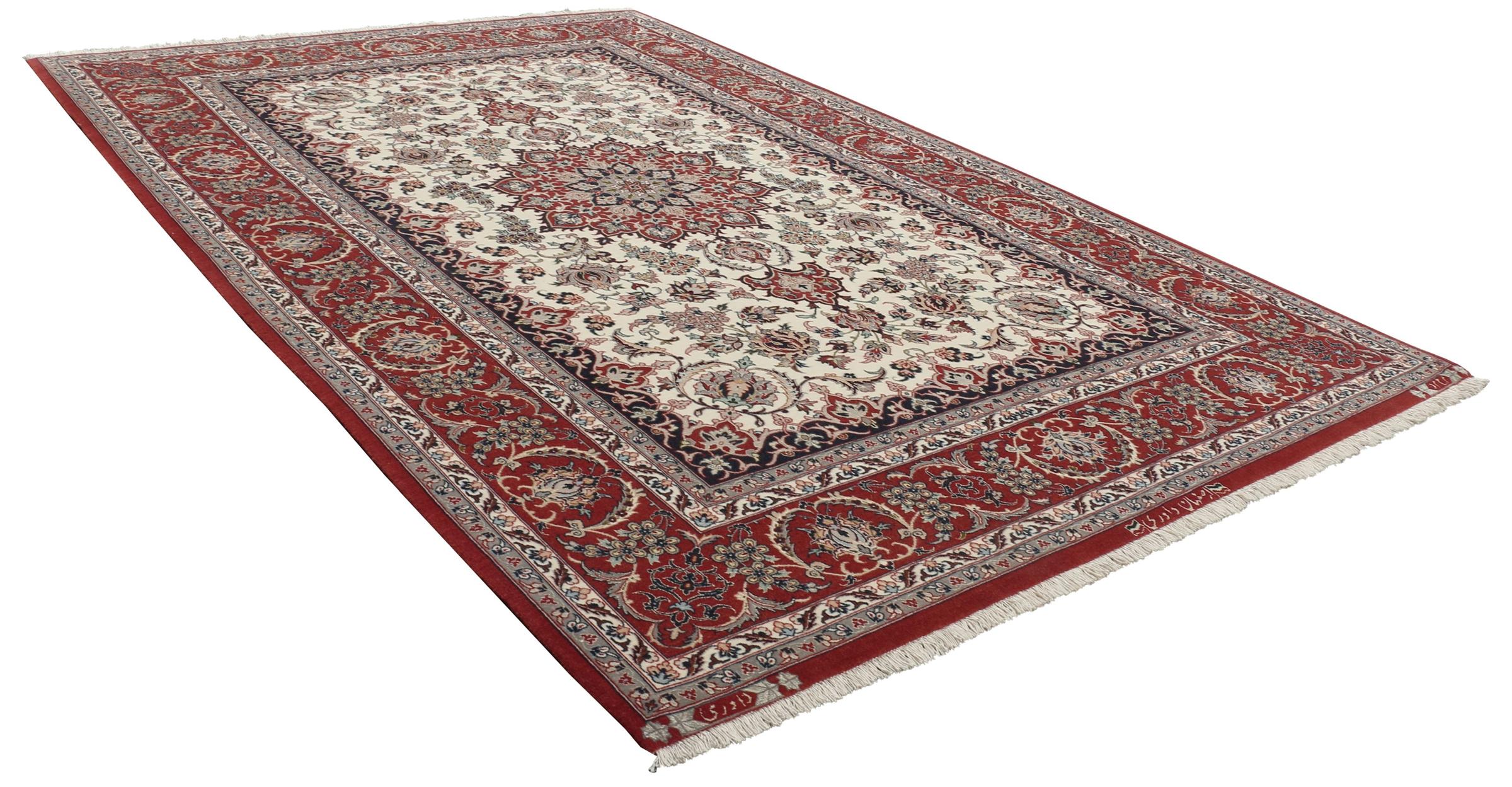
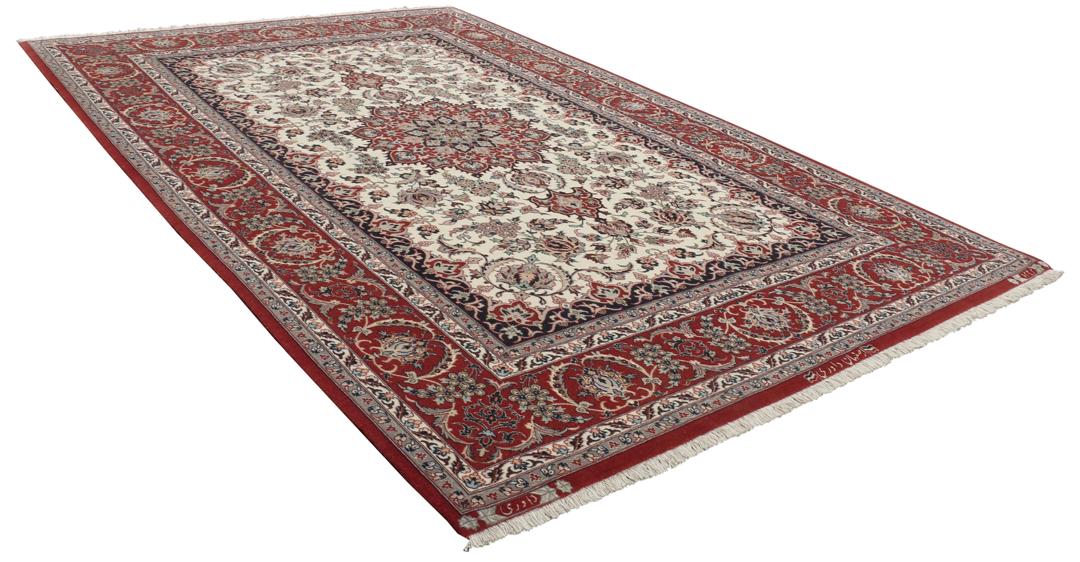
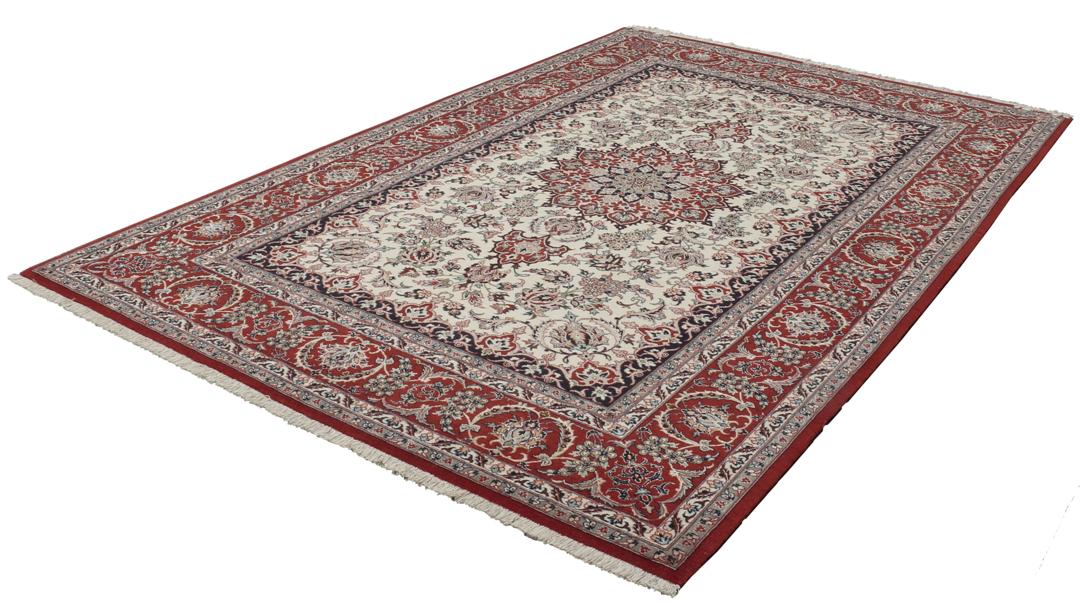
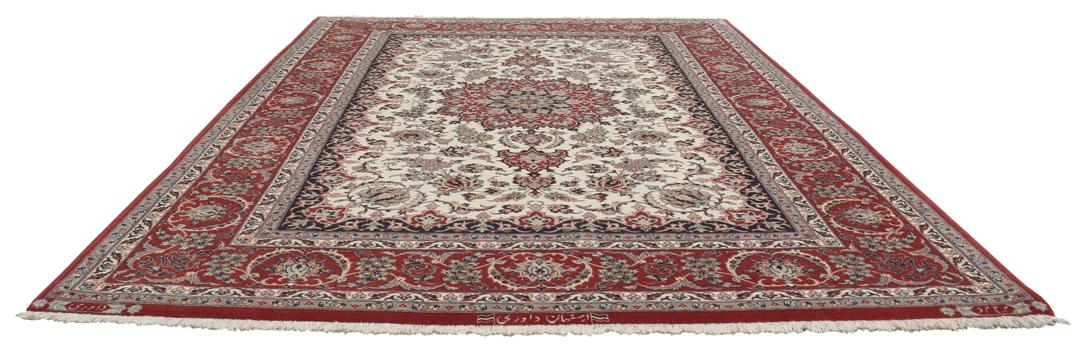
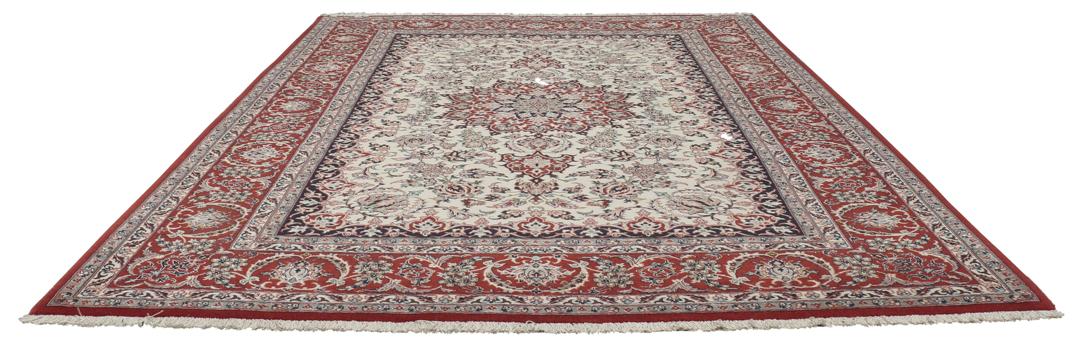
Isfahan rugs are celebrated globally as some of the most sophisticated examples of weaving from the Middle East. Originating from the historic city of Isfahan, once a capital of the region, these rugs are deeply connected to a long-standing tradition of artistic patronage. The city itself has been a centre for fine arts, architecture, and craftsmanship for centuries, which is clearly mirrored in the refined, garden-like precision of its rug designs.
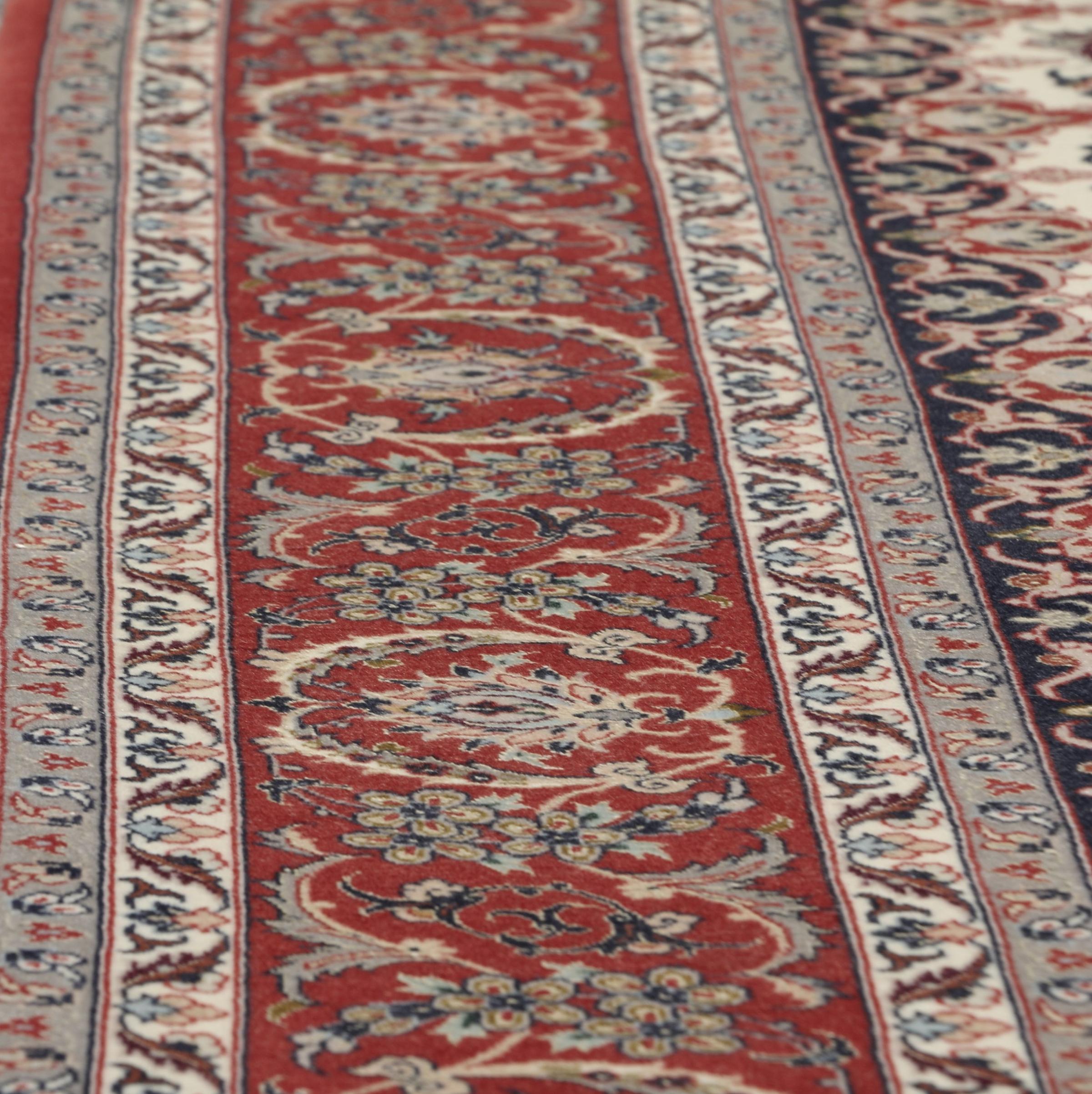
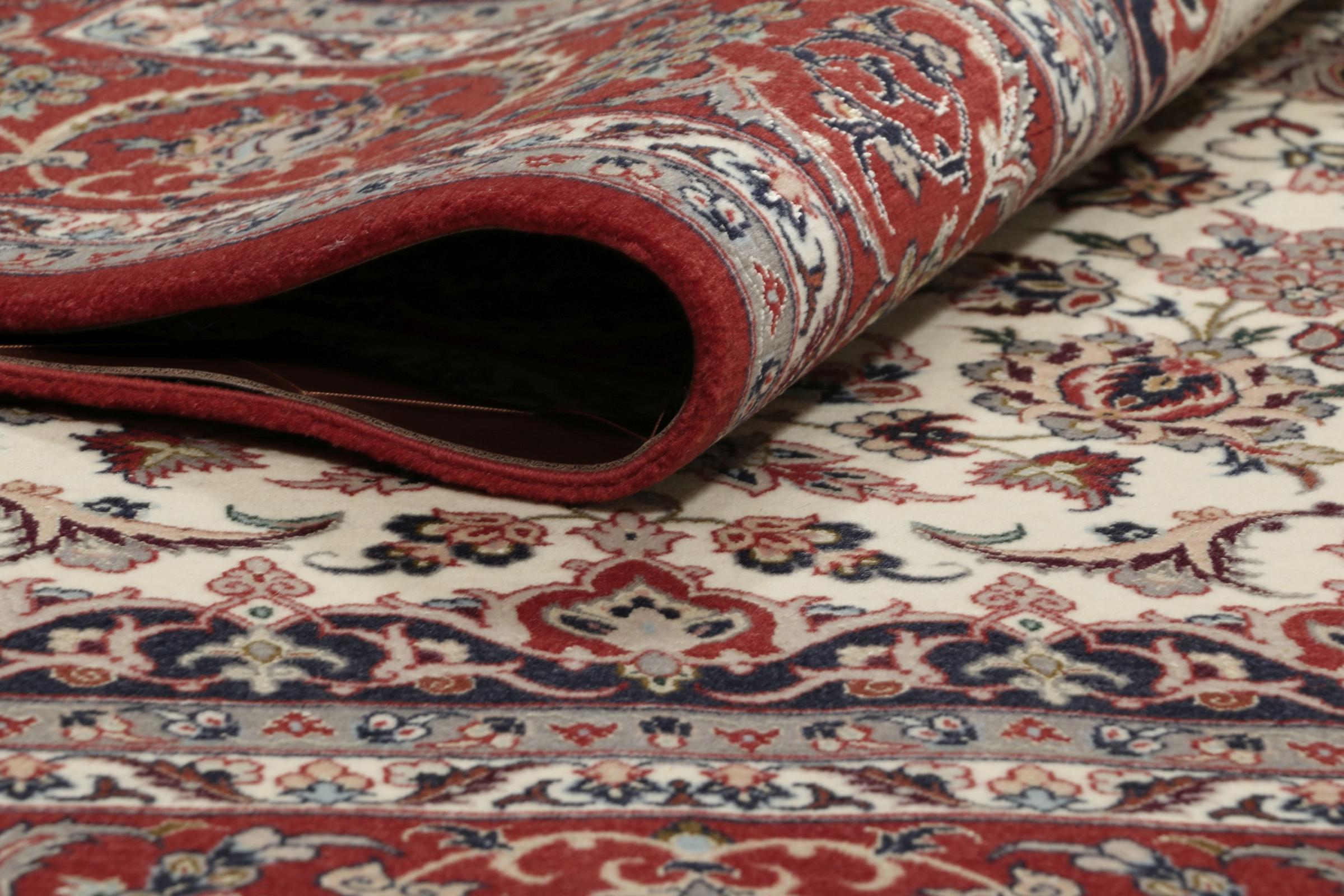
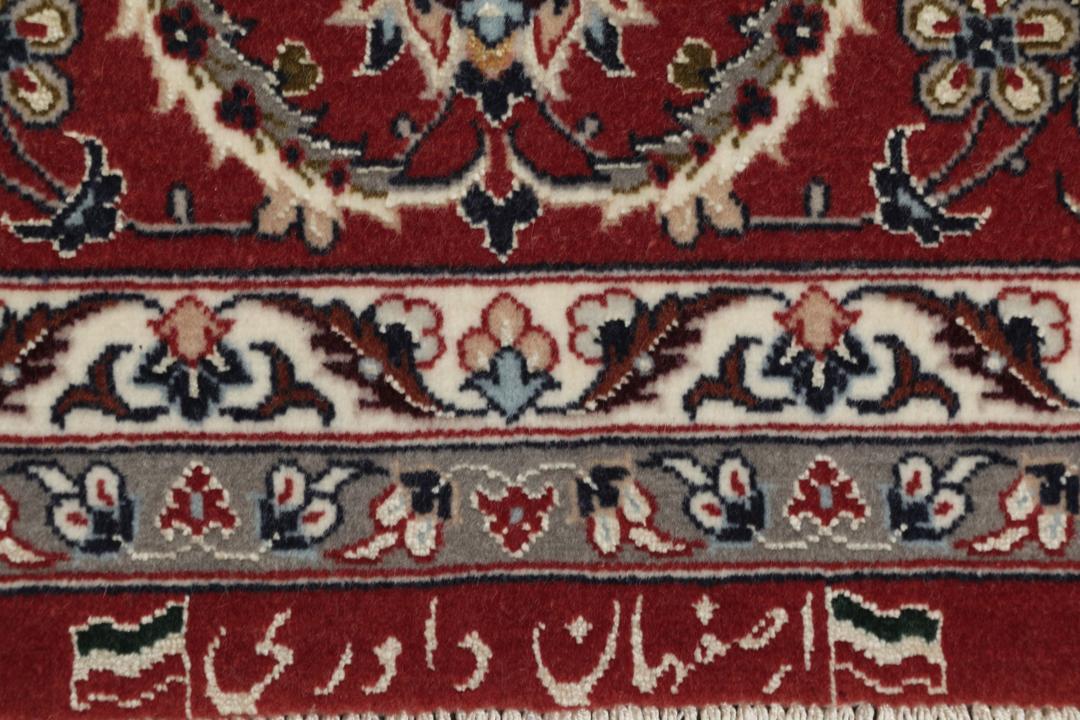
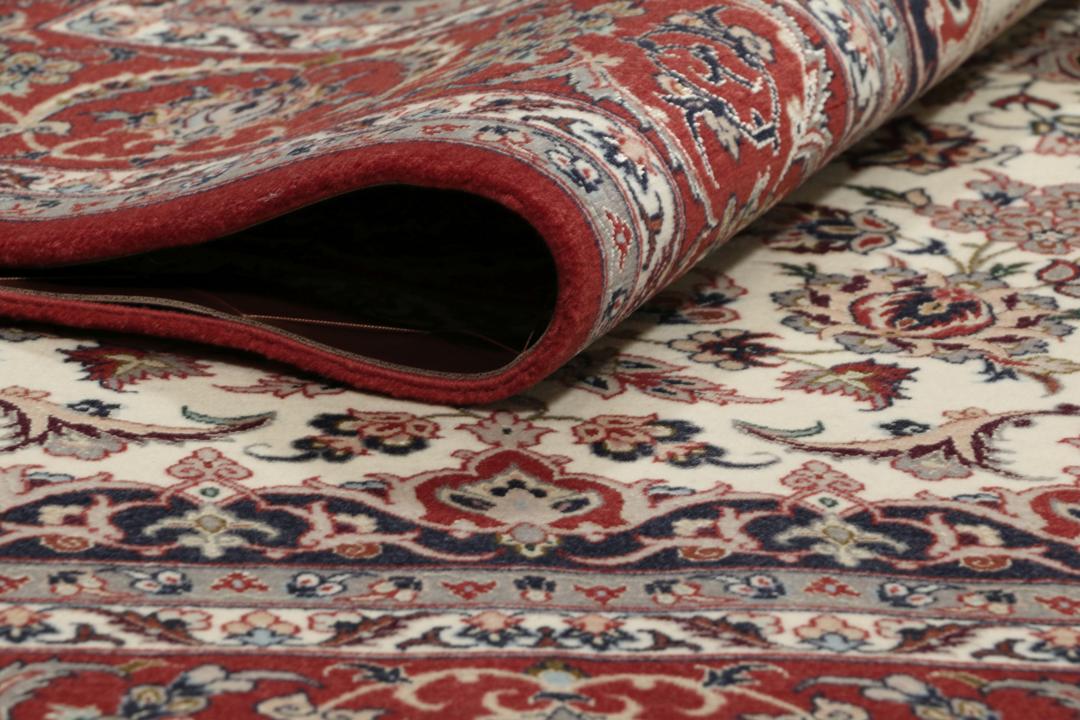
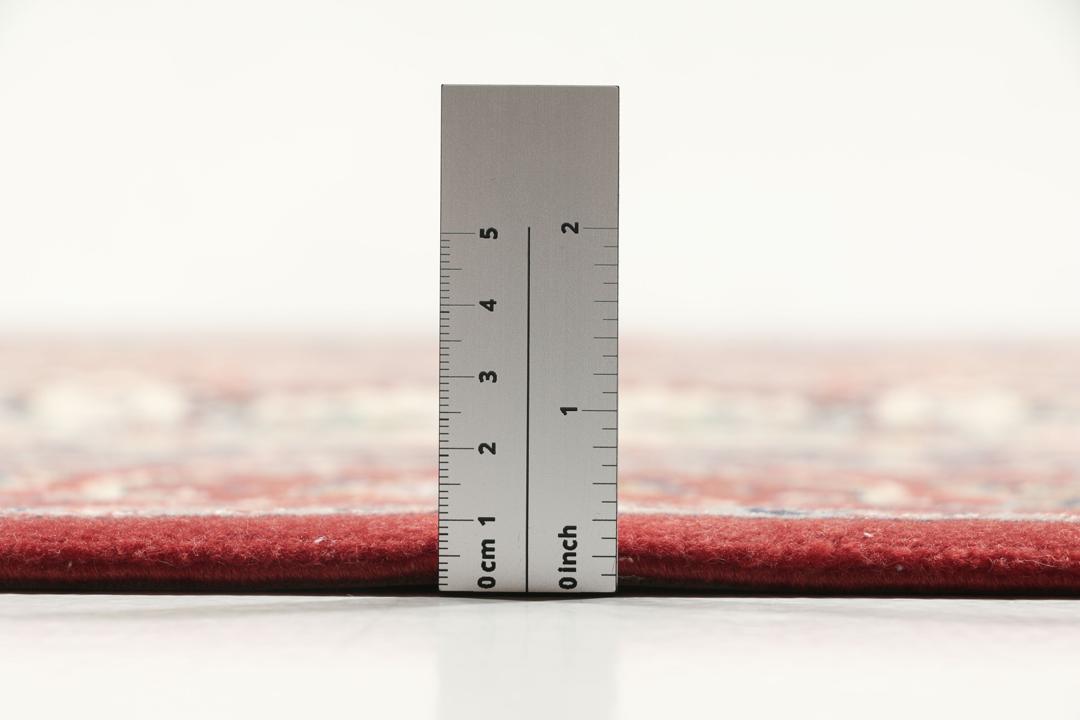
The technical mastery required for an Isfahan rug is immense. These pieces often feature a very high density of knots, which allows for the creation of incredibly detailed, curvilinear patterns that appear almost painterly. The use of premium materials on a refined foundation is a technical choice that ensures the rug remains thin yet durable, allowing the intricate motifs to remain crisp and clear over generations of use.
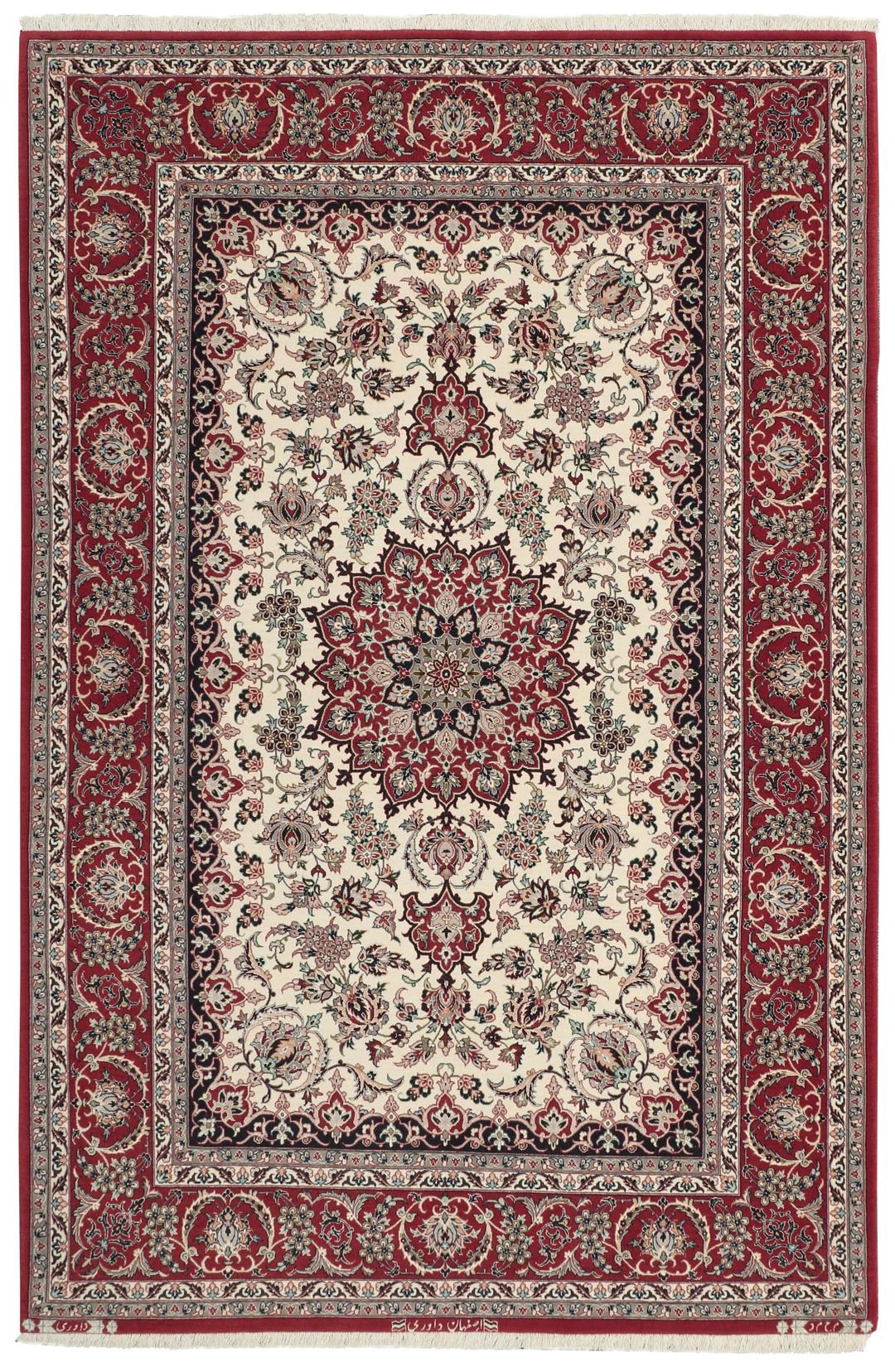
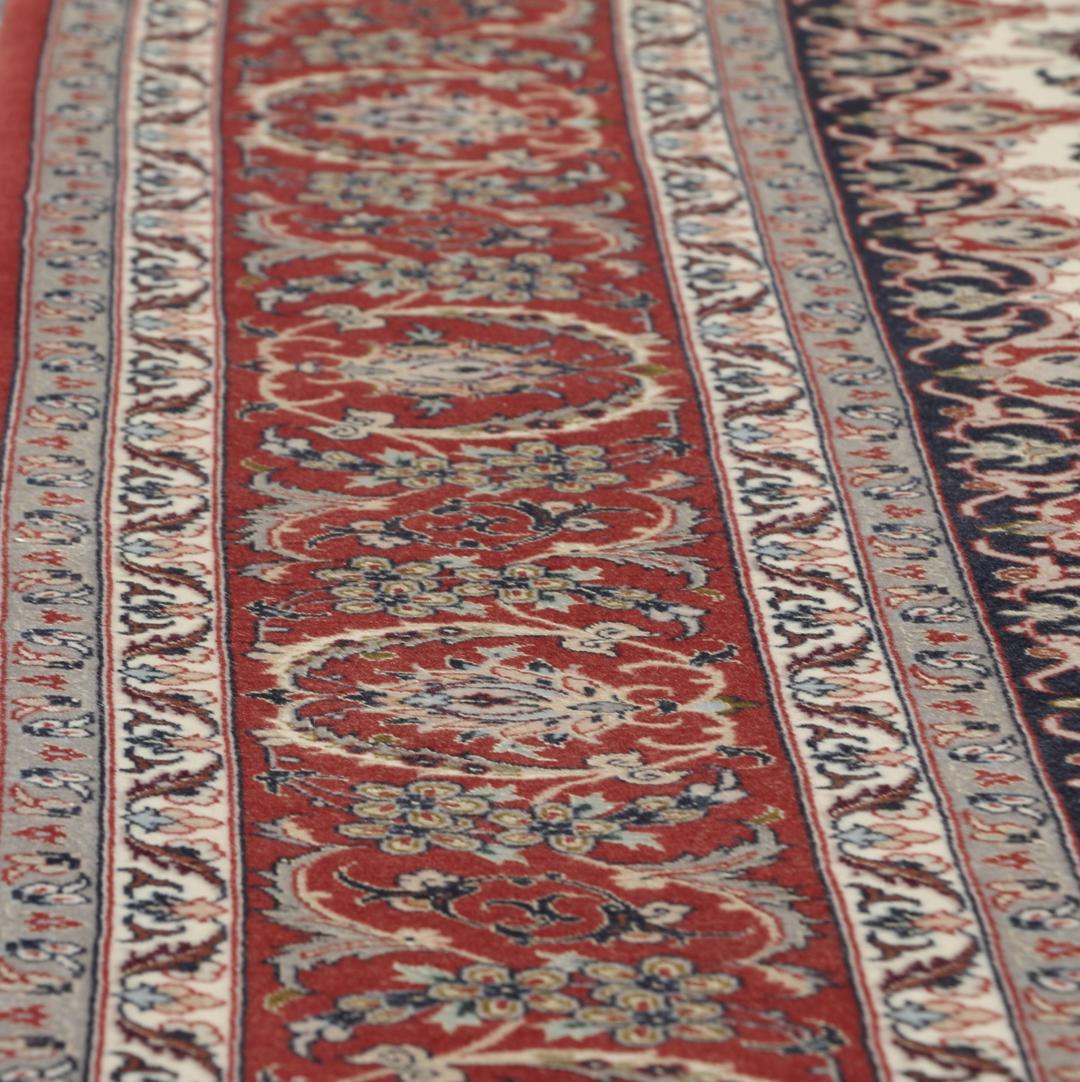
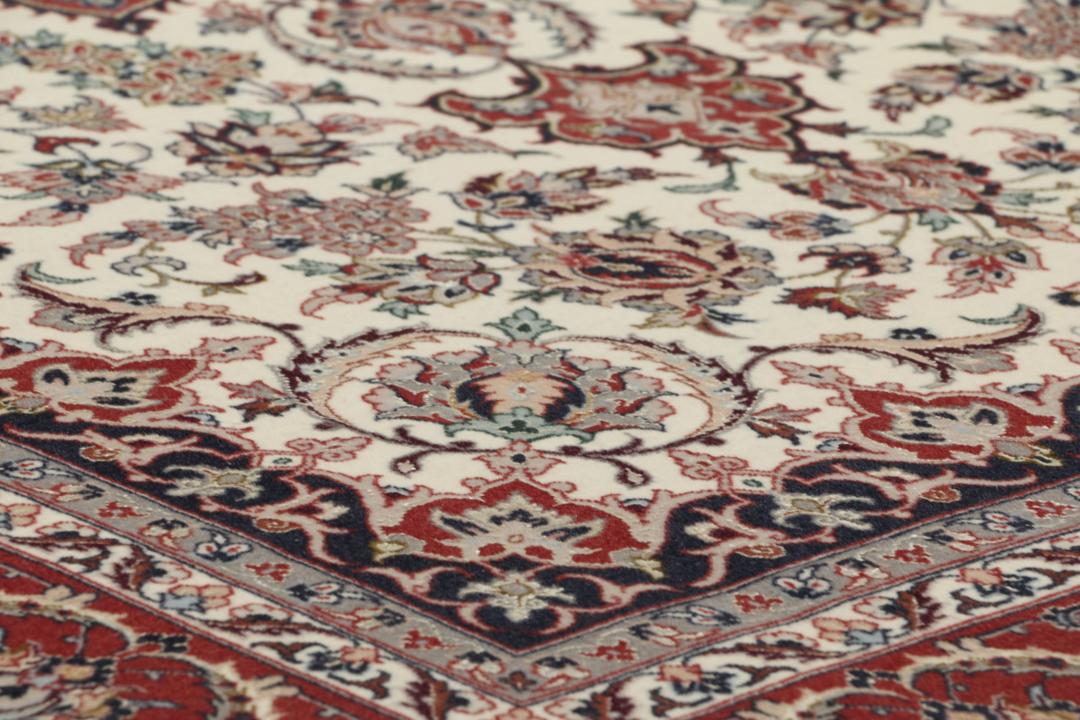
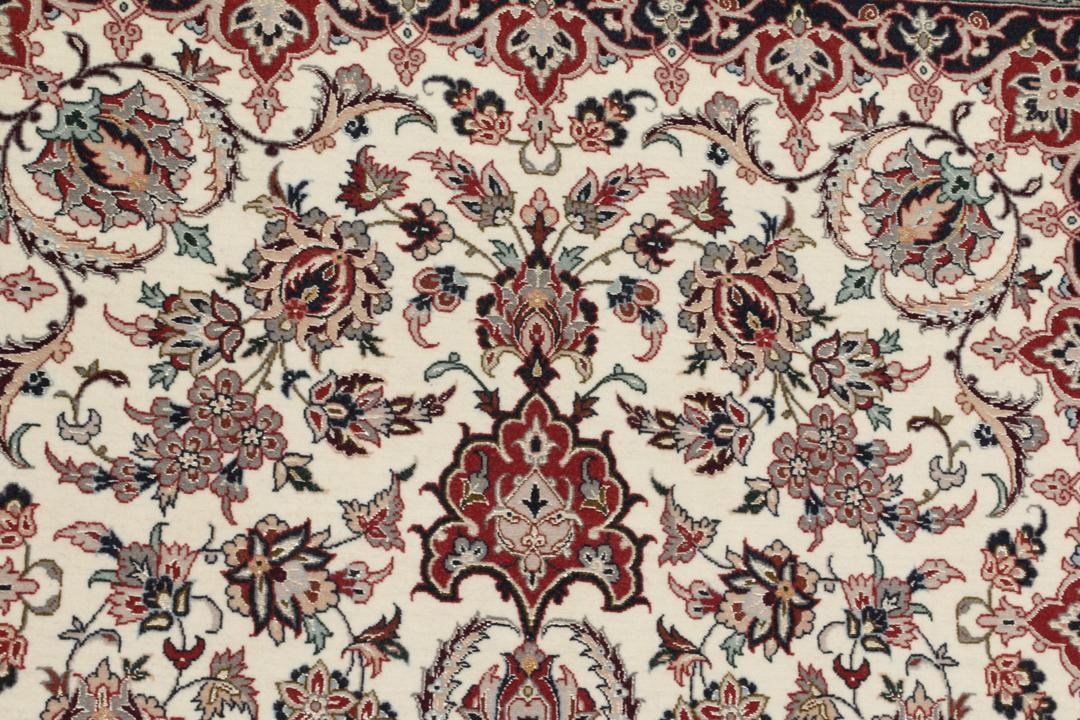
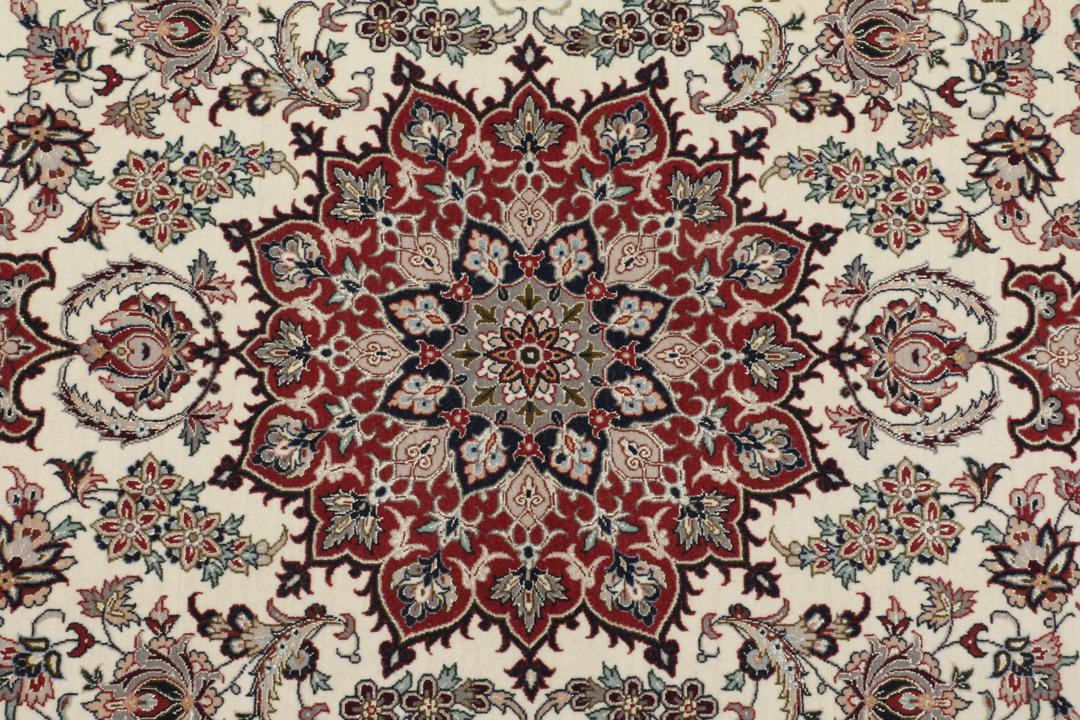
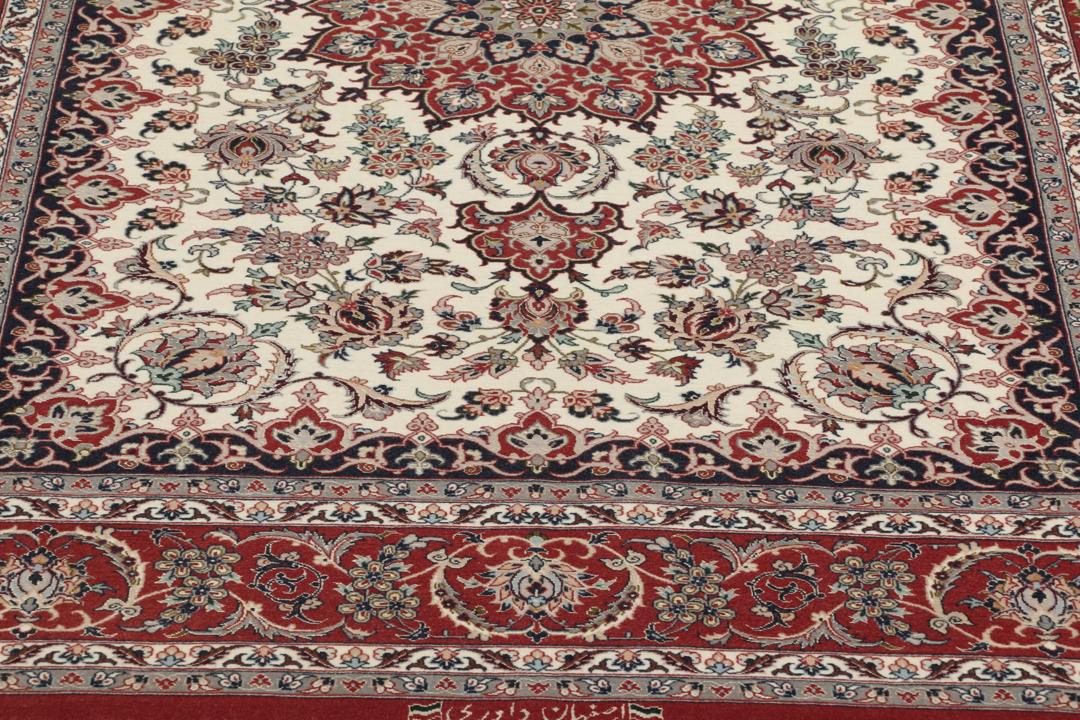
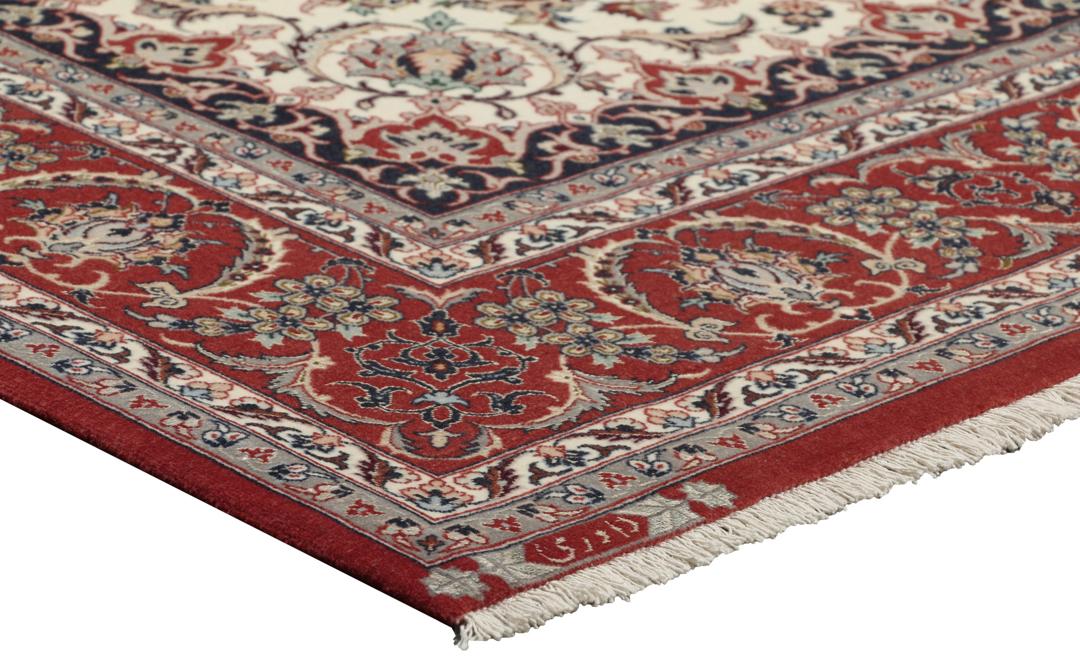
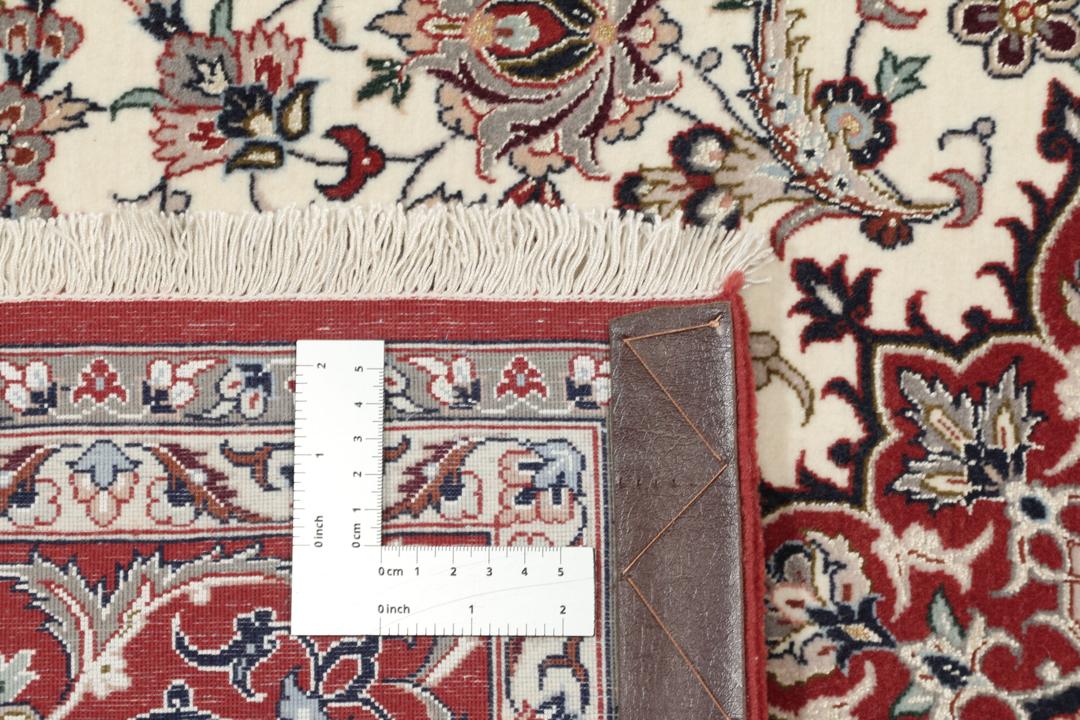
Visually, Isfahan rugs are known for their formal balance. They typically feature a central medallion surrounded by a field of 'Shah Abbasi' flowers, vine scrolls, and palmettes. The borders are often complex, echoing the themes of the central field to create a cohesive, framed image. The colour palettes tend to be sophisticated, often utilising rich reds, indigos, and soft, natural tones that reflect the landscape and the tilework of the region's famous mosques.
Collecting an Isfahan rug is often viewed as an investment in cultural heritage. Because of the extreme skill level required to produce these pieces, they are highly regarded by collectors who value the intersection of history, geometry, and art. Owning one is more than just a decor choice; it is an act of preserving a centuries-old craft that continues to represent the pinnacle of Middle Eastern weaving traditions.