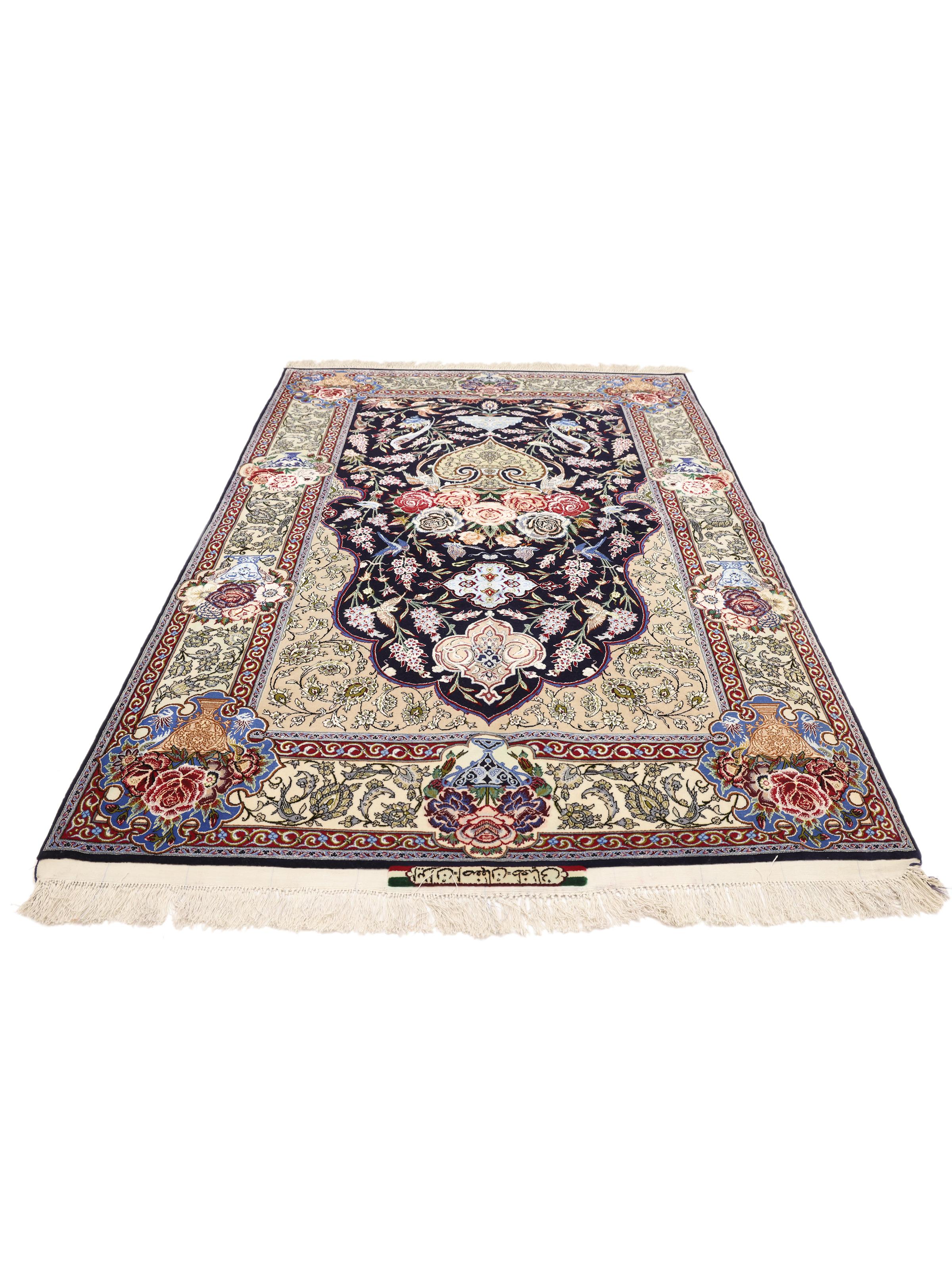
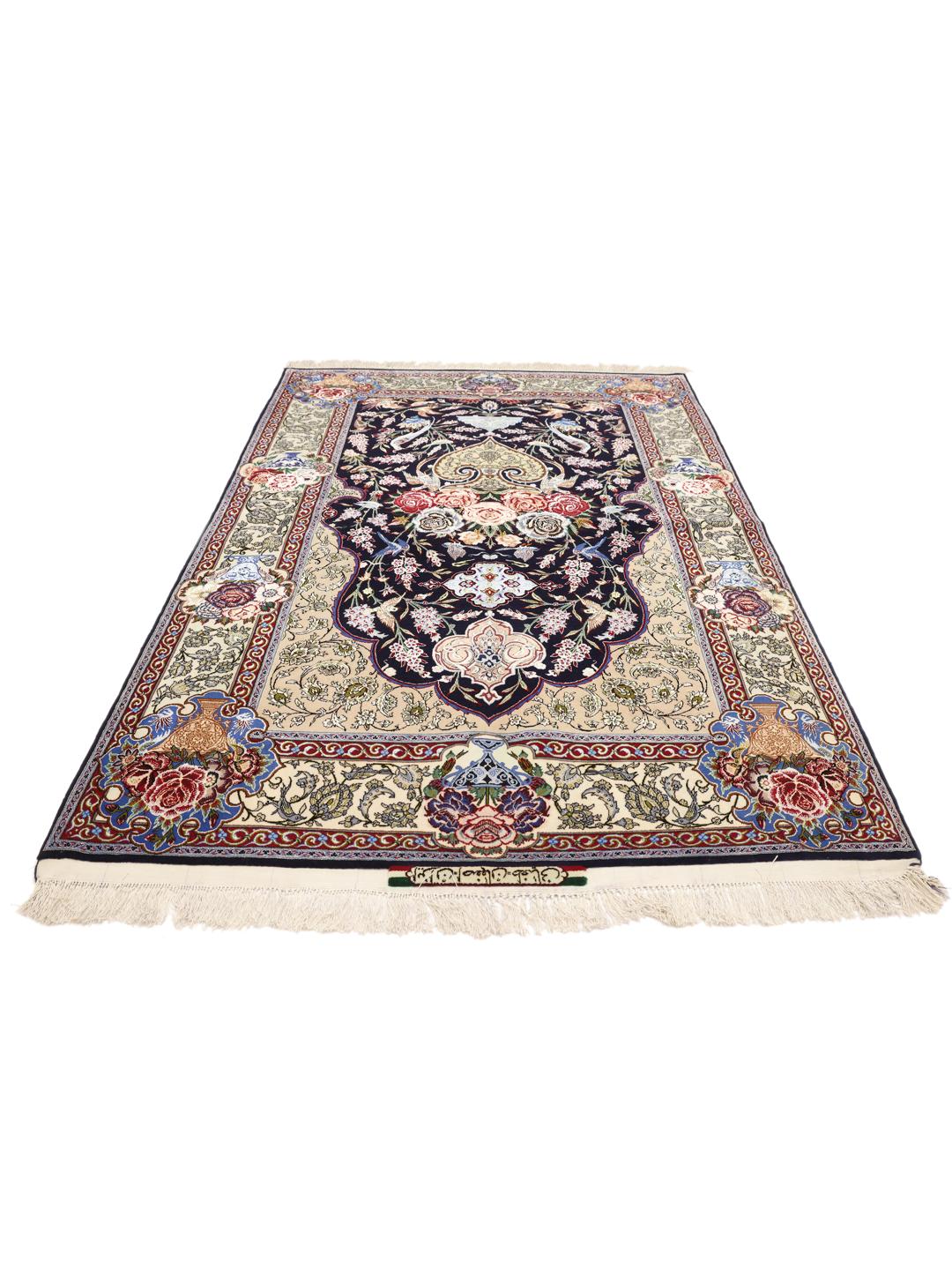
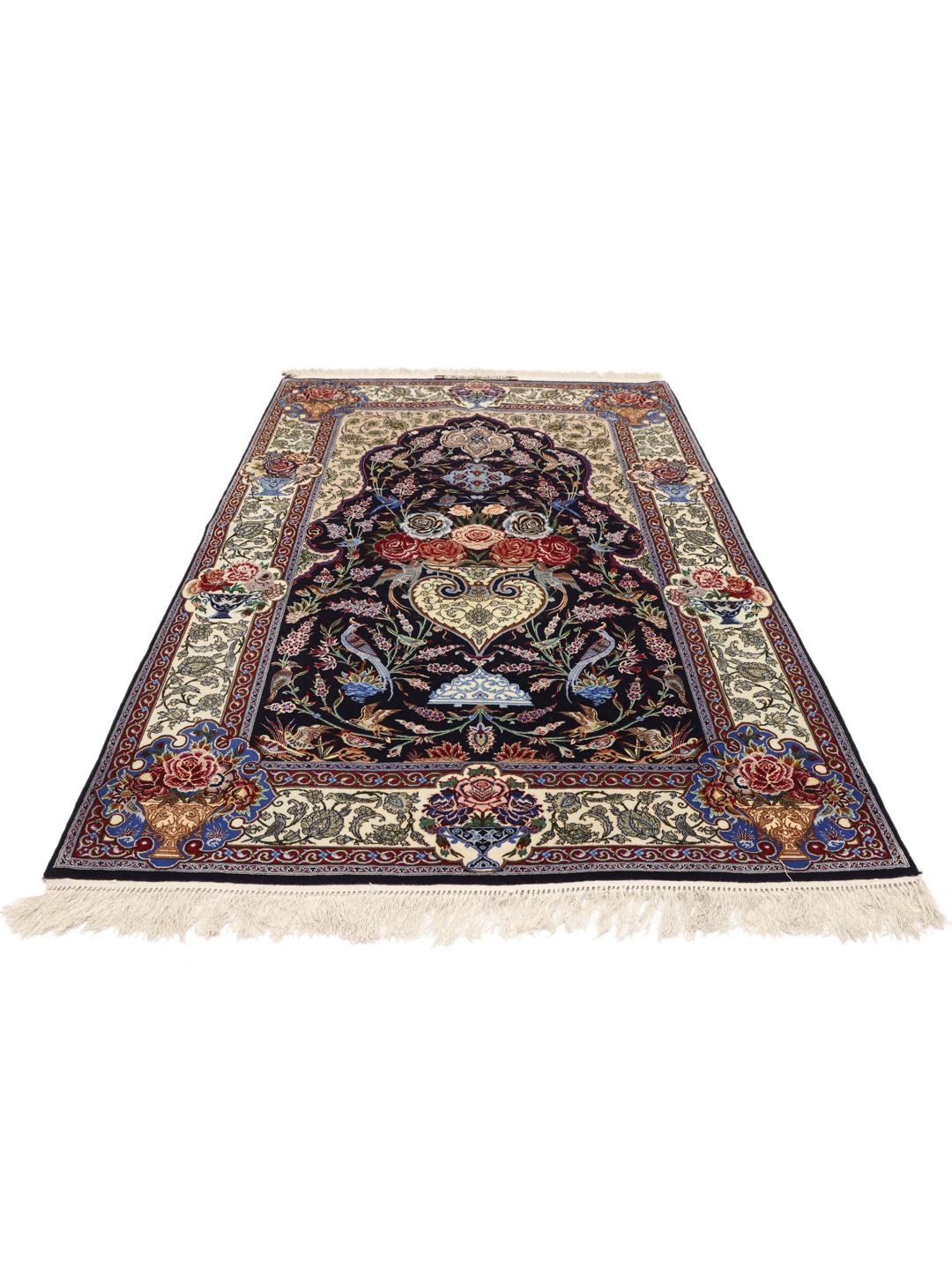
Isfahan rugs are celebrated globally for their connection to the legendary city of Isfahan in the Middle East, a historic centre of culture, architecture, and art. The tradition of weaving in this region has evolved over centuries, drawing inspiration from the intricate tile work and majestic gardens that define the local aesthetic. These rugs are widely regarded as some of the most sophisticated examples of the craft.
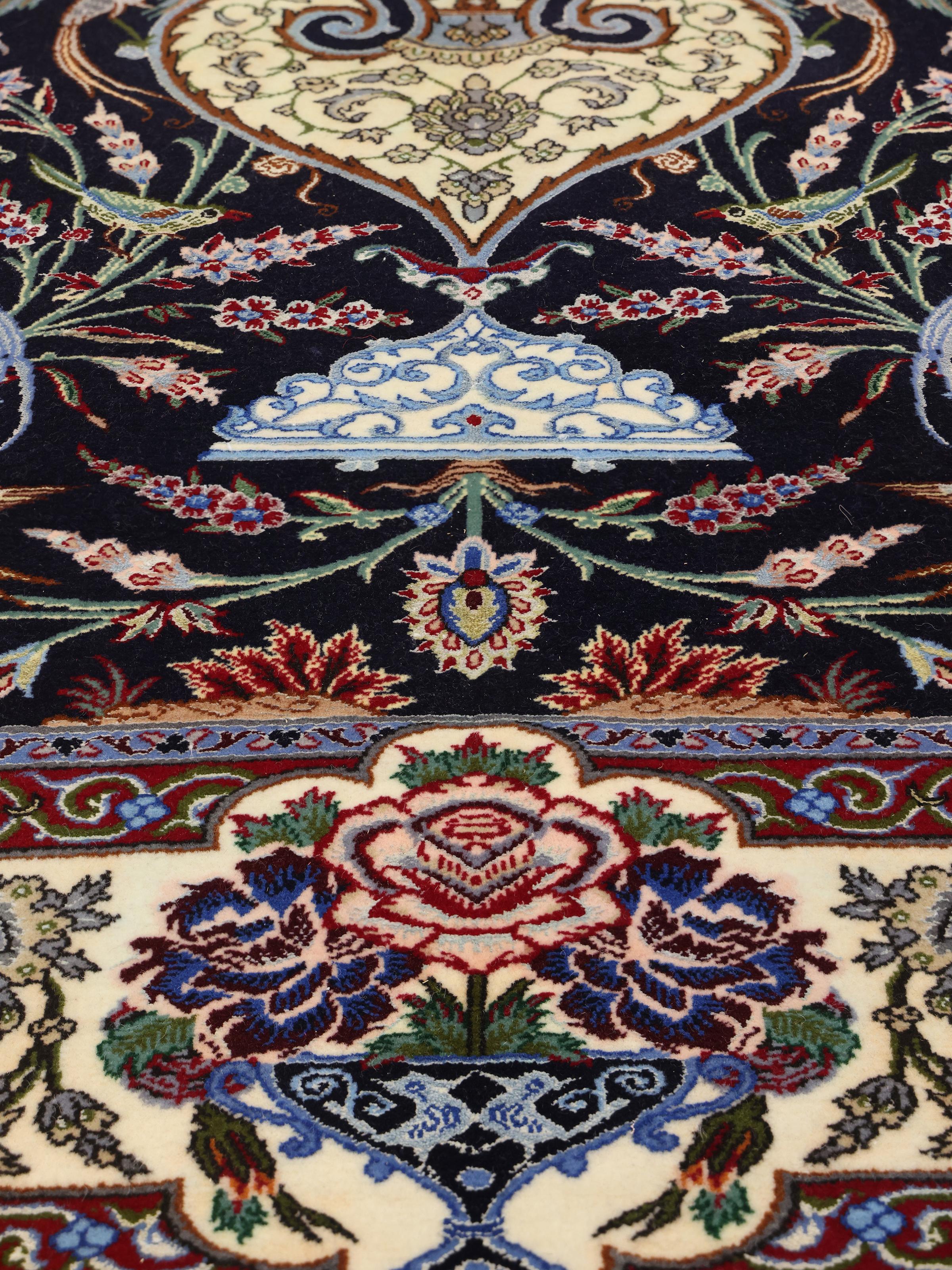
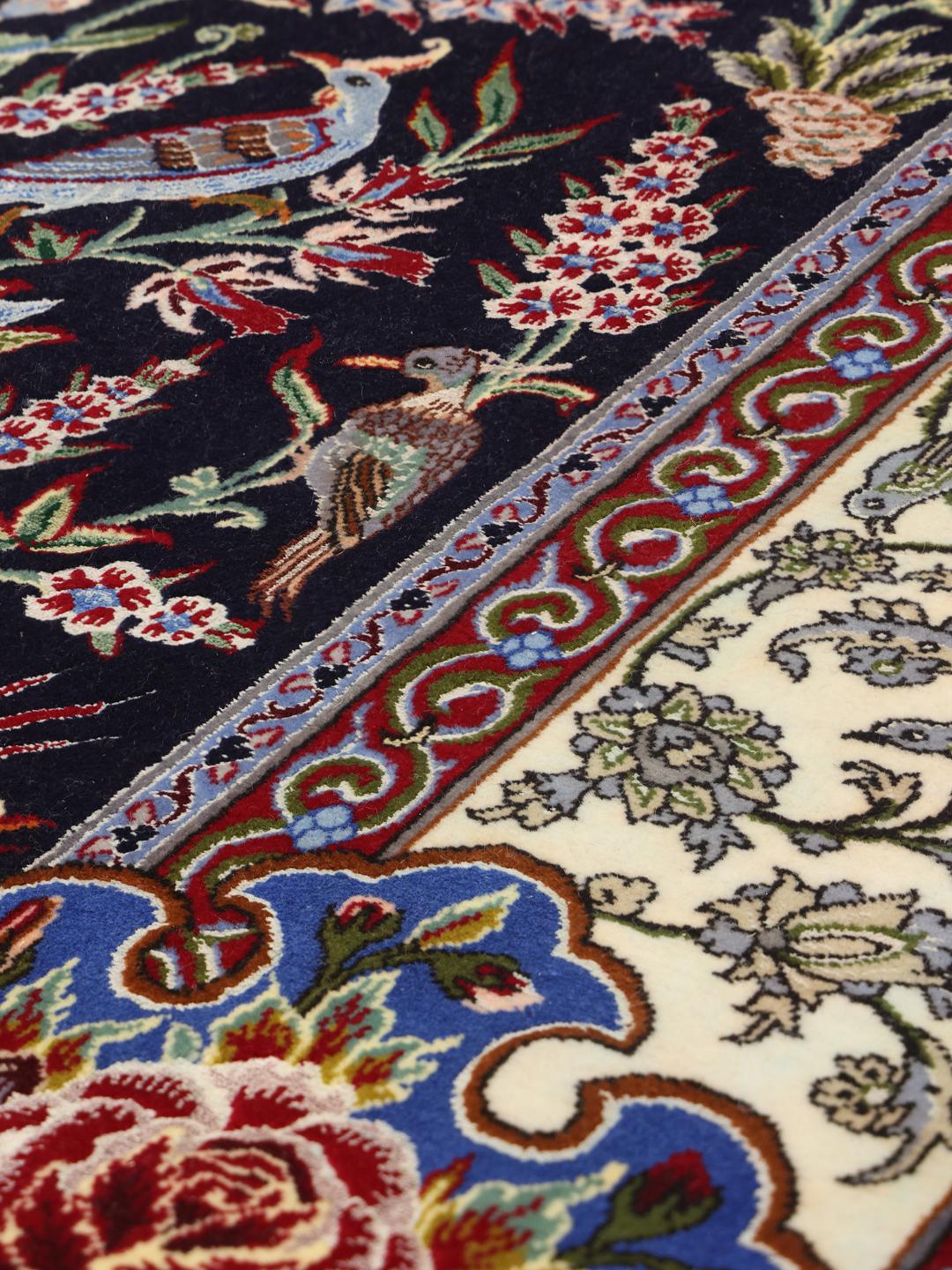
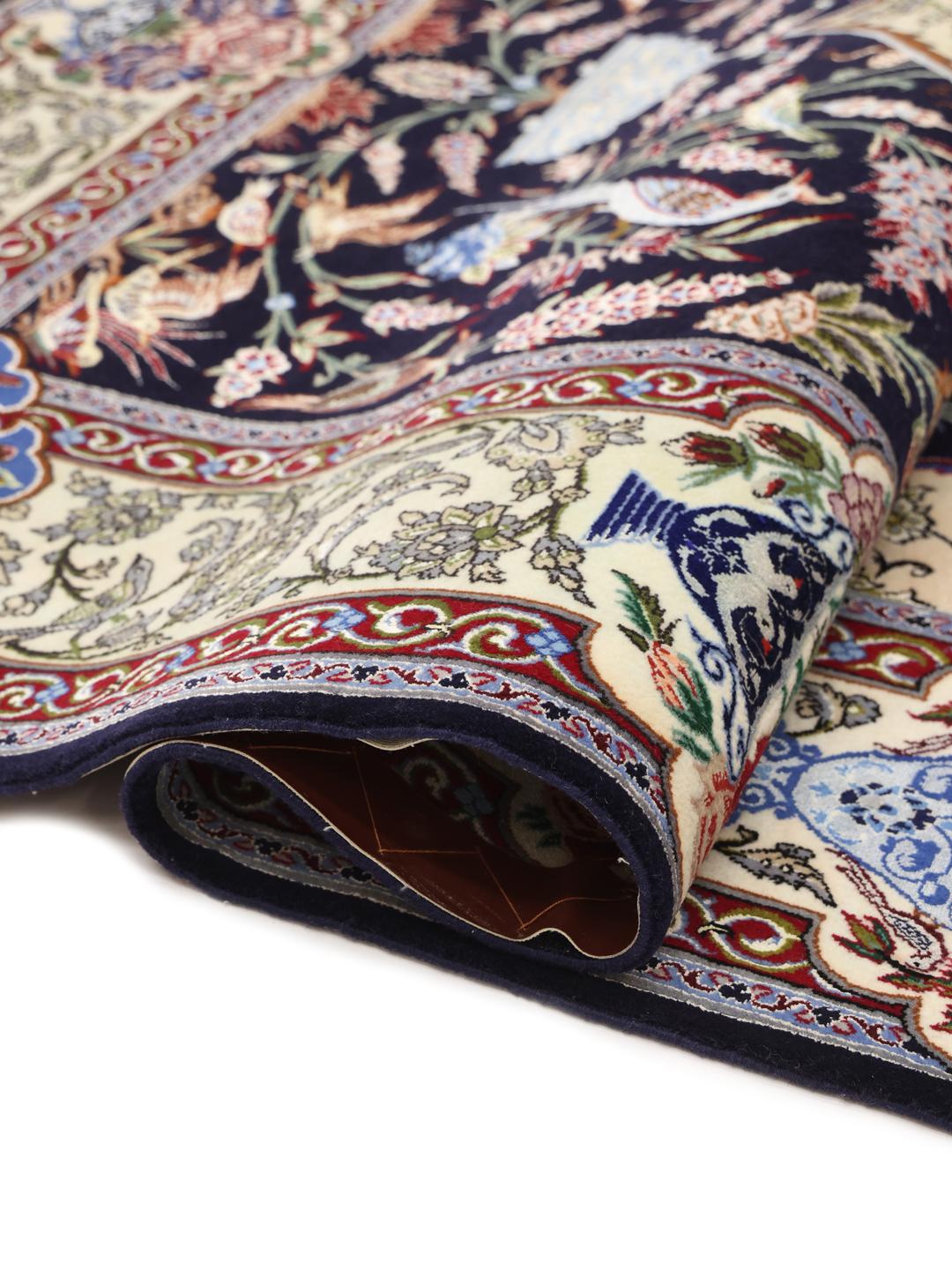
The technical excellence of Isfahan weaving is renowned for its refinement. Artisans in this region are famous for their ability to execute complex, curvilinear designs that require immense technical control. The use of high-quality materials and tight, precise knotting techniques ensures that the resulting rugs are both durable and exceptionally detailed, maintaining their lustrous appearance over time.
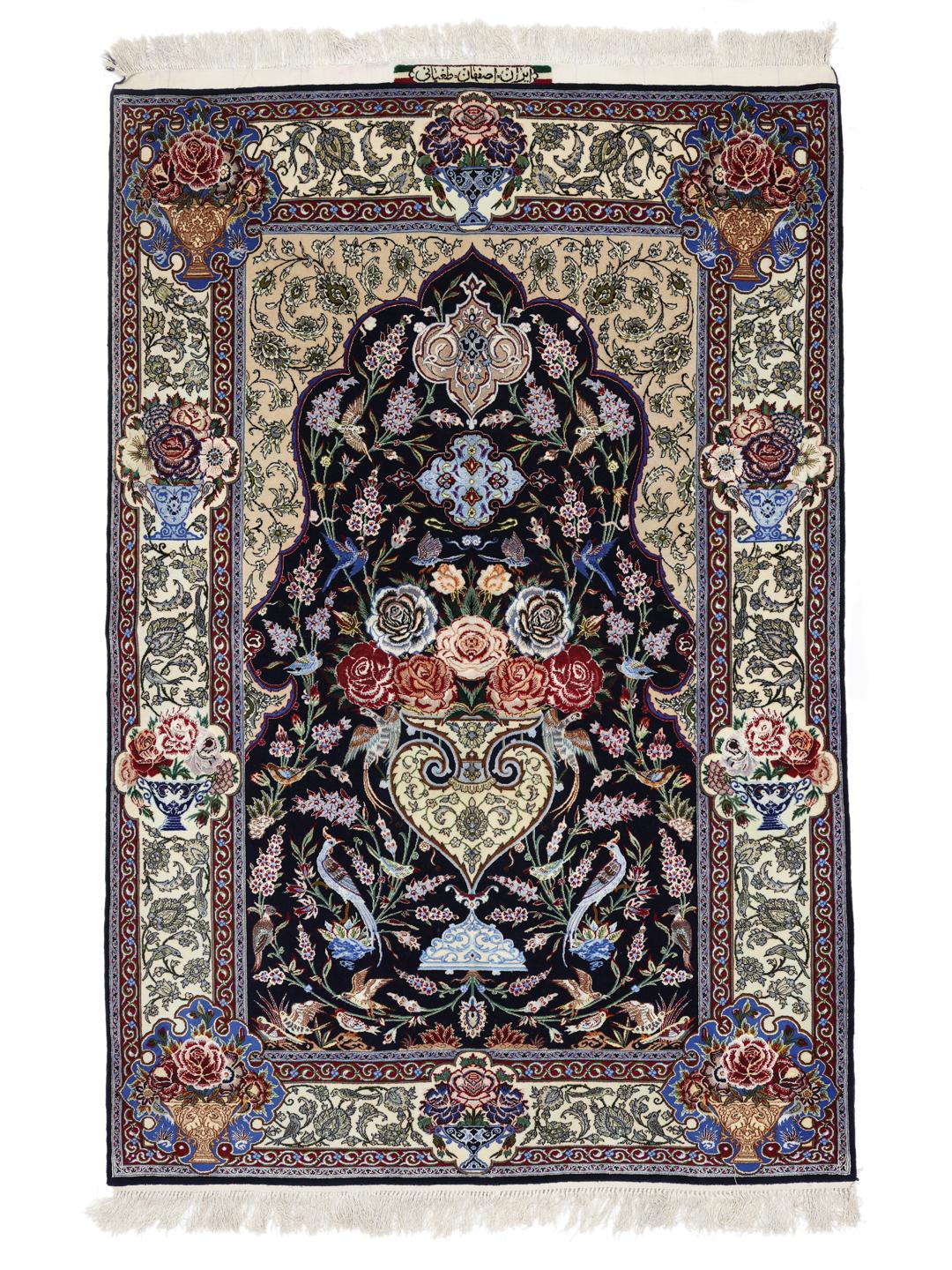
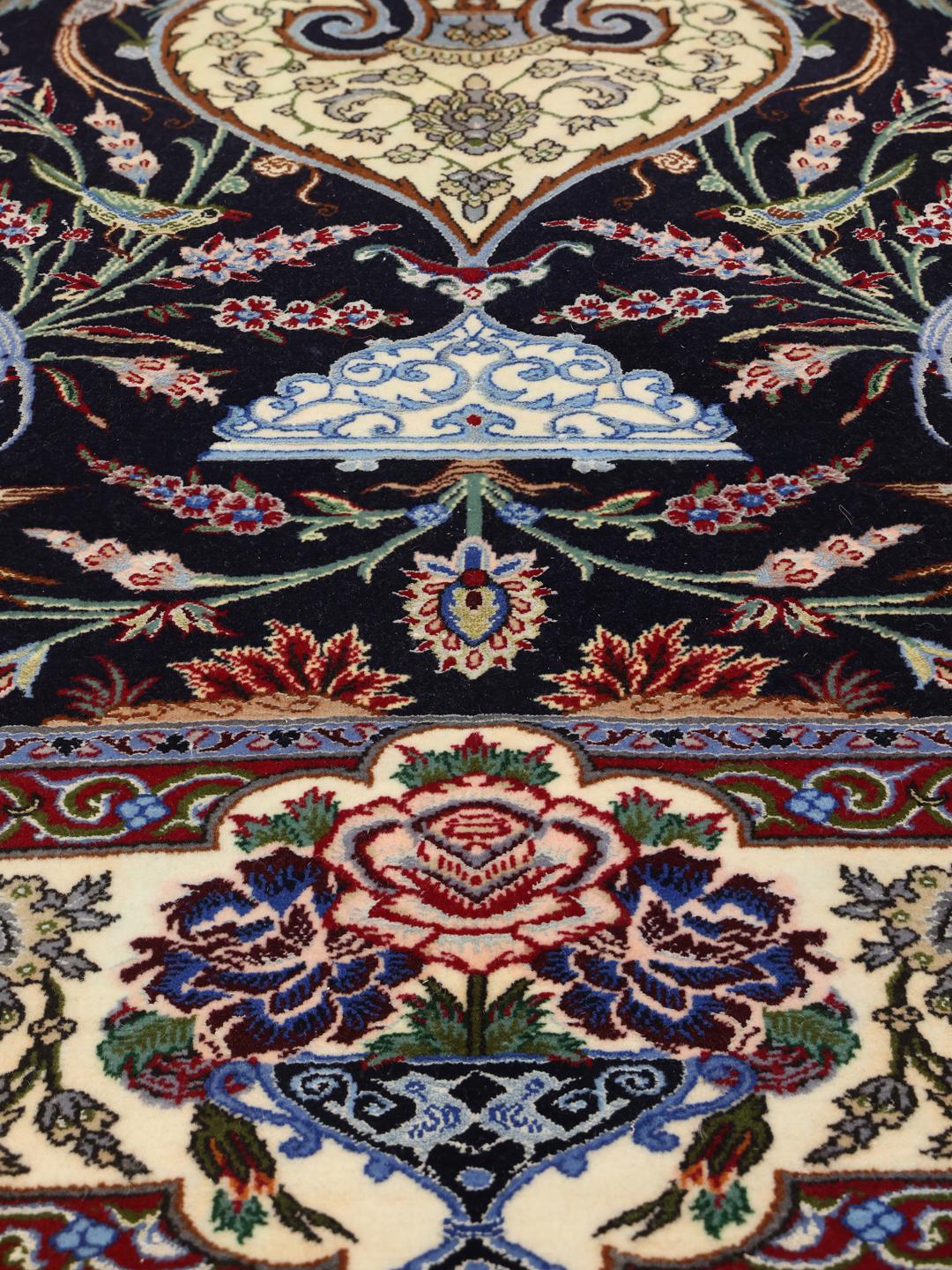
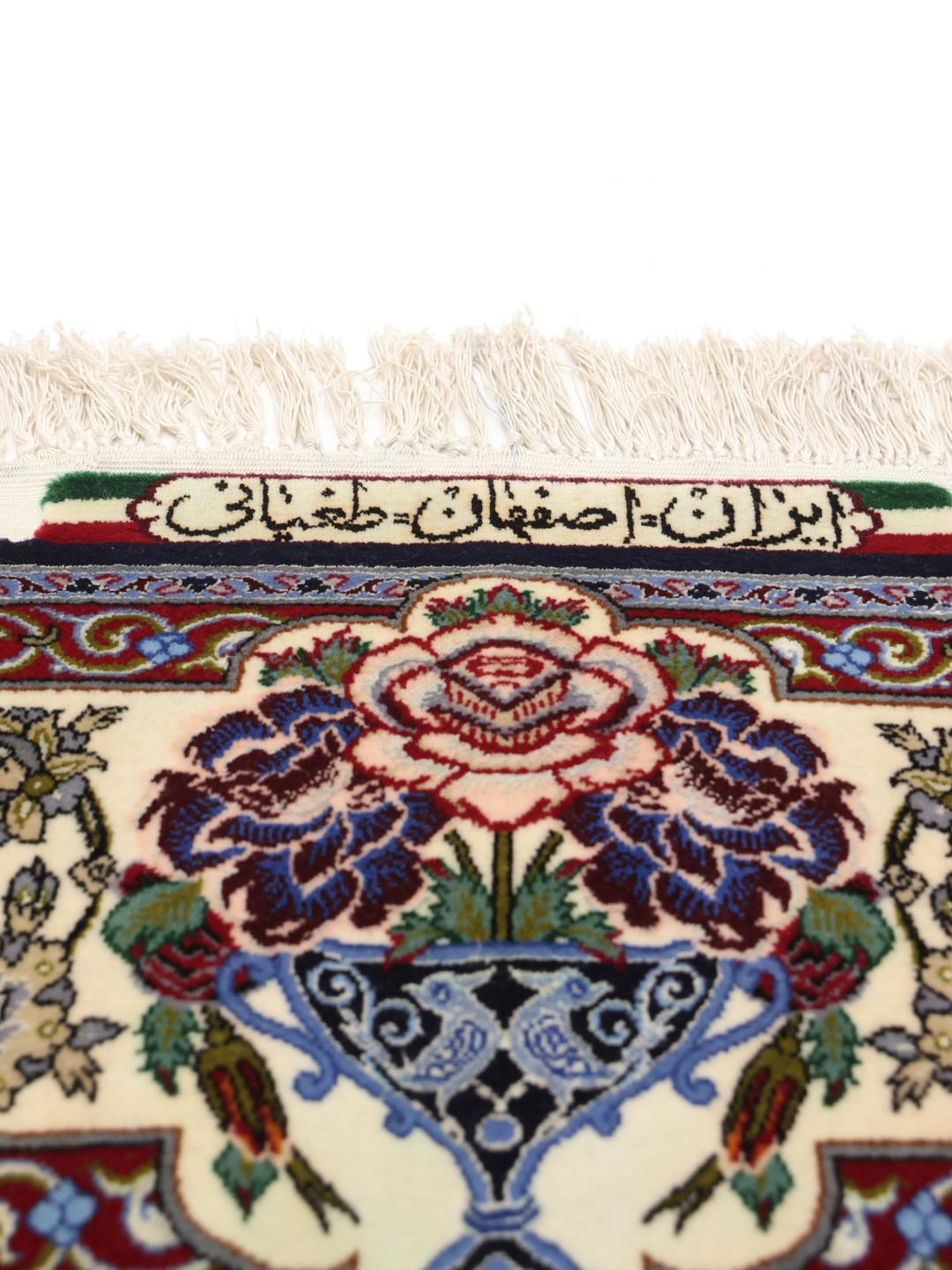
The visual language of an Isfahan rug is typically characterised by a central medallion or a sophisticated floral field, often inspired by the 'Shah Abbas' pattern or classical garden motifs. The borders are usually just as intricate, featuring delicate vines and flowers that frame the central composition. This piece is particularly special for its vivid portrayal of a vase filled with flowers, a motif that speaks to the historical importance of nature and beauty in Middle Eastern art.
Rugs from this tradition are highly valued by collectors and enthusiasts who appreciate the intersection of heritage and skill. Owning an Isfahan rug is an investment in a long-standing artistic legacy, reflecting a commitment to quality and a love for traditional craftsmanship. These pieces are not merely floor coverings but are considered lasting treasures that anchor a home with their cultural depth and storied origins.