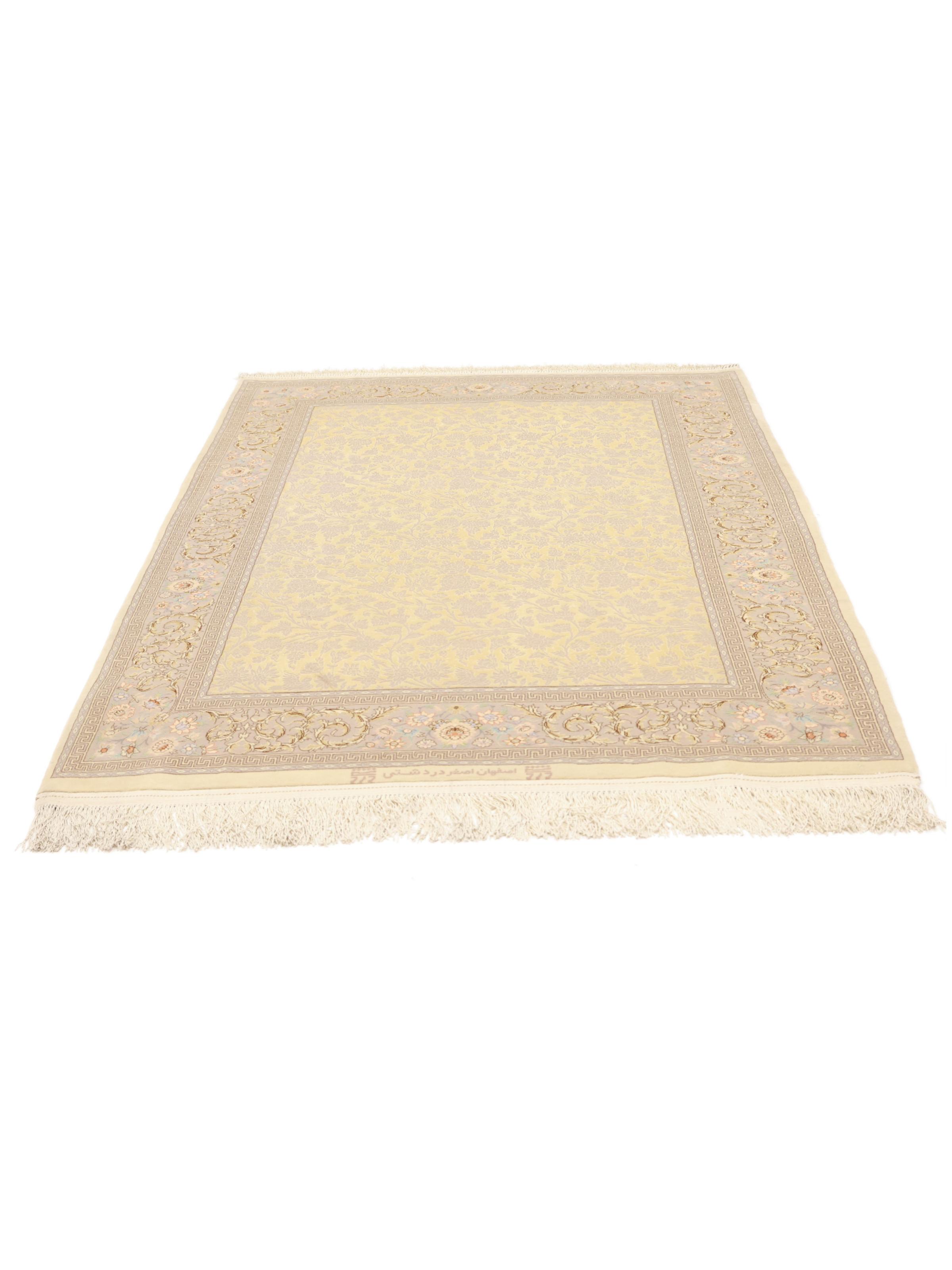
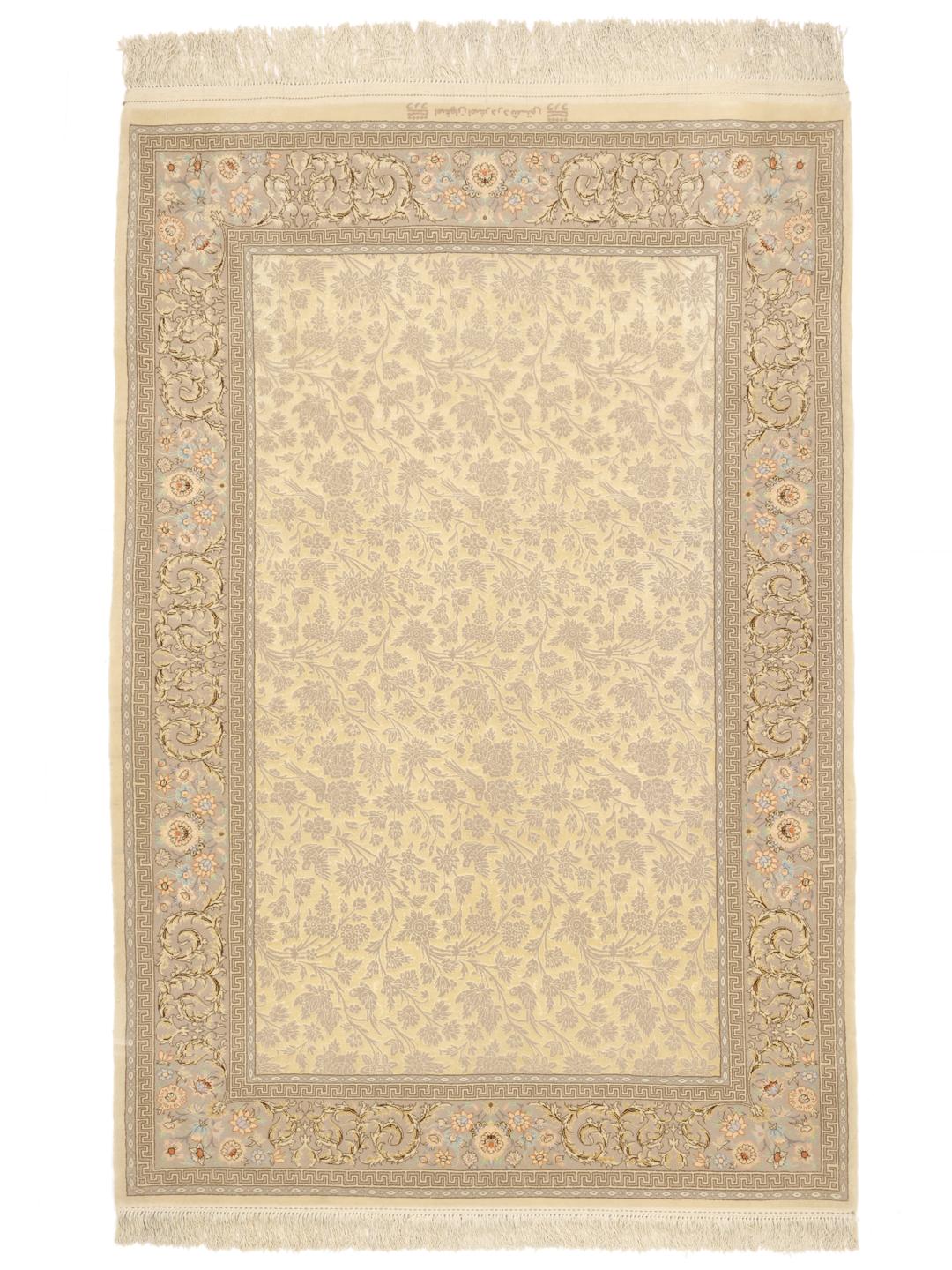
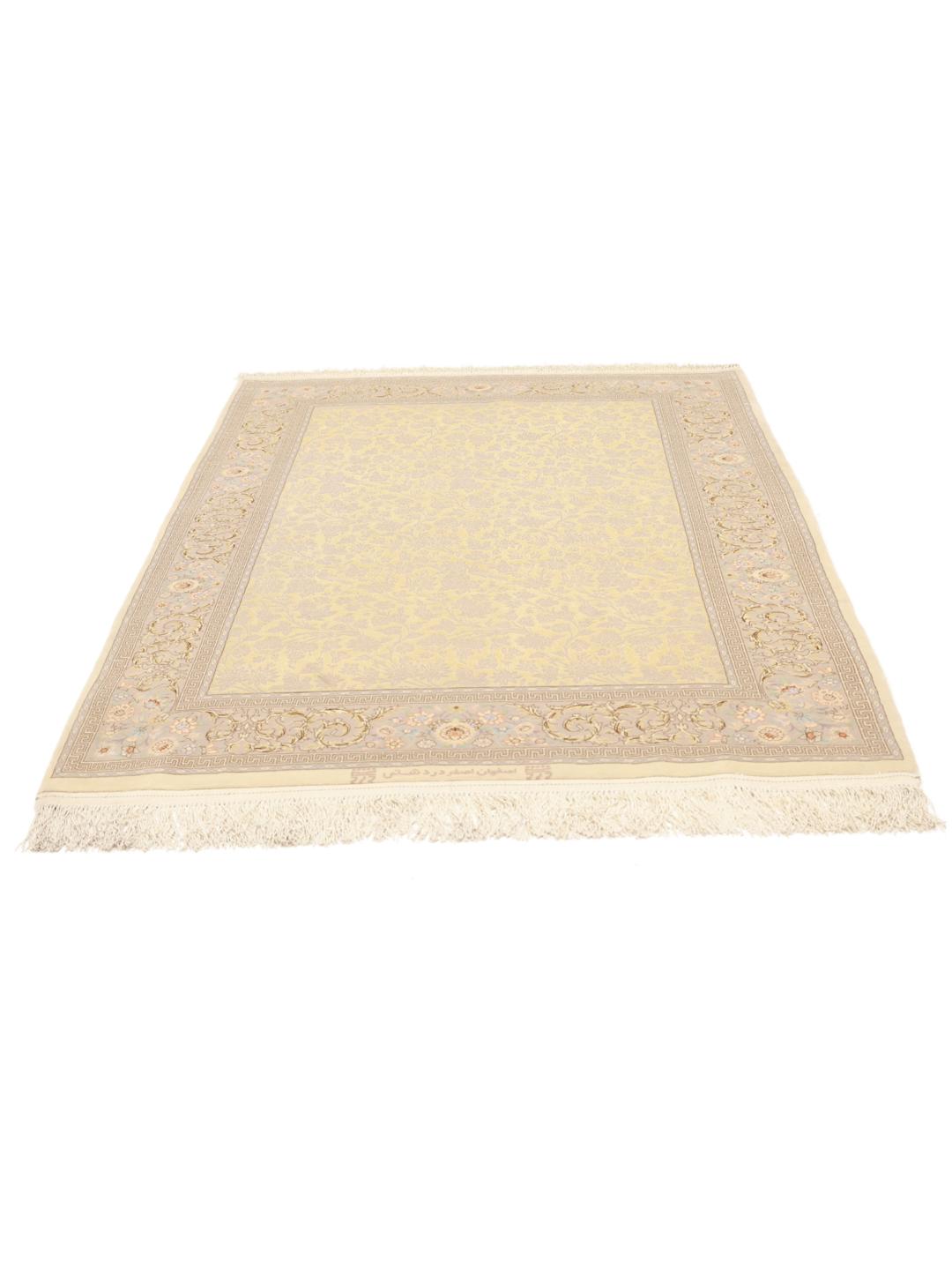
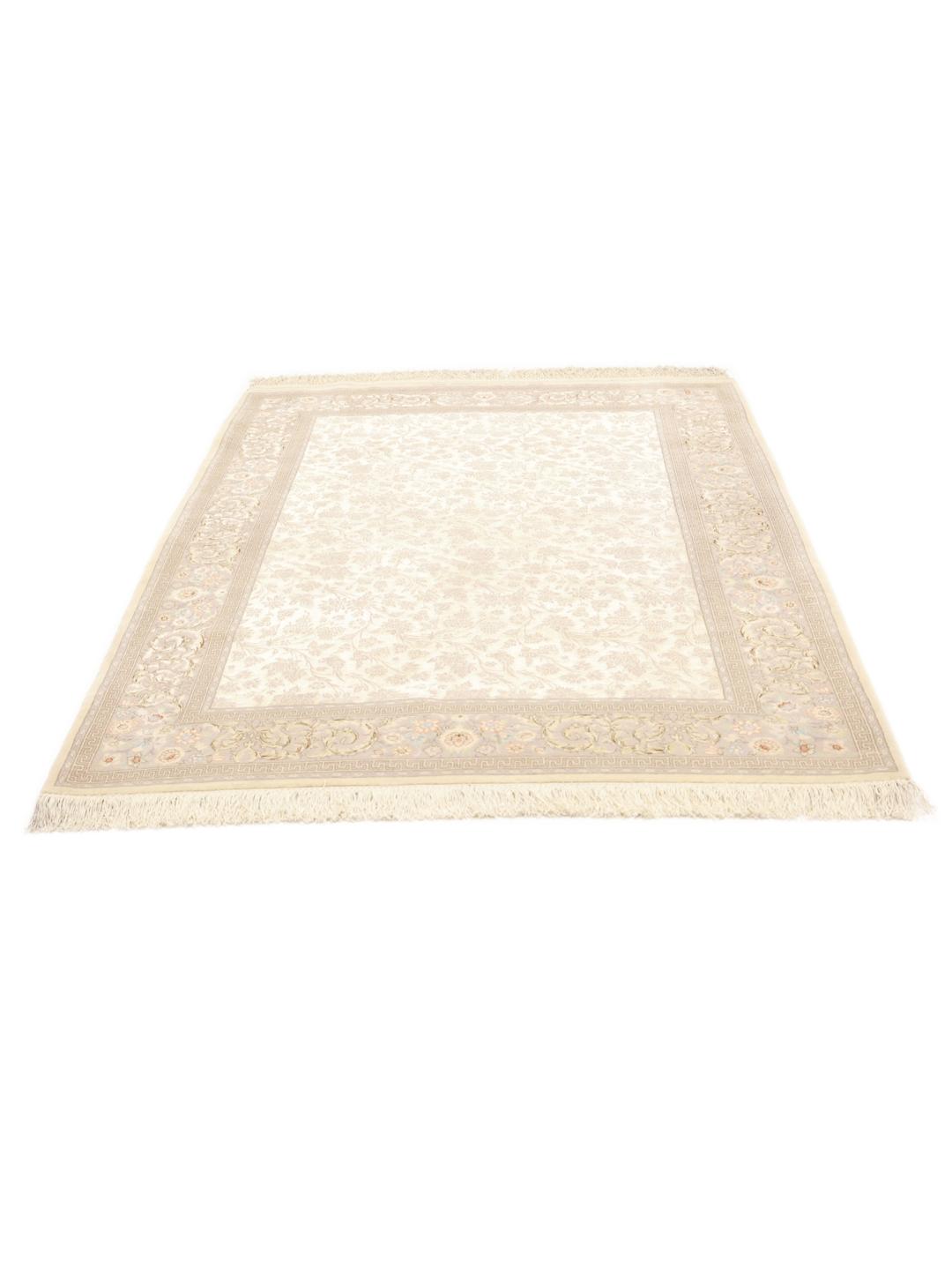
Isfahan rugs are celebrated globally as some of the most refined and sophisticated examples of weaving from the Middle East. Historically, the city of Isfahan served as a centre for the arts and culture, where master weavers translated the complex designs of royal court artists into intricate, high-quality floor coverings that were prized by nobility.
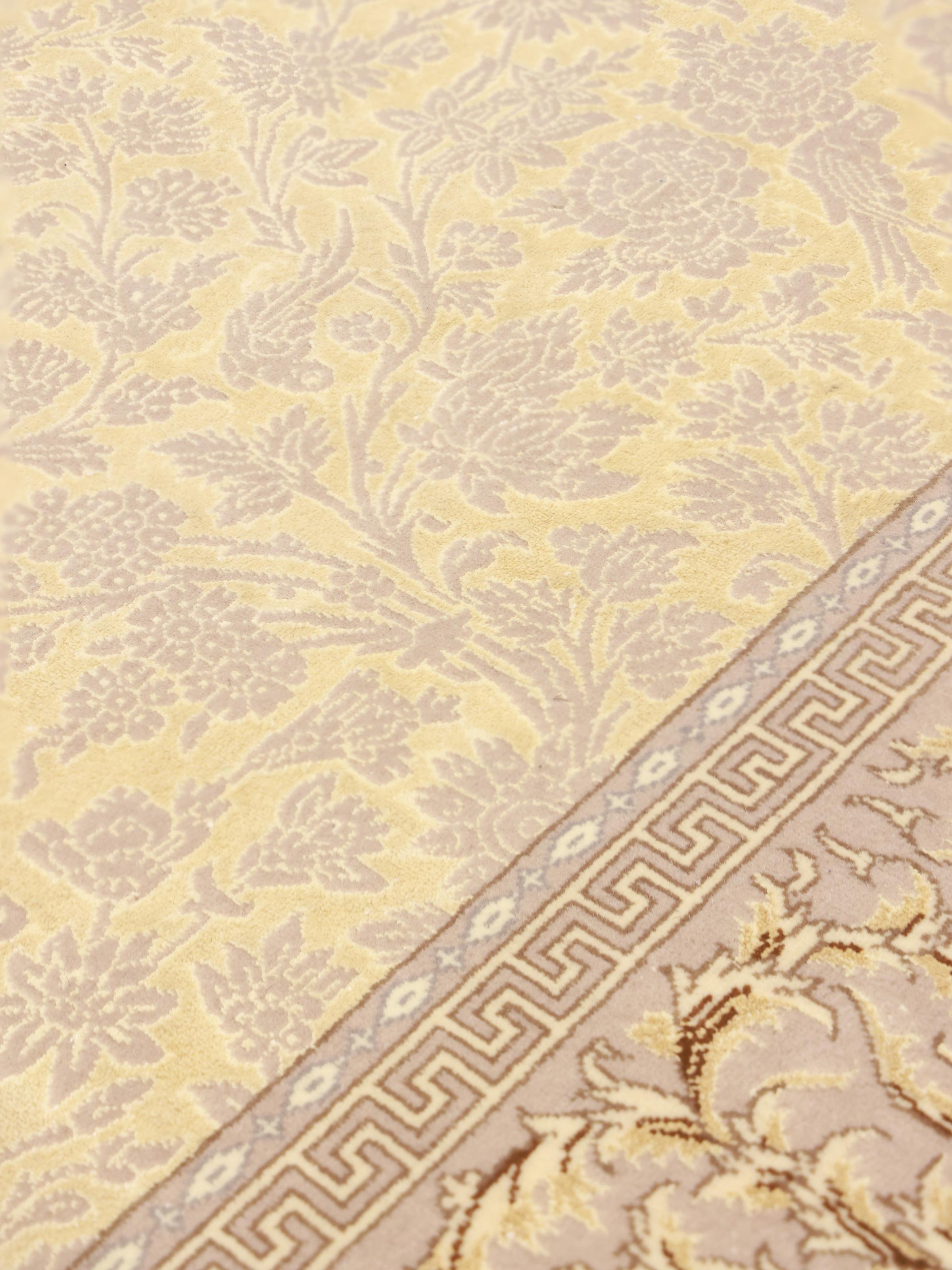
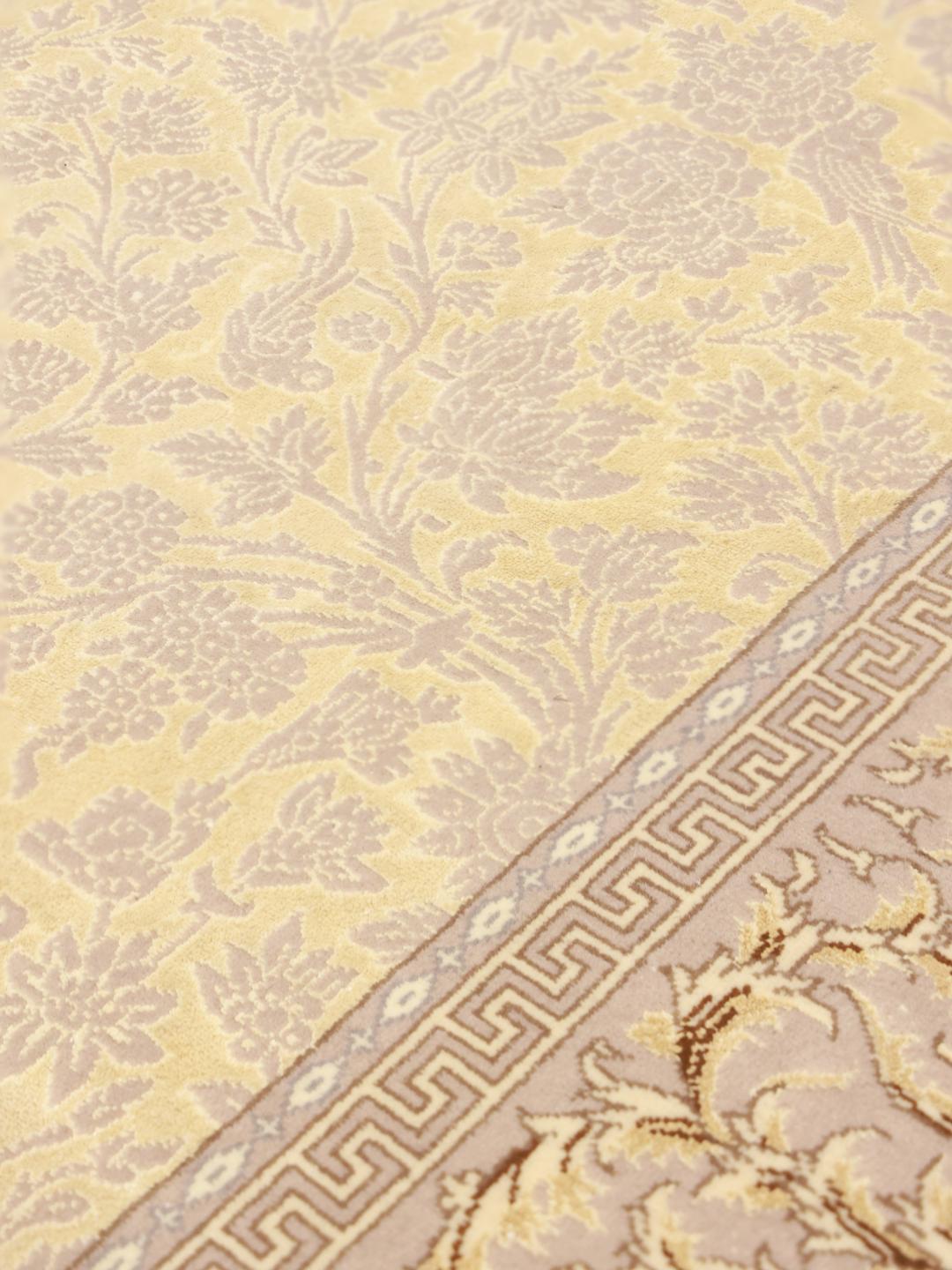
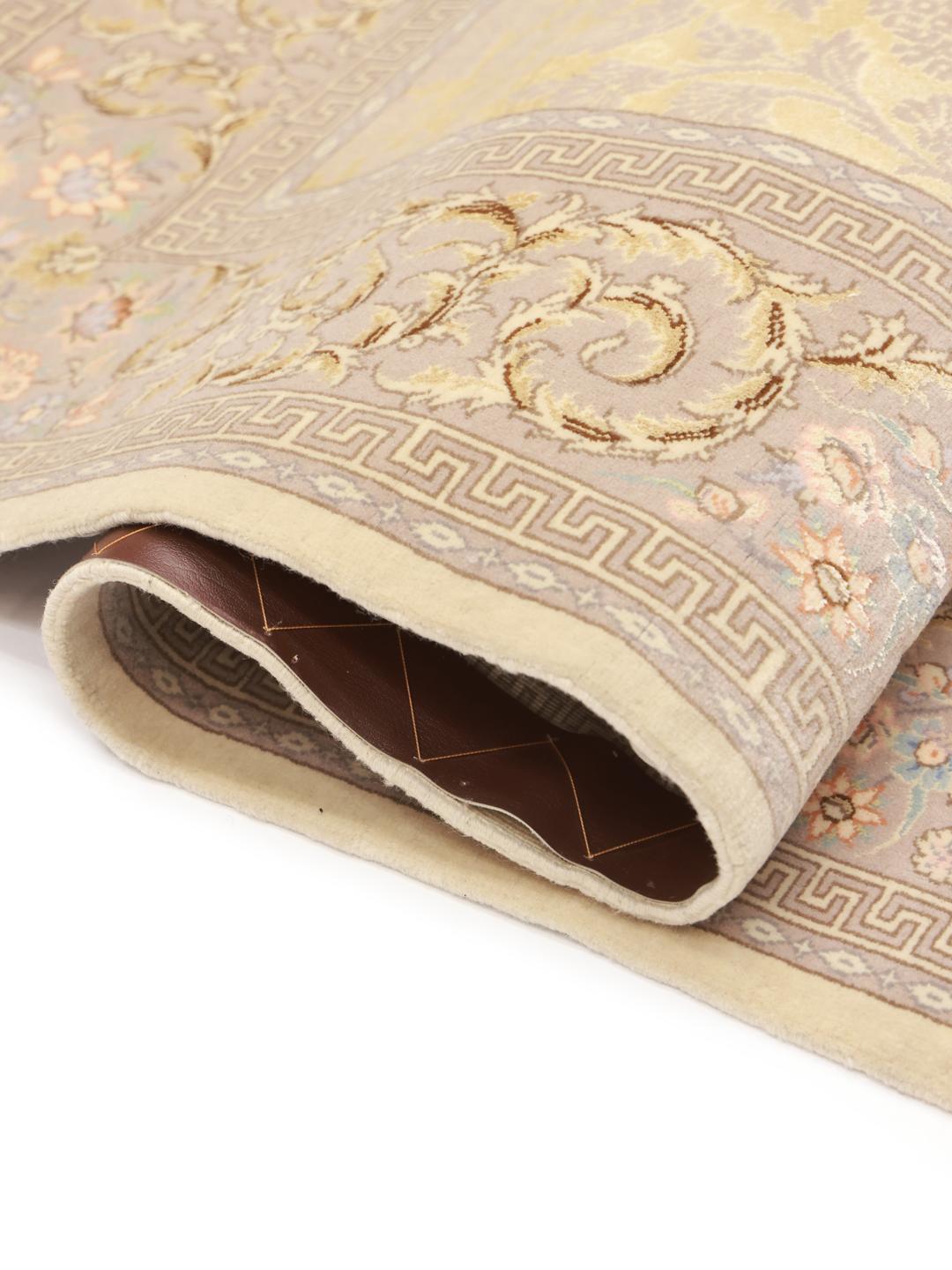
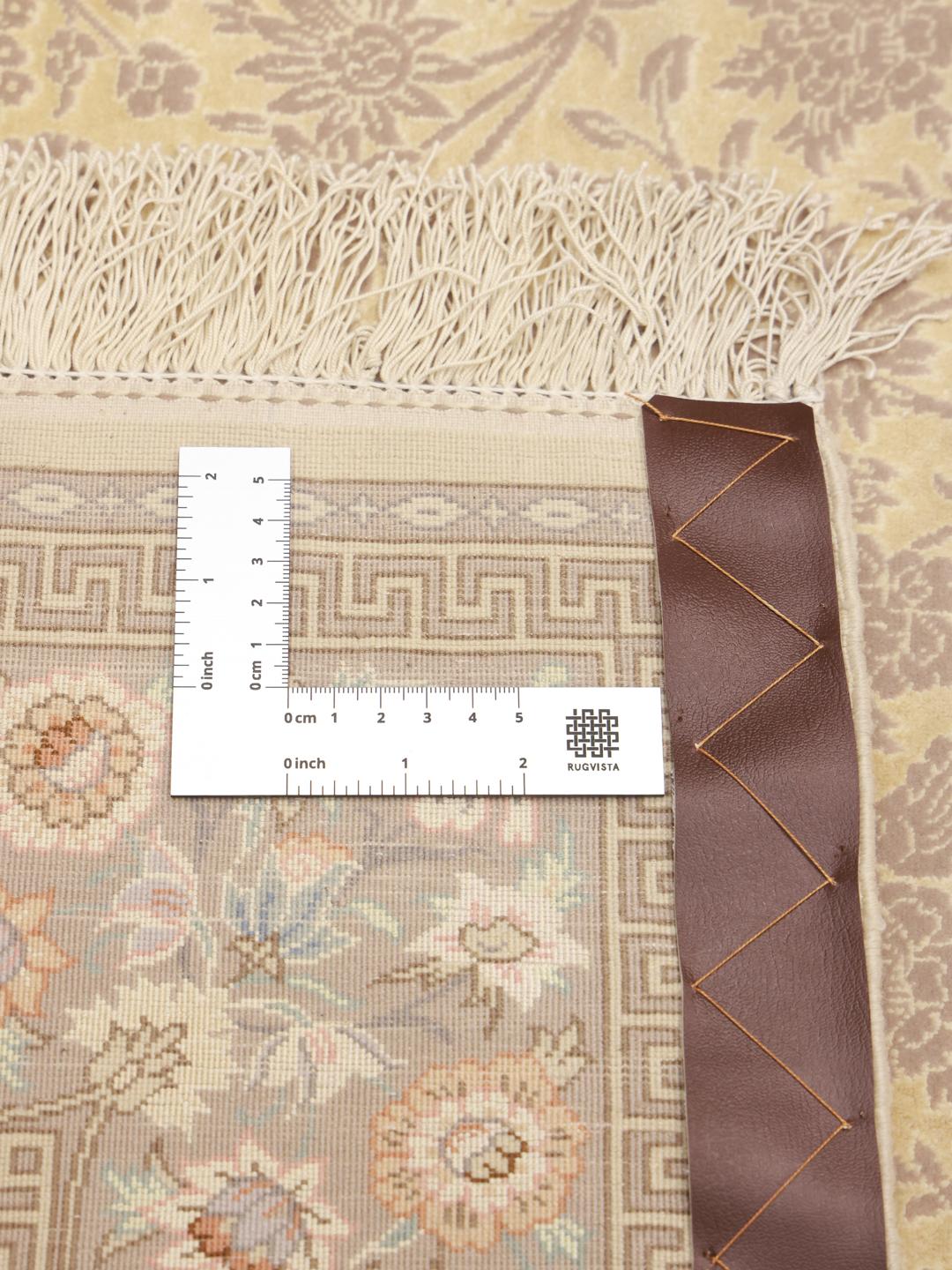
The technical mastery of an Isfahan rug lies in its exceptional knot density, which allows for the fluid, curvilinear patterns that define the style. These rugs often feature a high-quality foundation that provides the necessary stability for such fine work, ensuring that even the most delicate floral scrolls remain crisp and well-defined over time.
Visually, these rugs are defined by their balanced compositions, often centering around a central medallion surrounded by dense, flowing patterns of vines, leaves, and blossoms. The signature of a master weaver, such as Dardashti, serves as a mark of authenticity and high status, indicating that the rug adheres to the strictest standards of the tradition.
Today, owning an Isfahan rug is considered an investment in cultural heritage. They are collected not only for their beauty but for the immense skill and dedication they represent. A piece like this is a testament to a long-standing tradition of excellence, offering the collector a tangible connection to a storied history of craftsmanship.