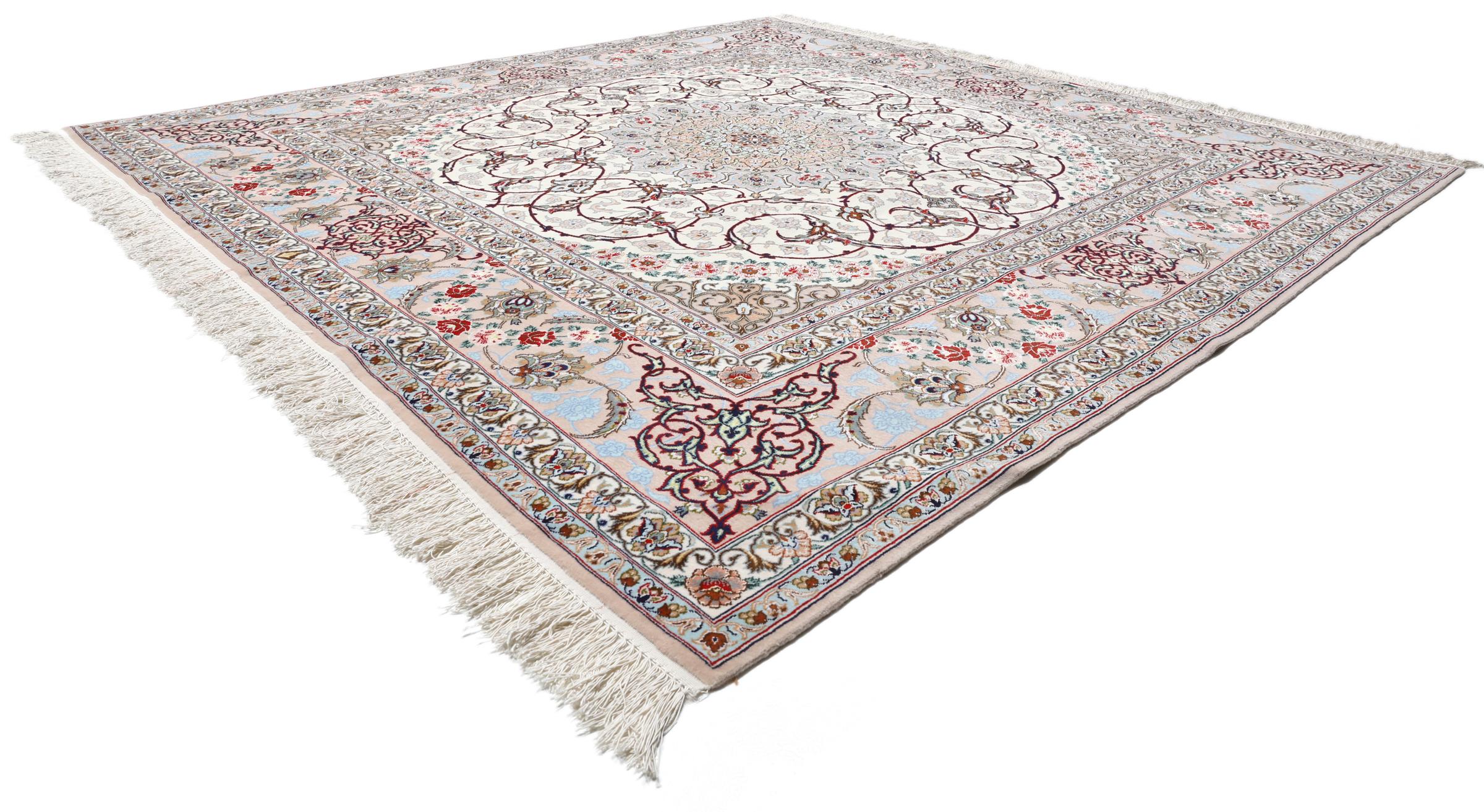
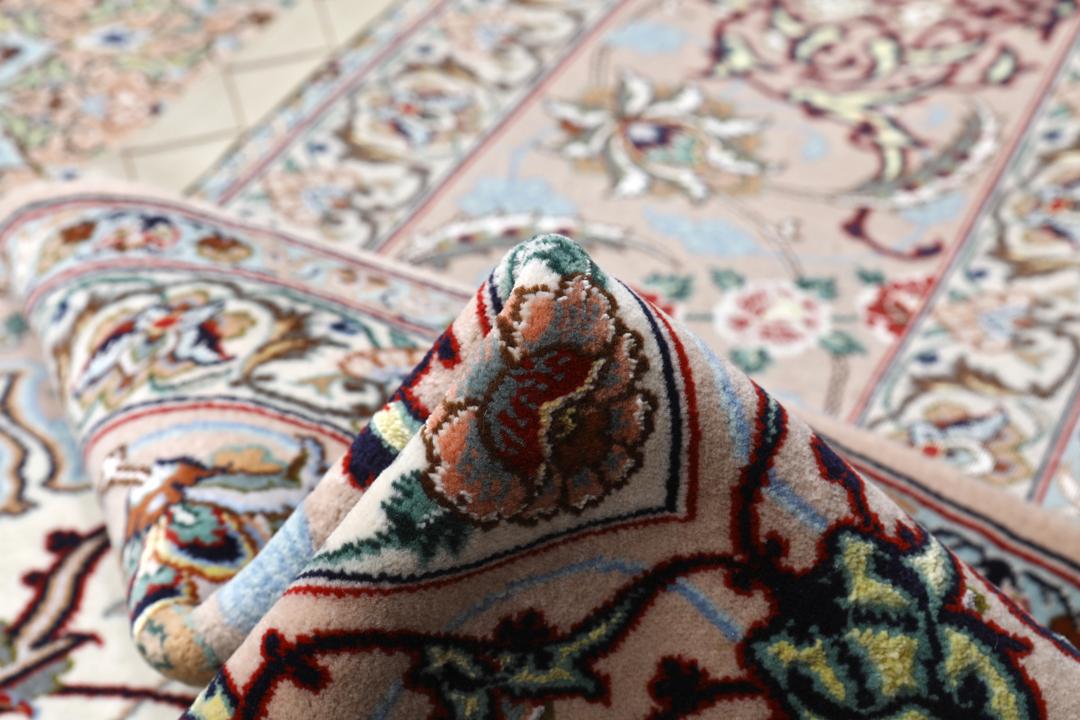
Isfahan rugs are celebrated as some of the most sophisticated examples of weaving from the Middle East. Originating from the historic city of Isfahan, once the capital of the Safavid Empire, these rugs reflect a legacy of artistic patronage. For centuries, the city has been a centre for refined craftsmanship, where weavers have drawn inspiration from architecture, garden design, and the delicate arts of manuscript illumination.
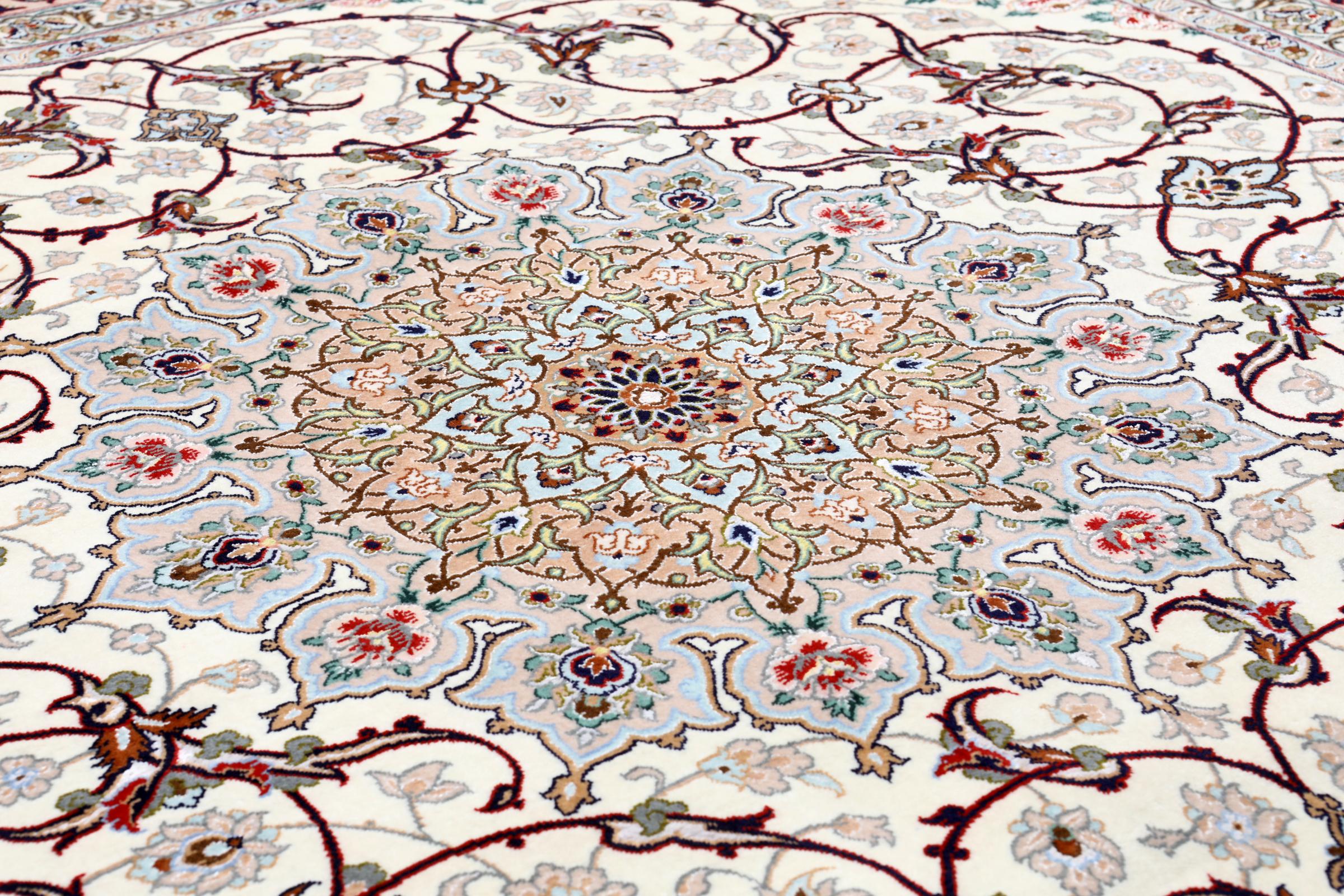
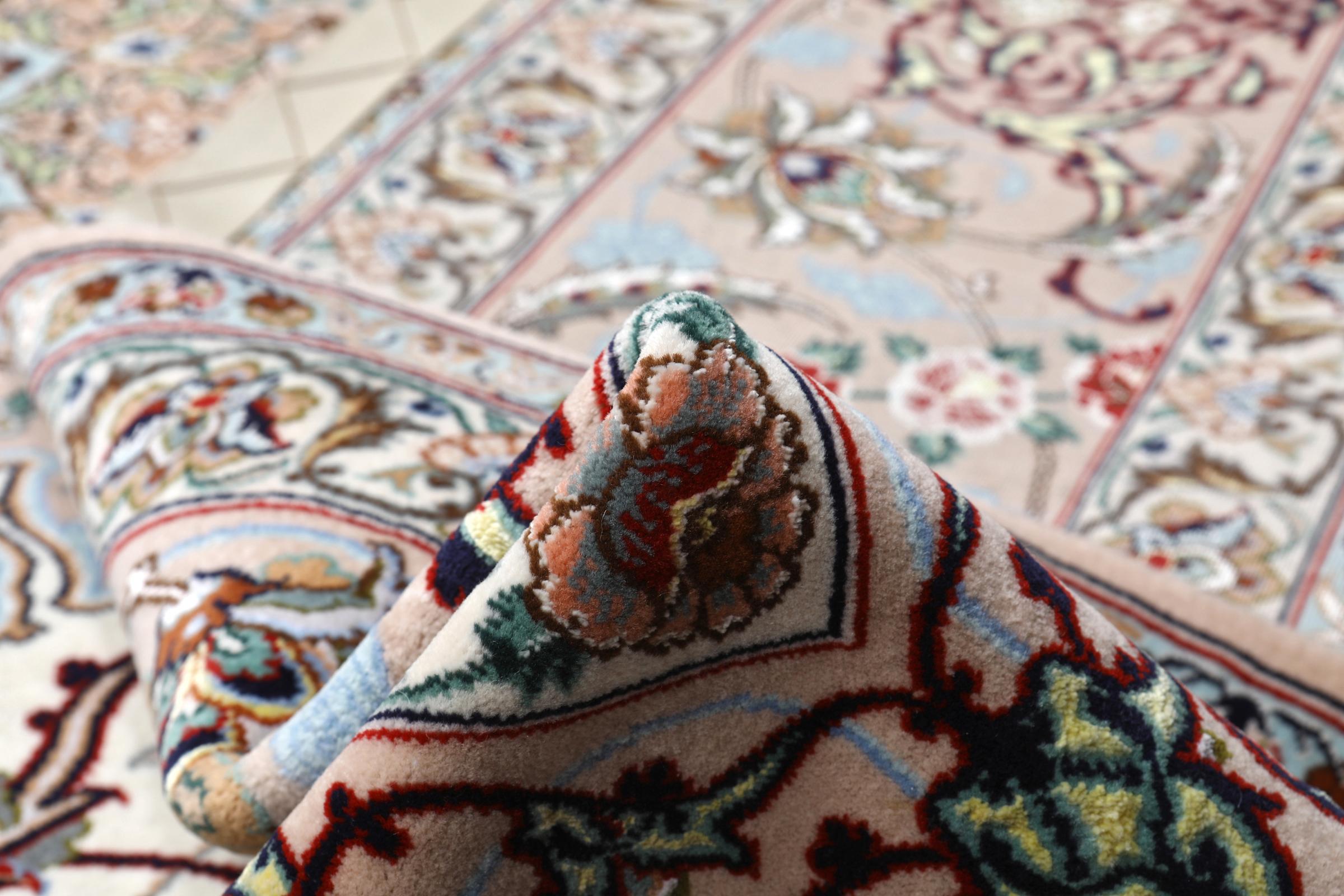
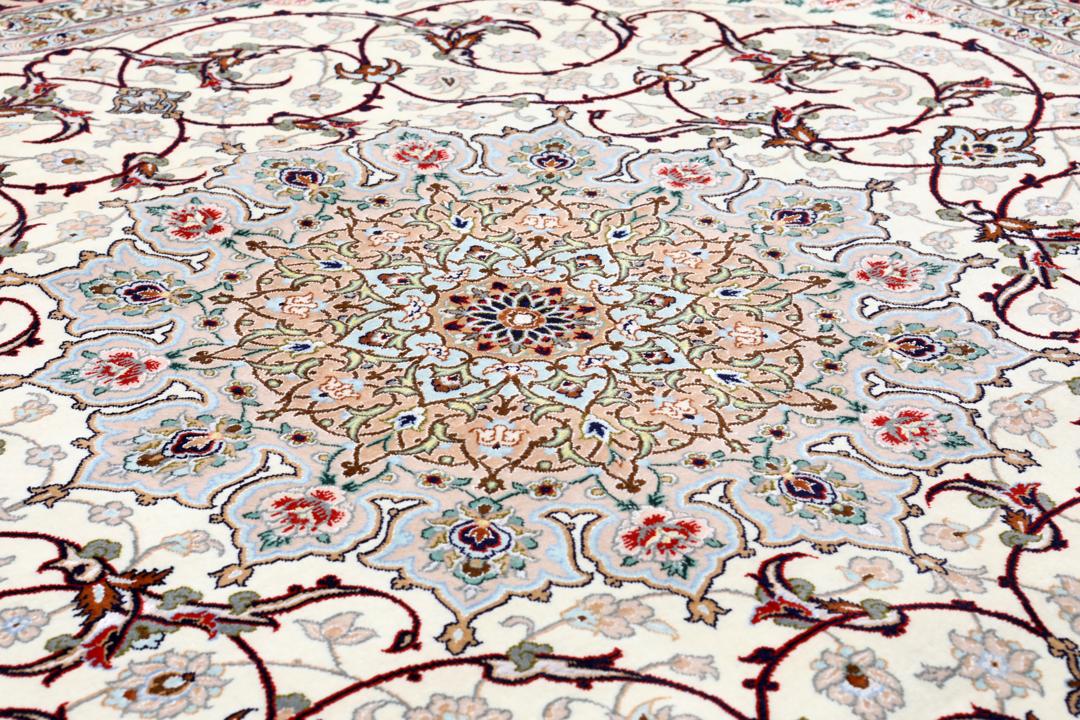
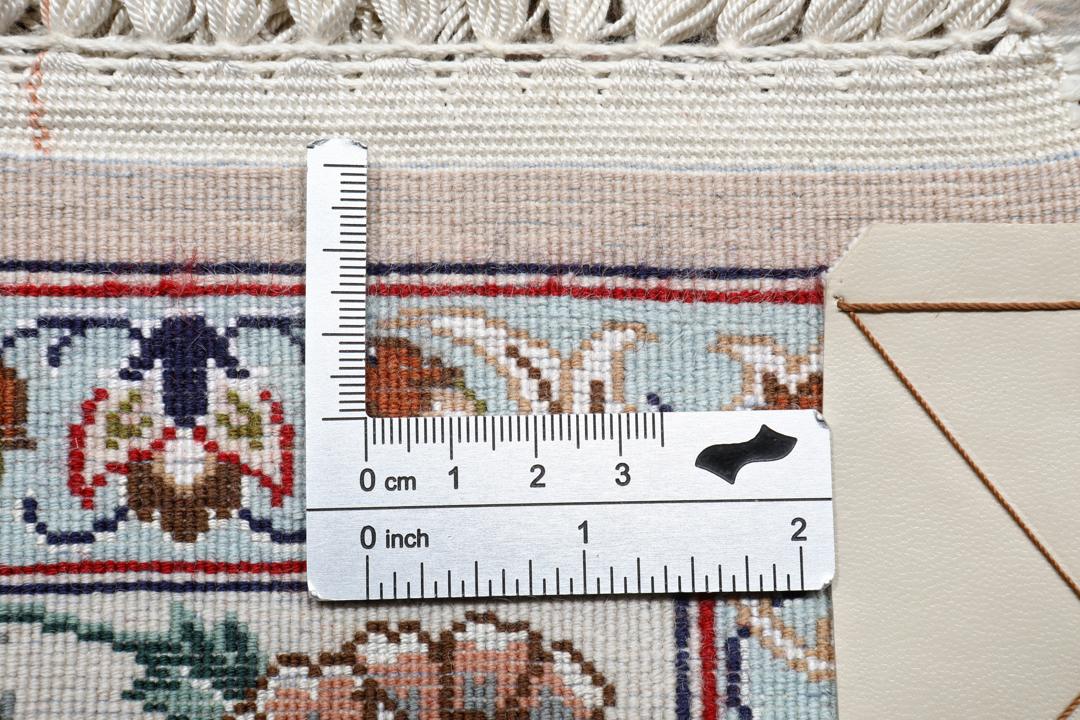
The term Silkwarp refers to the use of fine silk in the foundation of the rug, which allows for a much tighter, more precise knotting density than cotton foundations. This technical choice is significant because it enables the creation of incredibly detailed, curvilinear designs and extremely fine patterns. It is this marriage of high-quality materials and technical precision that gives Isfahan rugs their characteristic elegance and crispness.
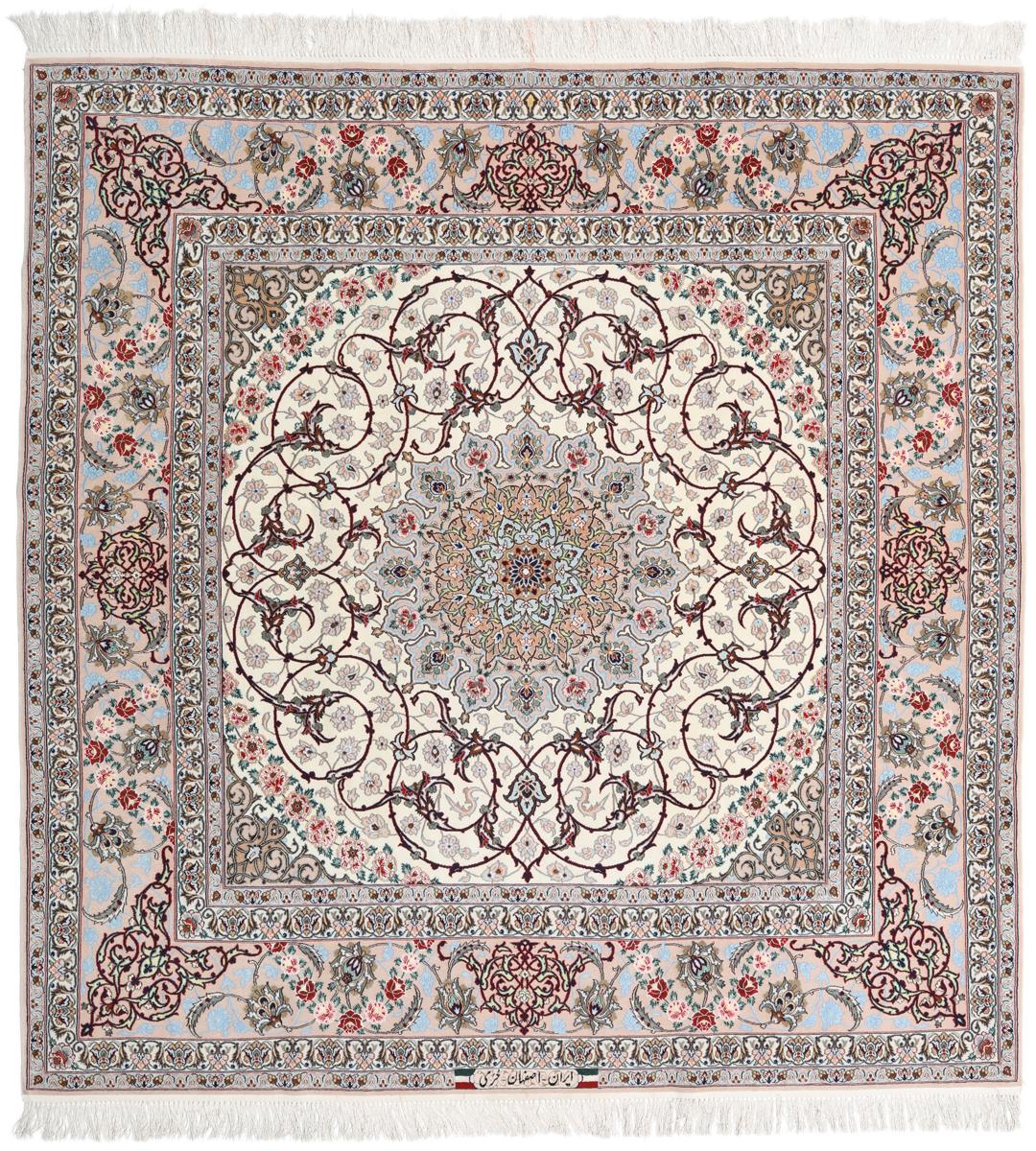
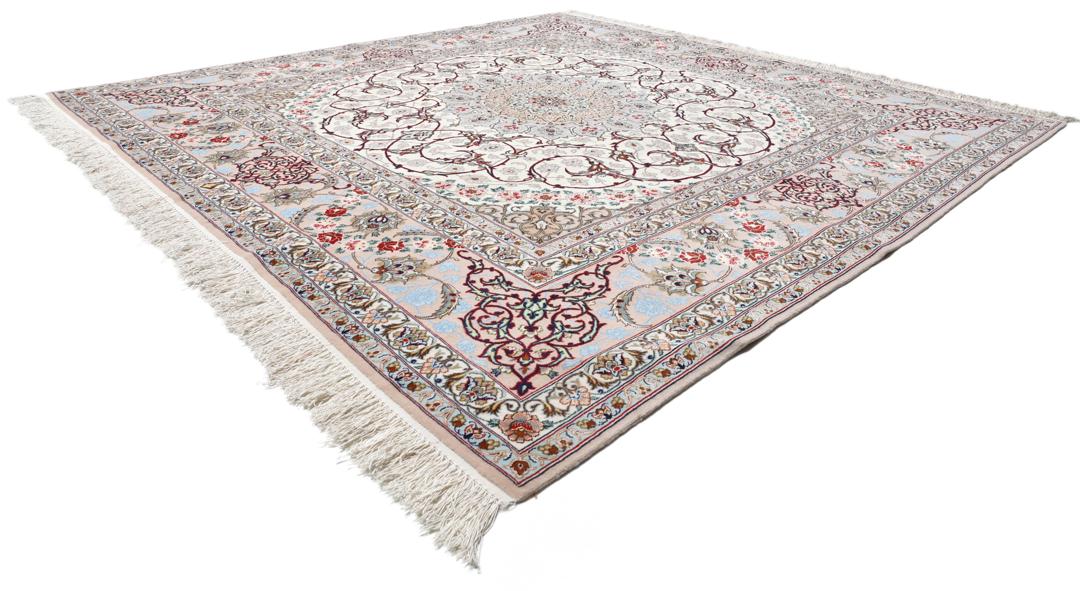
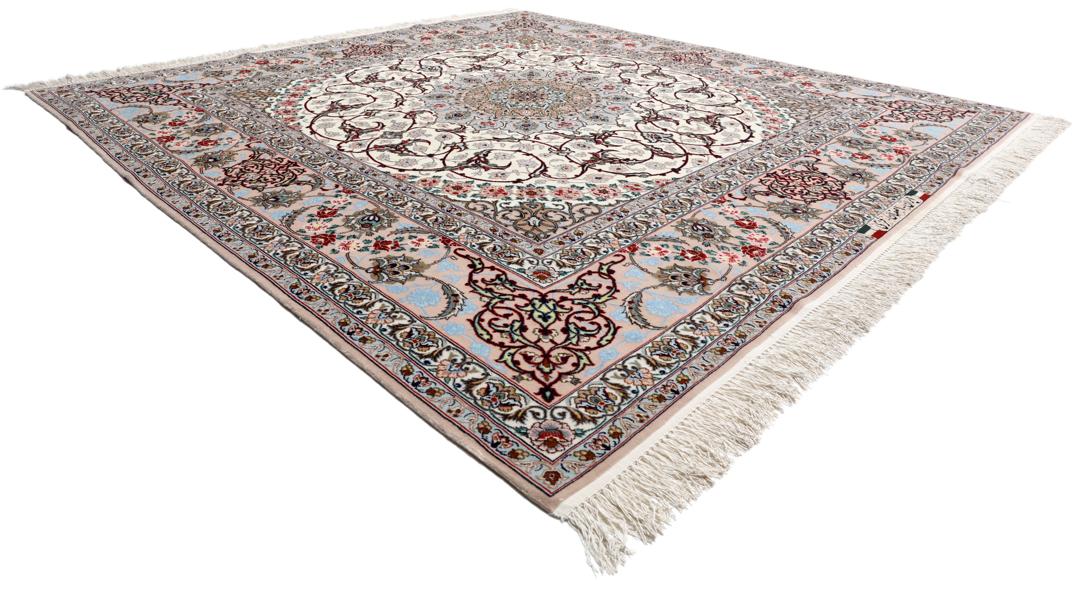
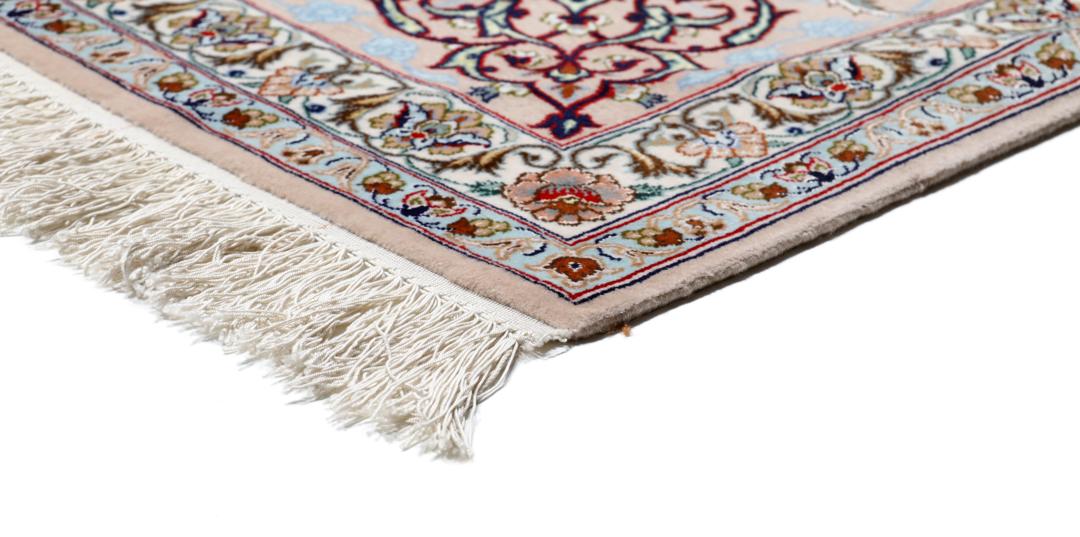
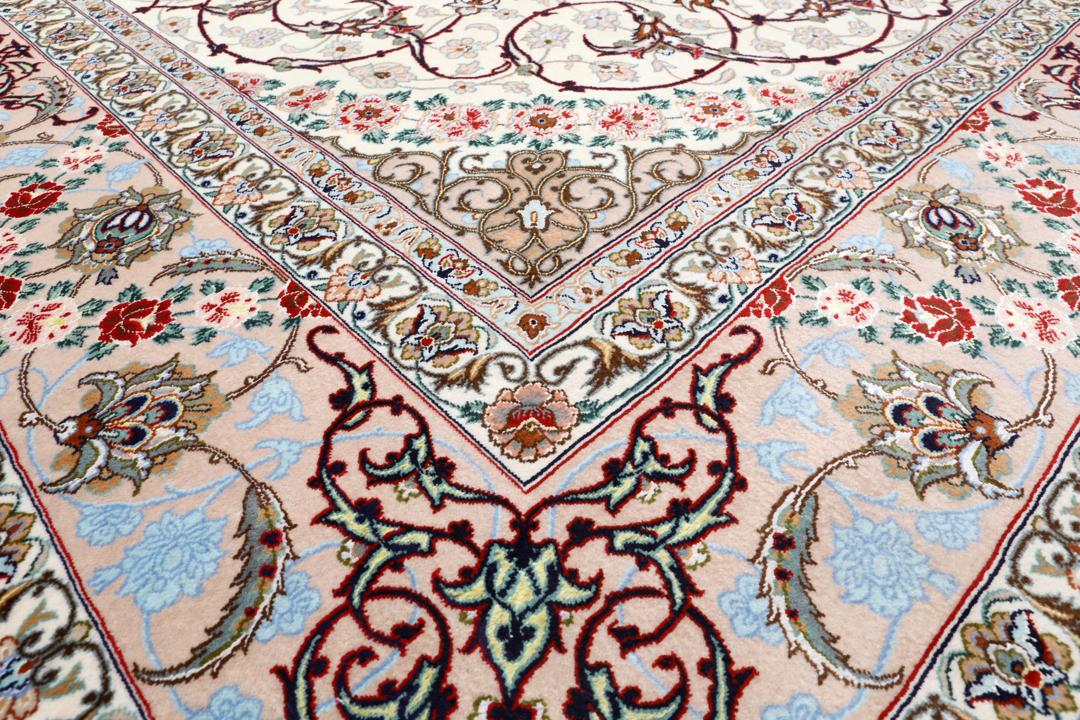
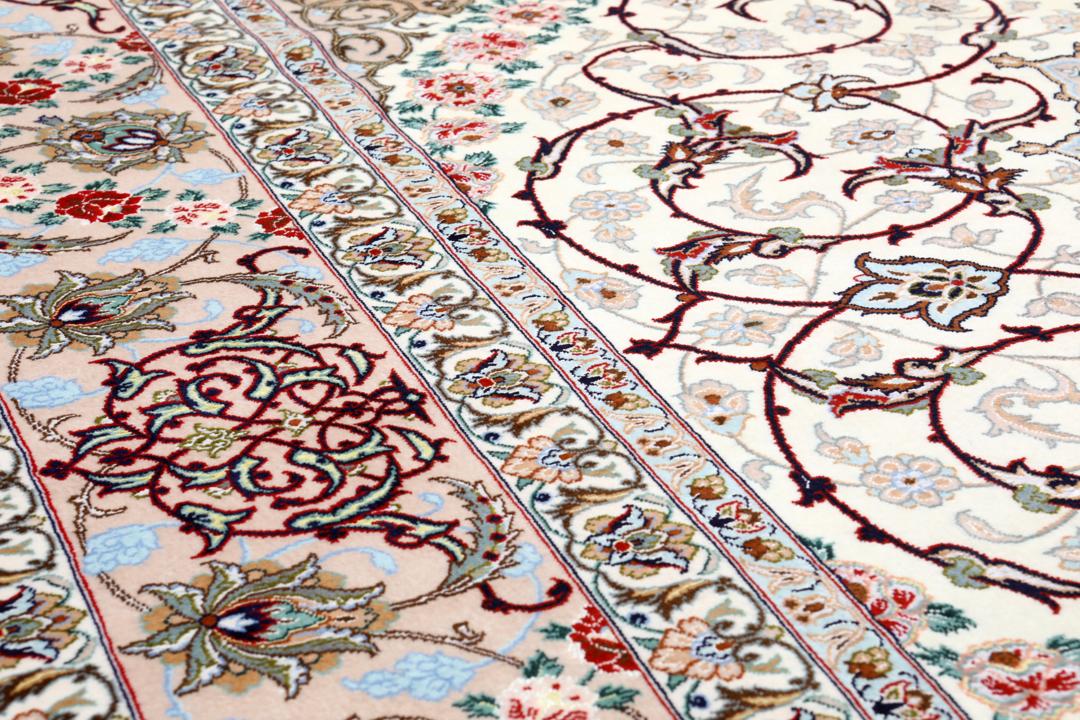
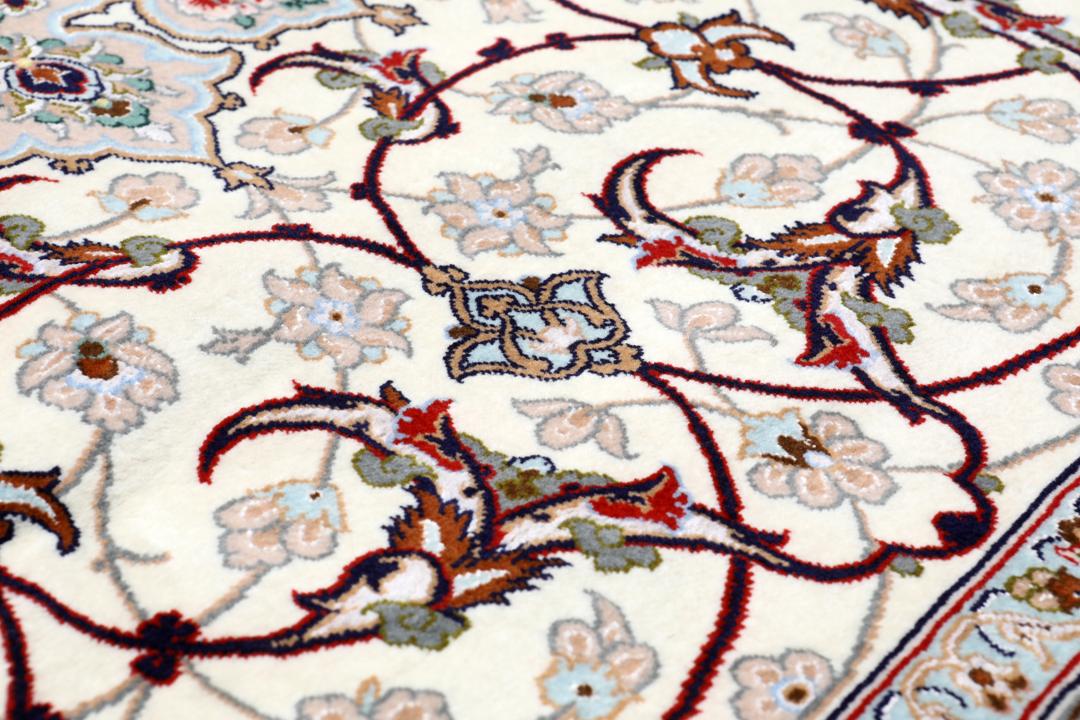
Visually, Isfahan rugs are known for their balanced compositions, often featuring a central medallion surrounded by dense floral scrolls, palmettes, and vines. The borders are typically as intricate as the field, providing a harmonious frame that reflects the order and beauty found in classic Middle Eastern garden layouts. A signature, such as that of Khazimi, marks the rug as the work of a master, often denoting a piece created to a standard of perfection expected by collectors.
Collecting an Isfahan rug is an investment in cultural history. These pieces are valued not only for their aesthetic beauty but for the immense skill required to produce them. Owning such a rug connects your home to a long-standing tradition of excellence, where every knot represents a commitment to maintaining a craft that has been refined over generations. It is a piece that carries both the weight of history and the promise of lasting quality.