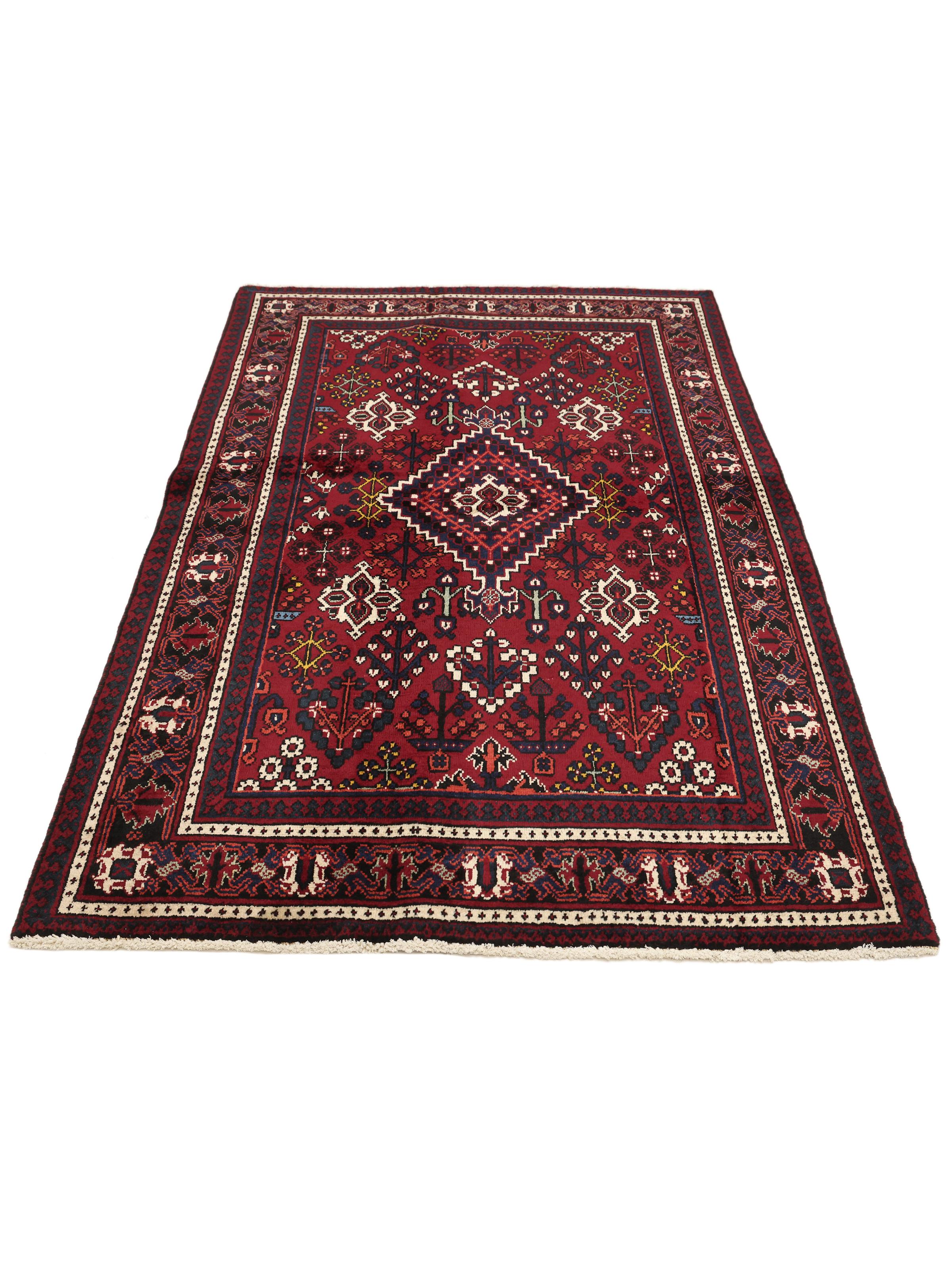
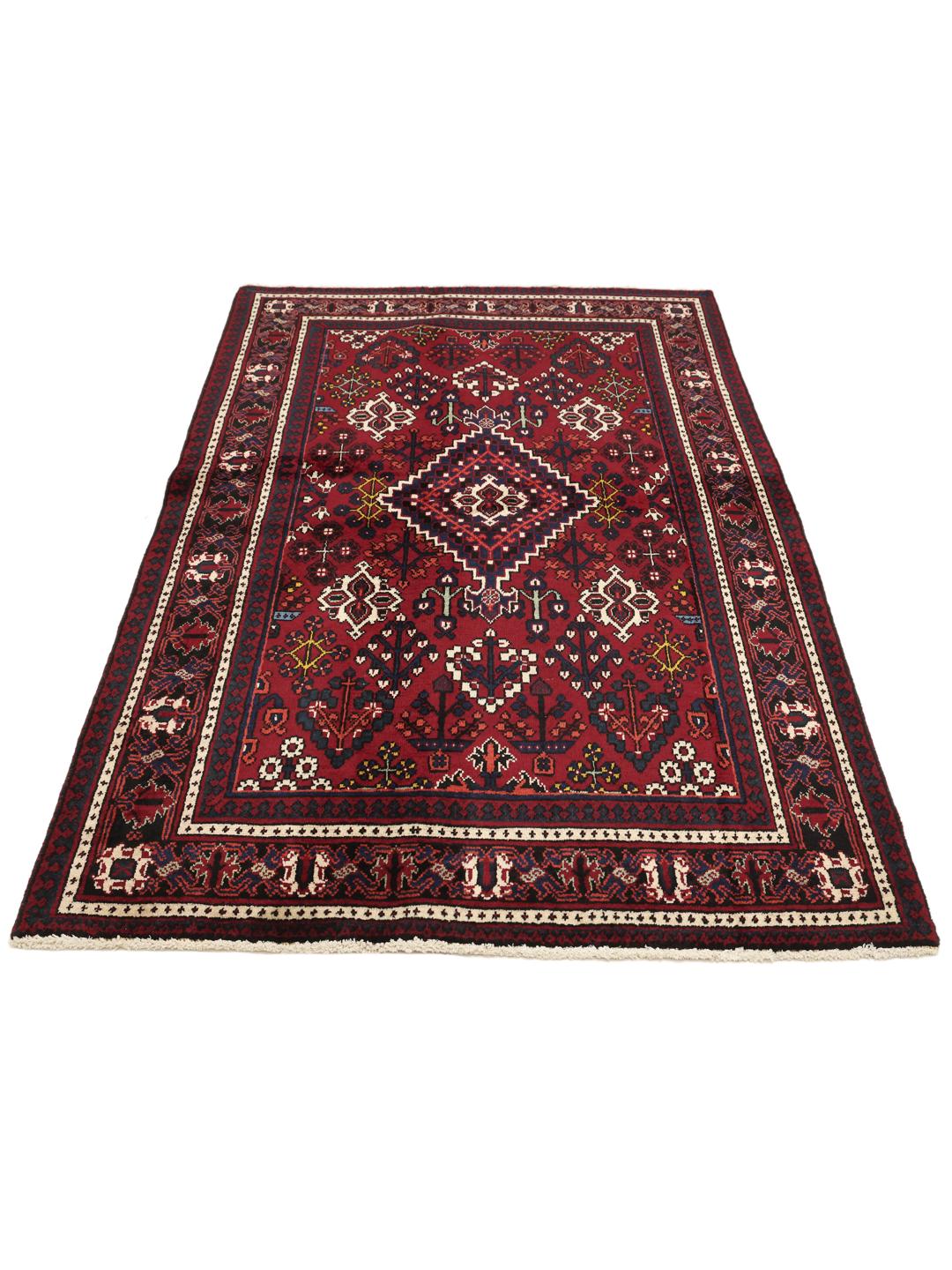
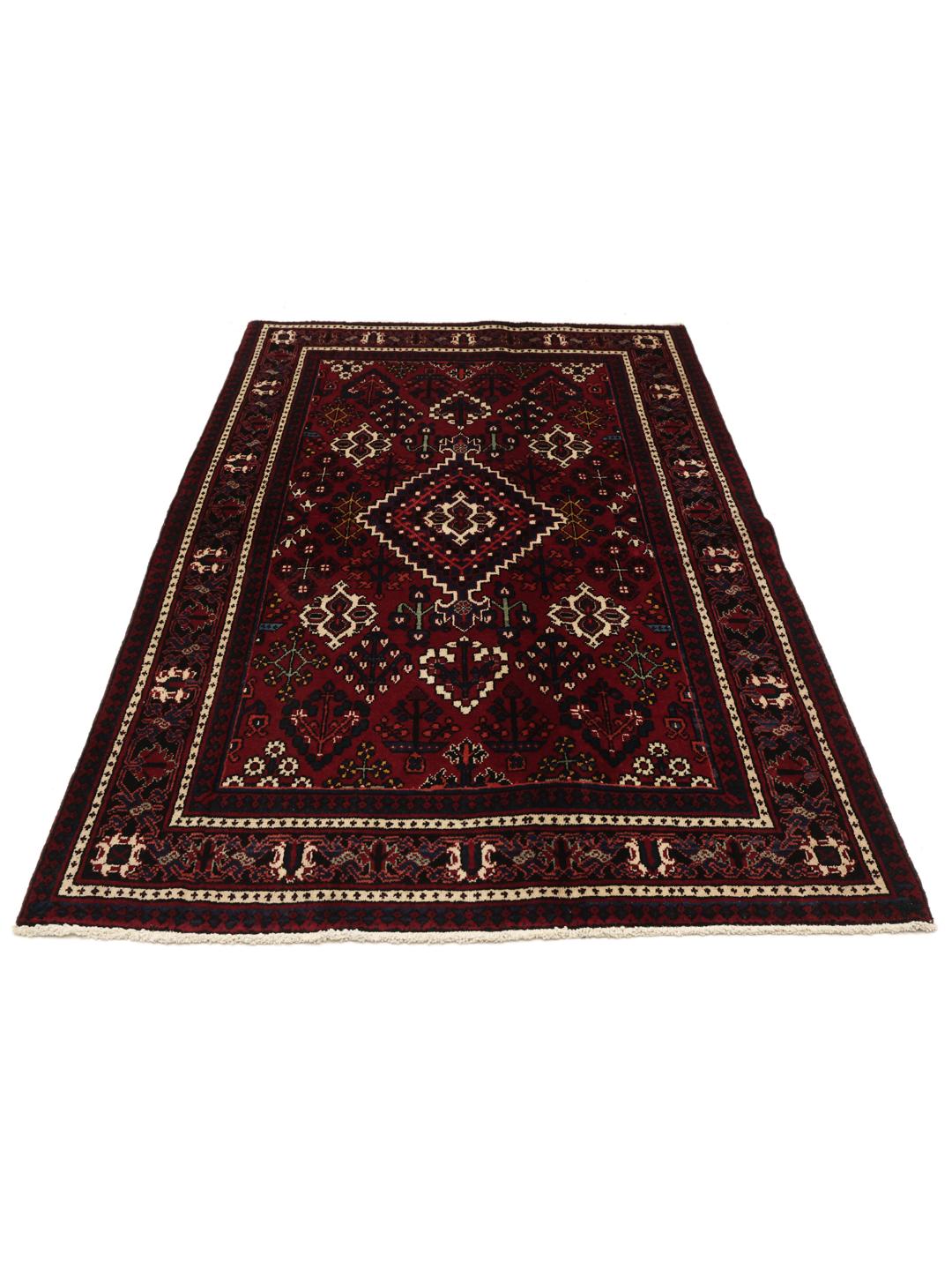
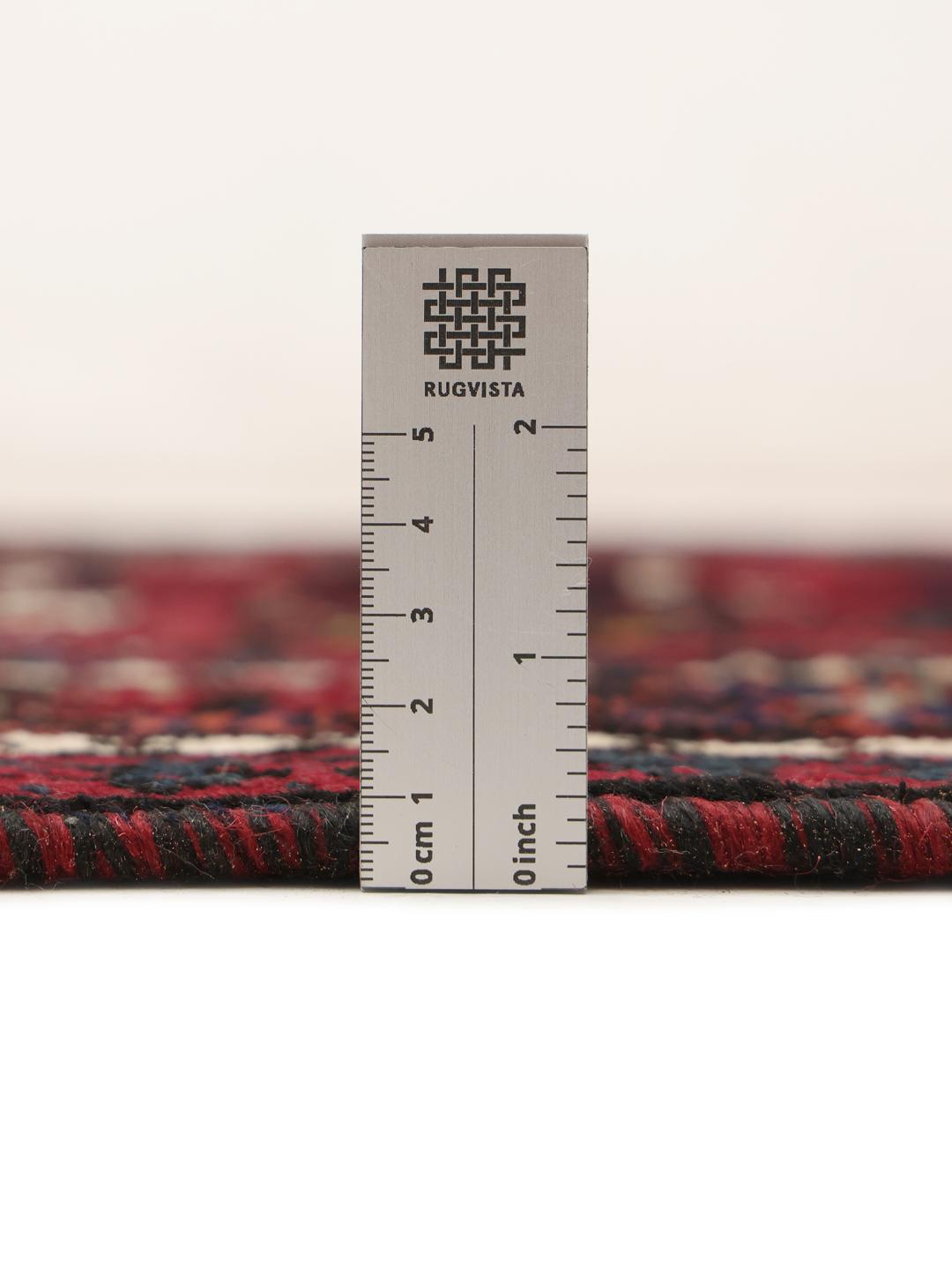
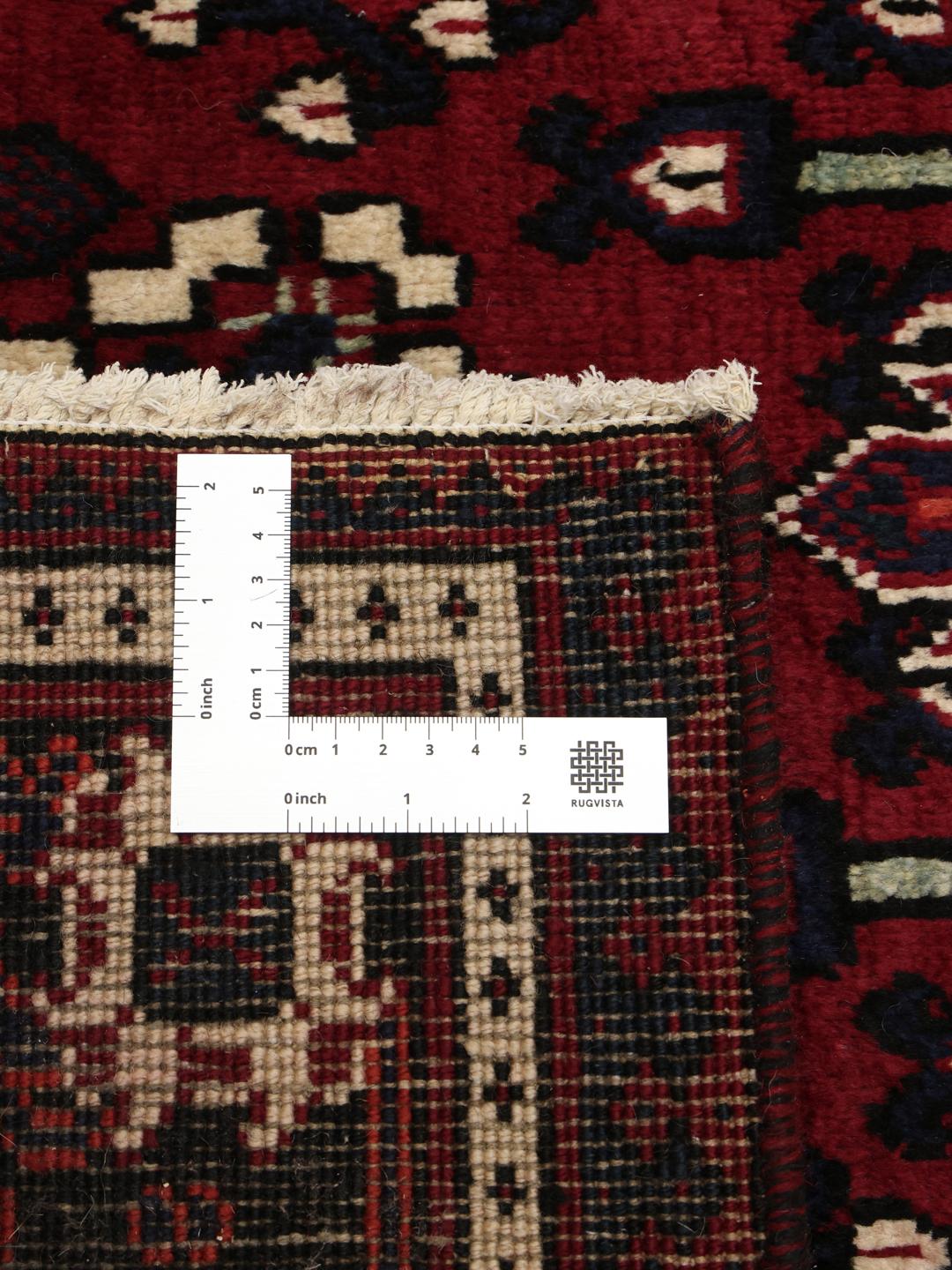
Joshaghan rugs originate from the historic village of Joshaghan, located in the central region of the Middle East. This area has long been recognised as a centre for fine weaving, where artisans have developed a distinct regional style that is celebrated for its balance and sophistication. The tradition here is deeply rooted in the cultural history of the plateau, where the environment and available materials have historically influenced the development of unique, durable, and highly sought-after floor coverings.
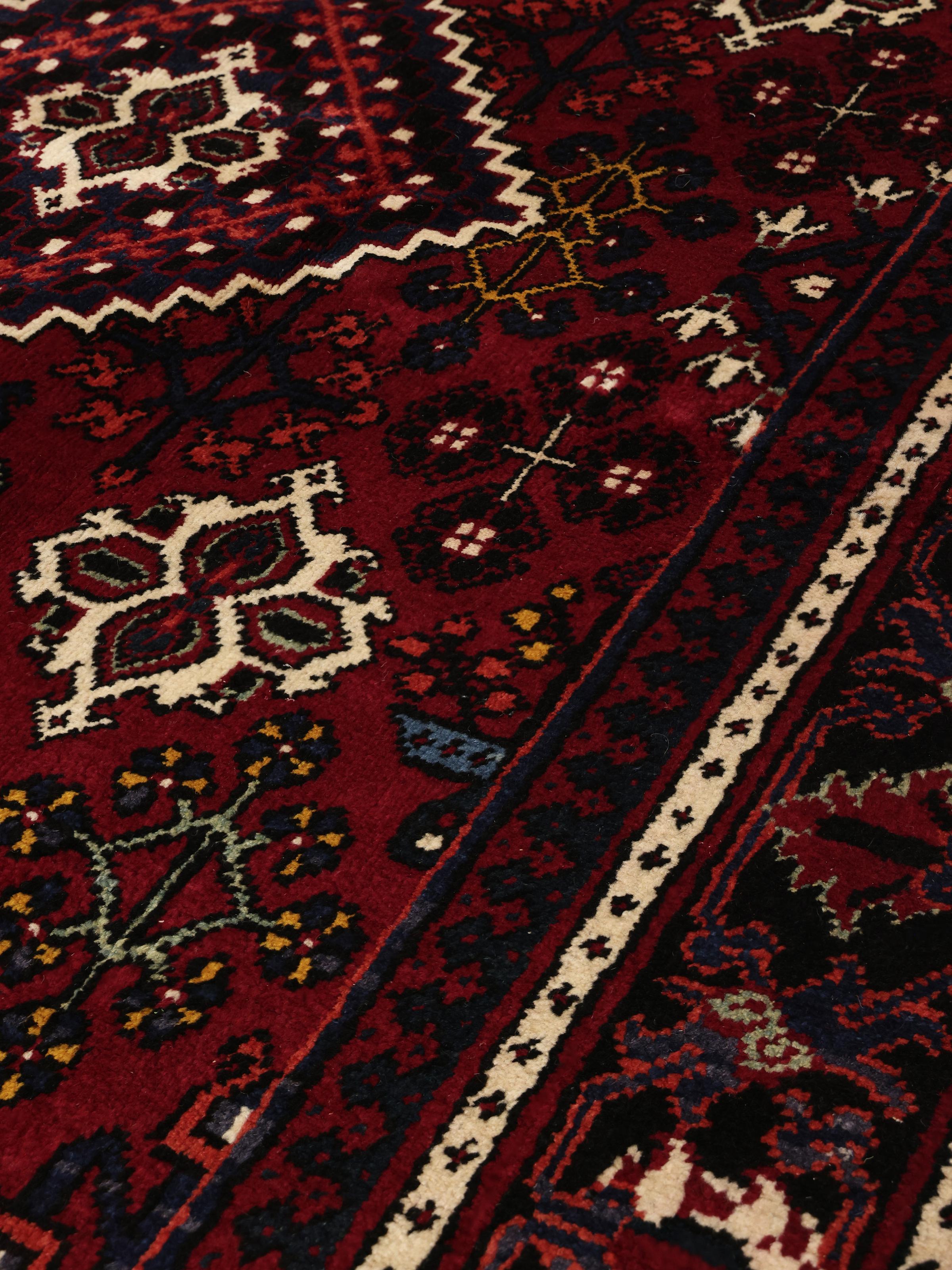
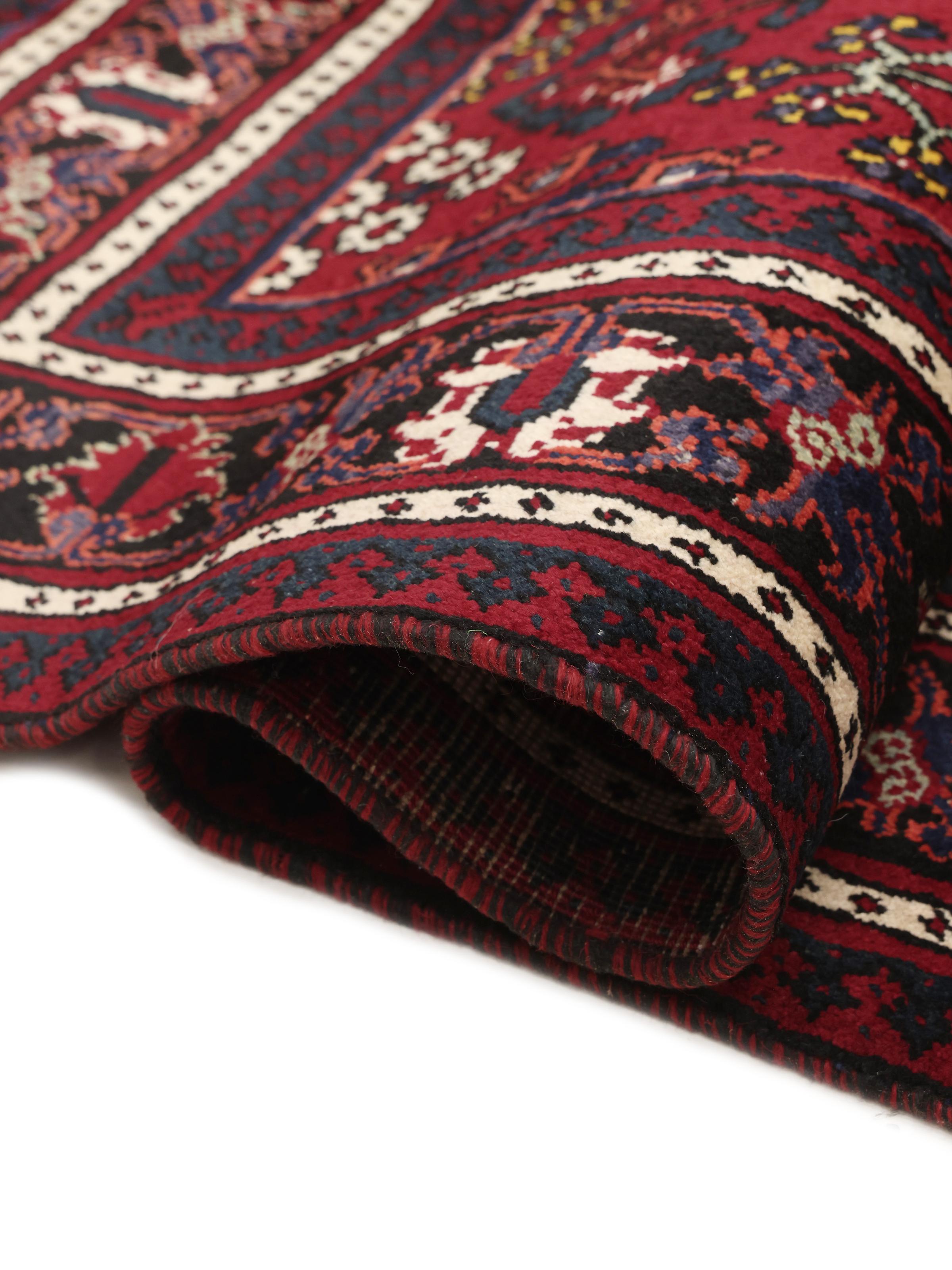
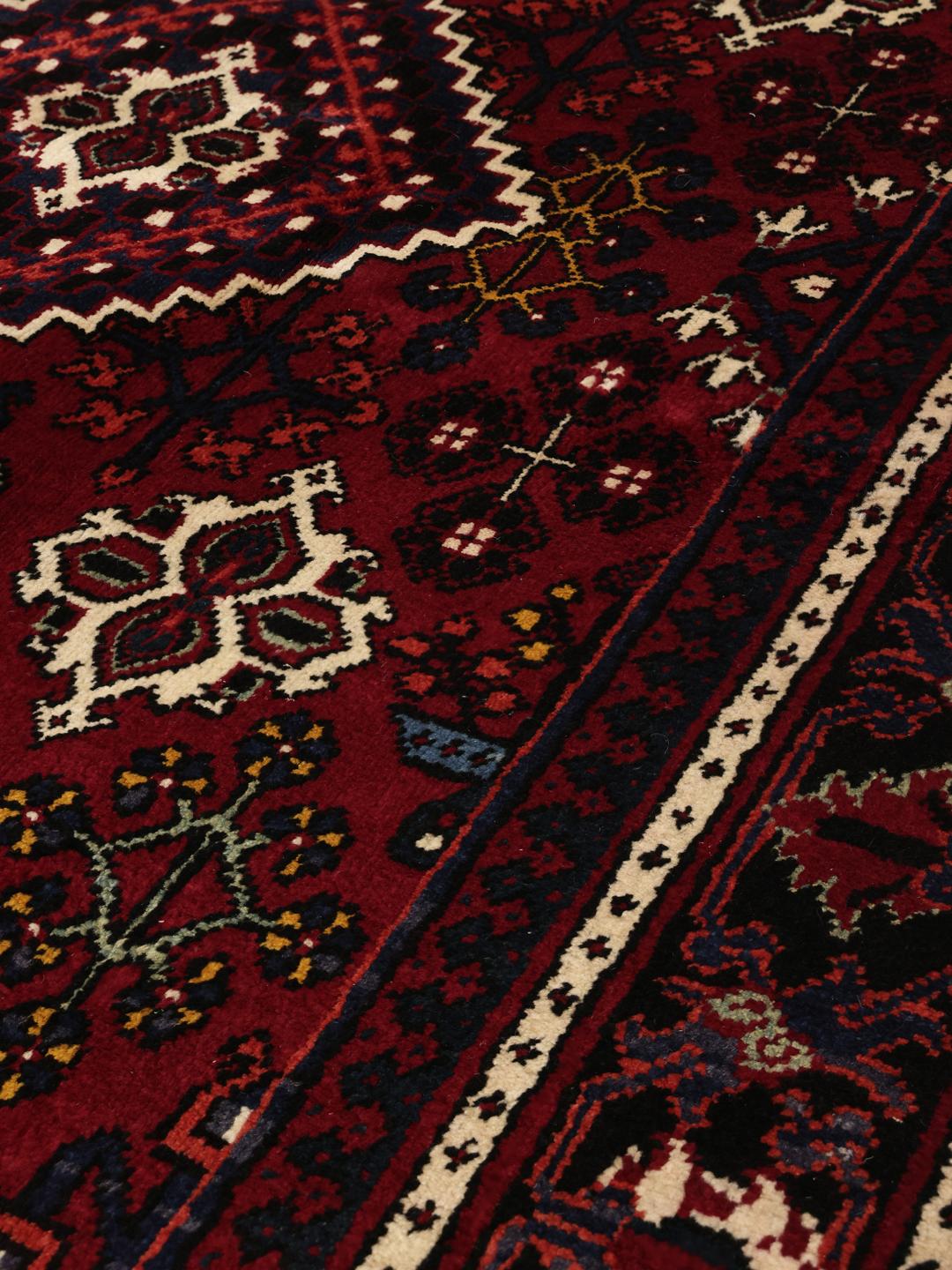
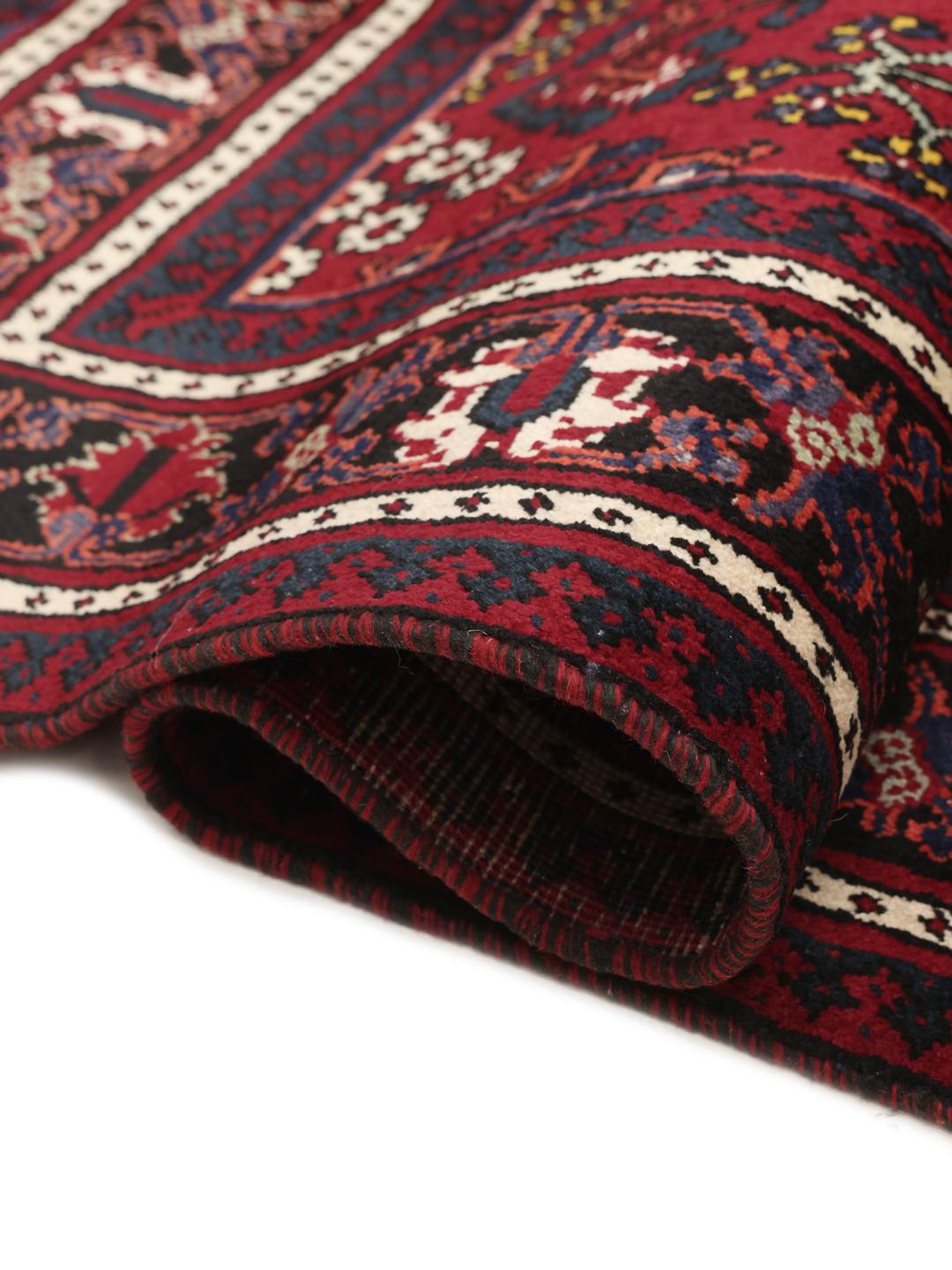
The technical quality of these rugs is defined by a commitment to traditional construction methods that favour density and longevity. The term Joshaghan refers to more than just a geographic origin; it represents a specific design philosophy that emphasises clear, geometric structure. By using high-quality Wool, these pieces achieve a lustrous finish and a depth of colour that improves as the rug is used, reflecting the mastery of the weavers who understand how to balance tension and pile density.
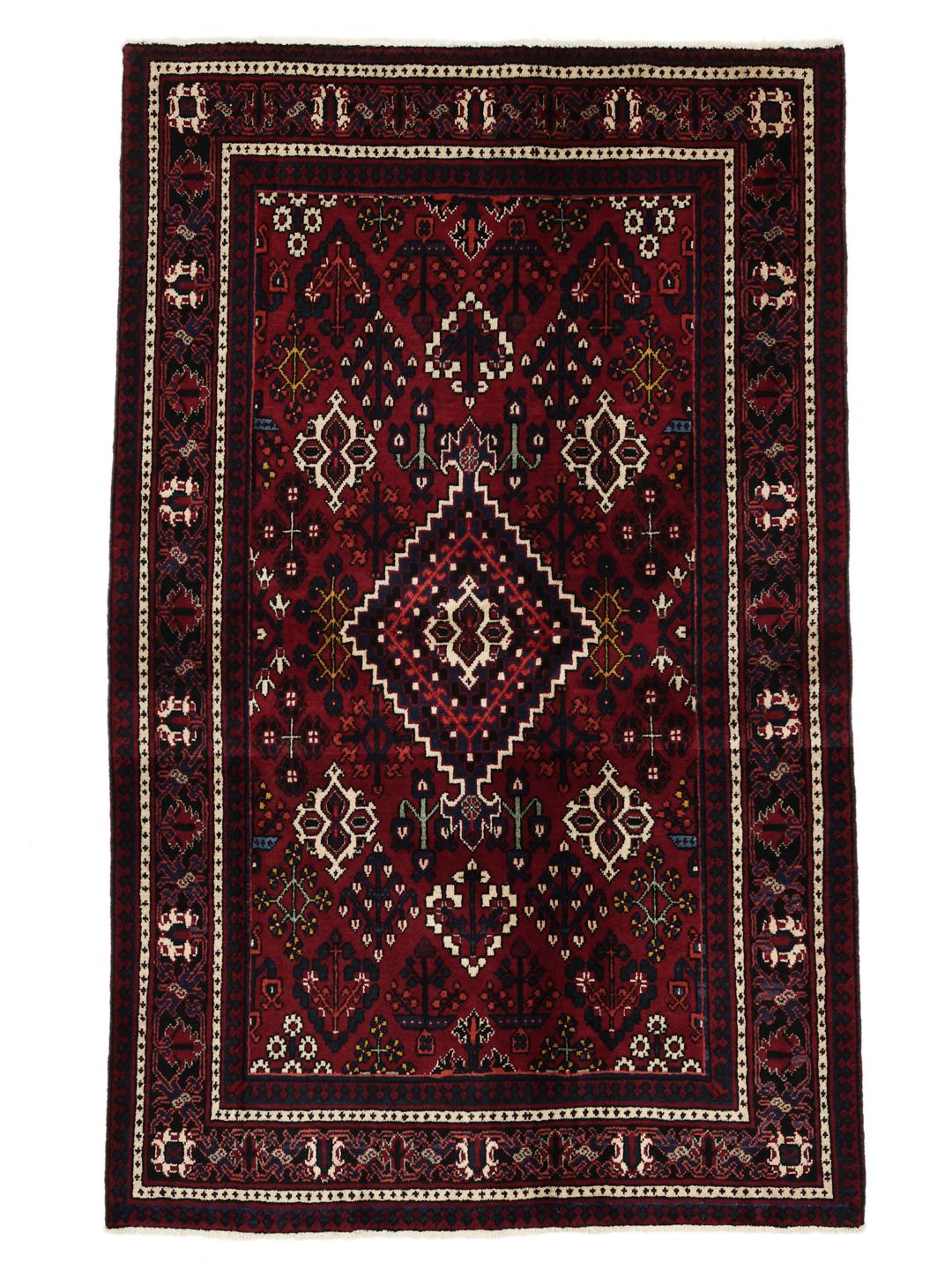
The signature design of a Joshaghan is instantly recognisable through its use of repeating geometric patterns, often centred around a medallion or an intricate trellis-like grid. These motifs are frequently inspired by the natural flora and architecture of the region, translated into stylised, abstract forms. The borders are typically formal and well-defined, framing the central field in a way that provides visual harmony and emphasises the central design elements, making them a standout addition to any collection.
These rugs are highly valued by collectors for their cultural weight and the undeniable skill required to produce them. Owning a piece from this tradition is an act of preserving a specific artistic legacy that has been passed down through generations. The combination of historical design, regional provenance, and the labour-intensive nature of their creation ensures that these rugs remain a prized possession, representing a standard of beauty and endurance that is increasingly rare in the modern world.