The Qashqai people are a nomadic confederation from the Middle East with a long-standing tradition of weaving that is deeply intertwined with their migratory lifestyle. Historically, these rugs were created to serve the practical needs of nomadic life, providing insulation and comfort in tents. Over generations, the Qashqai developed a distinct visual language that is celebrated today for its spontaneity and creative freedom, often diverging from the more formal, rigid patterns found in urban workshops.
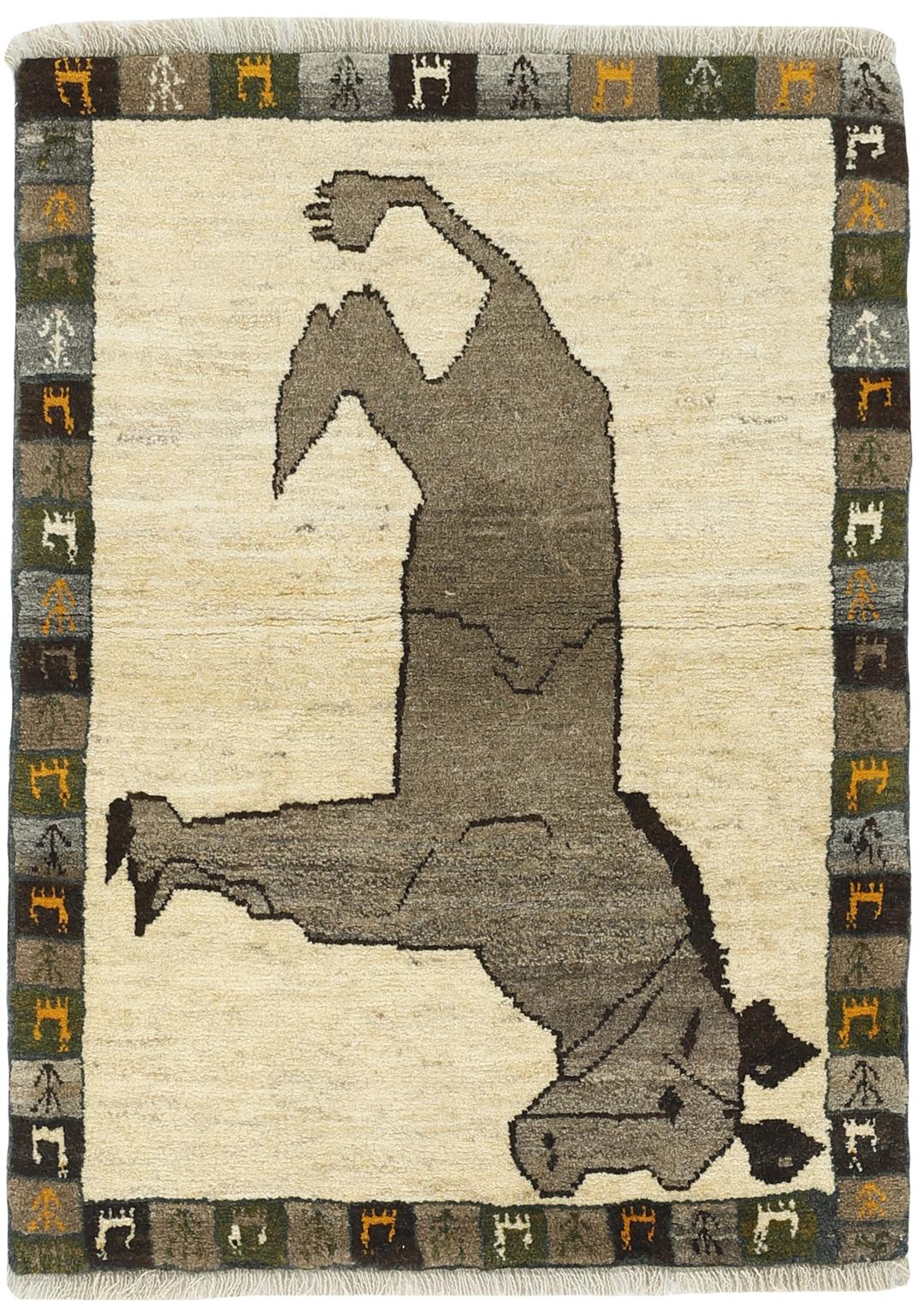
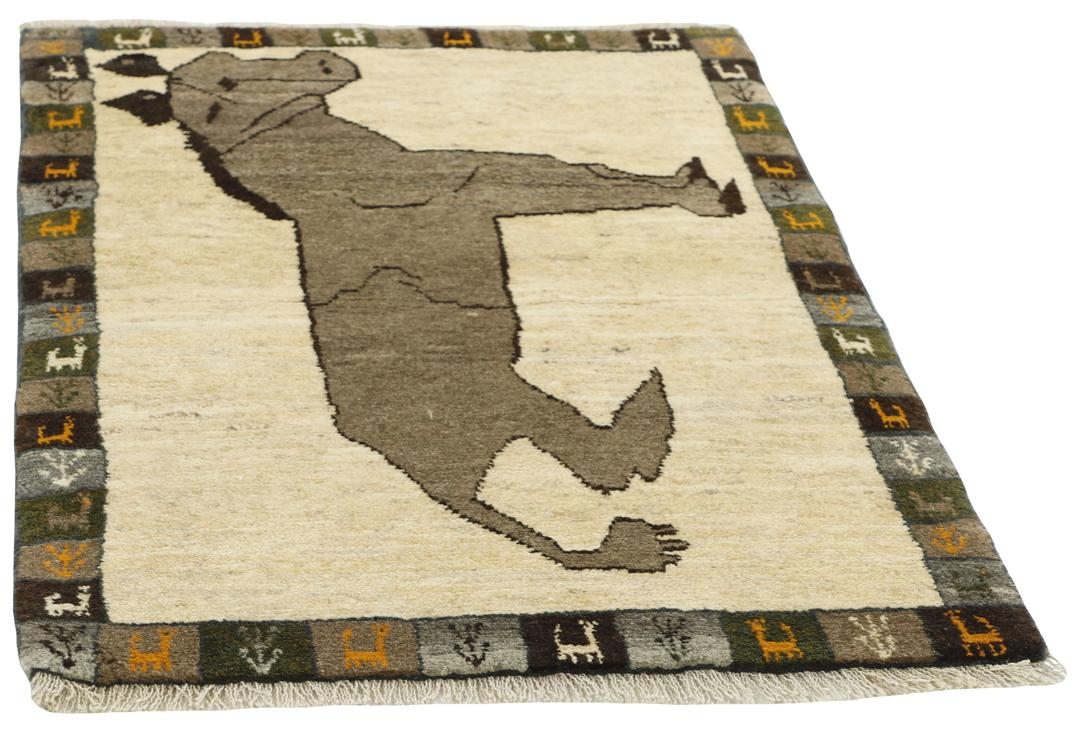
The term Kashghai identifies not just a region, but a specific aesthetic approach characterised by bold, often whimsical designs that reflect the weaver's environment and personal narrative. Unlike strictly geometric designs, these figural rugs incorporate motifs of animals or local flora, allowing the weaver to express individual style within the boundaries of traditional techniques. This blend of structure and freedom is what makes these pieces so highly regarded among those who appreciate the intersection of utility and art.
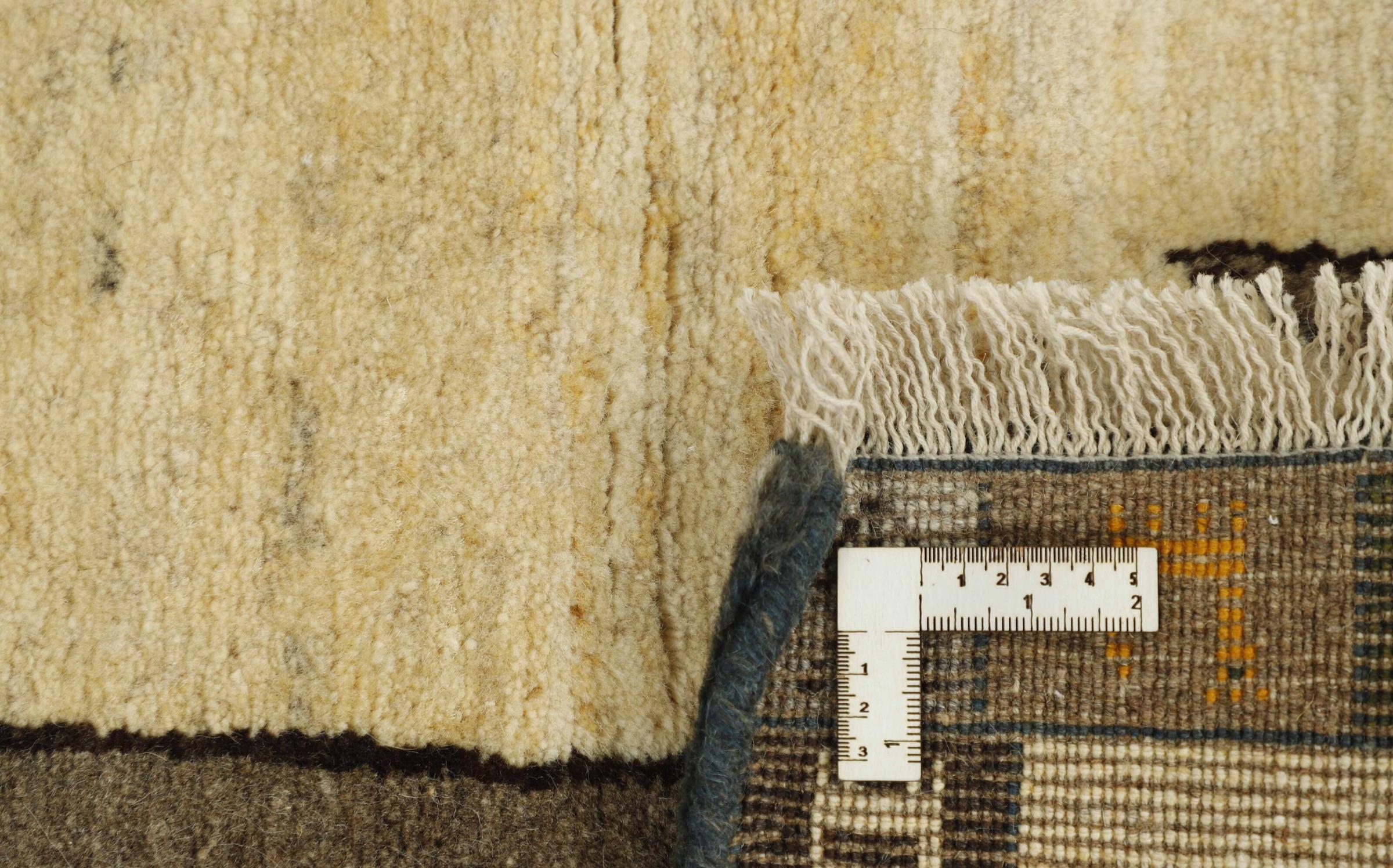
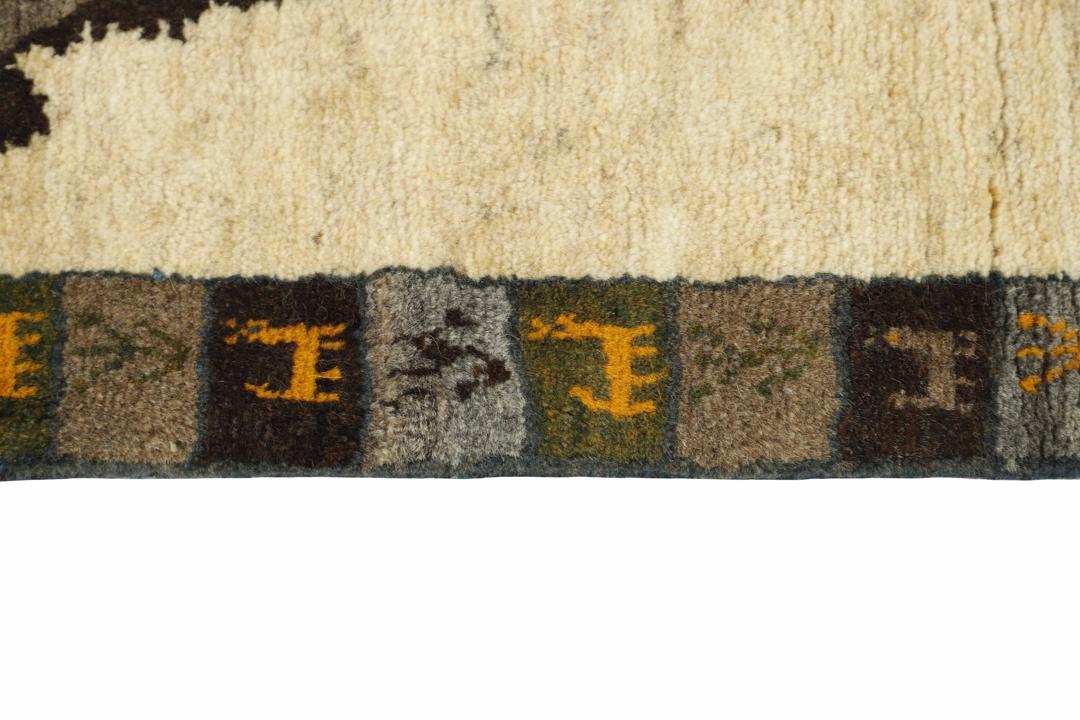
Signature design elements of this tradition include the use of rich, natural-looking fields and a vibrant, contrasting border that frames the central image. The border often contains smaller, repeating motifs that echo the primary theme, creating a cohesive visual experience. This specific rug is a wonderful example of the tradition, where the central animal motif is rendered with a simple, honest charm that feels both primitive and sophisticated in its execution.
Collectors value these rugs for their authenticity and the cultural weight they carry. Owning a piece from this tradition is an investment in human skill and a legacy of nomadic artistry that has survived for centuries. It serves as a reminder of a way of life where every object was crafted with intent and purpose, making it a meaningful addition to any collection that values heritage and the human touch.