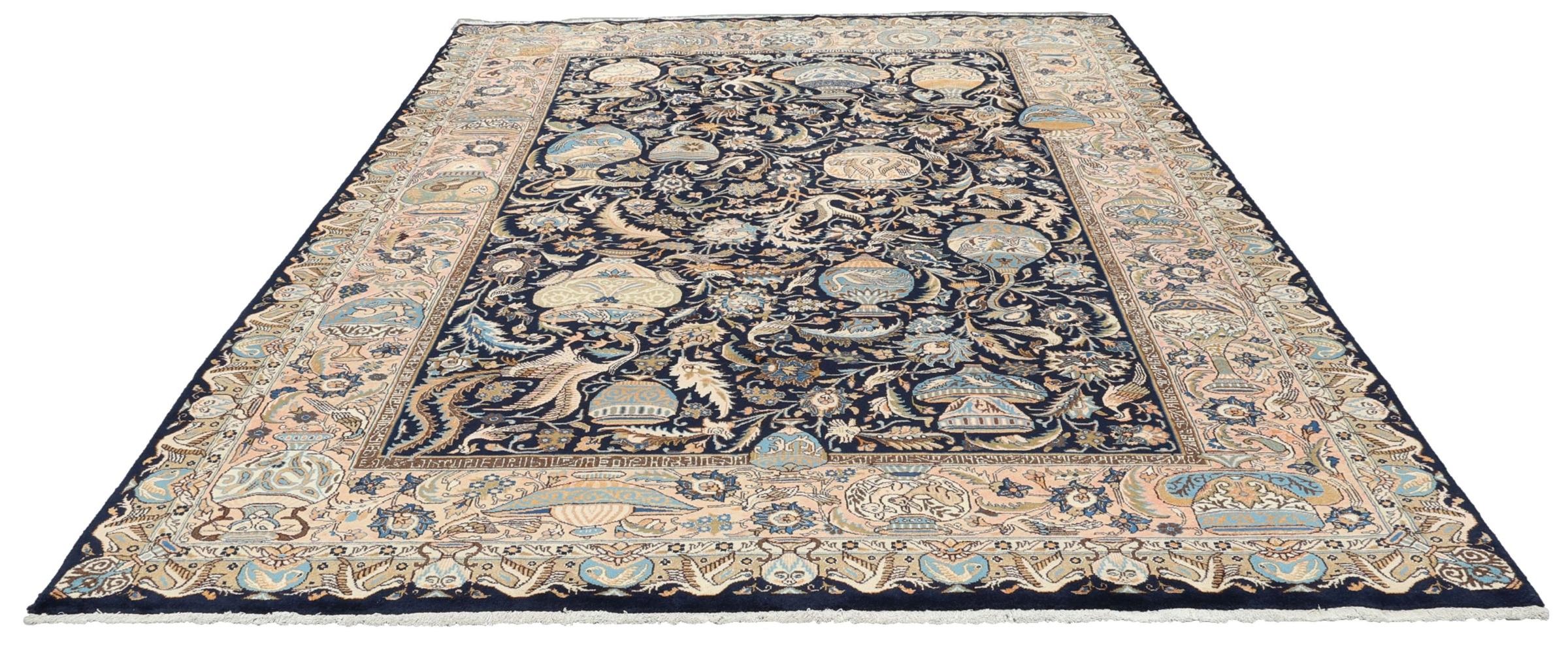
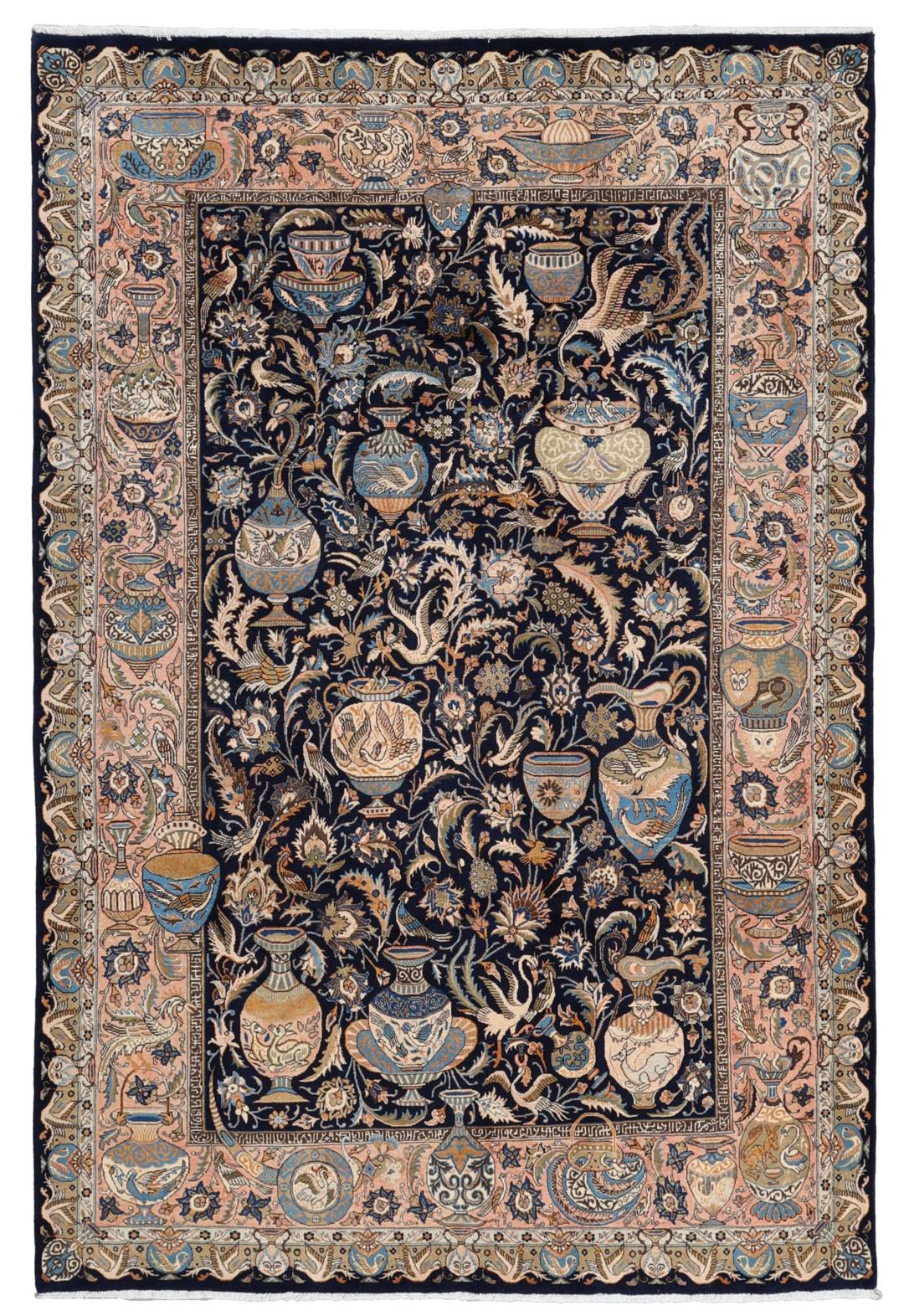
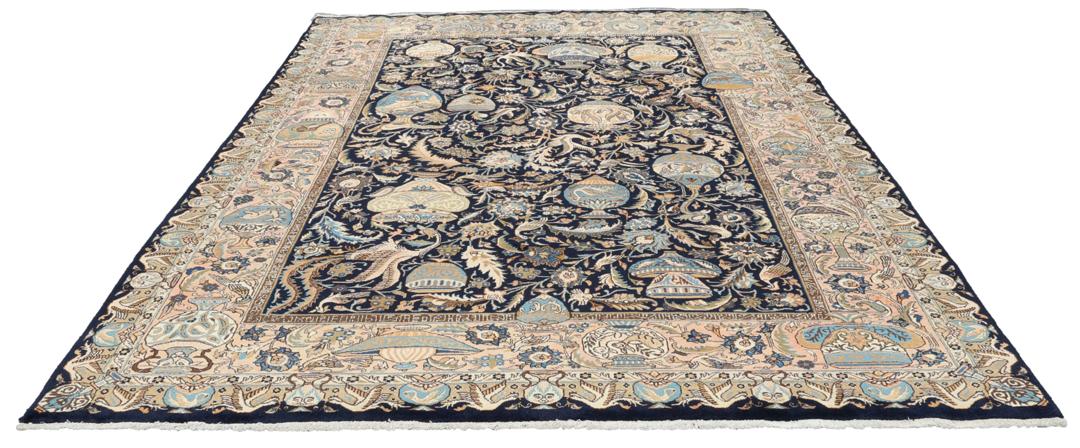
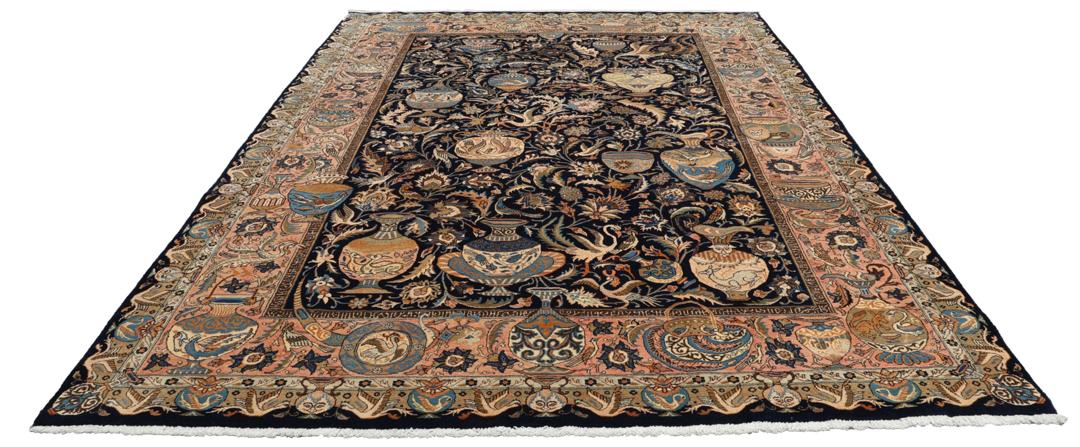
Kashmar rugs originate from the city of Kashmar in the Khorasan province of the Middle East, a region with a deep-rooted history in textile production. Historically, this area was known for its ability to bridge the gap between traditional tribal weaving and the more refined, formal styles favoured by urban centres. The rugs produced here are celebrated for their ability to weave complex narratives into the fabric of the floor covering itself.
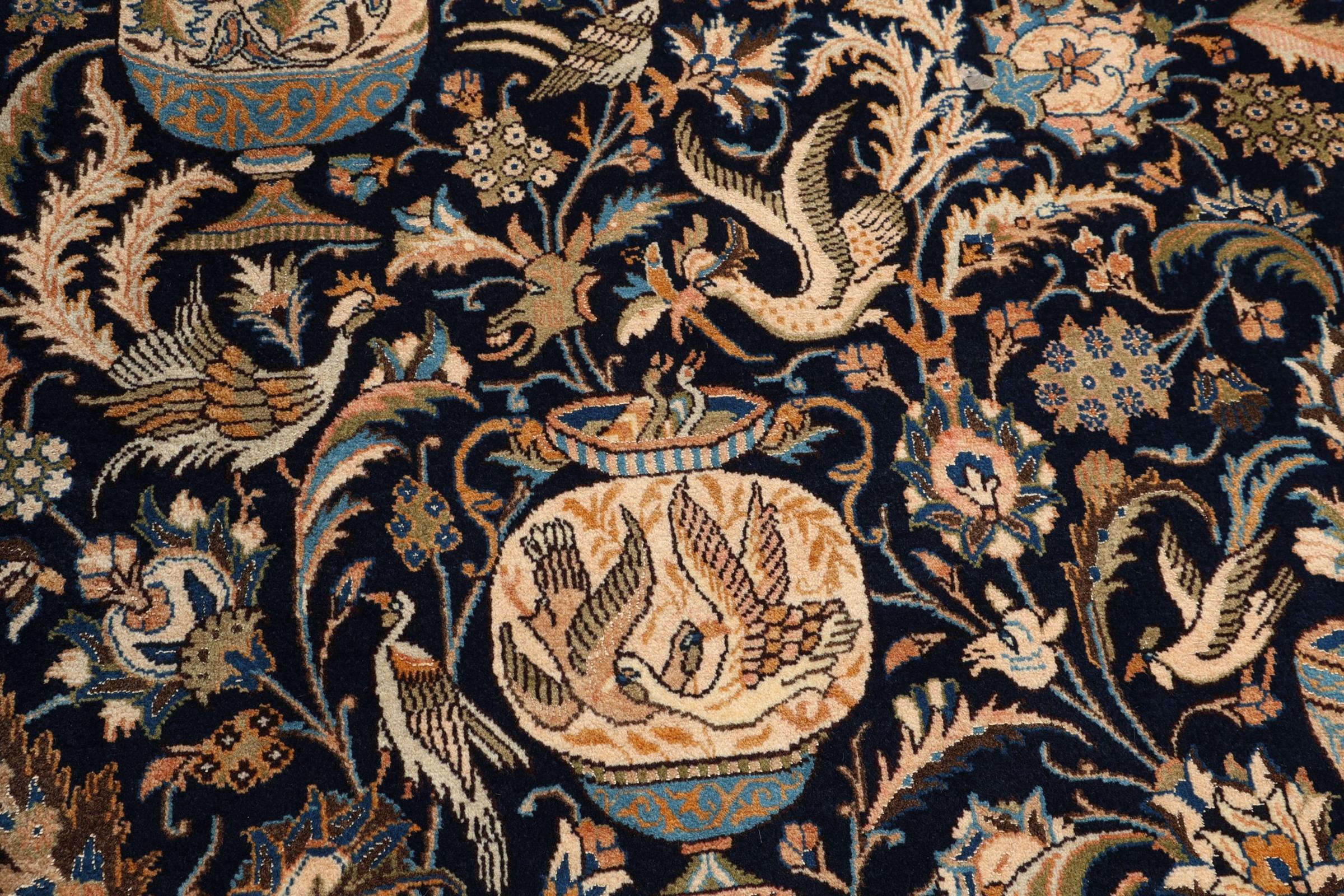
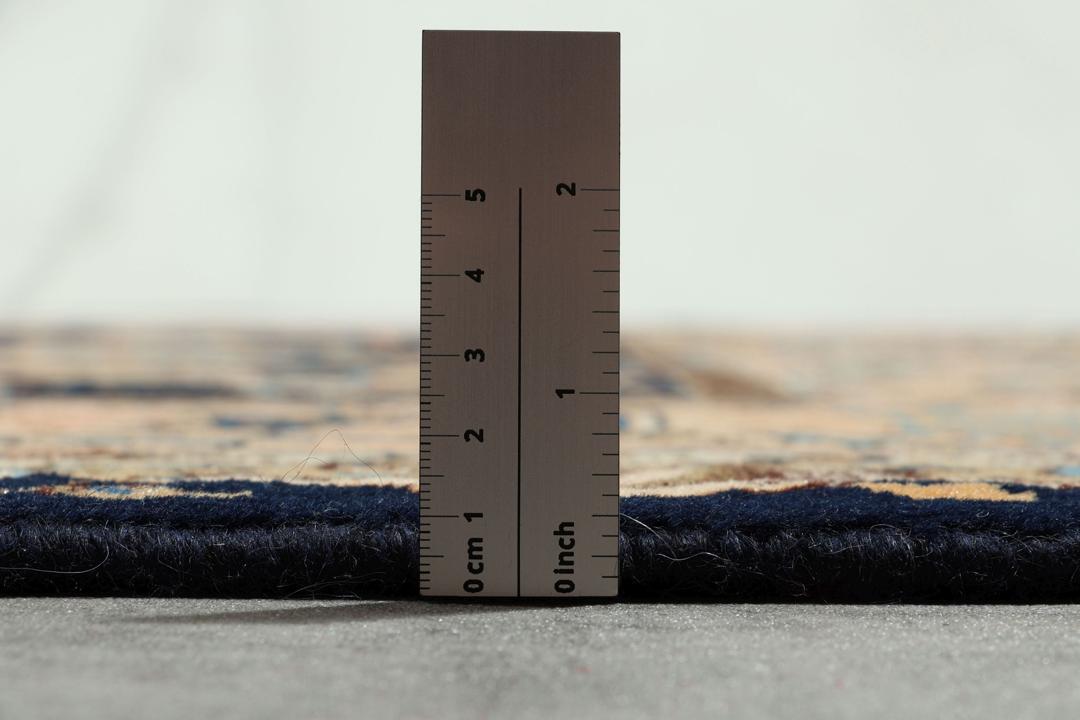
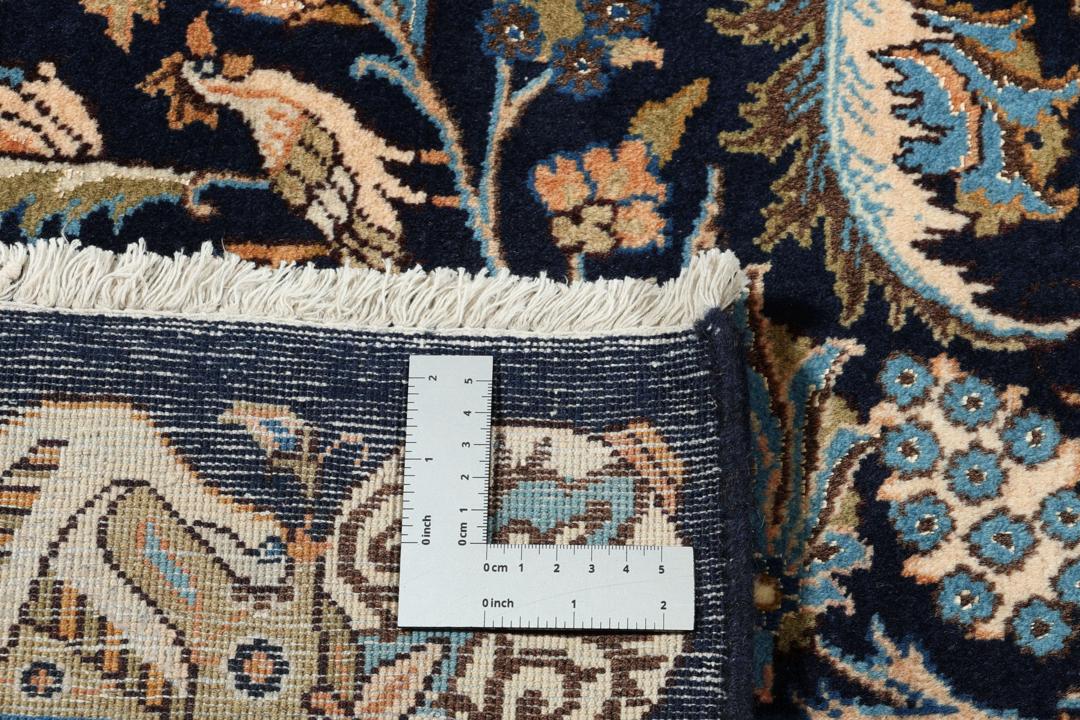
The term 'Fine' in the context of Kashmar rugs refers to the superior density and precision of the knotting. By utilising a tighter weave, artisans are able to achieve much higher levels of detail, allowing for the intricate, curvilinear motifs that define this specific style. This level of craftsmanship requires not only technical skill but also a profound understanding of how to translate elaborate drawings onto the loom with absolute accuracy.
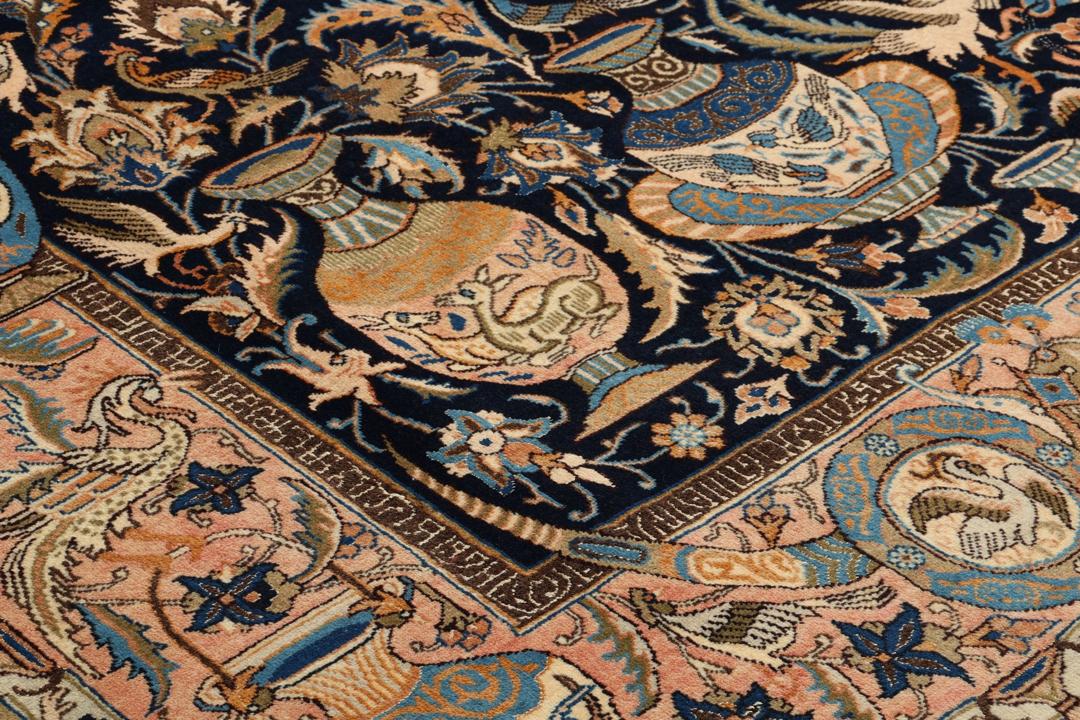
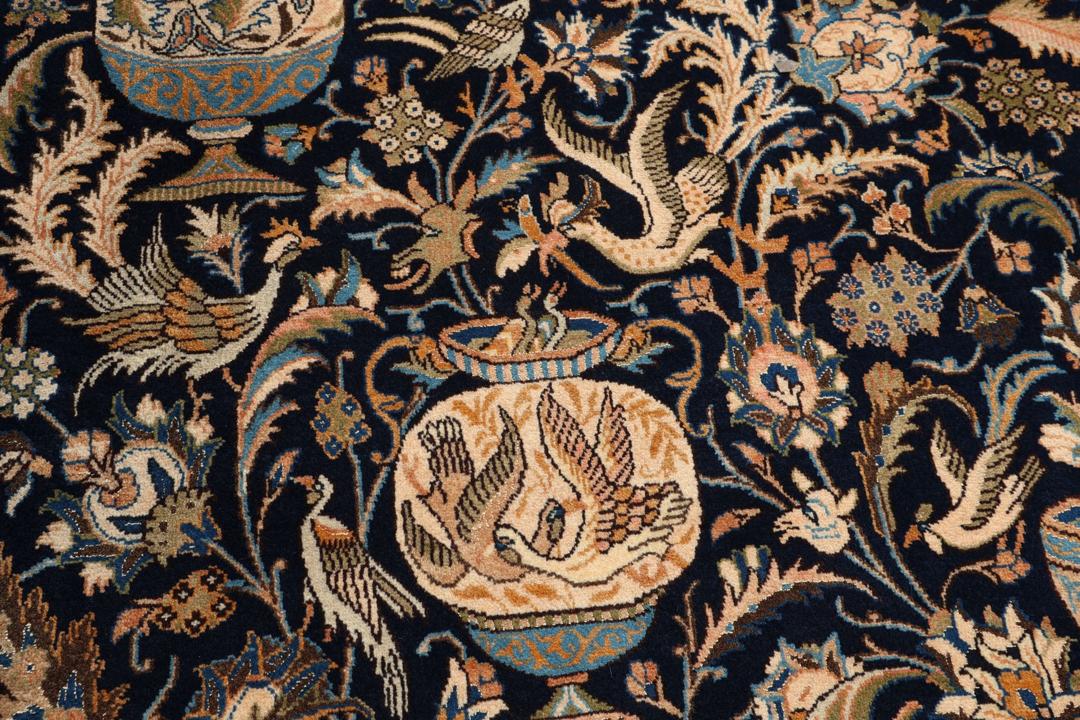
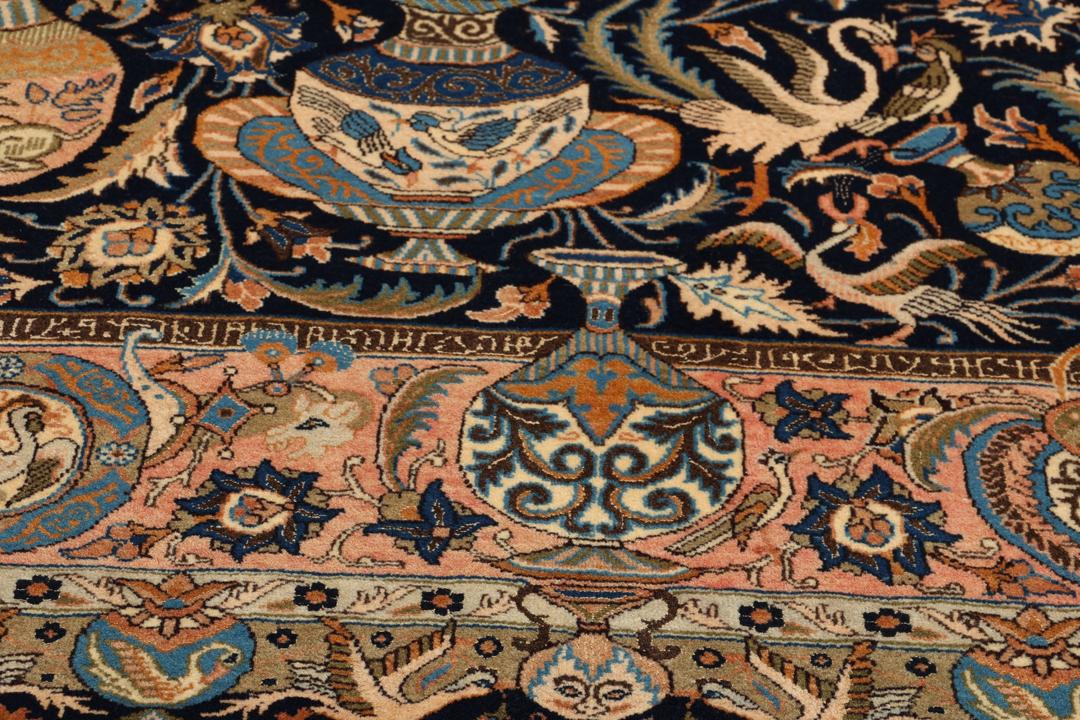
Signature design elements of the Kashmar tradition often include the 'Zir-e-Khaki' or 'under the soil' style, which is characterised by the depiction of ancient artefacts, vases, and historical motifs. These rugs often feature a central medallion or, as seen in this example, a scattered layout of urns, birds, and floral sprays. The borders are typically just as detailed, often mirroring the elegance of the central field with symmetrical patterns that frame the composition perfectly.
Owning a Kashmar rug is an investment in cultural heritage and long-term artistry. These pieces are highly valued by collectors not only for their beauty but for the immense effort required to produce them. To possess a Kashmar rug is to hold a connection to an ancient lineage of weavers who have perfected the art of storytelling through wool, ensuring that the legacy of their craft continues to thrive in homes across the world.