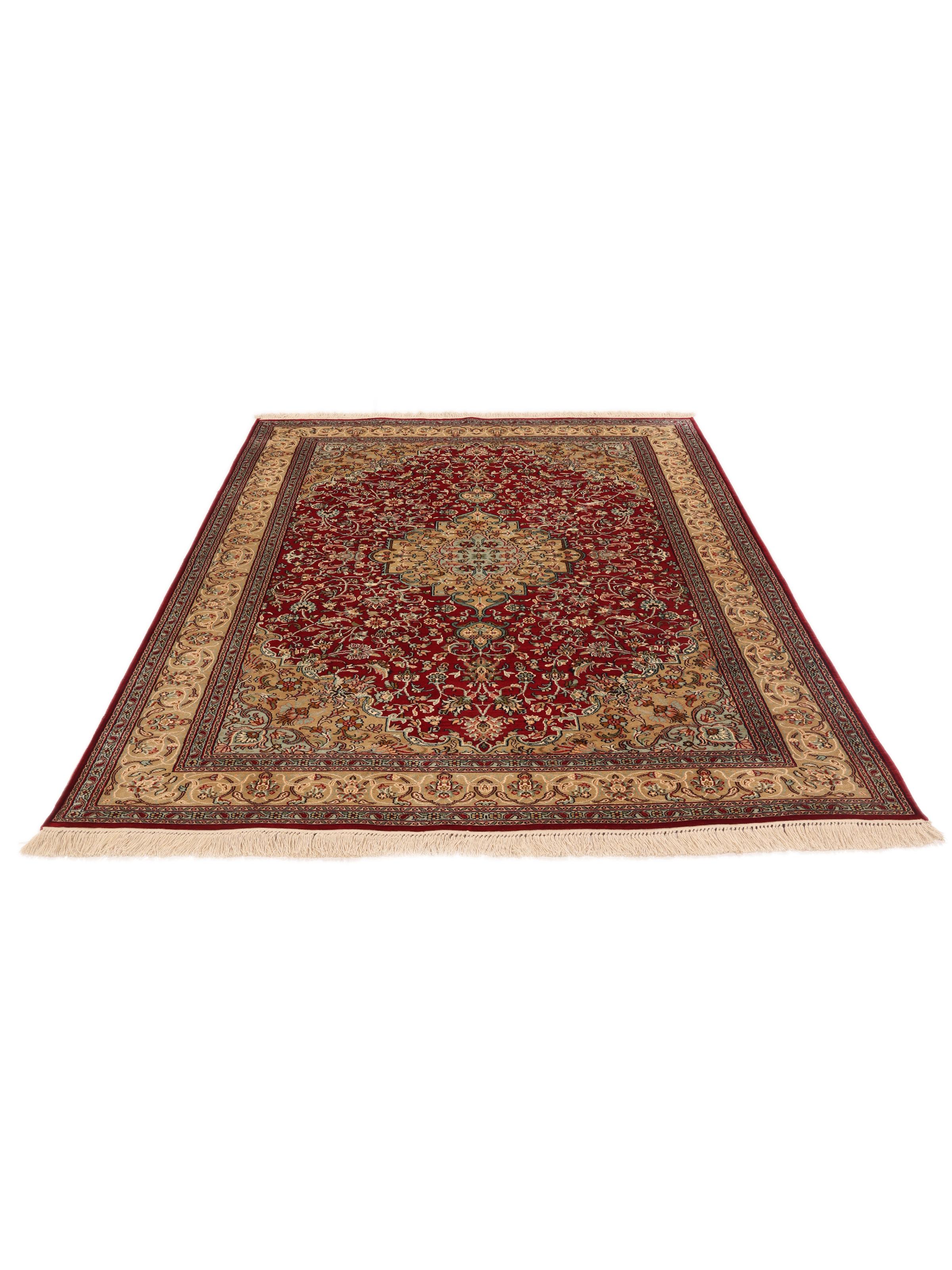
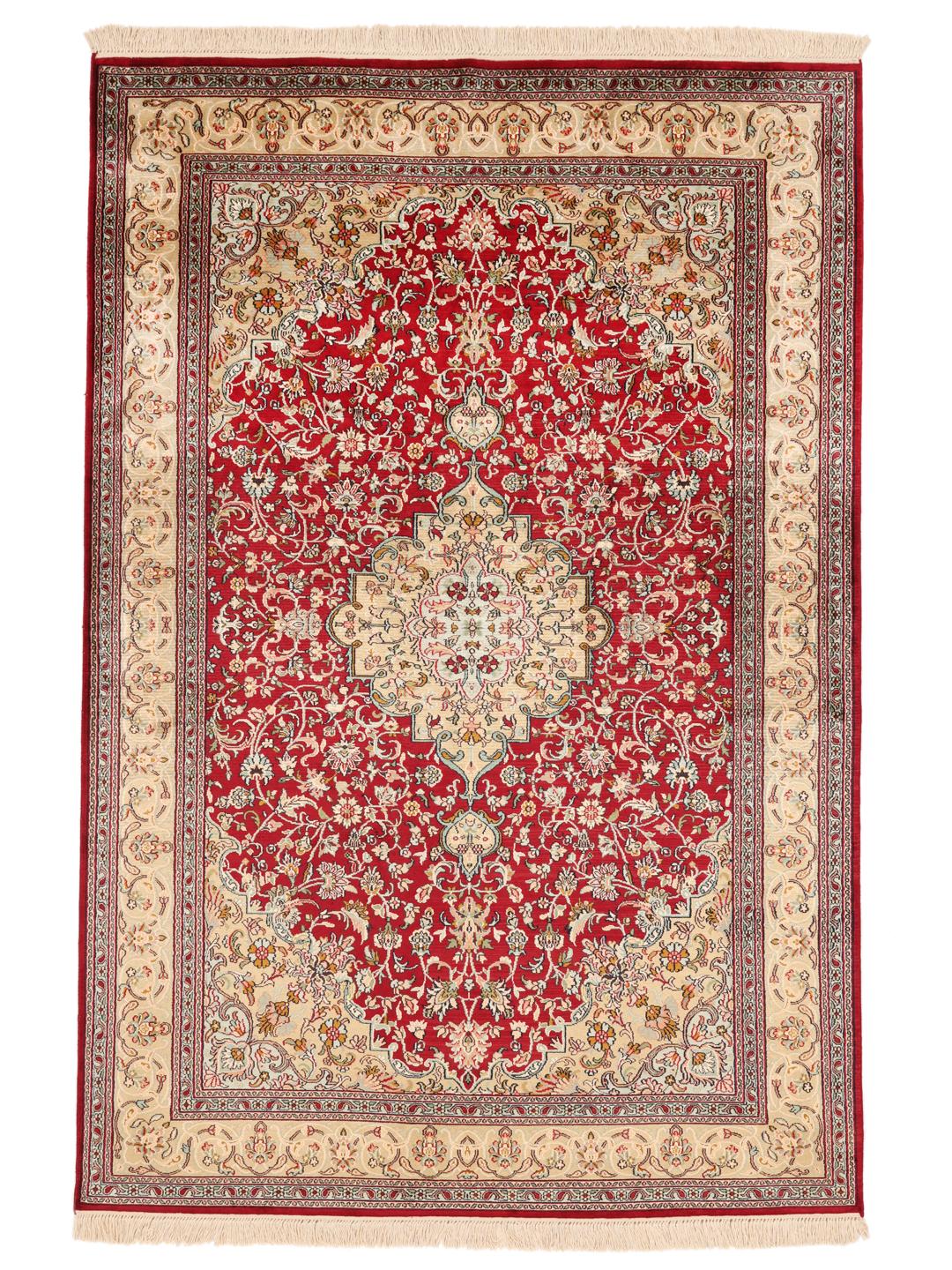
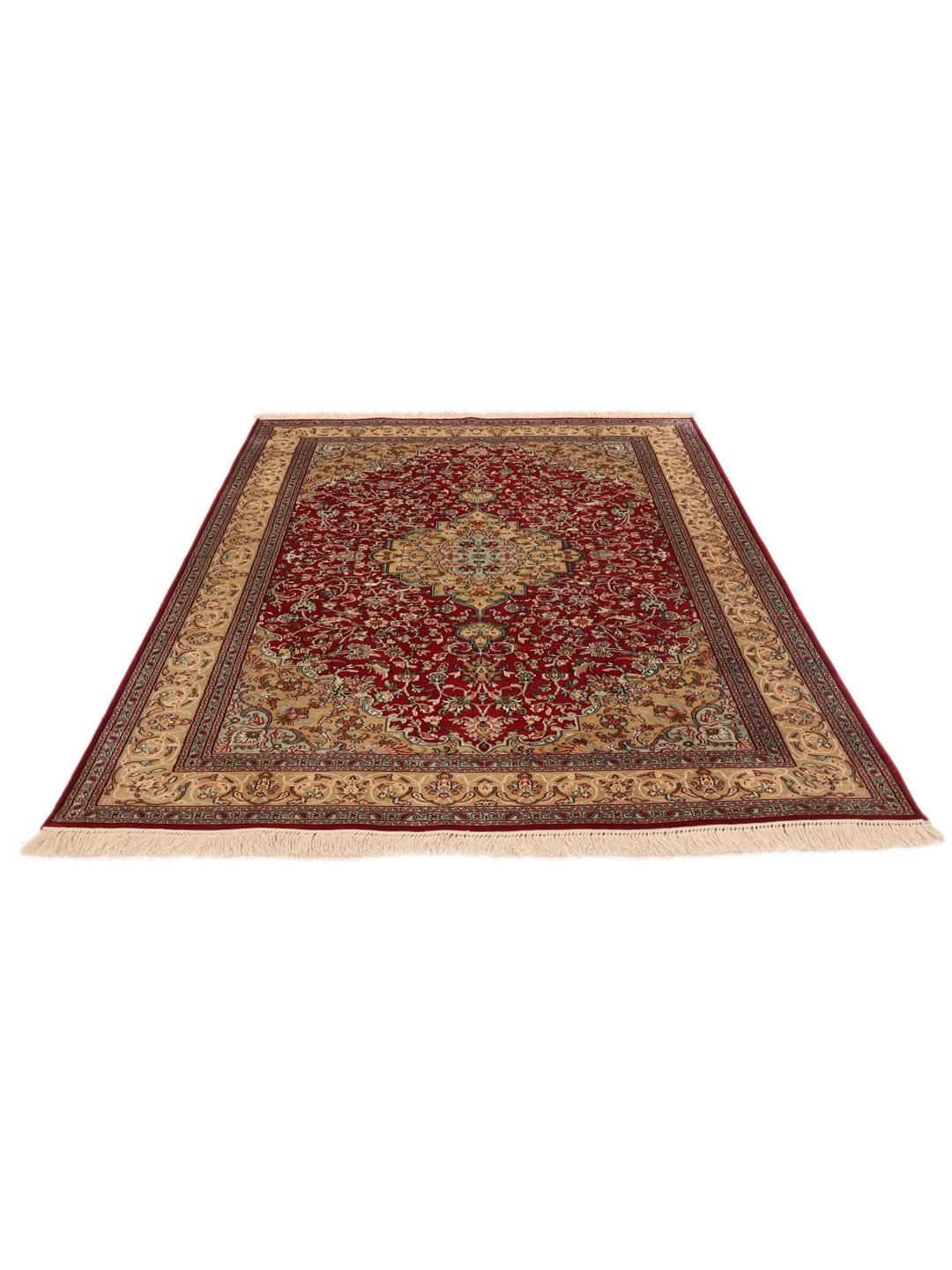
Kashmir rugs originate from the beautiful valley of Kashmir in Northern India, a region with a deep-rooted history of textile artistry. The craft was introduced centuries ago, likely evolving from influences brought along the Silk Road, and has since developed into a distinct tradition known for its fine materials and elaborate designs. These rugs are celebrated for their ability to blend regional artistic sensibilities with a level of refinement that appeals to collectors worldwide.
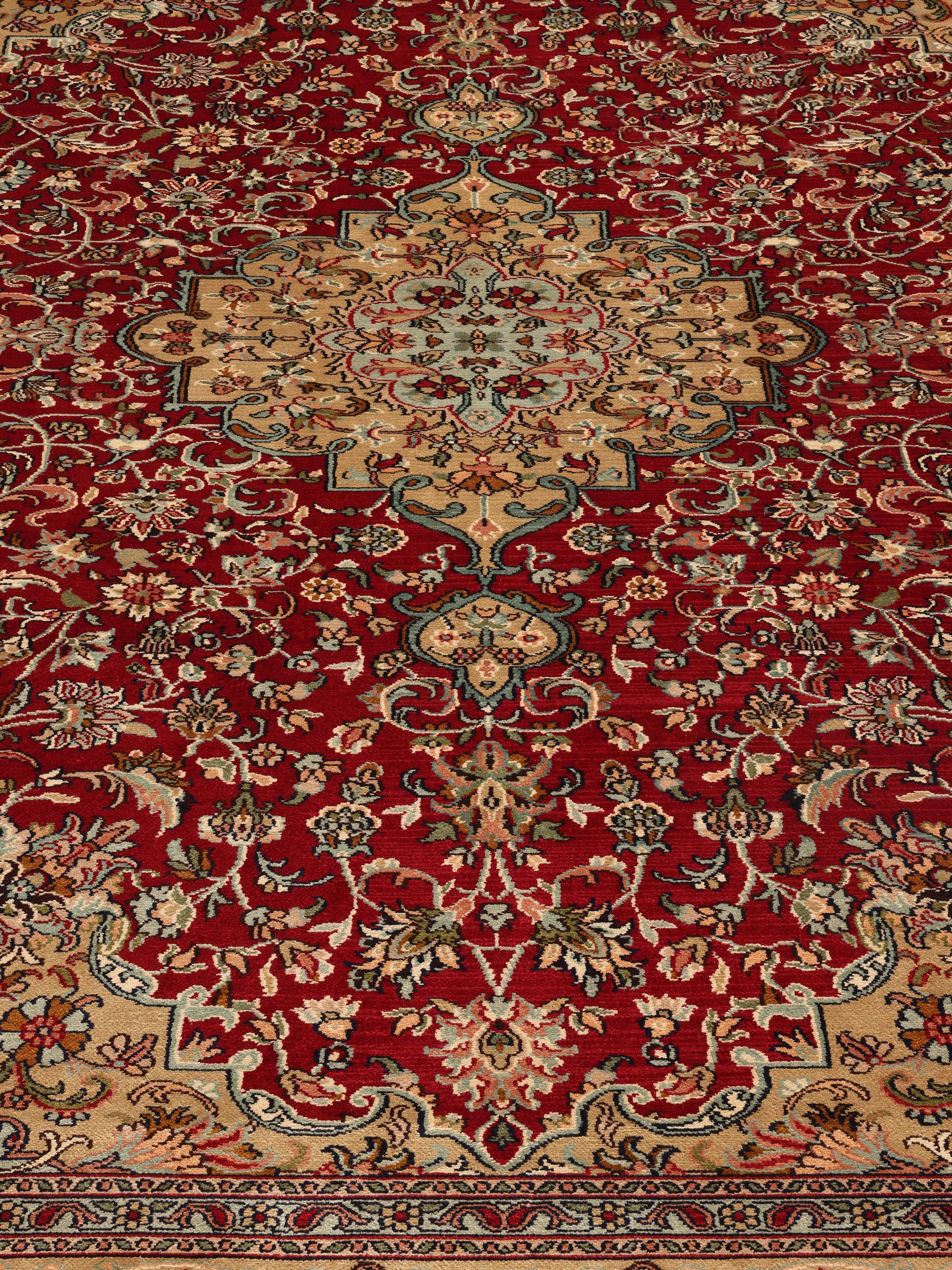
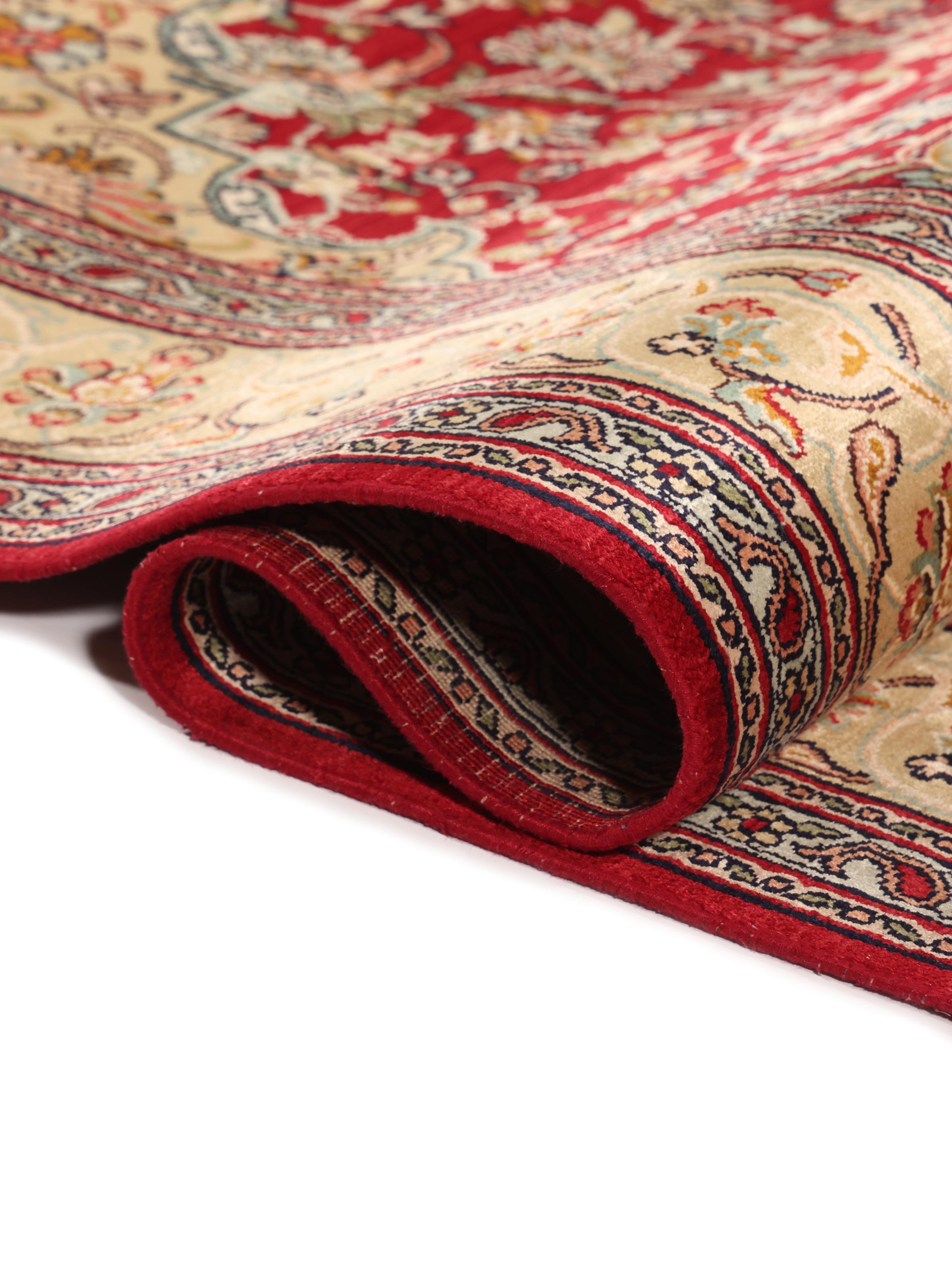
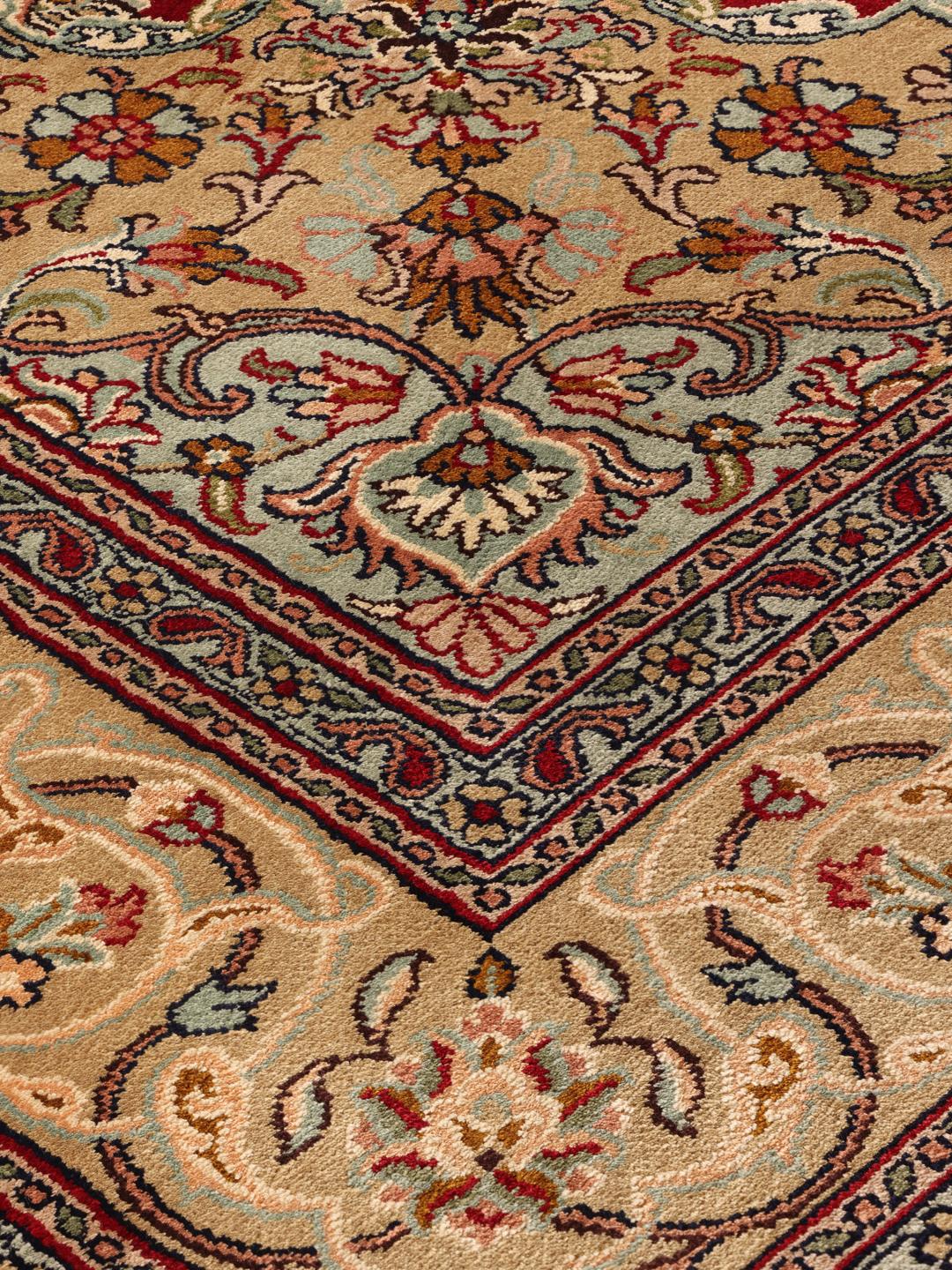
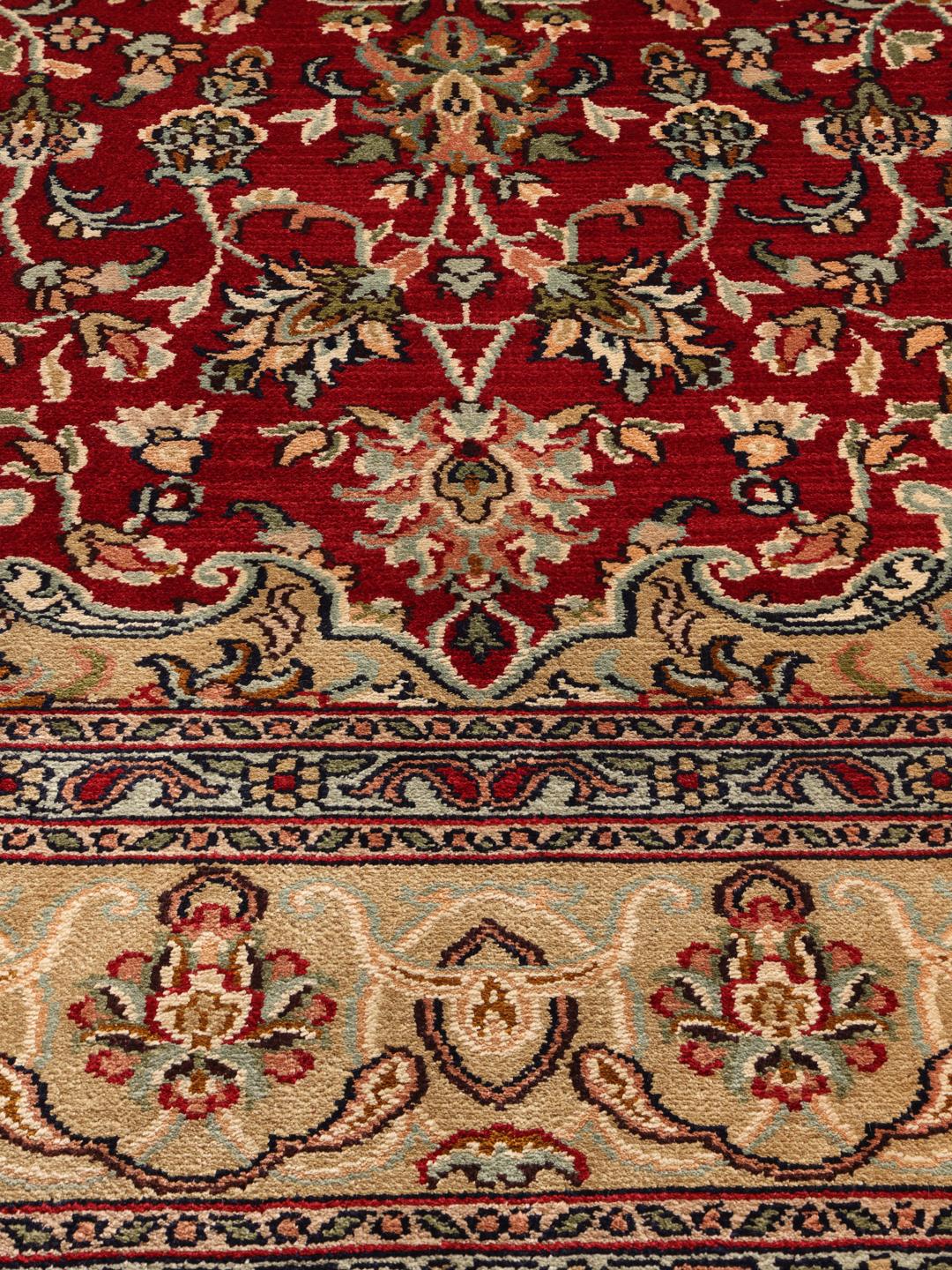
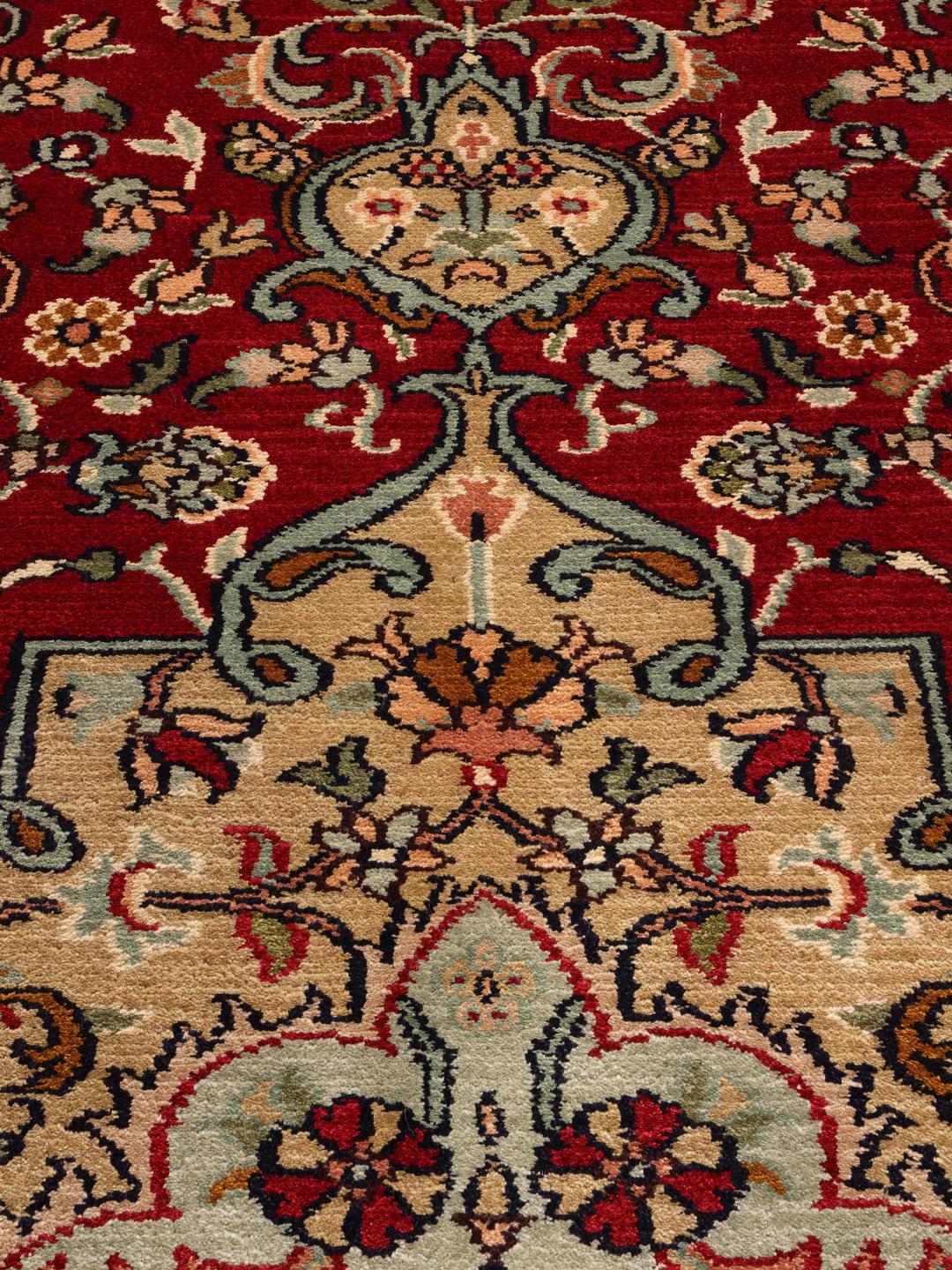
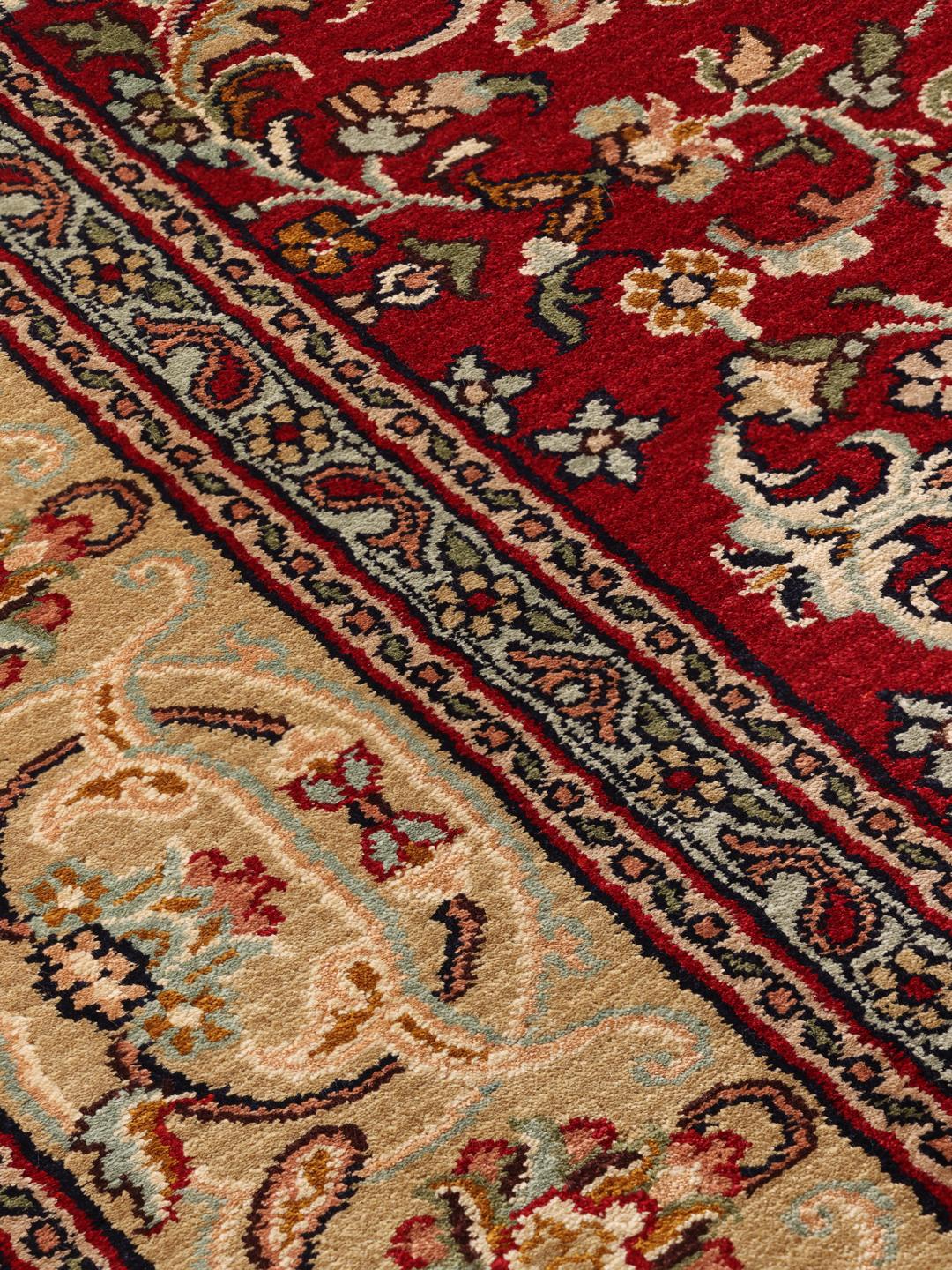
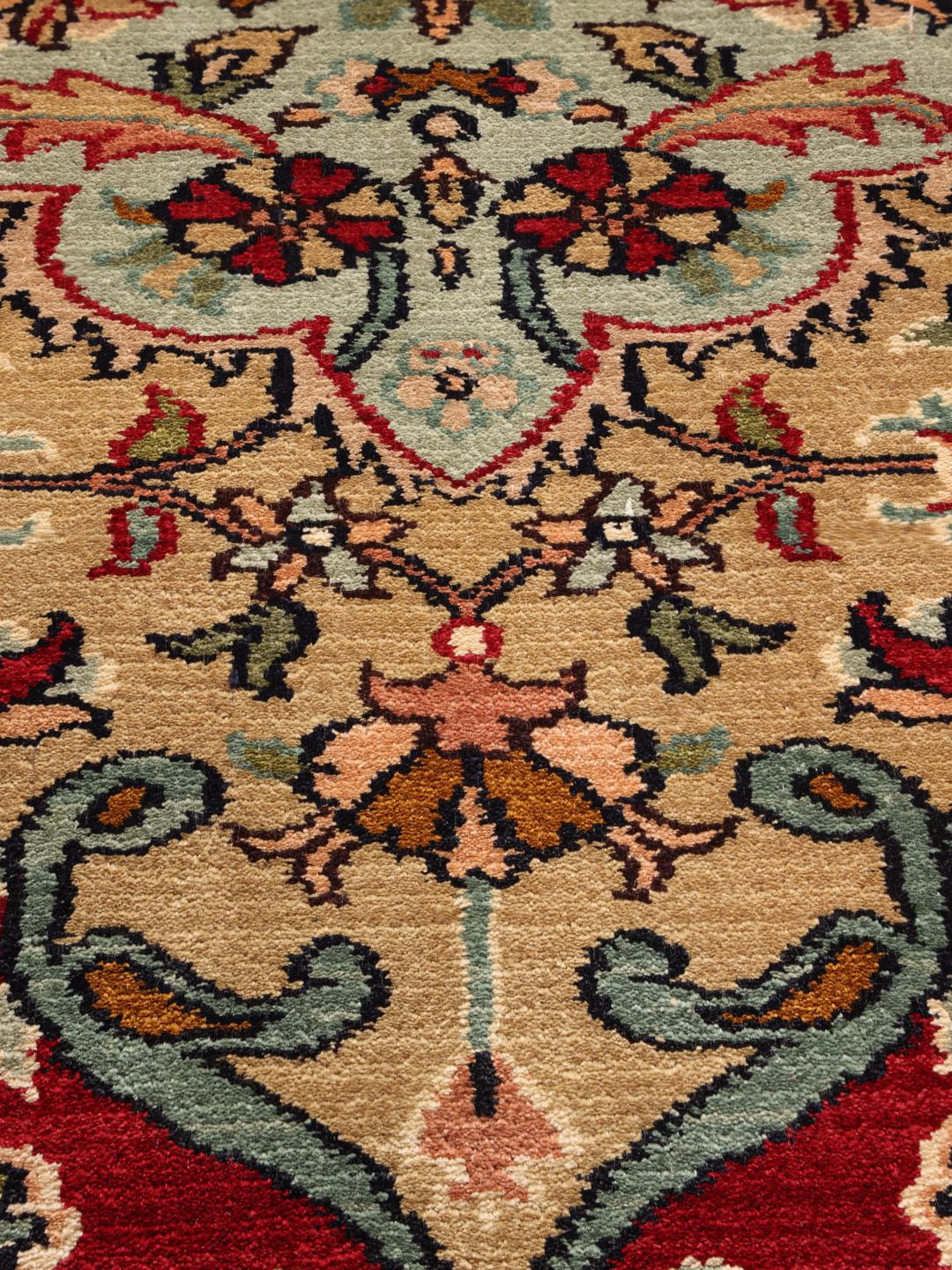
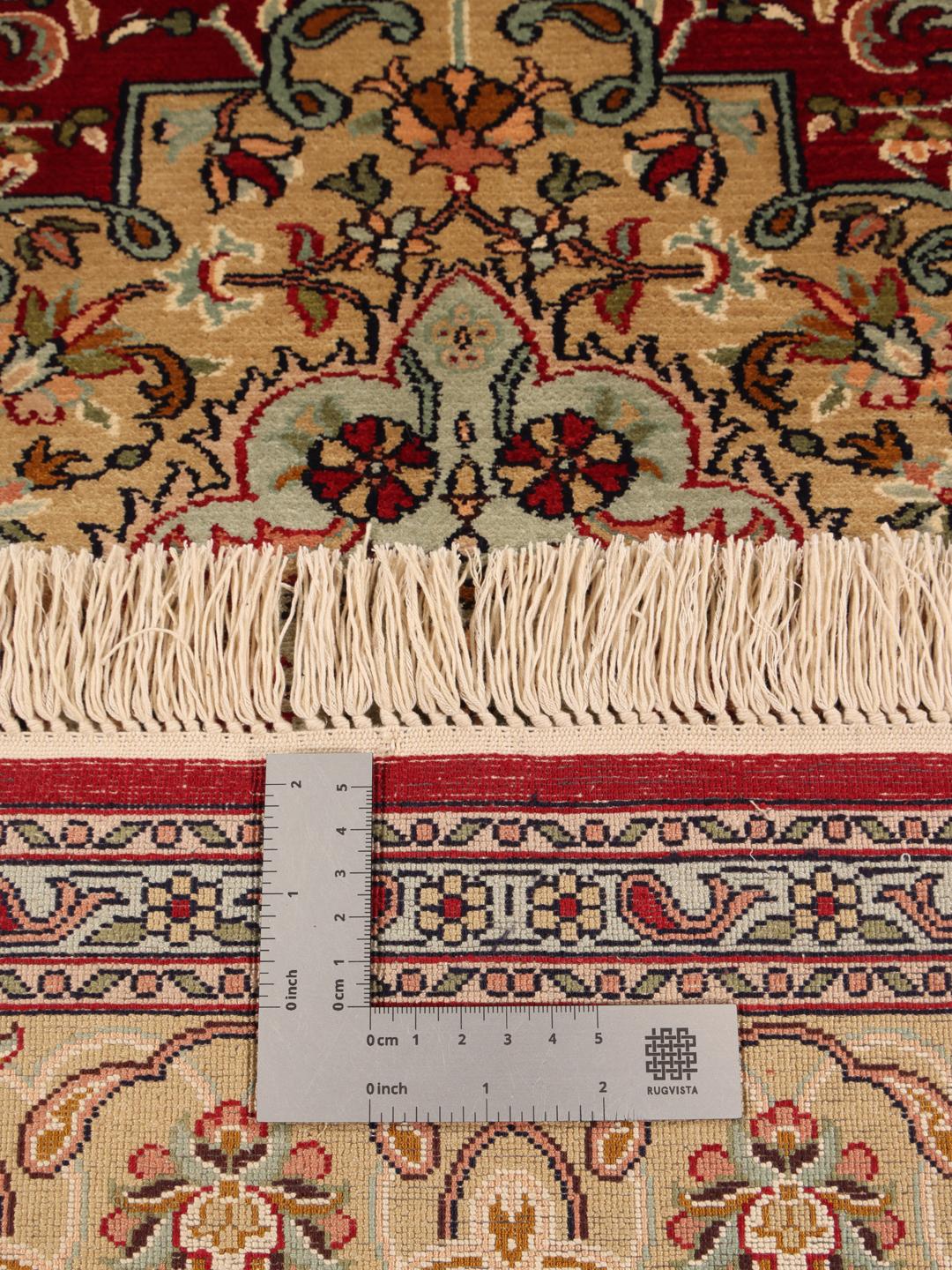
The '24/24' quality designation refers to the specific count of knots across the warp and weft, a technical standard that dictates the fineness of the finished piece. By using a higher knot count, artisans are able to achieve intricate, curvilinear designs and extremely detailed floral patterns that would be impossible to replicate with coarser weaving styles. This technical precision is what gives these rugs their signature sharp, elegant appearance.
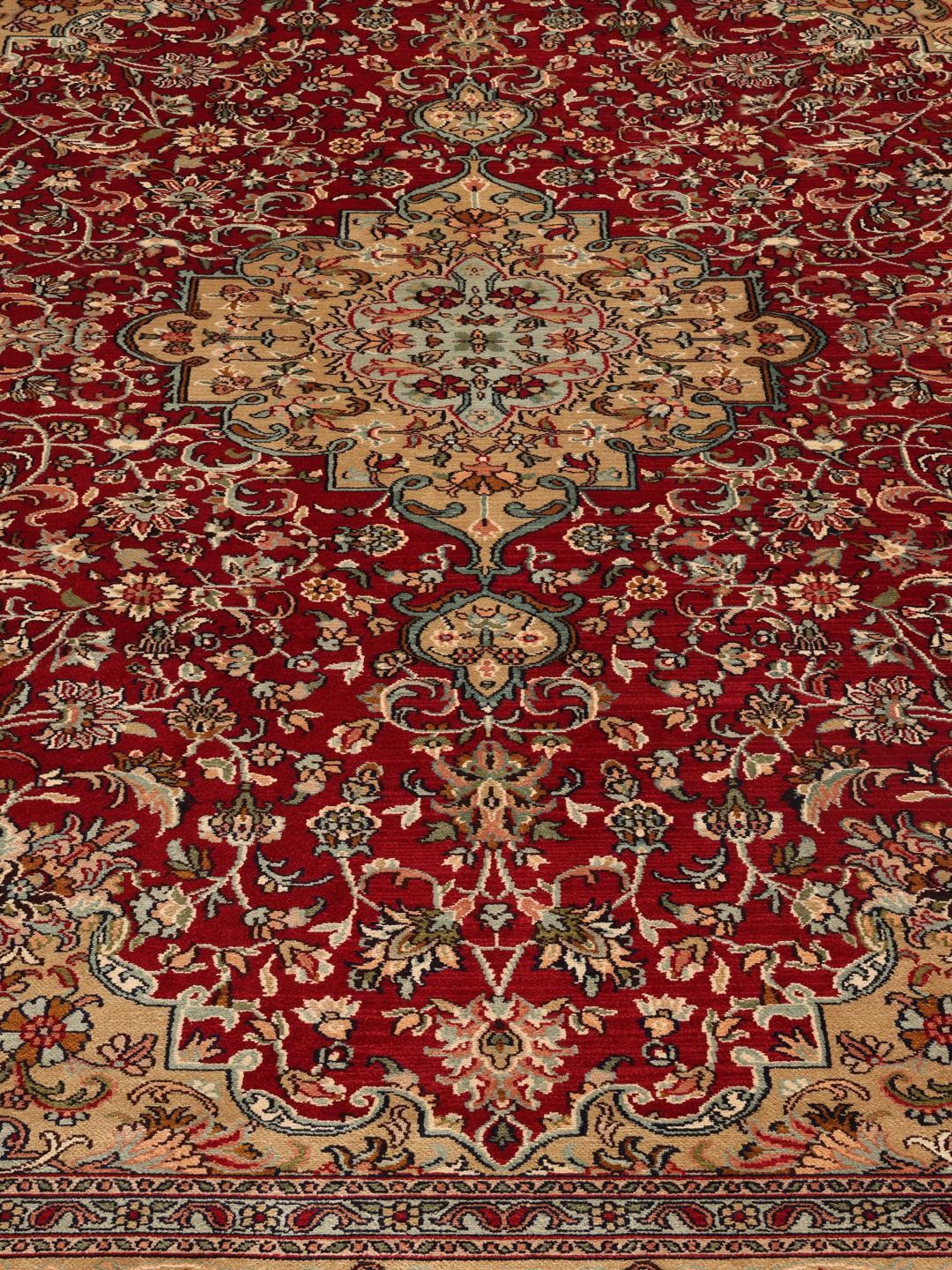
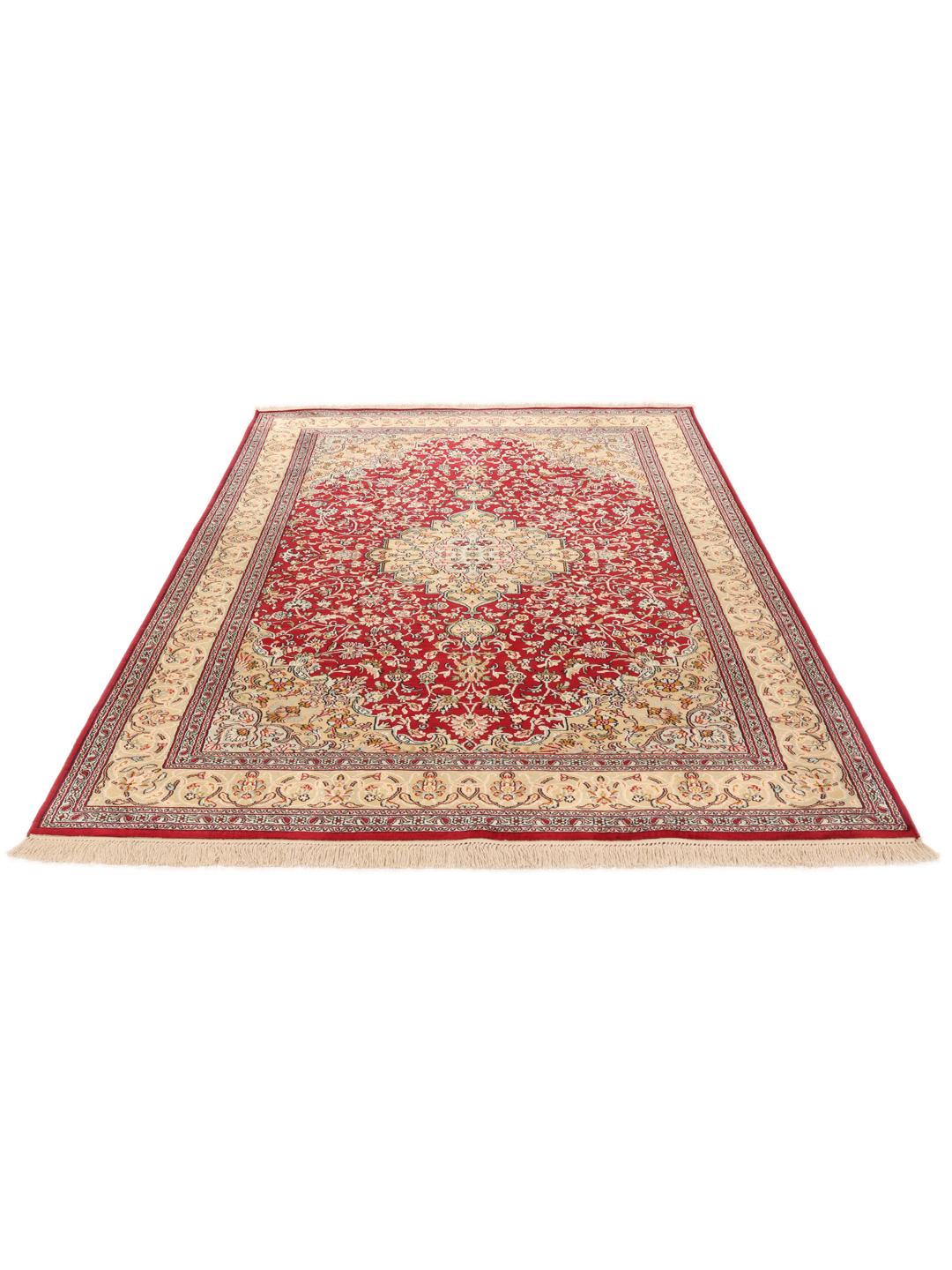
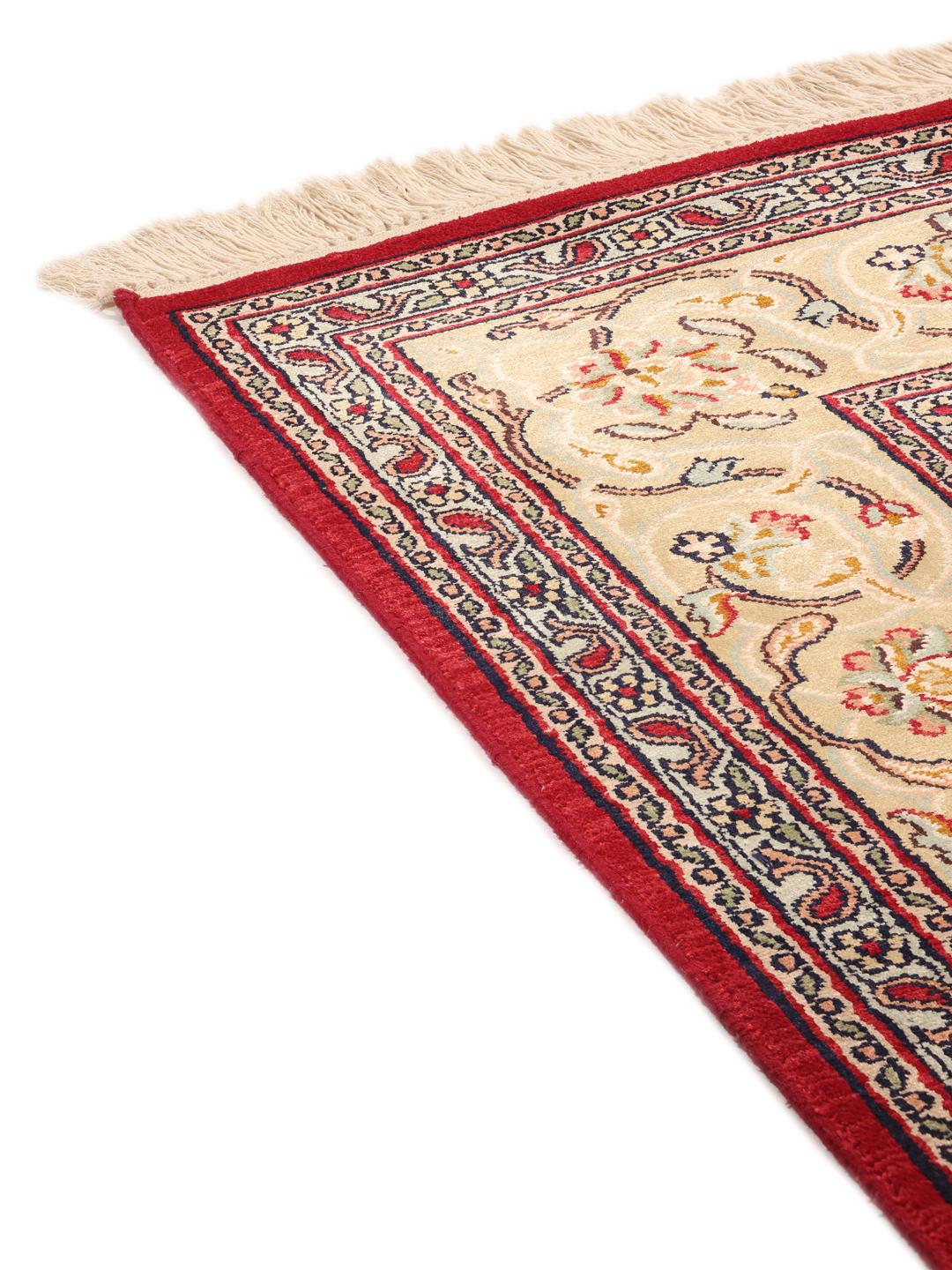
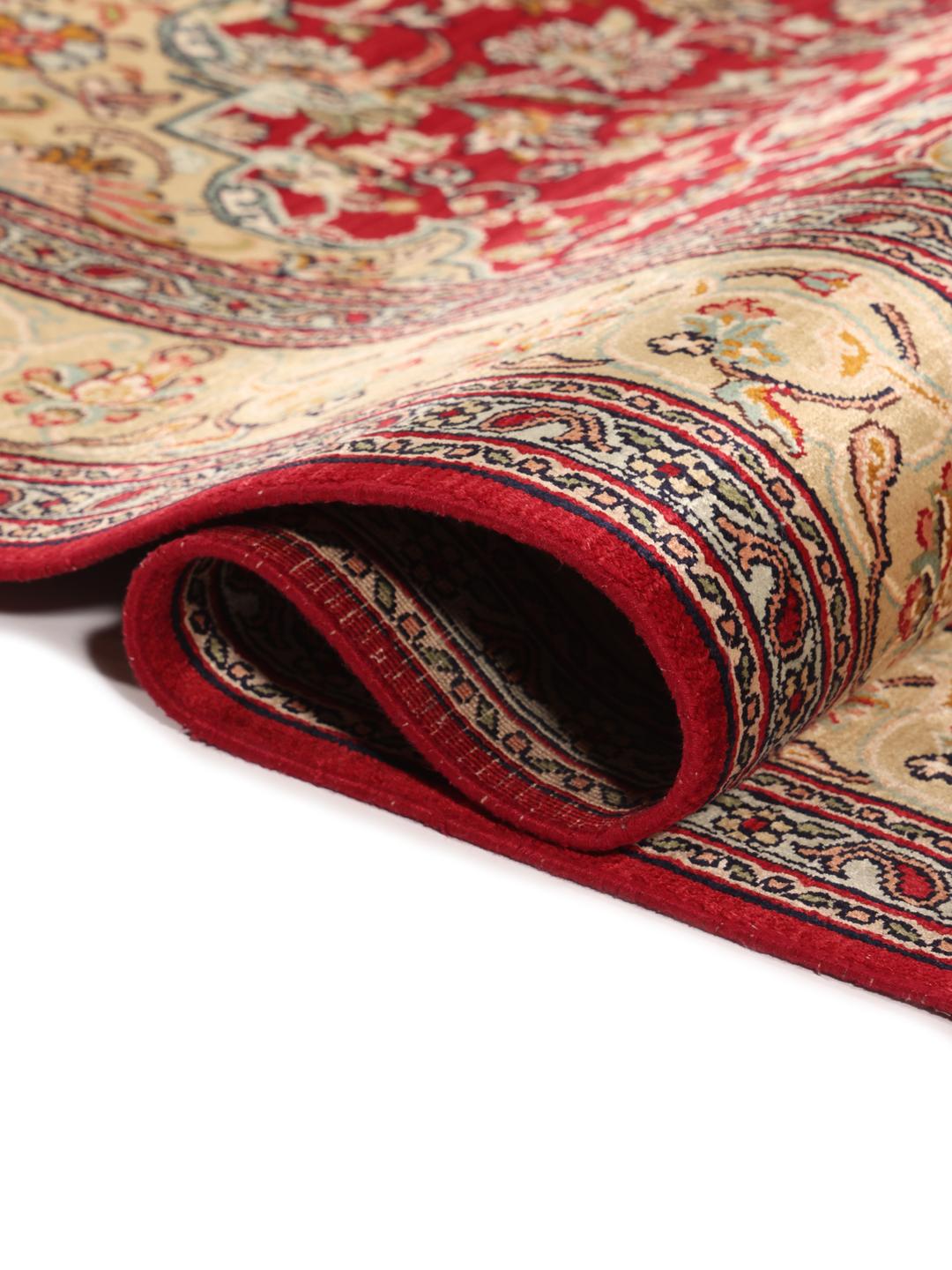
Visually, Kashmir rugs are defined by their sophisticated floral vocabulary, often featuring chinar leaves, paisley motifs, and complex central medallions. These designs are frequently rendered in a palette that highlights the sheen of the silk, with borders that frame the field in a formal, balanced manner. The use of silk as the primary material is a hallmark of this tradition, chosen for its ability to hold vibrant dyes and provide a luxurious, luminous surface.
Today, these rugs are highly valued for their contribution to the global history of hand-knotted textiles. Owning a Kashmir silk rug is an opportunity to preserve a craft that requires a lifetime of dedication to master. It represents a commitment to heritage and skill, serving as a reminder of the cultural significance inherent in every hand-tied knot.