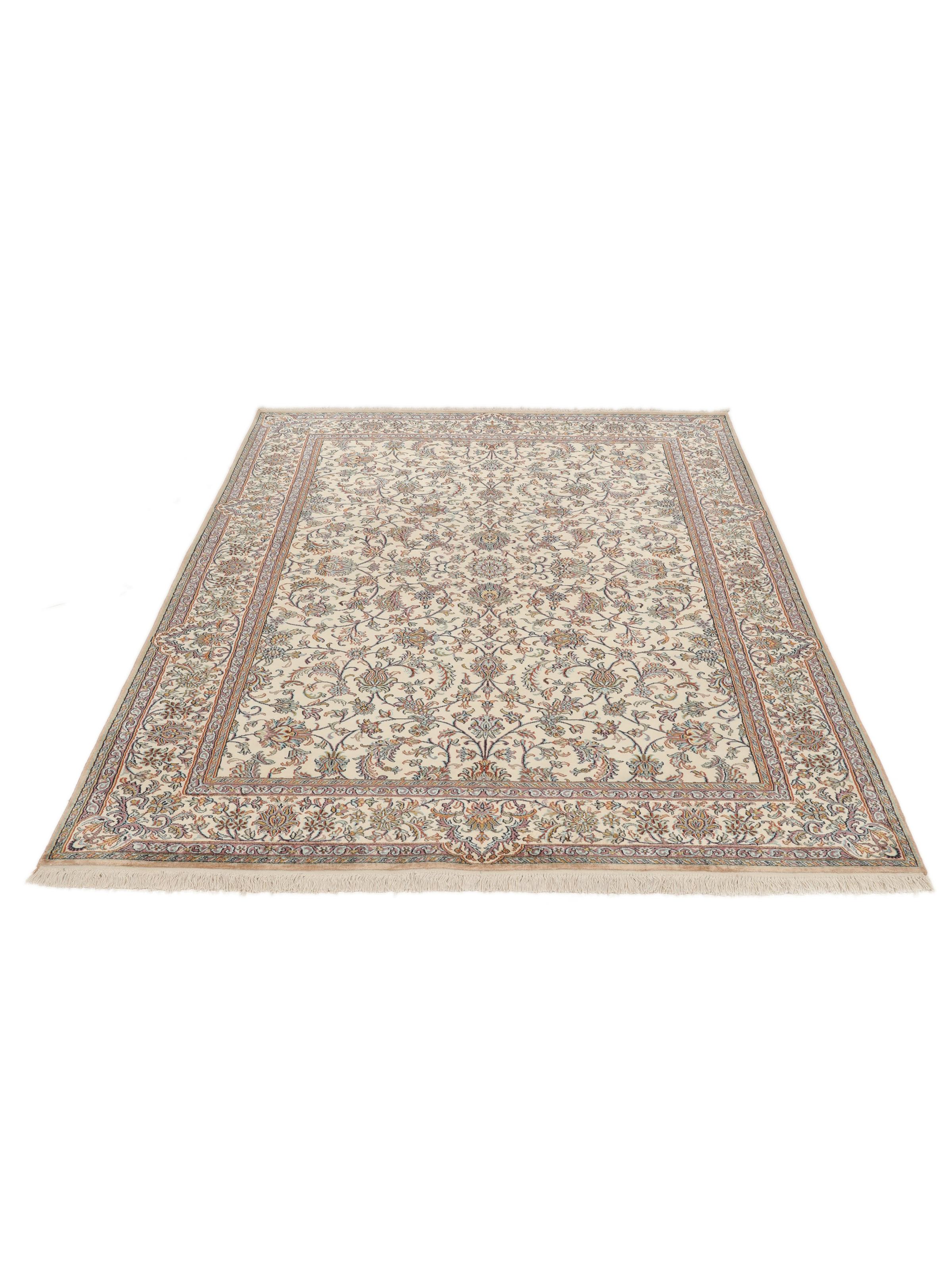
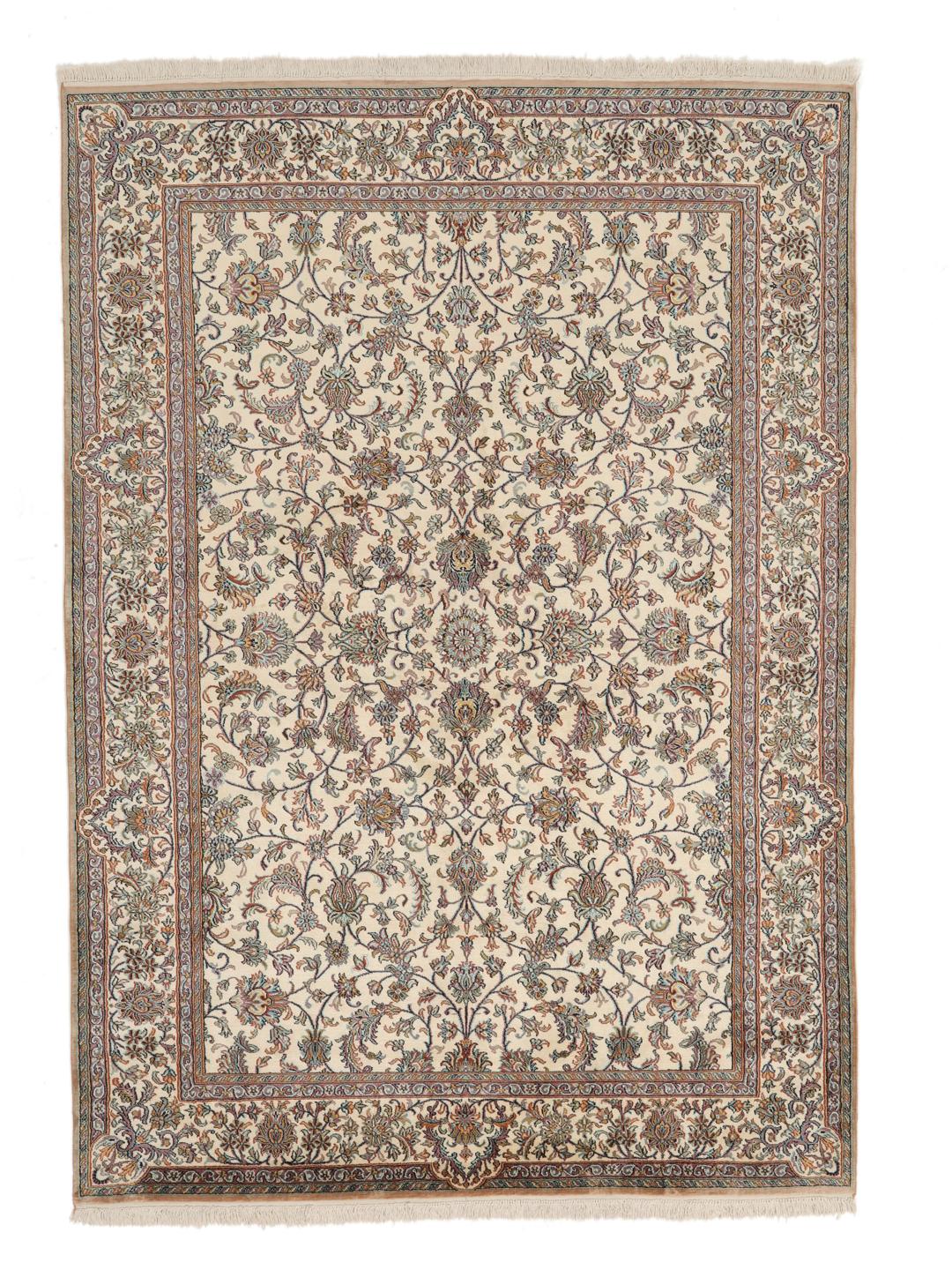
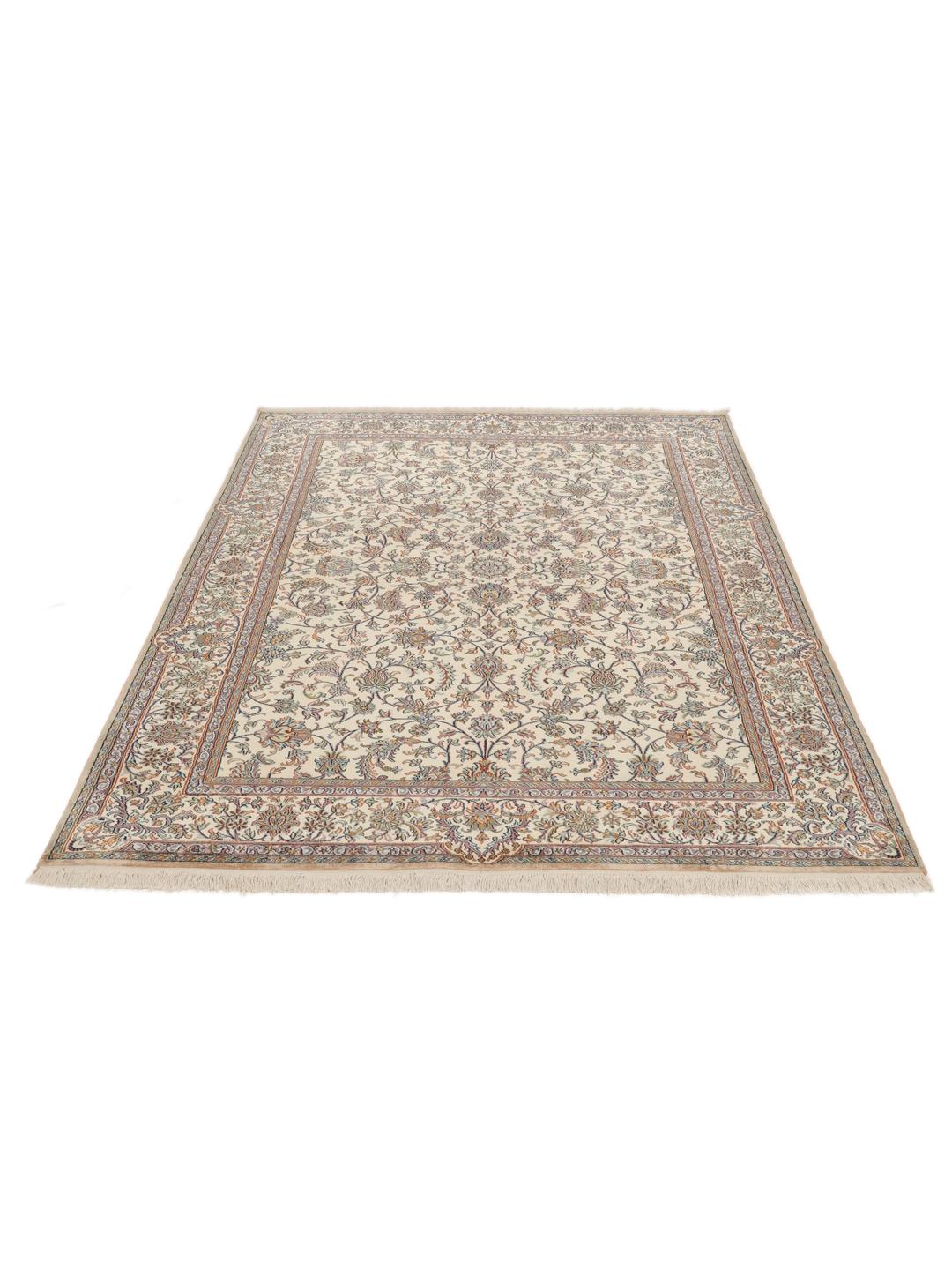
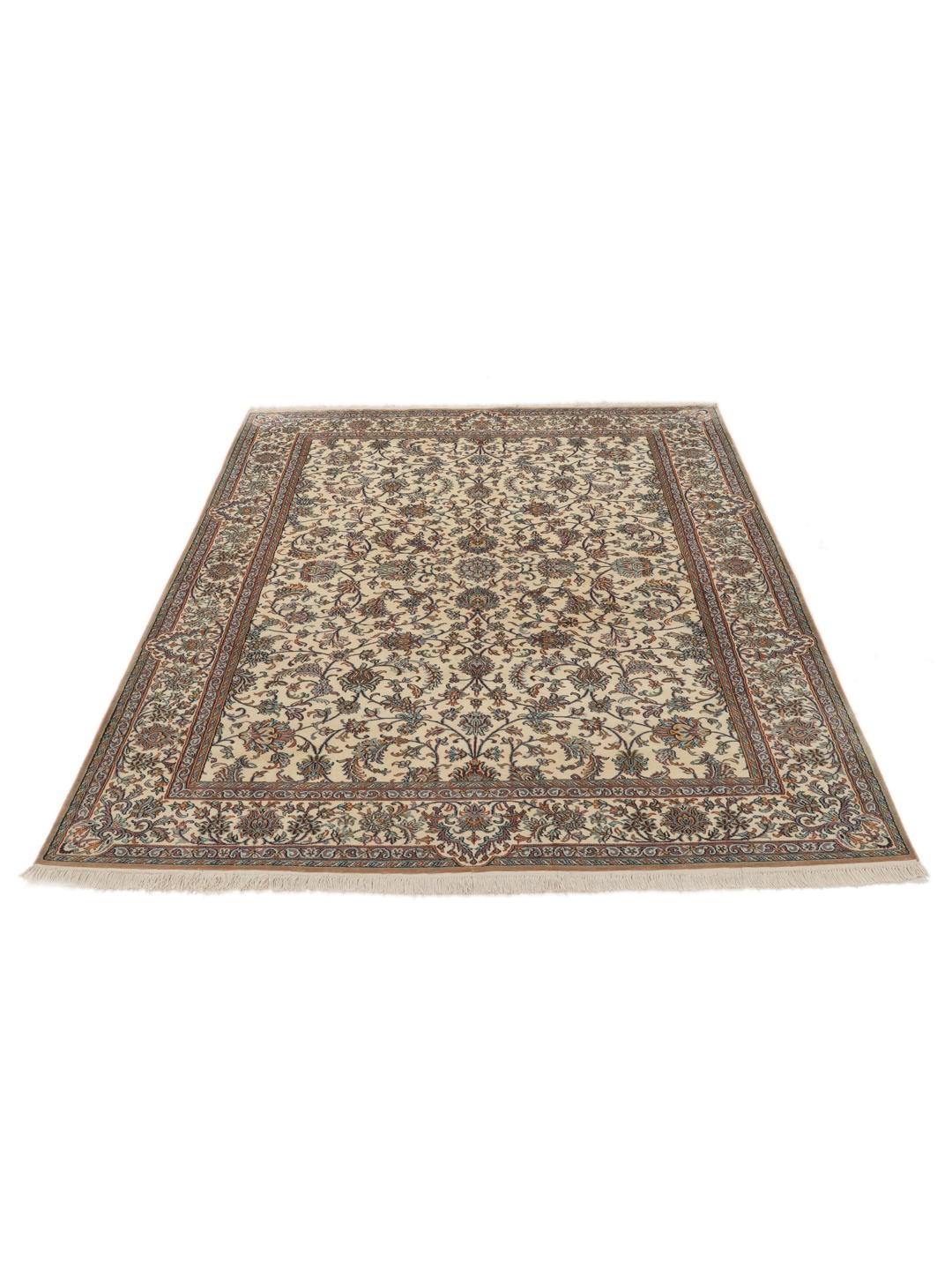
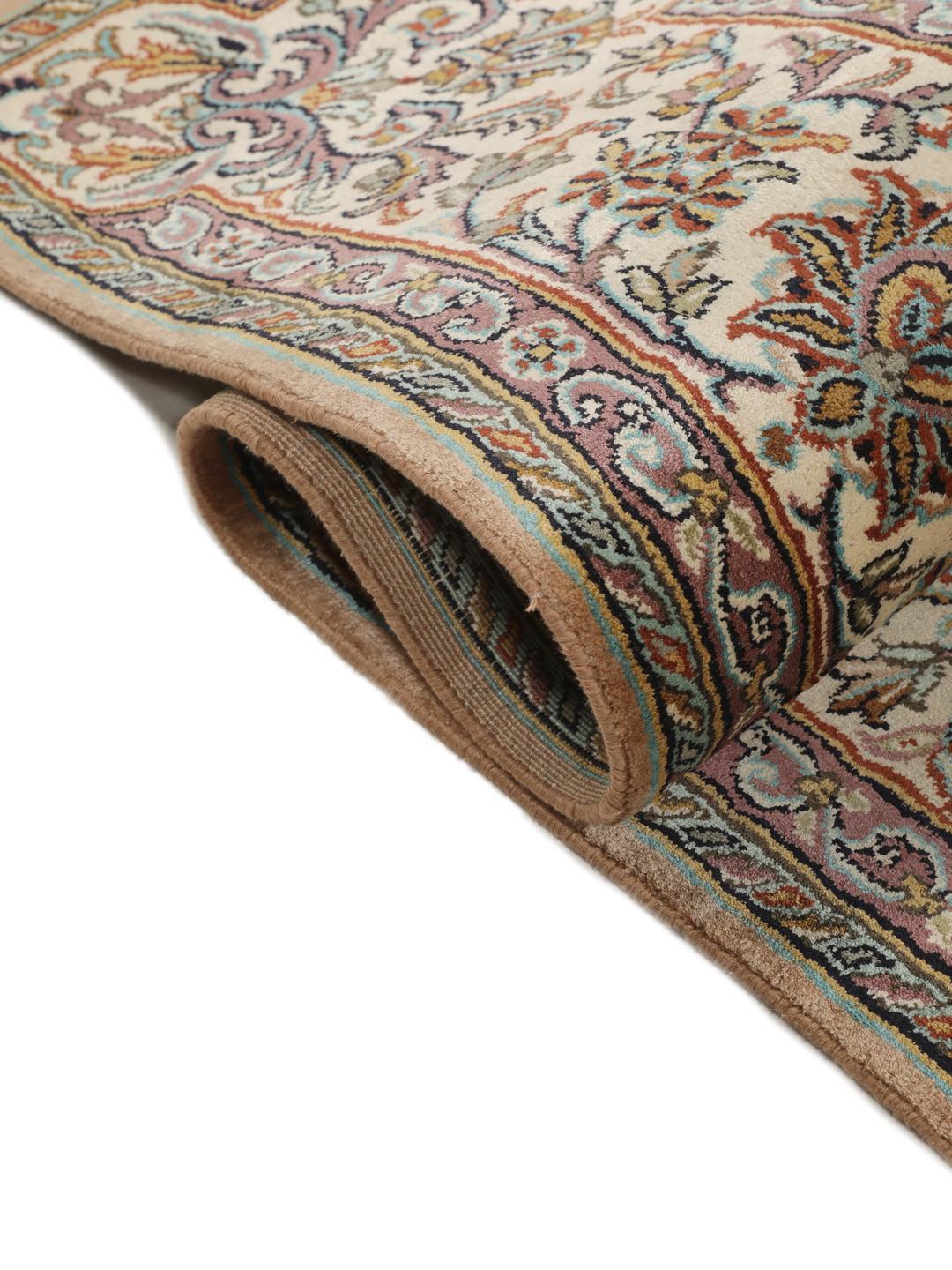
Kashmir silk rugs are celebrated globally as some of the finest examples of textile art, tracing their origins back to the lush valleys of northern India. The tradition of weaving in this region was heavily influenced by the cultural exchange along the ancient trade routes, merging local Indian aesthetics with motifs and techniques brought from the Middle East. Over centuries, these influences blended to create a distinct style characterised by its breathtaking detail and reliance on high-quality natural materials.
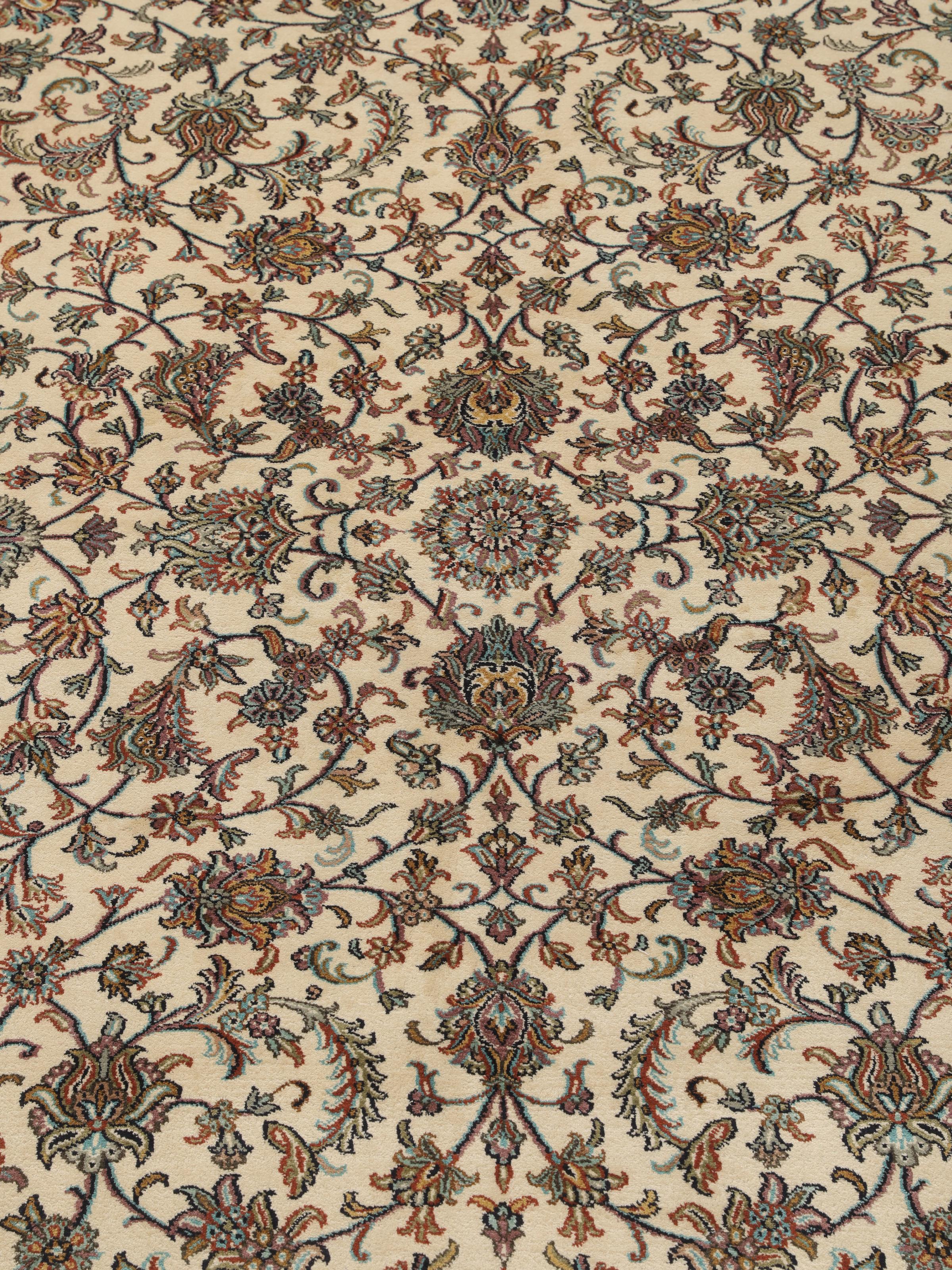
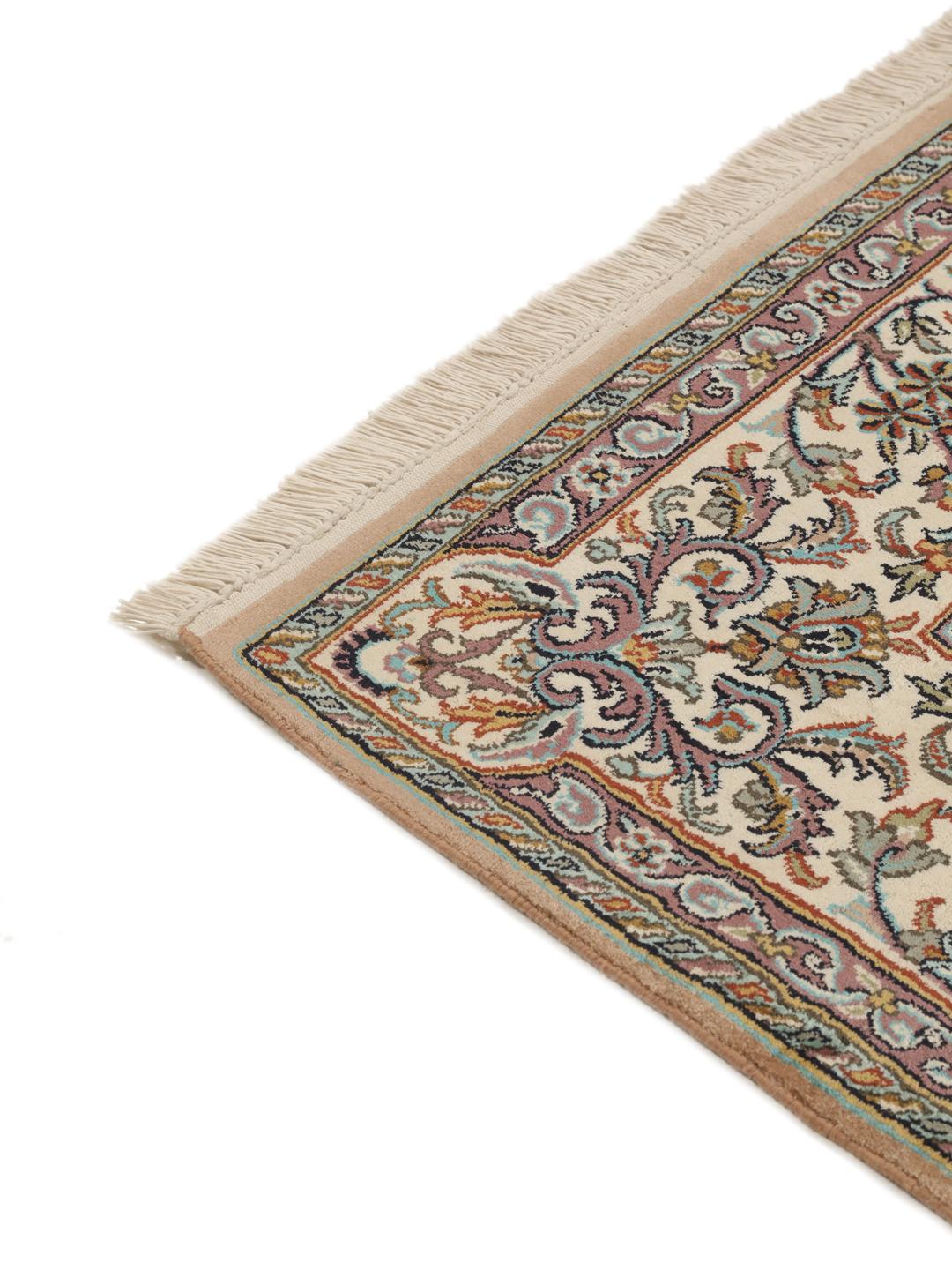
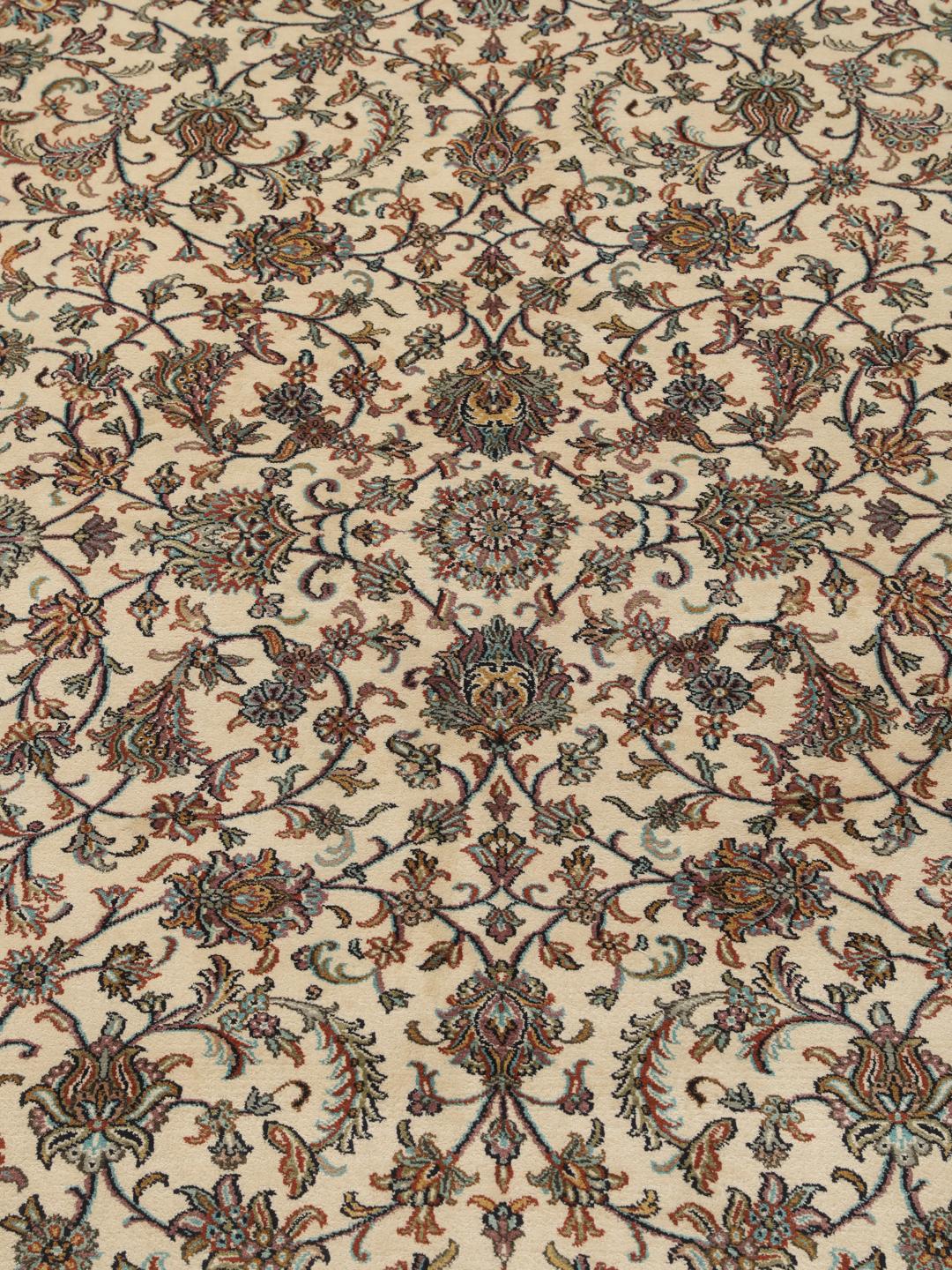
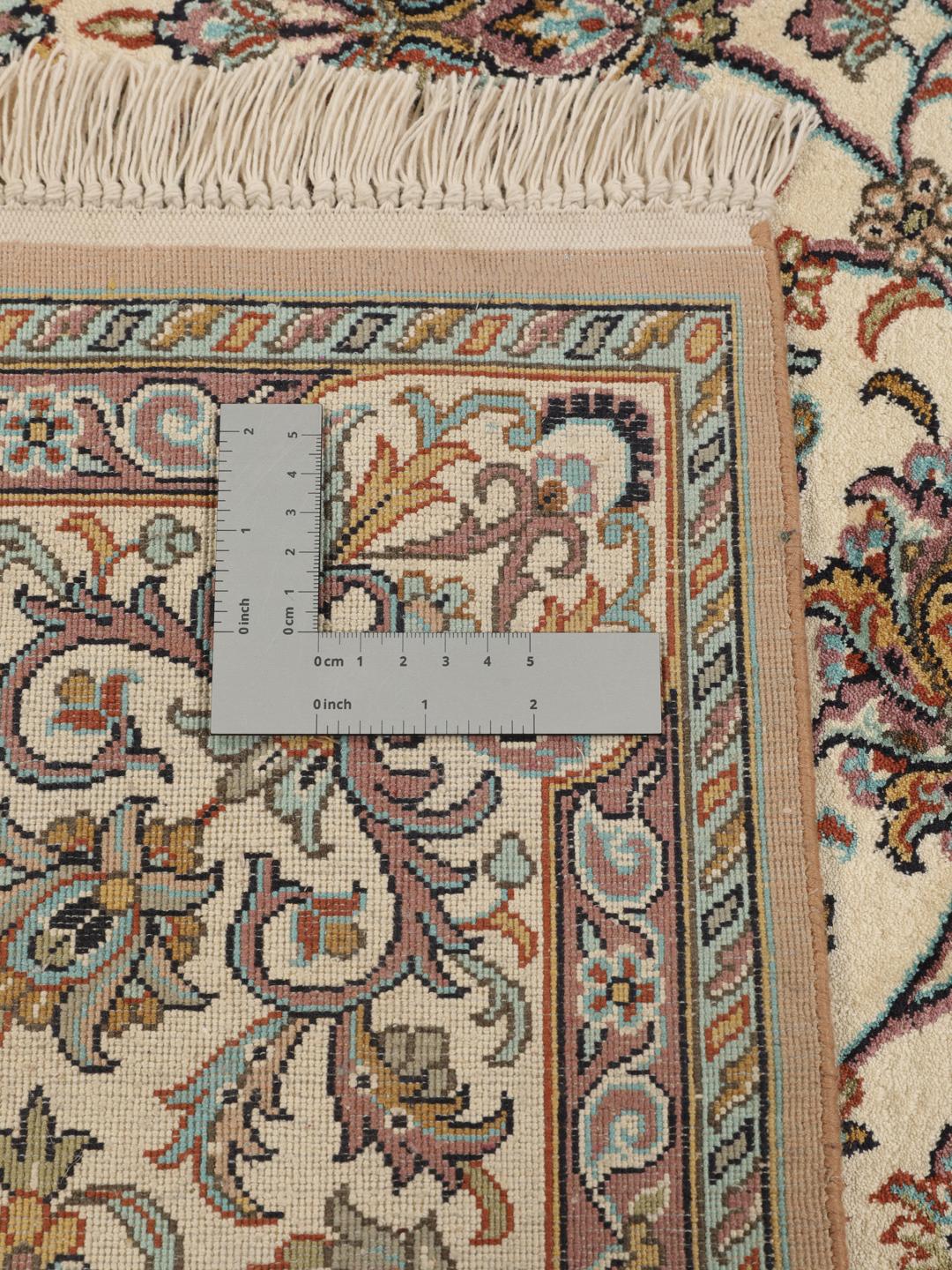
The term Kashmir silk refers to the specific, high-lustre silk fibres used to create these pieces, which are prized for their strength and ability to hold intricate dyes. Unlike coarser materials, silk allows for a much finer weave, enabling artisans to execute complex, curvilinear floral patterns that would be impossible to achieve with thicker wool. This technical capability is what gives these rugs their signature delicate, painterly appearance.
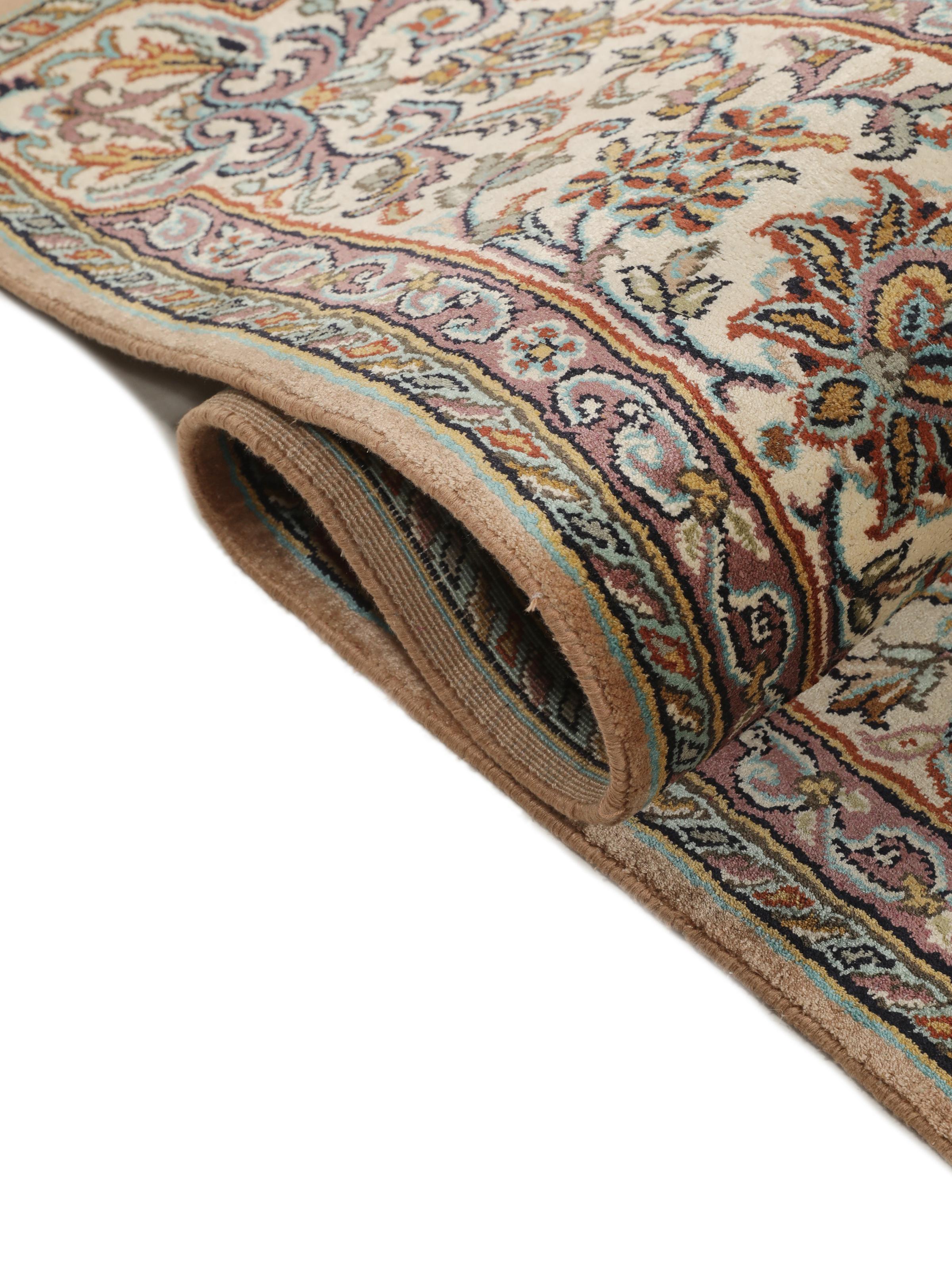
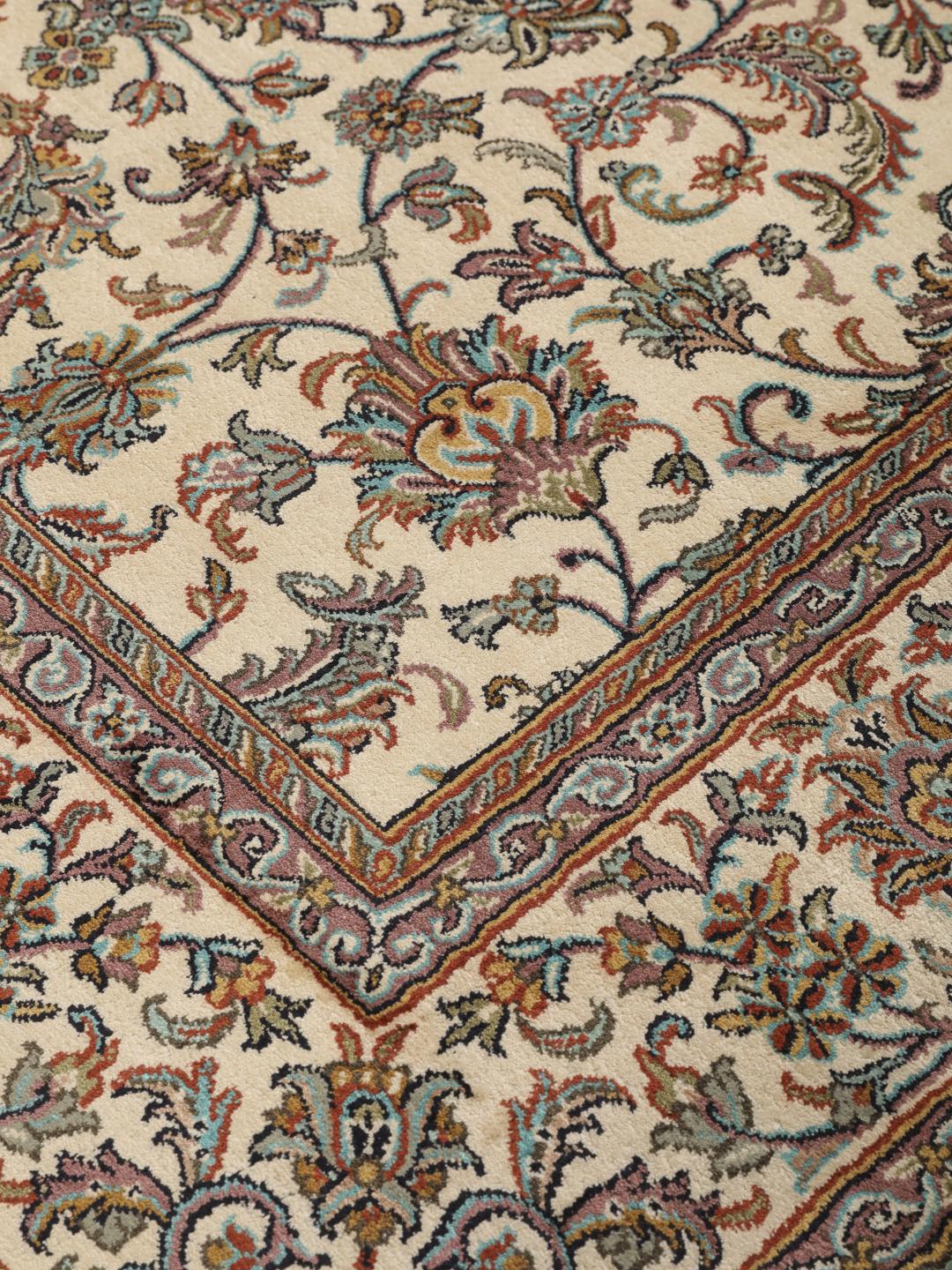
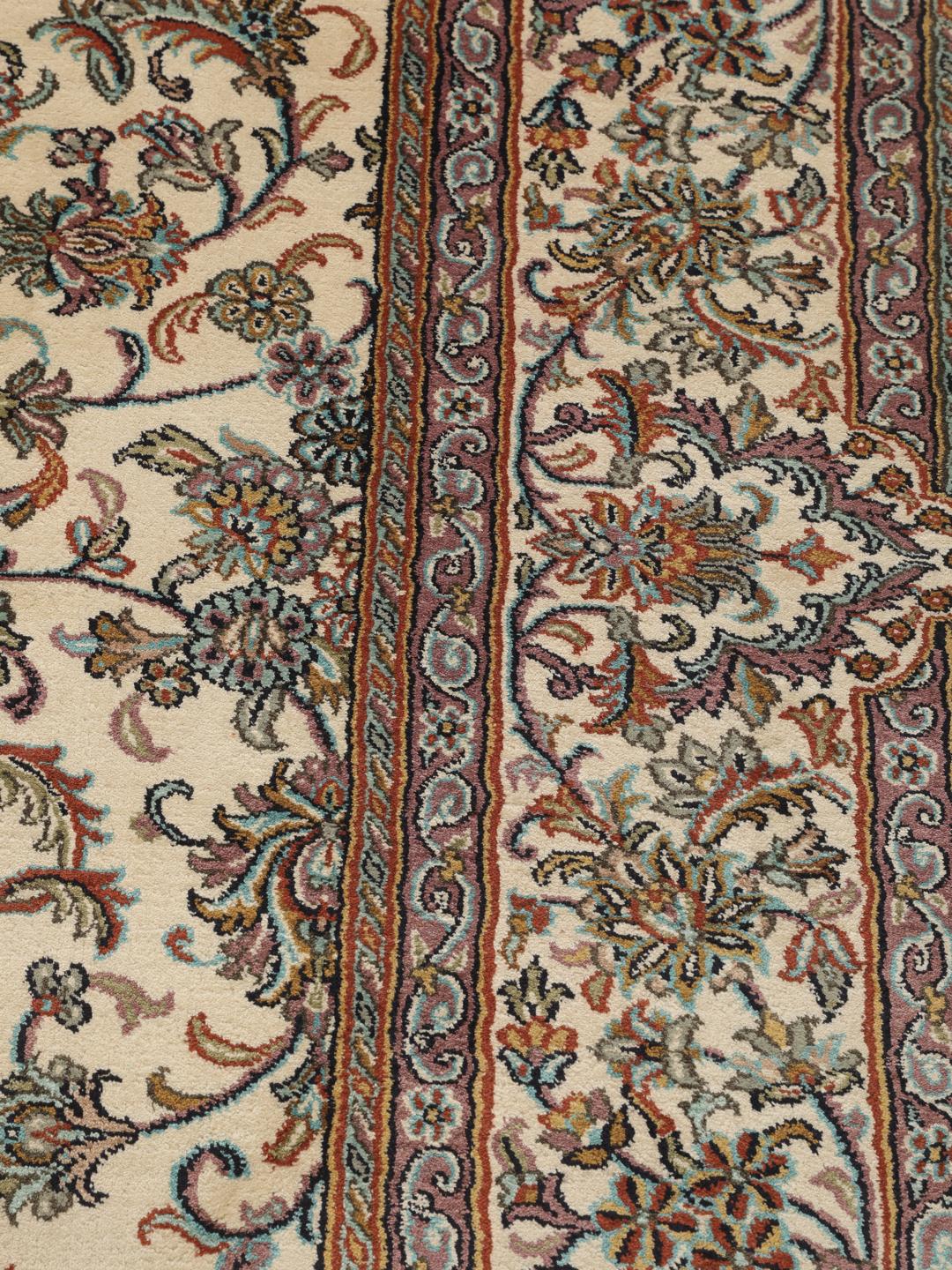
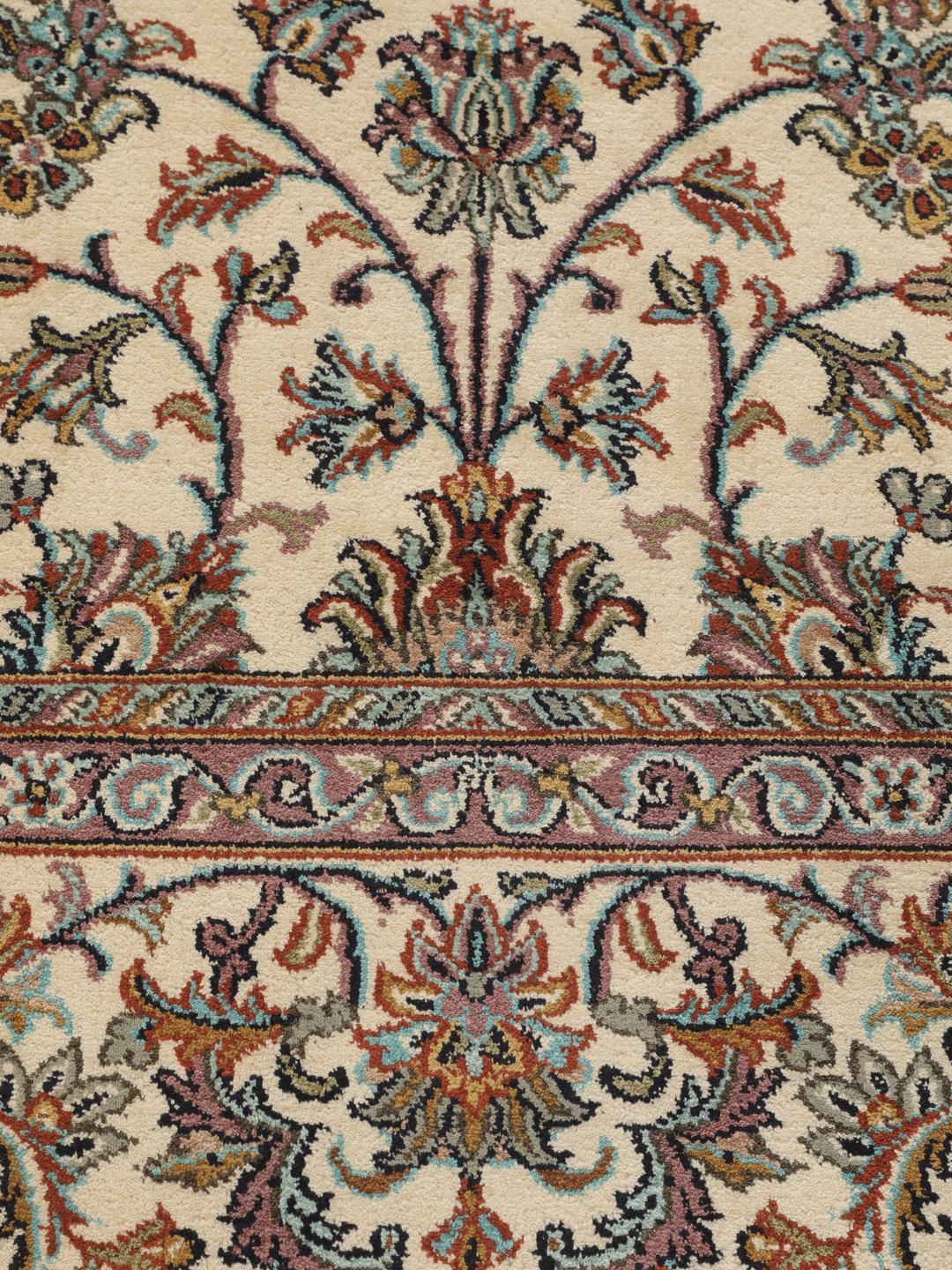
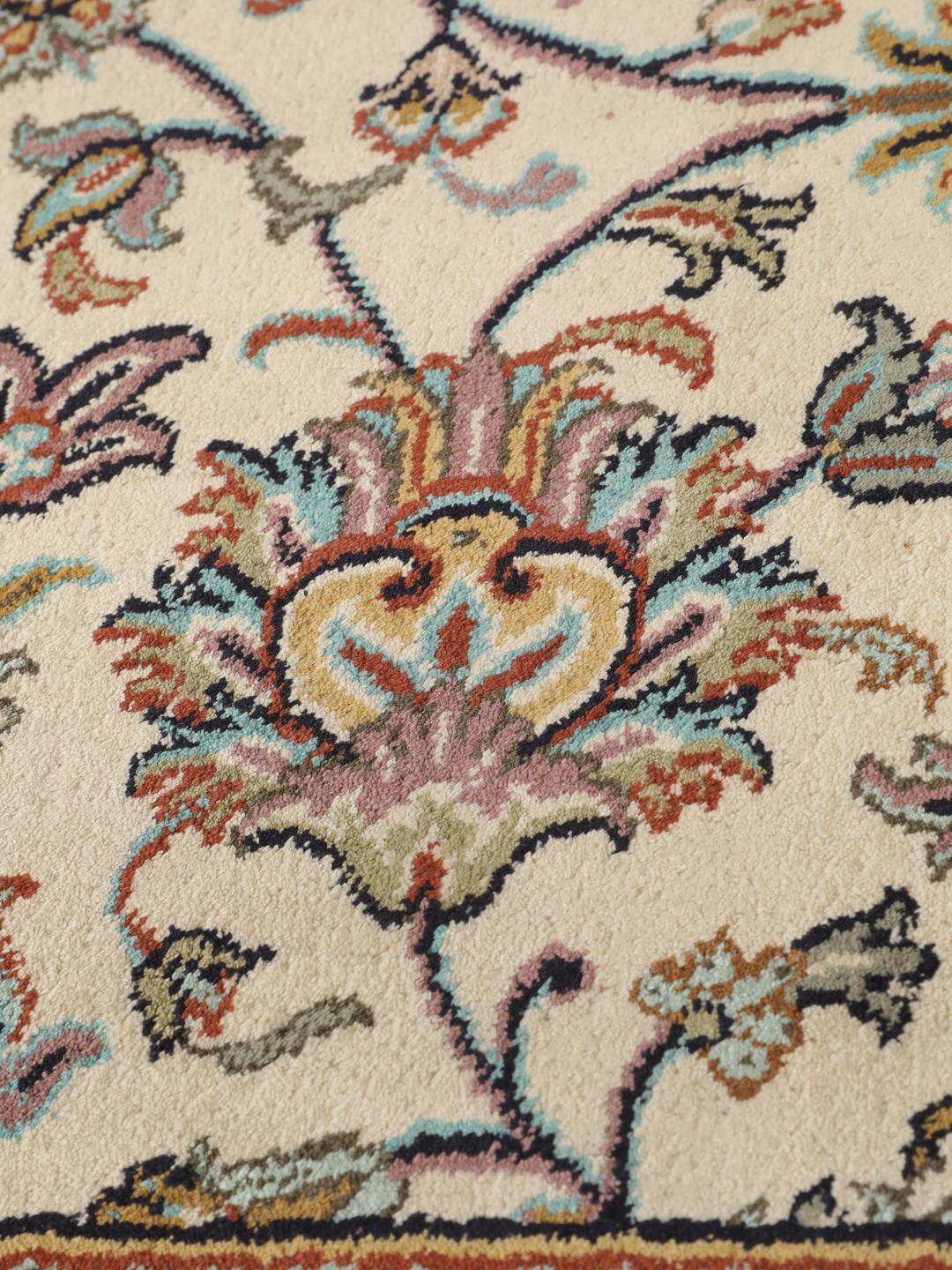
Signature design elements often include the intricate floral 'tree of life' or 'all-over' floral patterns, which represent nature and abundance. The borders are typically filled with ornate, scrolling vines and blossoms that frame the central field, providing a sense of containment and balance. Such motifs are not merely decorative but are deeply symbolic, often reflecting the natural beauty of the Himalayan landscape that surrounds the weaving communities.
Owning a Kashmir silk rug is a significant acquisition, as these pieces are regarded as heirlooms that carry the weight of a long-standing craft tradition. Collectors value them for their extreme skill, the rarity of their patterns, and the enduring quality of the silk. By choosing a piece like this, you are preserving a legacy of artistic excellence and connecting your home to a rich history of human creativity.