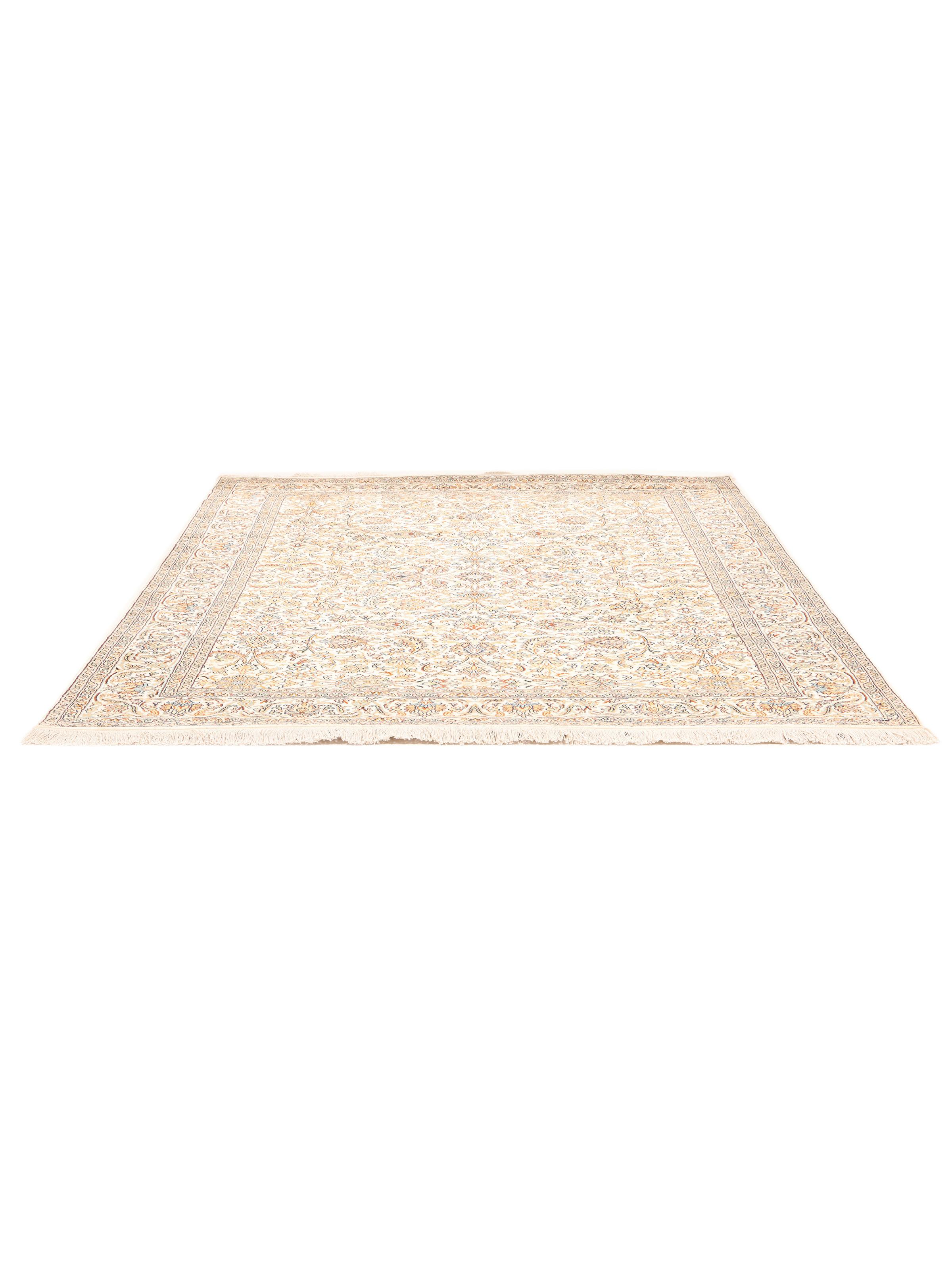
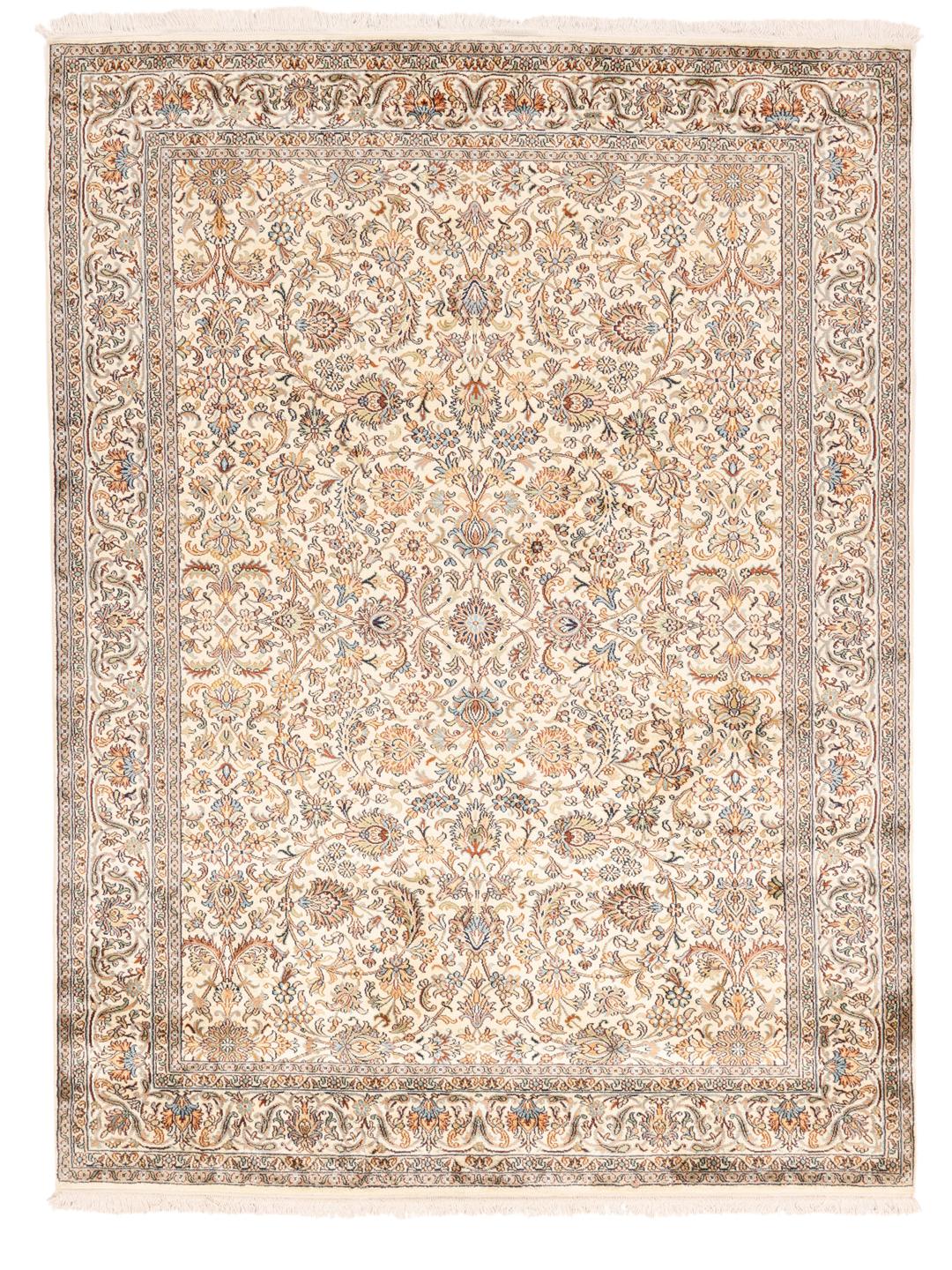
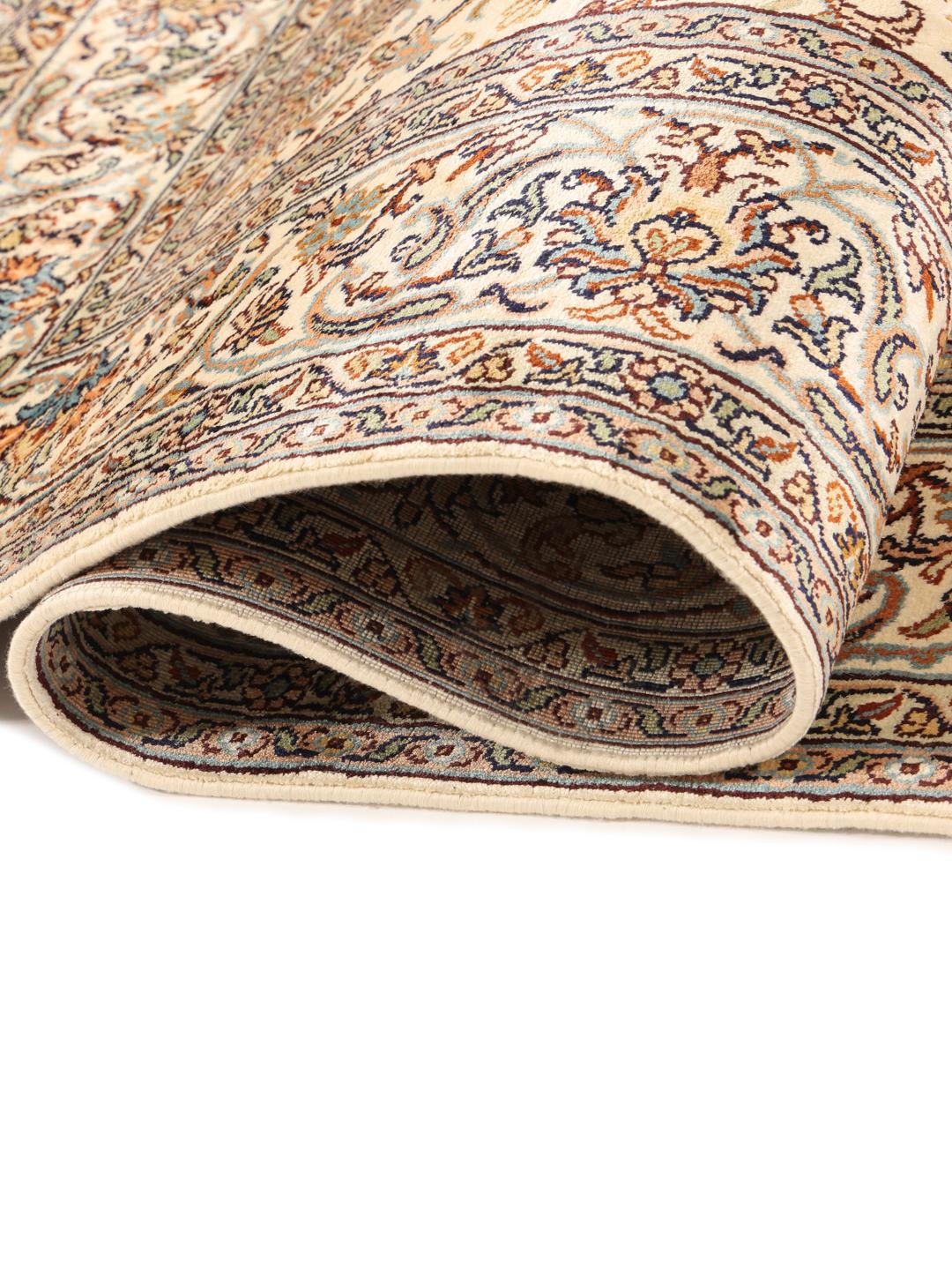
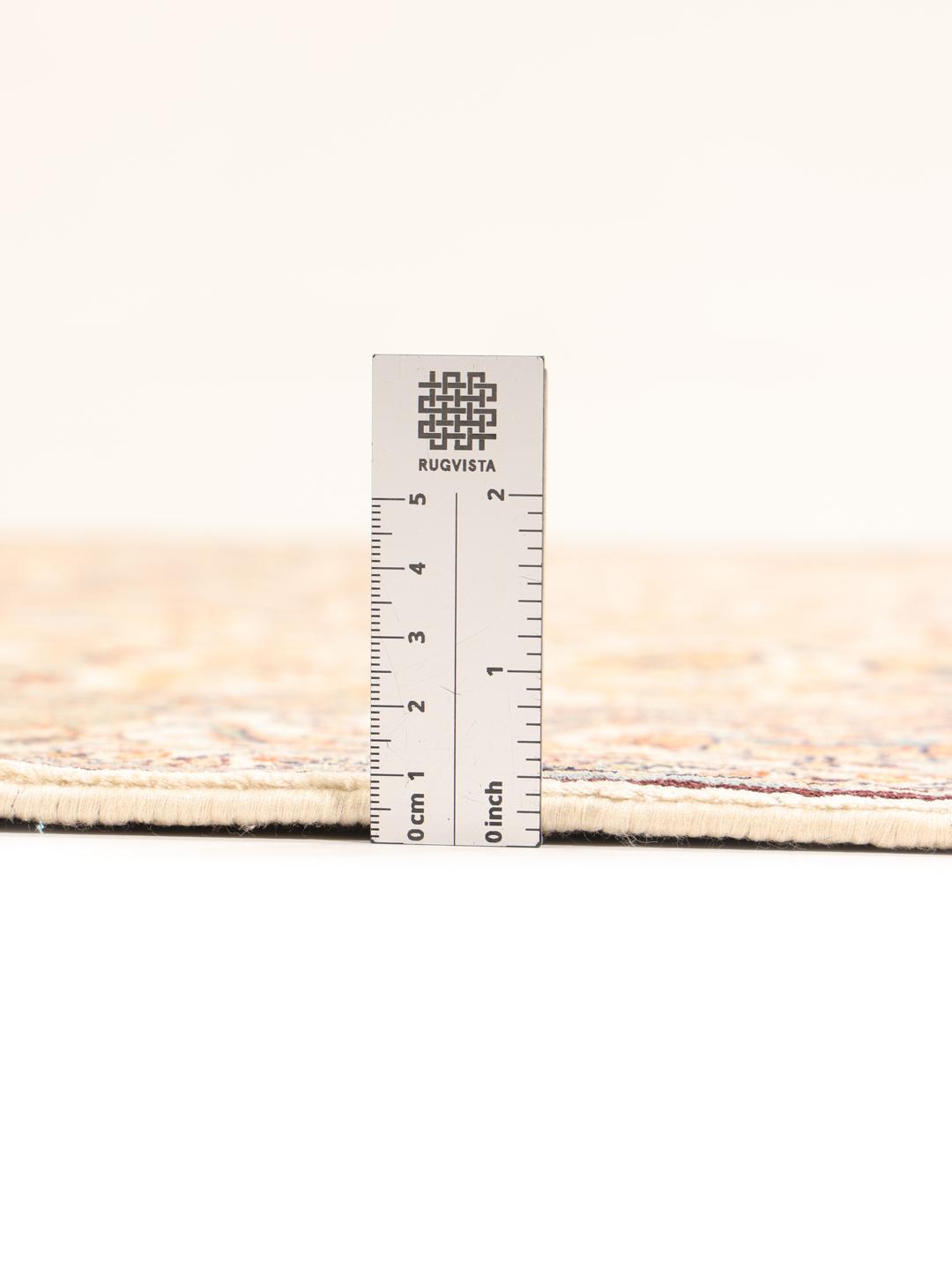
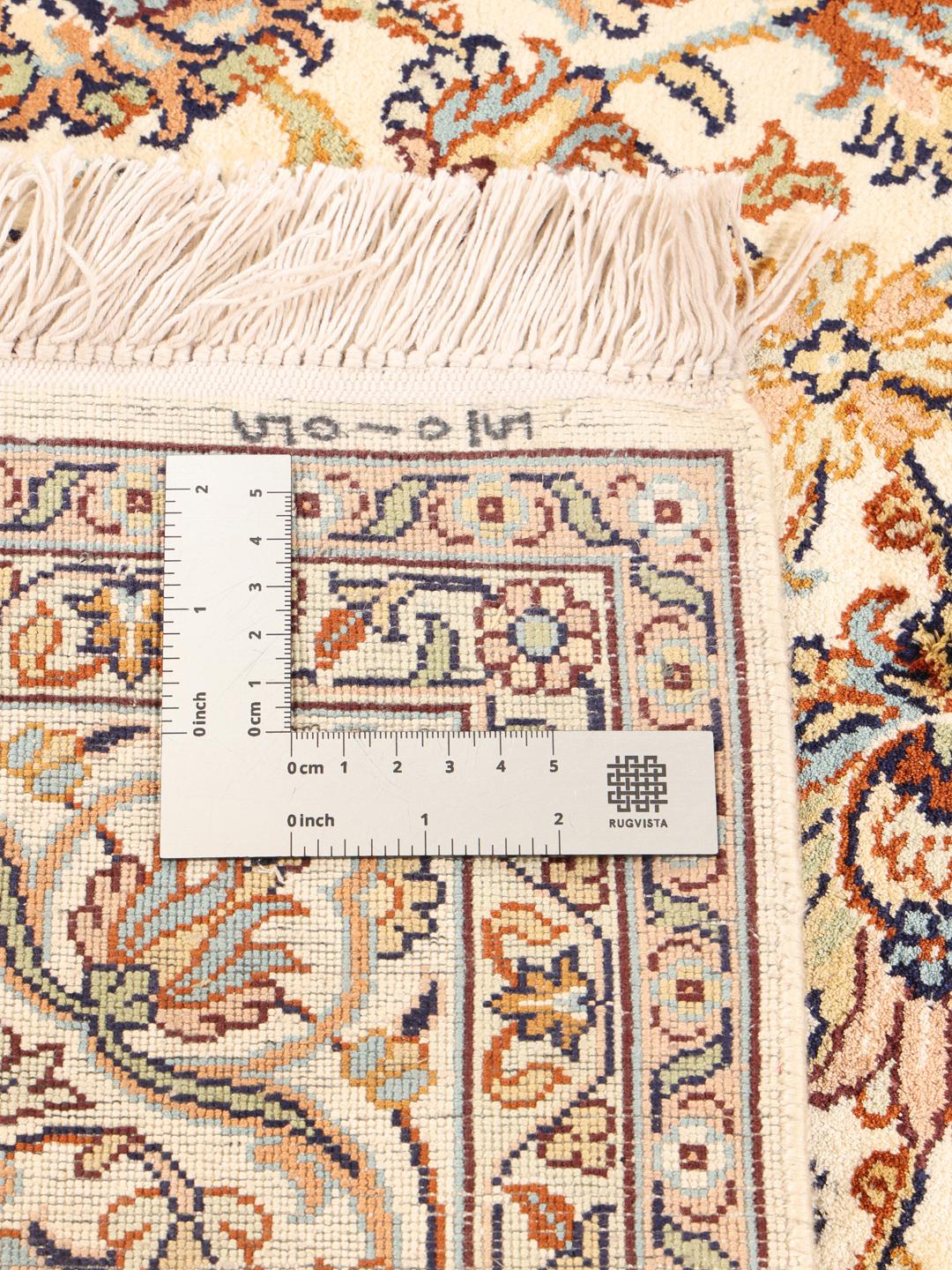
Kashmir rugs represent a storied tradition that has flourished in the northern regions of India for centuries. Historically, the craft of silk weaving in this area was influenced by Middle Eastern techniques, brought over by travellers and artisans along the trade routes. Over generations, these influences were blended with local artistic sensibilities to create the distinct Kashmir style, celebrated today for its fine detail and sophisticated colour palettes.
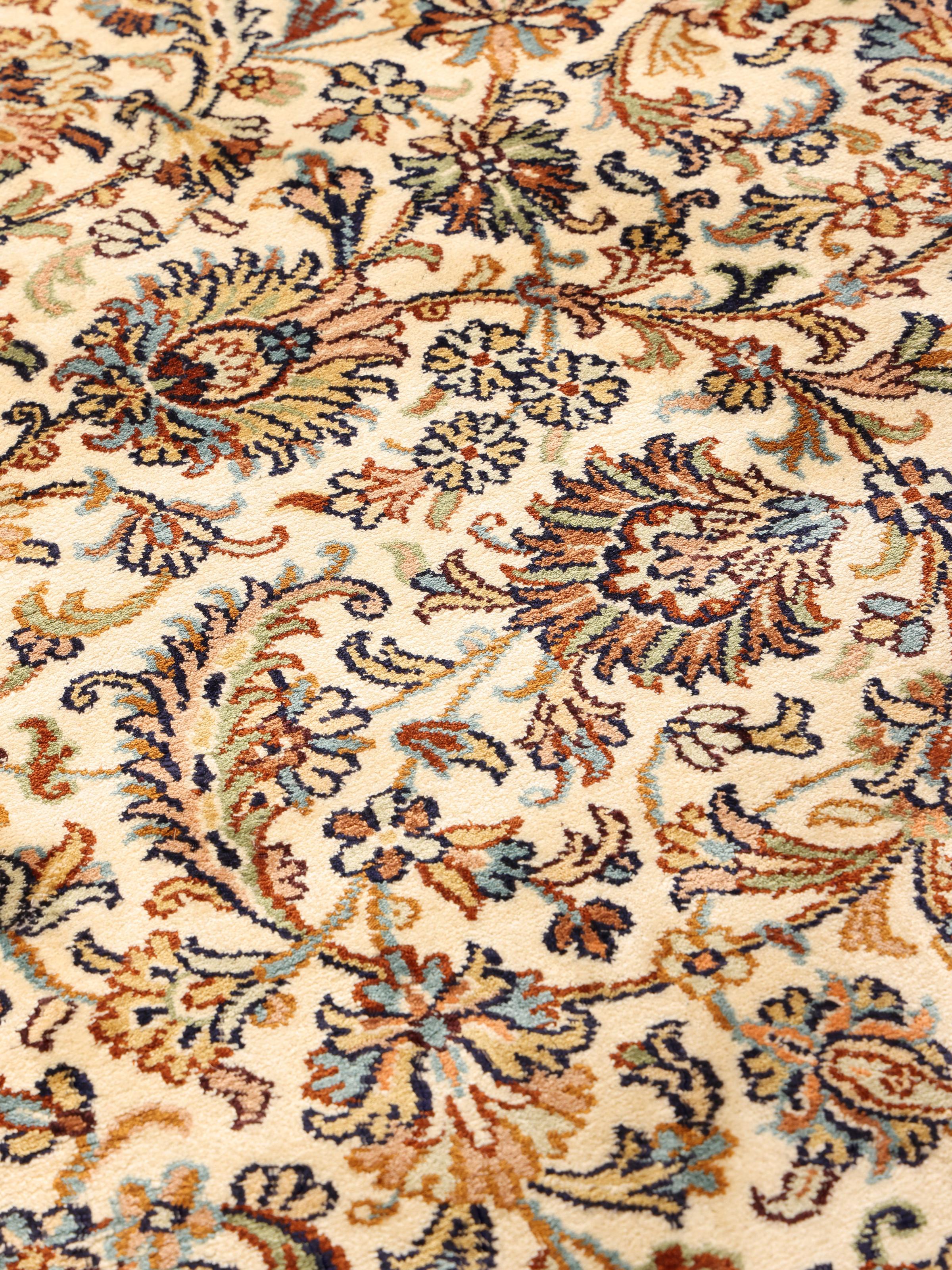
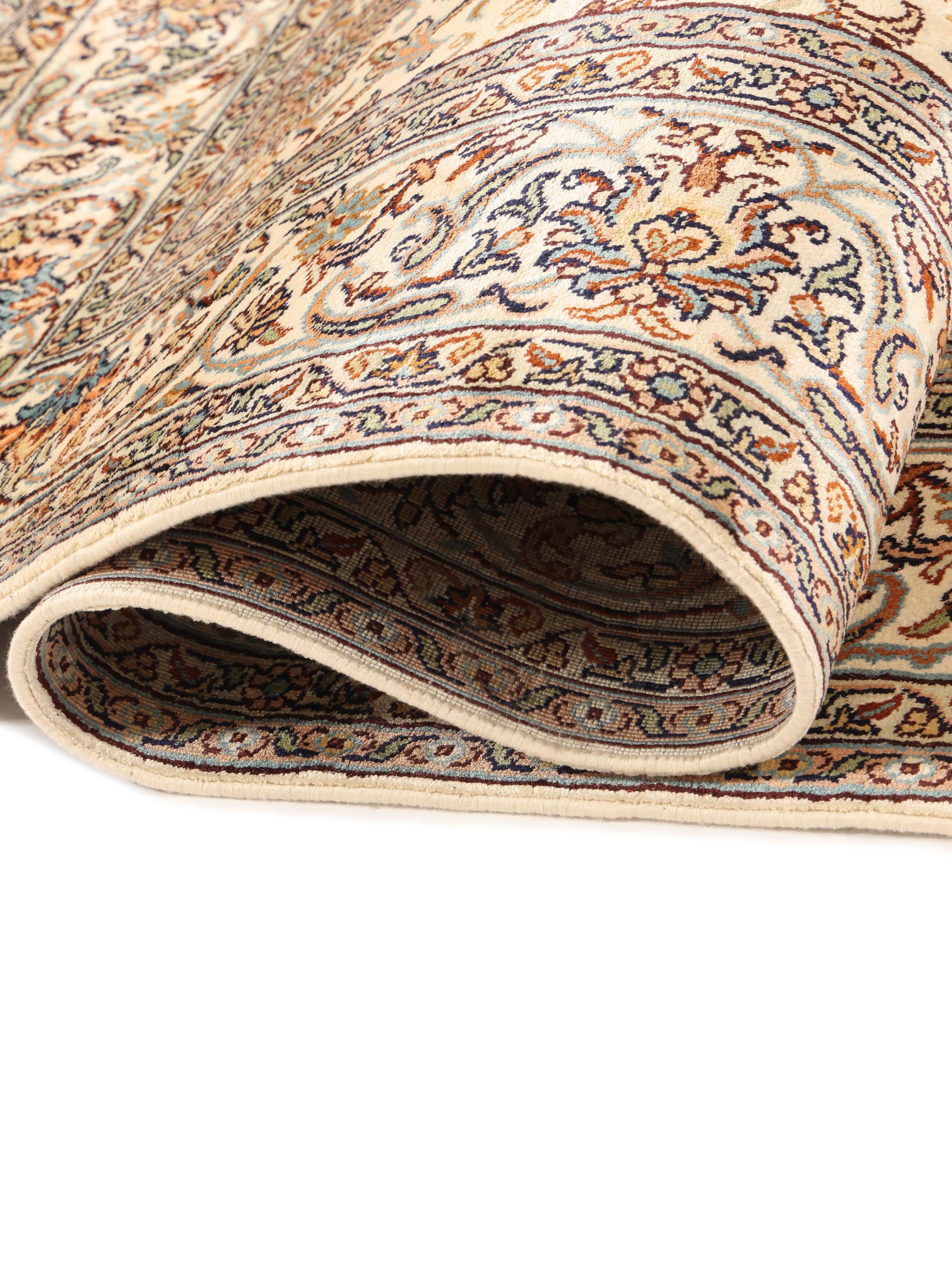
The quality of these rugs is largely defined by the skill of the weaver and the fineness of the knotting. In the Kashmir tradition, the use of silk is particularly prized for its ability to hold intricate designs and its natural, reflective quality. This material choice is not merely aesthetic; it provides a strength and longevity that allows these rugs to be passed down as cherished family heirlooms.
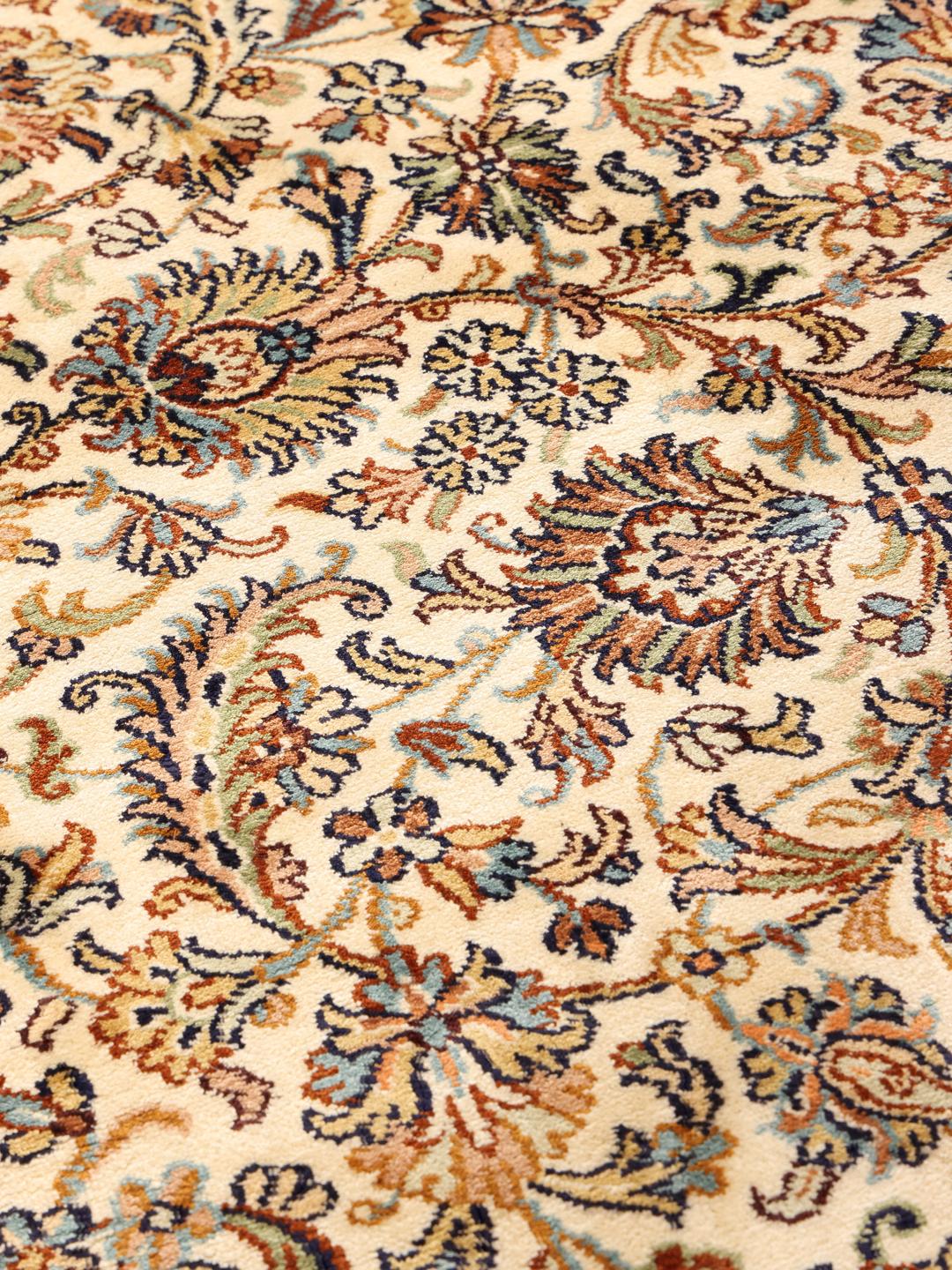
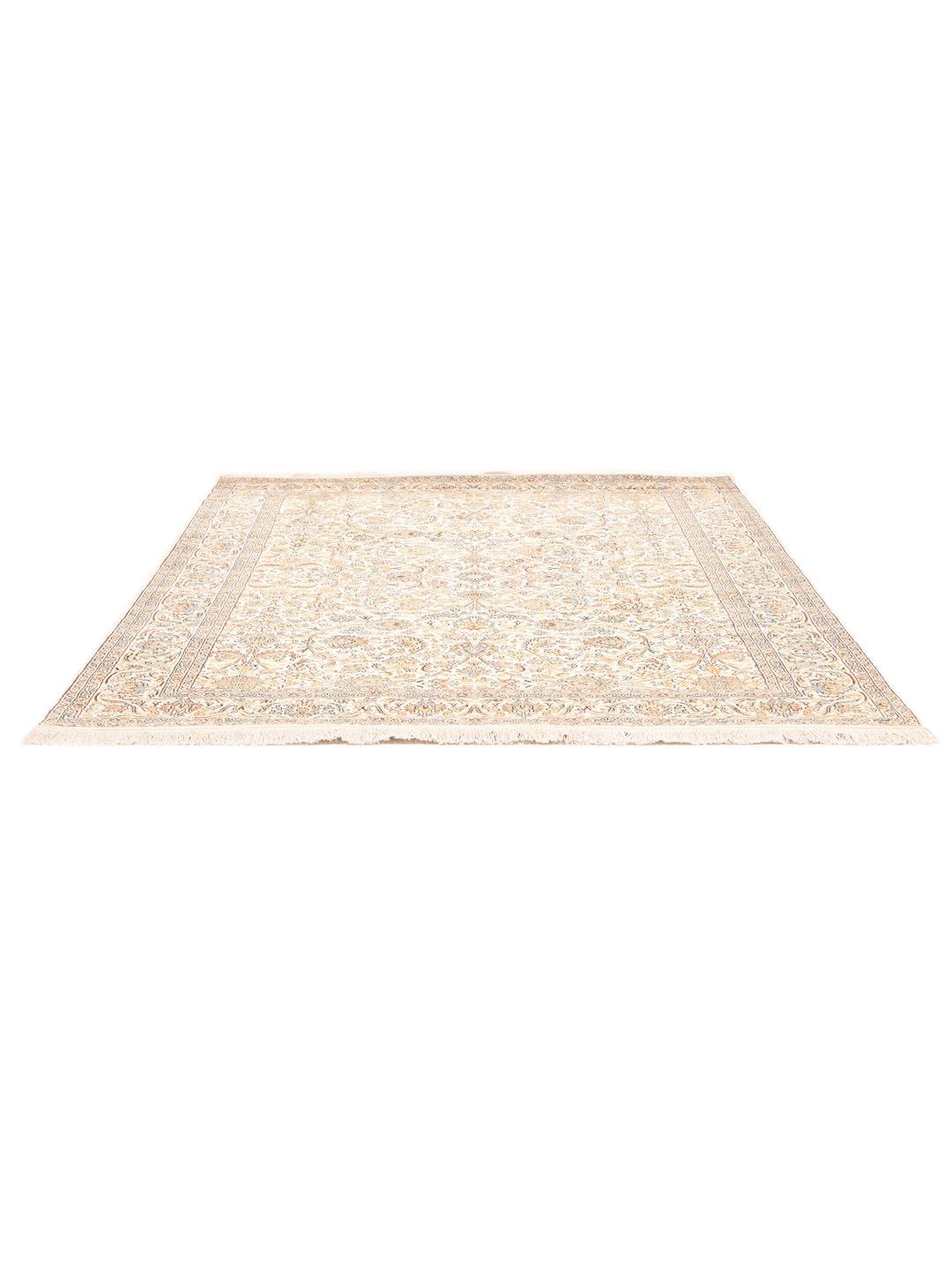
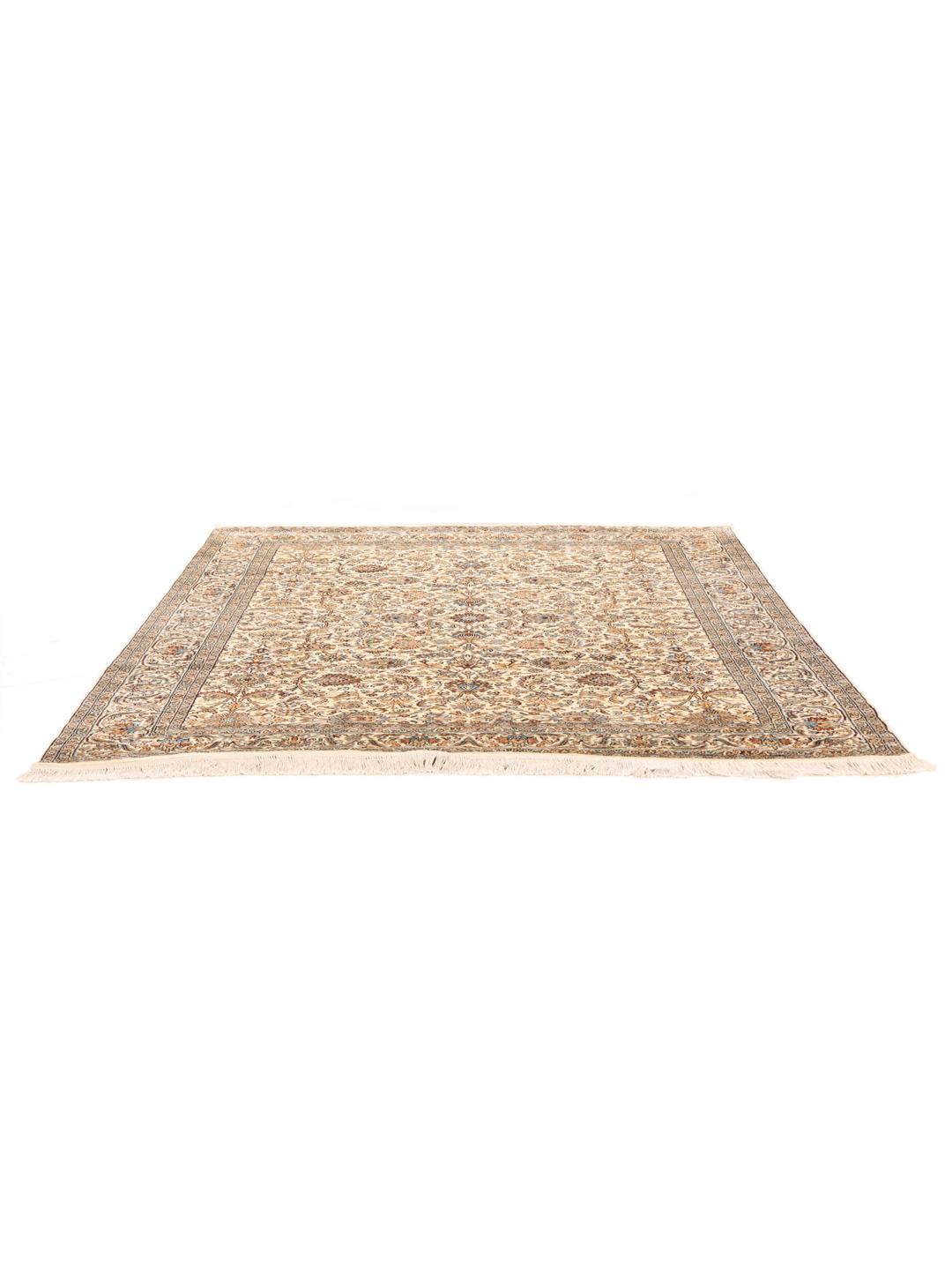
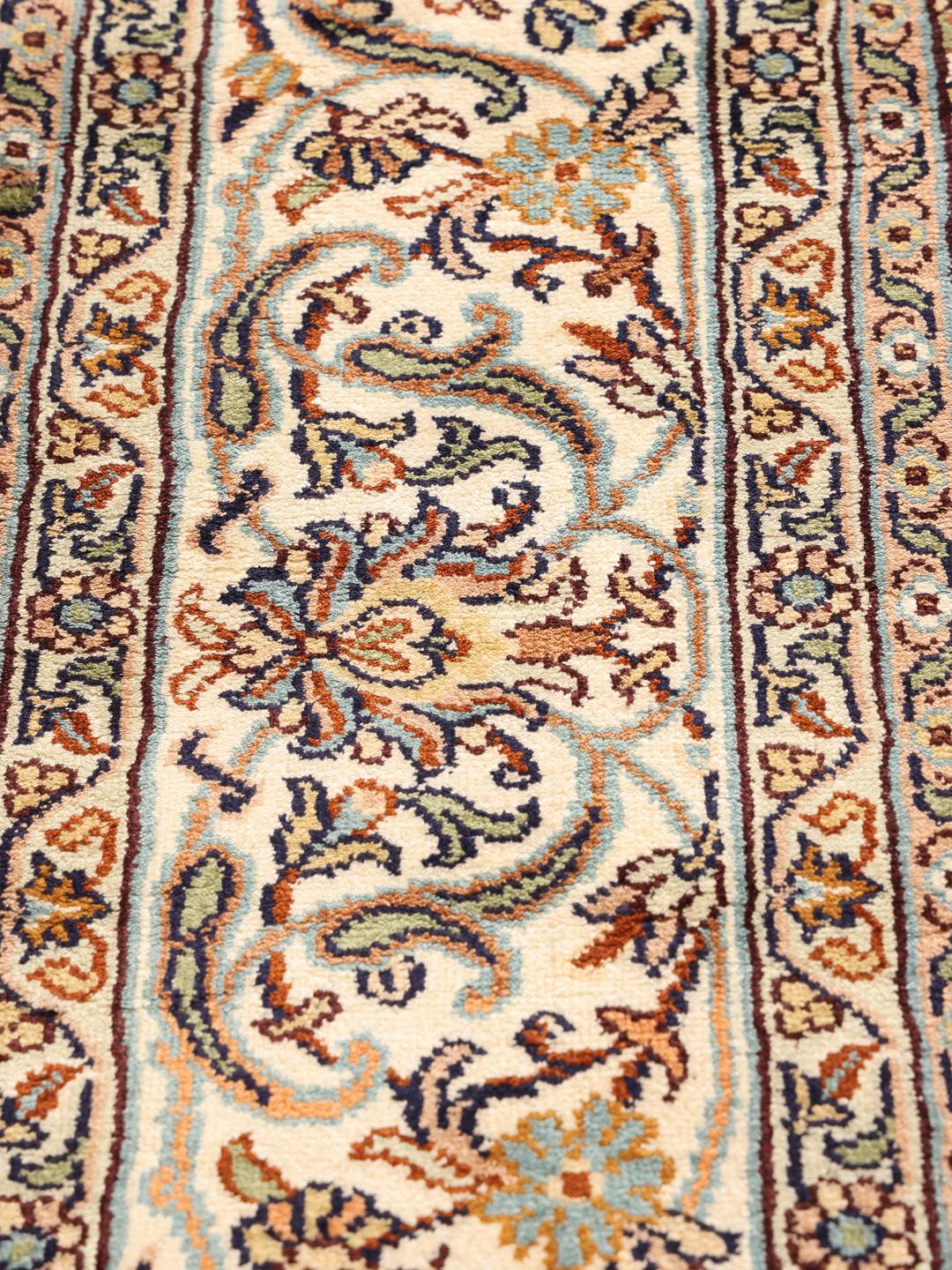
The signature design language of these pieces often features the 'Tree of Life' motif or elaborate, continuous floral sprays known as 'Islimi'. These patterns are more than decorative; they are deeply rooted in the cultural history of the region, often symbolising growth, nature, and the cycle of life. The borders are frequently as complex as the centre, often mirroring the motifs in a smaller, more concentrated scale.
Collecting a Kashmir silk rug is an investment in a living heritage. These pieces are highly regarded for their immense skill and the cultural narrative they carry, representing a bridge between ancient techniques and contemporary home design. Owning one is an opportunity to preserve a craft that relies on human touch, precision, and an enduring commitment to beauty.