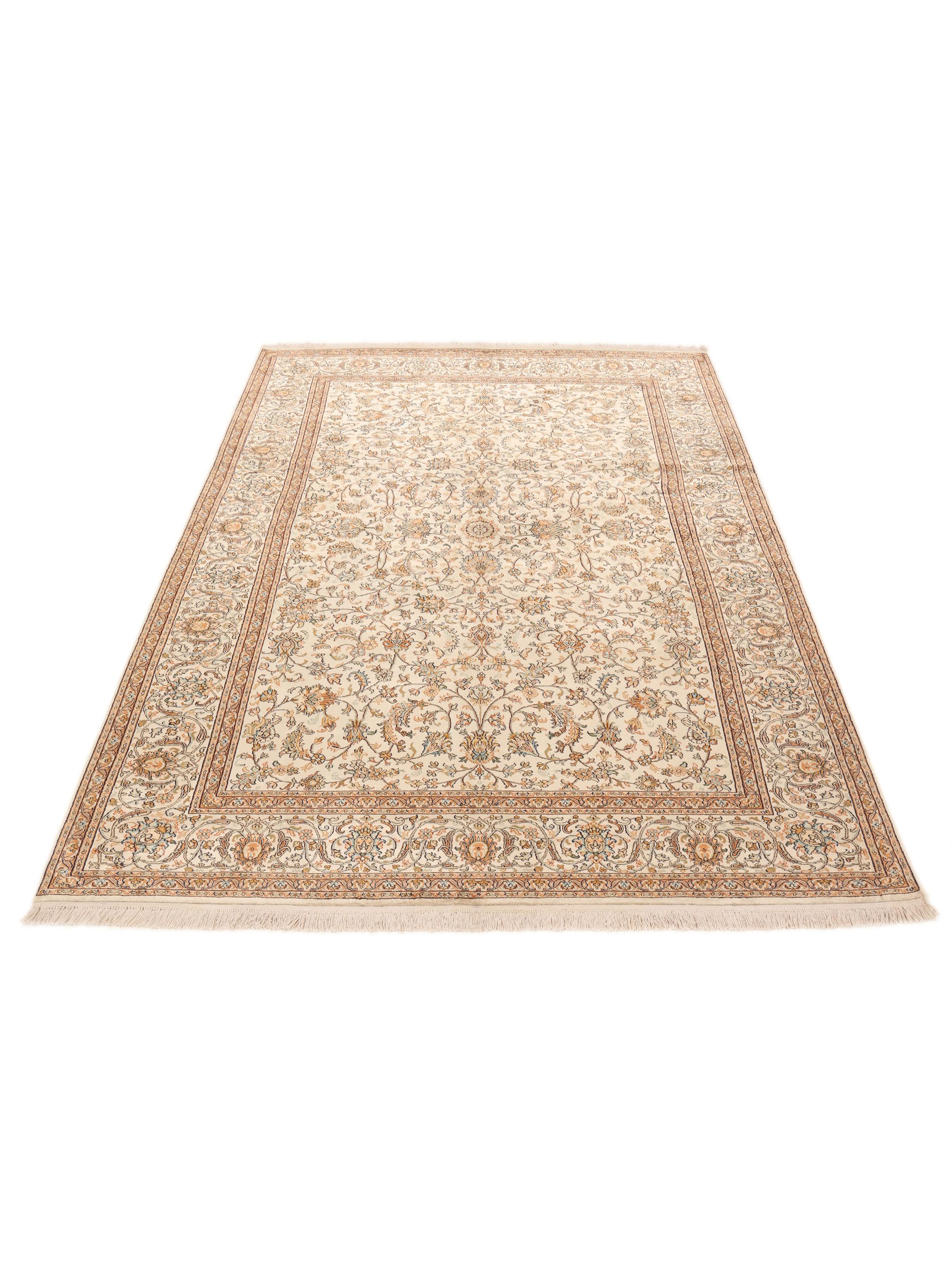
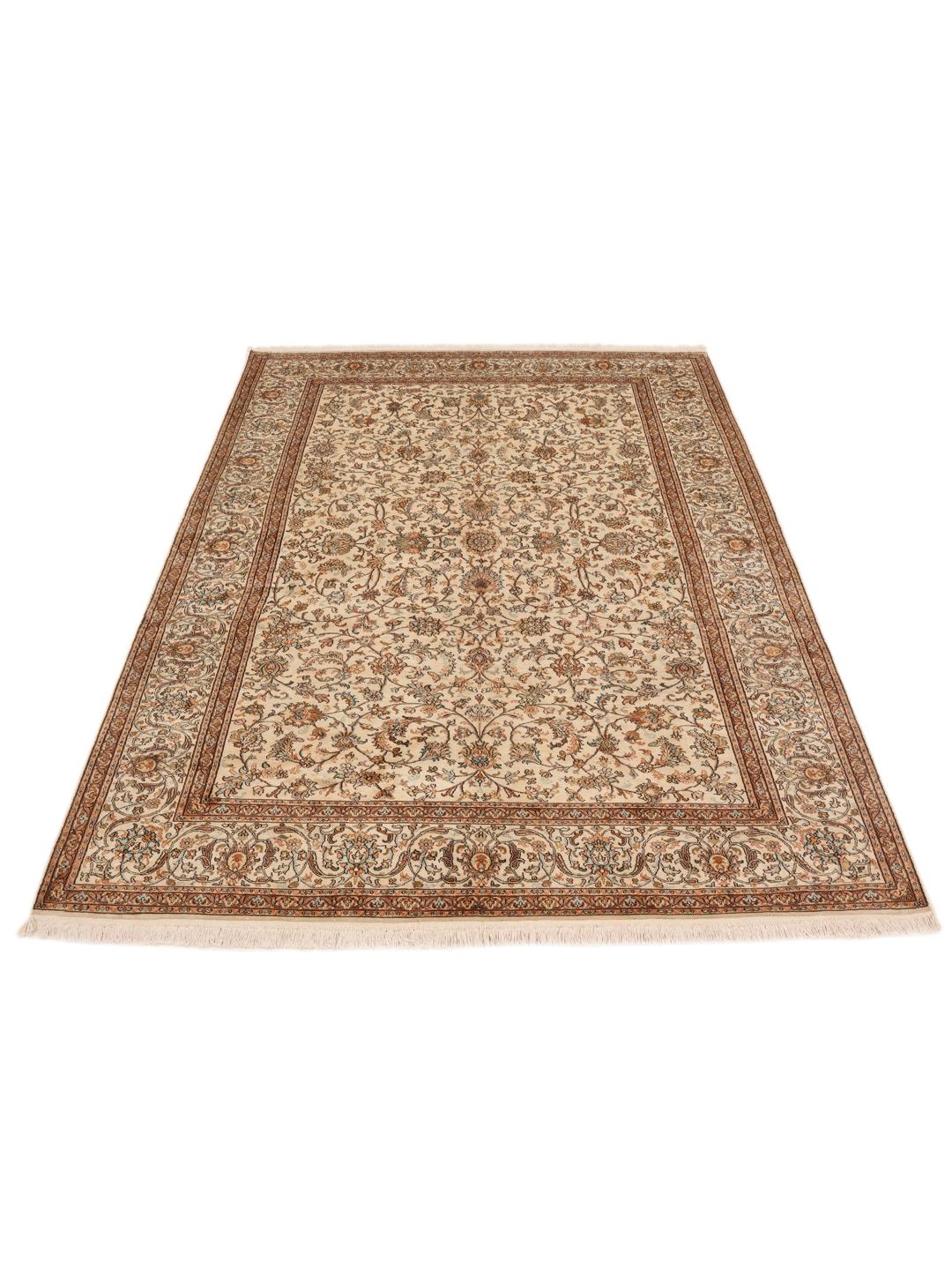
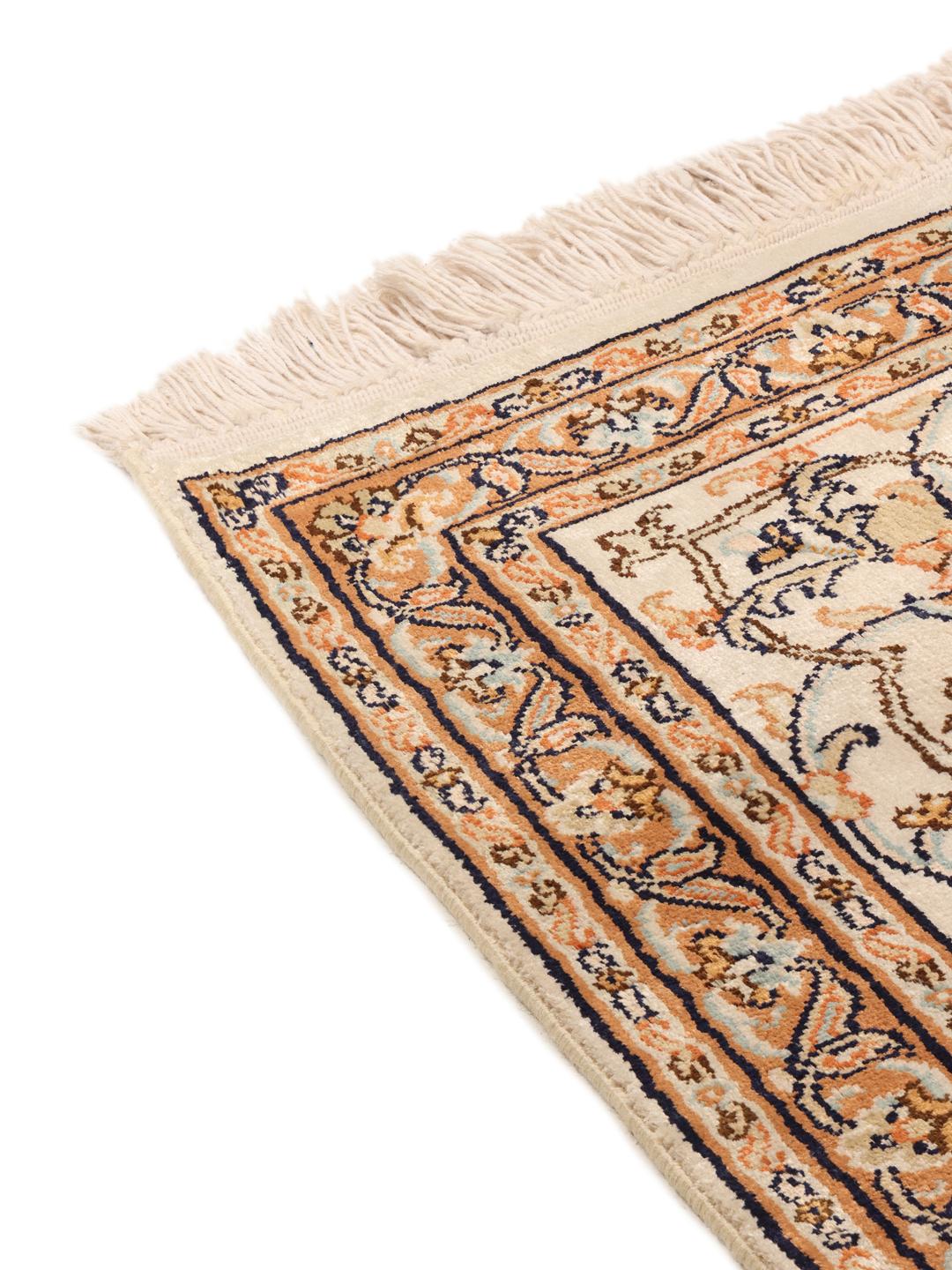
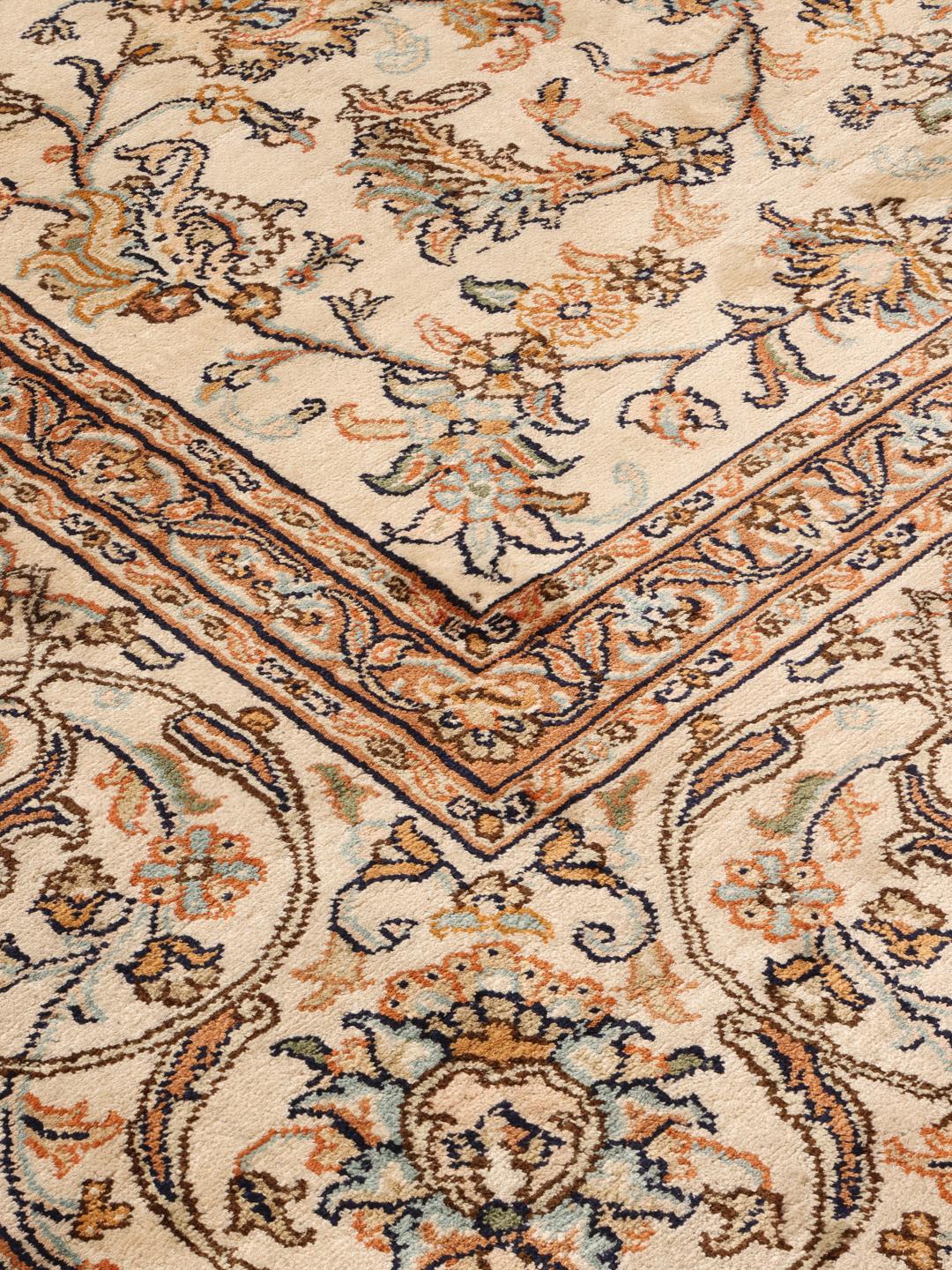
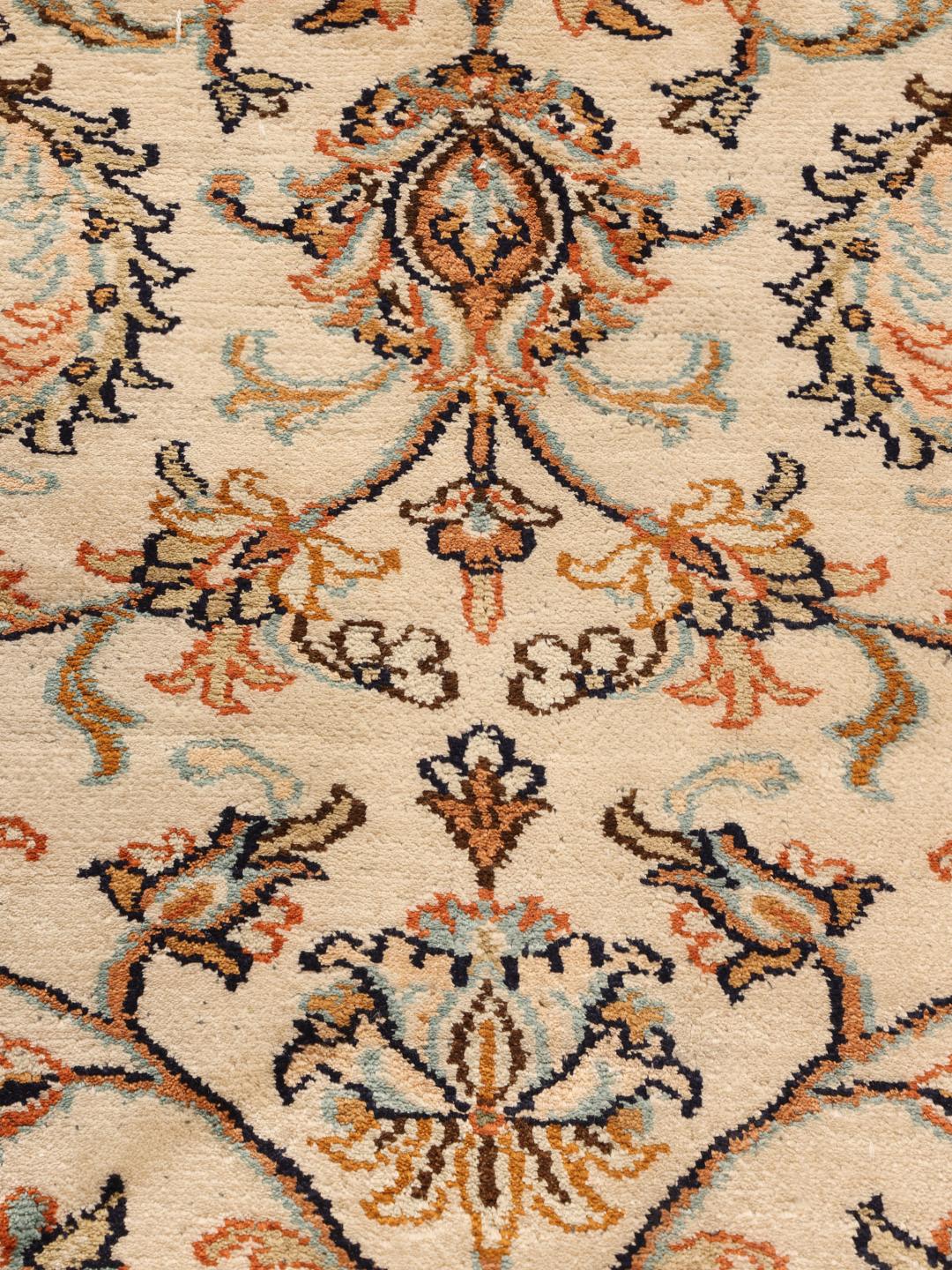
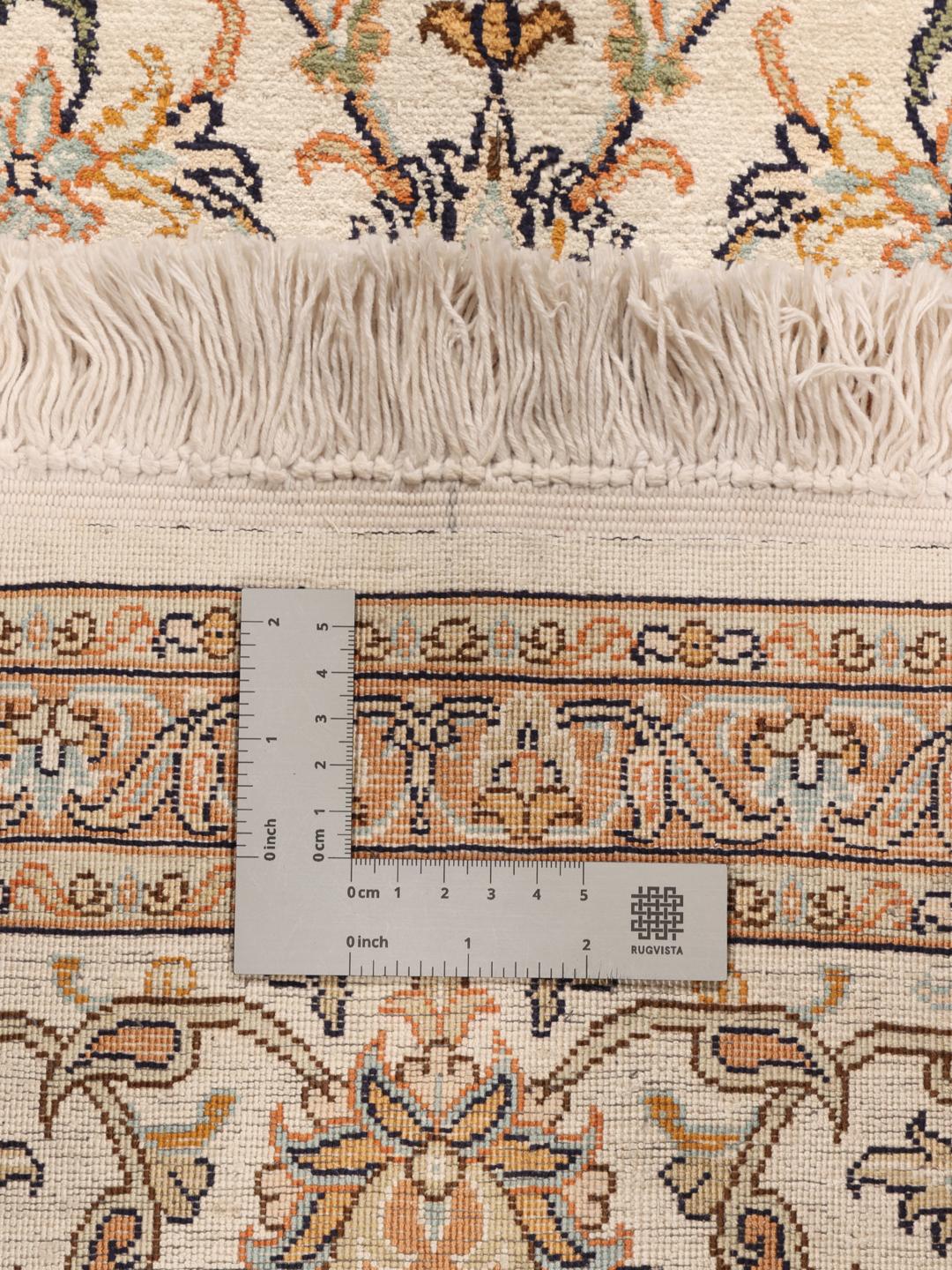
Kashmir silk rugs are celebrated globally for their roots in the artisanal workshops of northern India. The tradition of silk weaving in this region dates back centuries, heavily influenced by the artistic exchanges along the ancient trade routes that brought refined textile techniques from the Middle East to the Himalayan foothills.
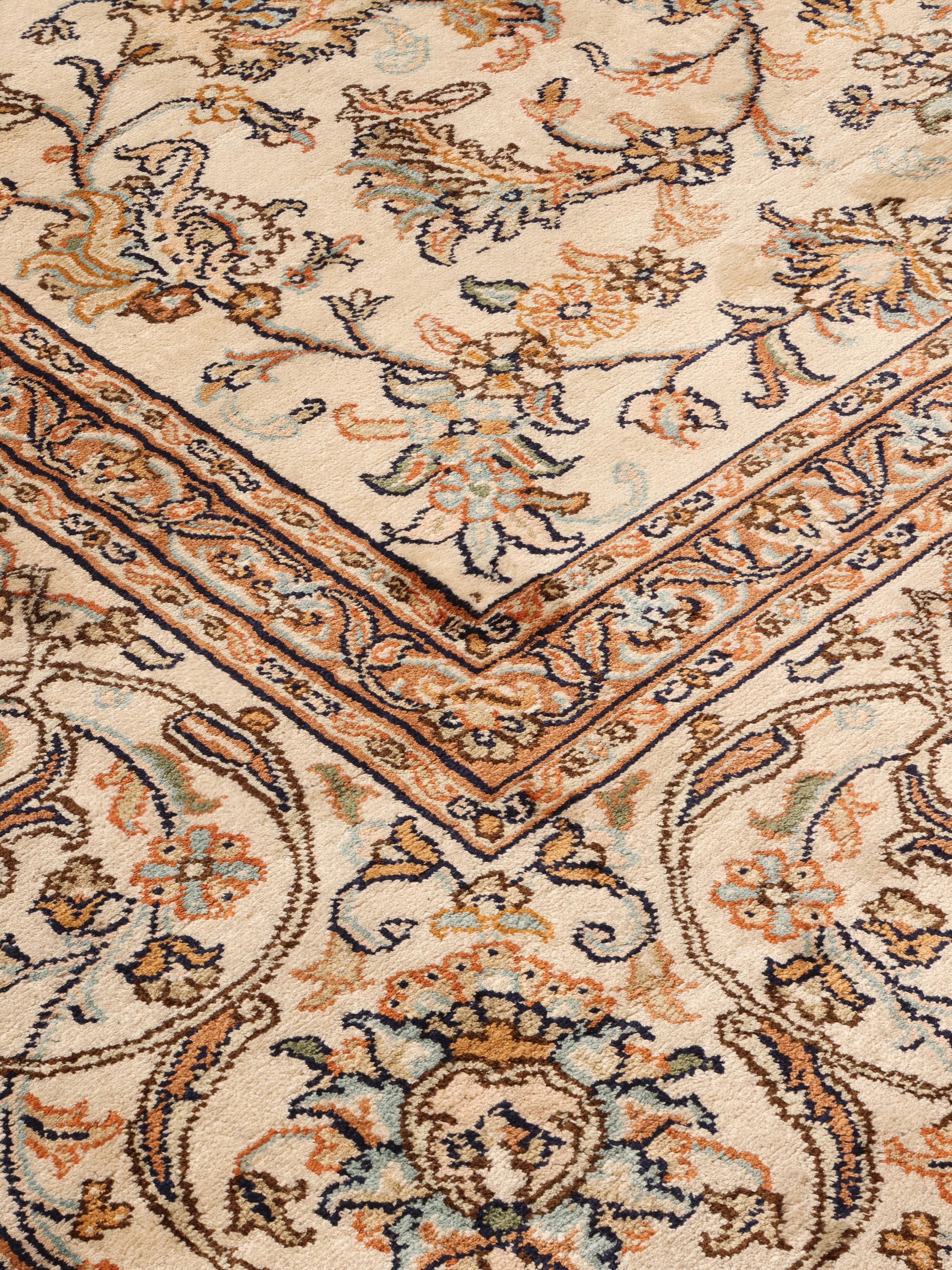
The term Kashmir refers not only to the geographical origin but also to a specific style of weaving that prioritizes high knot density and intricate, nature-inspired patterns. These rugs are crafted using traditional techniques that have been passed down through generations of families, maintaining a standard of quality that focuses on patience and precision rather than speed.
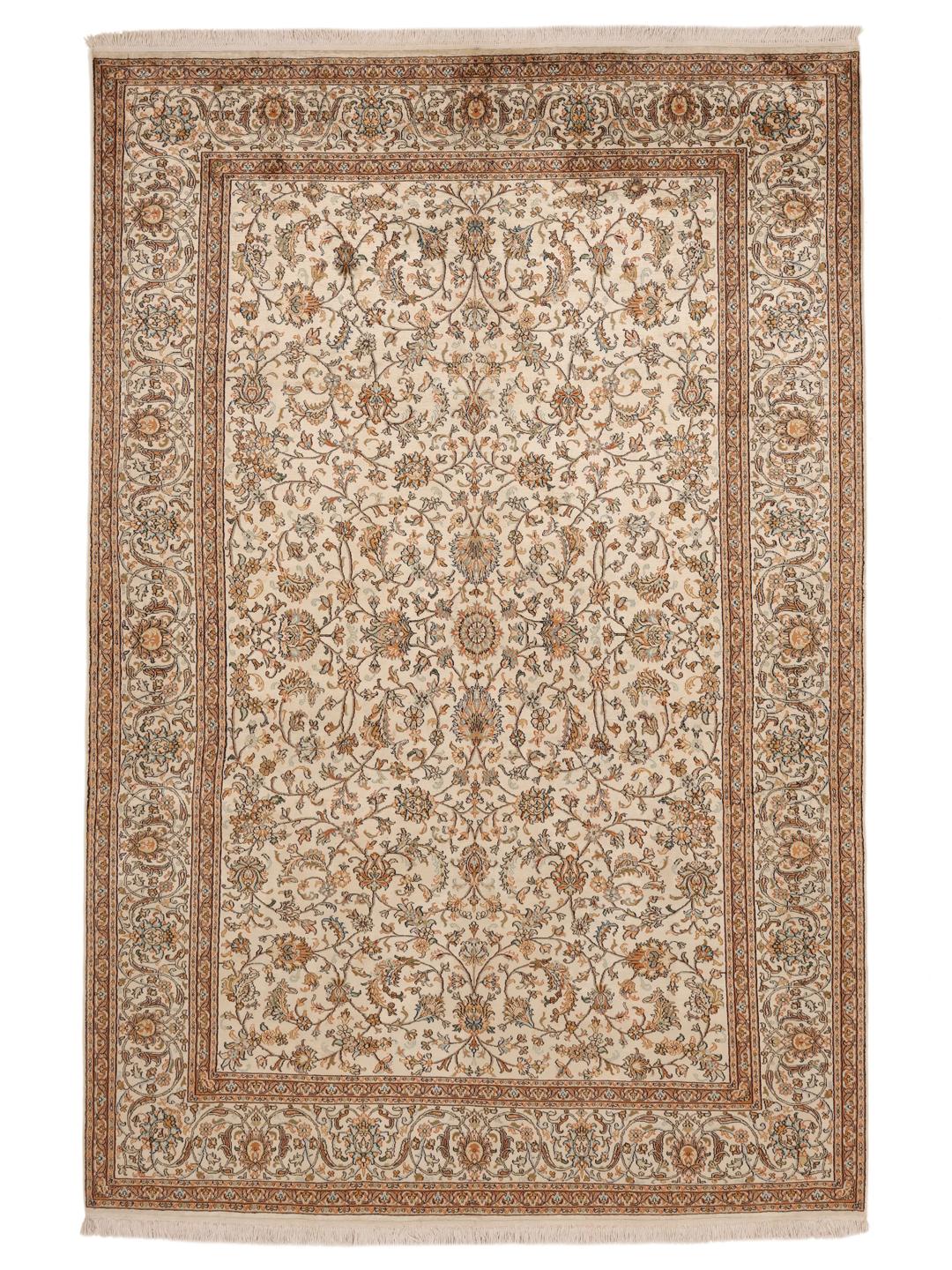
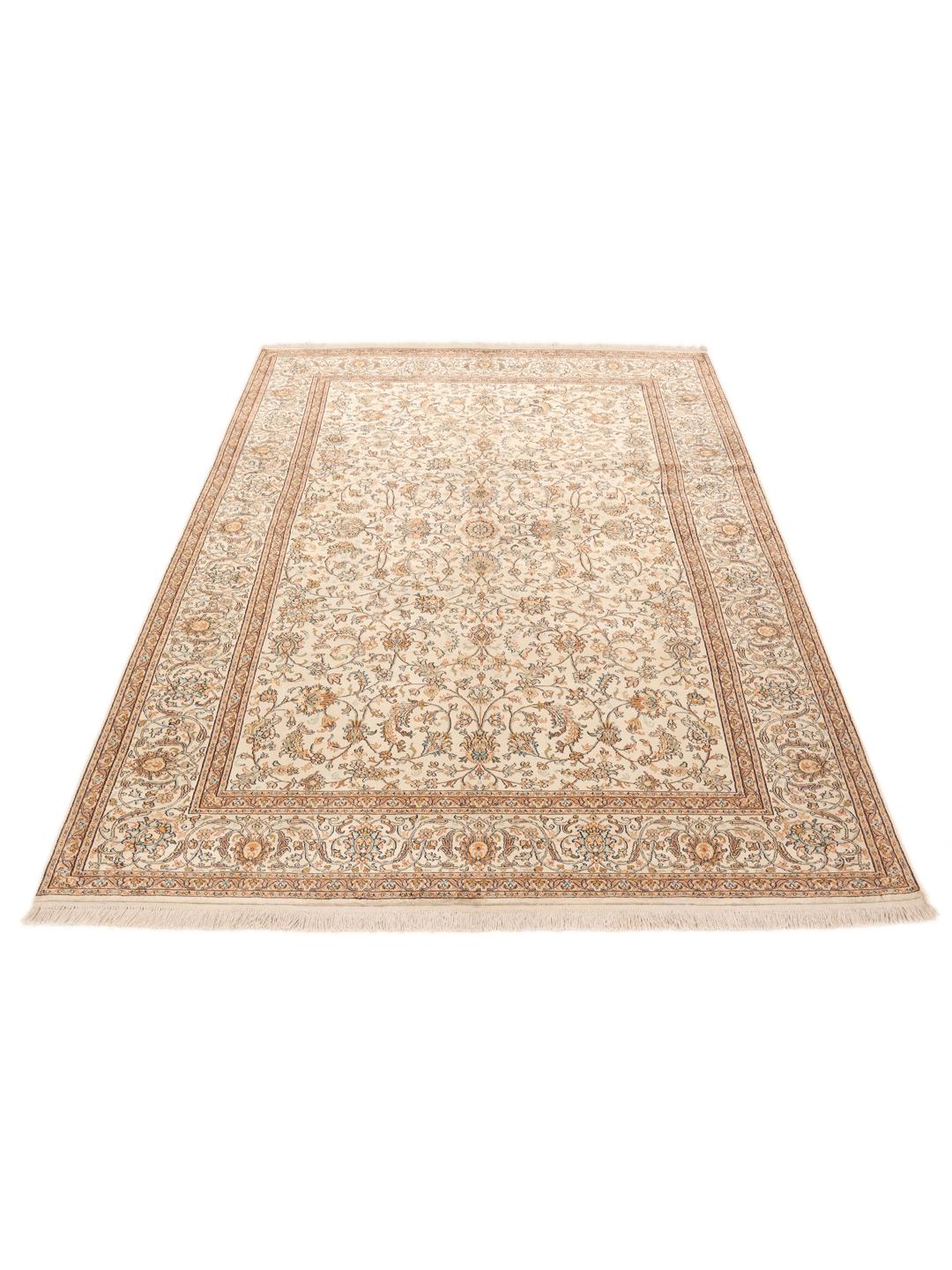
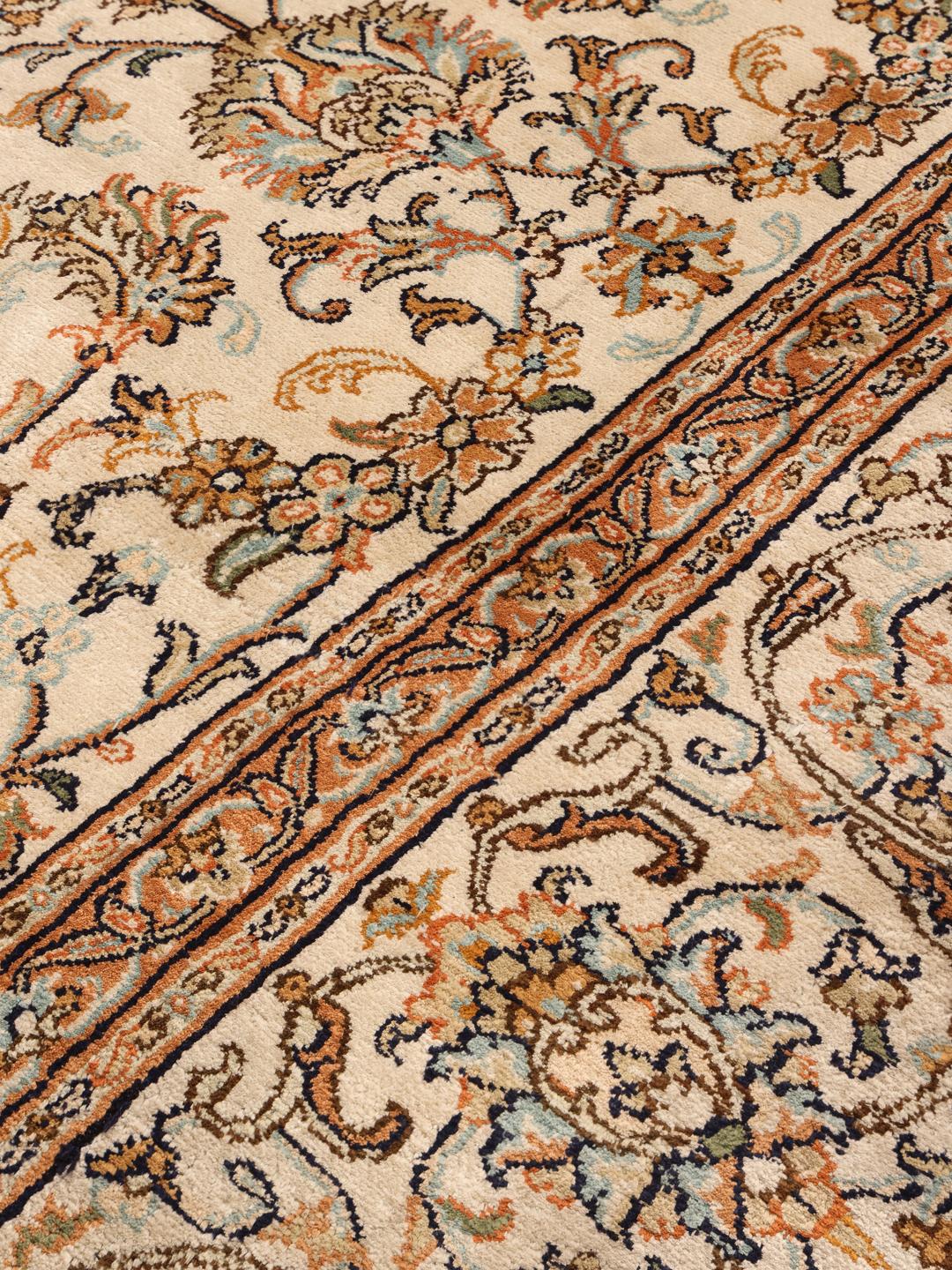
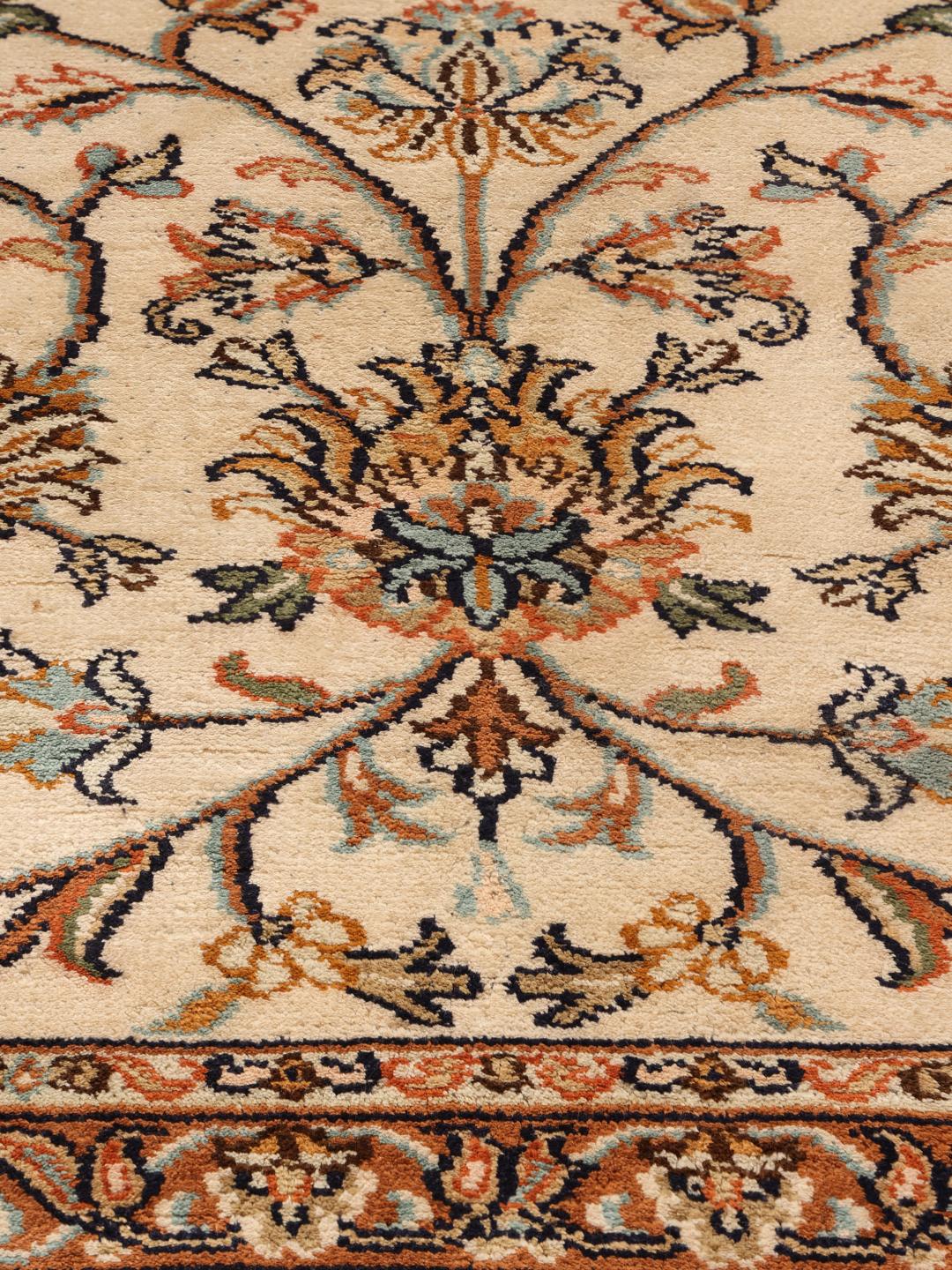
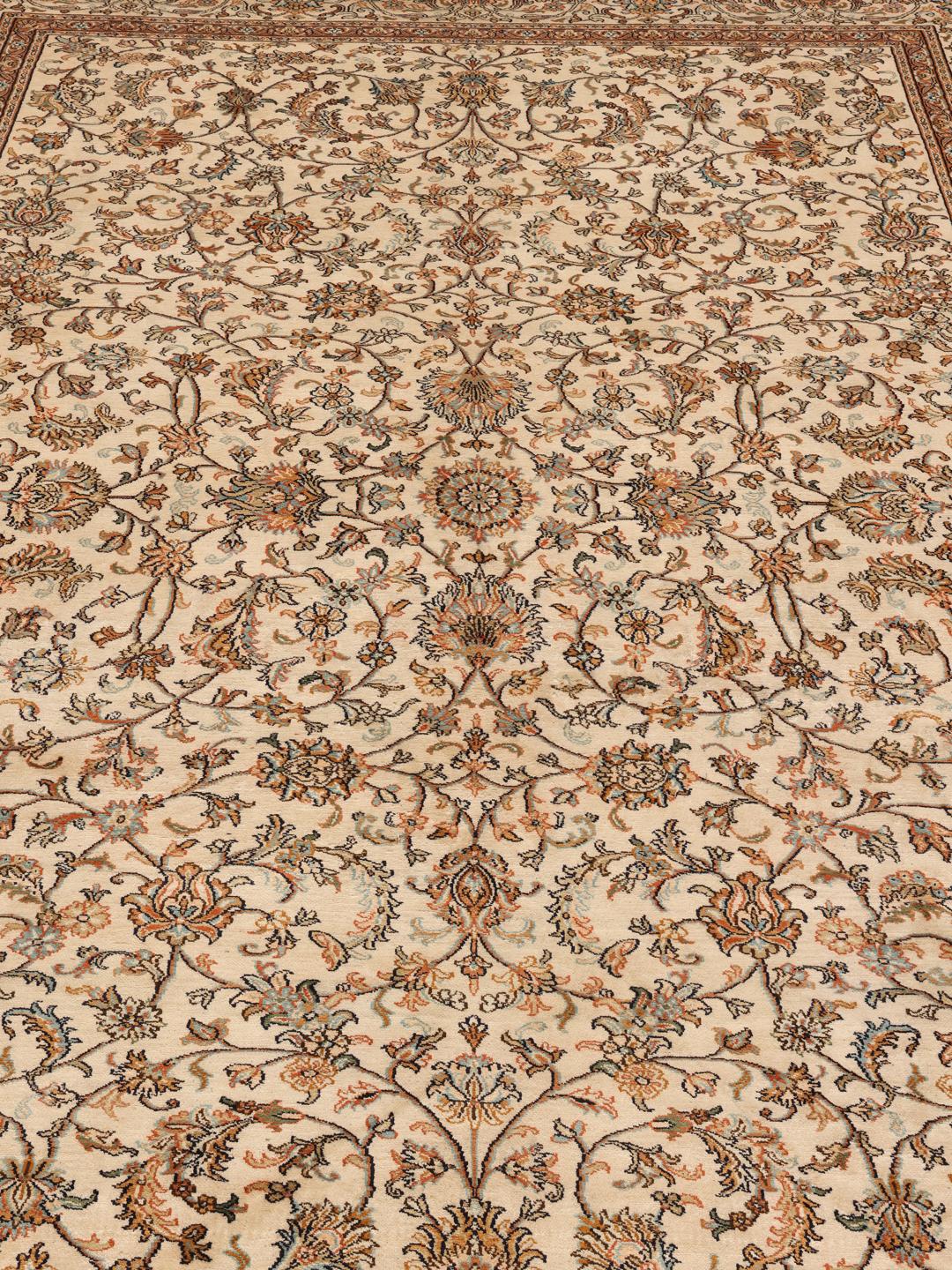
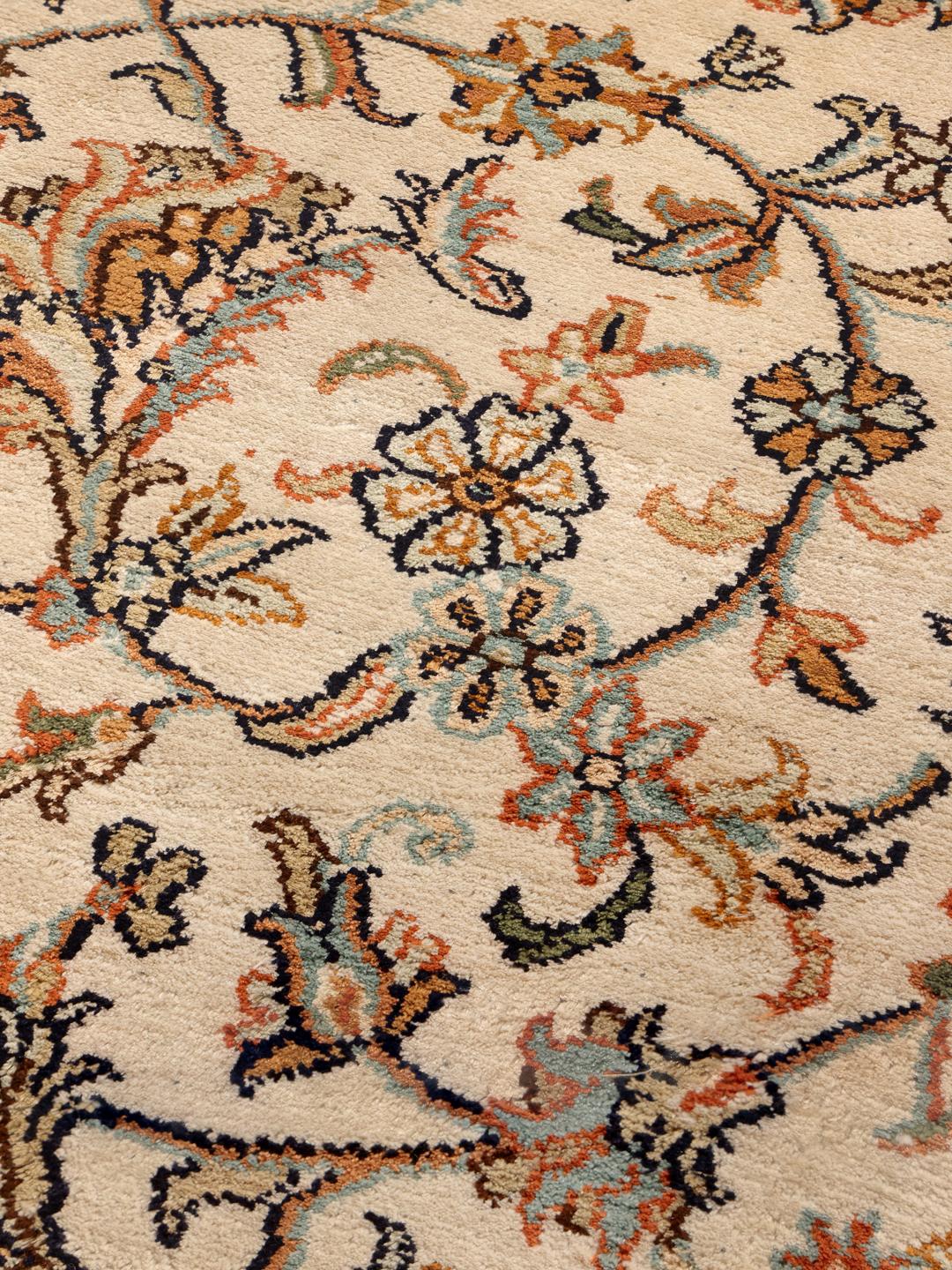
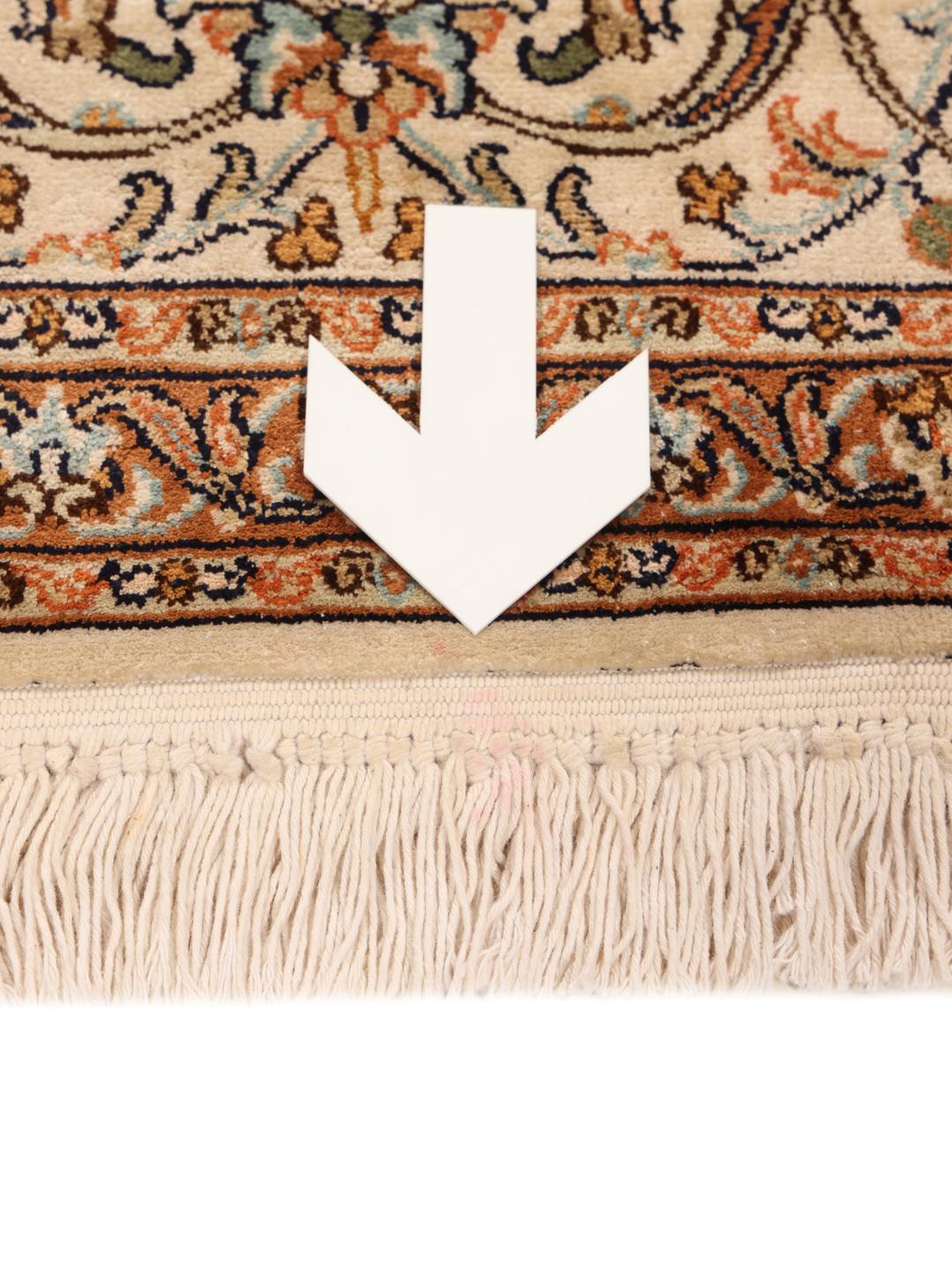
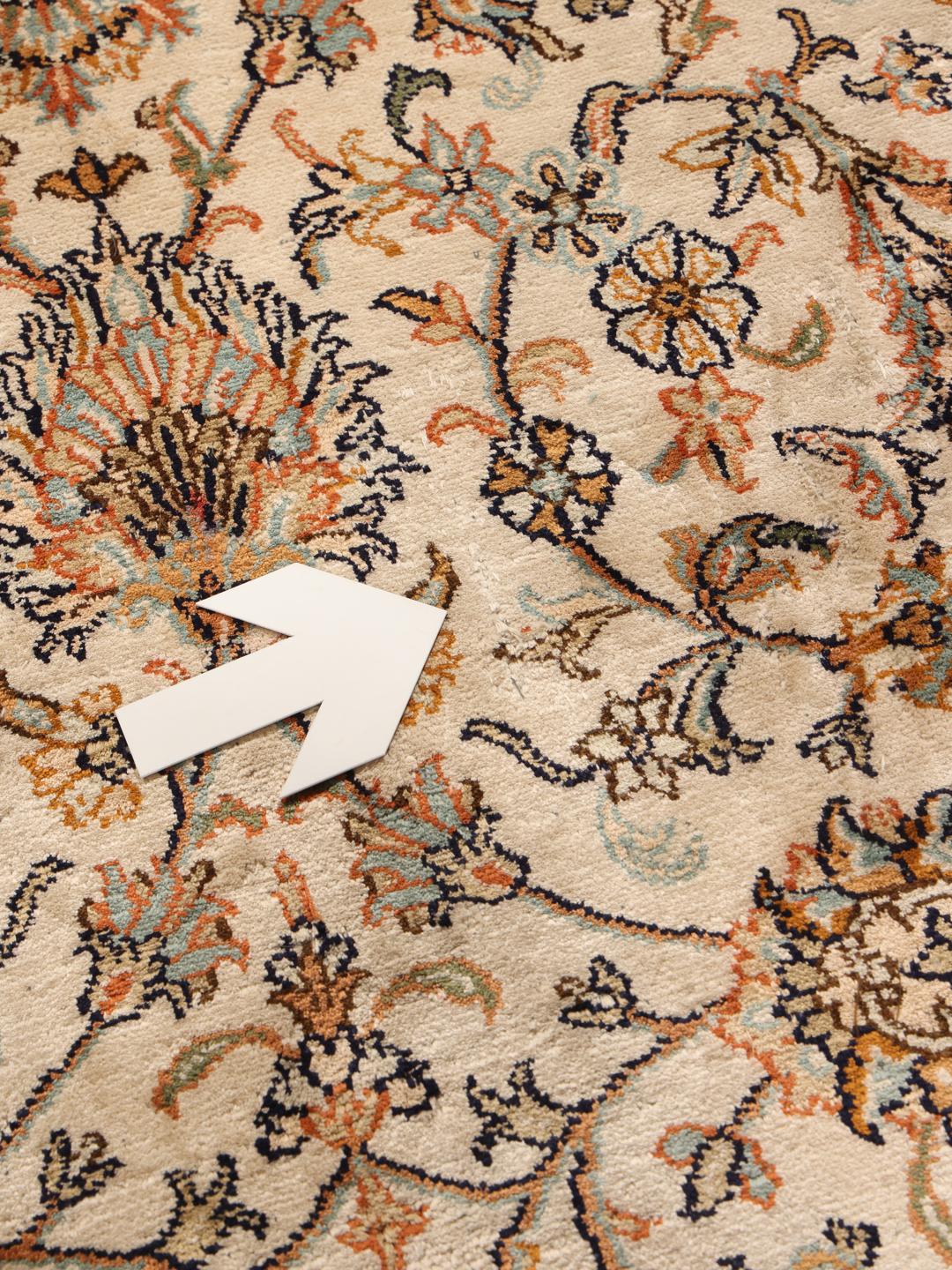
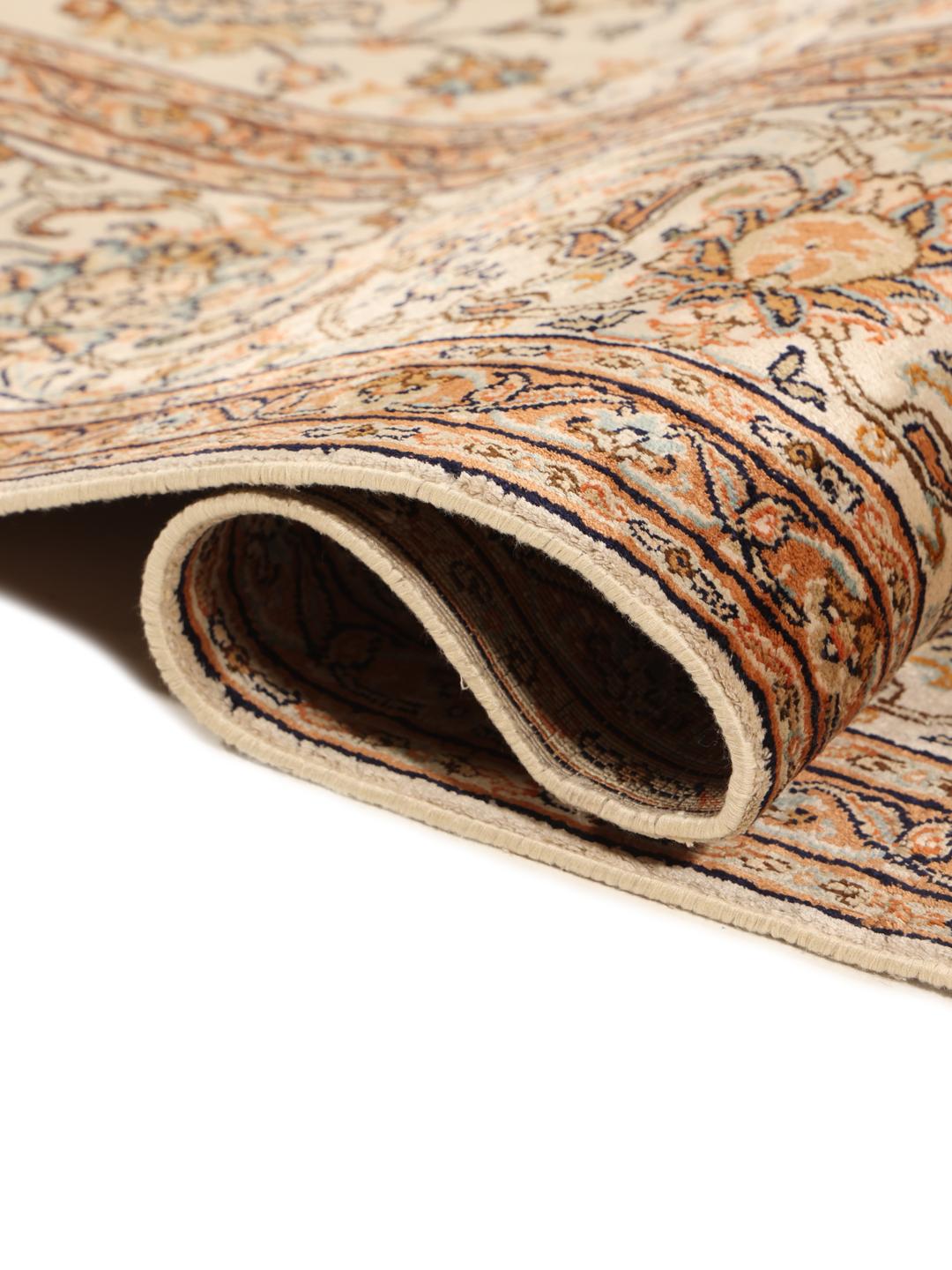
Visually, these rugs are defined by their complex floral designs, often featuring sweeping vines, elegant blooms, and detailed borders. The use of light, neutral, and earthy tones is a hallmark of the tradition, allowing the intricate patterns to emerge through subtle shifts in light rather than bold color contrasts, creating a sophisticated and versatile look.
Owning a hand-knotted silk rug from this tradition is considered a significant investment in cultural heritage. Collectors value these pieces for their luminous finish and the immense skill required to weave them, viewing each rug as a bridge between historical craftsmanship and contemporary interior design.