The tradition of weaving in the Kashmir region is deeply rooted in history, influenced by the migration of craftsmanship along ancient trade routes. Over centuries, this region has developed a distinct identity in textile arts, blending local artistic sensibilities with techniques introduced from the wider Middle Eastern weaving sphere. Today, it stands as a global centre for the creation of fine, intricate floor coverings.
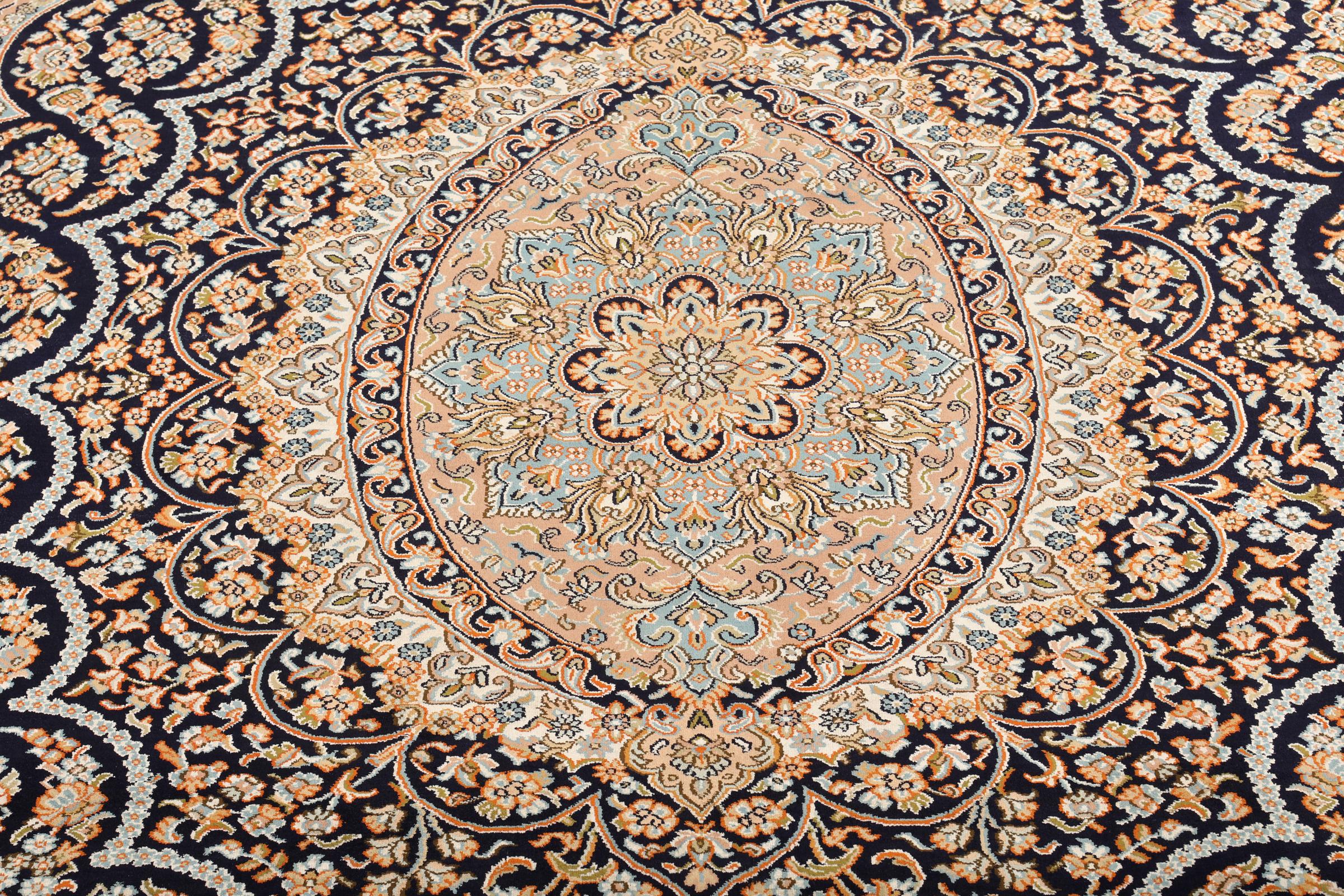
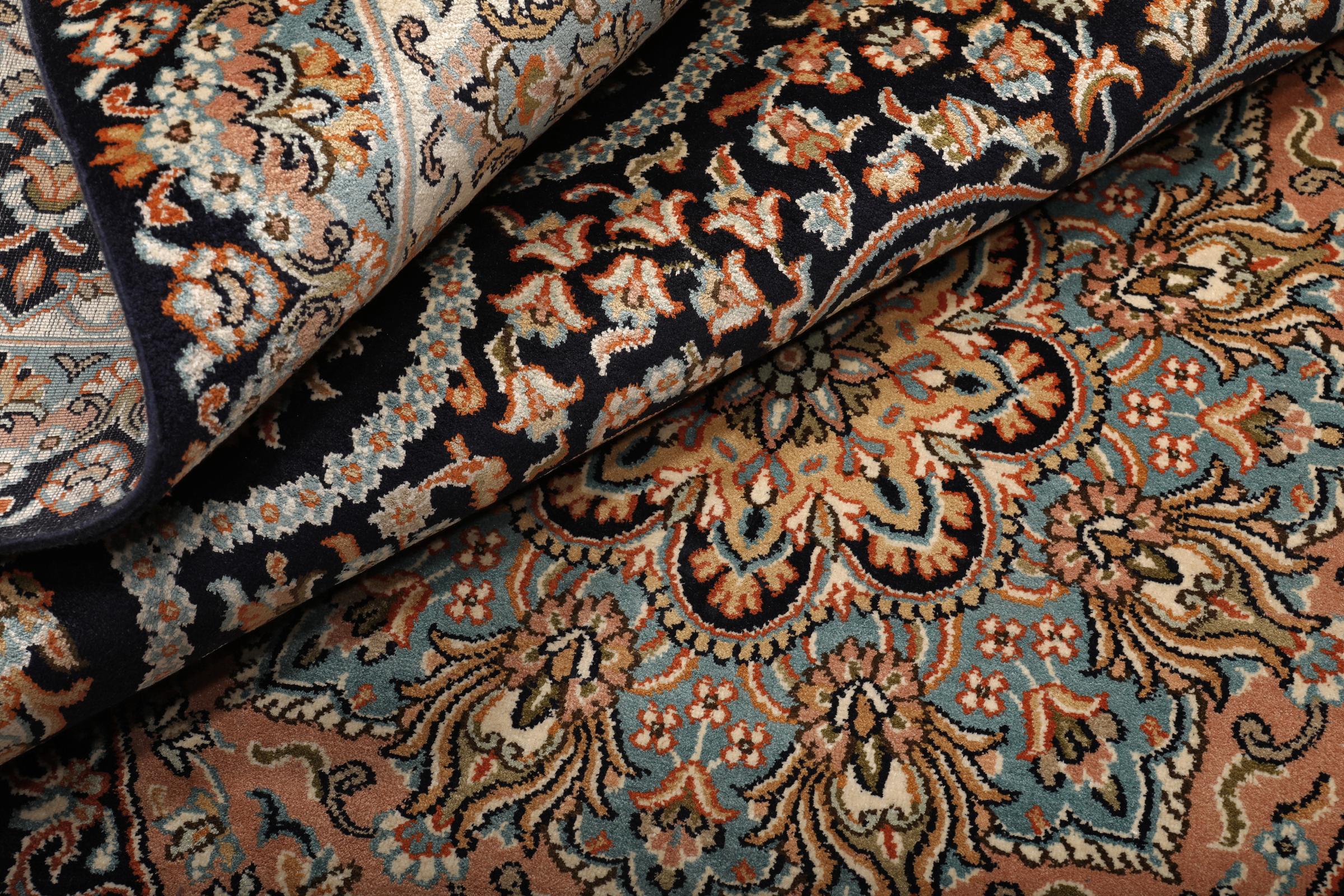
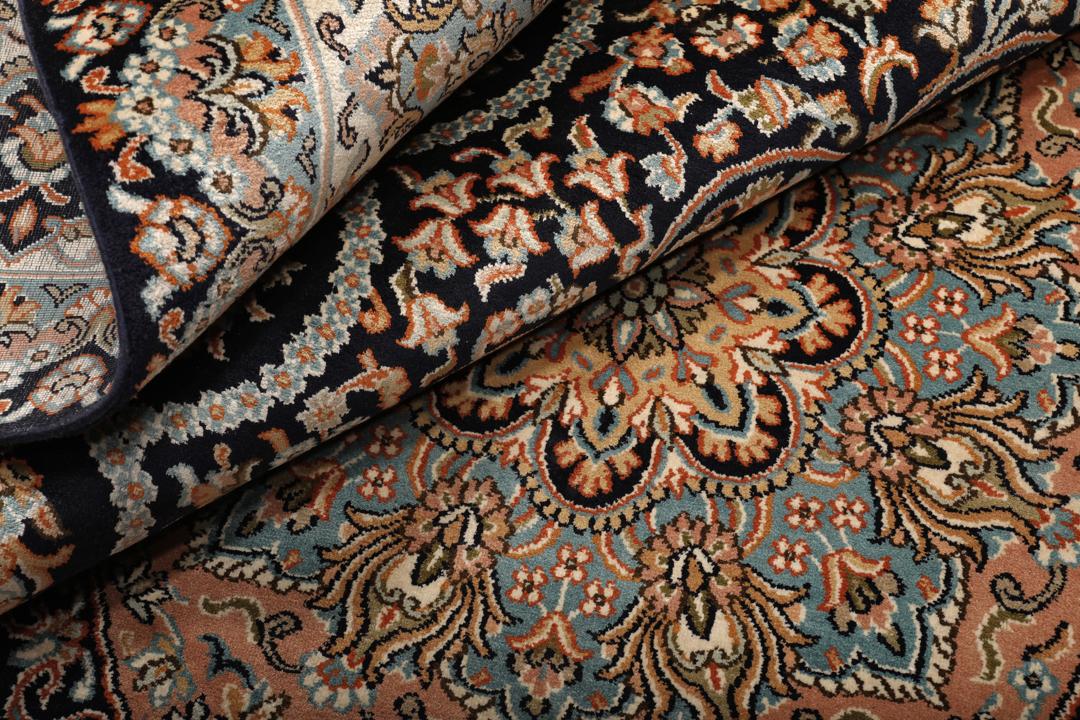
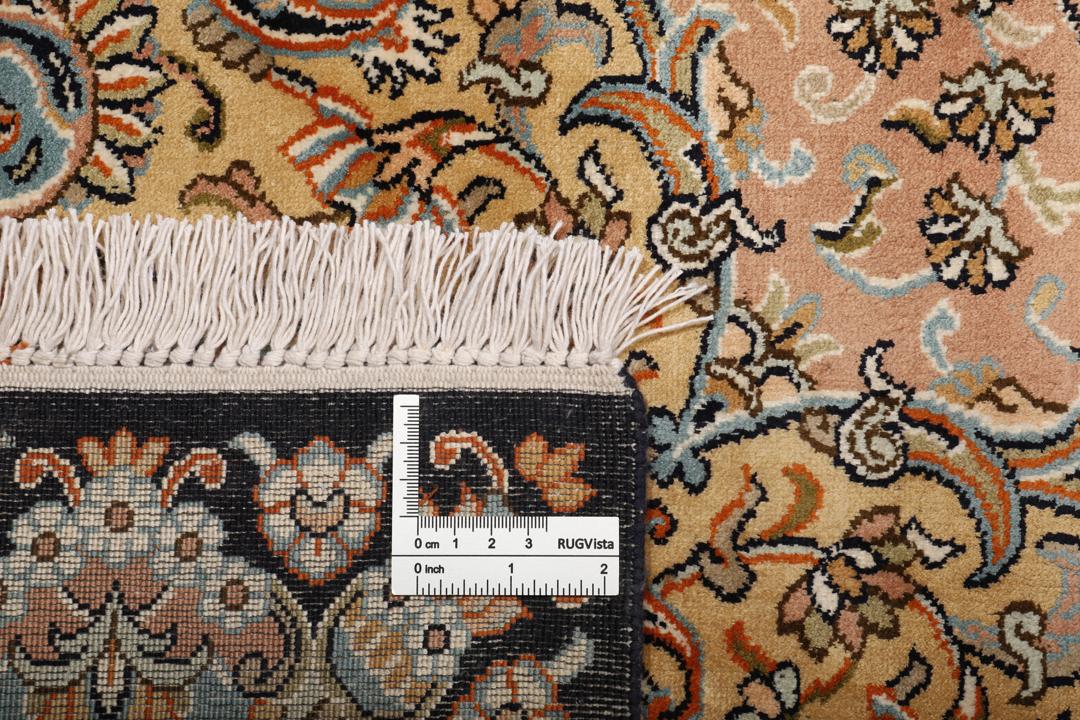
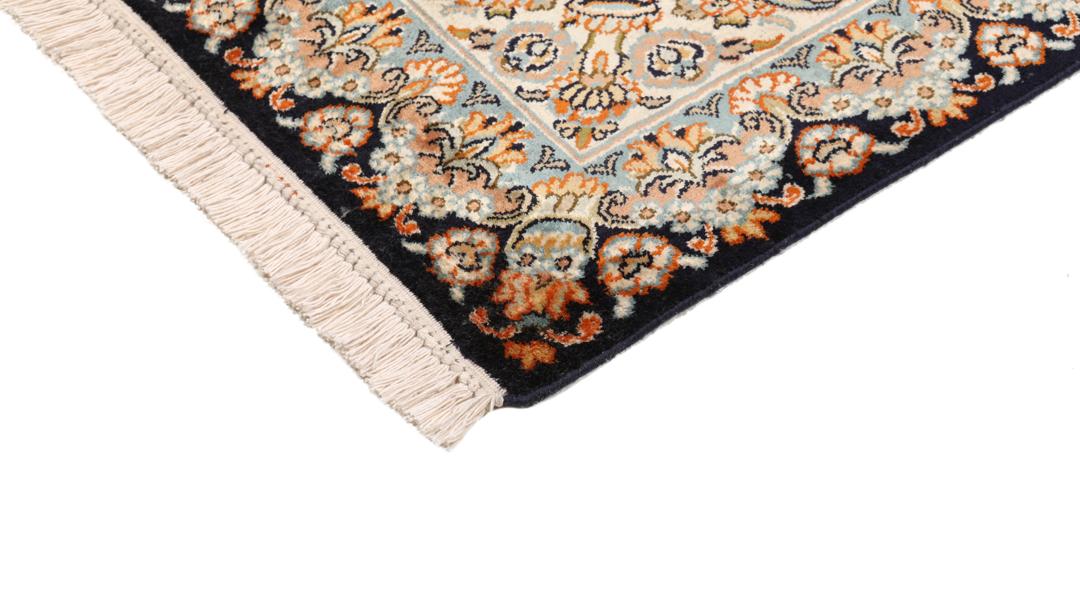
The term hand-knotted refers to the laborious method where each knot is tied by hand onto the foundation. This process is crucial for quality, as it allows for the creation of complex, curvilinear designs and extremely high levels of detail that are simply impossible to achieve with other methods. The resulting pile is dense, resilient, and possesses a unique sheen that develops beautifully over time.
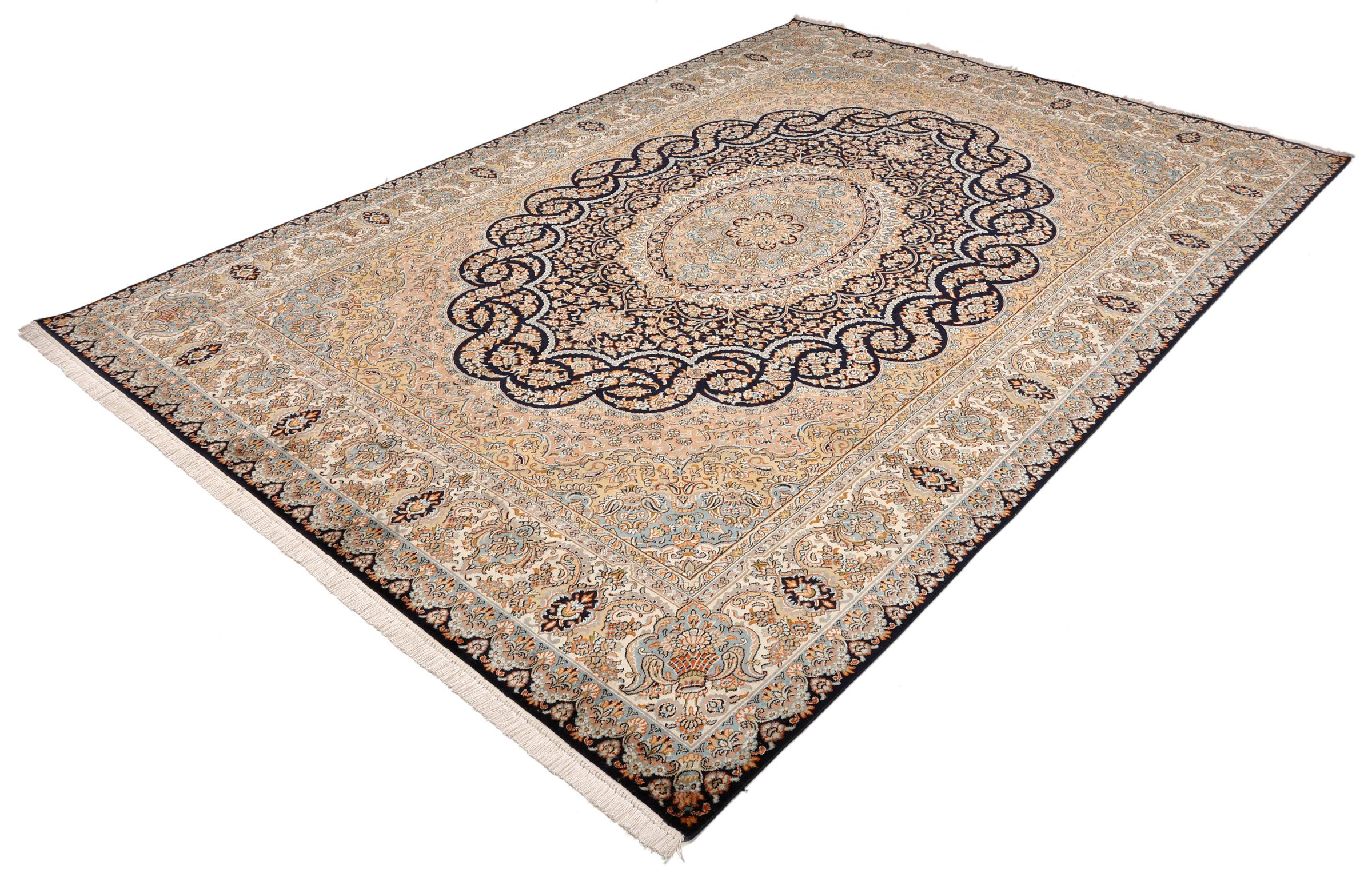
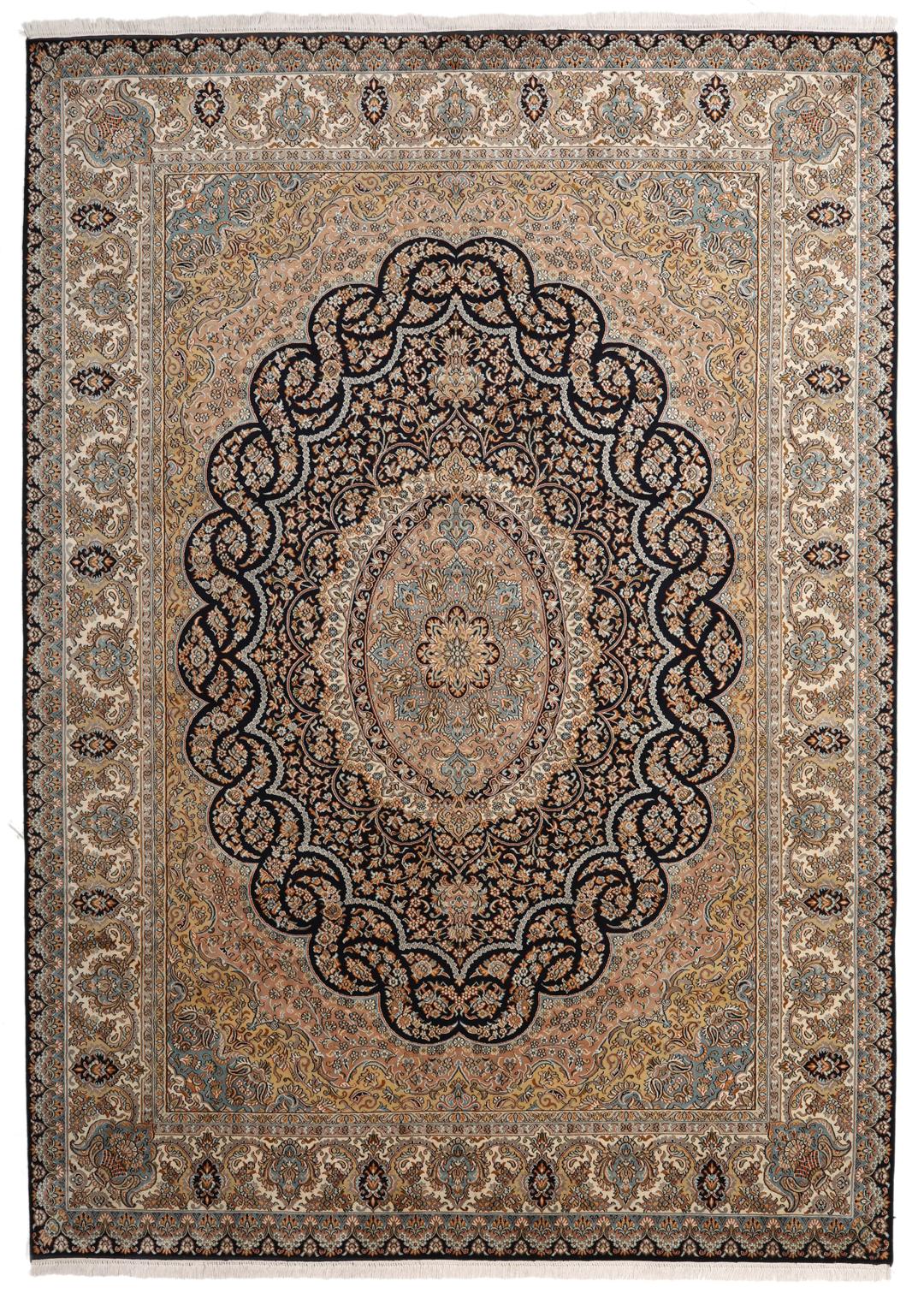
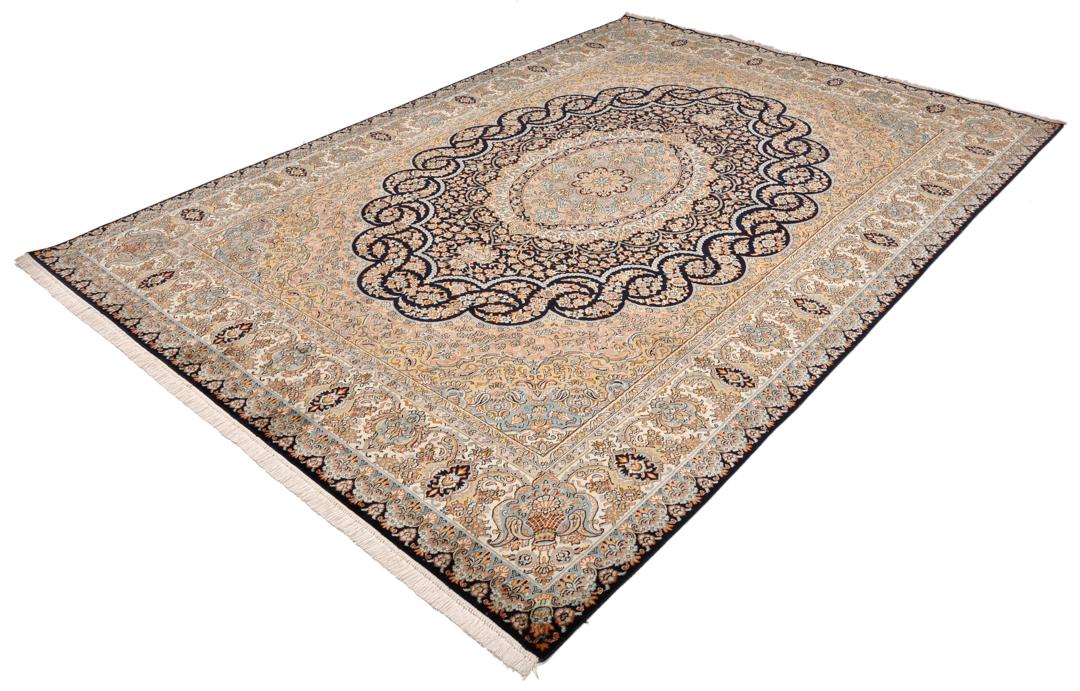
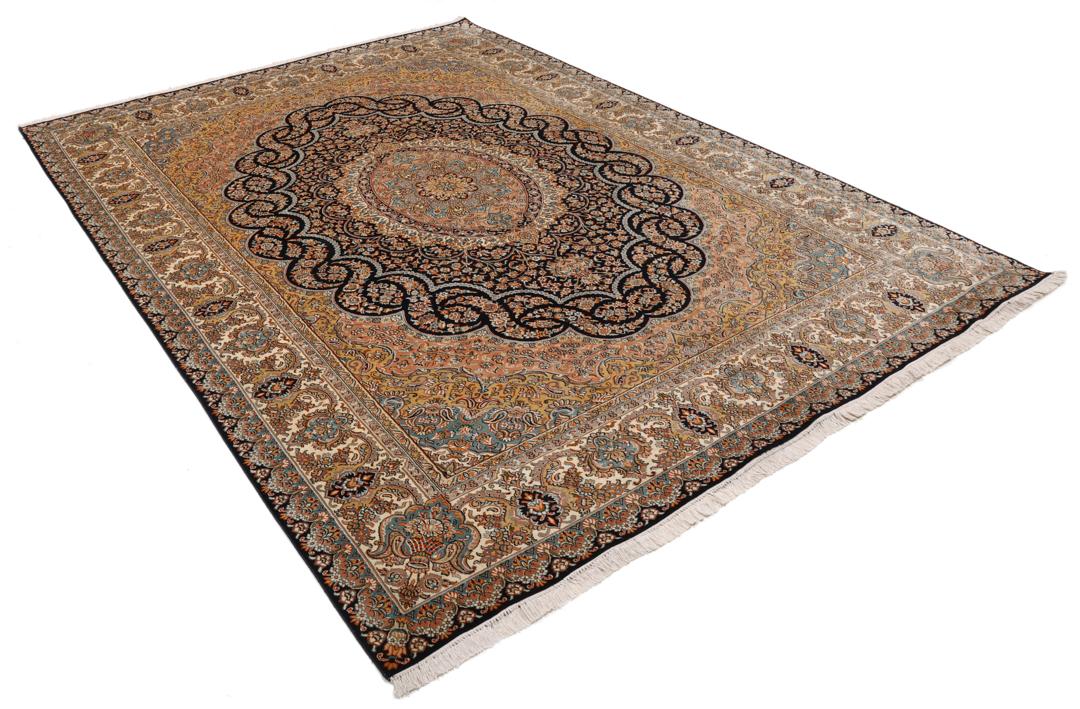
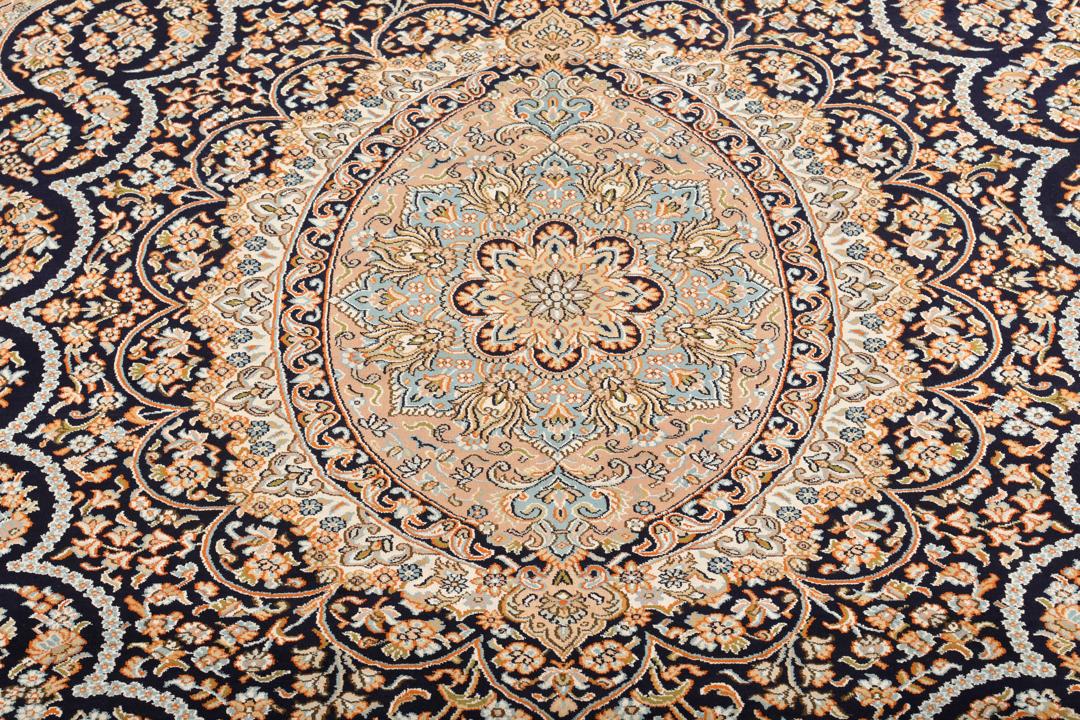
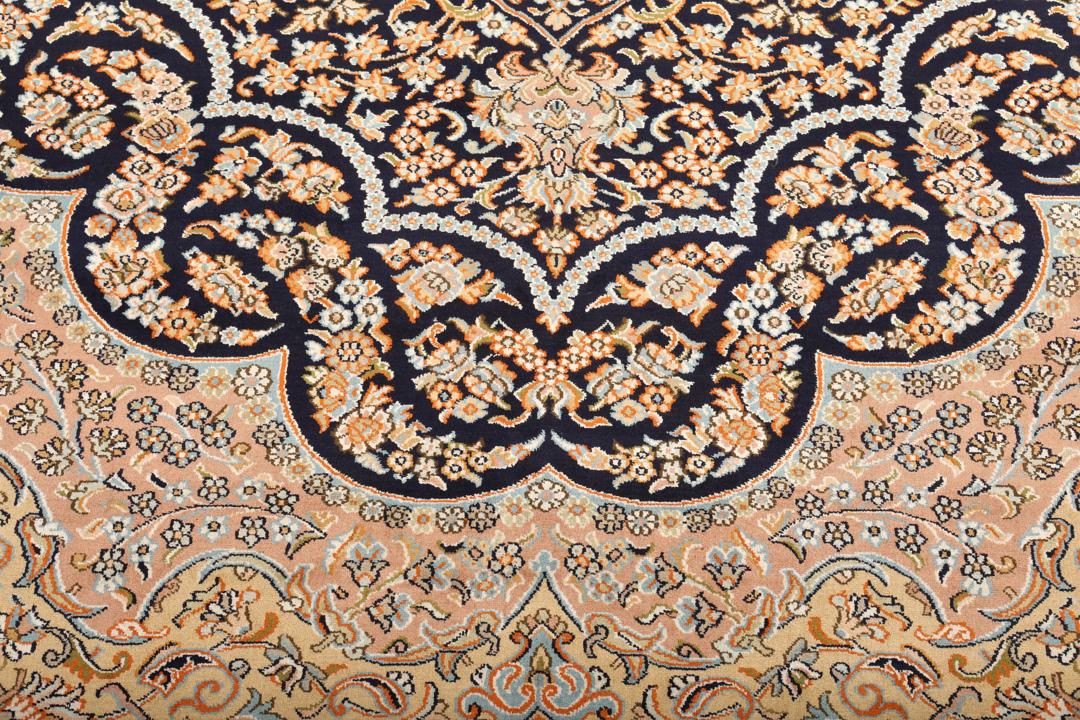
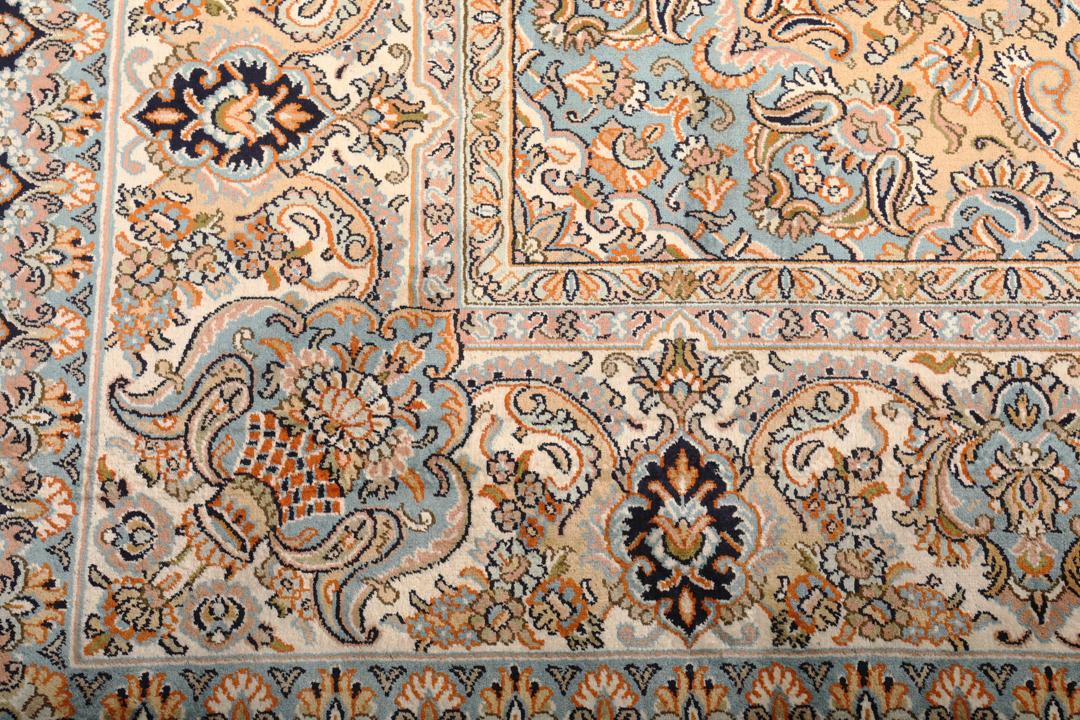
Kashmir rugs are famous for their signature floral and paisley-inspired motifs, often organised around a central medallion. These designs typically feature a sophisticated colour palette, with soft blues, creams, and rich earth tones being common. The borders are usually elaborate, mirroring the complexity of the central field to create a balanced and formal look that is highly sought after by collectors.
These rugs are treasured for their immense cultural value and the level of human skill they represent. Collecting a piece from this tradition is an act of preserving a historic craft, as each rug serves as a document of the weaver's talent and the region's enduring artistic heritage. Owning one is a commitment to quality and a celebration of a tradition that prizes patience and beauty above all else.