Kashmir silk rugs are celebrated globally for their roots in the rich textile heritage of northern India. The tradition of weaving these rugs was heavily influenced by Middle Eastern techniques brought to the region centuries ago, which were then adapted to local aesthetics. Over time, these rugs developed a distinct identity, characterised by the use of high-quality silk and designs that draw inspiration from the lush, natural landscapes and sophisticated architecture of the Kashmir valley.
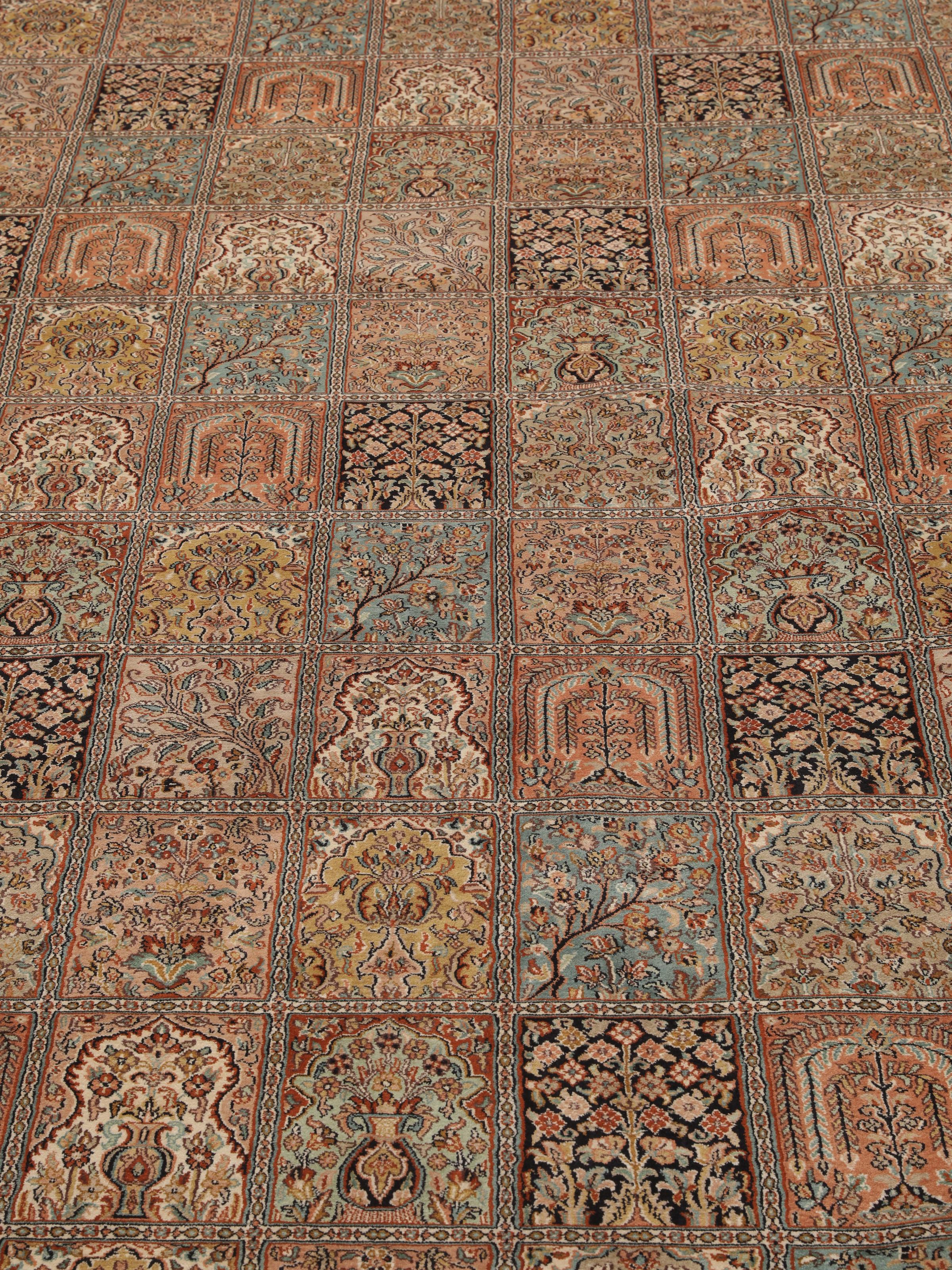
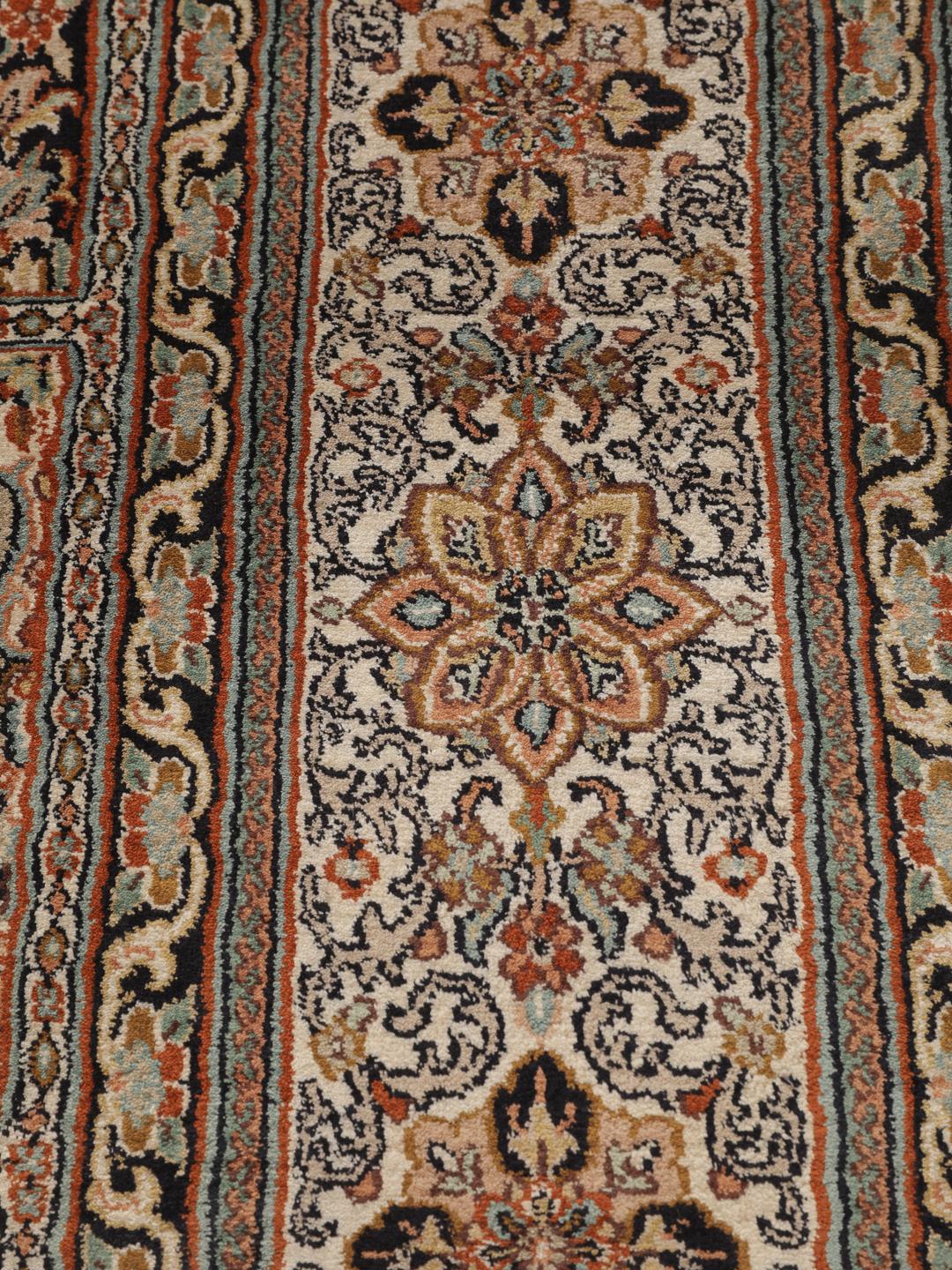
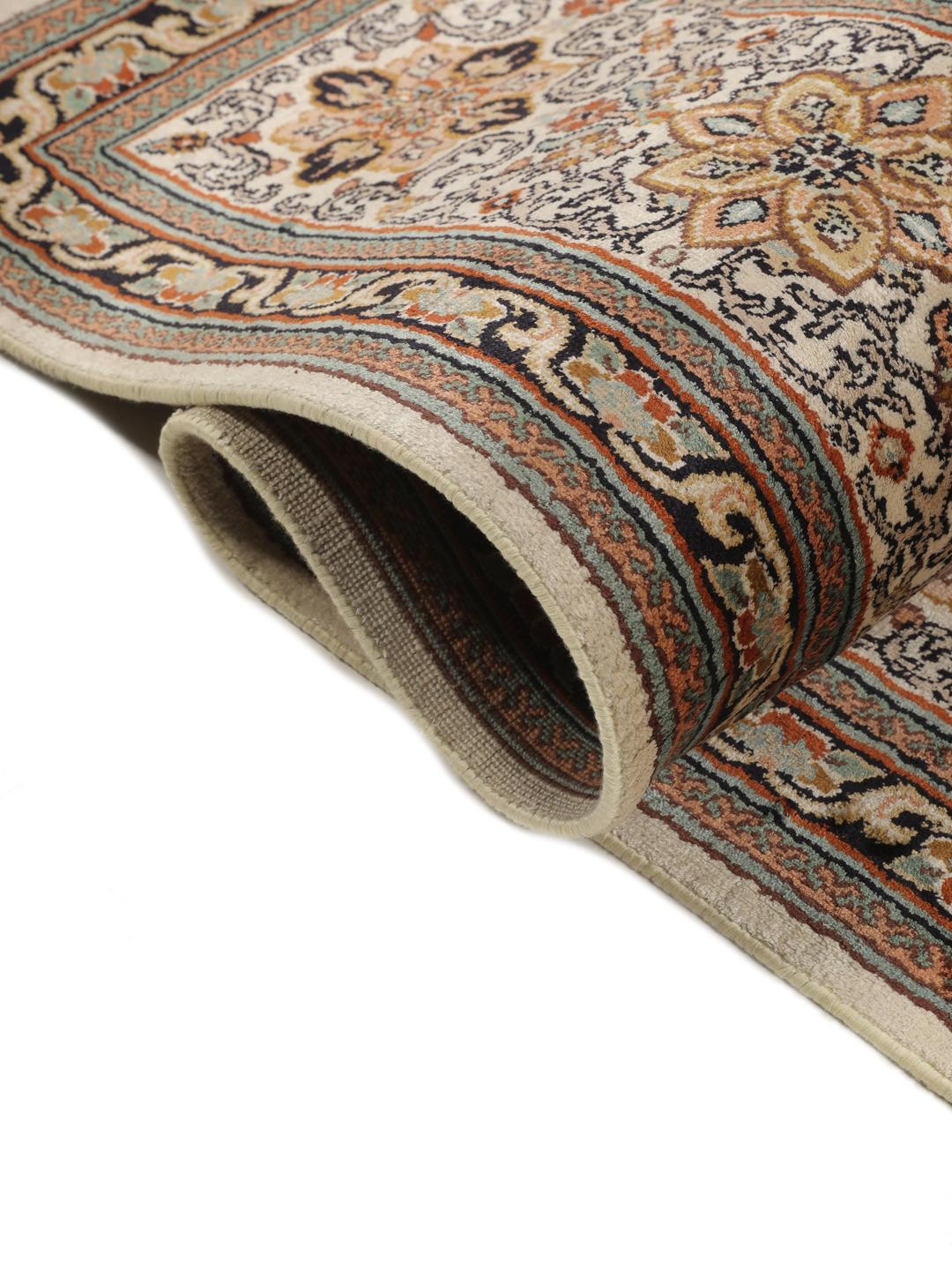
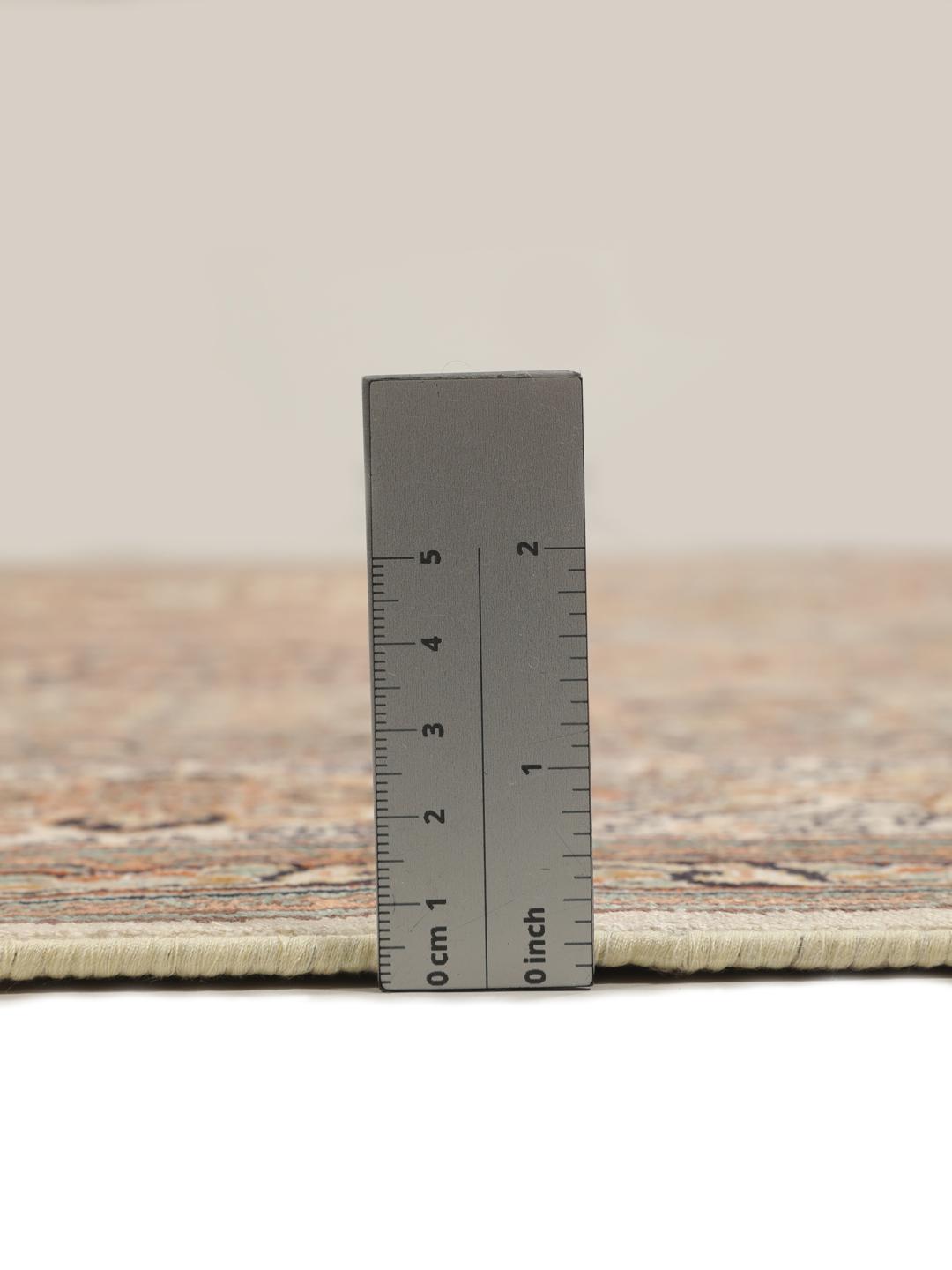
The term 'Kashmir silk' refers not just to the material, but to a specific, refined approach to rug-making. The process emphasises a high knot density, which allows for the creation of incredibly detailed, curvilinear patterns that would be impossible to achieve with coarser materials or techniques. This density ensures that the rug remains firm and maintains its shape, whilst the natural silk fibres provide a lustrous finish that is both durable and soft to the touch.
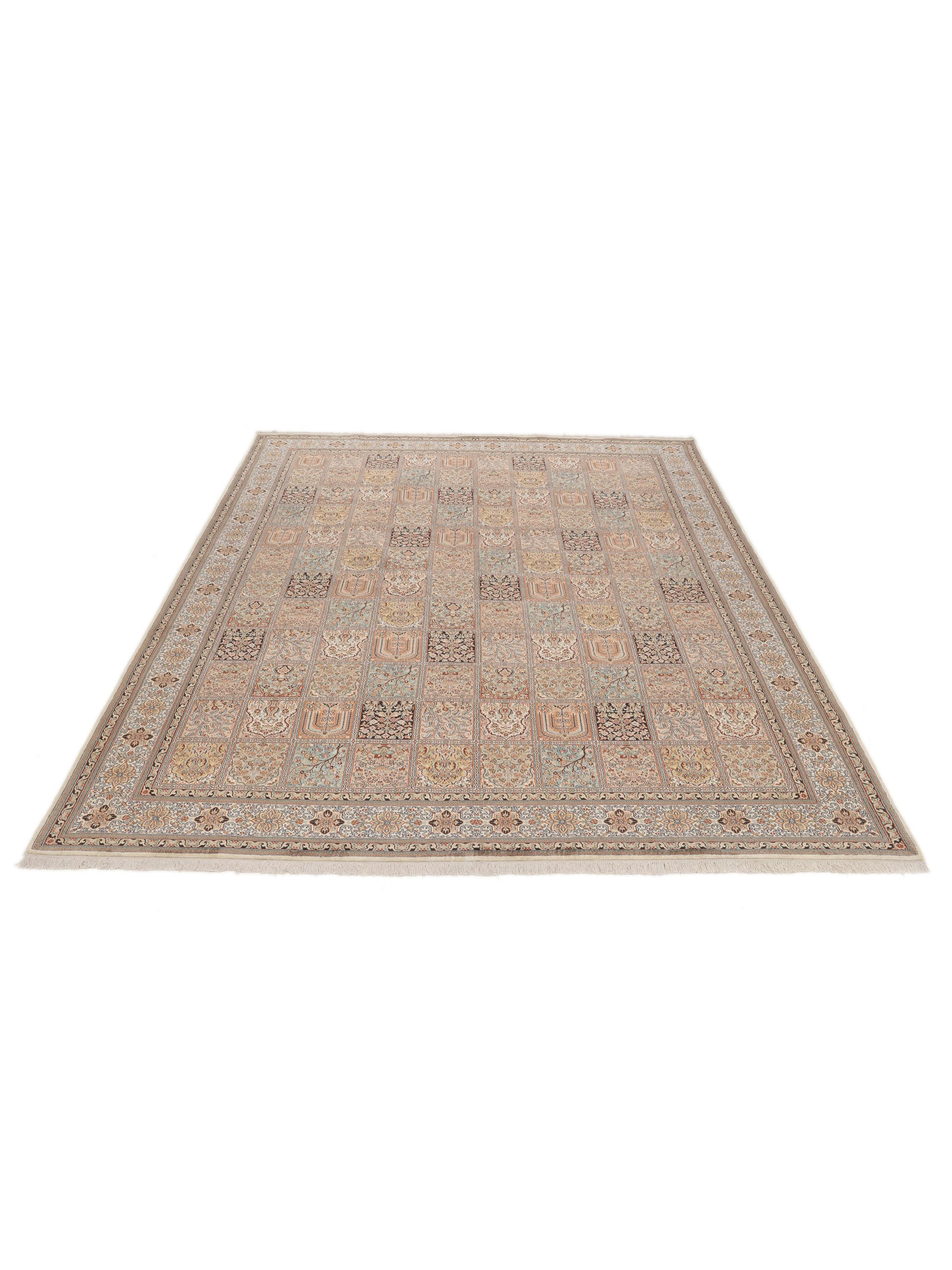
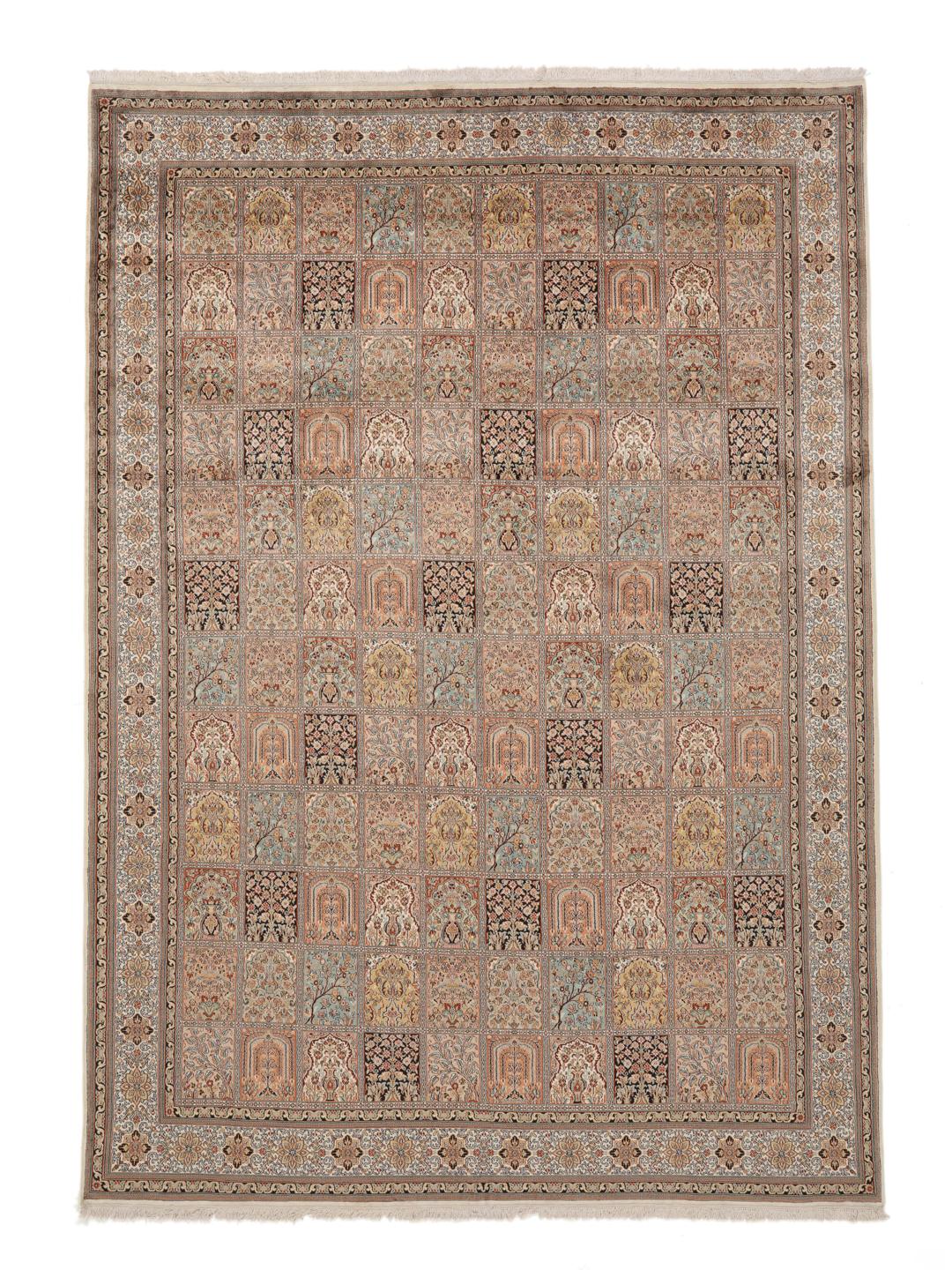
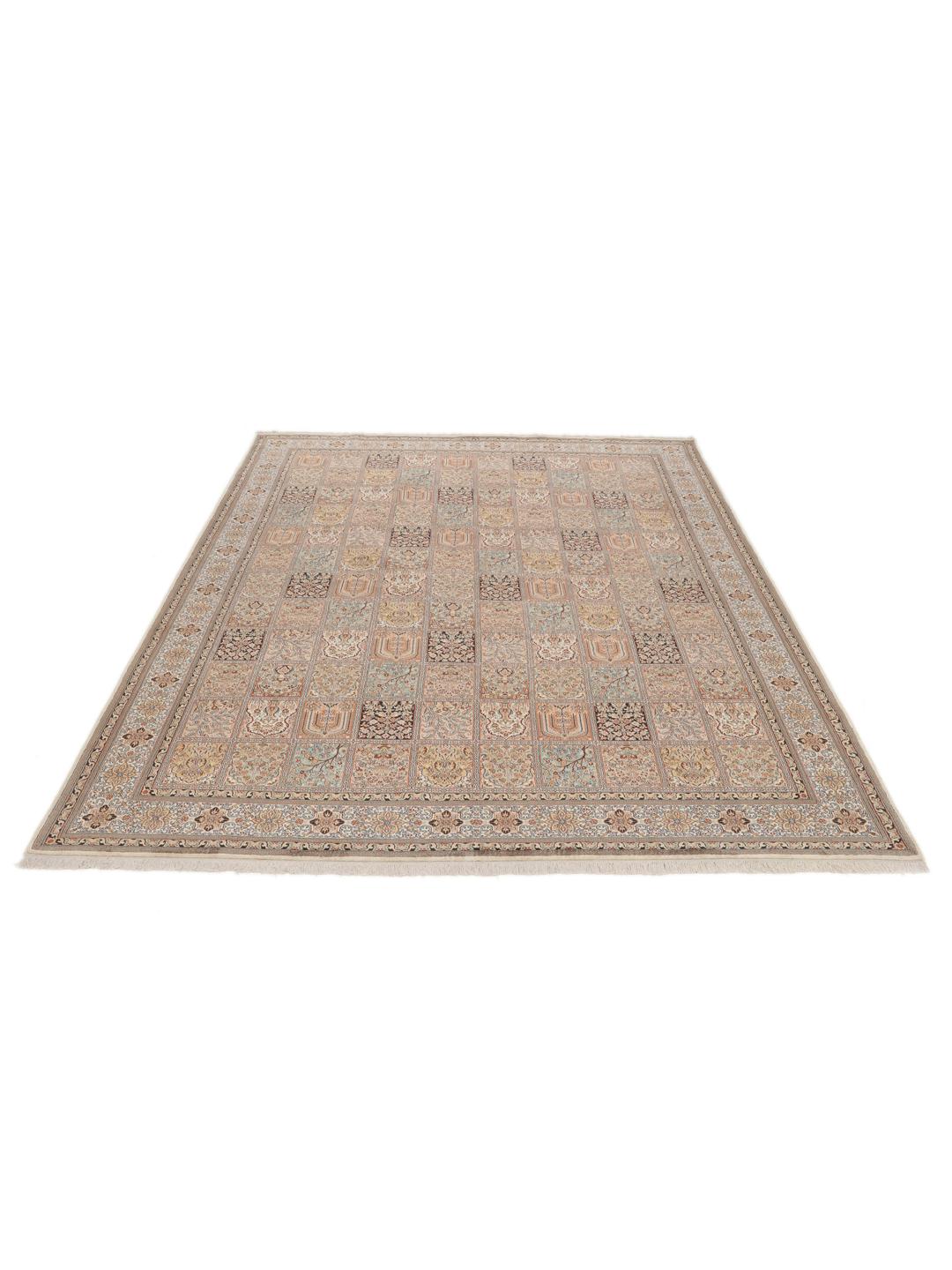
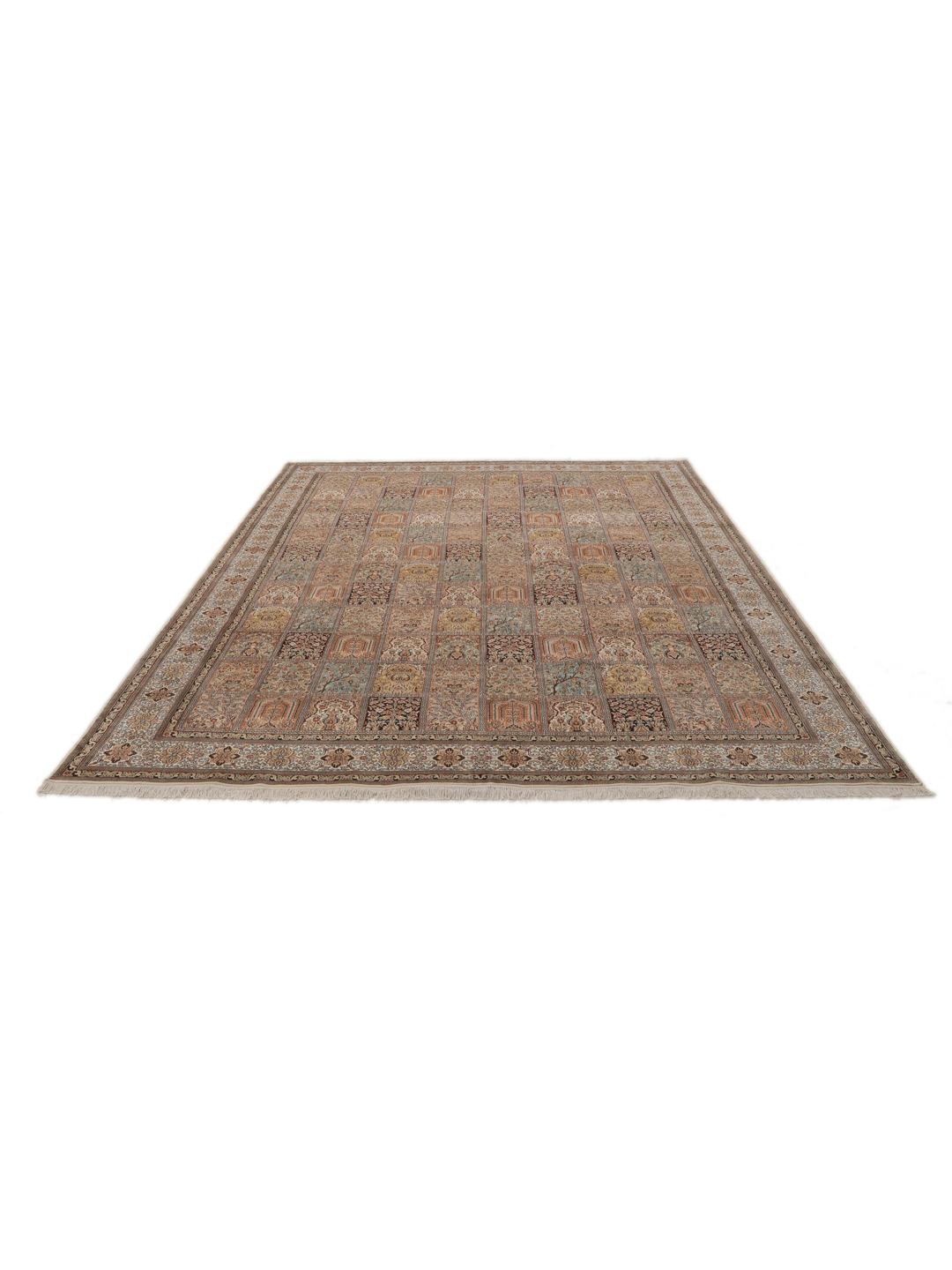
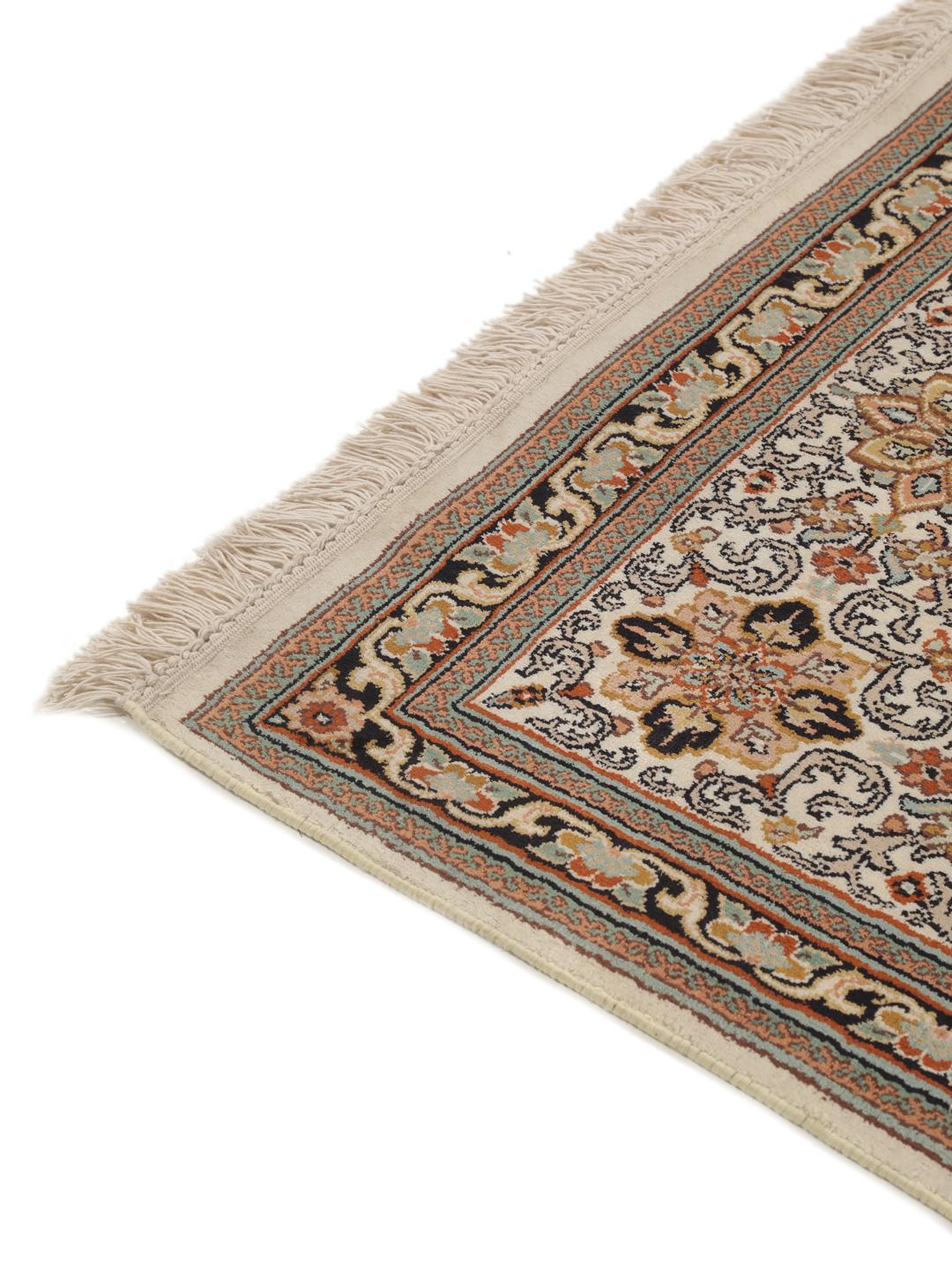
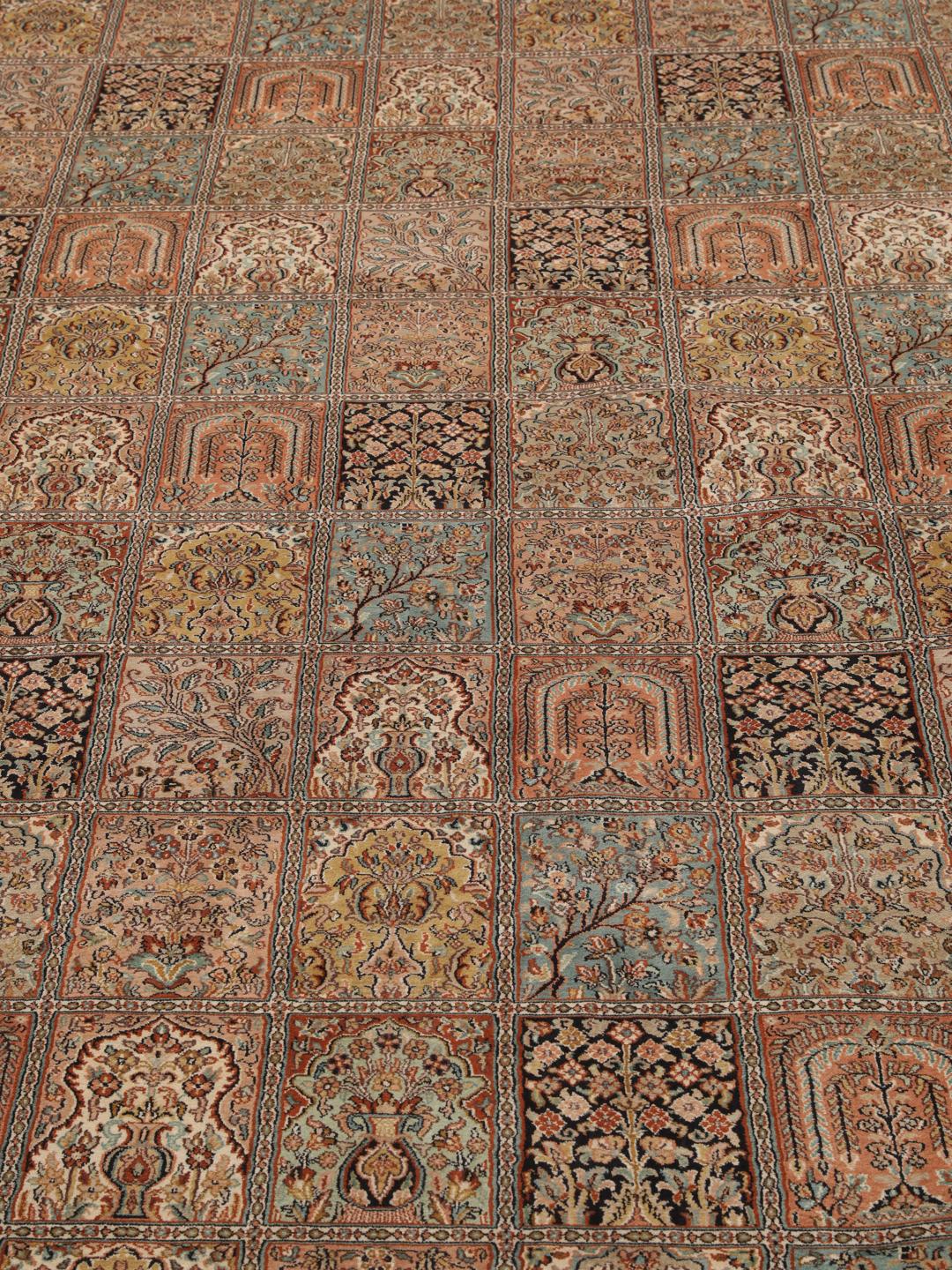
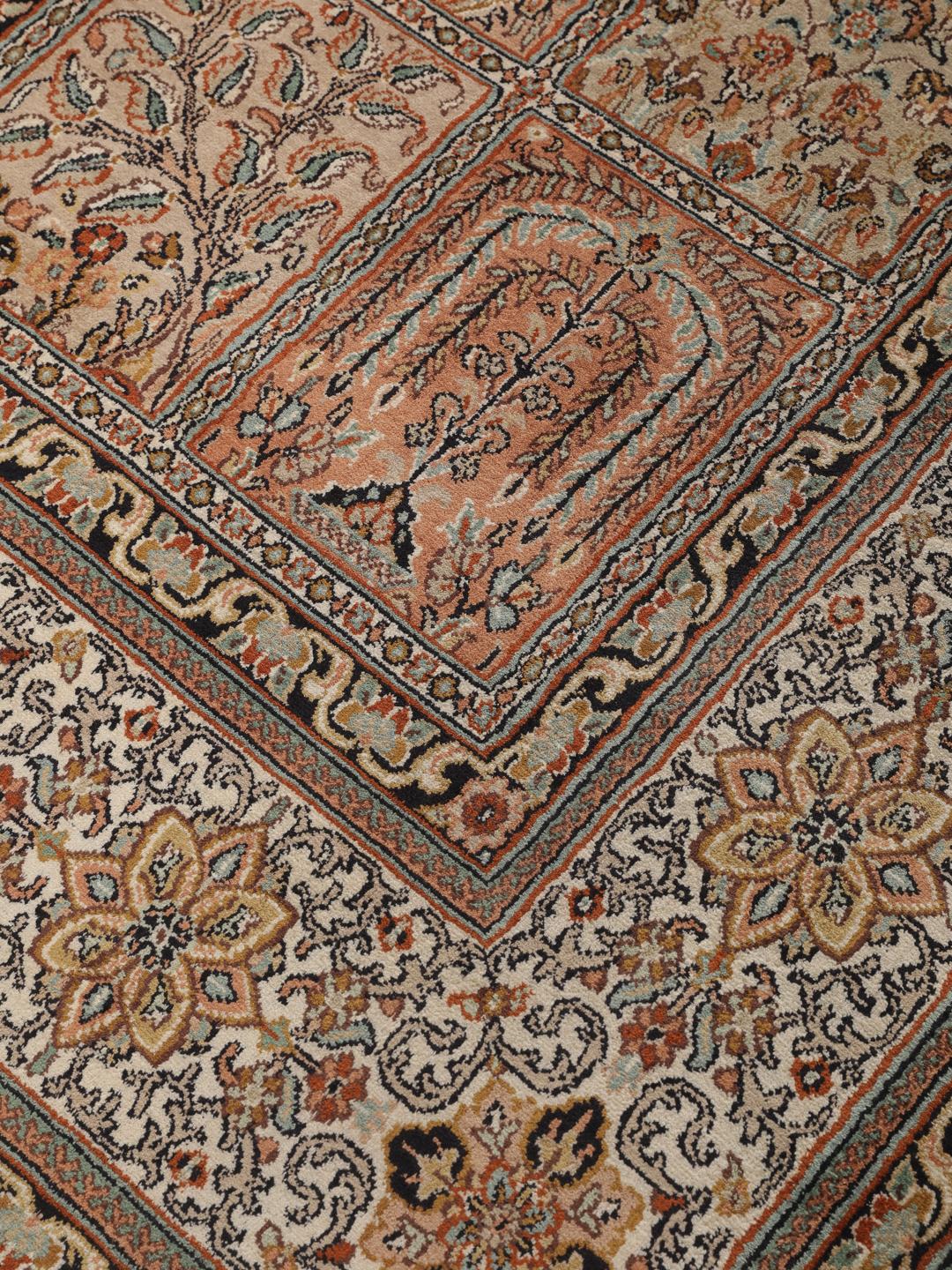
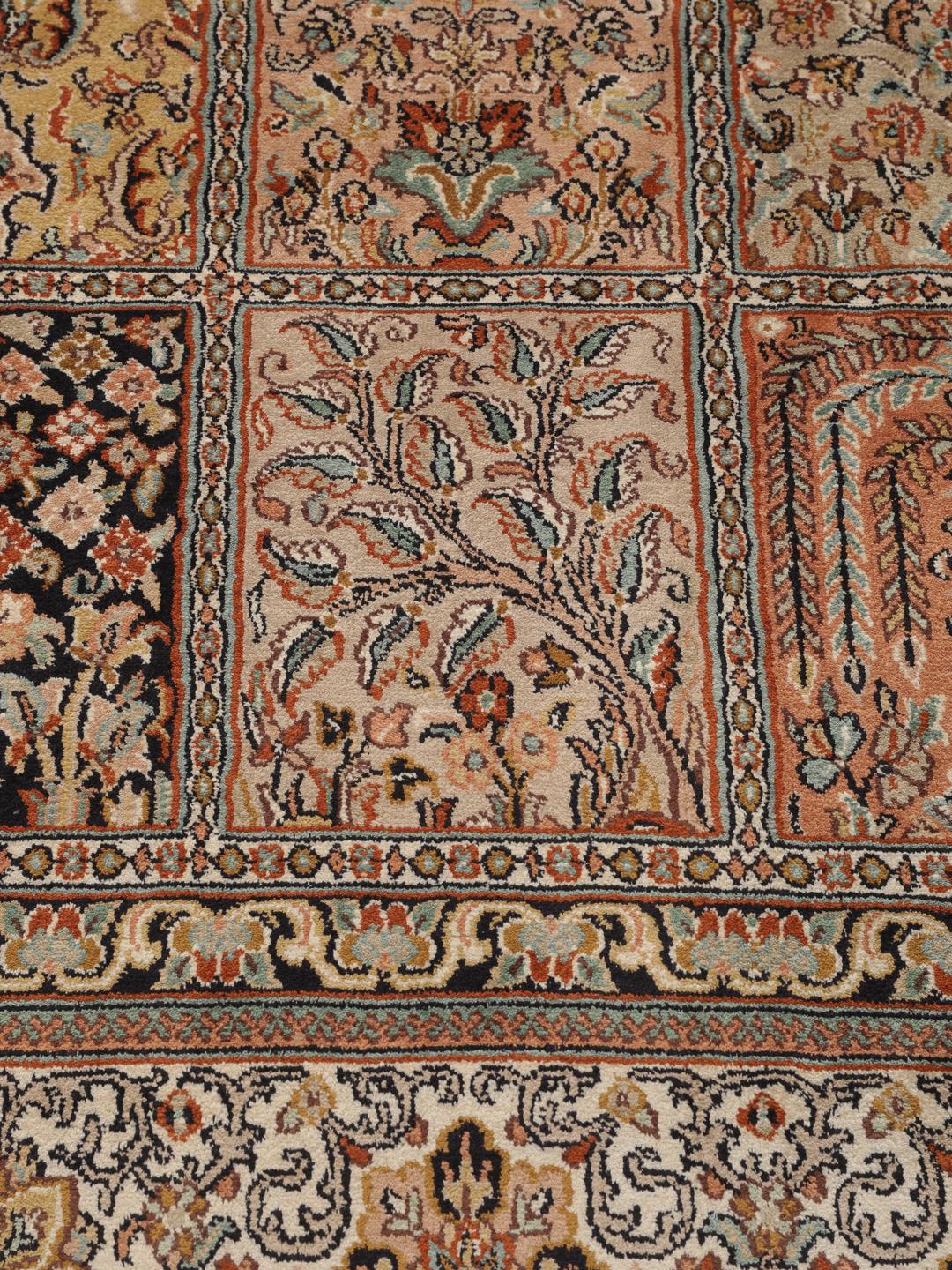
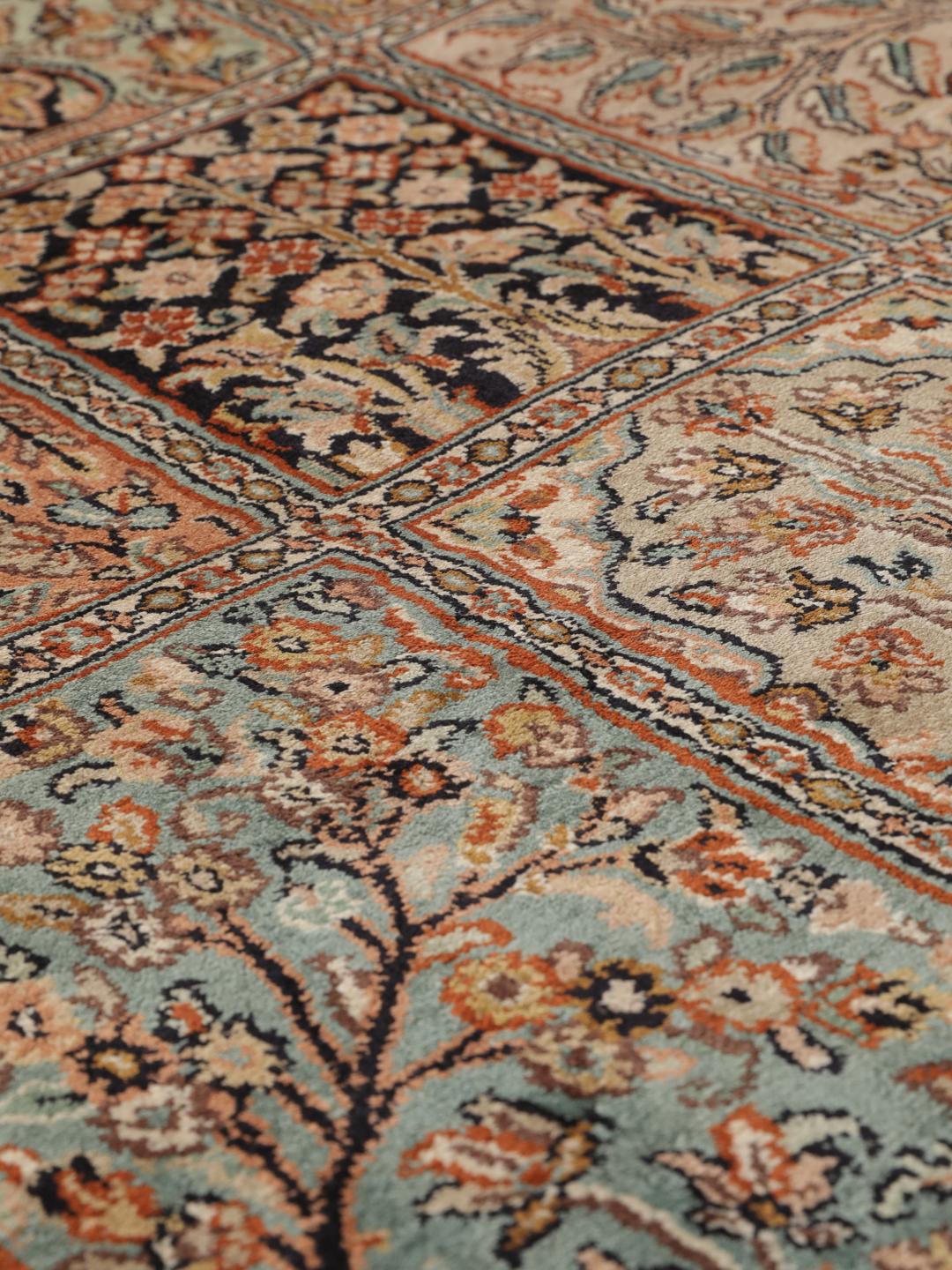
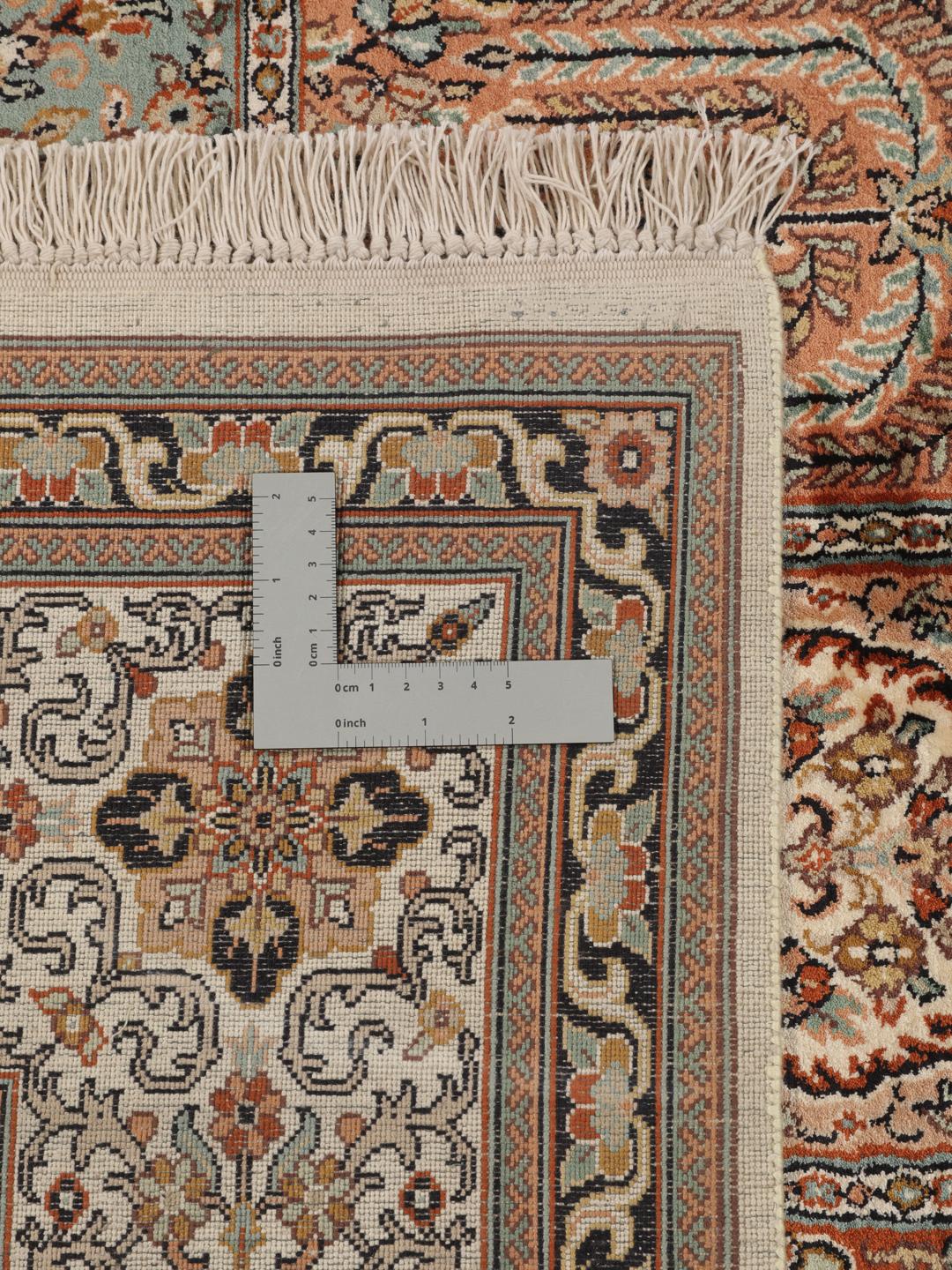
Visually, these rugs are defined by their signature patterns, often featuring intricate floral motifs, chinar leaves, and ornate medallions. The designs are frequently arranged in a garden-like layout or a precise grid, reflecting a balance between order and organic beauty. This specific piece displays a complex, grid-like structure that showcases a variety of motifs, making it a standout example of the meticulous planning and artistic vision required in this tradition.
Collecting a Kashmir silk rug is an investment in cultural heritage and artisanal skill. These pieces are valued for their ability to blend traditional storytelling with a timeless aesthetic that complements many interior styles. By welcoming one into your home, you are preserving a craft that has been passed down through generations, ensuring that the legacy of these master weavers continues to be appreciated in modern living spaces.