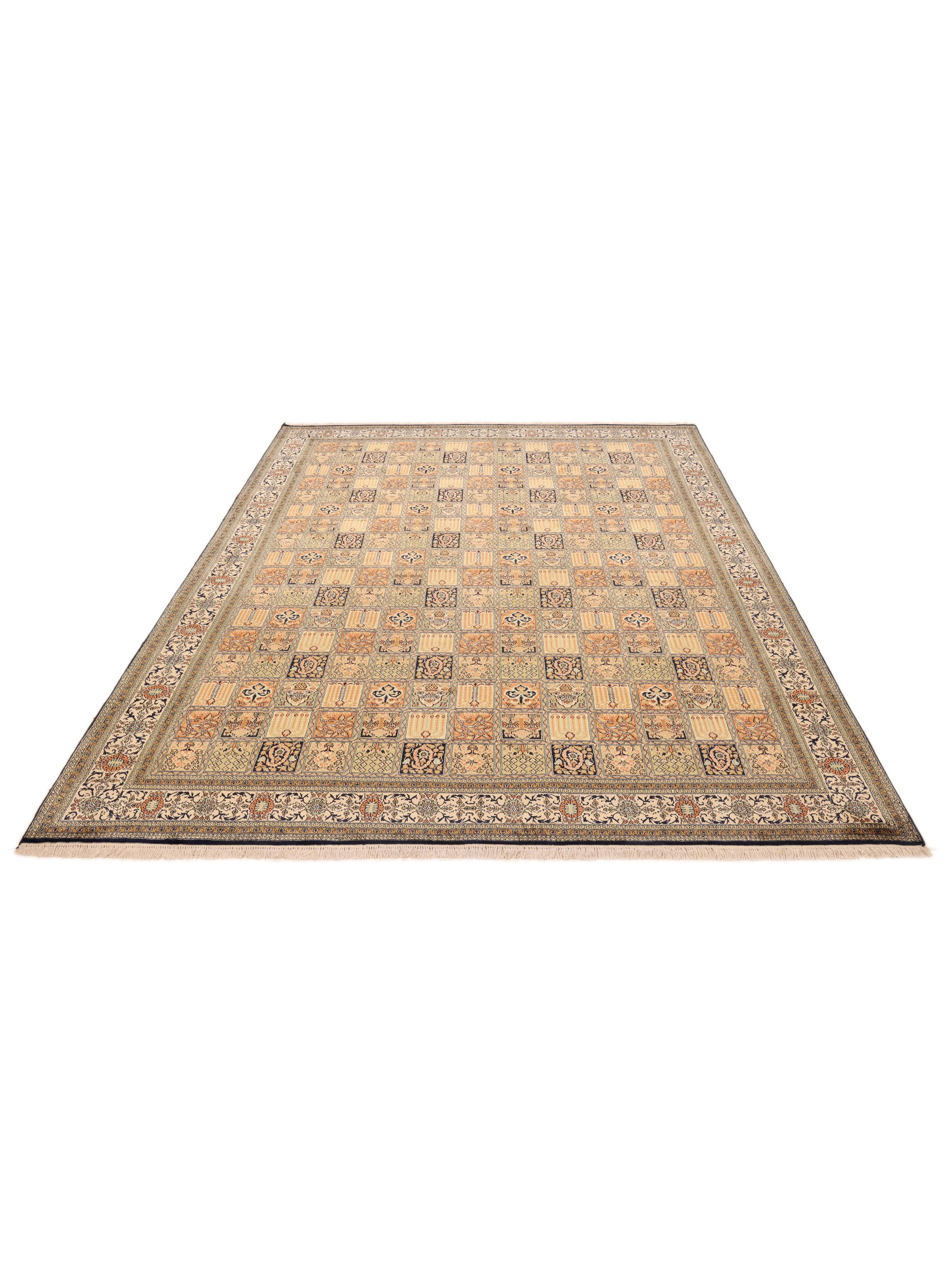
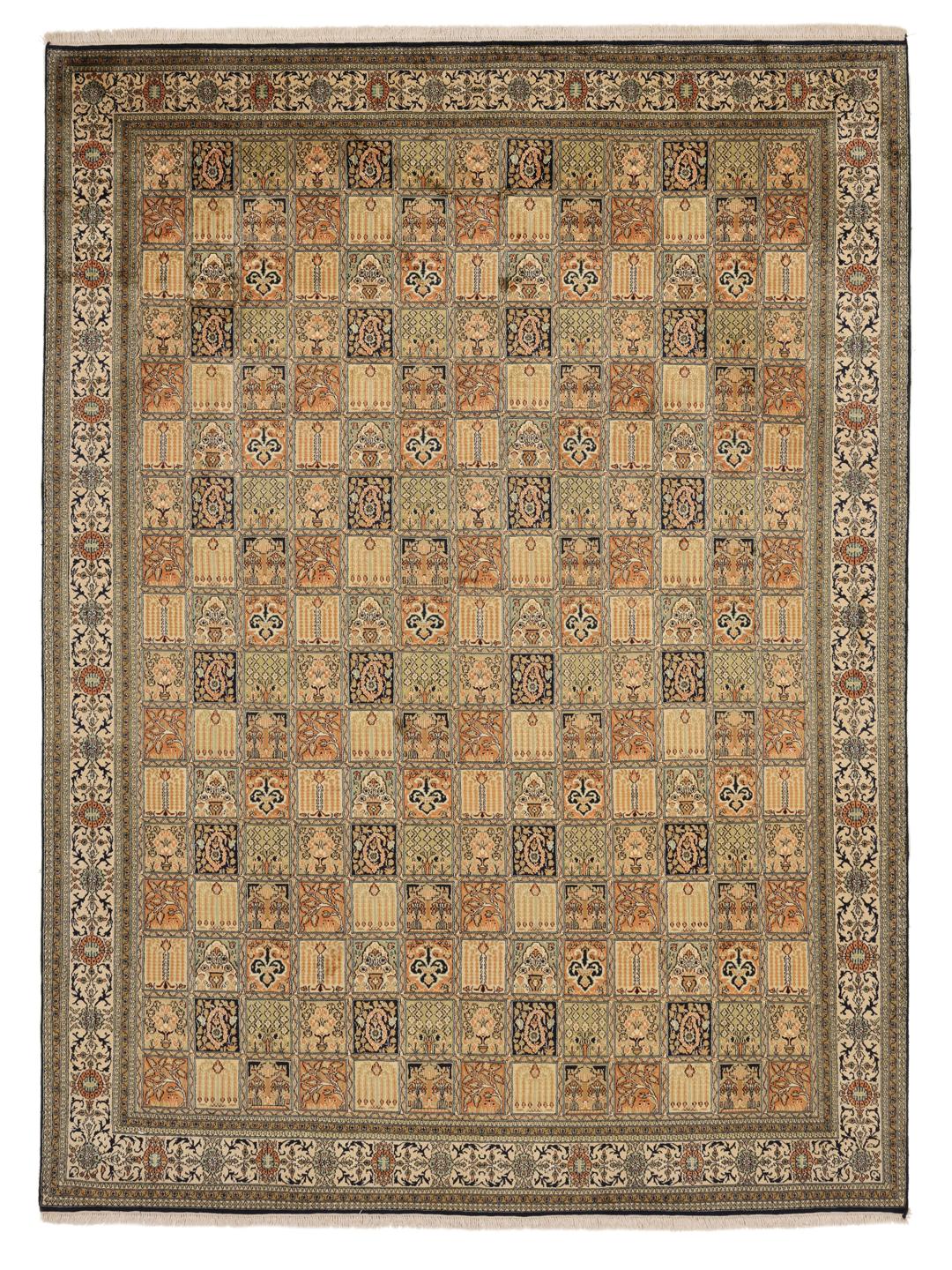
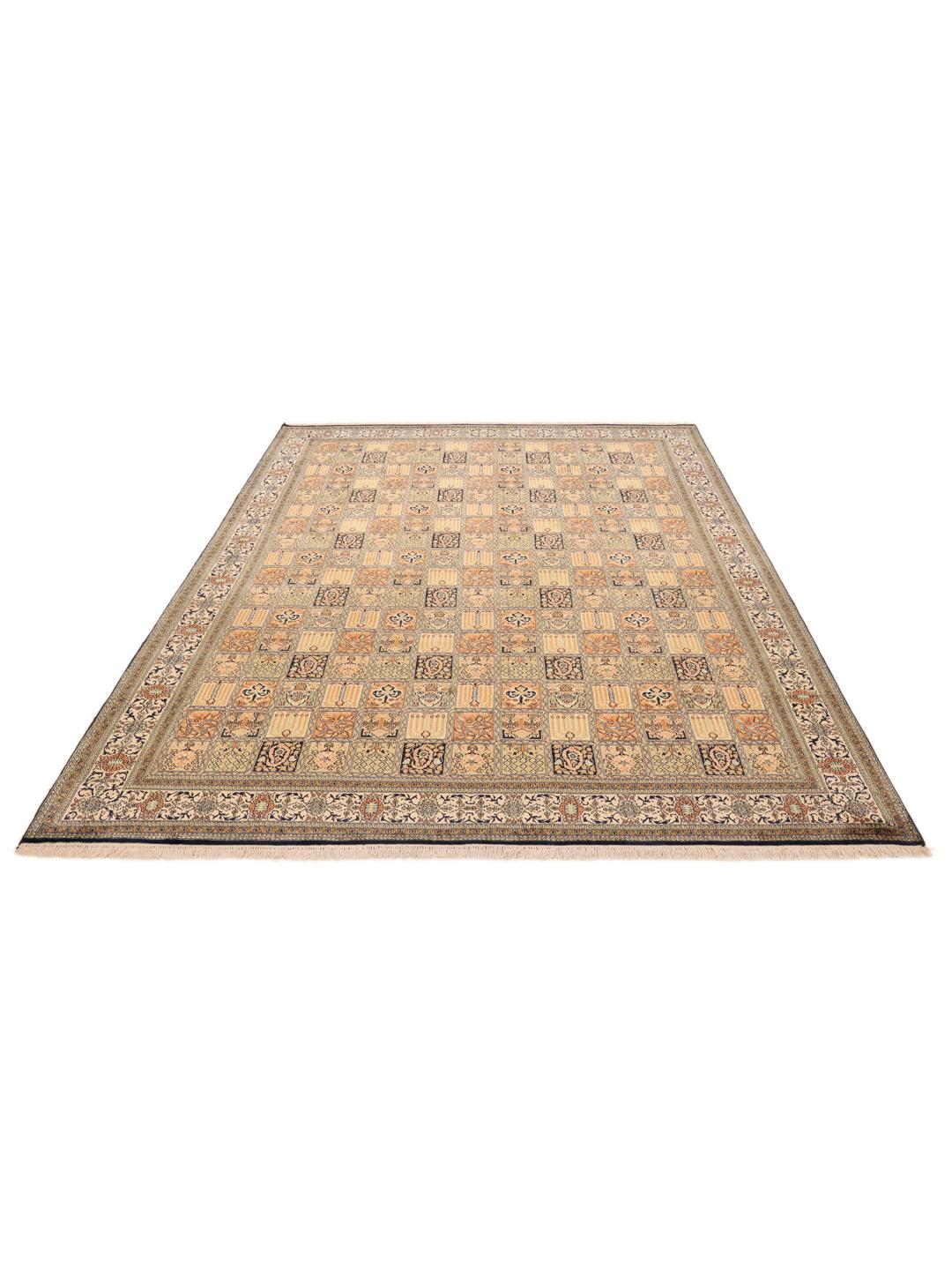
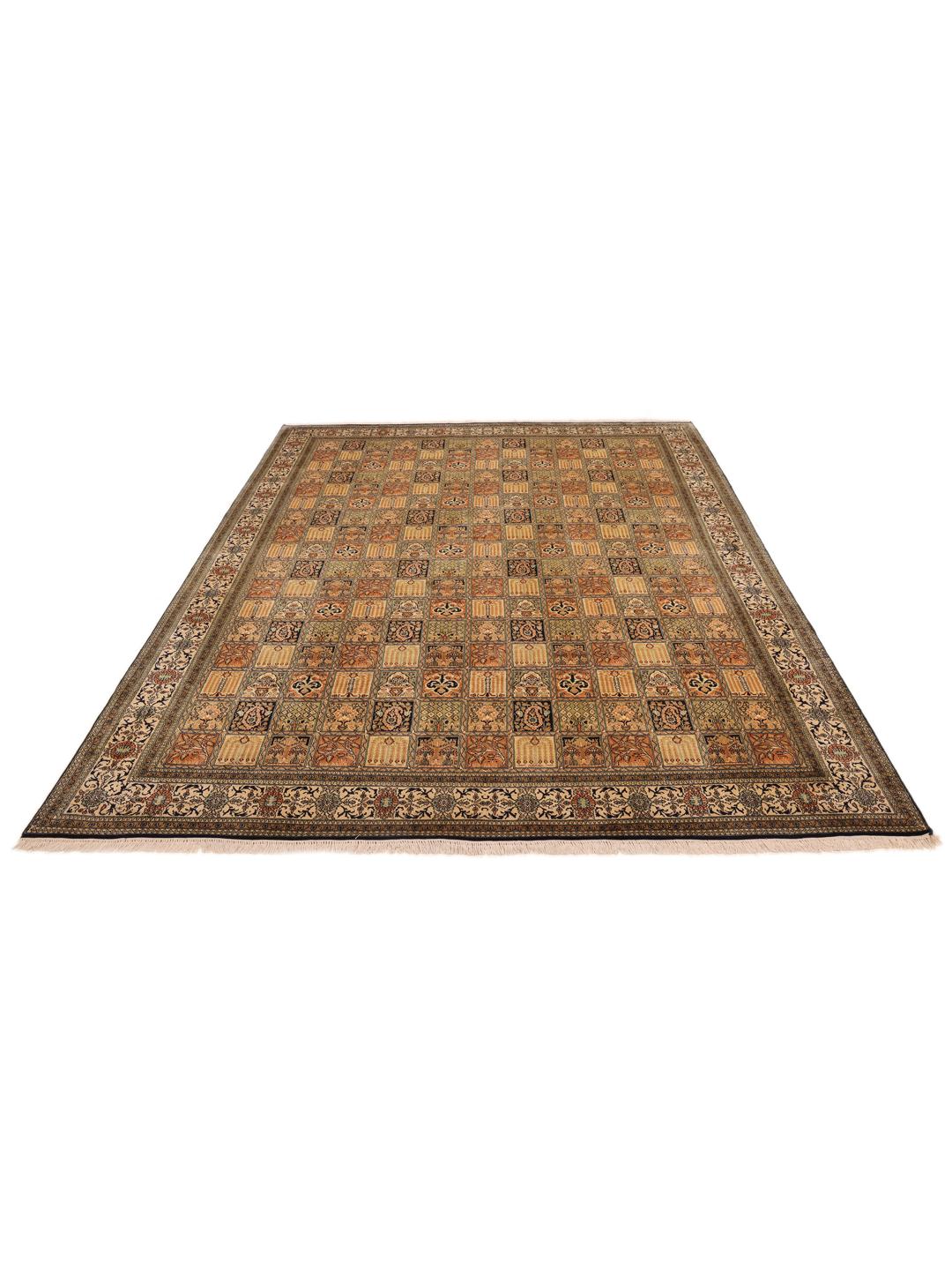
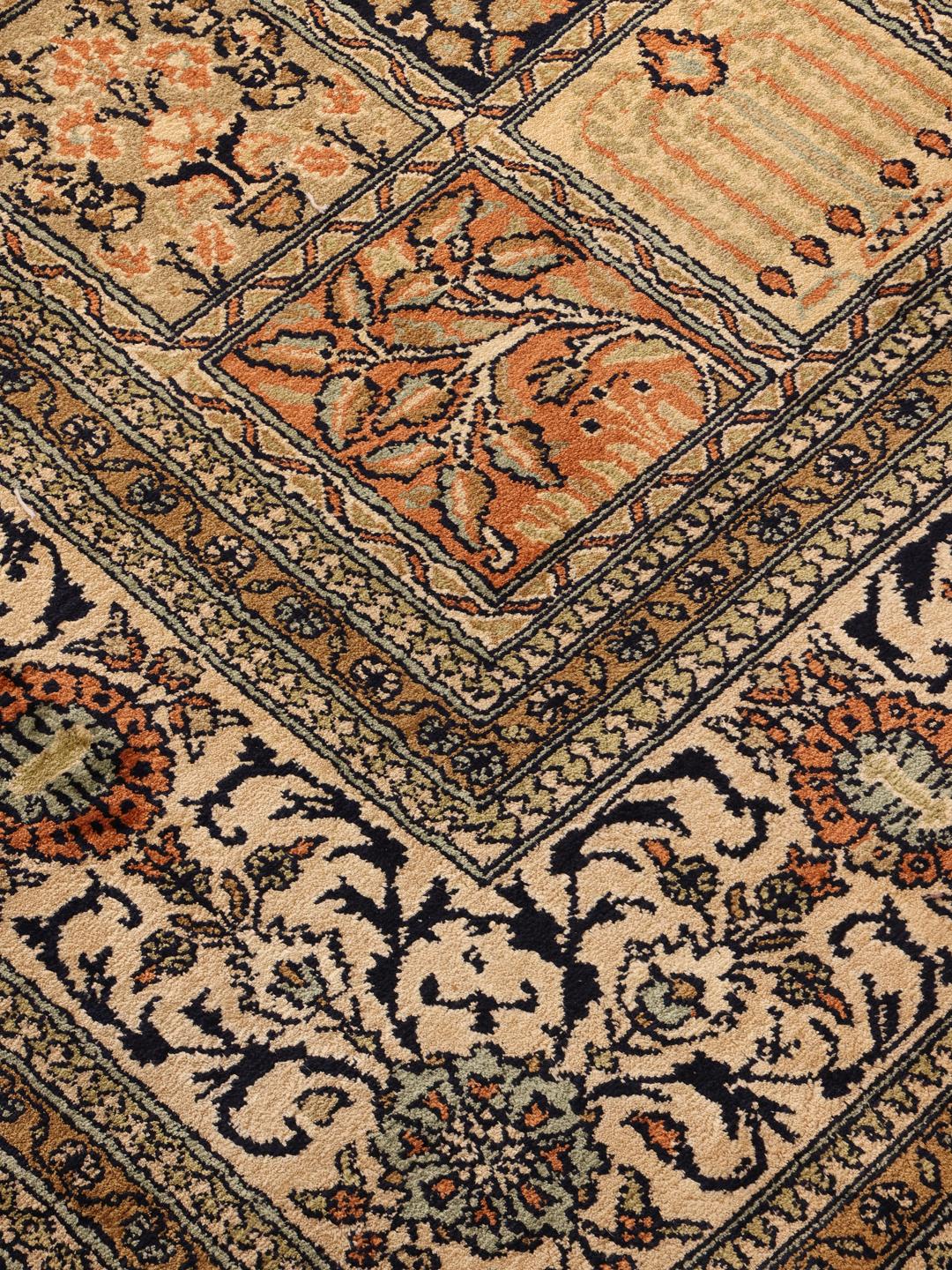
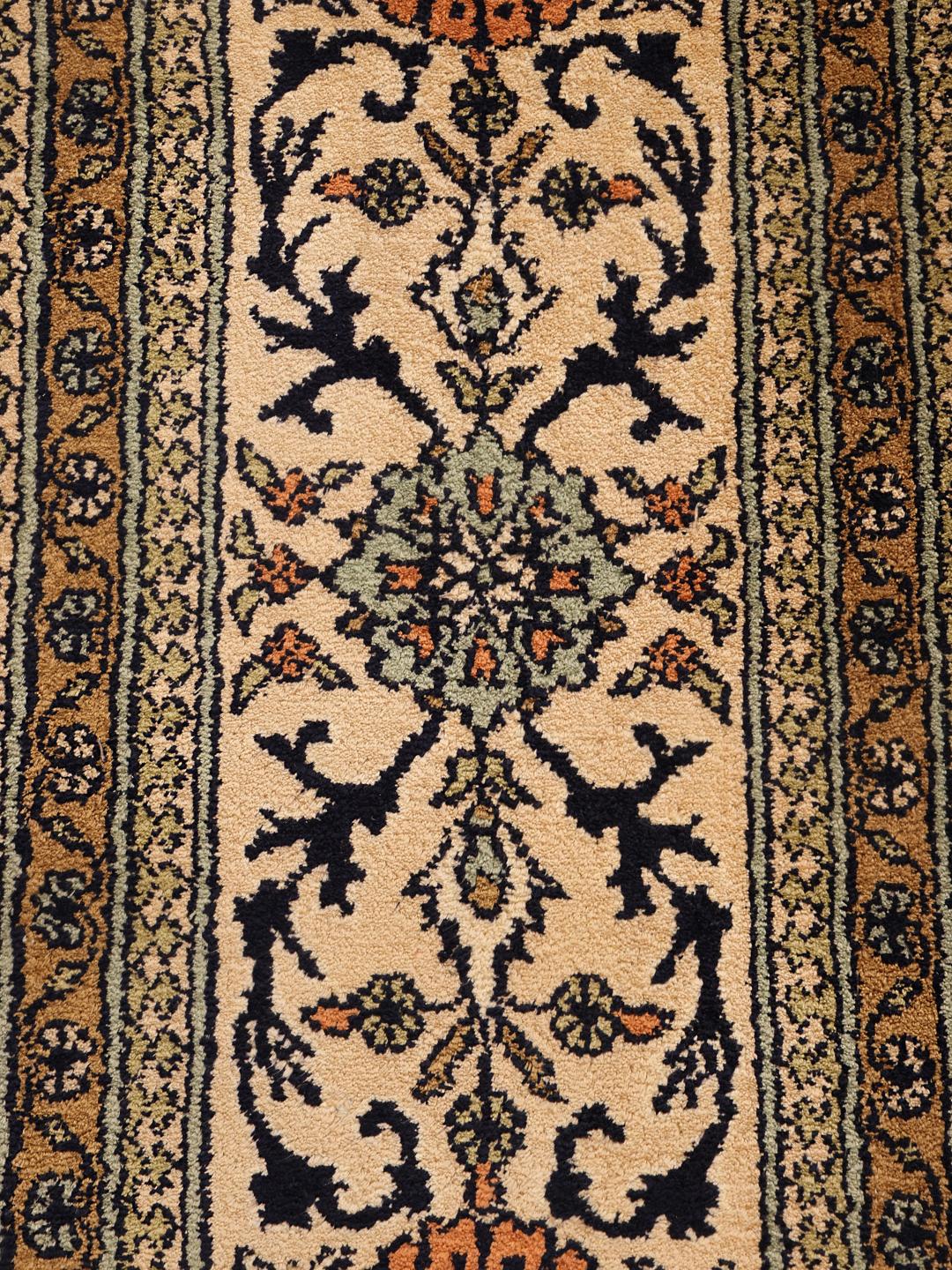
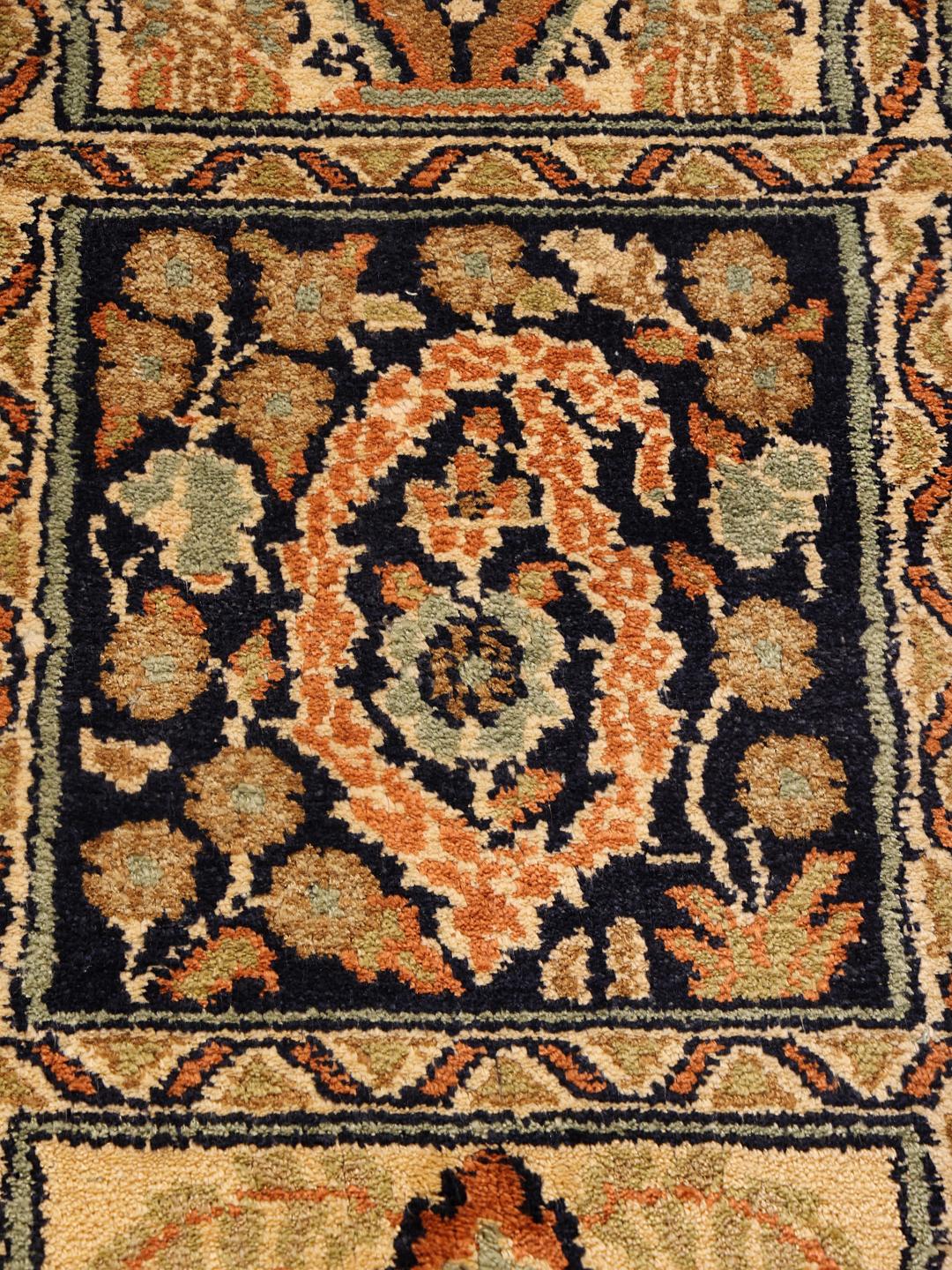
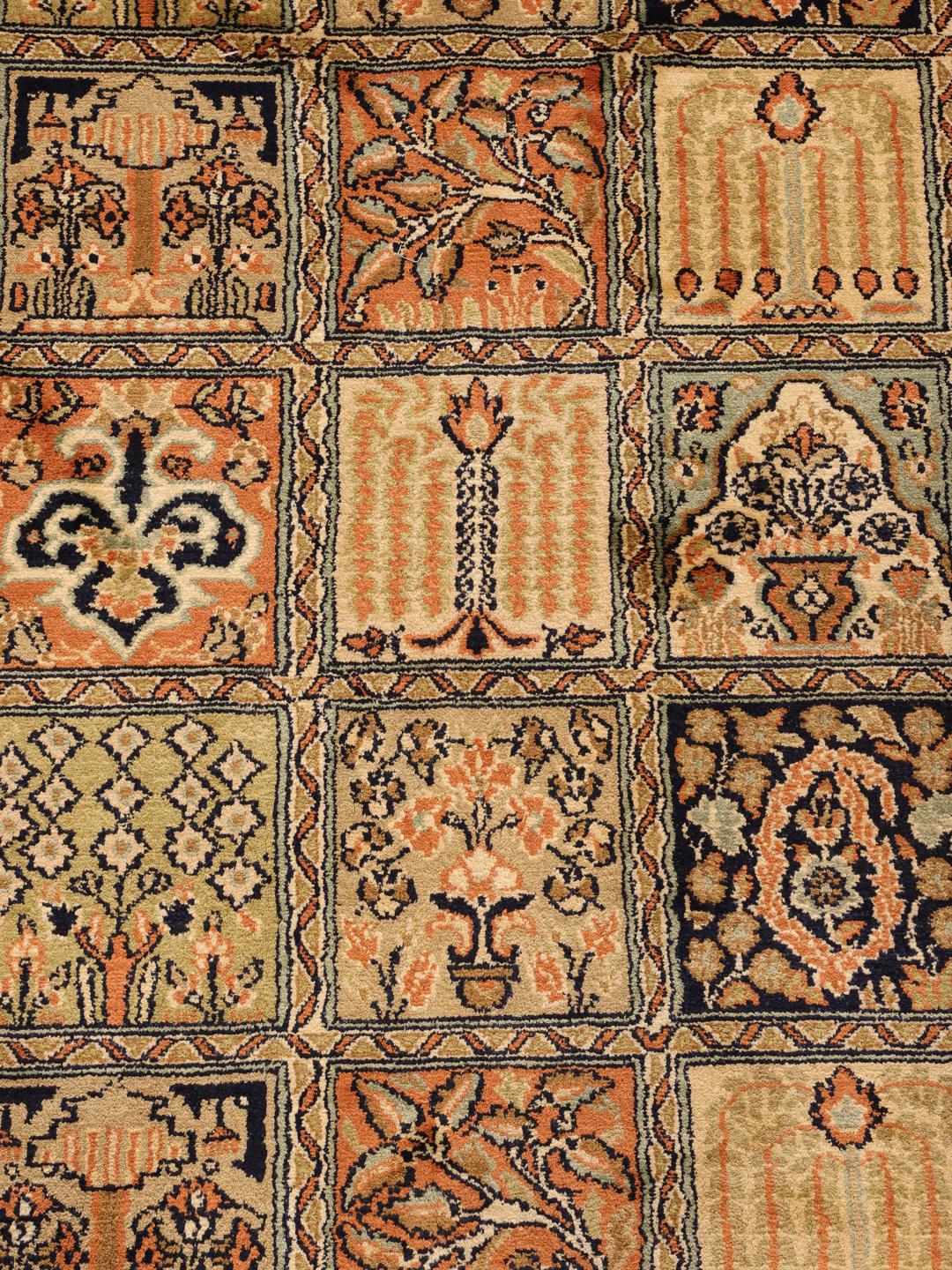
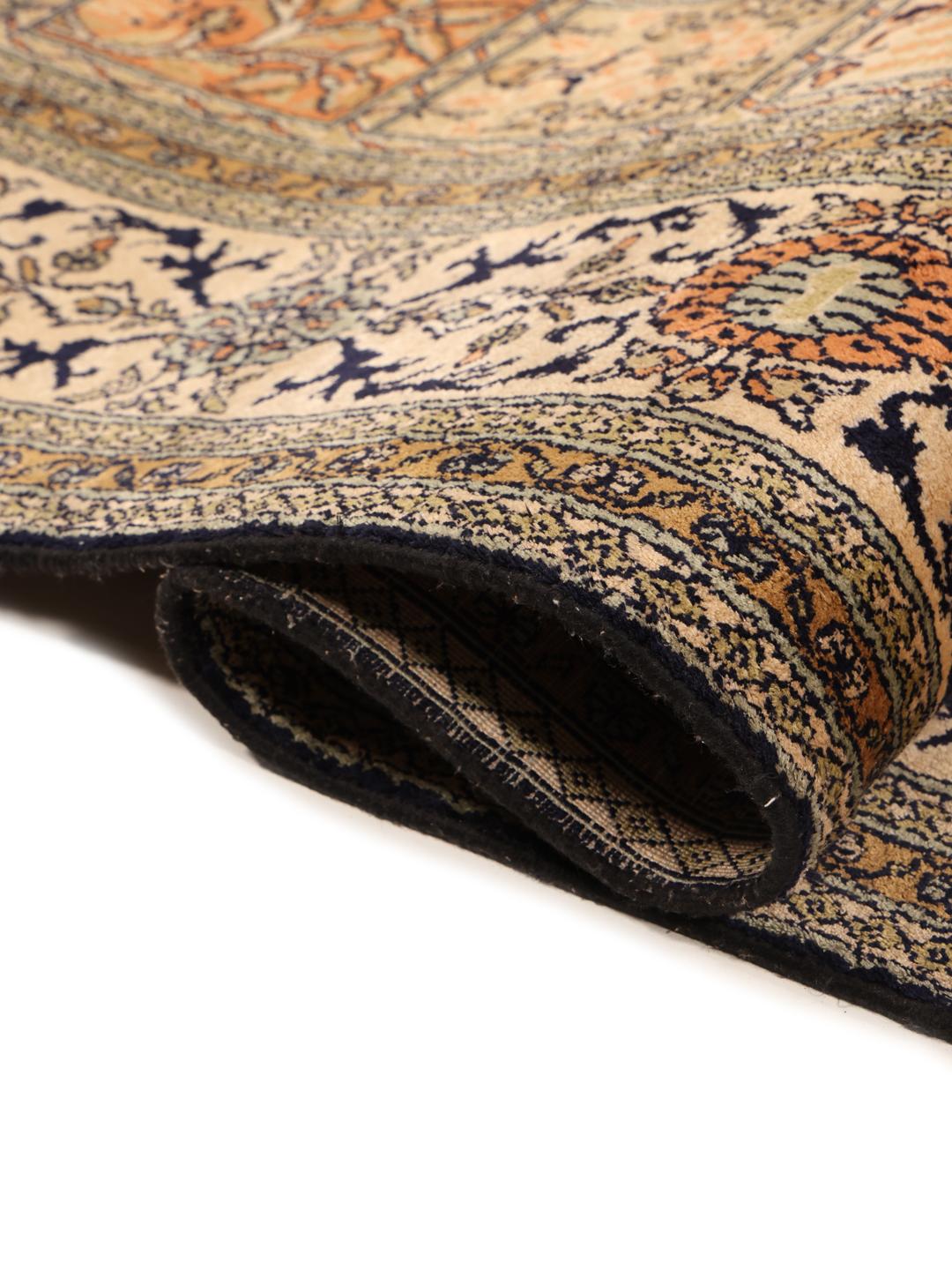
Kashmir rugs originate from the picturesque valley of Kashmir in Northern India, a region with a long-standing reputation for producing some of the finest silk textiles in the world. The tradition of weaving in this area was influenced by Central Asian techniques, which were brought to the region centuries ago and gradually adapted to suit local aesthetic preferences. Today, these rugs are celebrated for their sophisticated design and the exceptional quality of their silk.
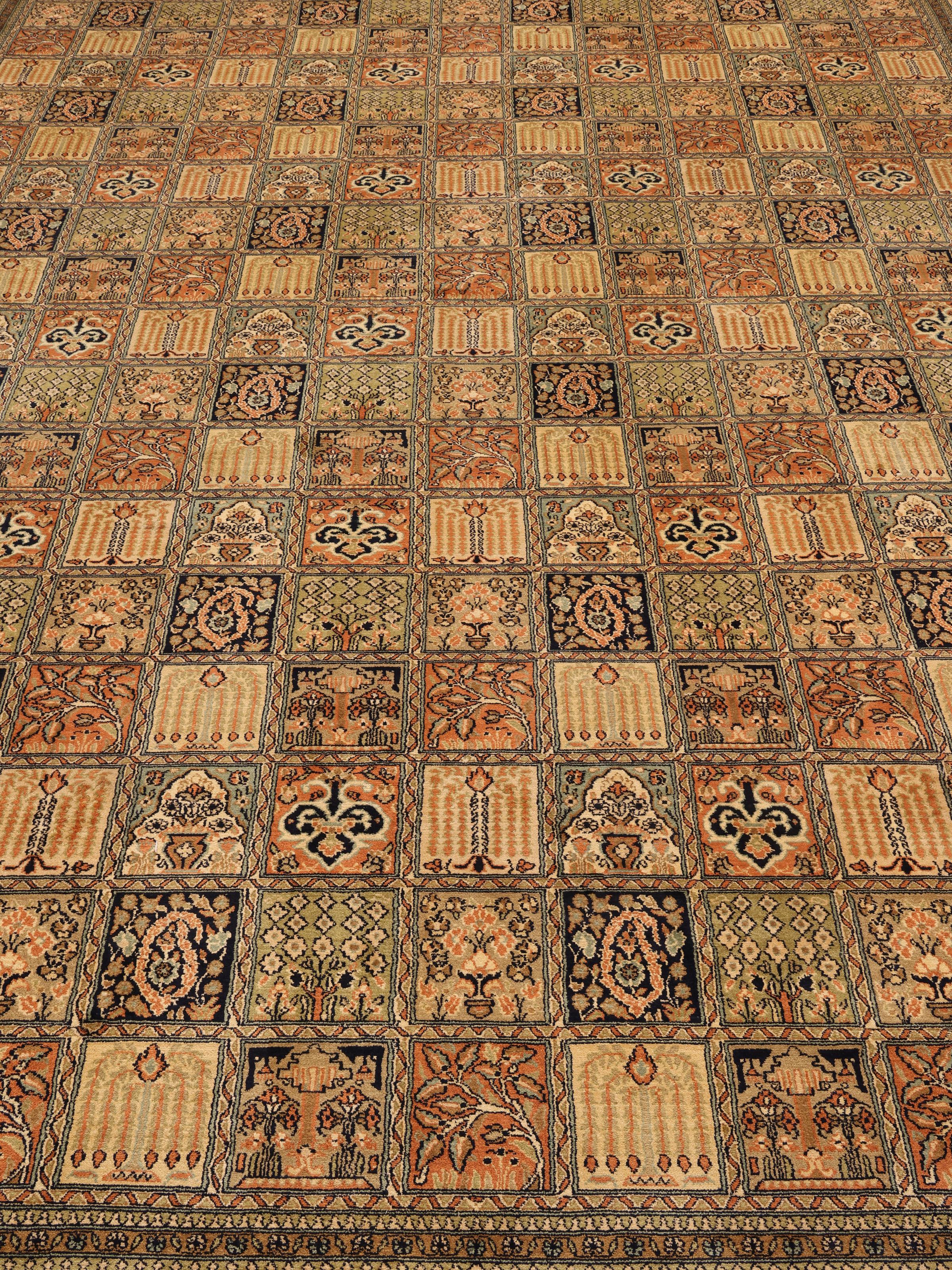
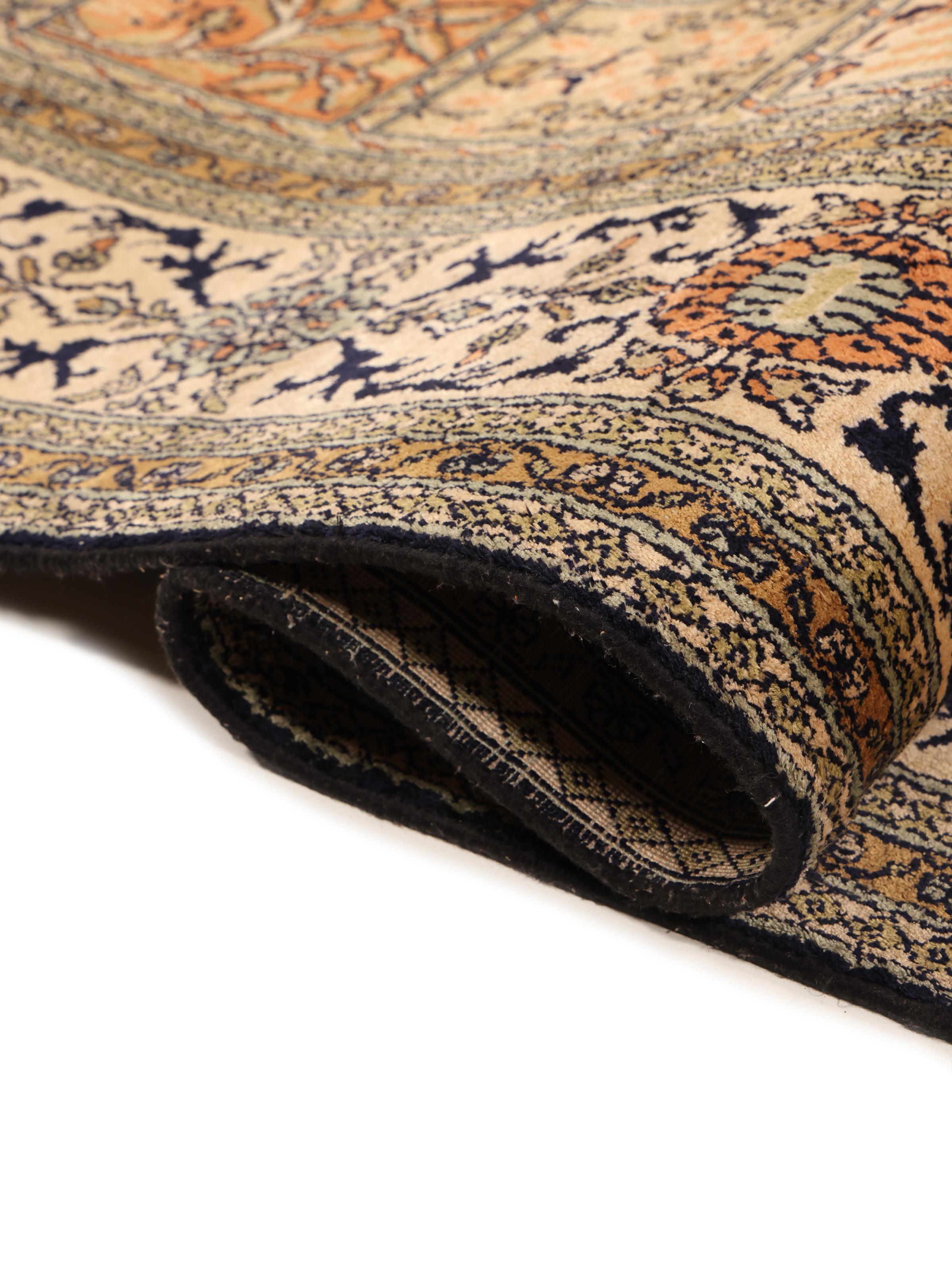
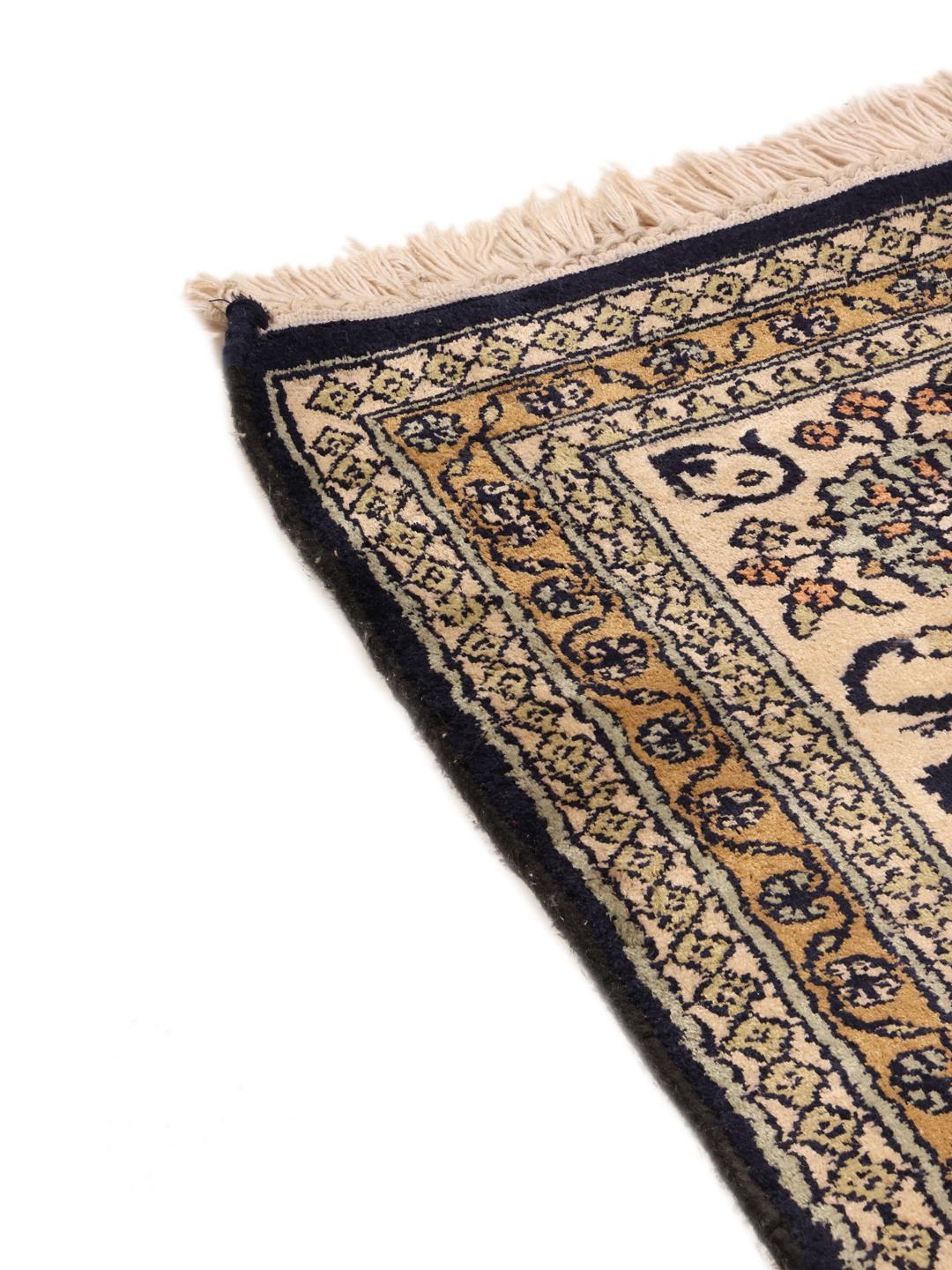
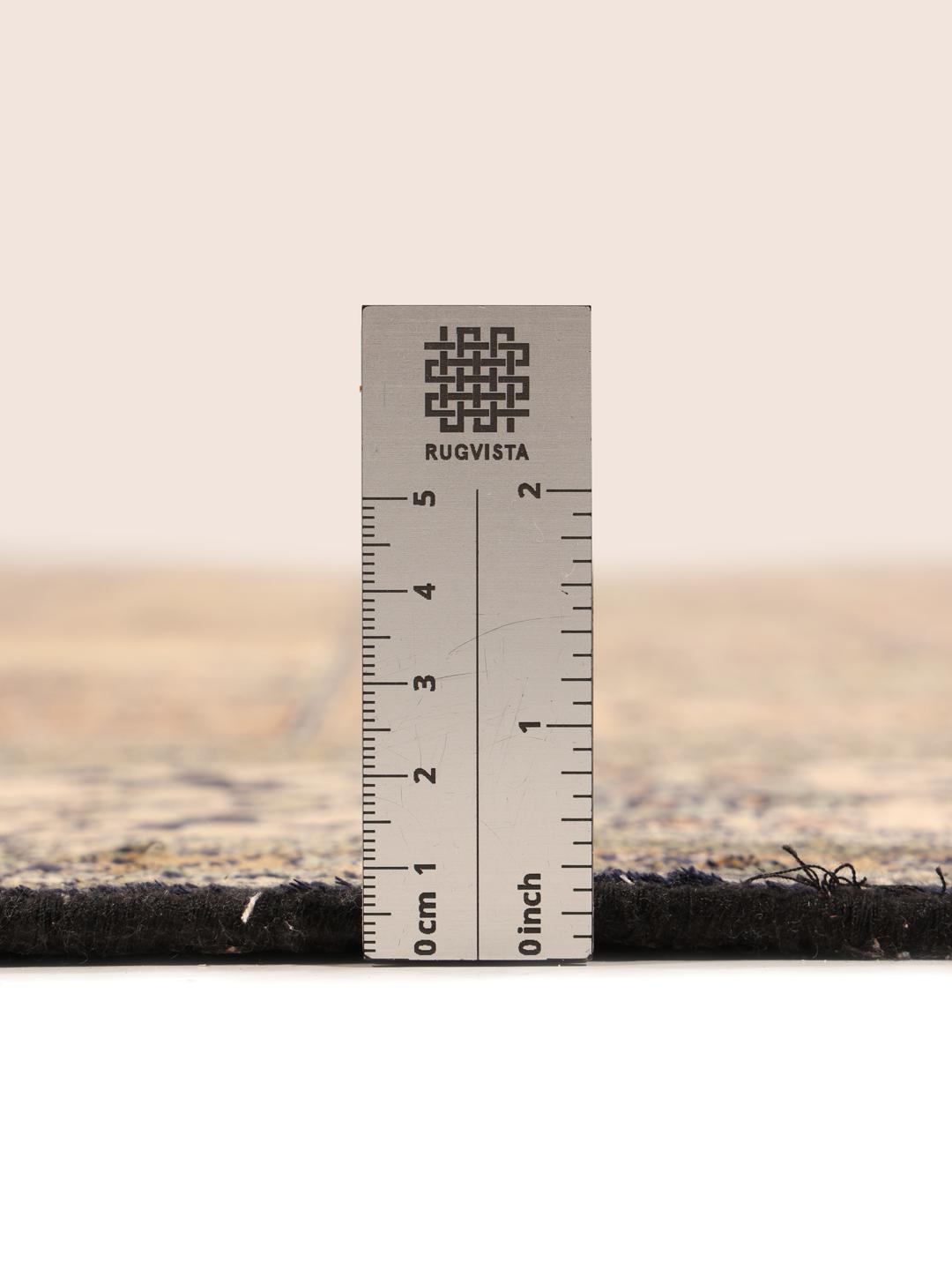
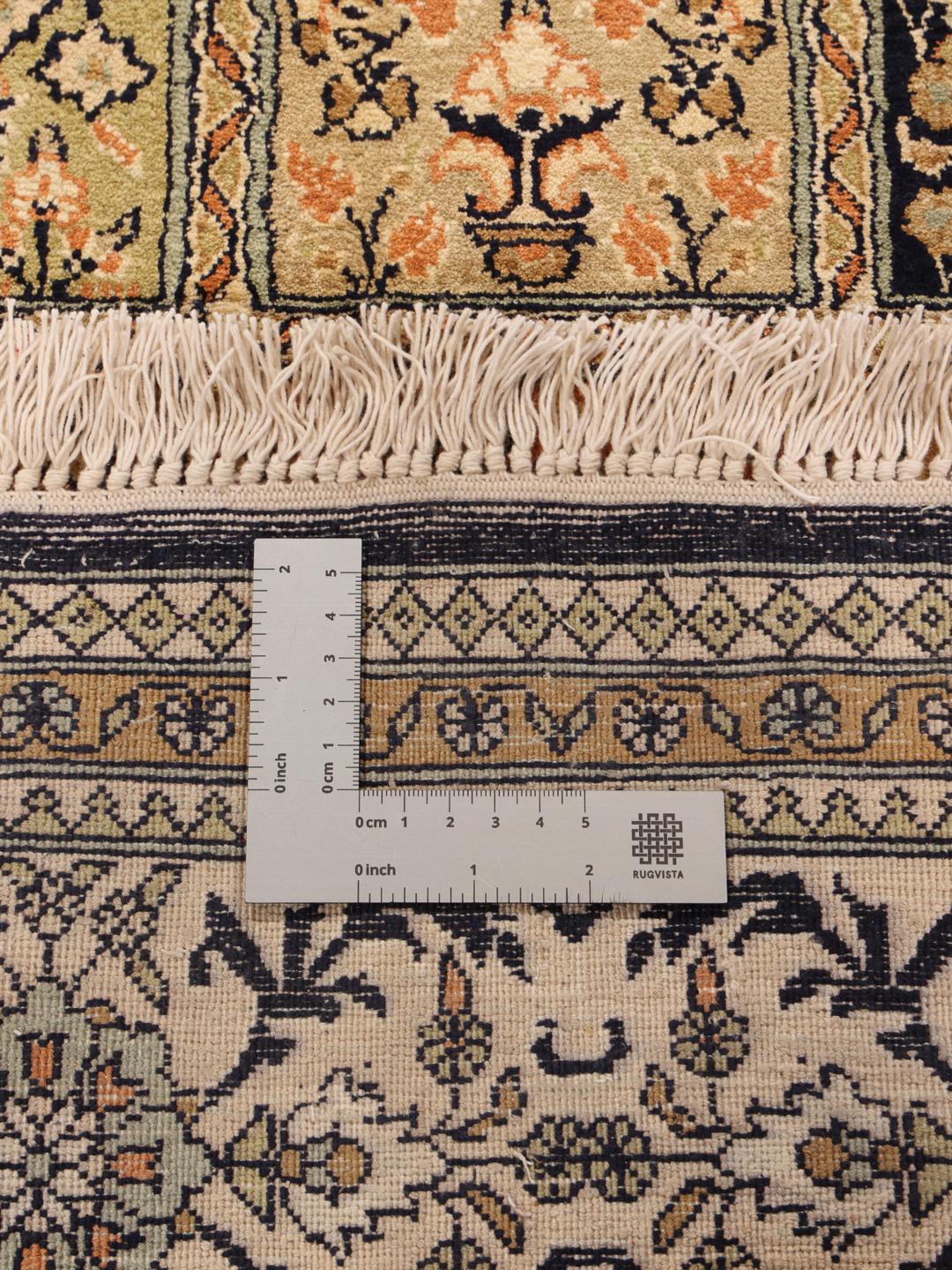
The term 'hand-knotted' refers to the traditional method where individual strands of silk are tied onto the foundation by hand. This process is essential for creating the fine, intricate patterns that are synonymous with high-end Kashmir rugs. The density of these knots determines the sharpness of the design and the overall durability of the rug, making it a functional piece of art that is built to last for generations.
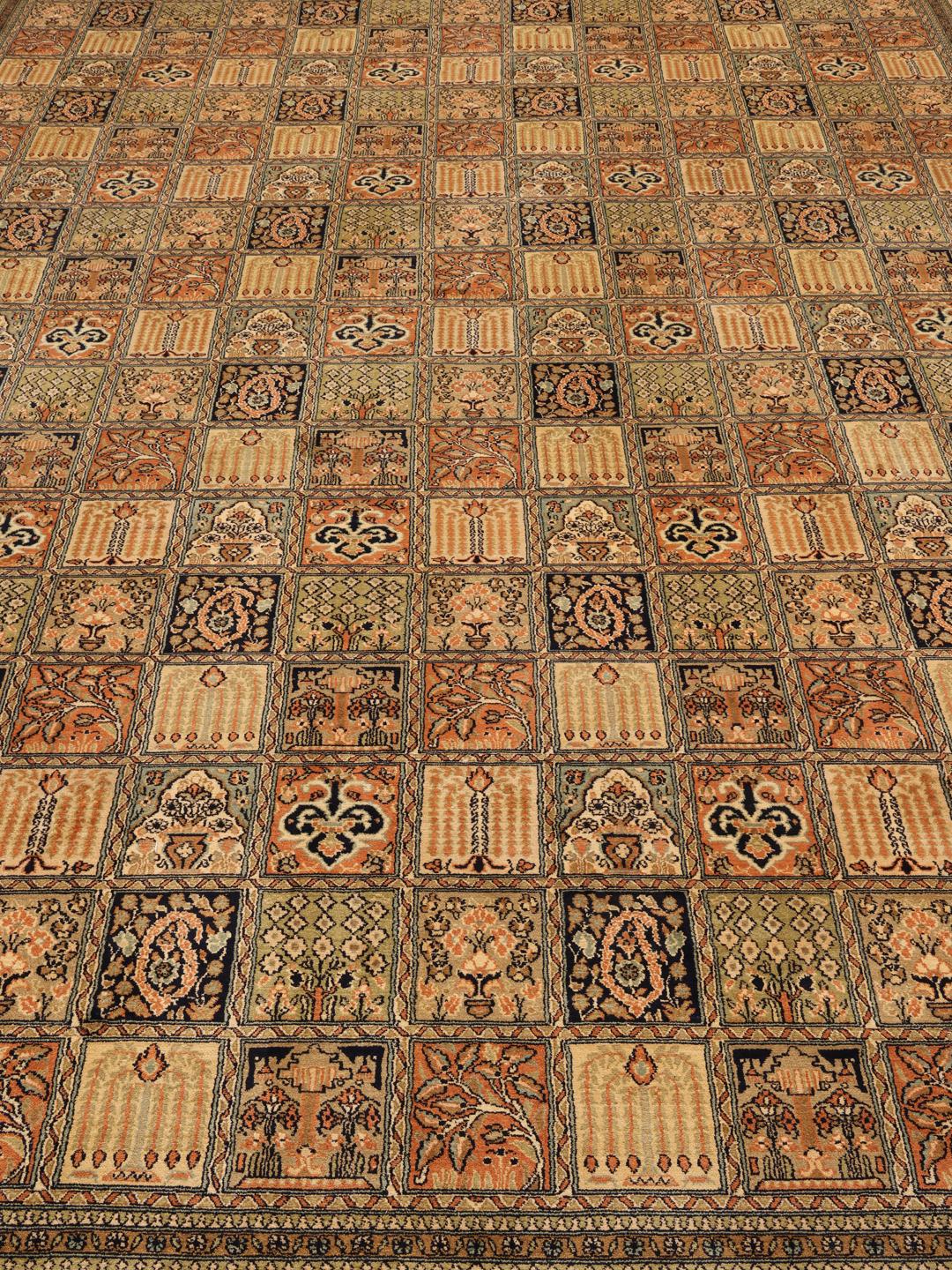
Visually, these rugs are defined by their complex floral and medallion motifs, often inspired by the natural beauty of the Himalayan landscape. The designs frequently feature swirling vines, blooming flowers, and ornate borders that demonstrate a high degree of artistic control. While many designs follow classical layouts, each weaver brings a personal touch, ensuring that even within a specific tradition, every rug possesses unique nuances in colour and motif arrangement.
Owning a hand-knotted Kashmir silk rug is considered a mark of refined taste and an appreciation for traditional craft. Collectors value these pieces not only for their beauty but for the immense skill required to produce them. By choosing such a rug, you are preserving a cultural legacy and supporting a heritage of craftsmanship that has survived through centuries of changing fashions.