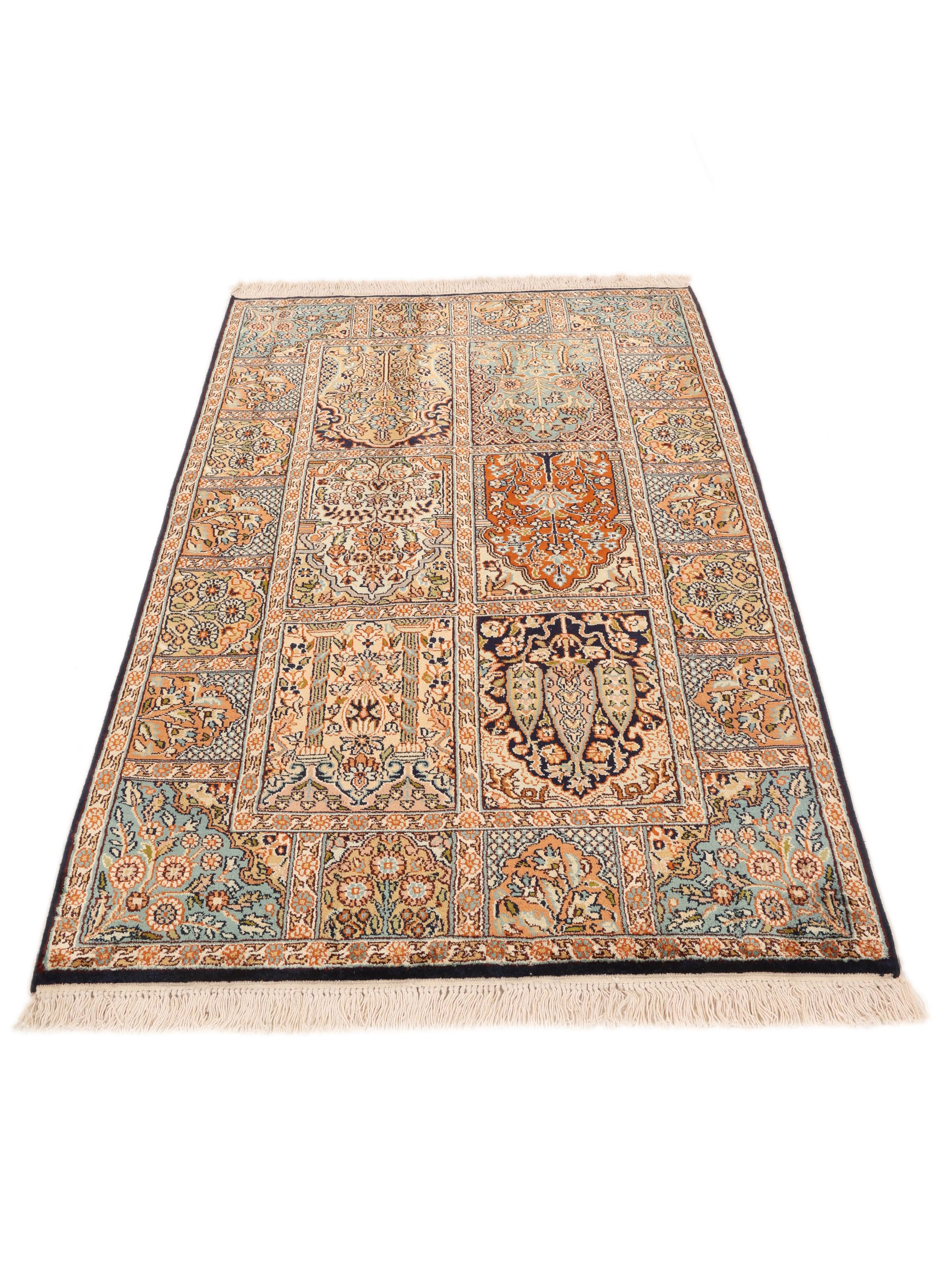
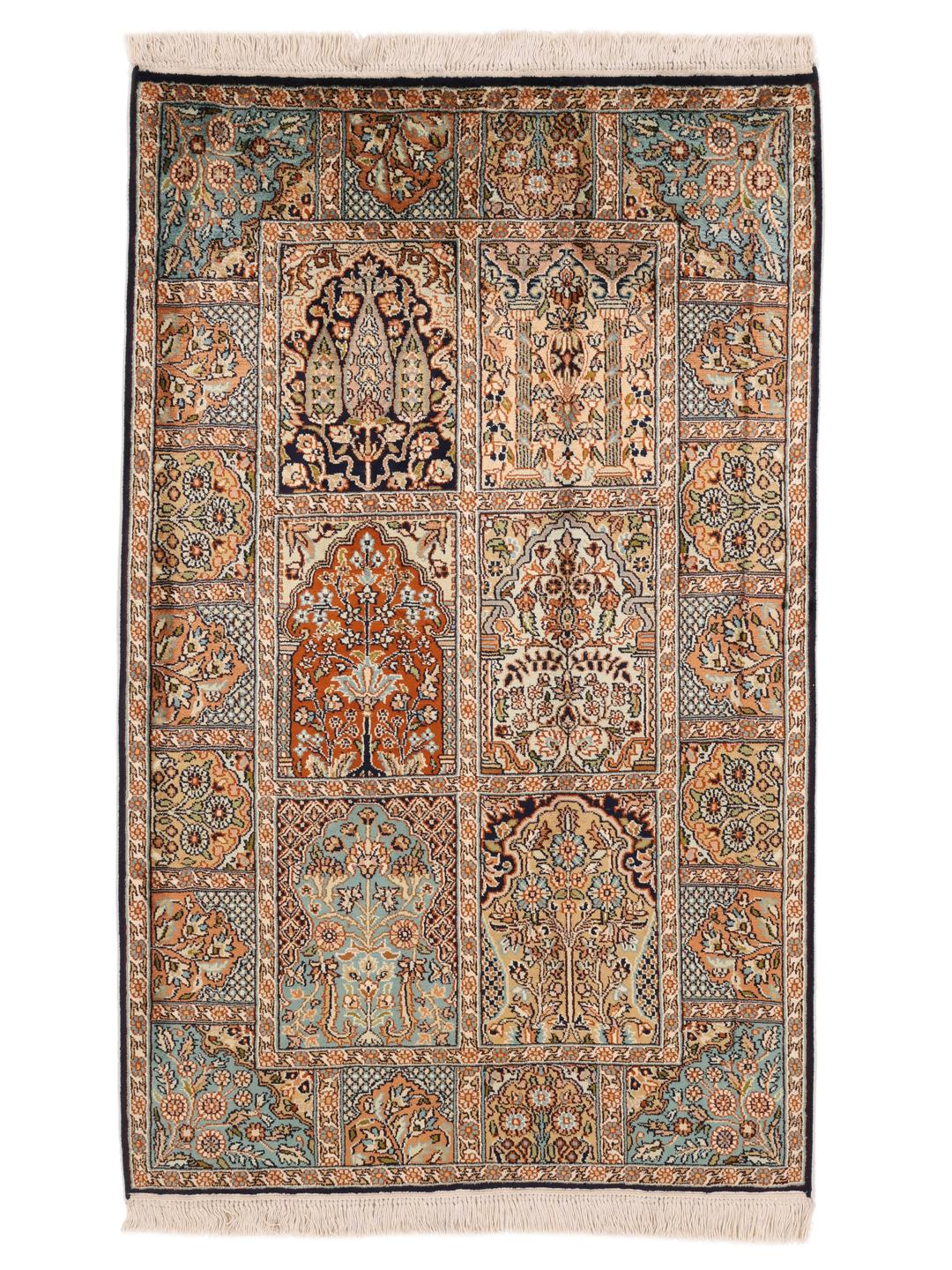
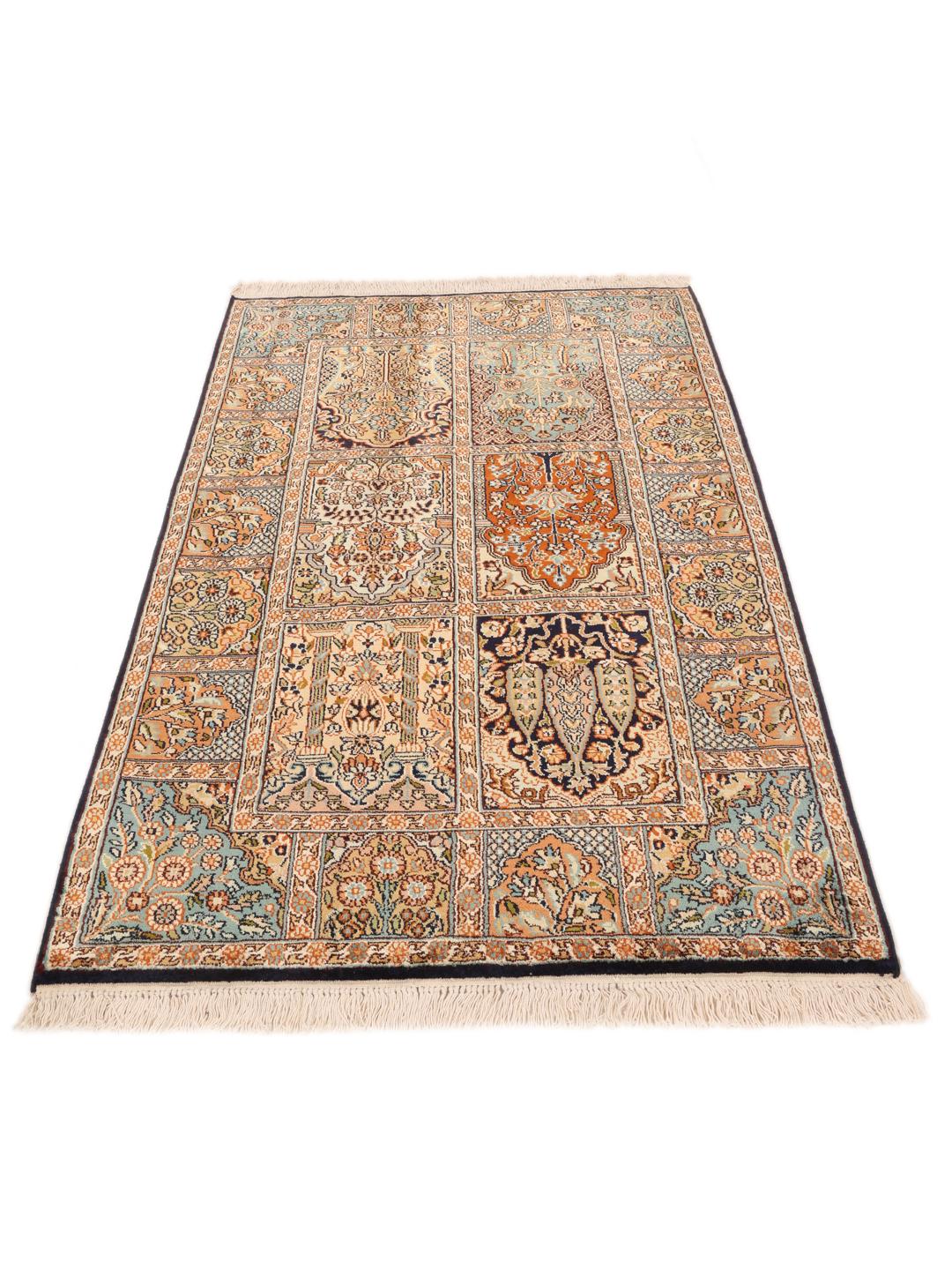
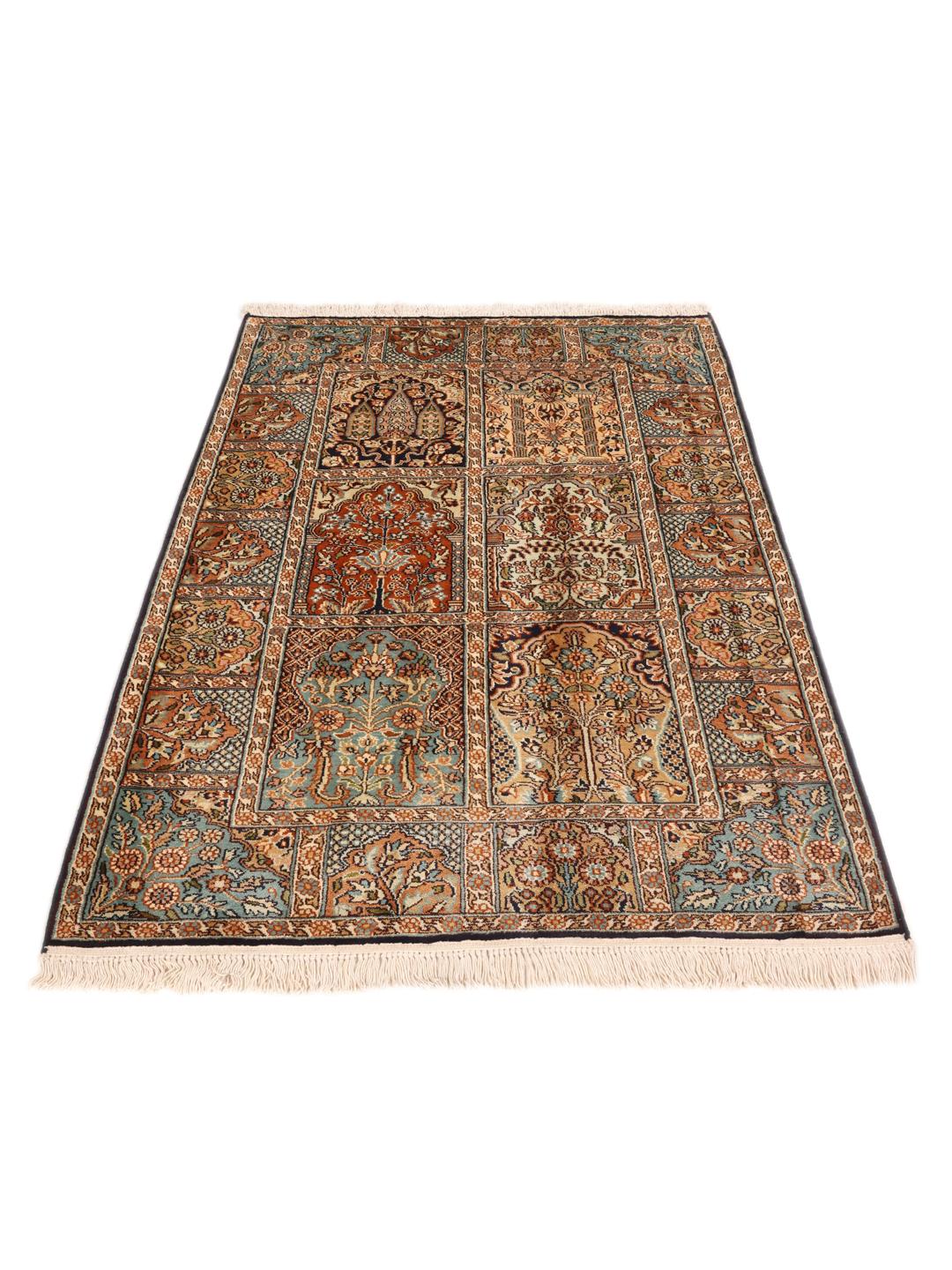
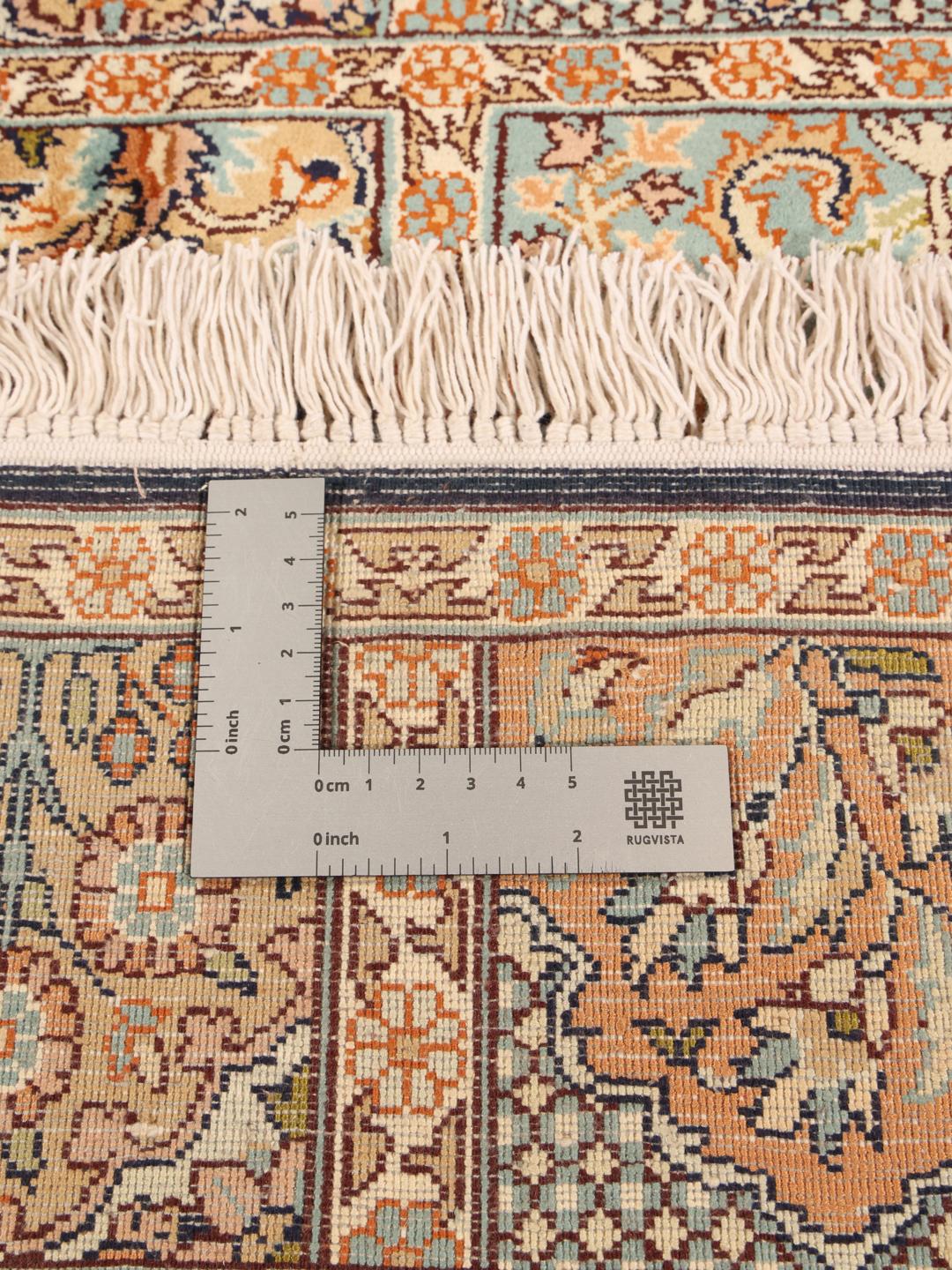
Kashmir silk rugs are renowned globally for their deep connection to the artistic heritage of the Kashmir Valley. This region has a long-standing reputation for producing some of the finest textile works, heavily influenced by historical exchanges along the ancient trade routes that connected Central Asia to the Indian subcontinent. The craft has evolved over centuries, blending local aesthetic sensibilities with broader Middle Eastern design influences.
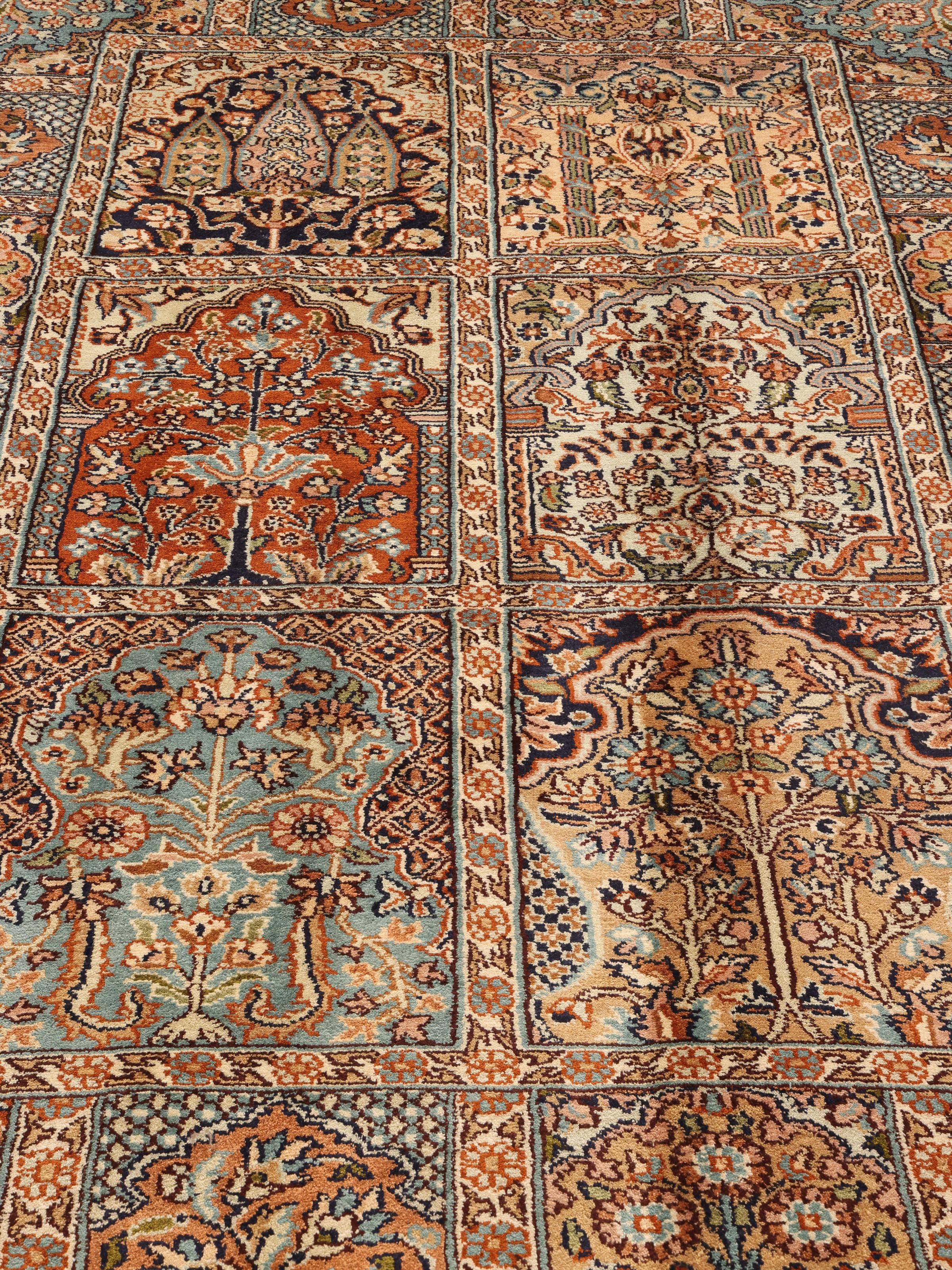
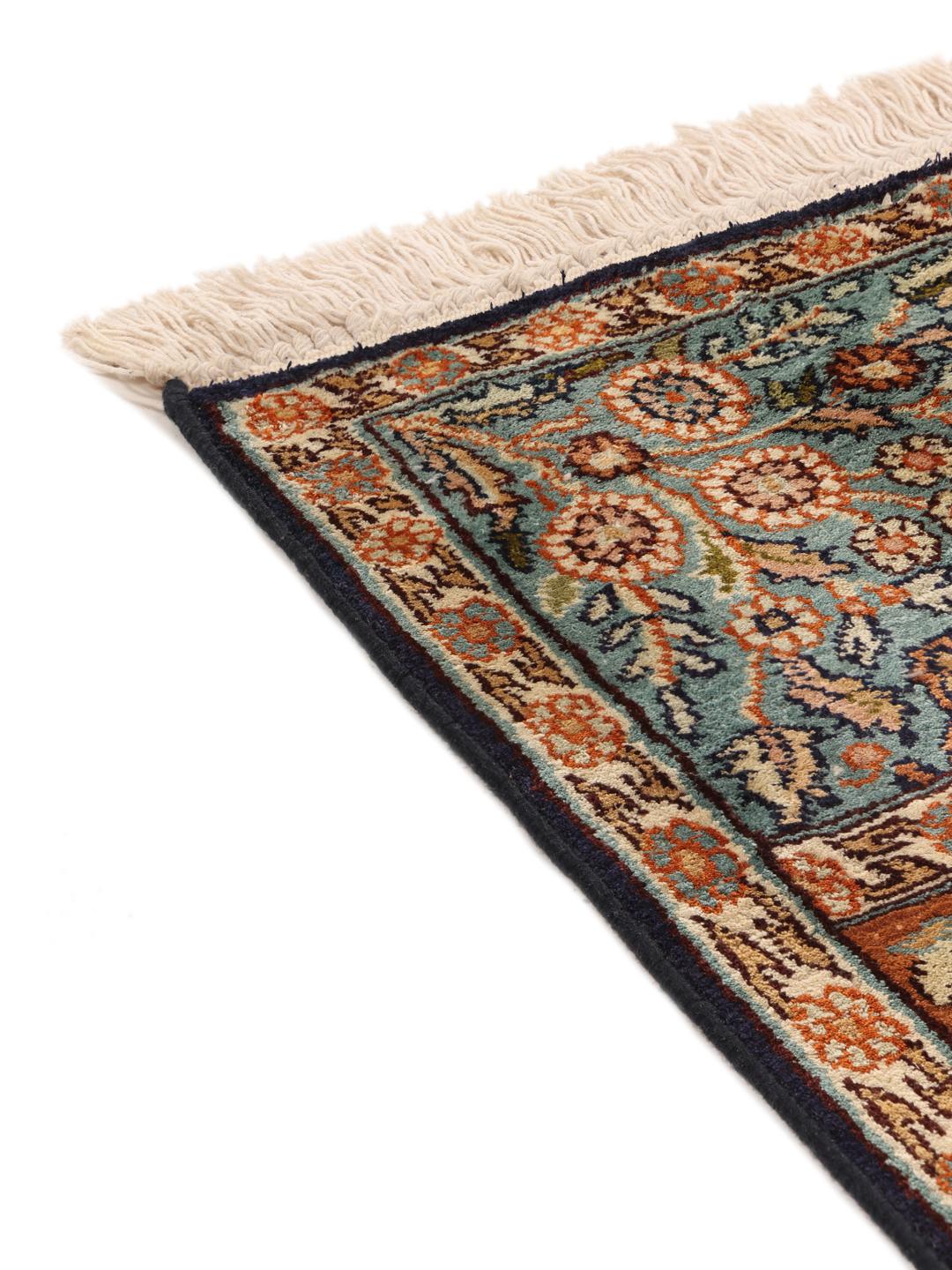
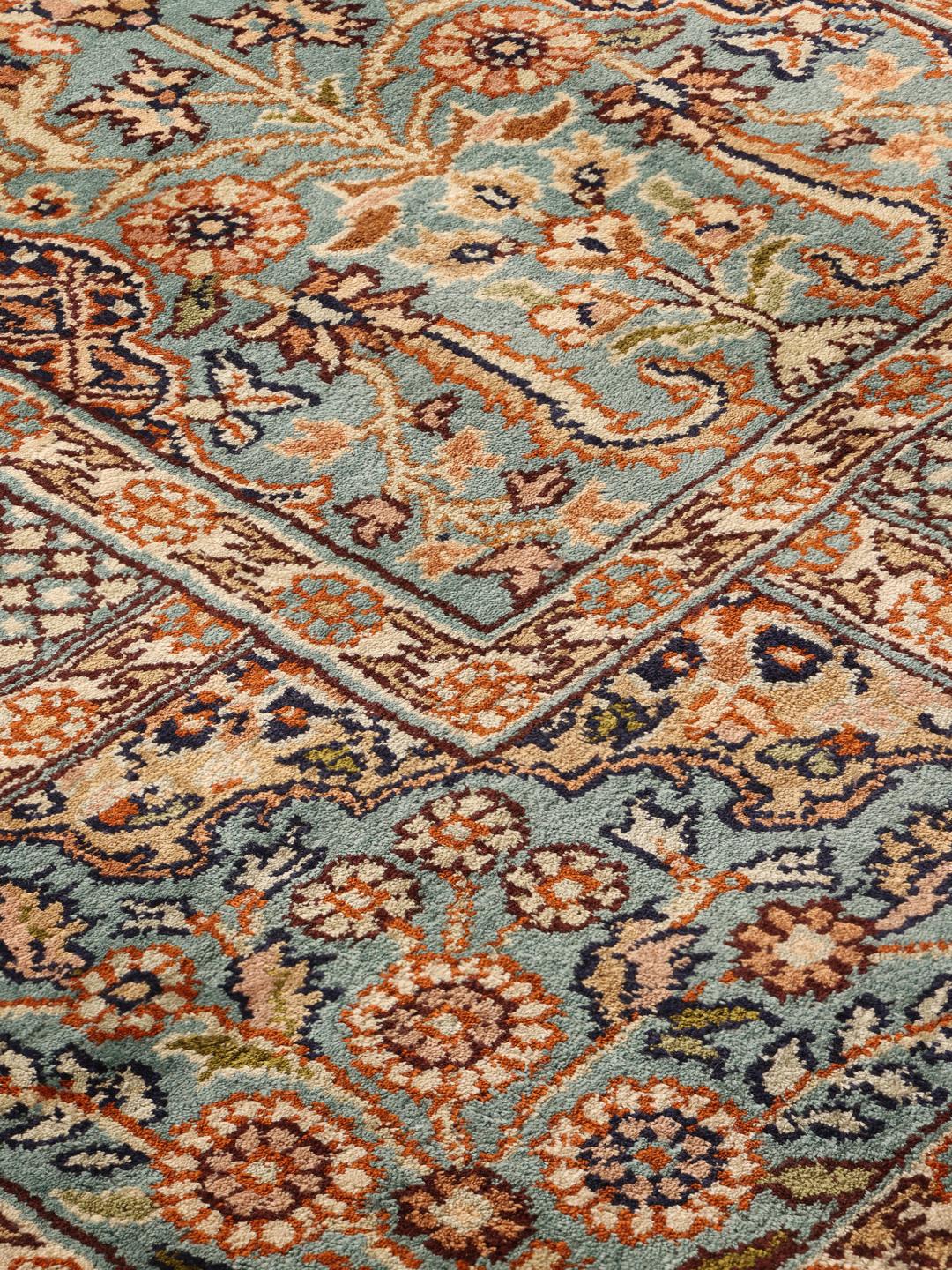
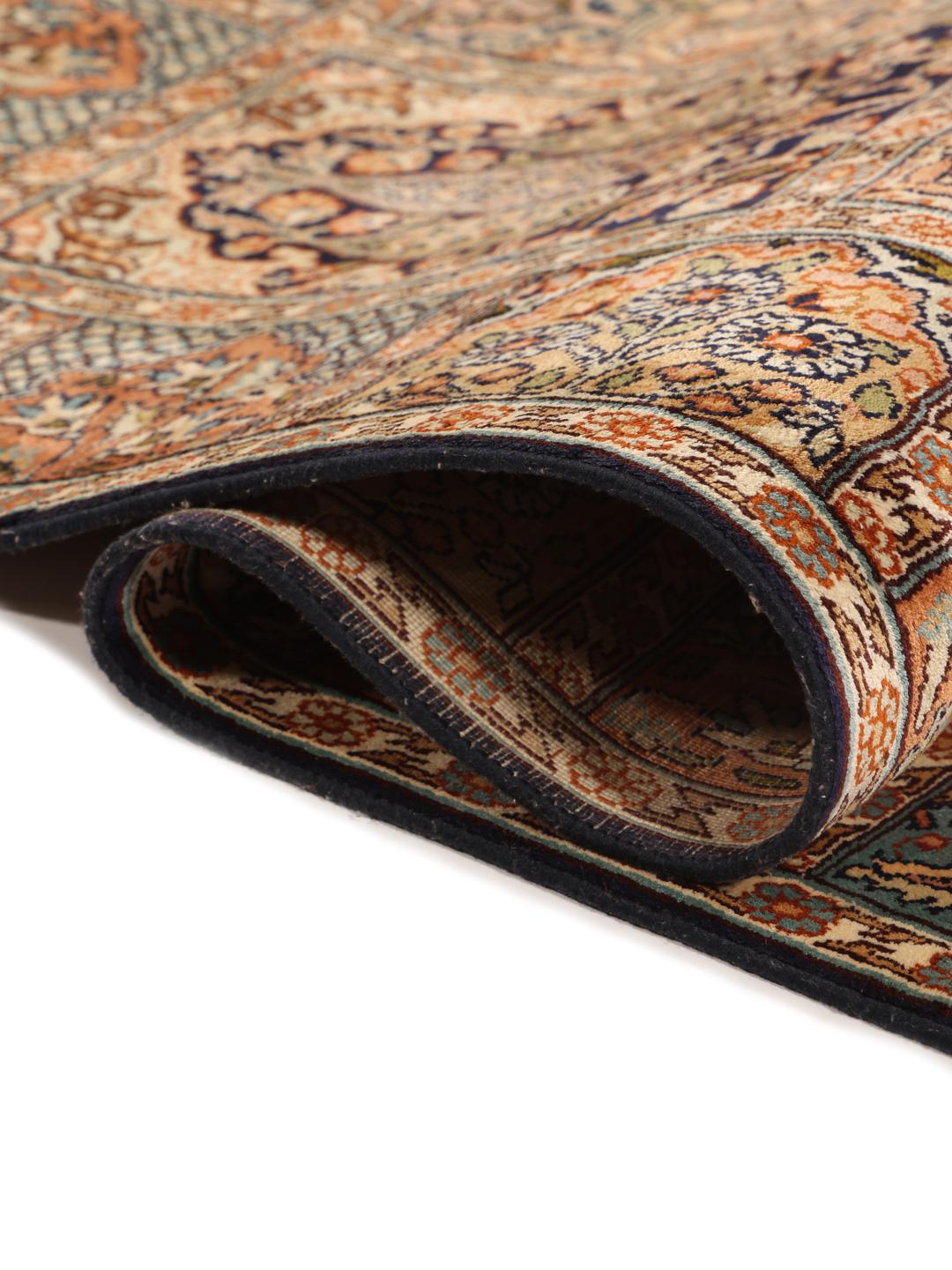
The term 'Kashmir' in the context of rug weaving refers to a specific tradition of using high-quality silk, which allows for extremely fine knotting and intricate detailing. This material choice is significant because silk threads are much thinner and stronger than wool, enabling weavers to create highly complex, delicate patterns that would be impossible to achieve with coarser fibres. The result is a rug that is both lightweight and exceptionally durable.
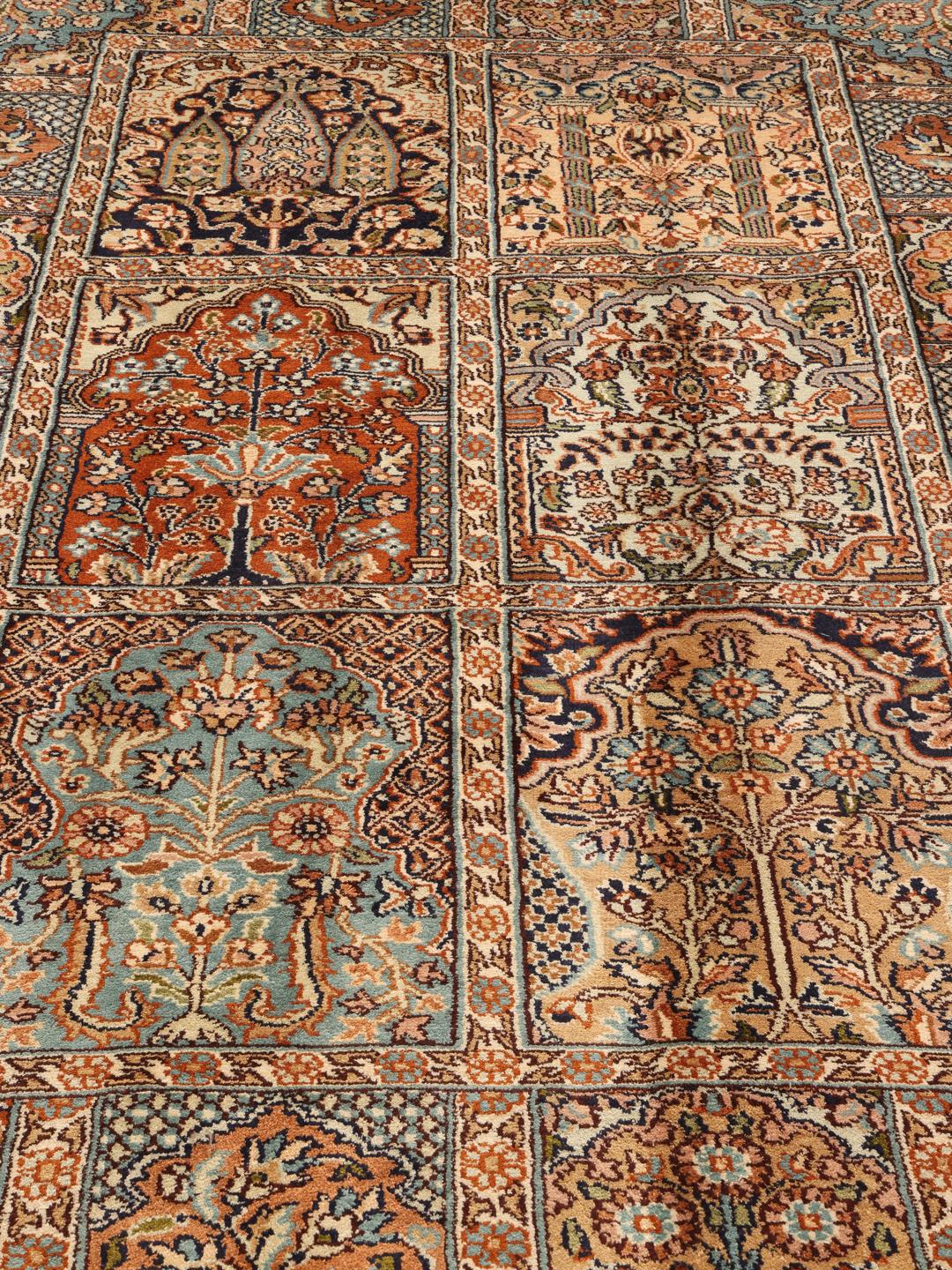
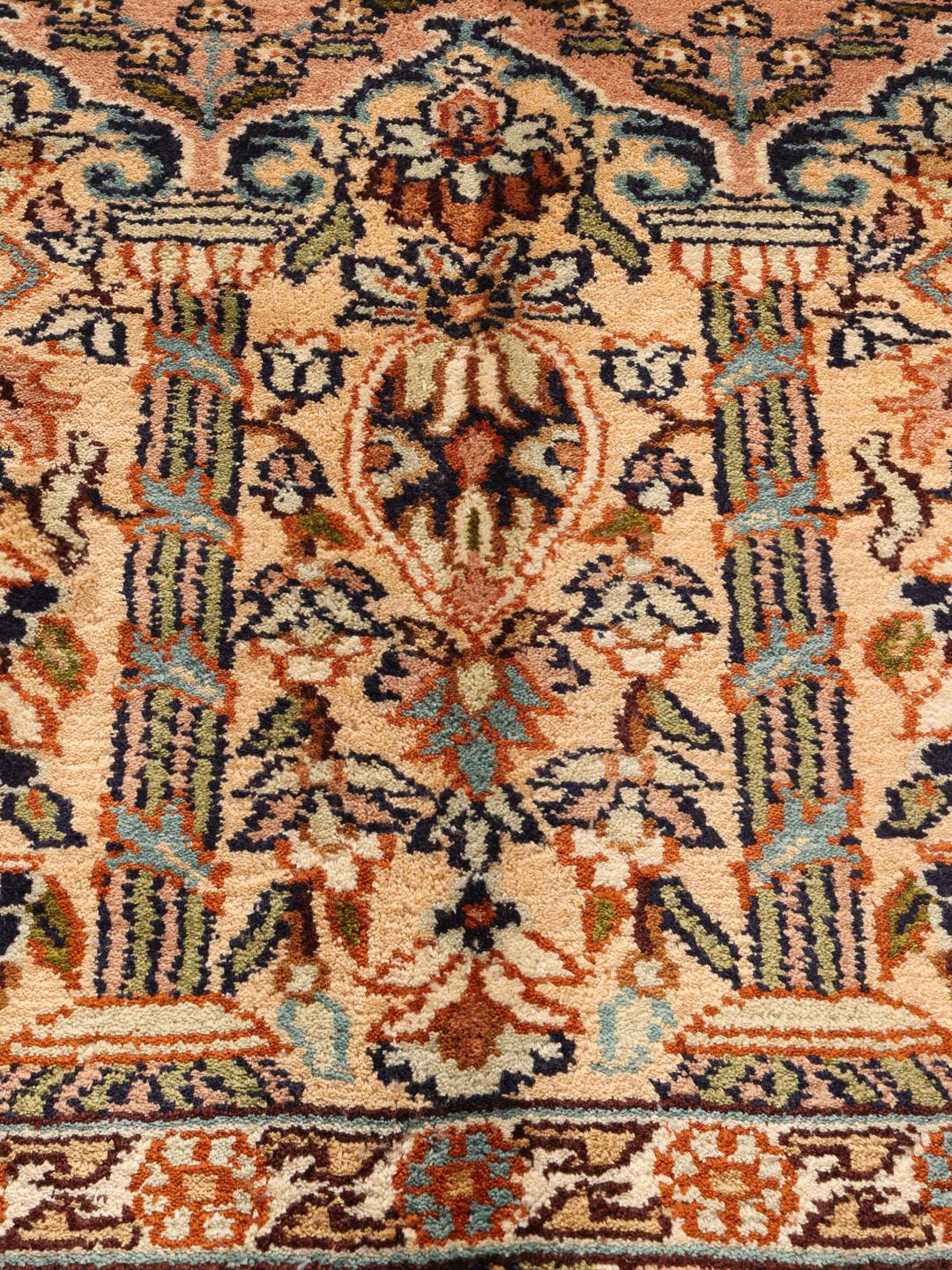
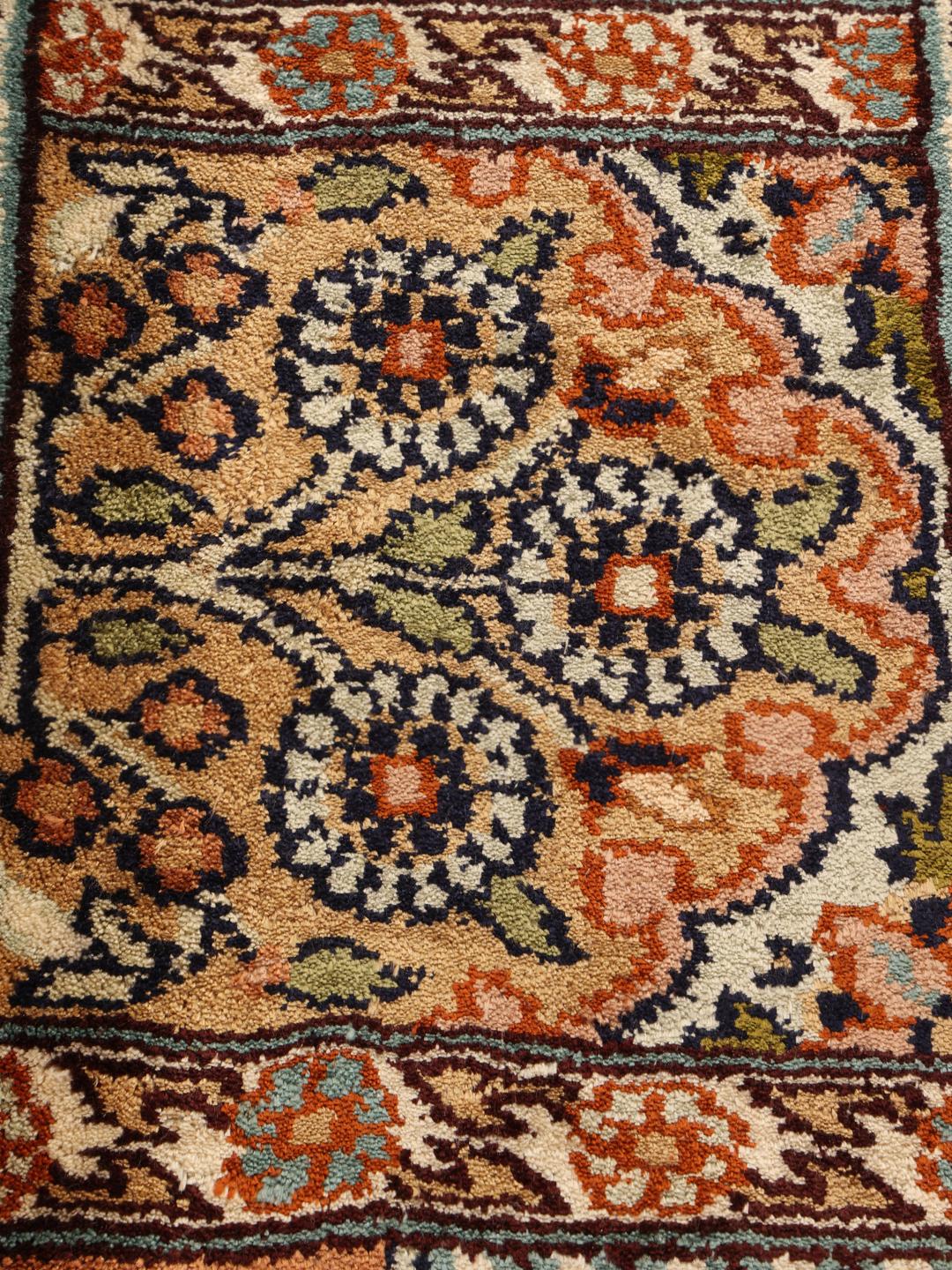
Design-wise, these rugs are celebrated for their elaborate floral motifs, often featuring delicate vines, leaves, and central medallions. The patterns are usually dense, filling the entire field with a rhythm of colour and form that draws the eye. The use of vibrant, harmonious colour palettes is a hallmark of the tradition, reflecting the natural beauty of the region and the sophisticated dyeing techniques employed by master weavers.
Owning a Kashmir silk rug is a testament to the appreciation of human skill and historical continuity. These pieces are not merely floor coverings; they are considered collector's items that represent a pinnacle of manual artistry. By acquiring such a piece, one preserves a tradition that values precision, cultural expression, and the enduring beauty of hand-crafted textiles.