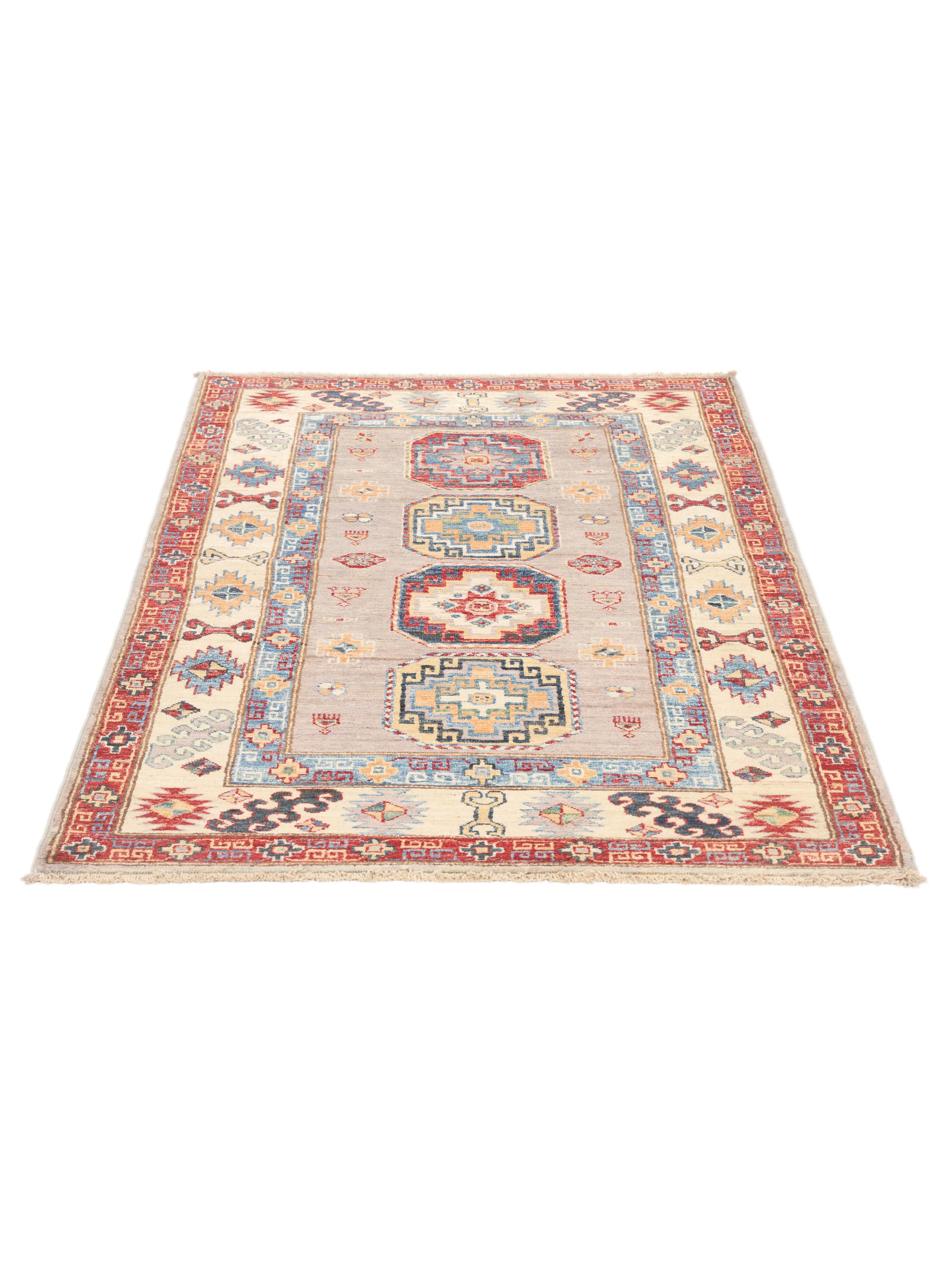
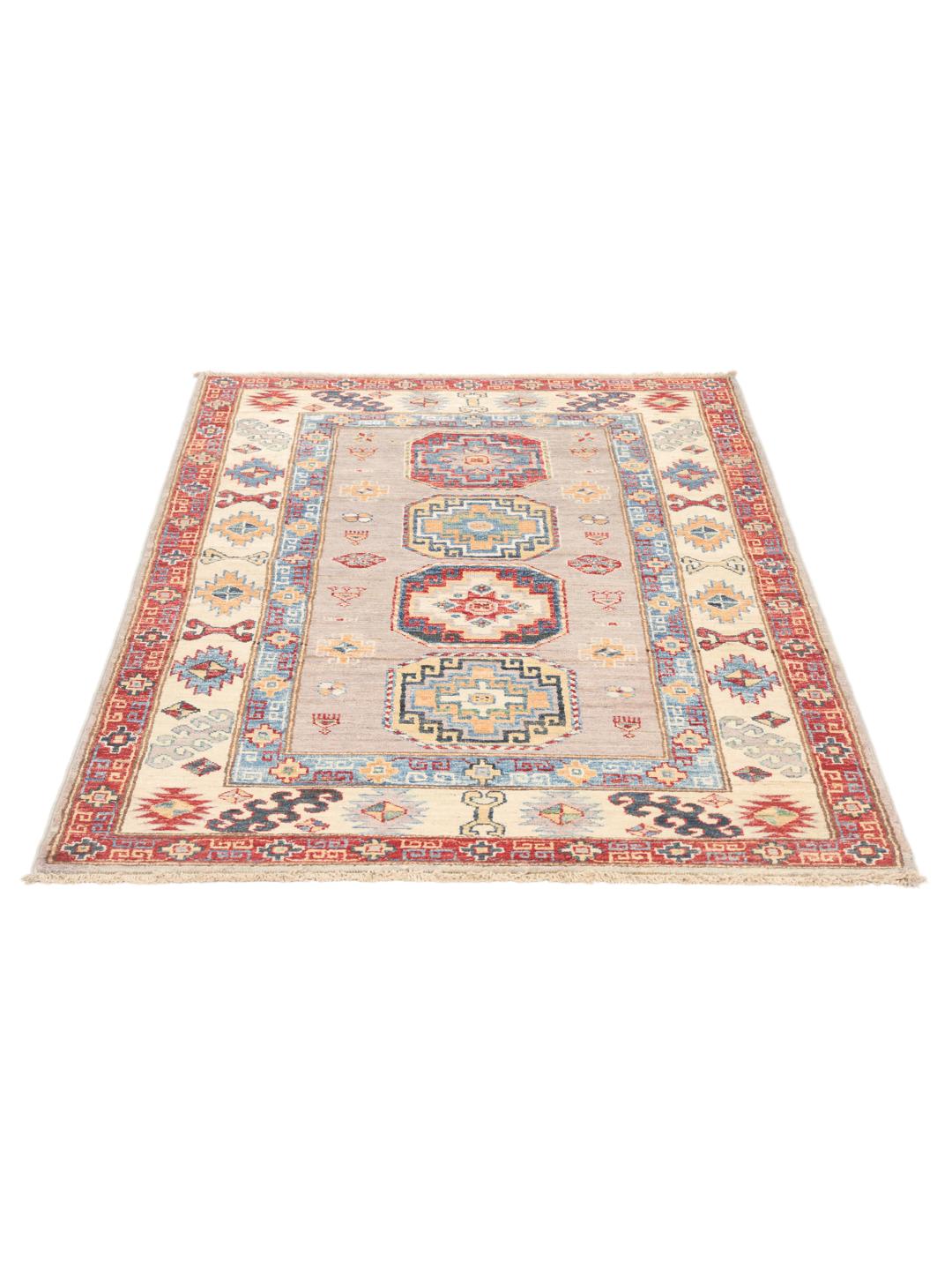
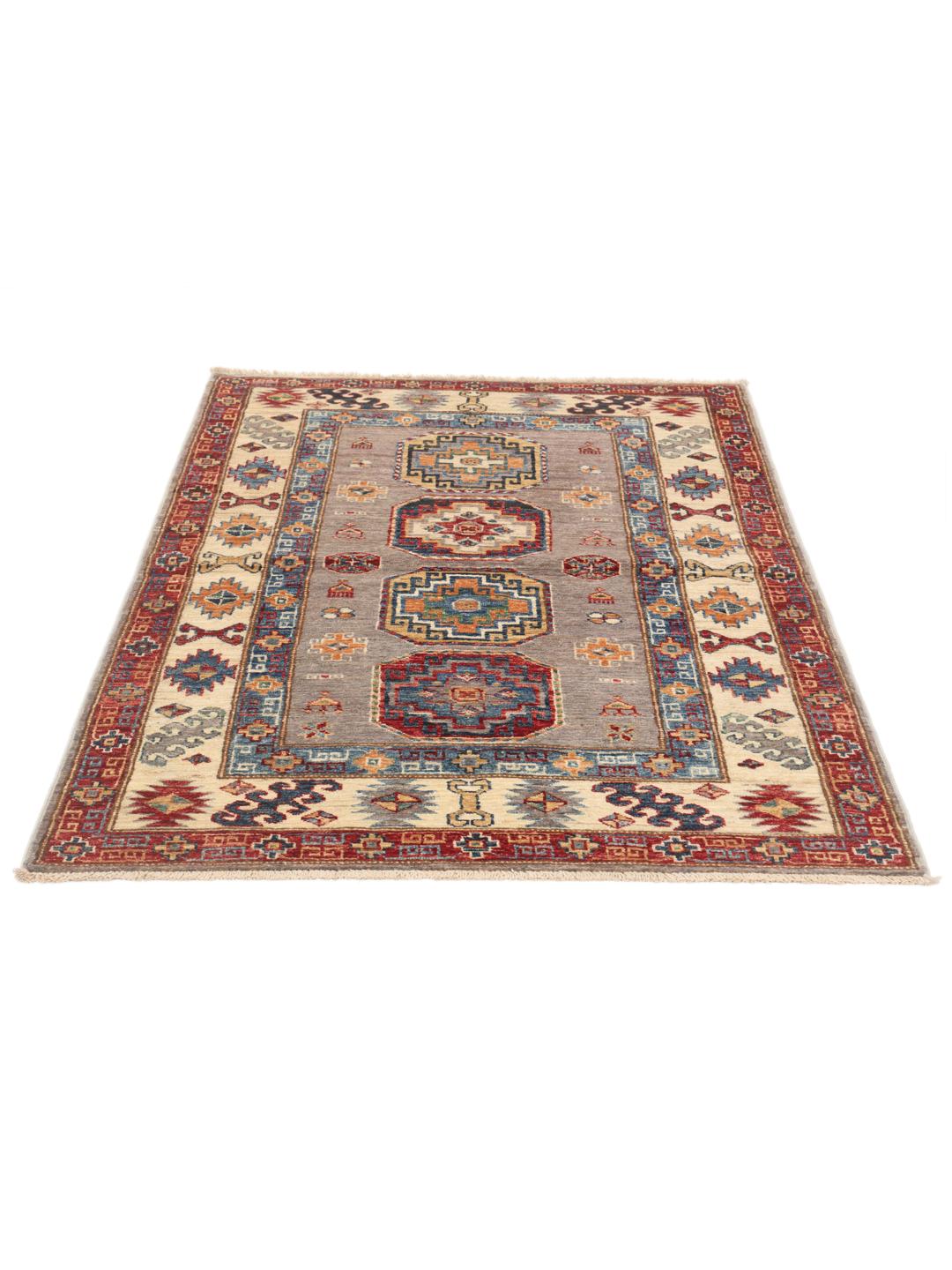
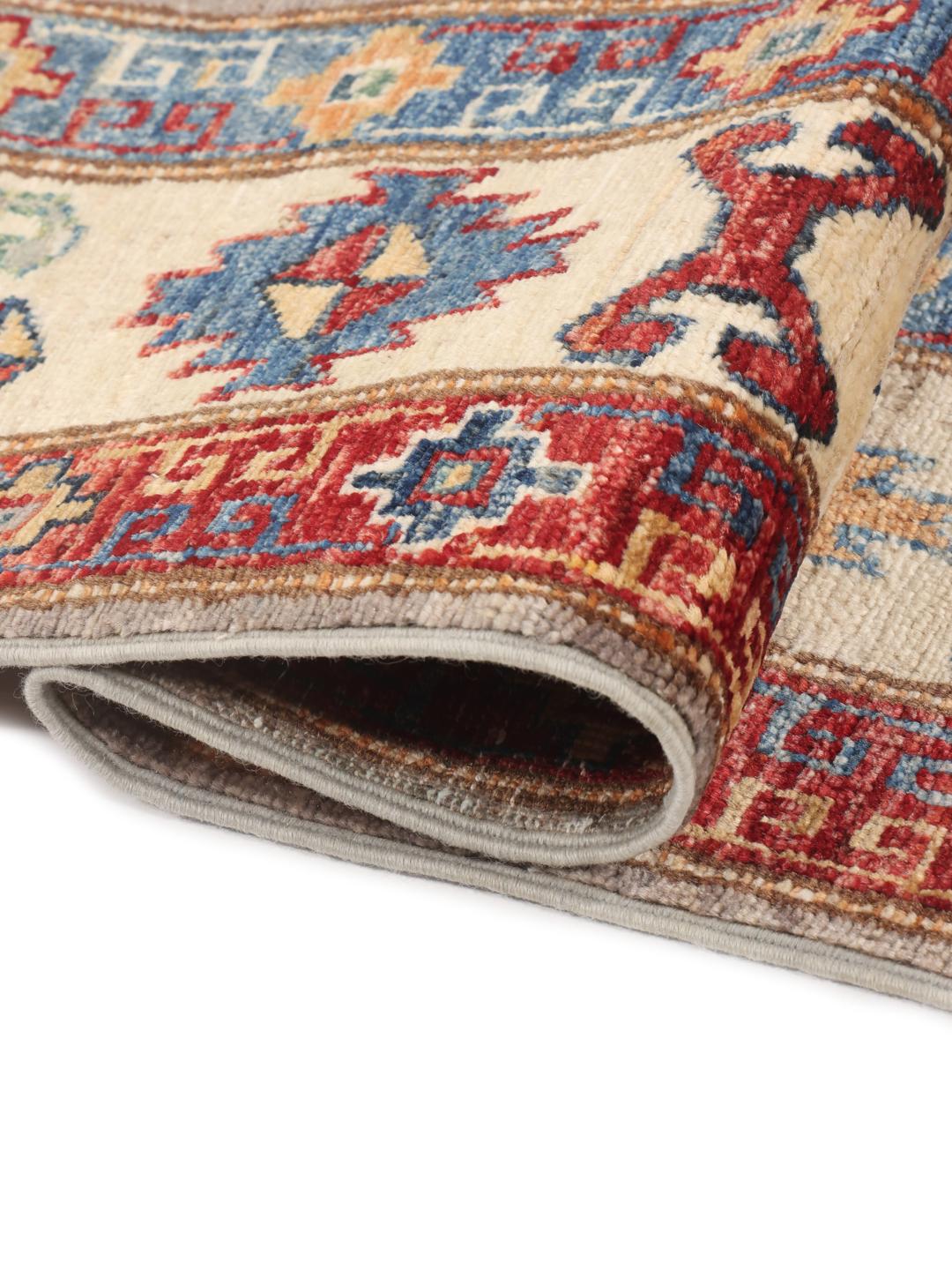
Kazak rugs originate from the Caucasus region and are celebrated for their bold, rustic aesthetic and strong geometric designs. While the traditional weaving centres were historically located in the mountains of the Caucasus, the craft has evolved significantly over generations. Today, some of the finest examples of these rugs are masterfully produced in Afghanistan, where weavers carry on the legacy of these iconic designs with remarkable skill and dedication.
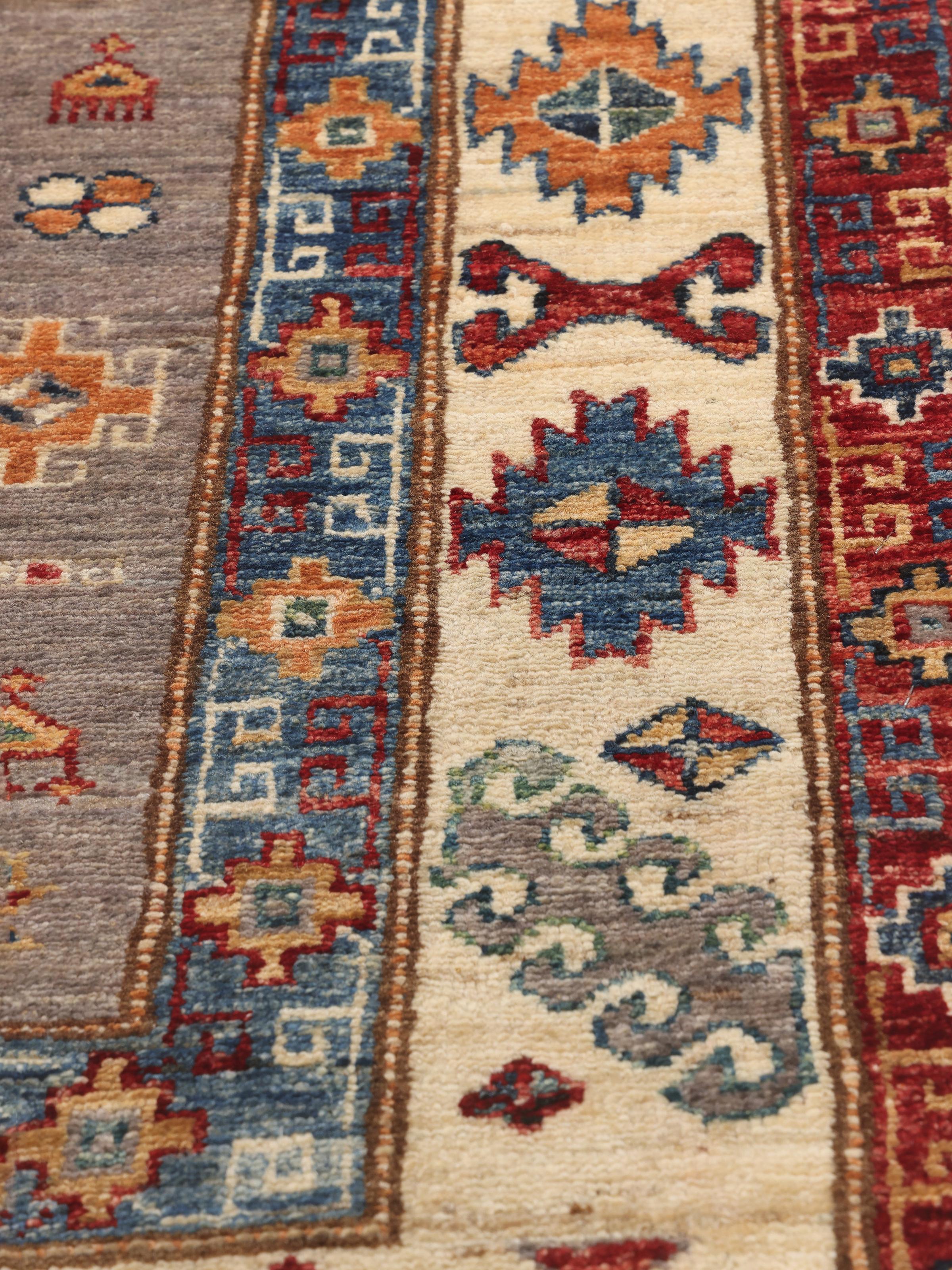
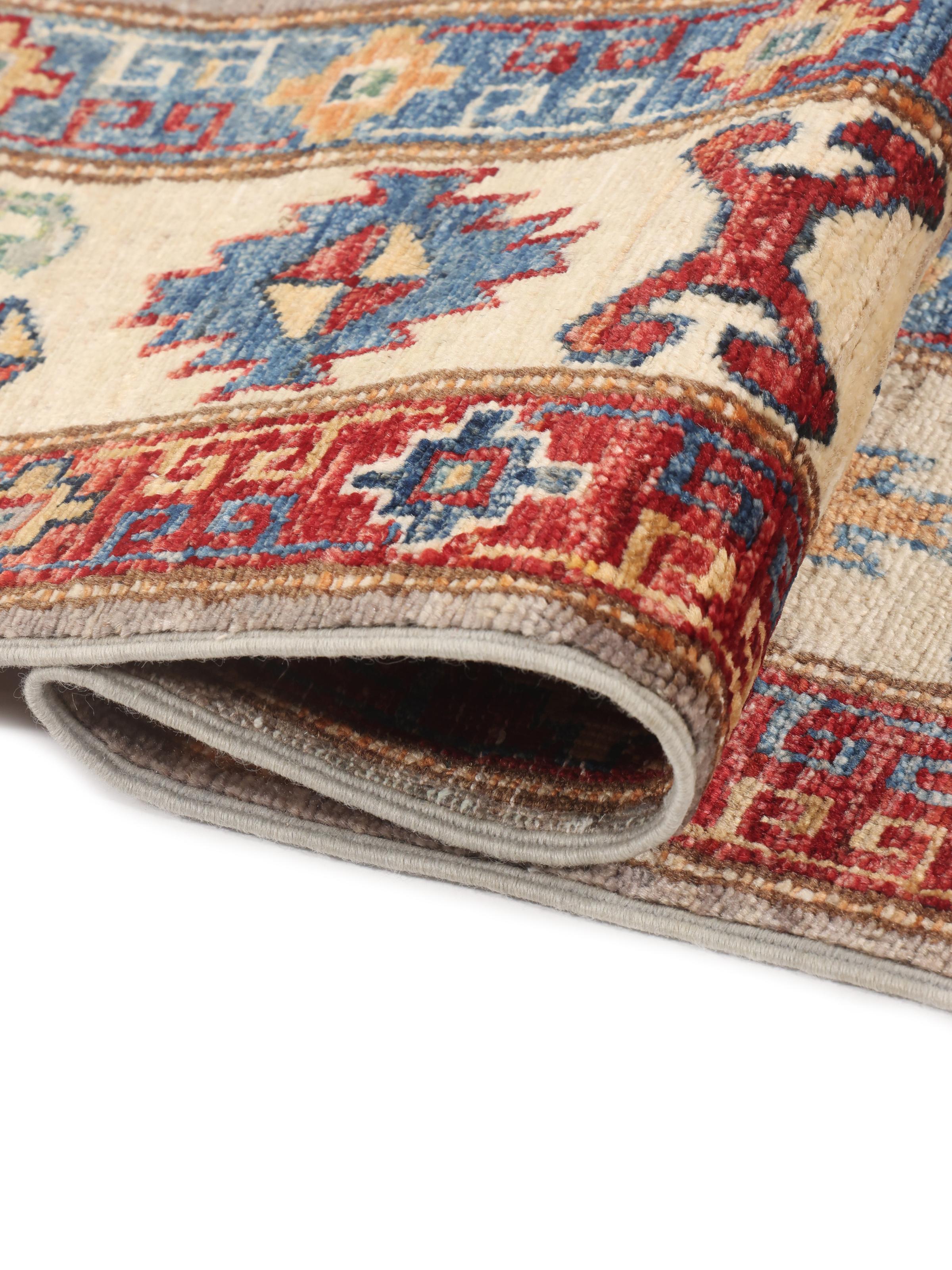
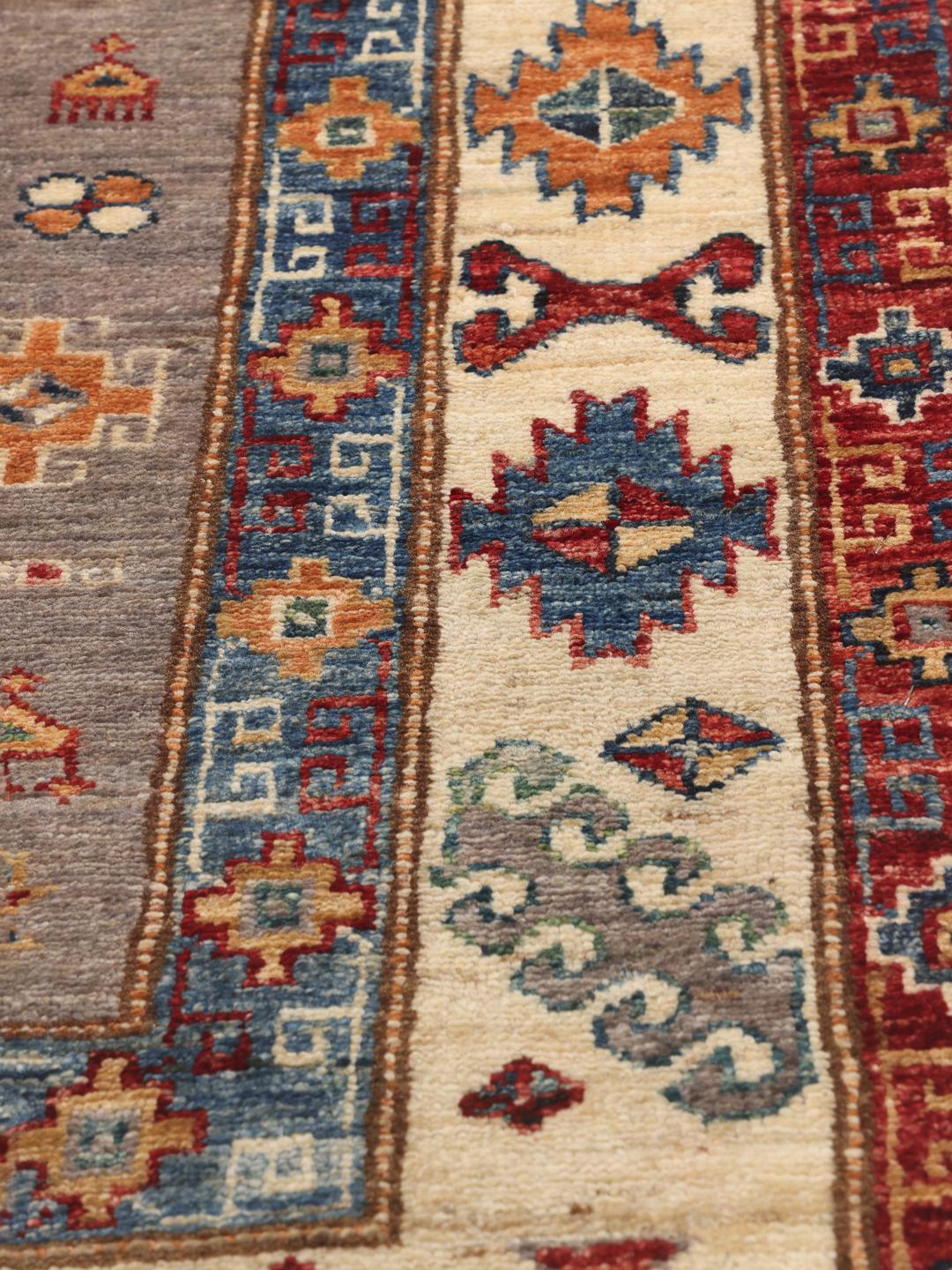
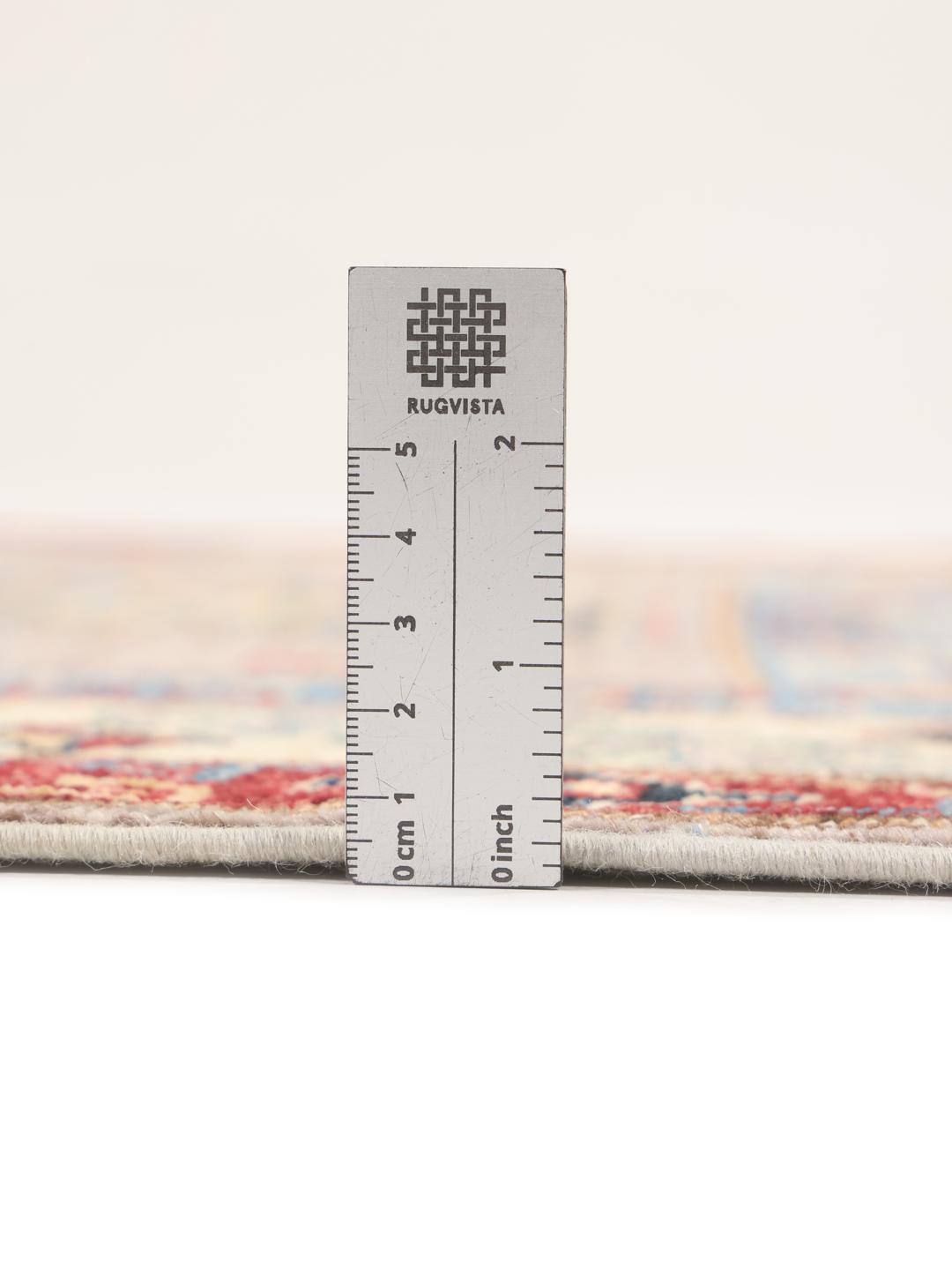
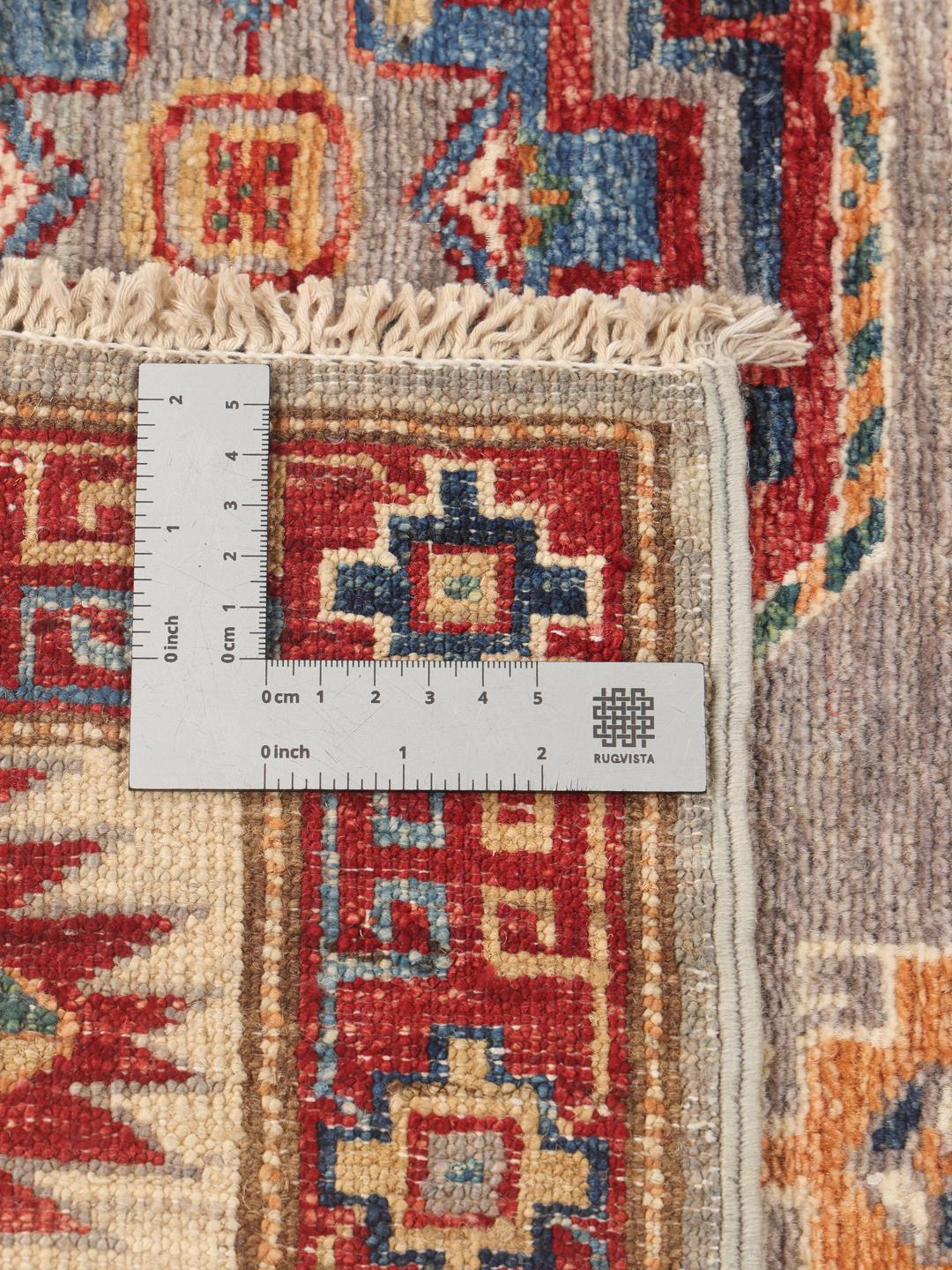
The term 'Kazak' refers to a specific group of rugs known for their high-quality wool and expressive, often adventurous, use of colour. In traditional construction, the pile is typically thick and resilient, which is why these rugs have remained popular for centuries. The use of high-quality wool, combined with a sturdy foundation, creates a durable piece that is both soft to the touch and capable of withstanding the passage of time.
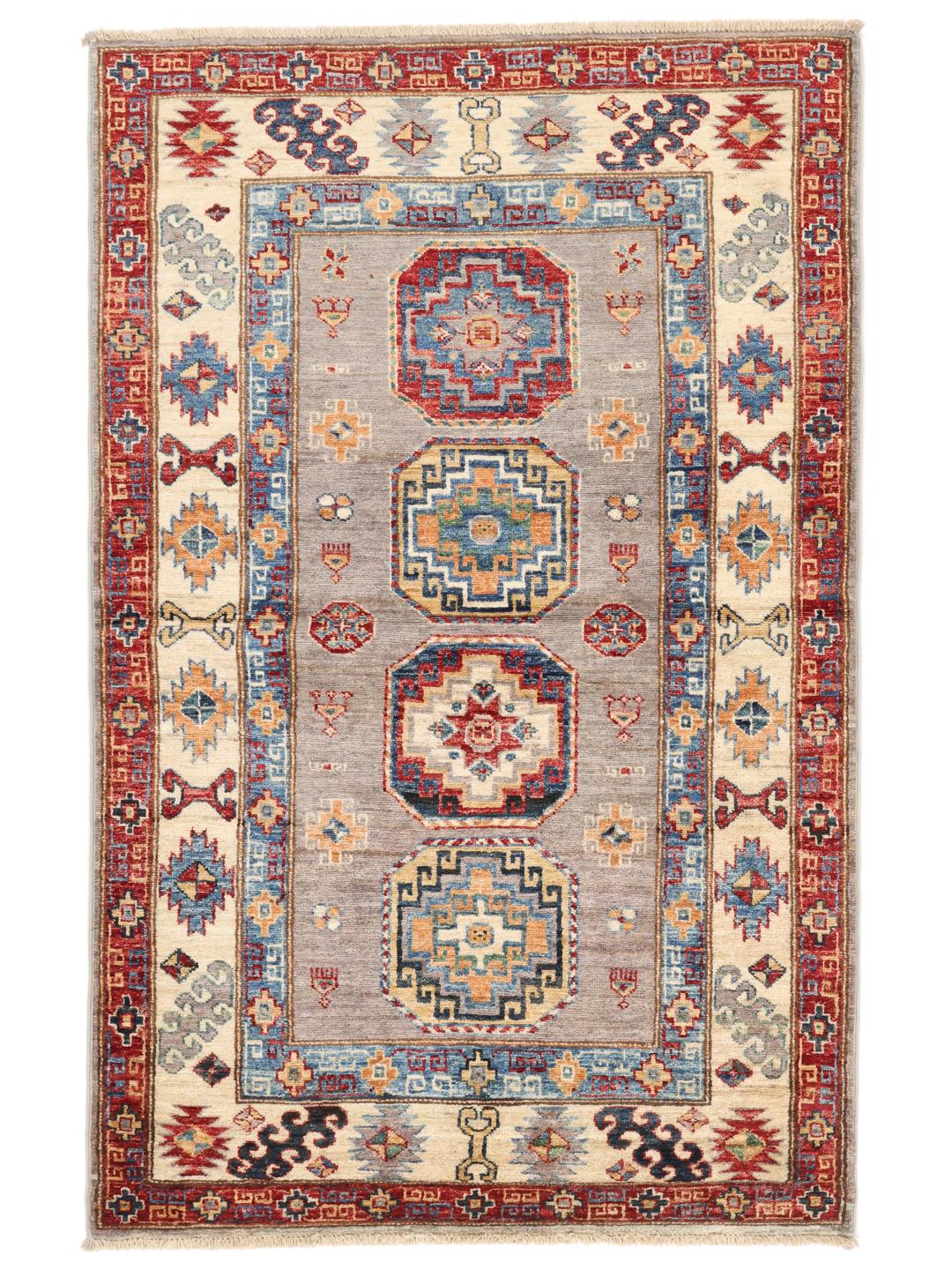
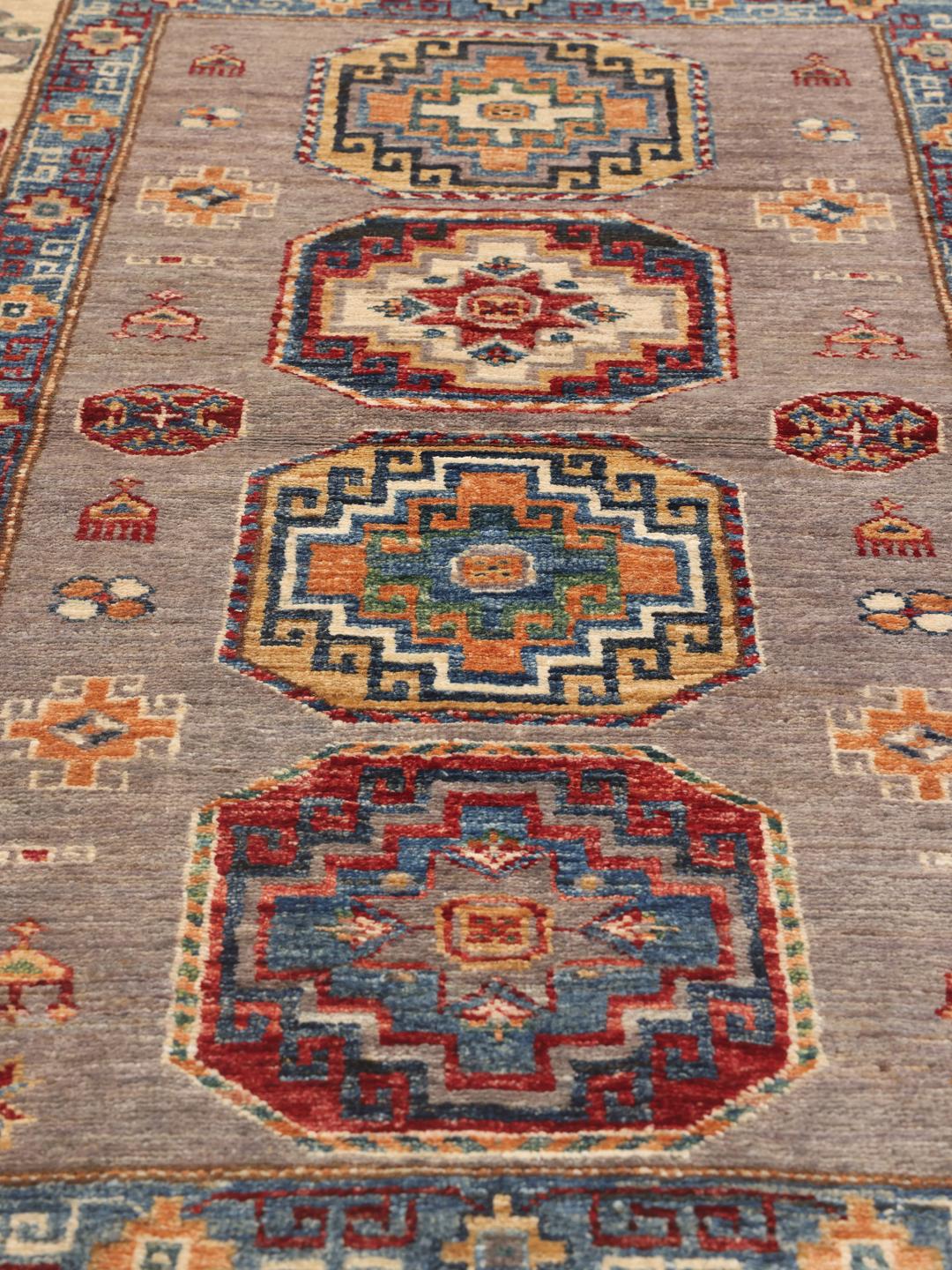
The design language of this tradition is immediately recognisable through its use of large-scale geometric medallions, often referred to as guls, and stepped polygons. These motifs are typically arranged in a symmetrical fashion within the central field, surrounded by multiple, highly detailed borders. The colours are traditionally derived from natural sources, resulting in rich, deep tones that age gracefully and develop a unique character over the years.
Collectors value these rugs for their raw, authentic beauty and the clear link they provide to historic weaving traditions. Owning a piece like this is more than just a decor choice; it is an appreciation of the human skill required to translate ancient patterns into a modern, functional object. These rugs are cherished for their longevity and the way they bring a sense of grounded, cultural heritage into a contemporary living environment.