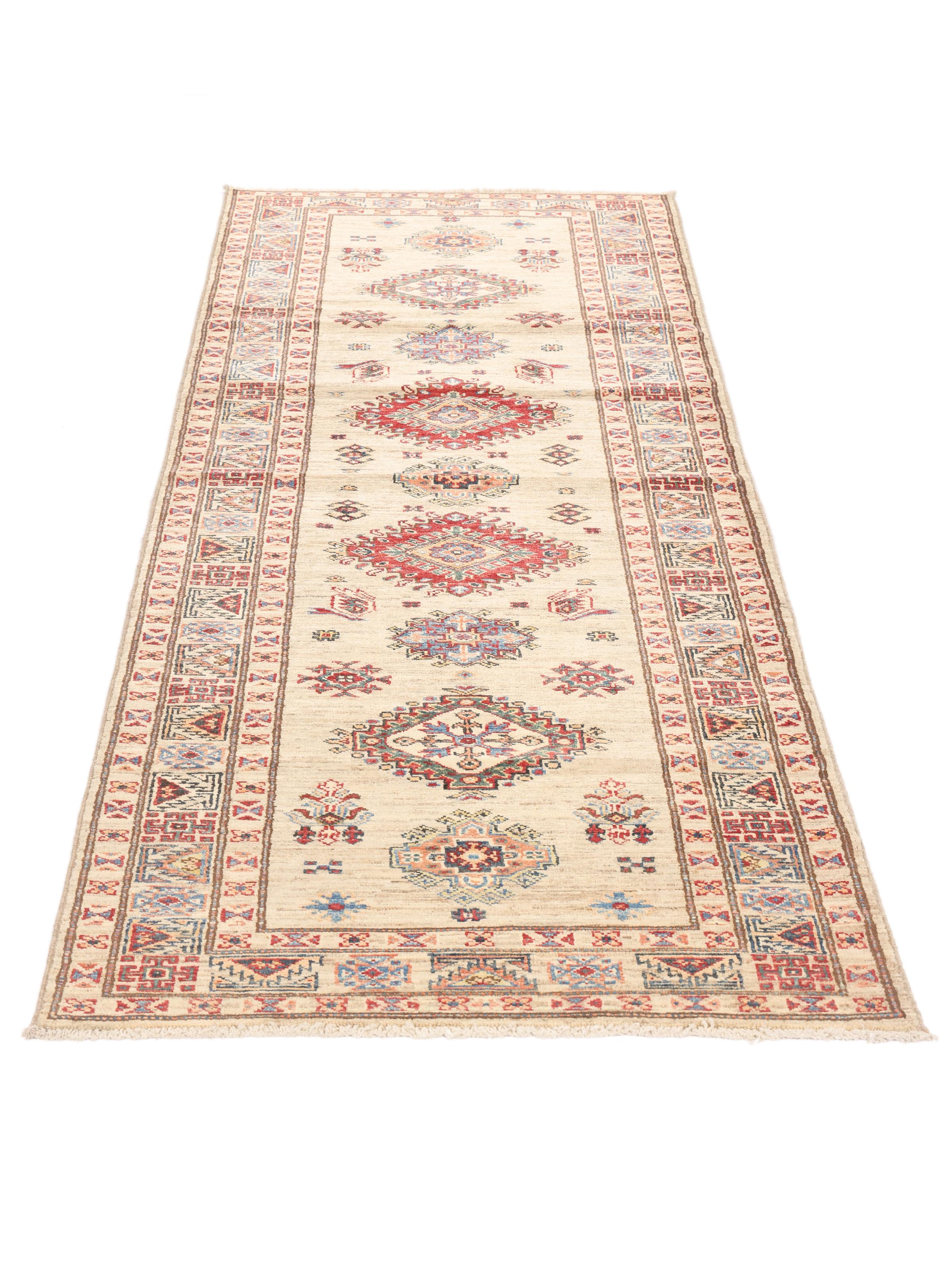
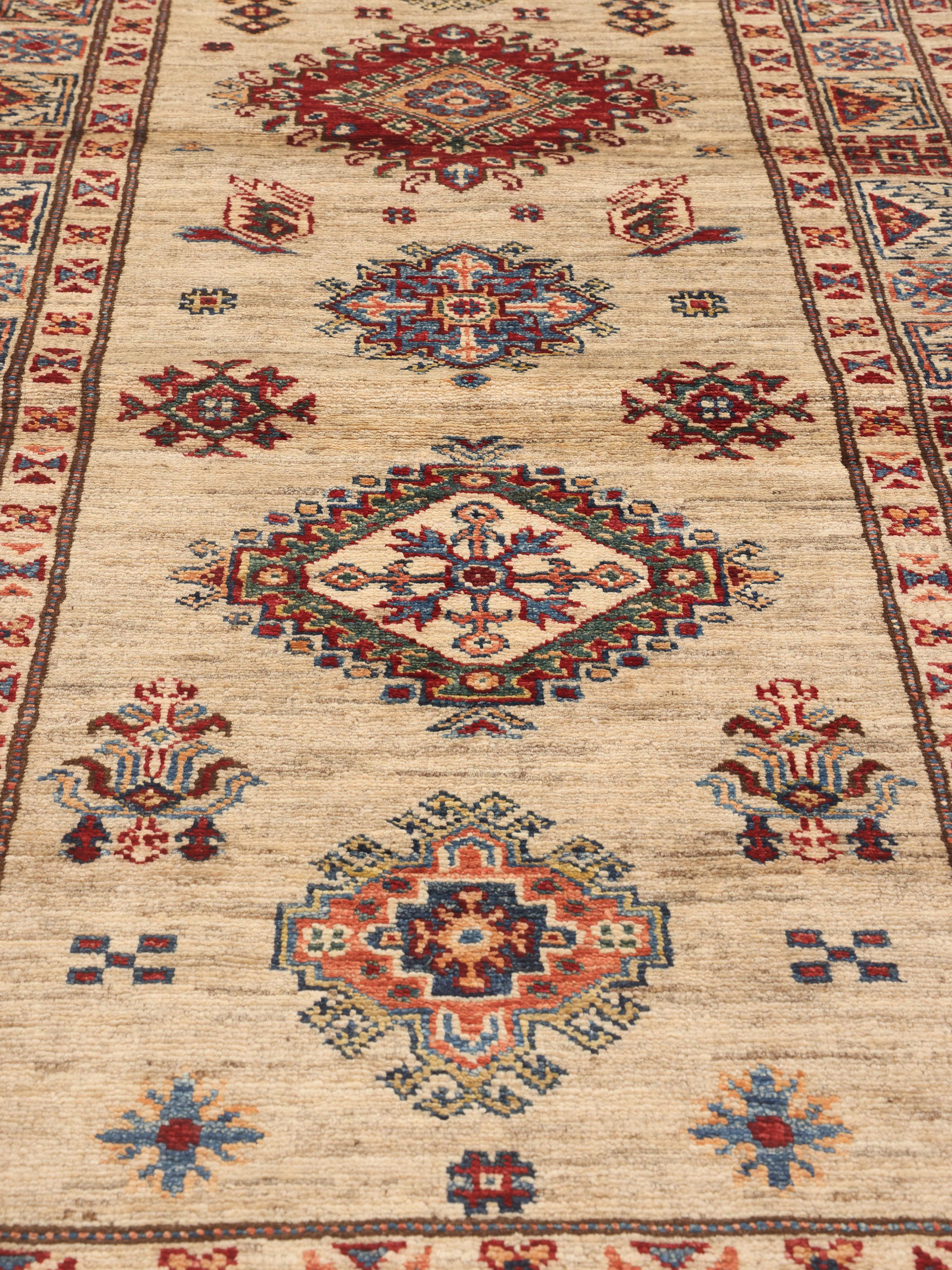
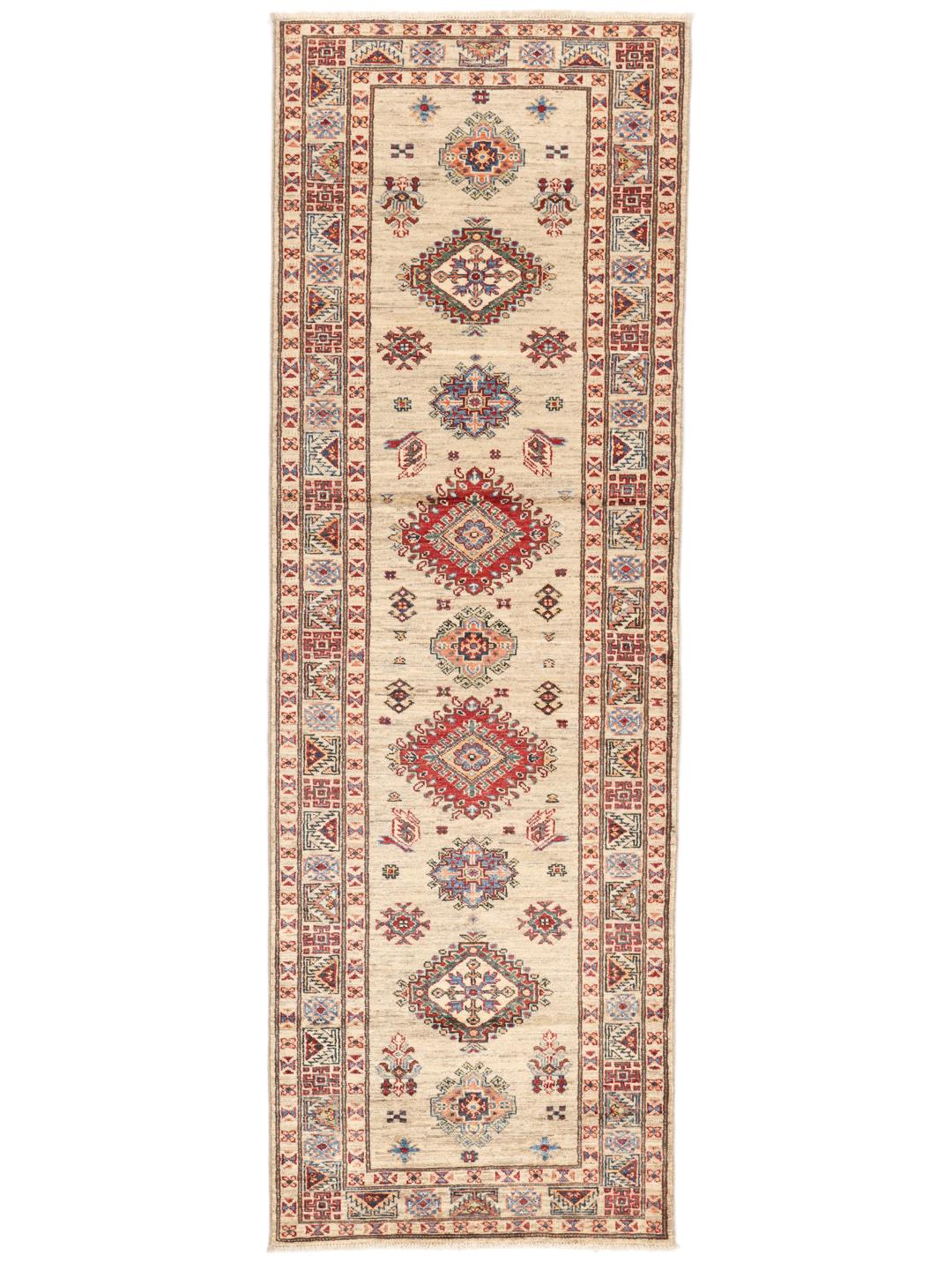
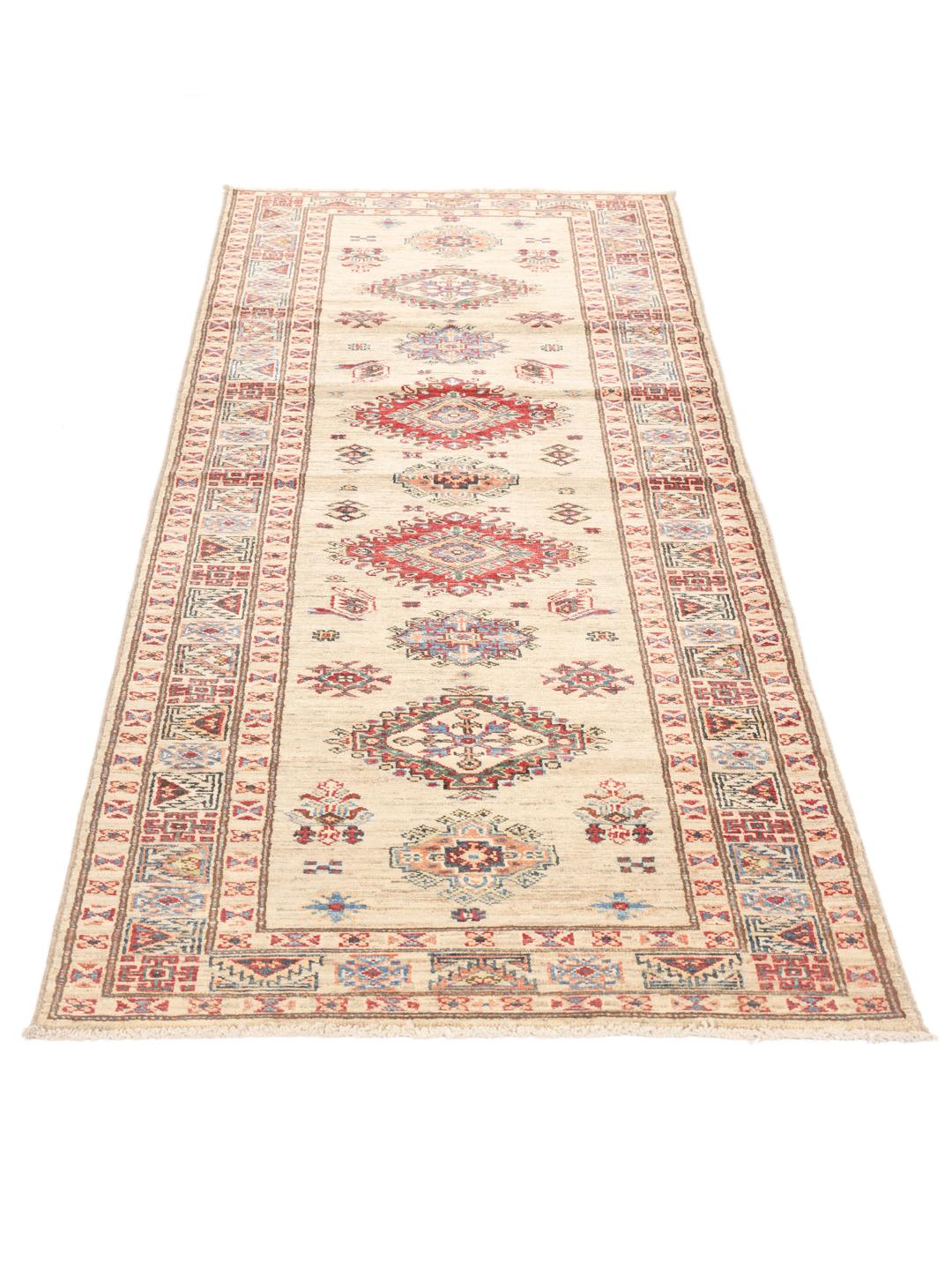
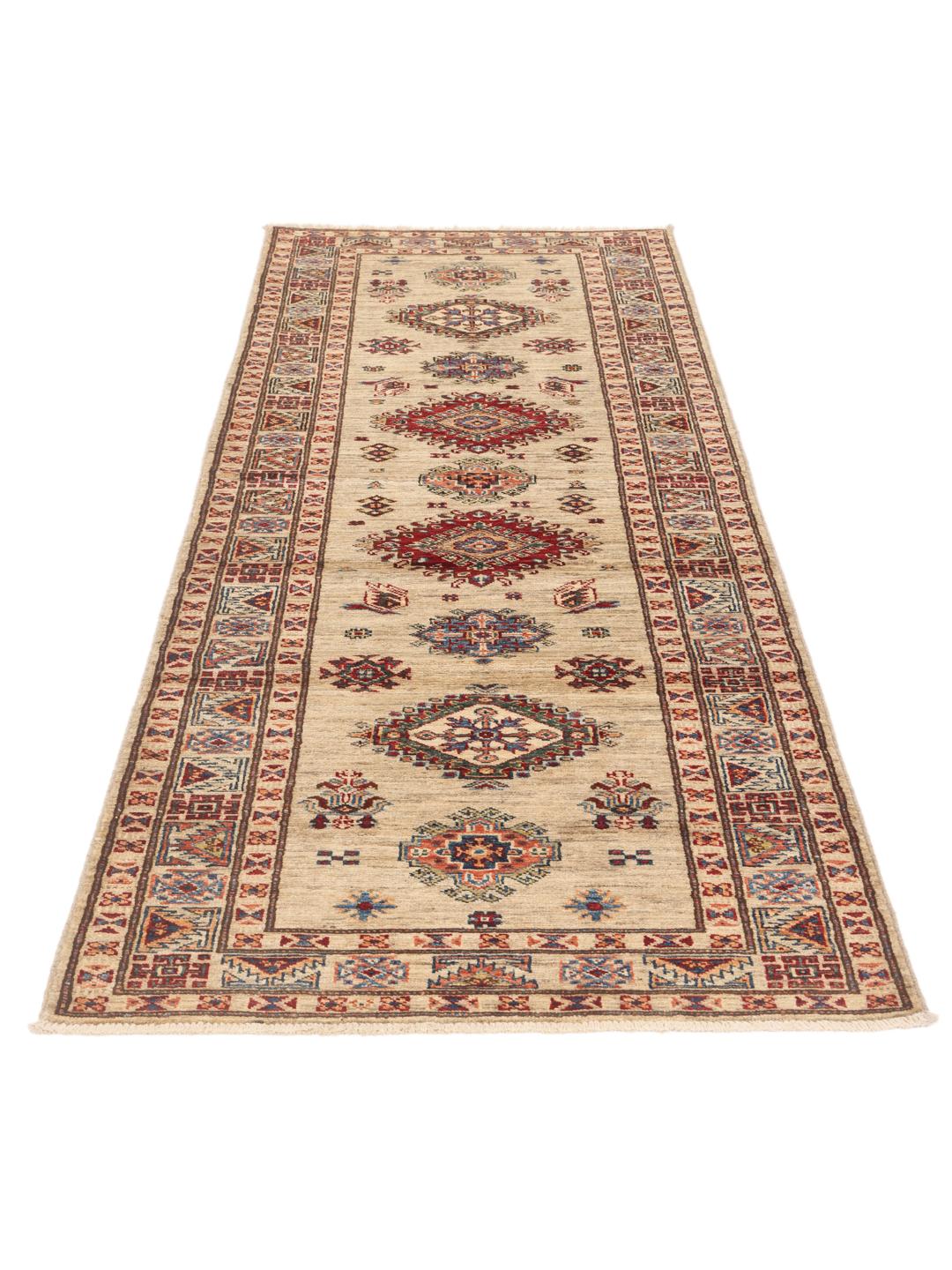
The Kazak tradition traces its roots to the rugged landscapes of the Caucasus Mountains, where nomadic tribes developed a distinct style of weaving characterised by bold, geometric forms and a deep, earthy palette. Over time, these weaving techniques migrated across borders, with Afghanistan becoming a major hub for reviving these classic styles.
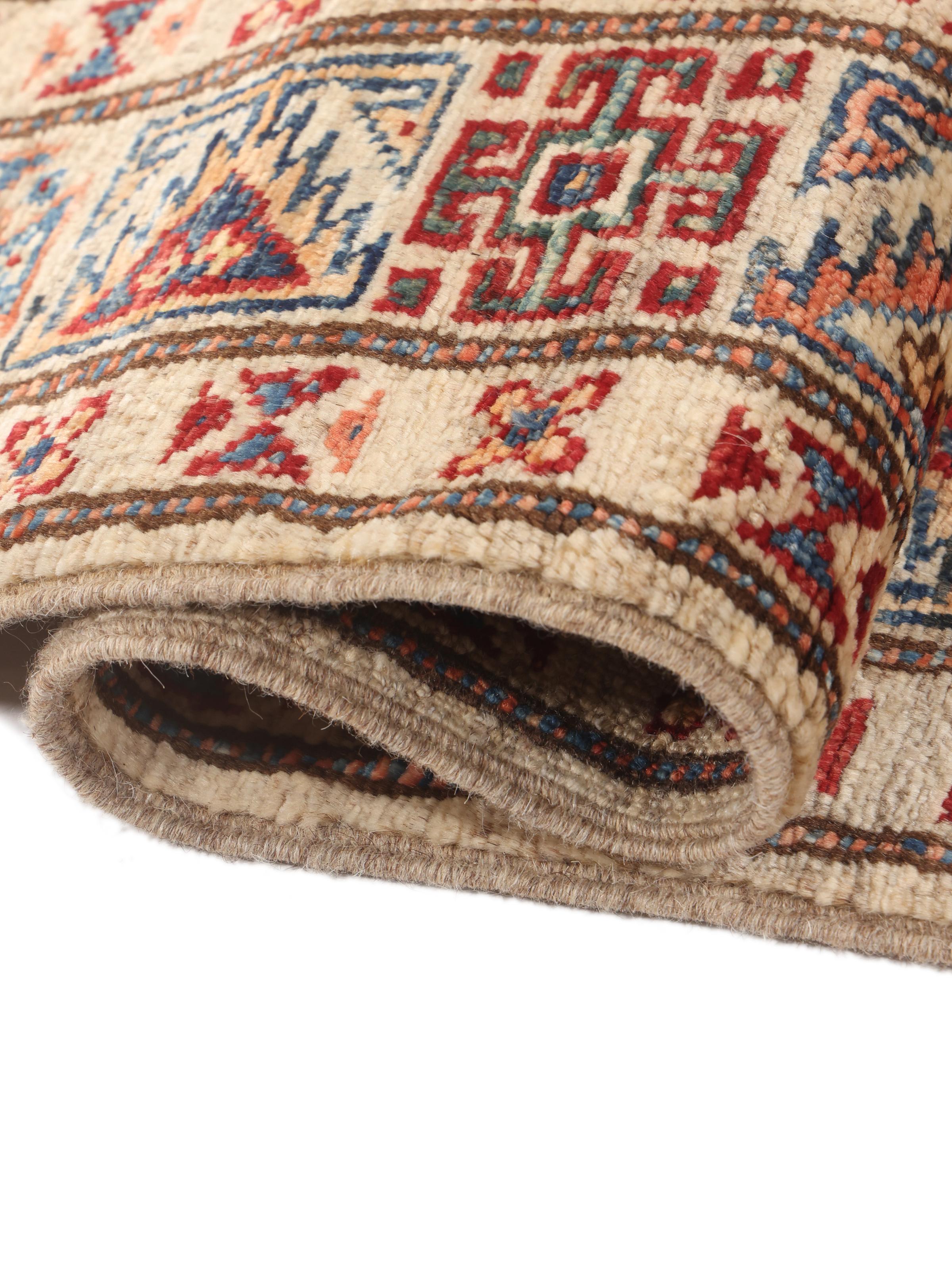
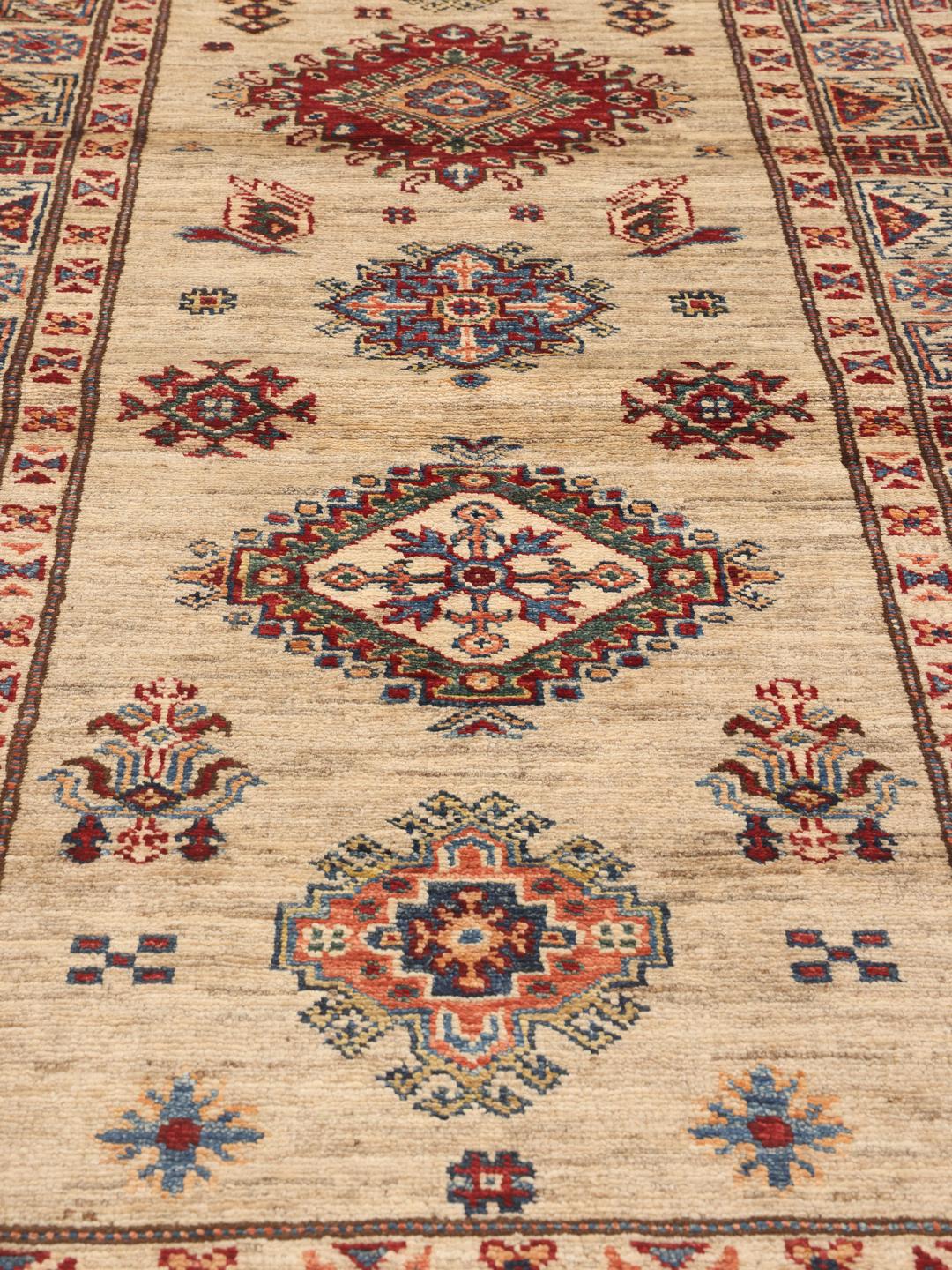
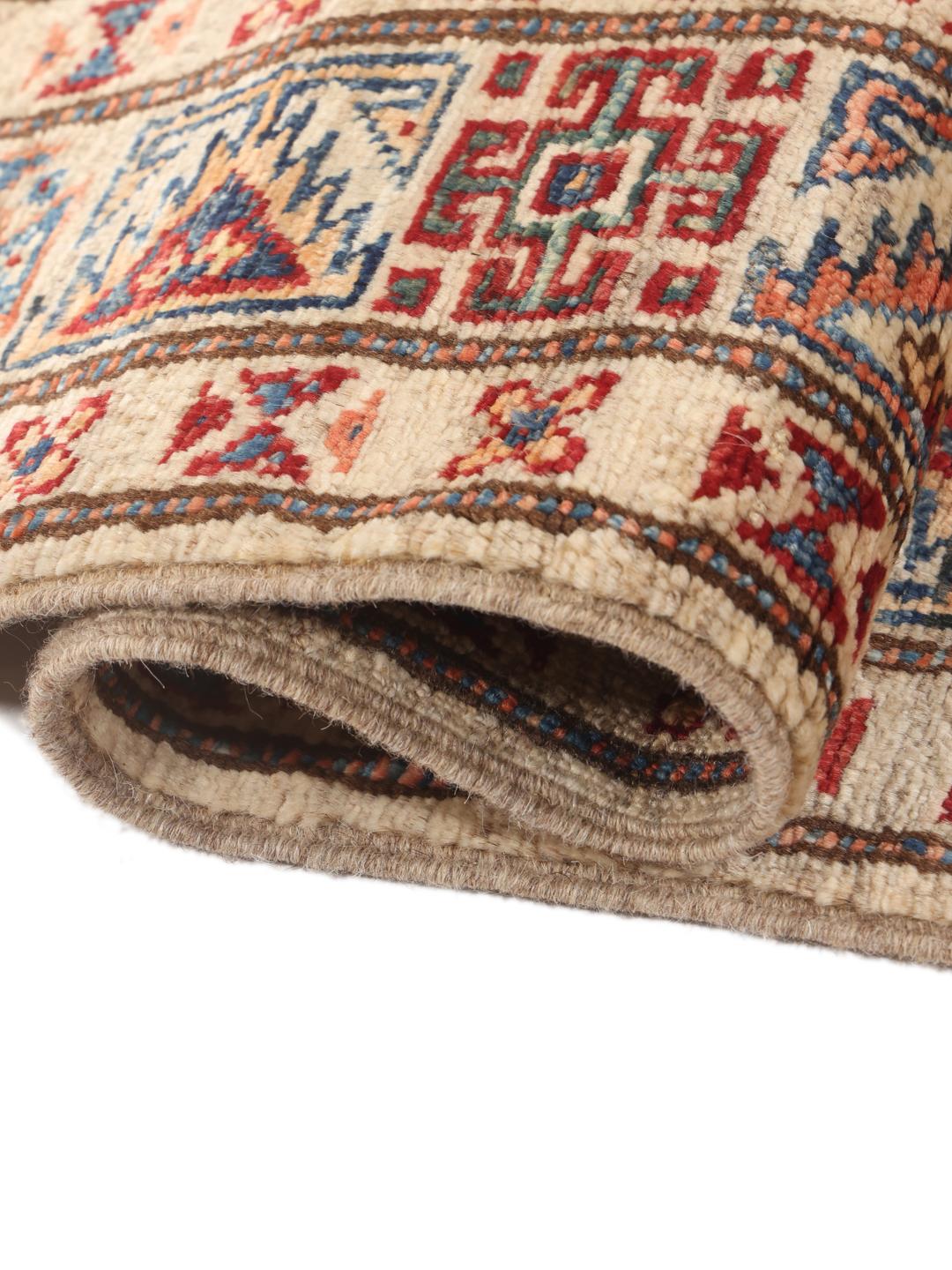
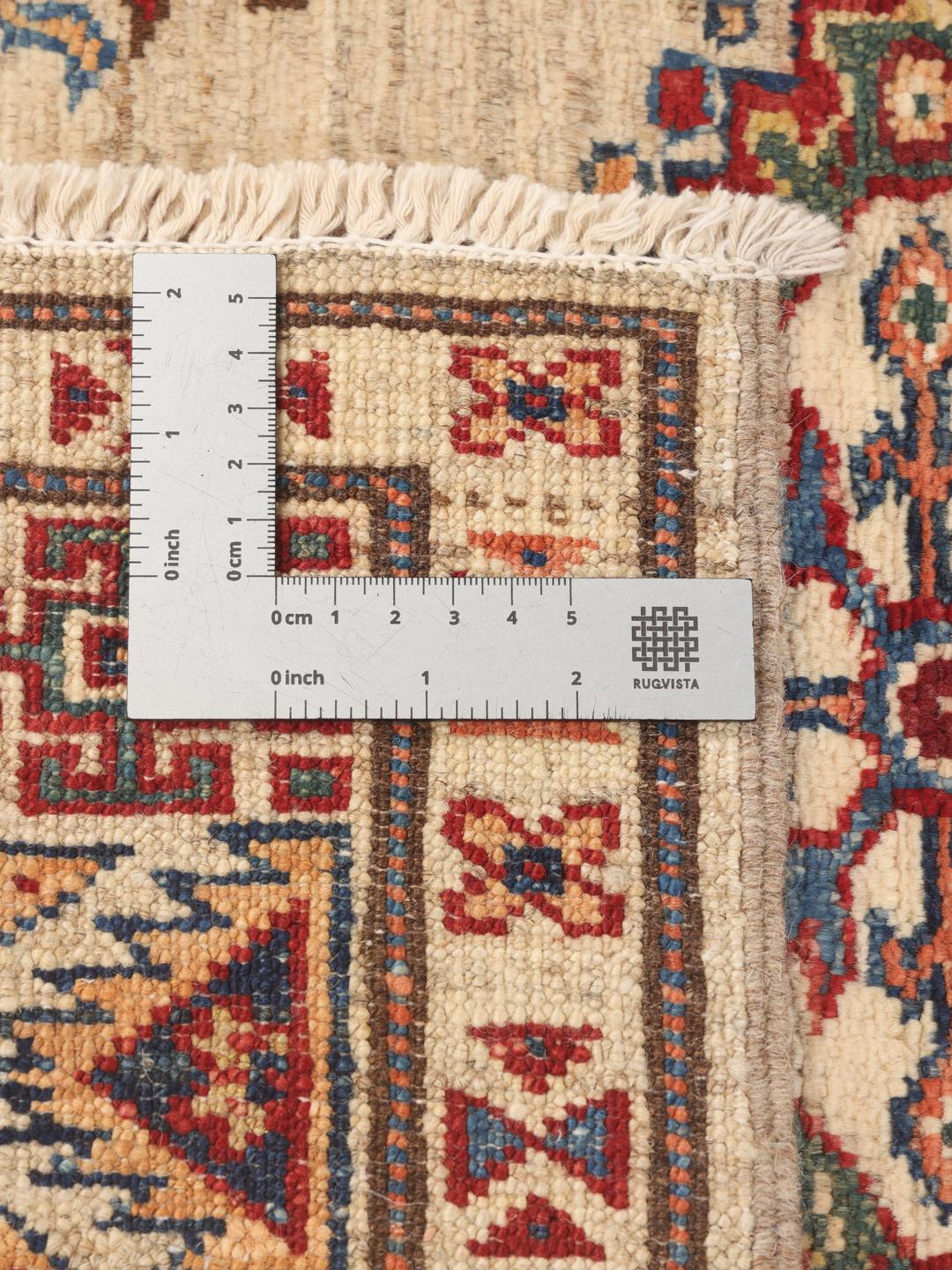
The term 'Kazak' often refers to the village-style weaving approach, which prioritises a thick, durable pile and a slightly more spontaneous, artistic interpretation of traditional motifs. Unlike more formal urban rugs, these pieces often feature a slightly coarser knotting style that gives them a hearty, authentic feel.
Signature design elements of this tradition include the use of large, stylised medallions and geometric borders. The motifs are often symbolic, reflecting the cultural heritage of the weavers, and are arranged in a balanced, rhythmic fashion. The inclusion of intricate decorative borders frames the central field, providing a structured look that remains timeless.
Today, collectors value these rugs for their connection to a vanishing way of life. Owning a Kazak Ariana is an investment in cultural heritage, representing a level of skill and artistic expression that stands in contrast to modern, mass-produced floor coverings. It is a piece that carries the weight of history and the signature of its creator.