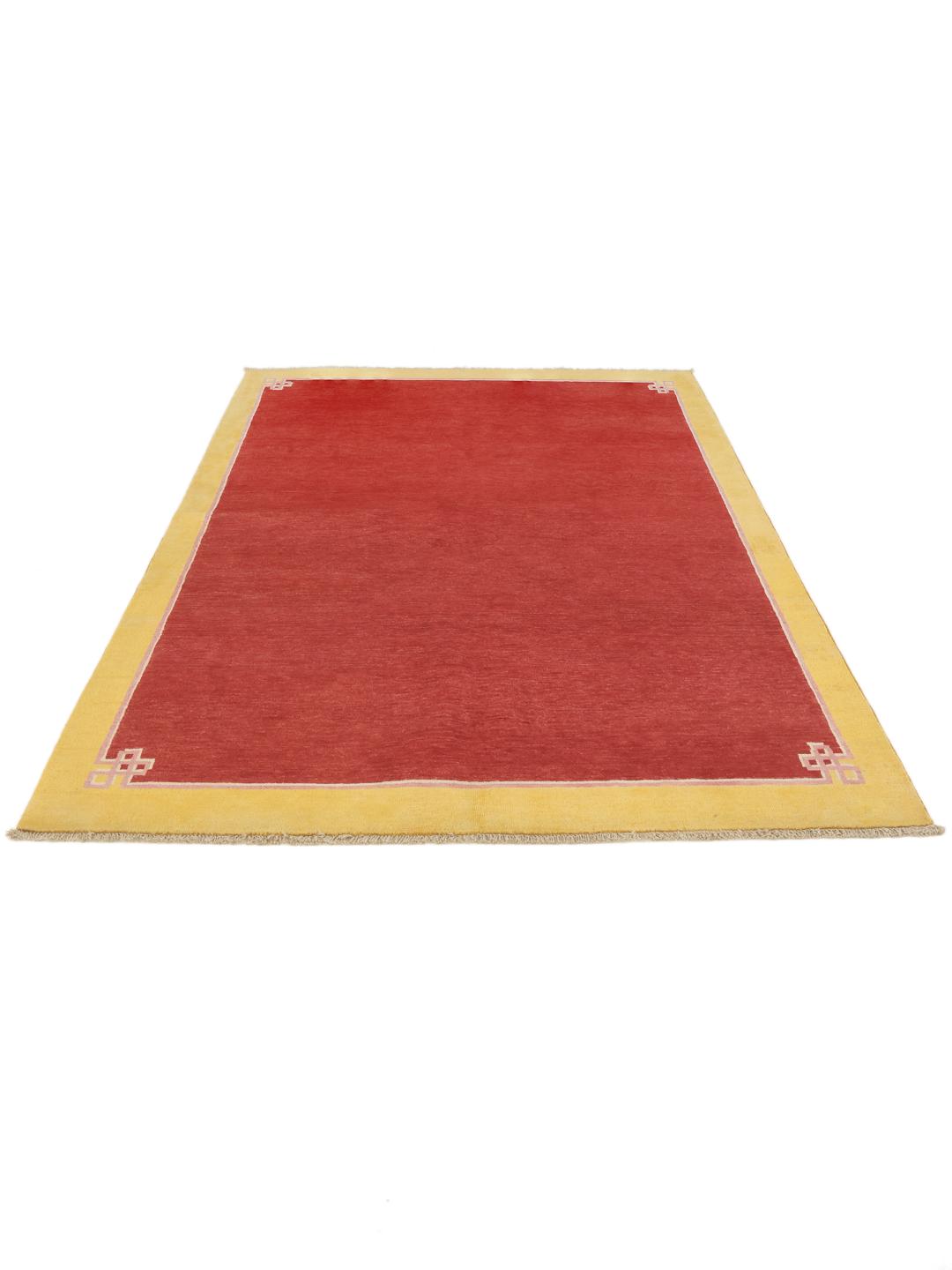
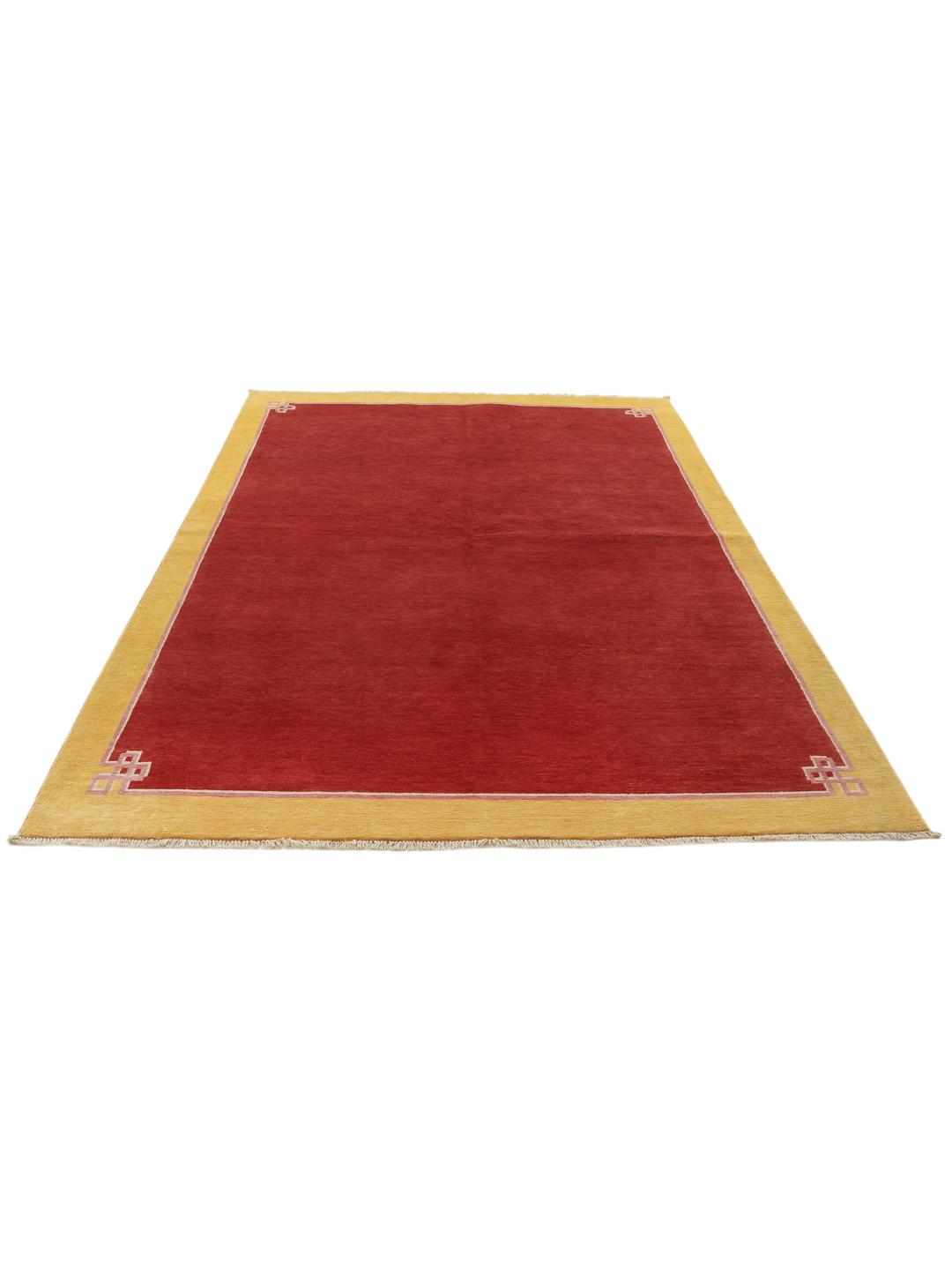
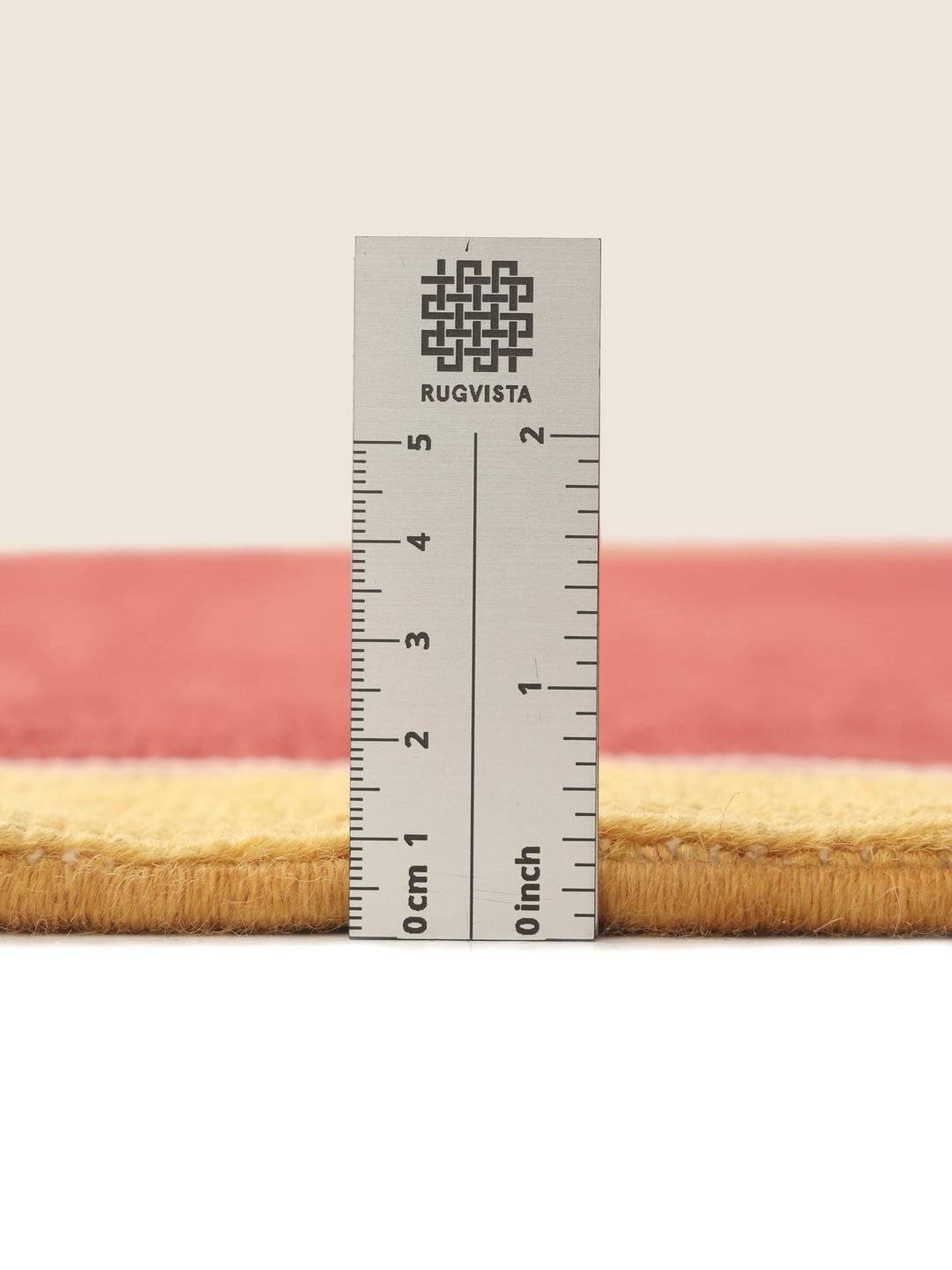
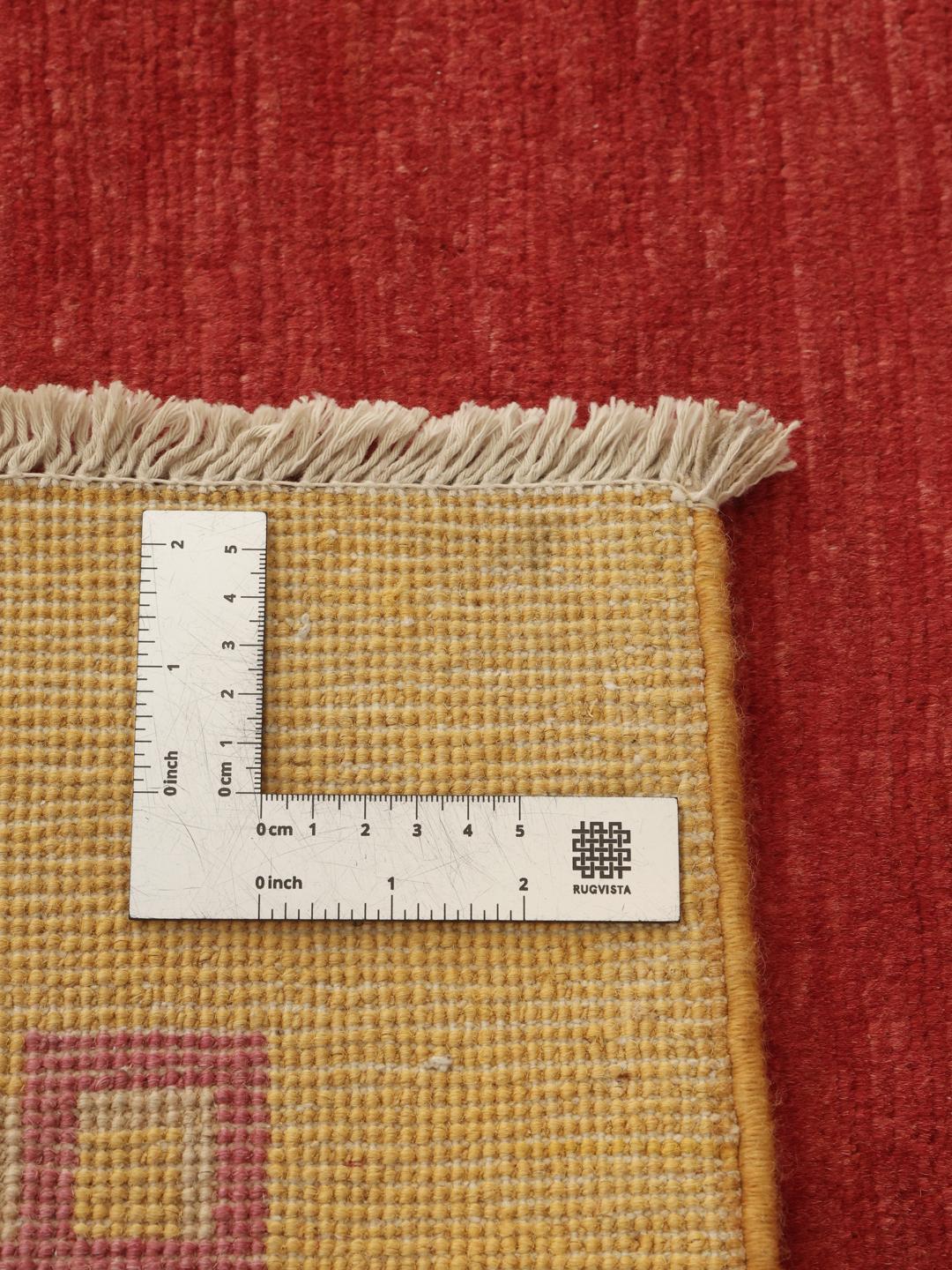
The history of Kazak rugs is deeply rooted in the Caucasus region, where nomadic tribes traditionally crafted these pieces as functional art for their homes. Over time, these weaving traditions migrated and found new life in Afghanistan, where artisans have adapted the classic styles while maintaining the authentic spirit of the craft. This migration has allowed the Kazak aesthetic to evolve, blending regional techniques with the rich weaving heritage of the Middle East.
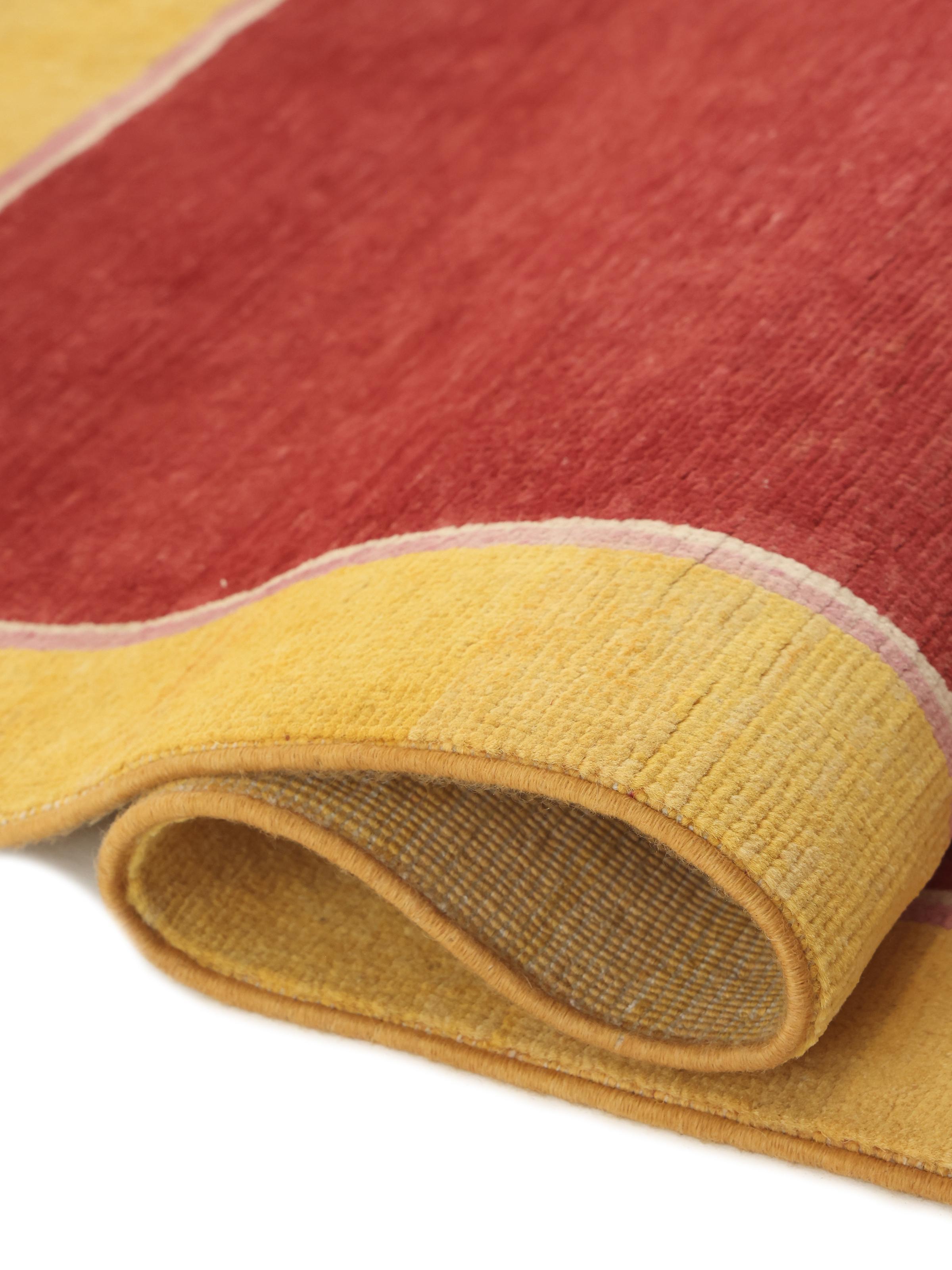
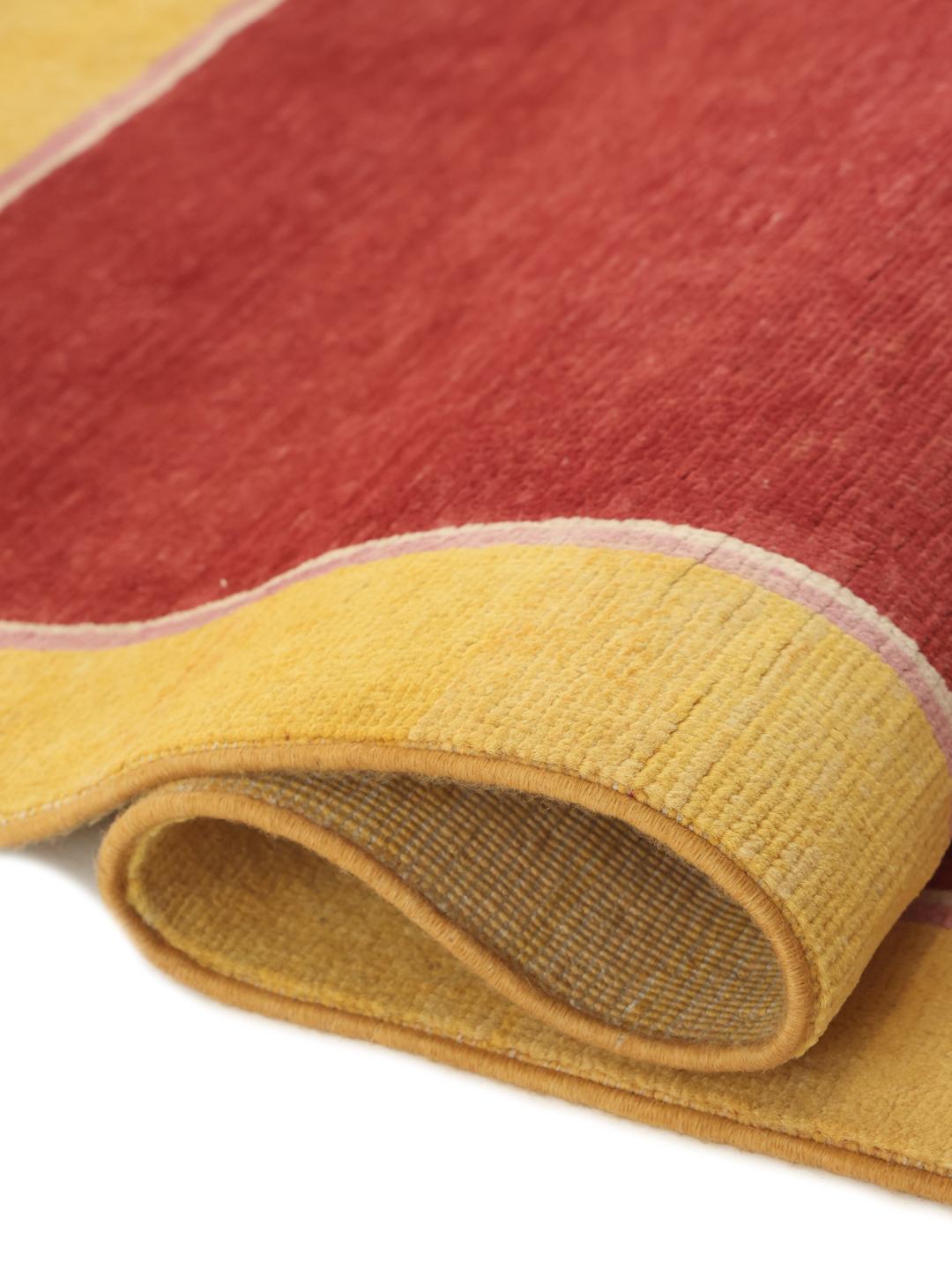
The term Kazak refers to a specific tradition of hand-knotted rugs that are renowned for their bold, graphic designs and high-quality wool. These rugs are typically characterised by their thick, durable piles and a construction that prioritises longevity. The use of traditional weaving methods ensures that each rug is not just a floor covering, but a resilient piece of home decor designed to age gracefully over time.
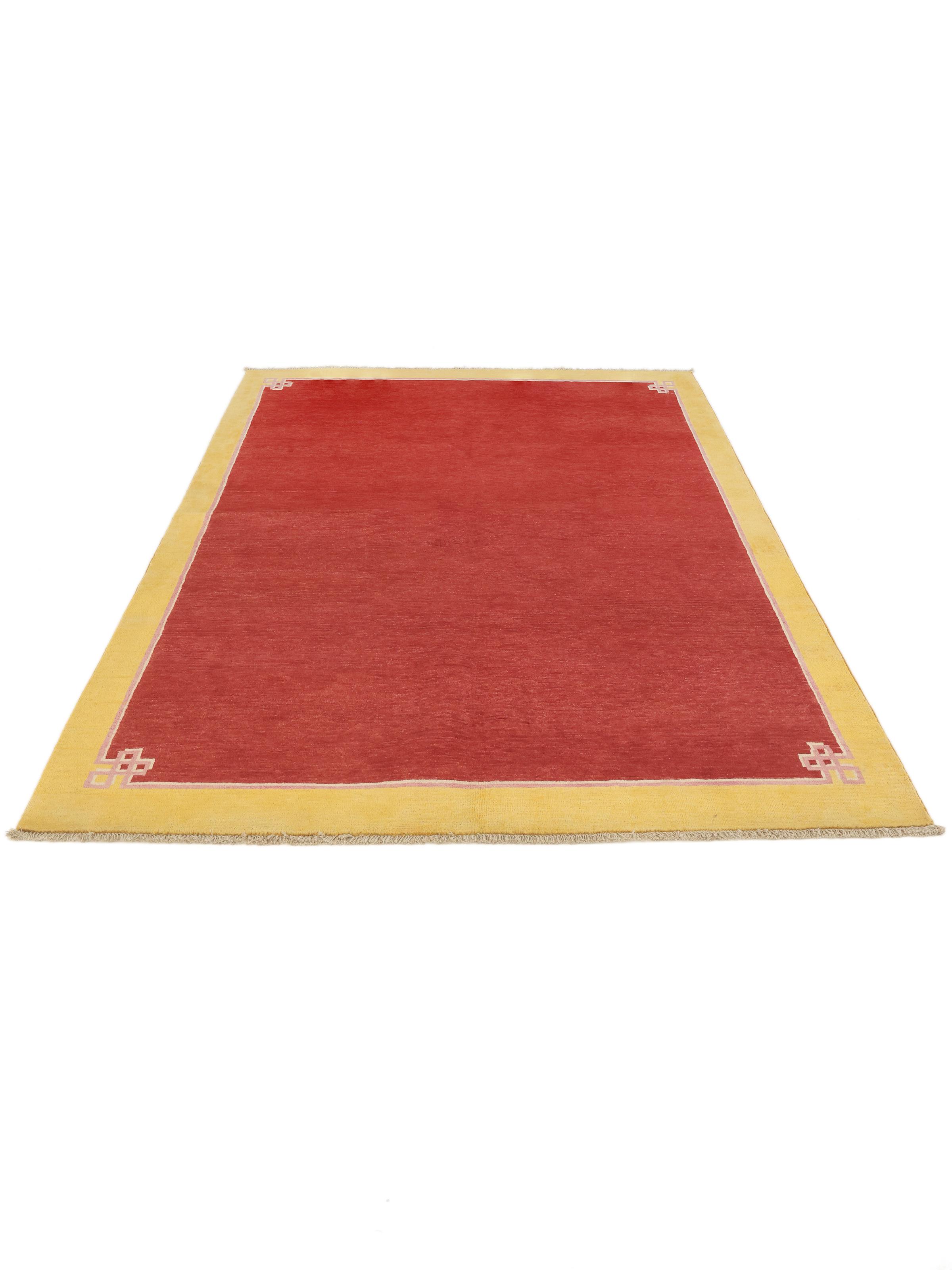
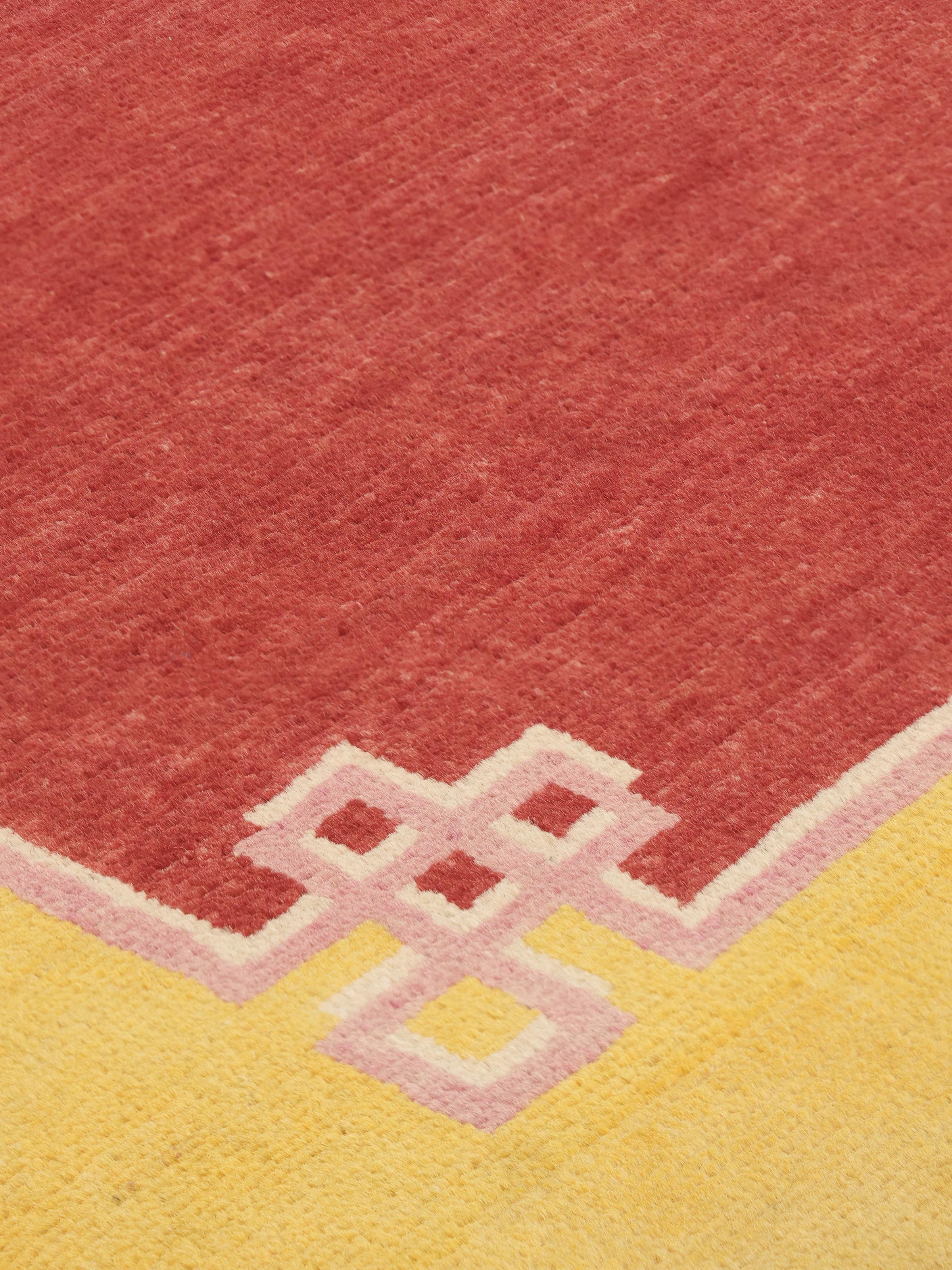
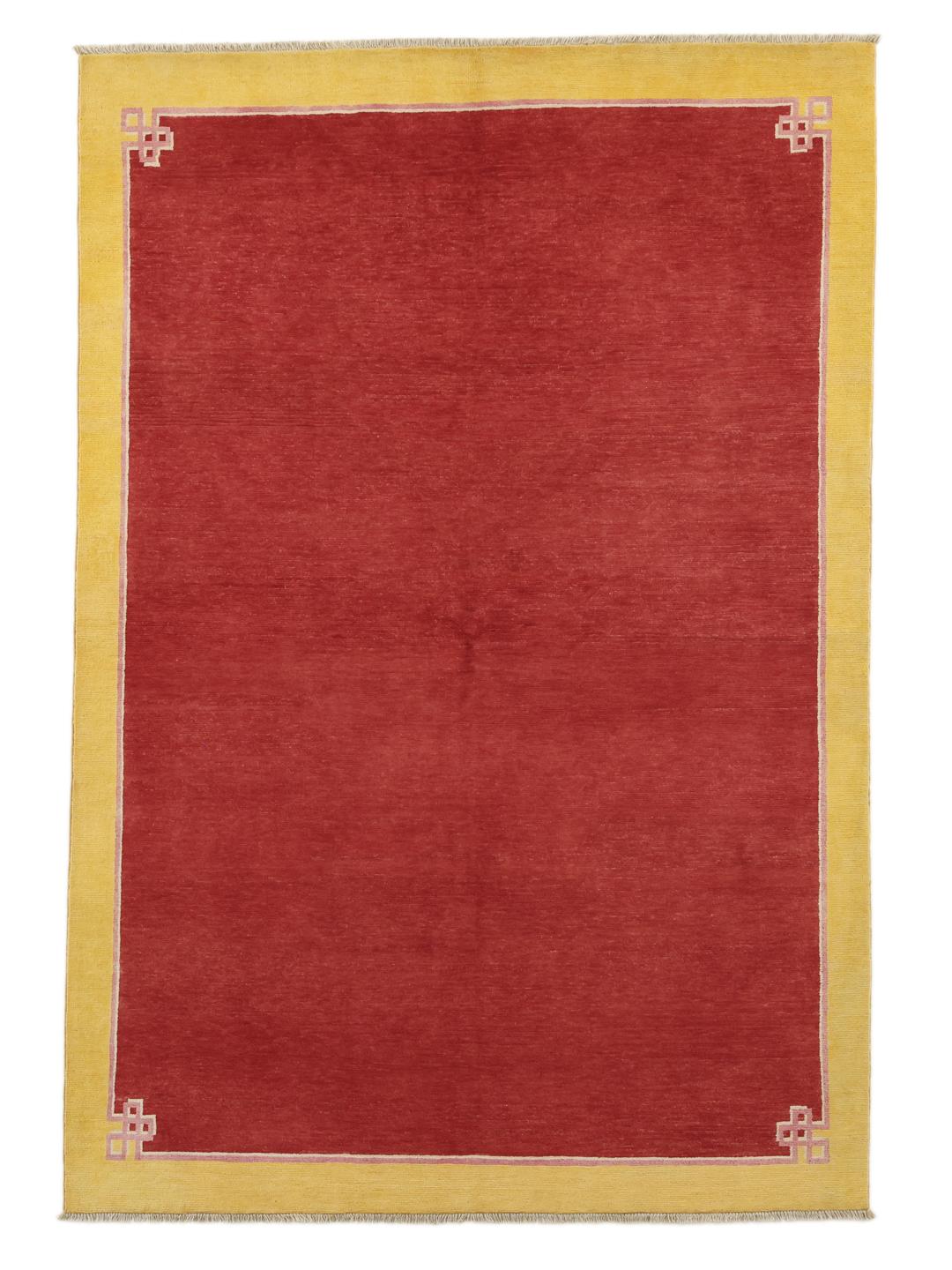
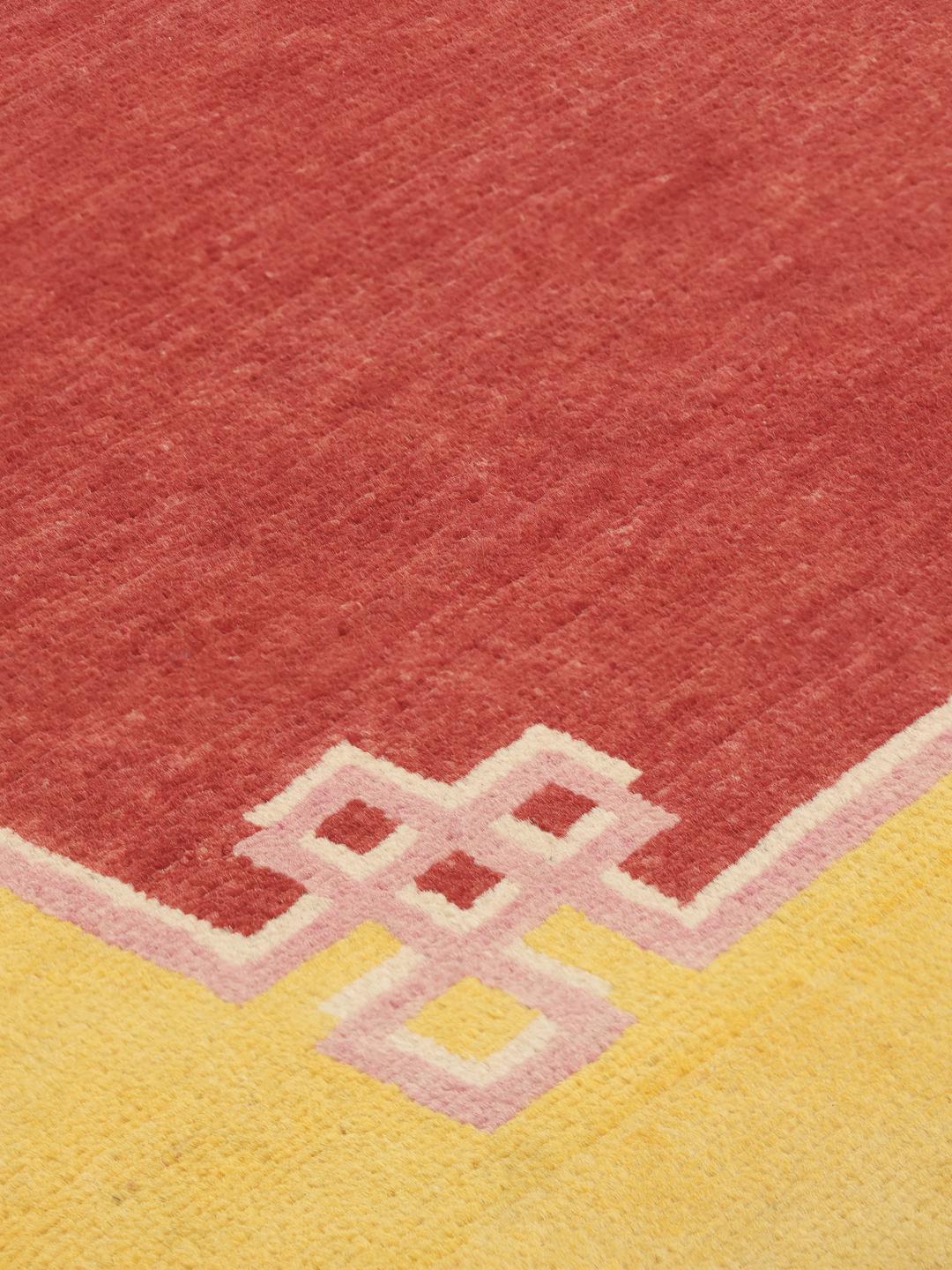
Visually, Kazak rugs are famous for their vibrant colour palettes and striking, geometric motifs. While they often feature complex, repeating patterns, many pieces also highlight a simpler, more open field that allows the quality of the wool and the depth of the natural dyes to shine. The inclusion of decorative borders and symbolic corner motifs is a hallmark of this tradition, acting as a frame for the central story told by the weaver.
Owning a Kazak rug is an investment in cultural heritage and long-term quality. These rugs are highly valued by collectors and enthusiasts who appreciate the skill required to produce such distinct, durable items. By bringing one into your home, you are connecting with a long lineage of weavers and honouring a craft that has remained a symbol of beauty and resilience for generations.