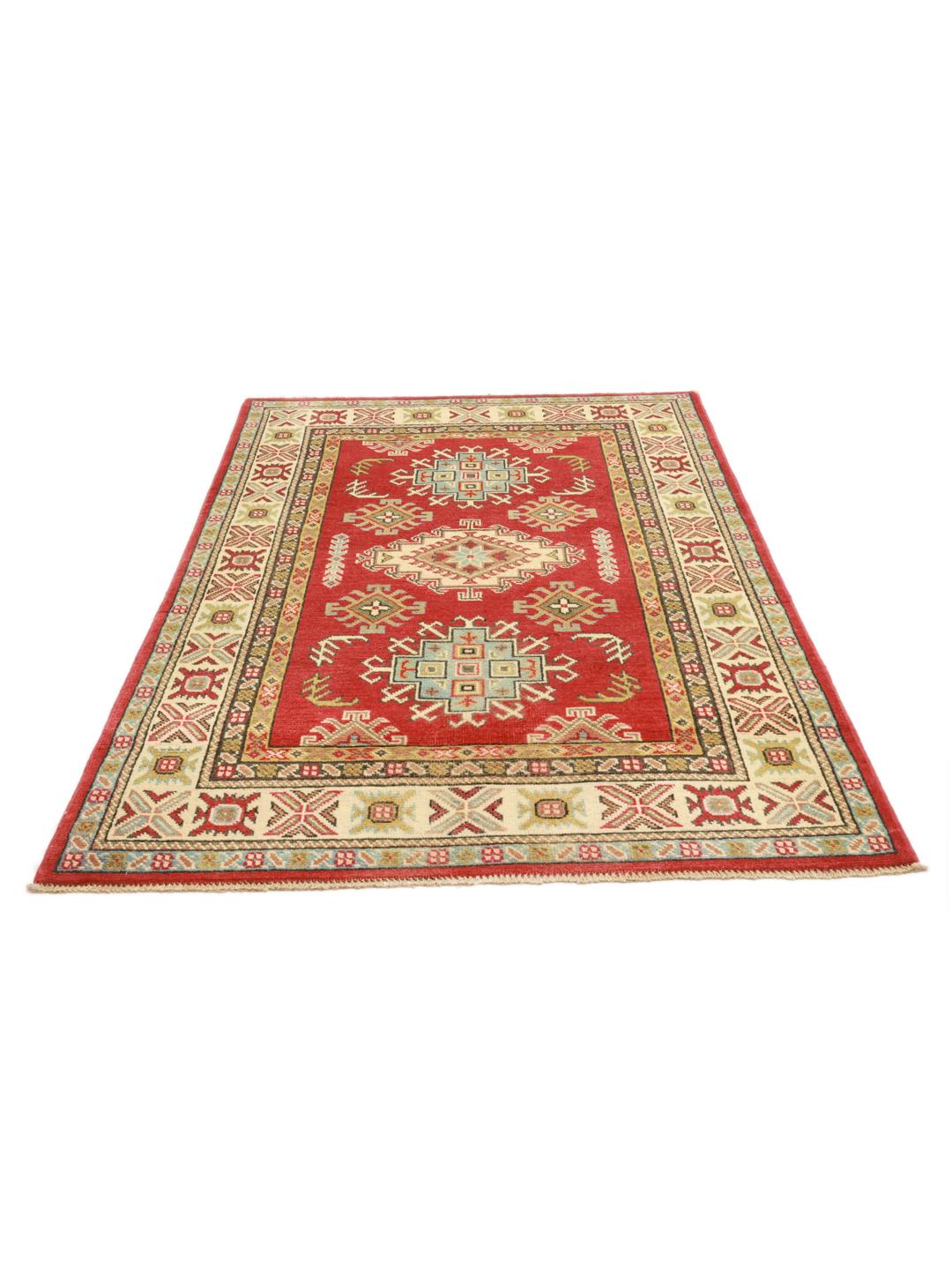
Kazak rugs originate from the Caucasus region, a mountainous area known for its diverse cultures and ancient weaving traditions. While the term historically referred to rugs woven by nomadic tribes in the southern Caucasus, the tradition has evolved significantly. Today, some of the most respected examples are created in Afghanistan, where weavers maintain the iconic, bold aesthetic that has made this style a favourite among collectors for centuries.
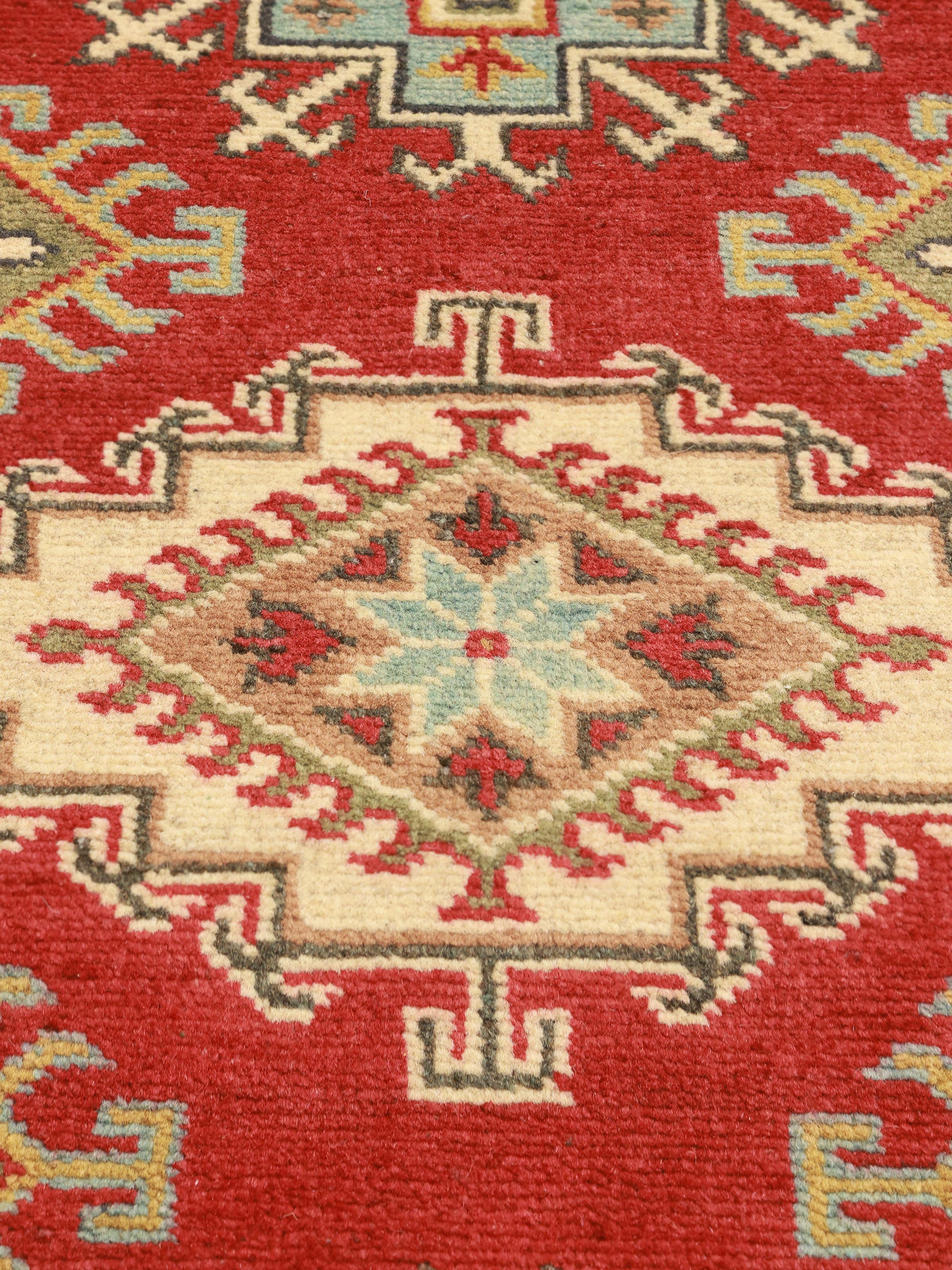
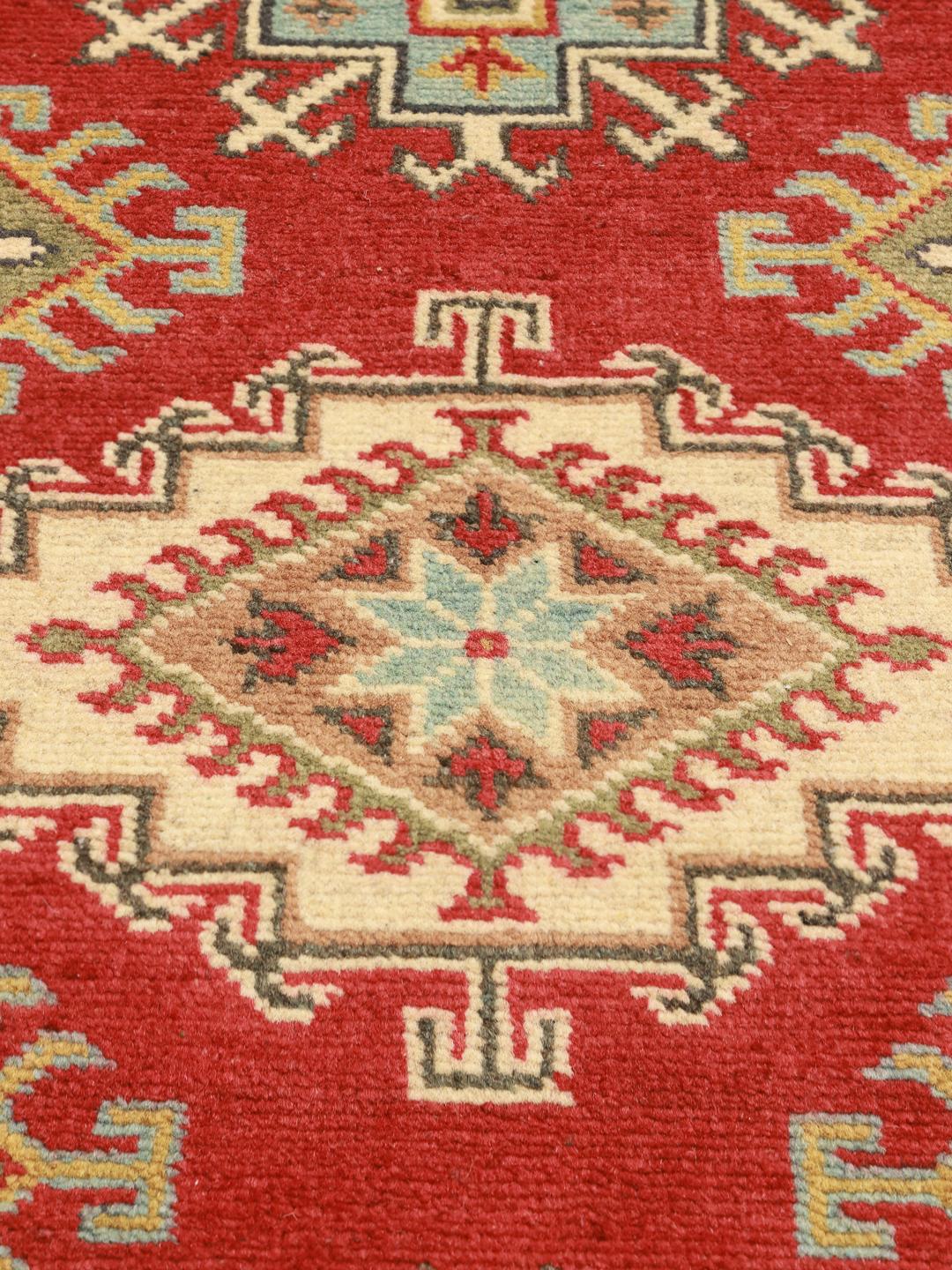
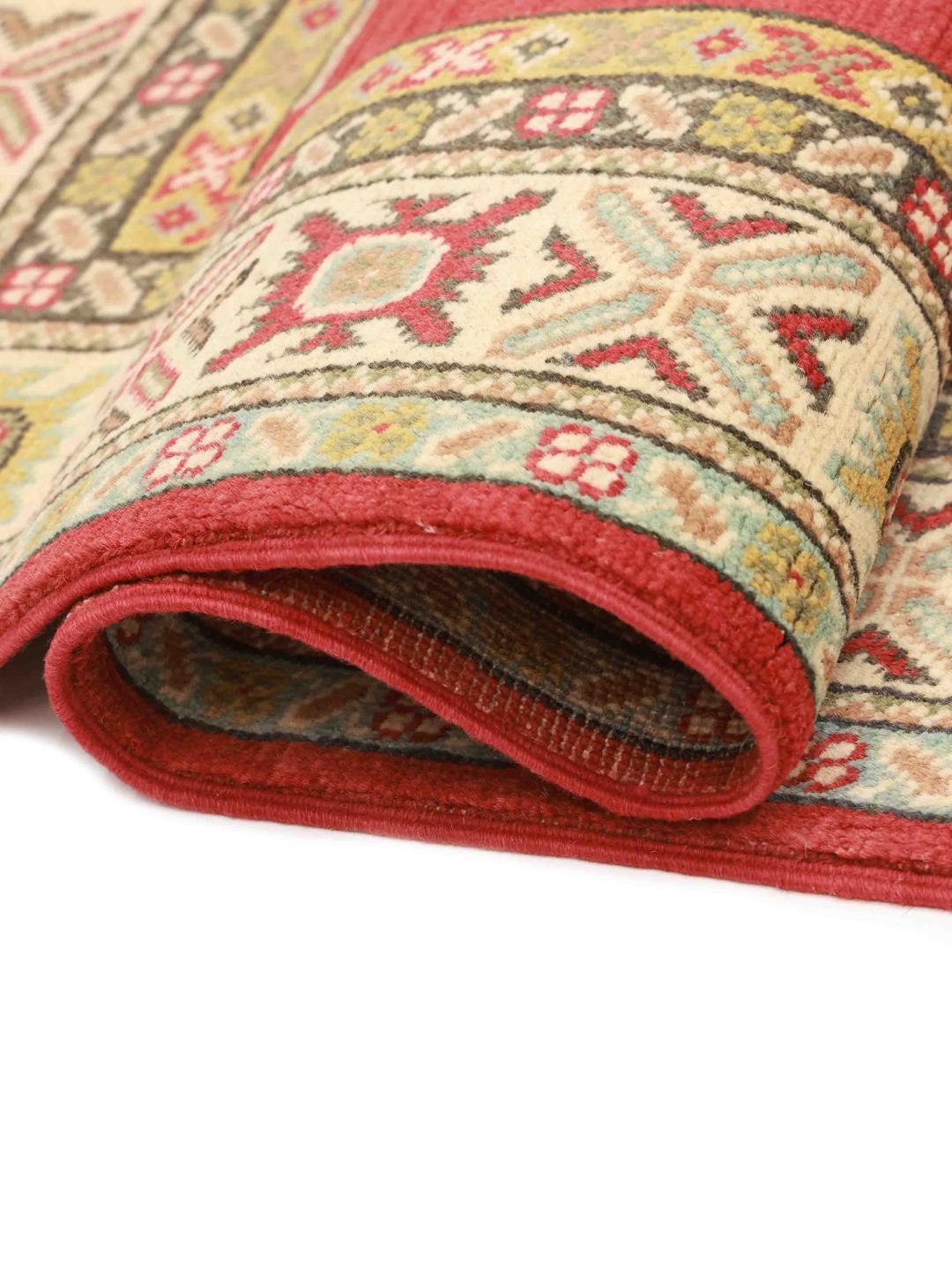
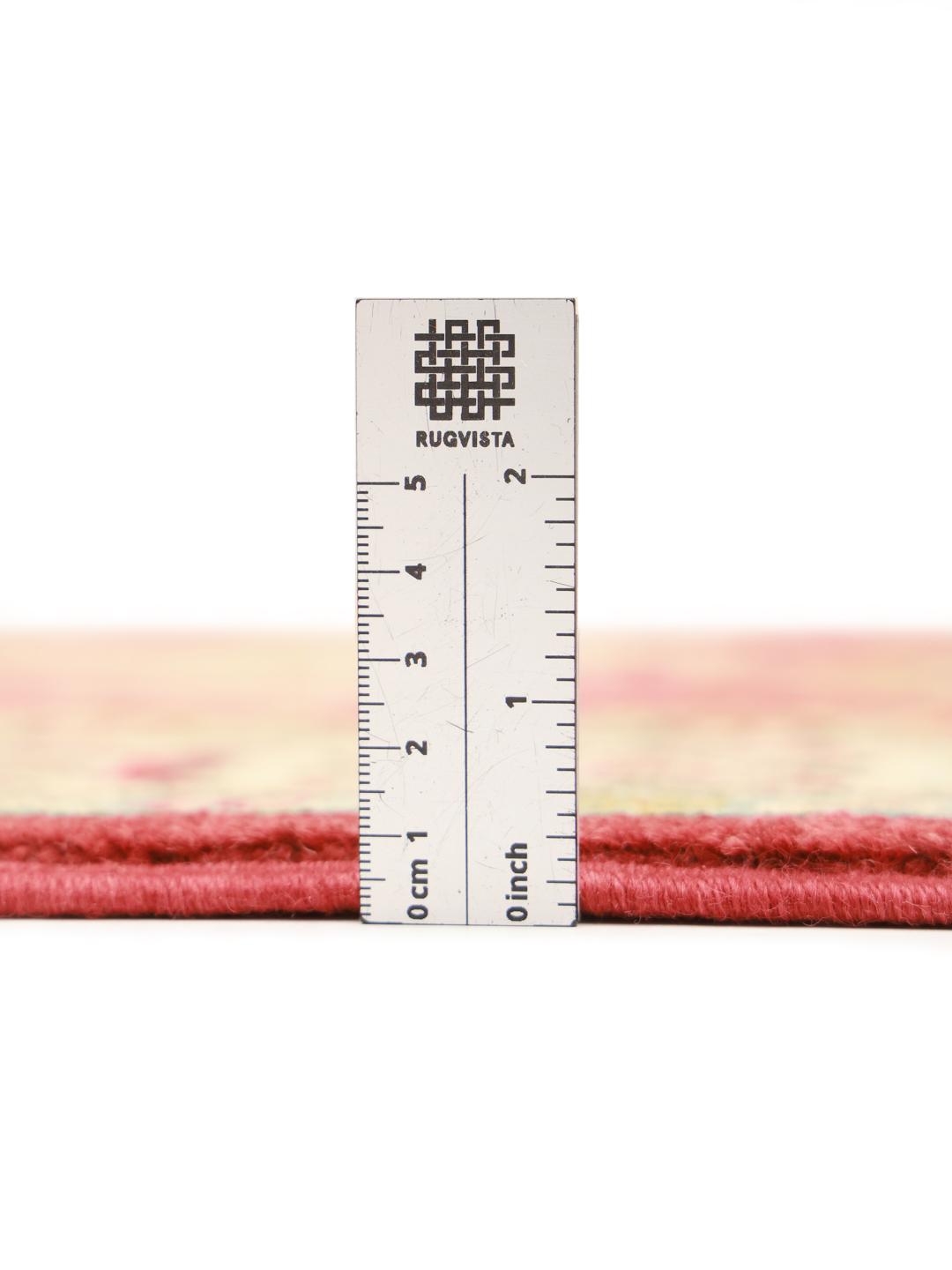
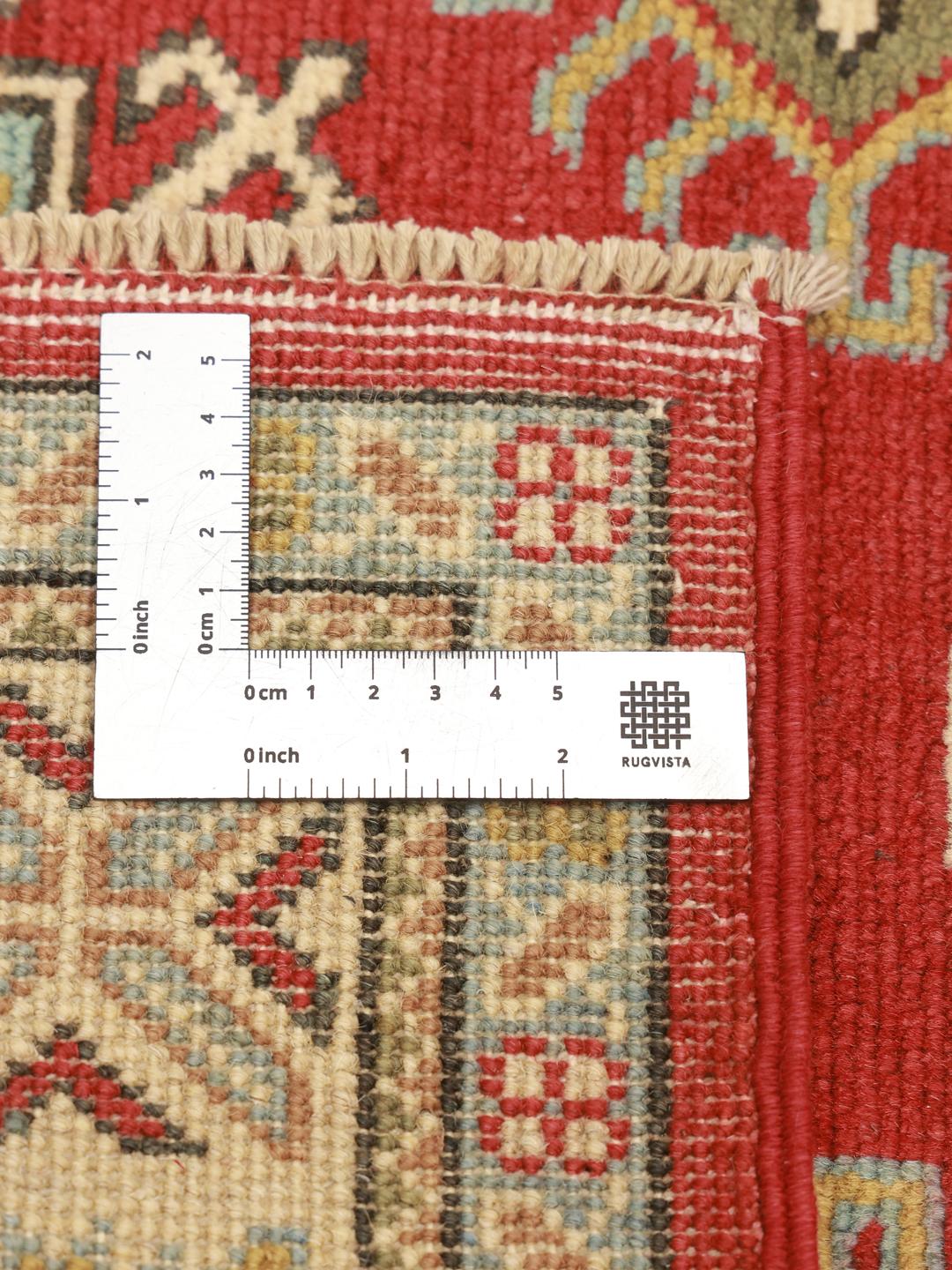
The craft of these rugs is defined by the use of high-quality Wool, often hand-spun and dyed with natural pigments to achieve deep, saturated tones. The term 'Kazak' itself is associated with a specific construction style that emphasises durability and a thick, lustrous pile. This density is not just for aesthetic appeal; it is the result of a rigorous weaving process that creates a robust, long-lasting surface suitable for high-traffic areas.
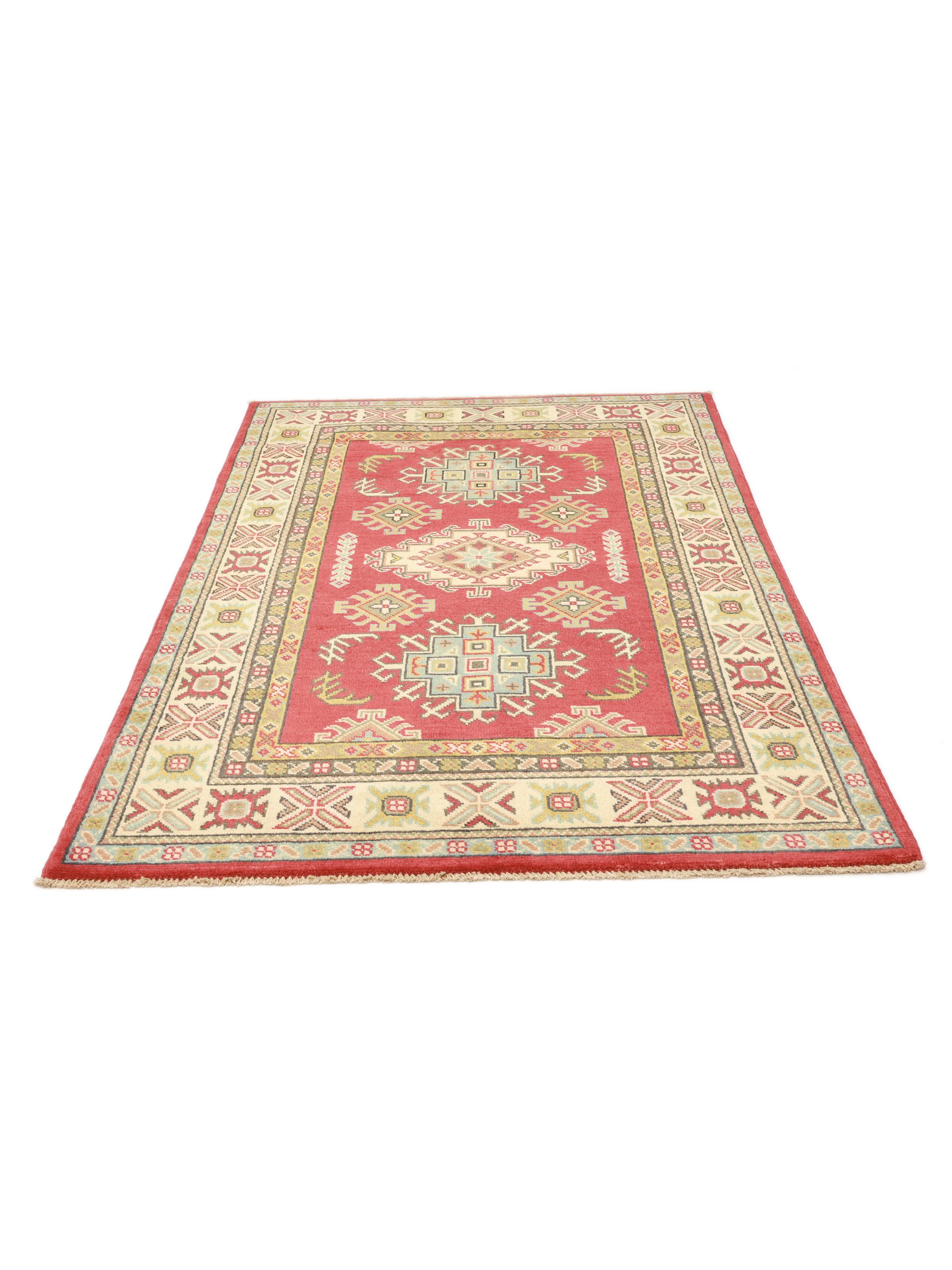
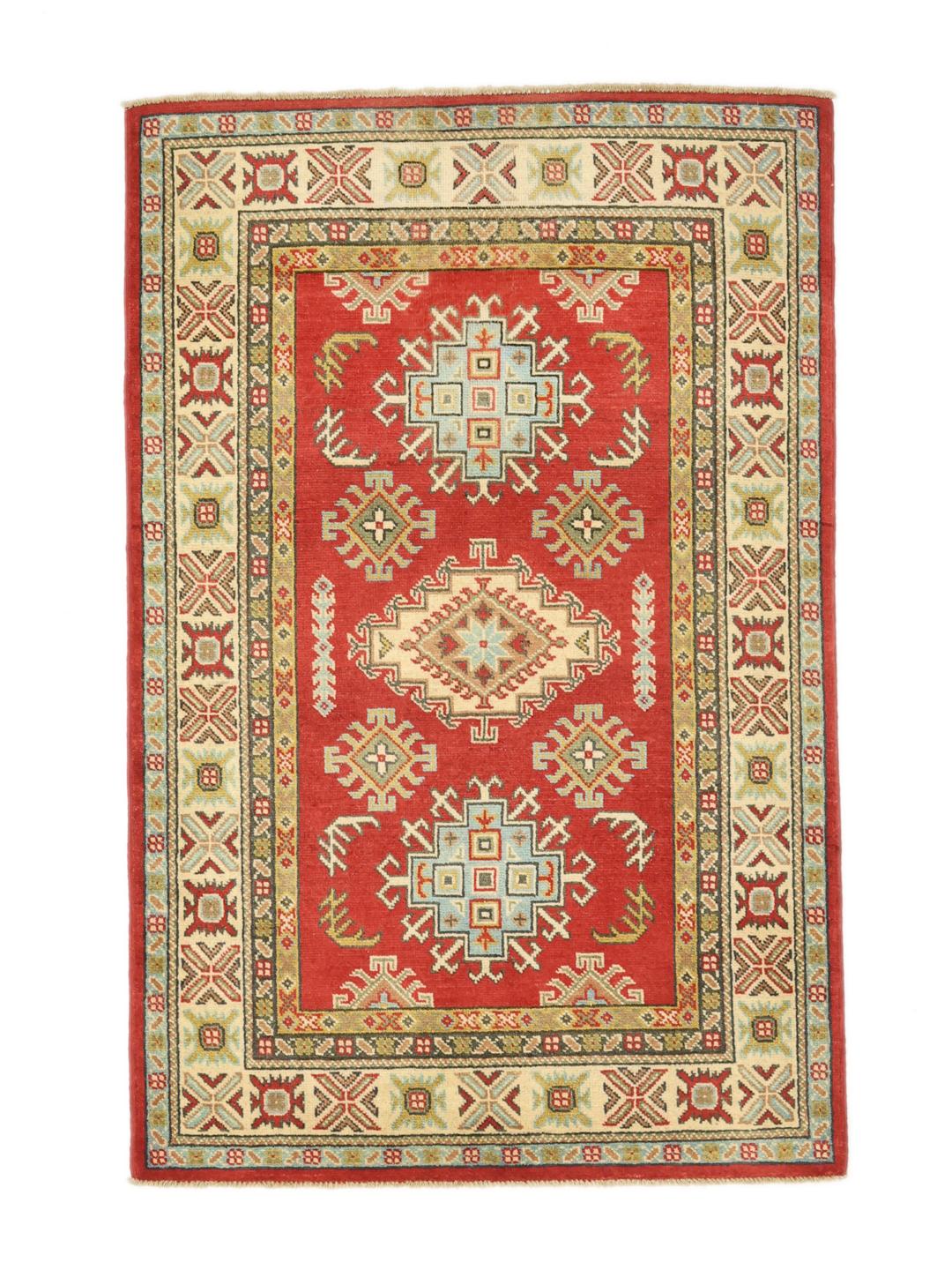
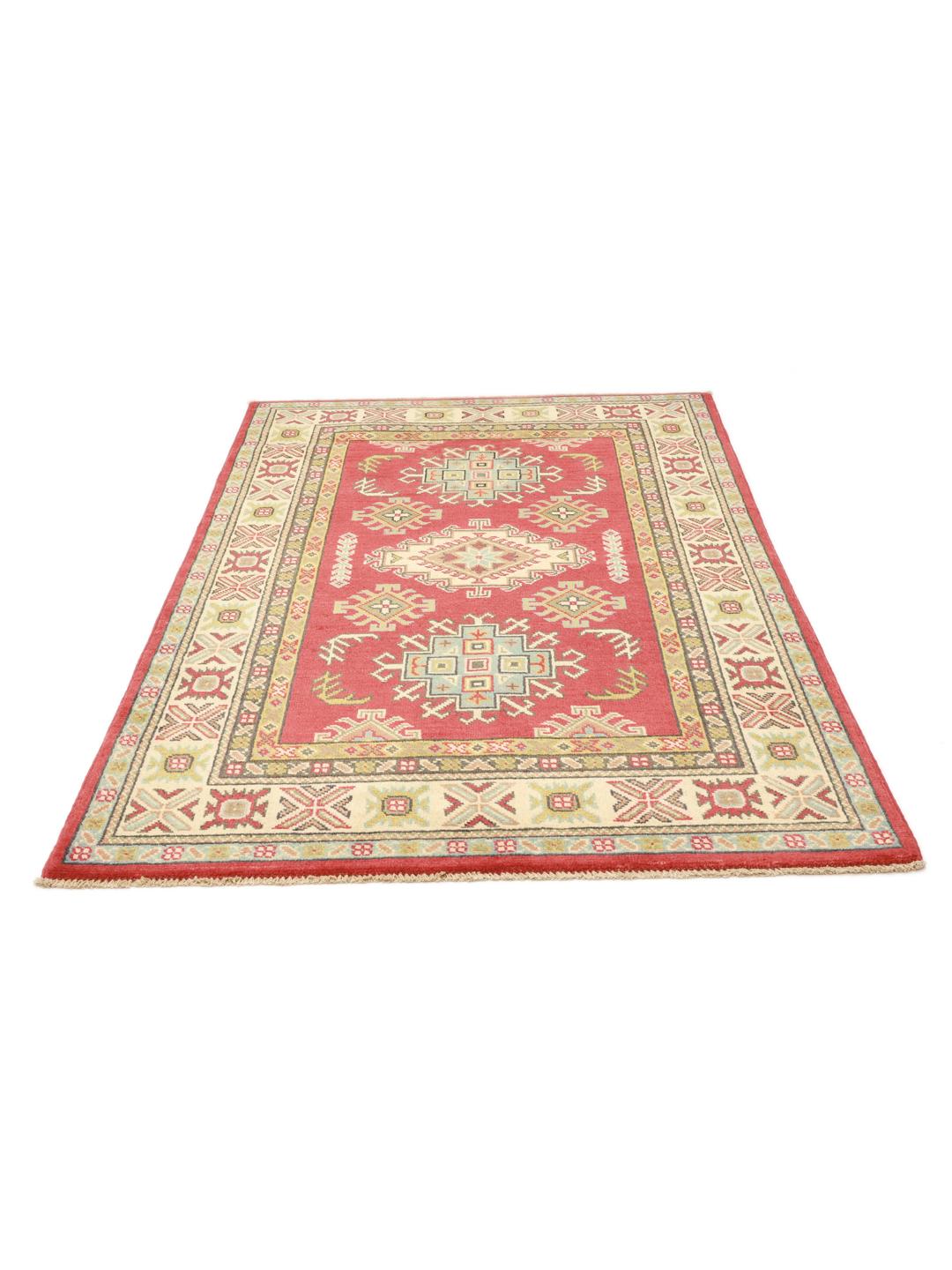
Visually, these rugs are celebrated for their geometric language. They often feature large-scale medallions, such as the classic sunburst or cross motifs, set against a vibrant, open field. The borders are typically filled with intricate, repeating patterns that frame the central design, creating a sense of balance and harmony. This rug's specific layout is a classic example of this tradition, showcasing the bold, architectural quality that defines the regional aesthetic.
Collecting a rug from this tradition is an investment in cultural heritage and skilled artistry. These pieces are valued for their ability to bring a sense of history and warmth into a home, acting as a bridge between ancient techniques and contemporary living. Owning such a rug is a way to appreciate the patience and precision involved in its creation, knowing that you are the steward of a unique piece of cultural history.