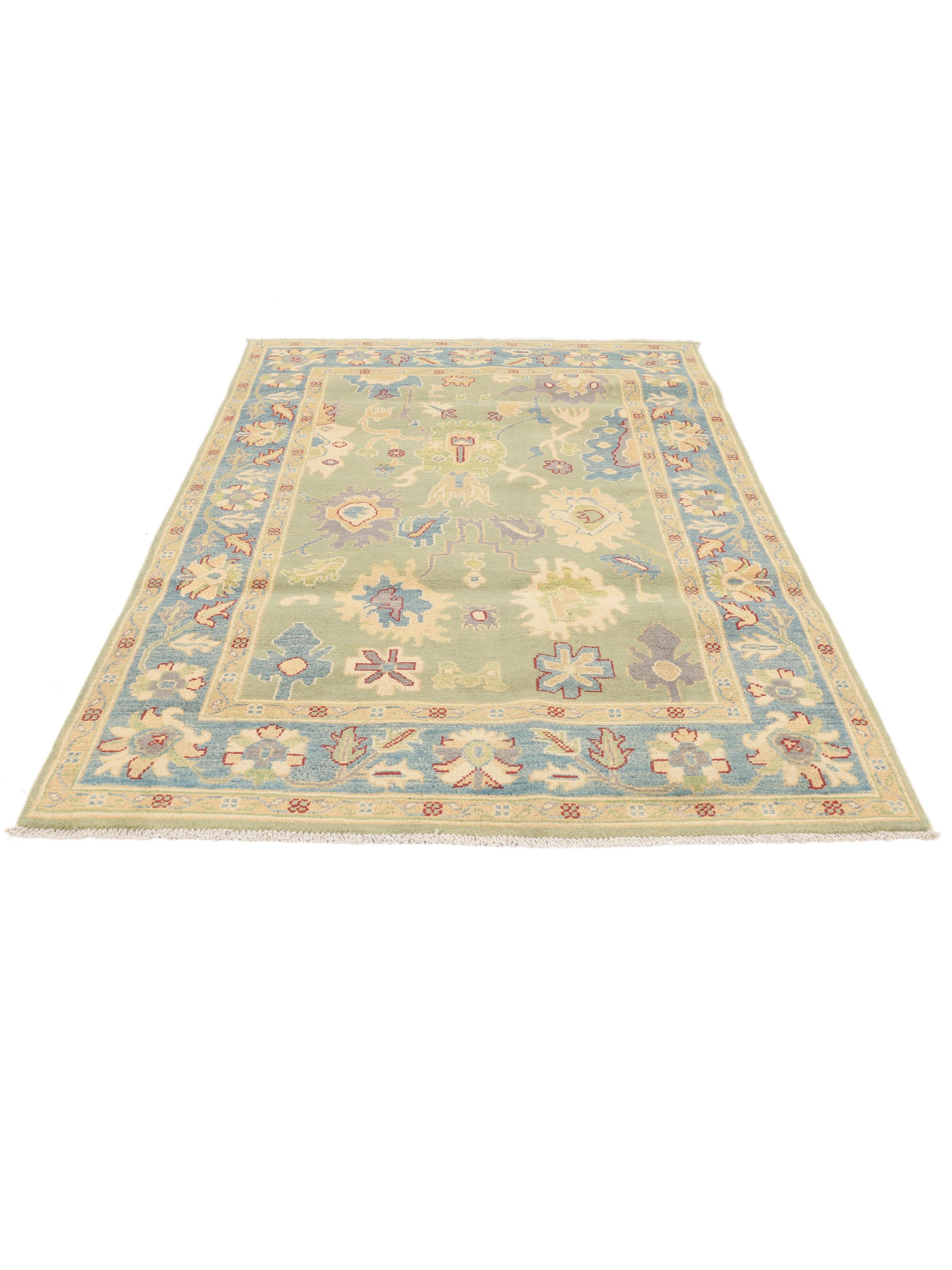
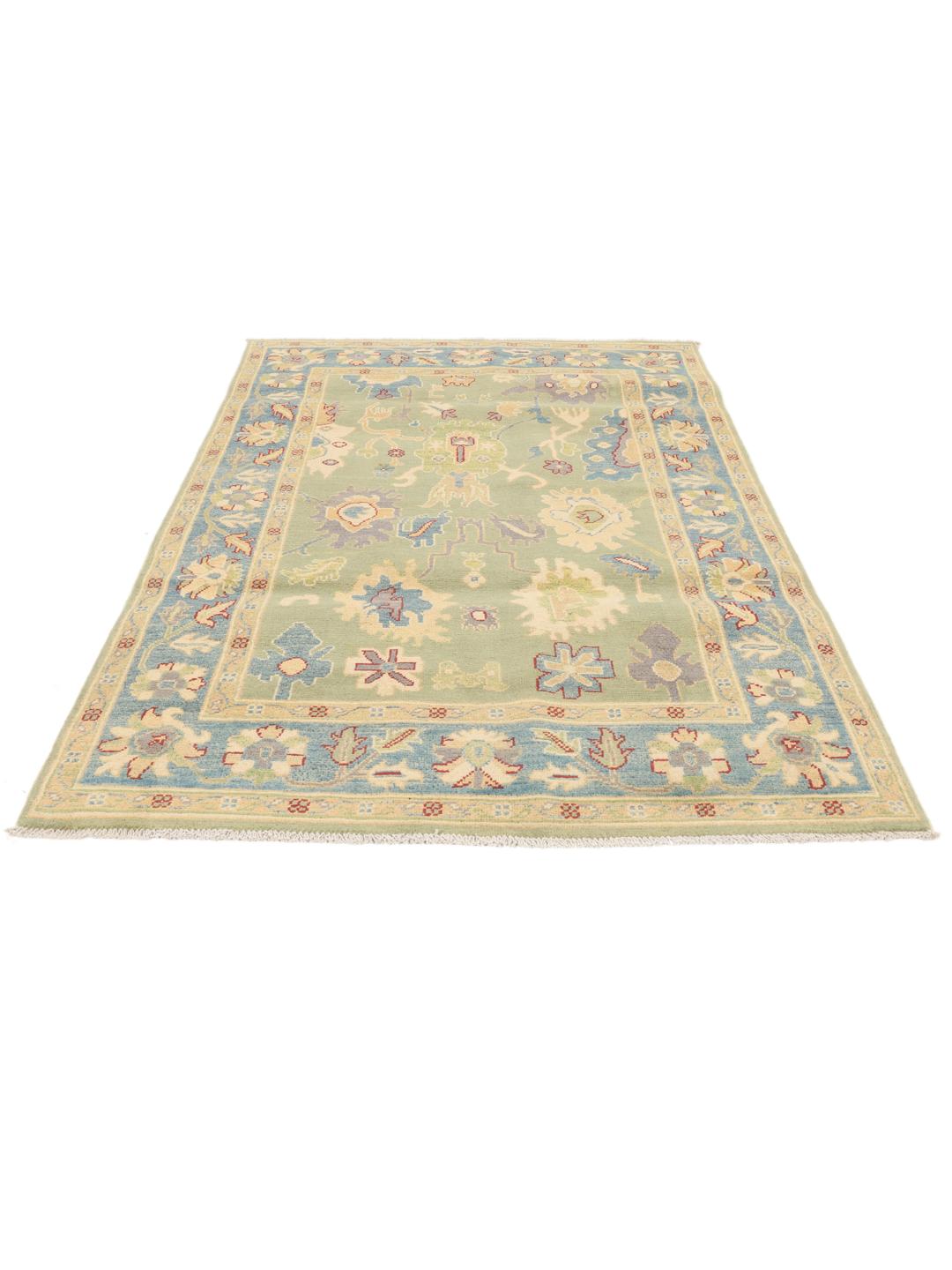
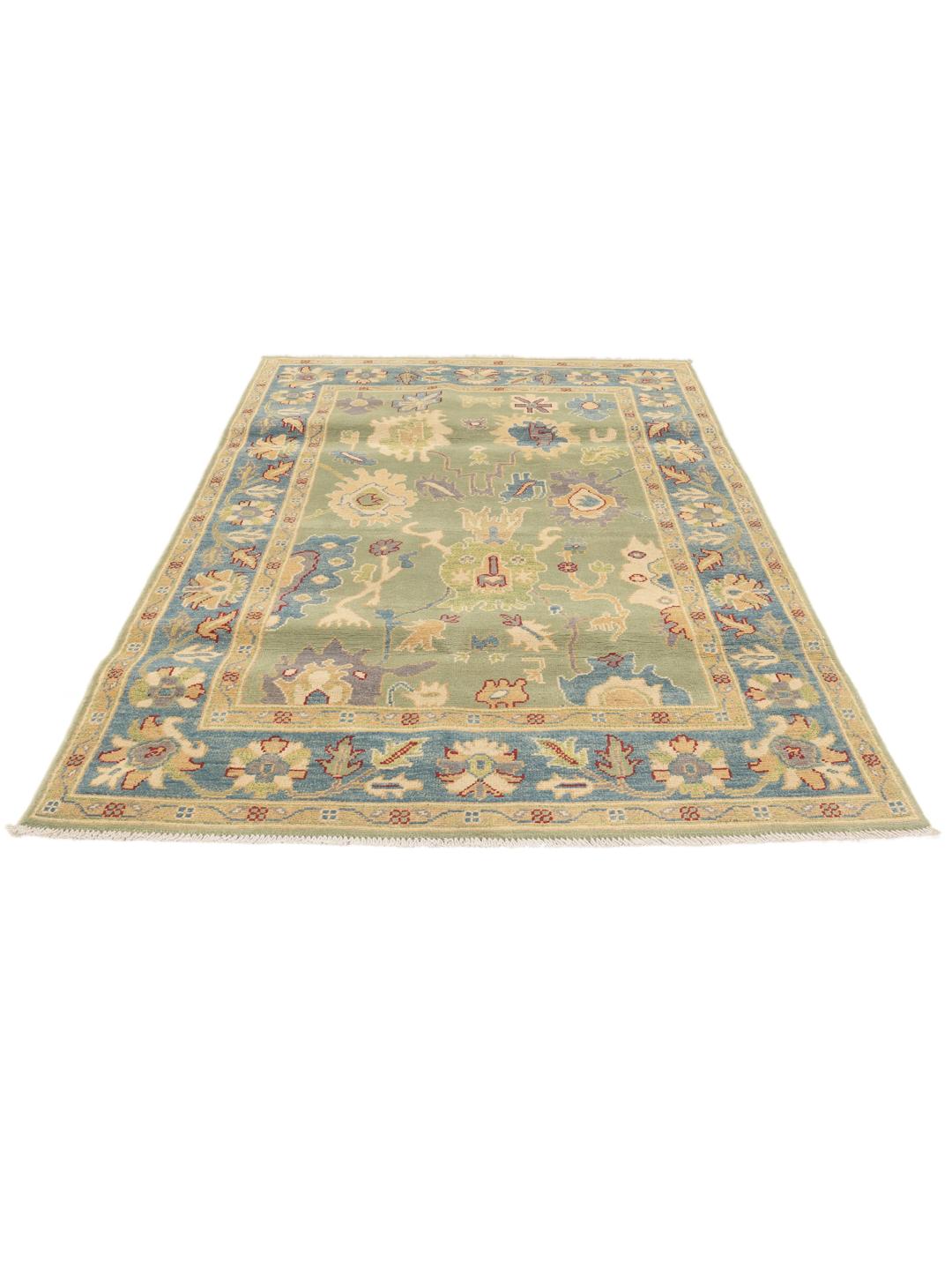
Kazak rugs originate from the mountainous regions of the Caucasus, where they have been crafted for centuries by nomadic and semi-nomadic tribes. While the name historically refers to these Caucasian origins, the tradition has evolved significantly, with some of the finest contemporary examples now being woven in Afghanistan. This migration of craft has allowed the tradition to flourish, blending ancient techniques with fresh regional influences.
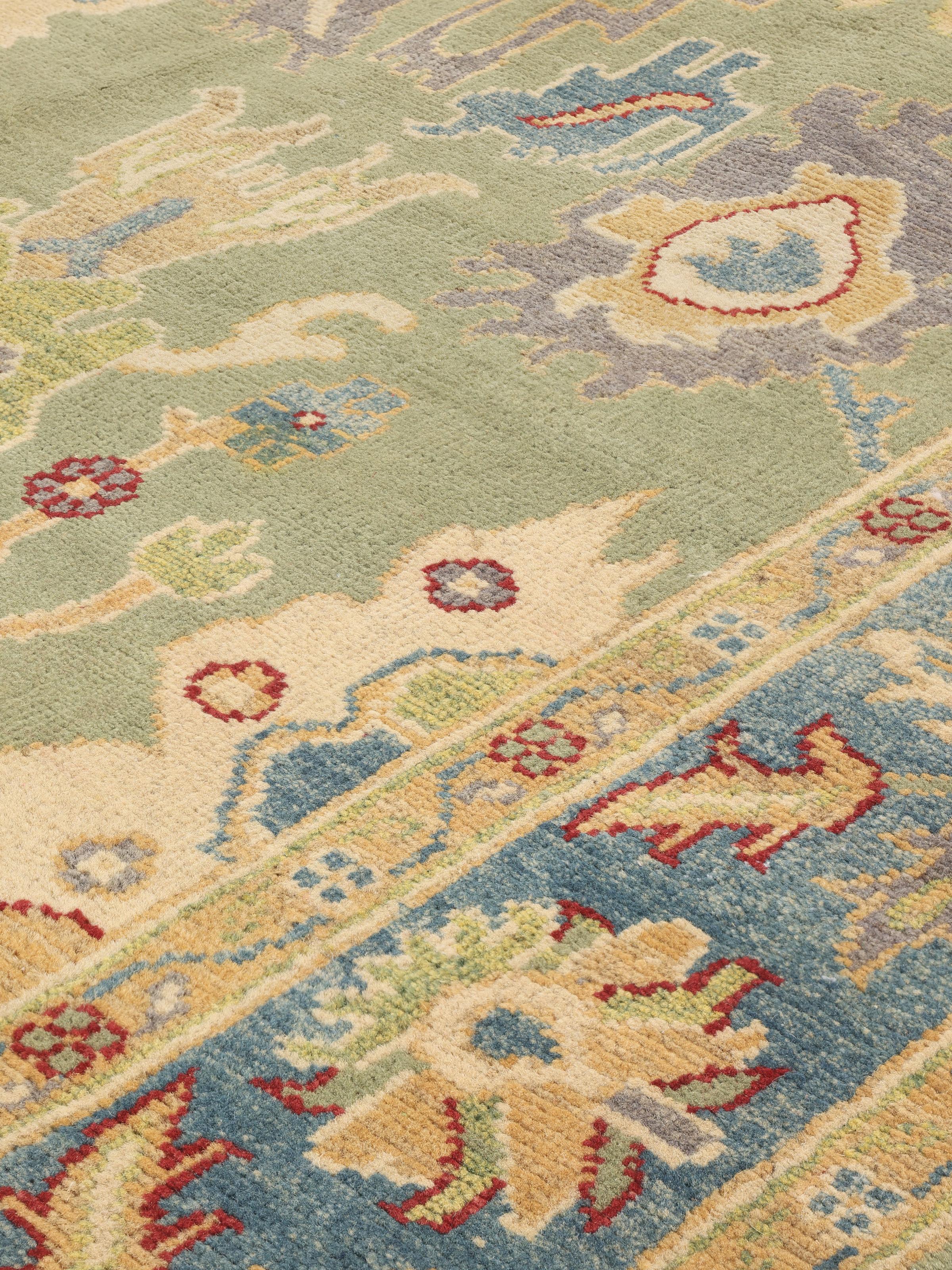
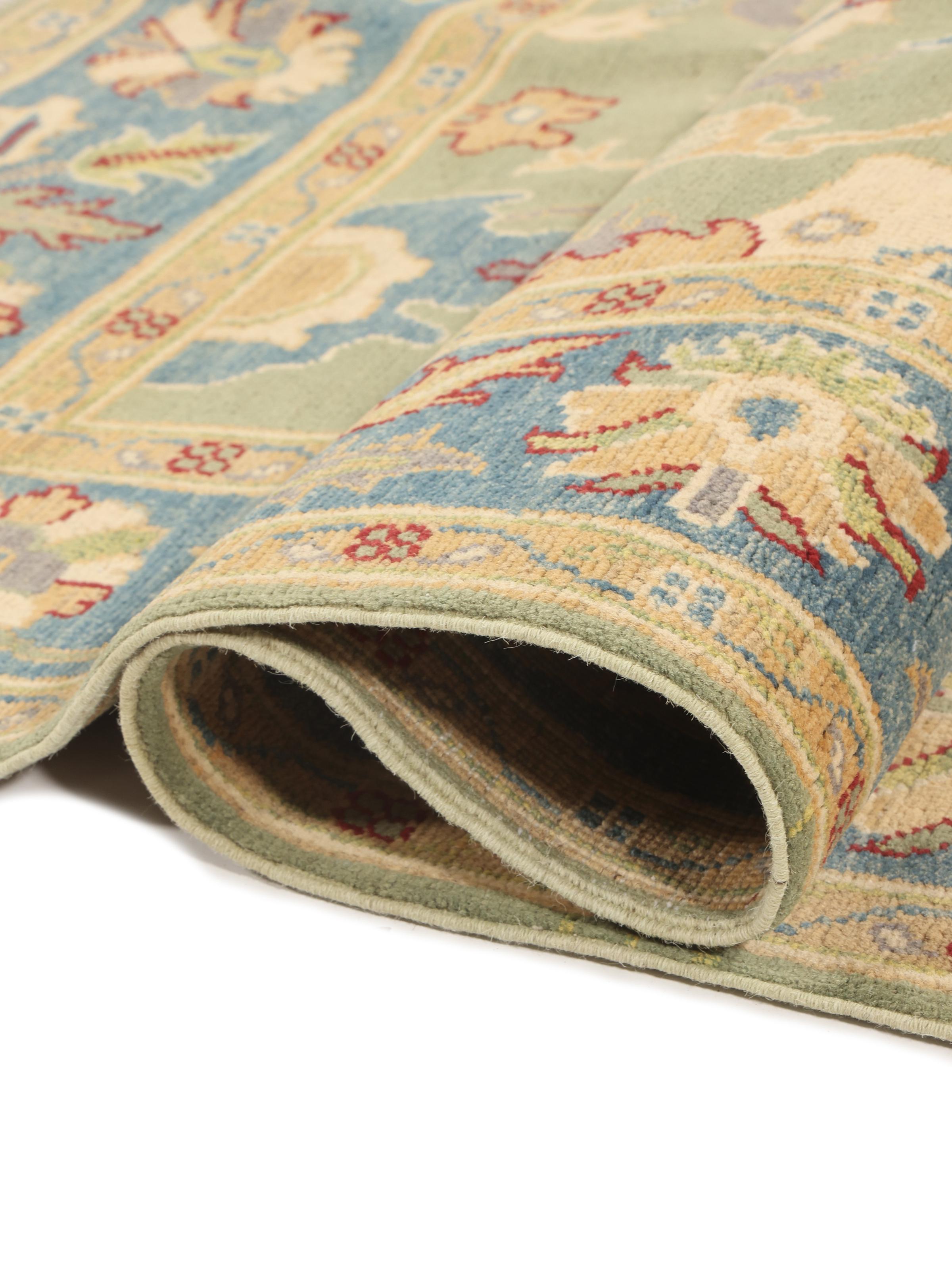
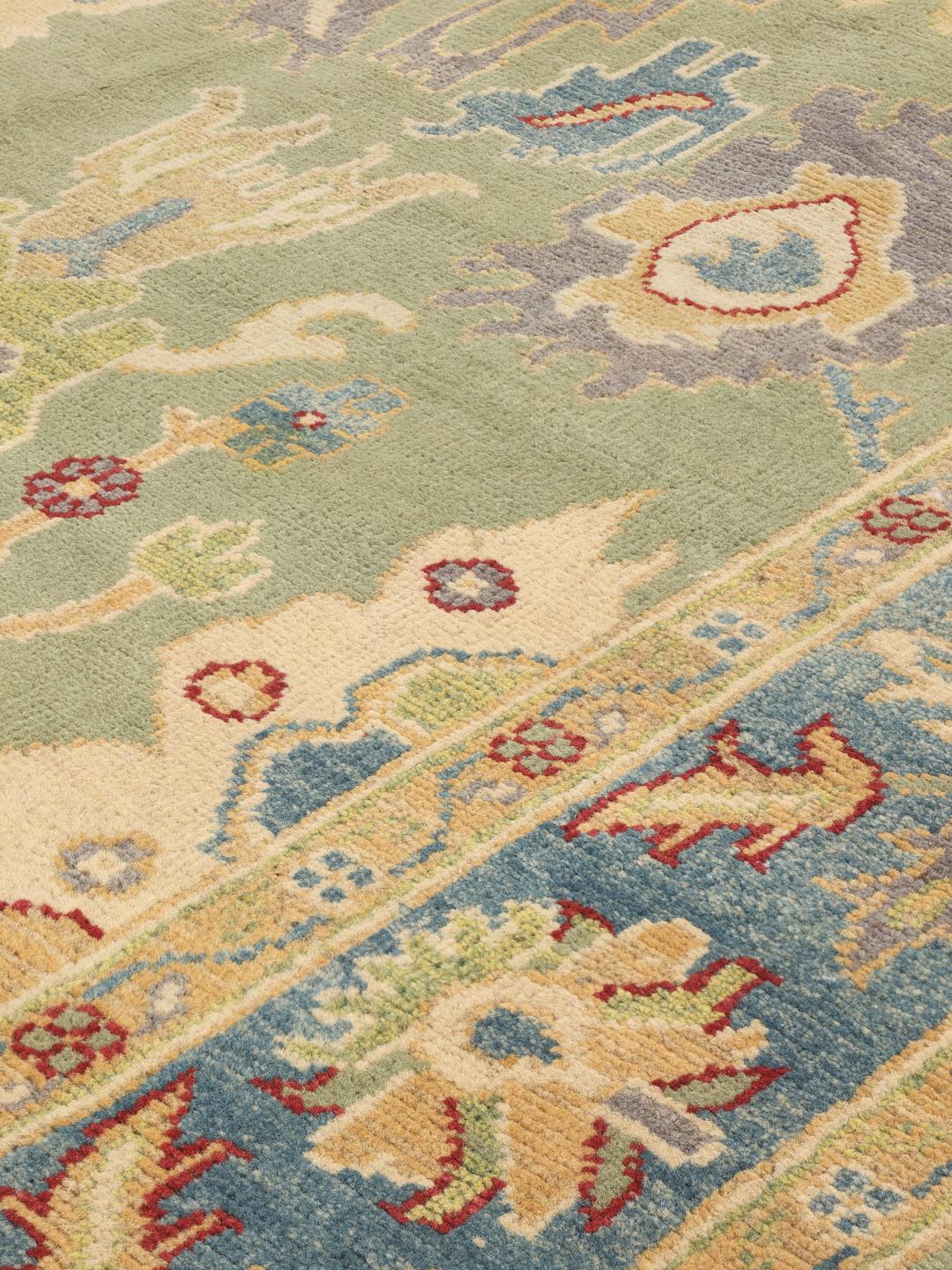
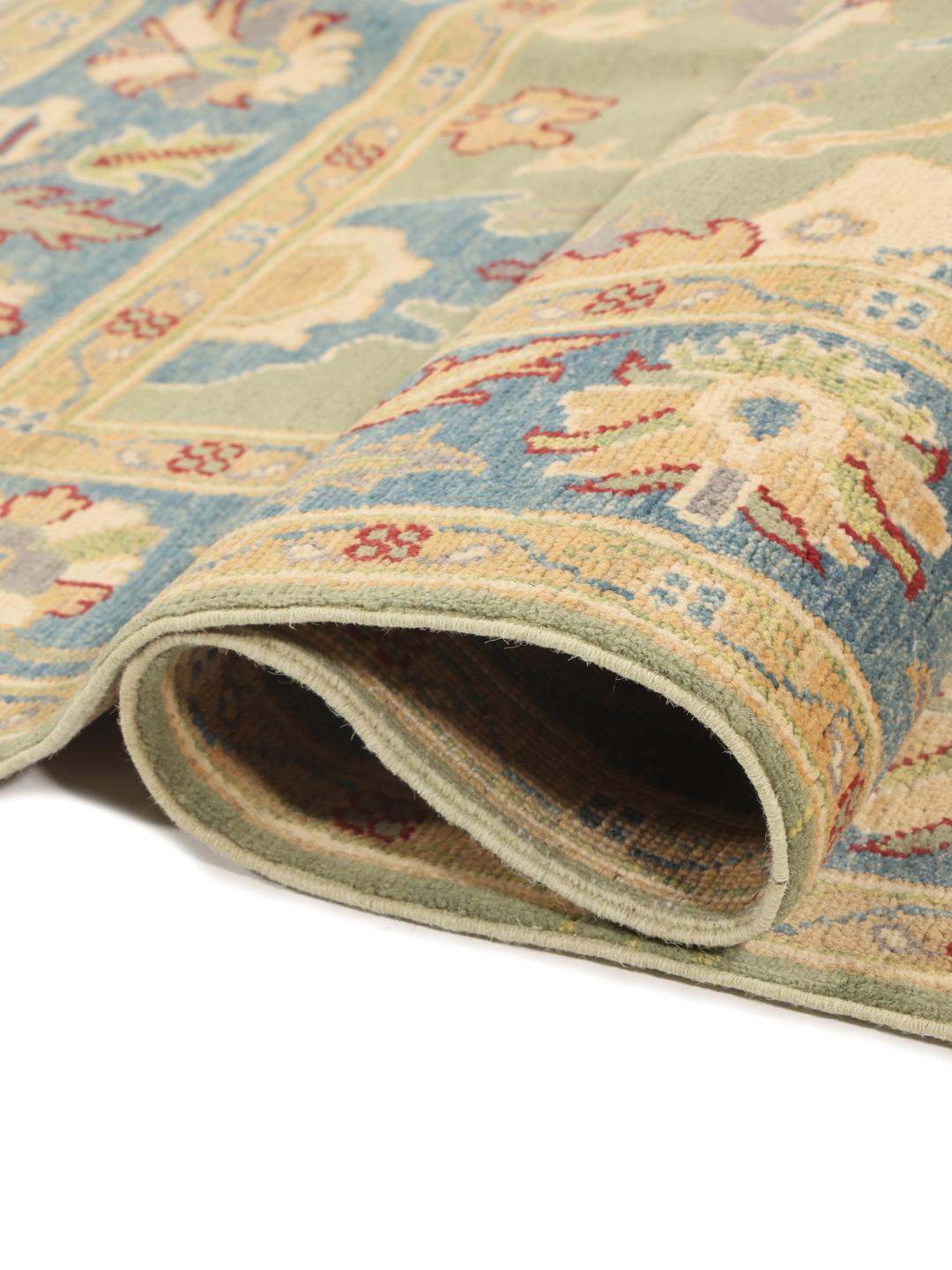
The term Kazak is synonymous with a specific style of weaving that favours bold, geometric aesthetics over delicate floral patterns. These rugs are known for their sturdy, heavy construction and the use of high-quality wool, which is often sourced from local mountain sheep. The resilience of these materials ensures that the rugs are not only beautiful but also capable of withstanding the rigours of daily use for generations.
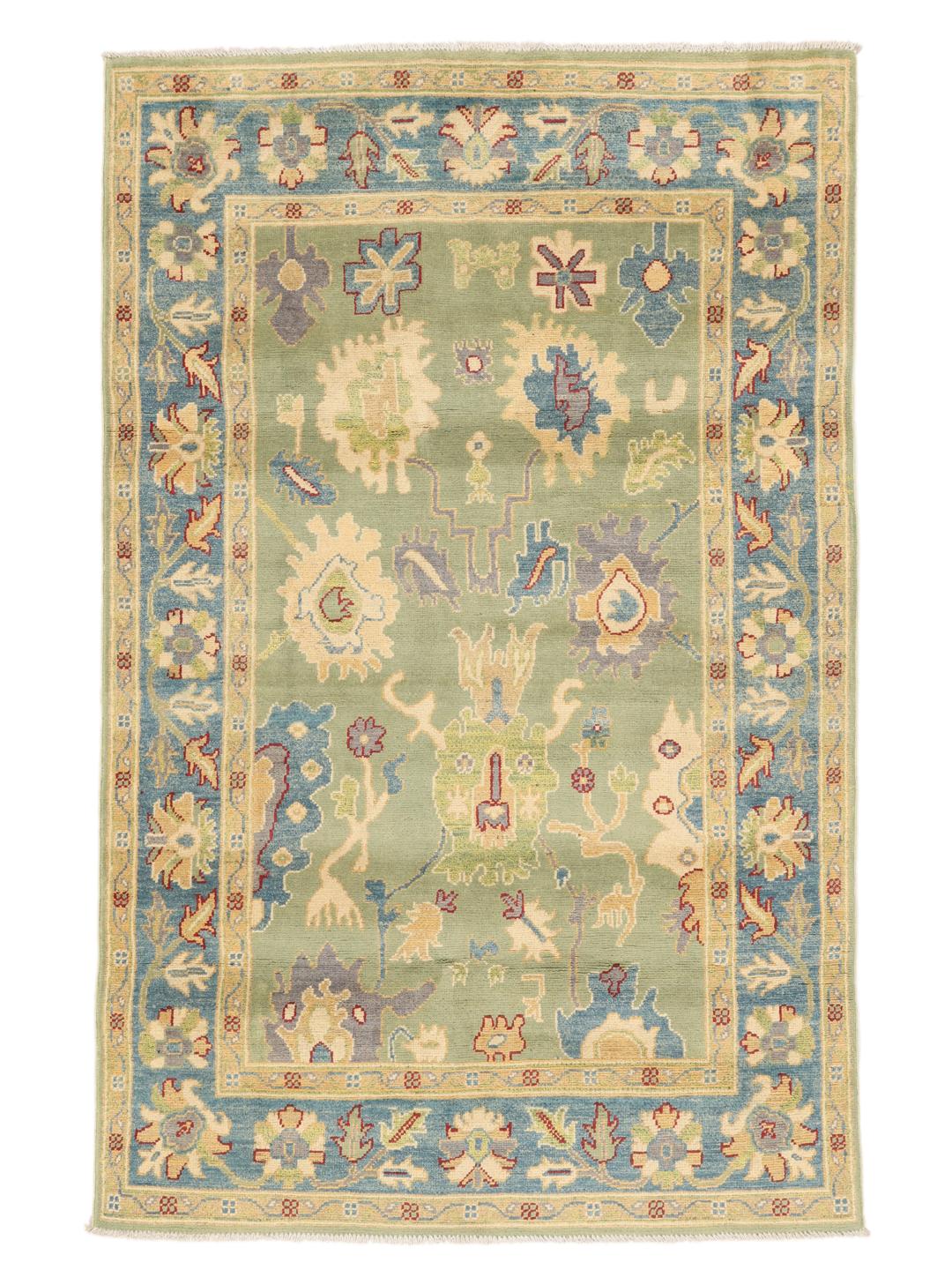
Visually, these rugs are defined by their artistic, often tribal motifs and a vibrant colour palette that frequently utilises deep, earthy tones. While traditional designs often feature large, stylised medallions or geometric shapes, each piece remains a canvas for the weaver's personal expression. The borders are typically bold and formal, framing the central field in a way that highlights the balance and symmetry inherent in the design.
Collecting a Kazak rug is an investment in cultural heritage and skill. Because they are crafted by hand, each rug carries the signature of its maker and the cultural narrative of its origin. Owning one means holding a piece of history that continues to be relevant in modern homes, prized for its authenticity, its tactile quality, and its ability to ground a room with a sense of enduring, human-made beauty.