Kazak rugs originate from the Caucasus region, where they were traditionally crafted by nomadic tribes. While the name has historical roots in this mountainous area, the tradition of weaving these bold, geometric rugs has evolved and migrated, with some of the finest contemporary examples now being produced in Afghanistan.
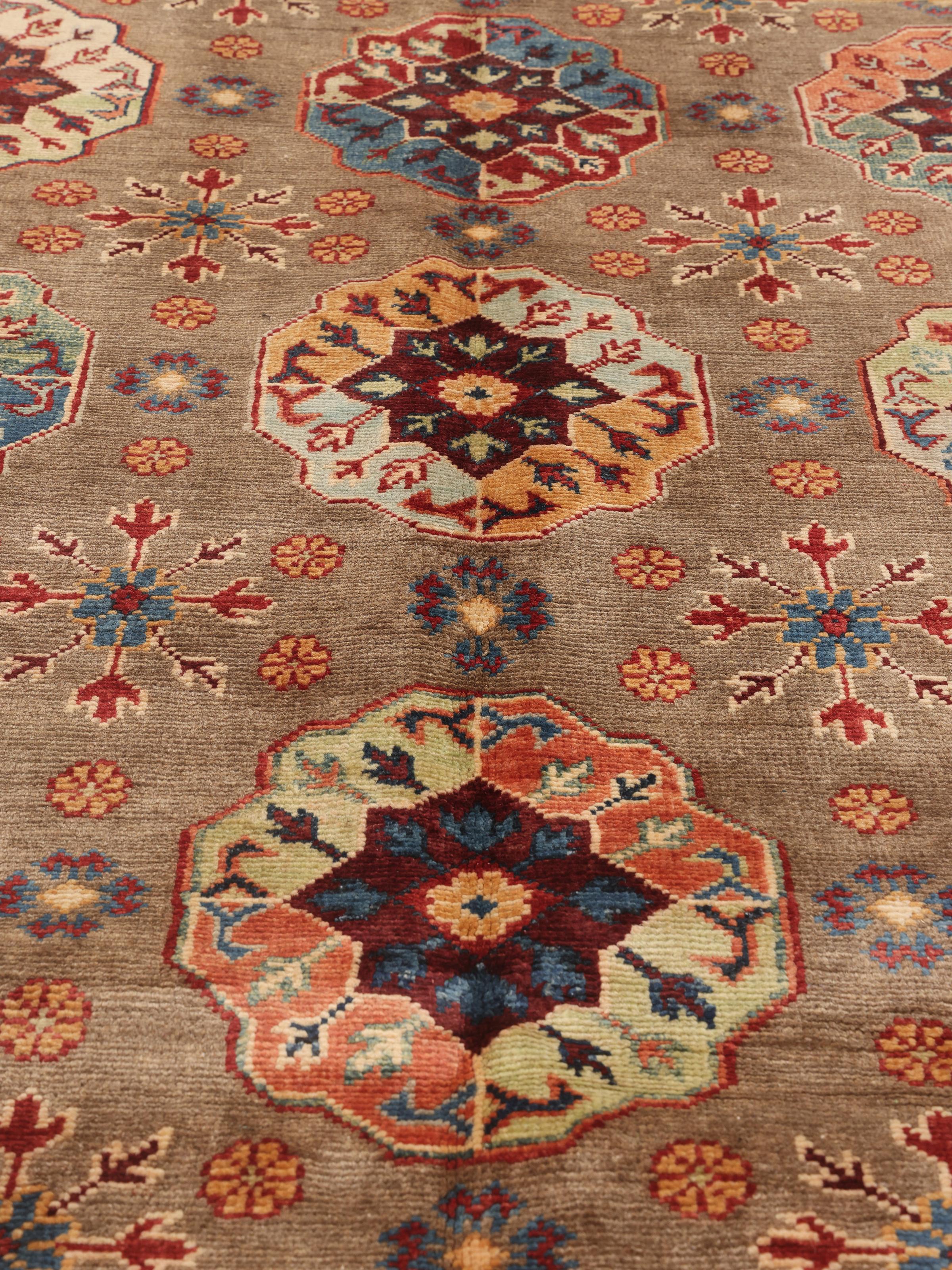
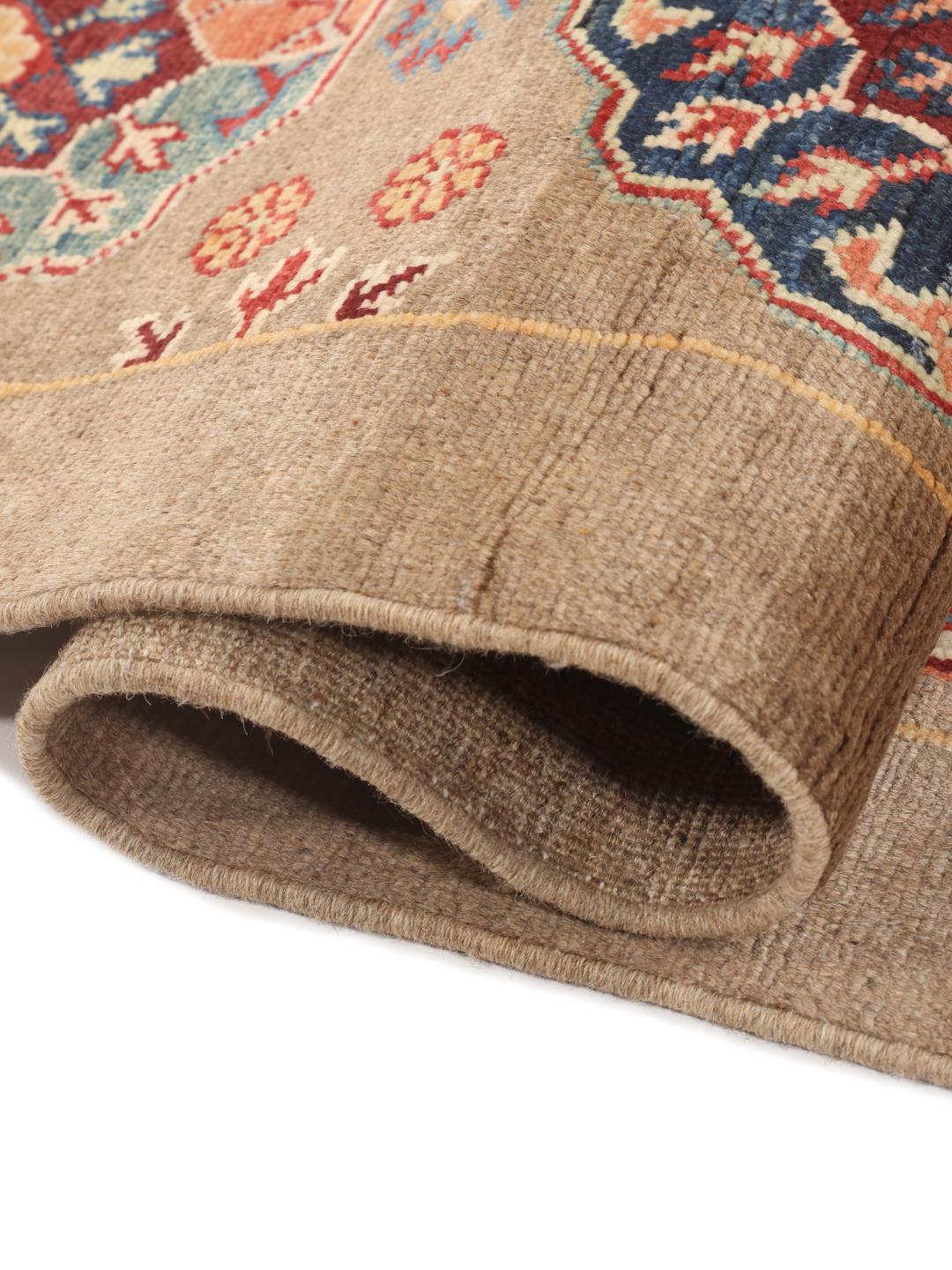
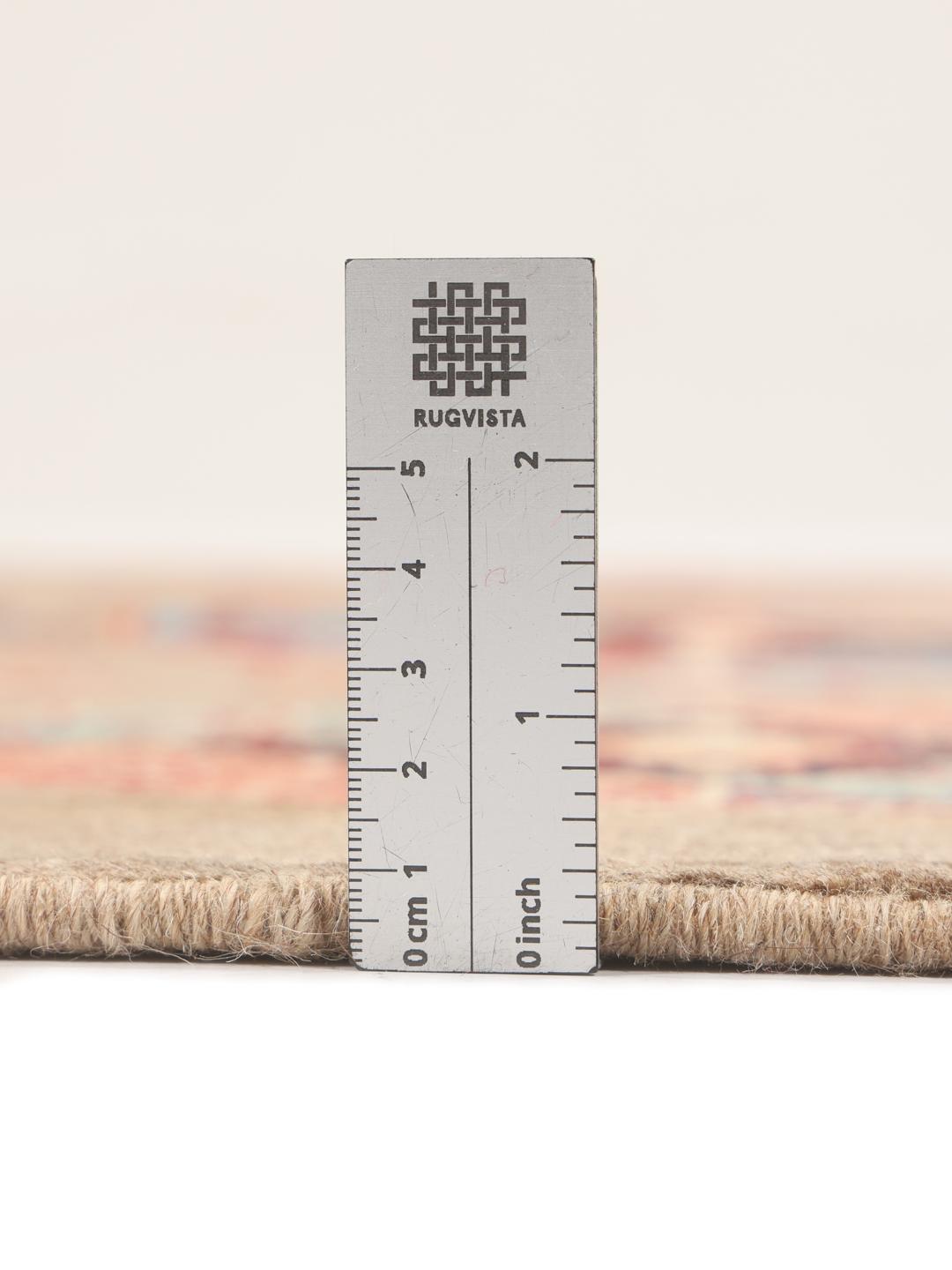
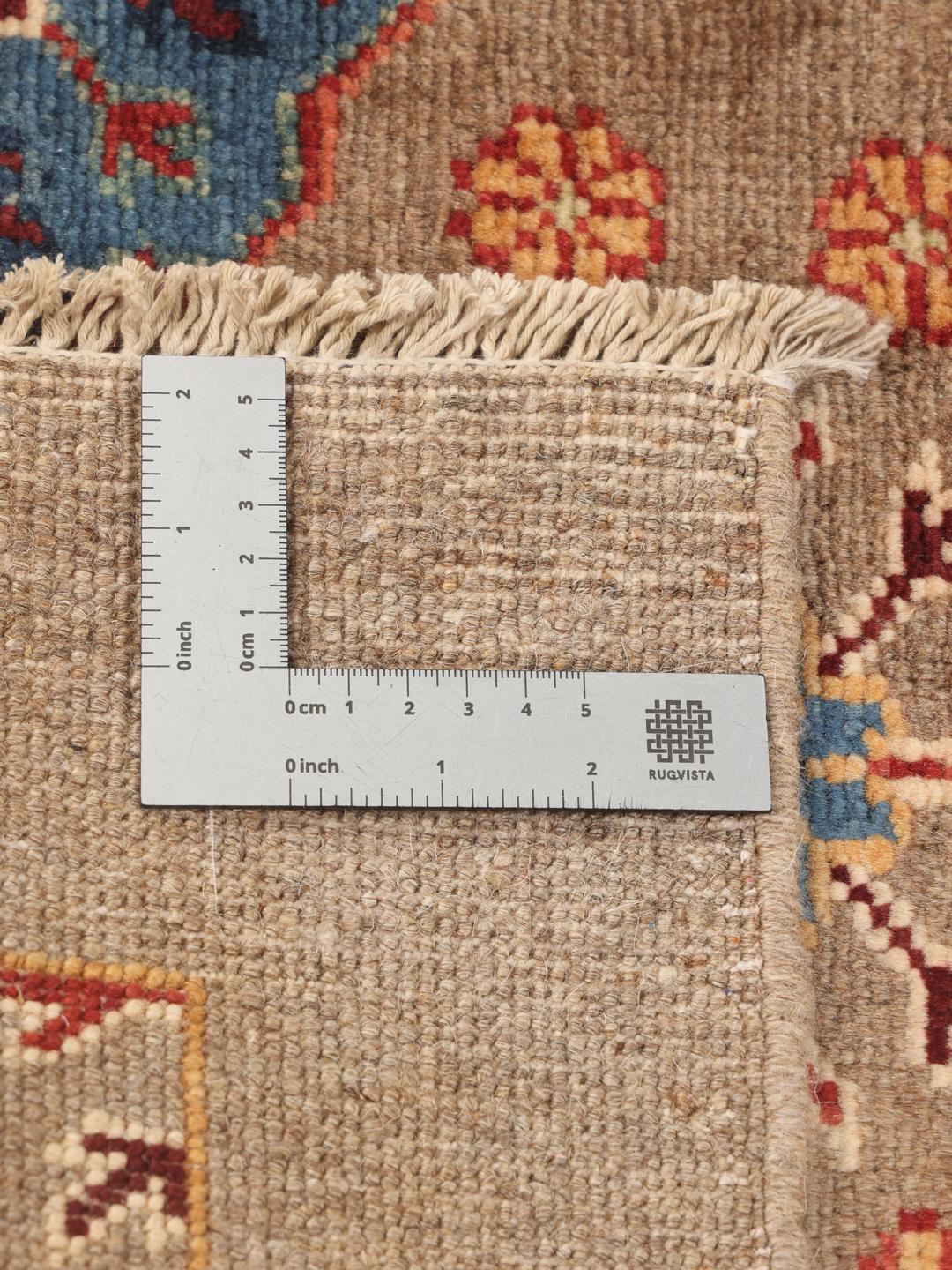
The term Kazak refers to a specific style of construction and design, often characterised by a thicker, longer pile and a more robust foundation compared to other regional styles. This construction choice creates a durable and plush surface that is highly valued for its ability to withstand daily wear while maintaining a luxurious appearance.
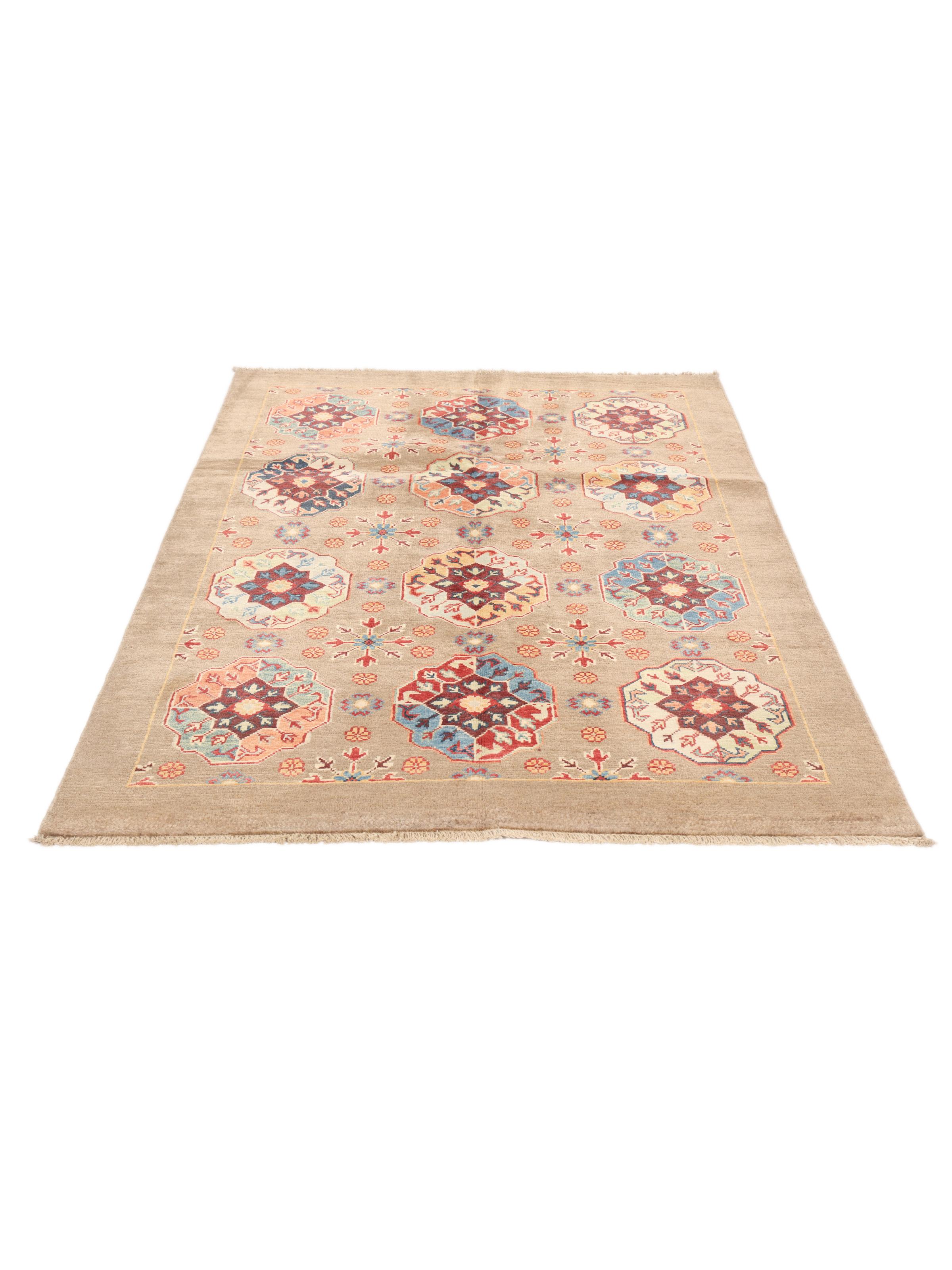
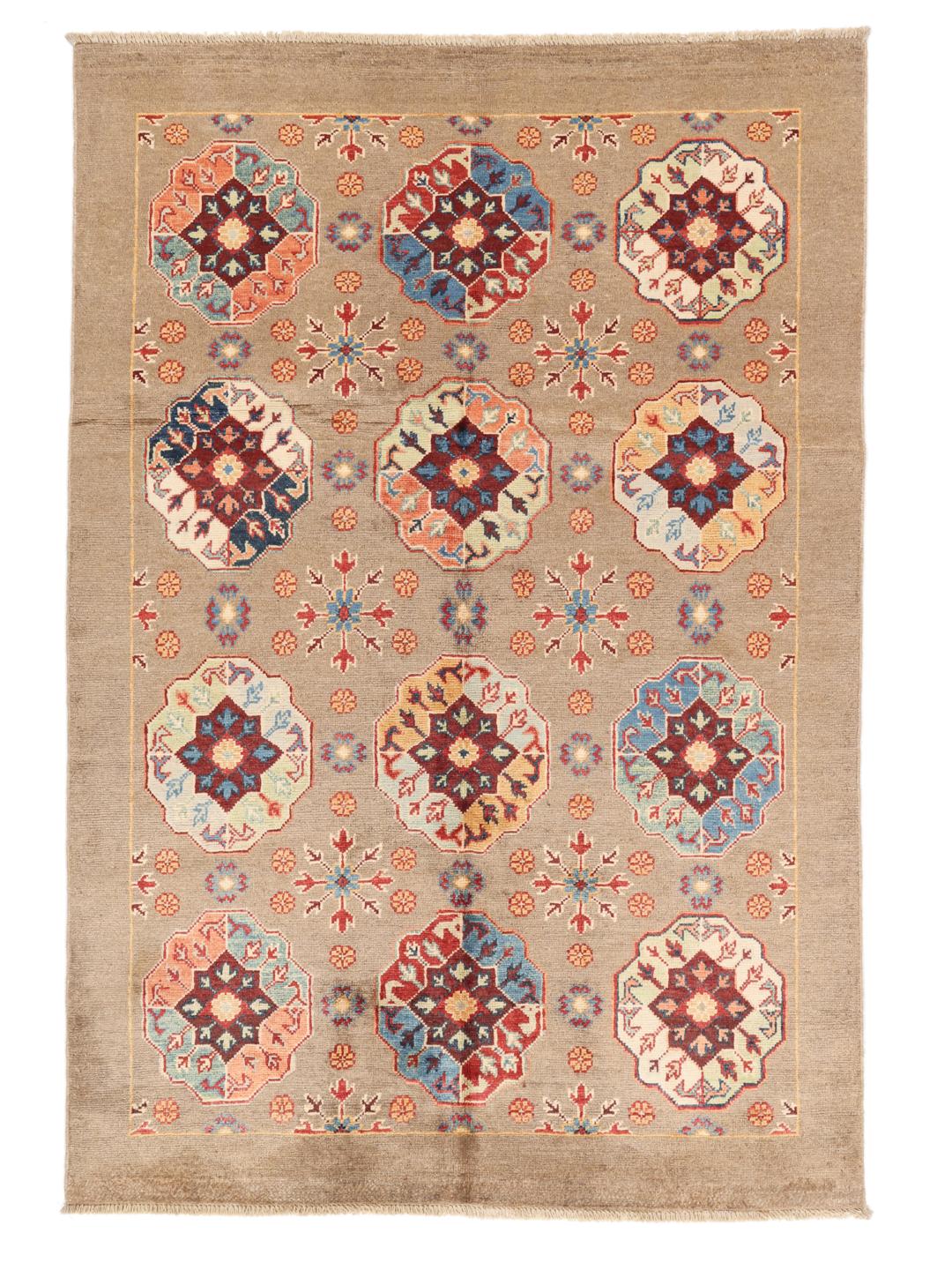
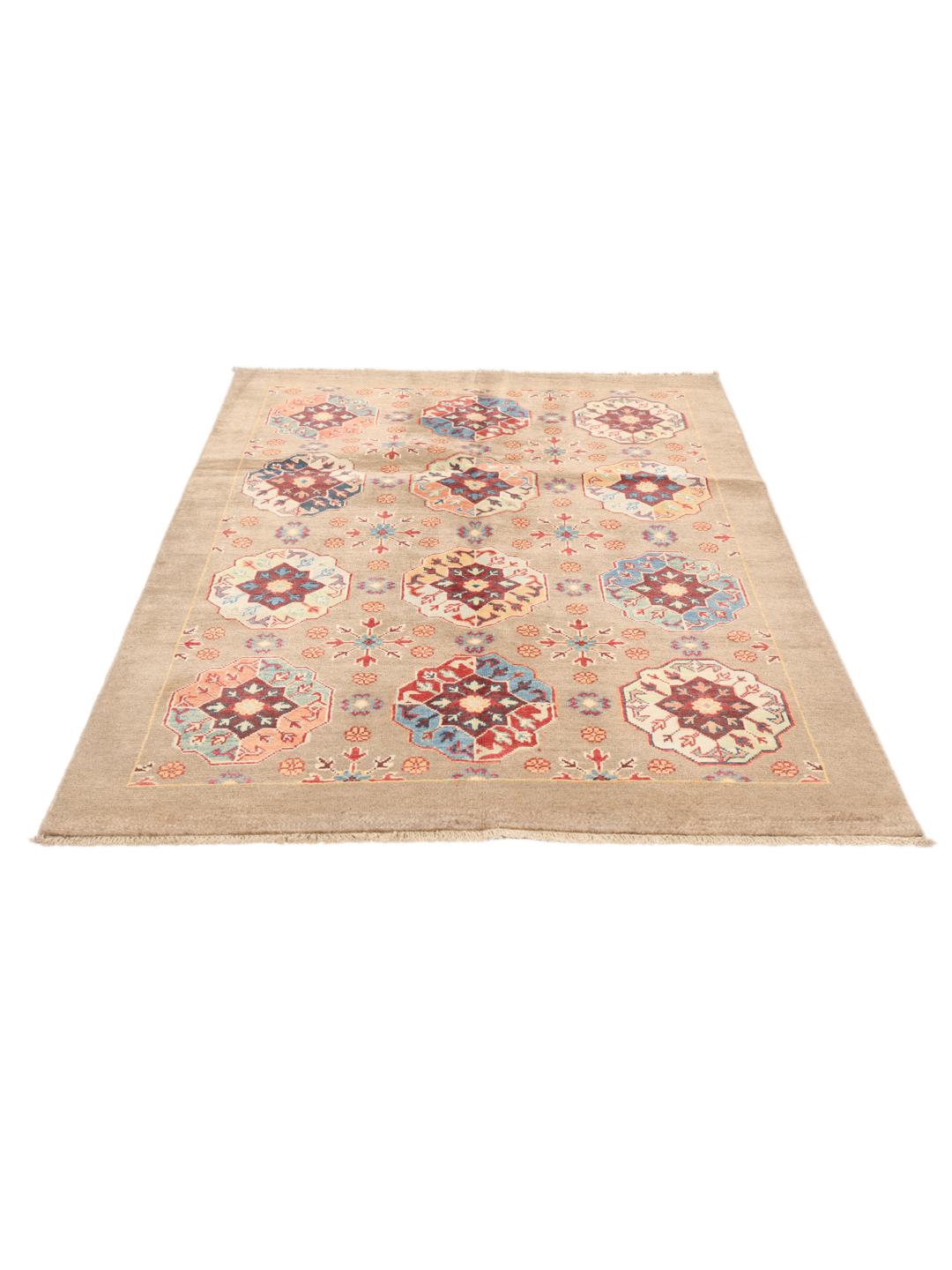
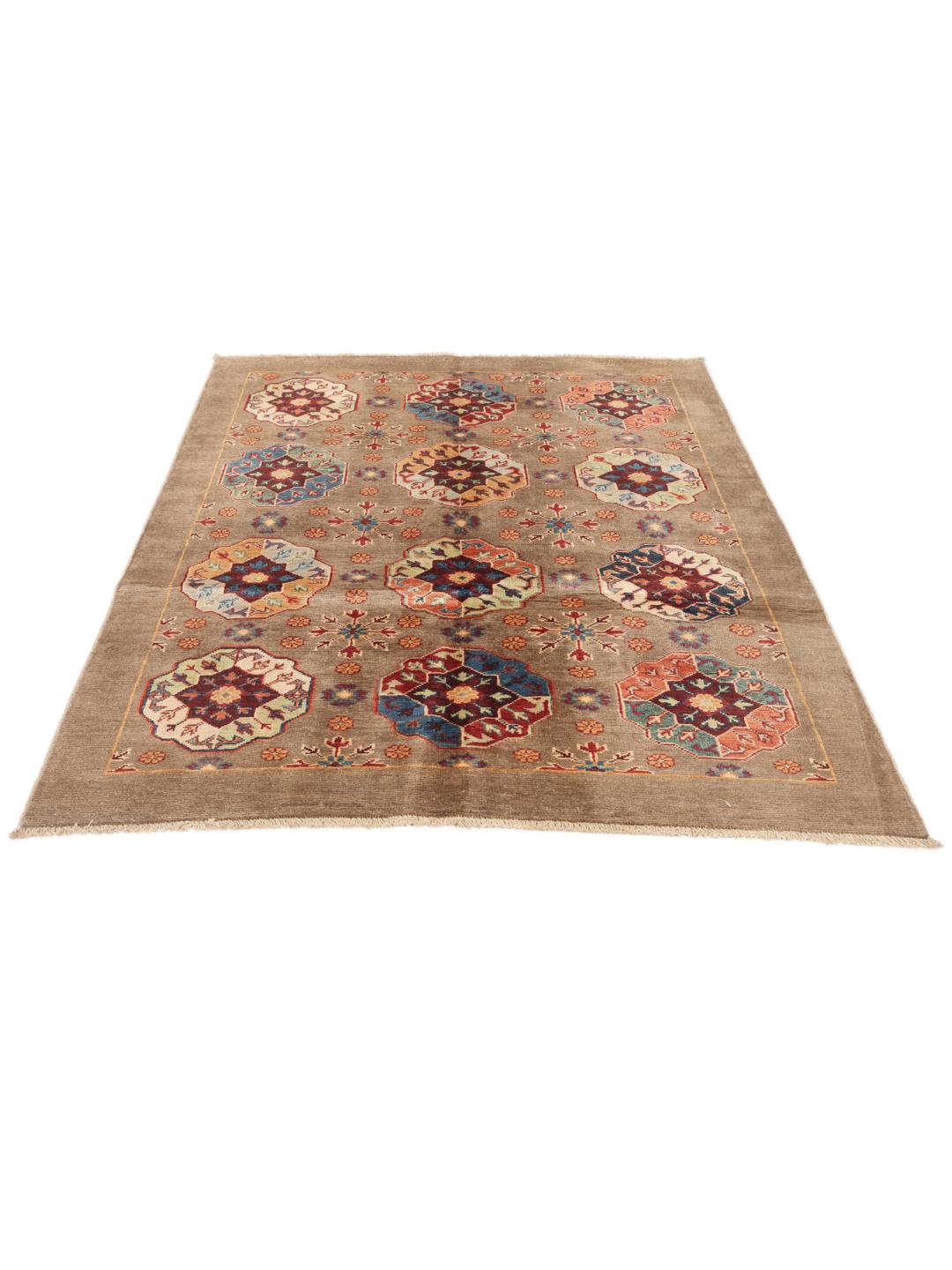
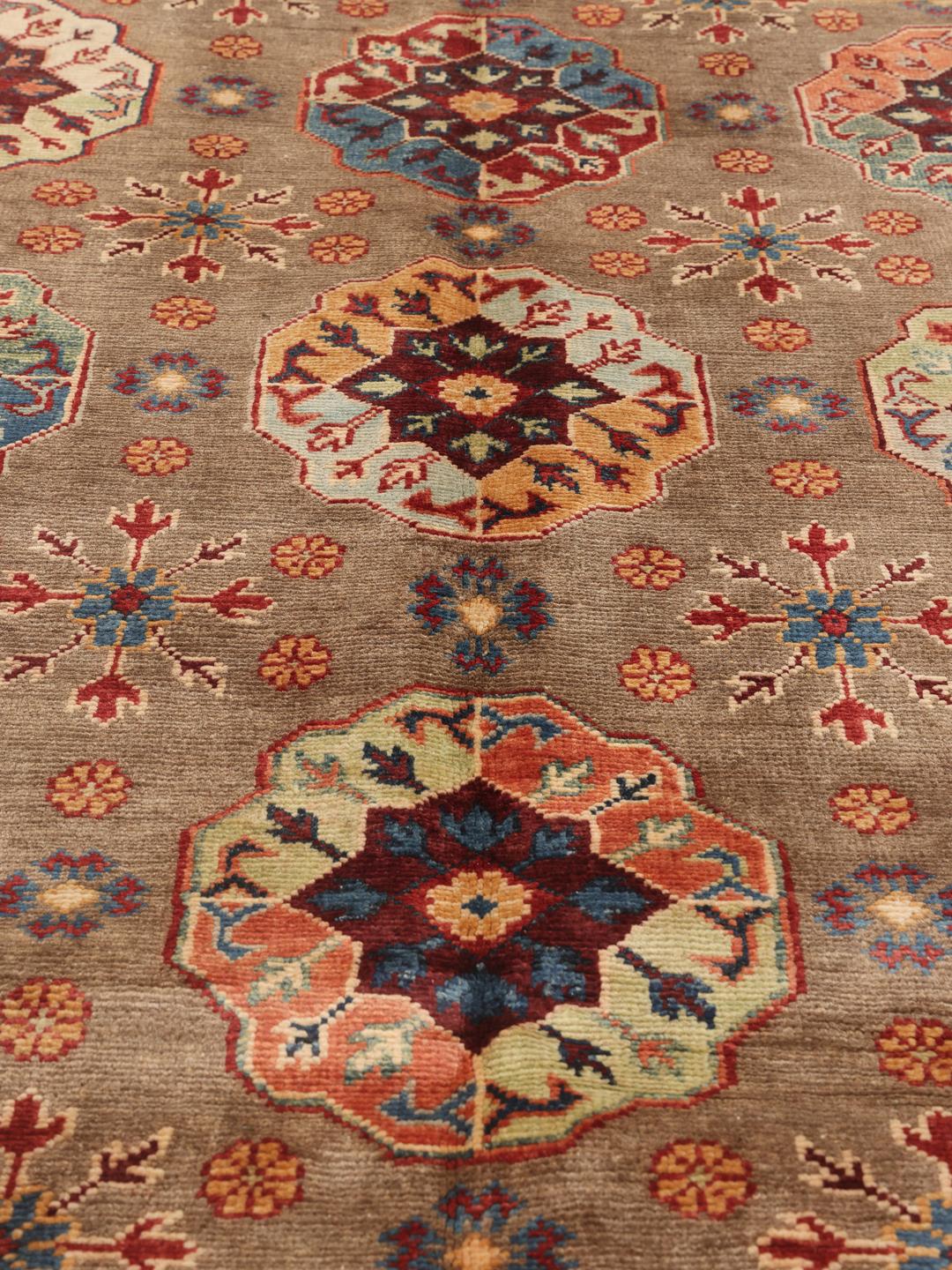
Visually, these rugs are famous for their bold, large-scale geometric motifs, such as the medallion patterns seen here. Unlike the intricate, curvilinear designs of some other traditions, the Kazak style embraces straight lines and simplified, powerful shapes, often set against a rich, earthy field that anchors the entire composition.
Today, these rugs are highly sought after by collectors who appreciate the blend of ancient design language and authentic craftsmanship. Owning a Kazak rug is an investment in cultural heritage, representing a connection to a long line of weavers whose skills have been passed down through generations.