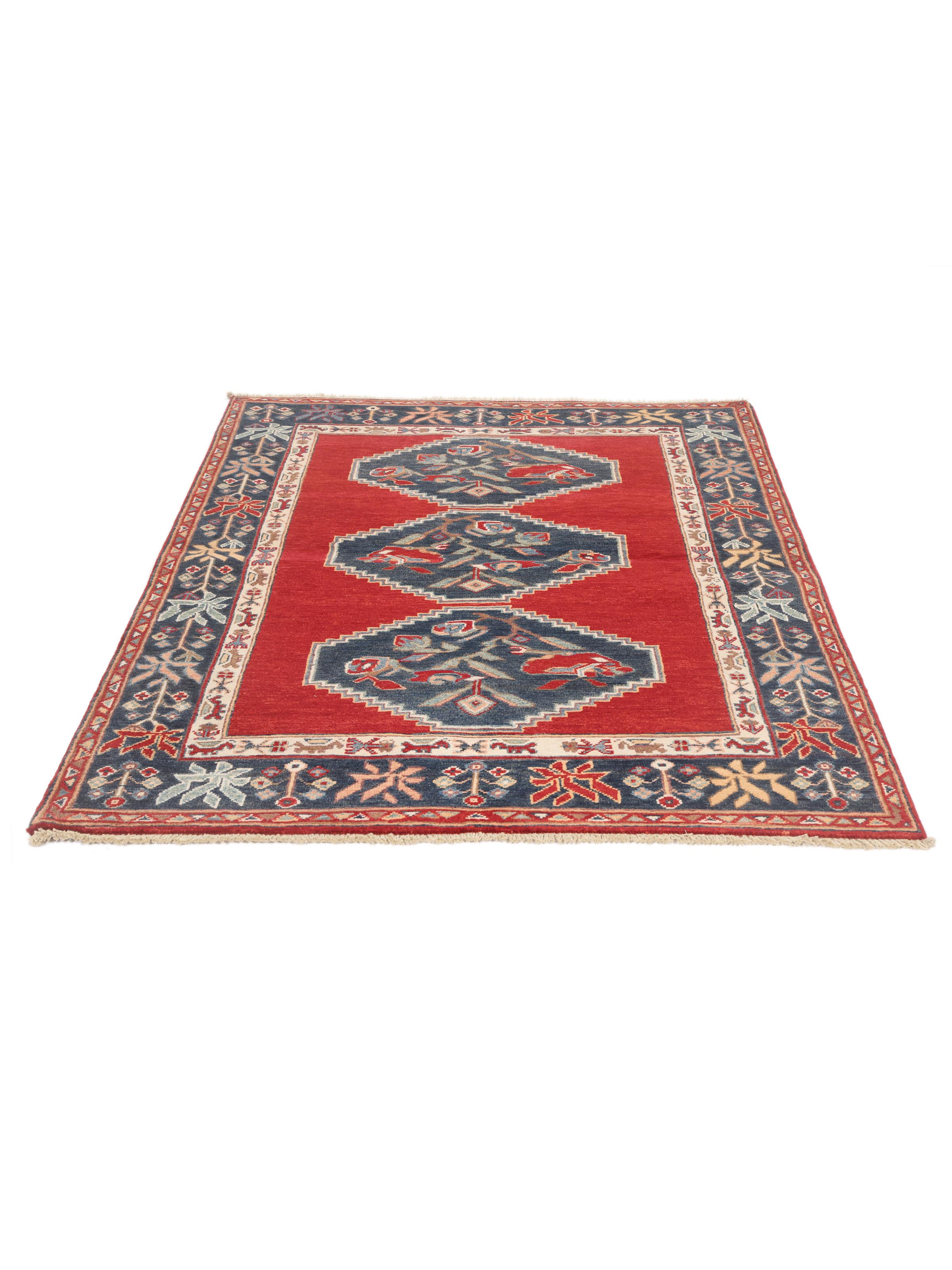
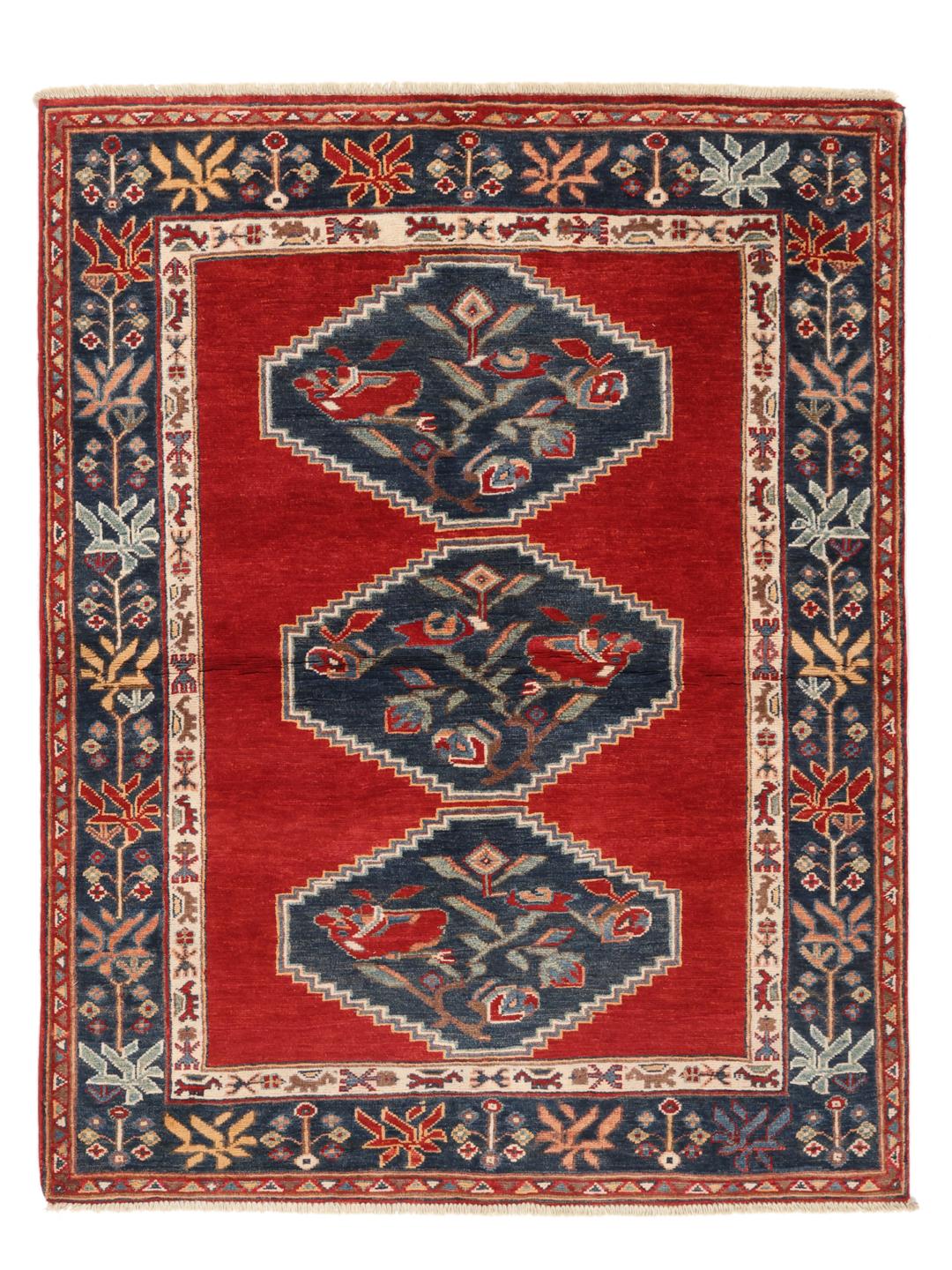
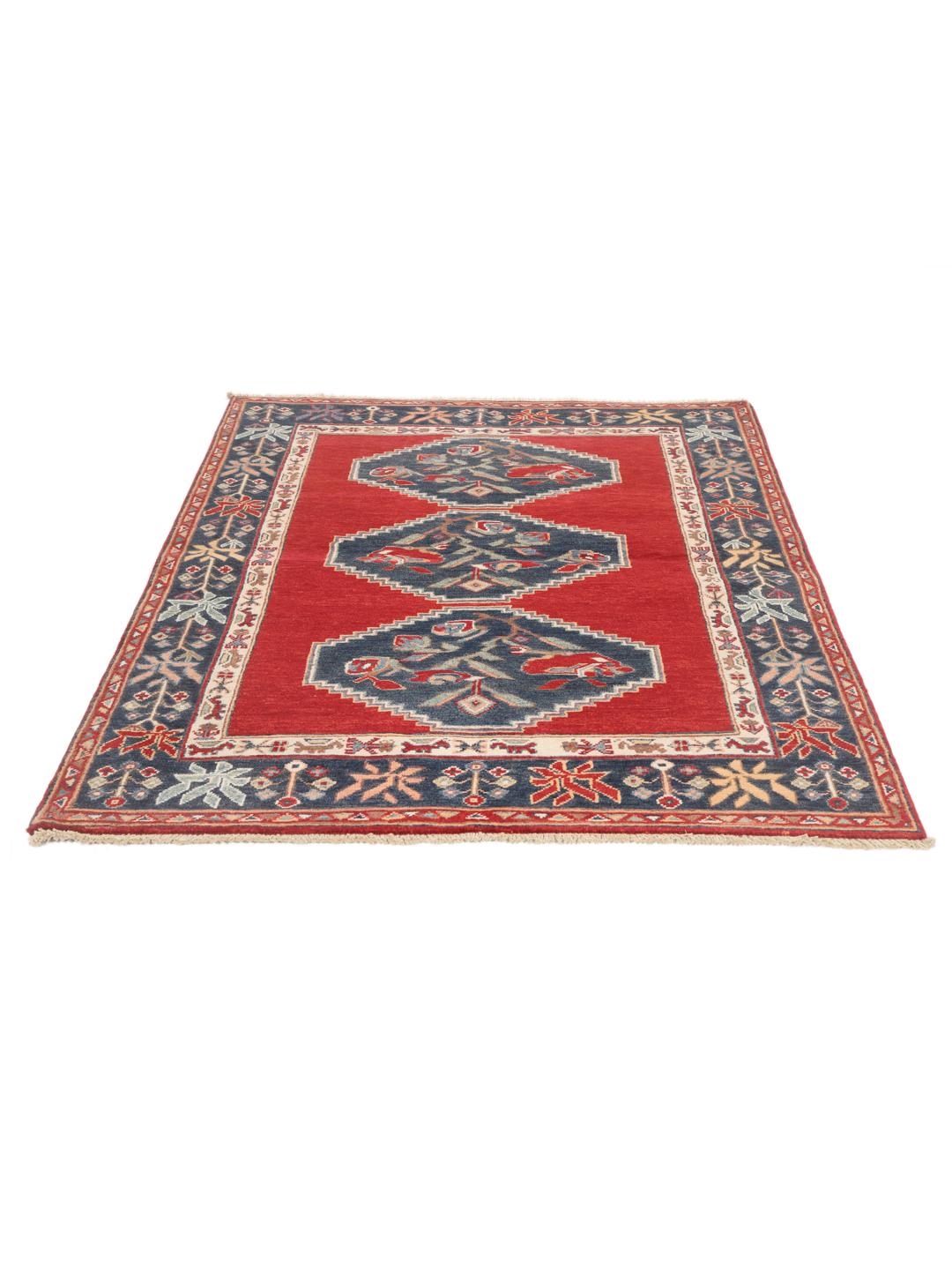
Kazak rugs originate from the Caucasus region, historically serving as a bridge between nomadic traditions and settled craft. While the name itself is often associated with the Kazak people, these rugs were produced by various weaving groups across the mountainous terrain of the Caucasus. Today, the tradition of weaving Kazak rugs has found a vibrant home in Afghanistan, where weavers maintain the ancient techniques and bold aesthetic that made these rugs famous among collectors worldwide.
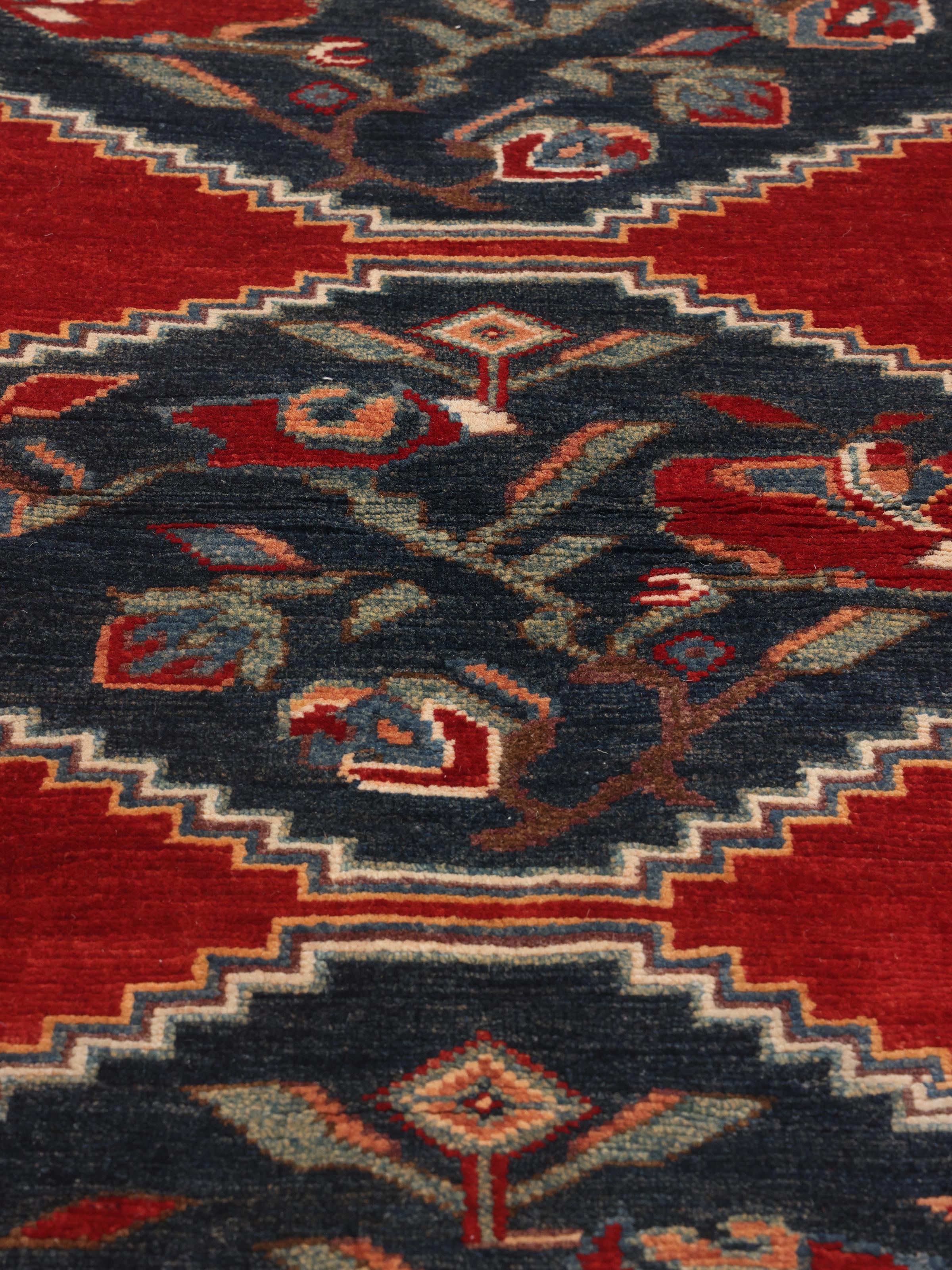
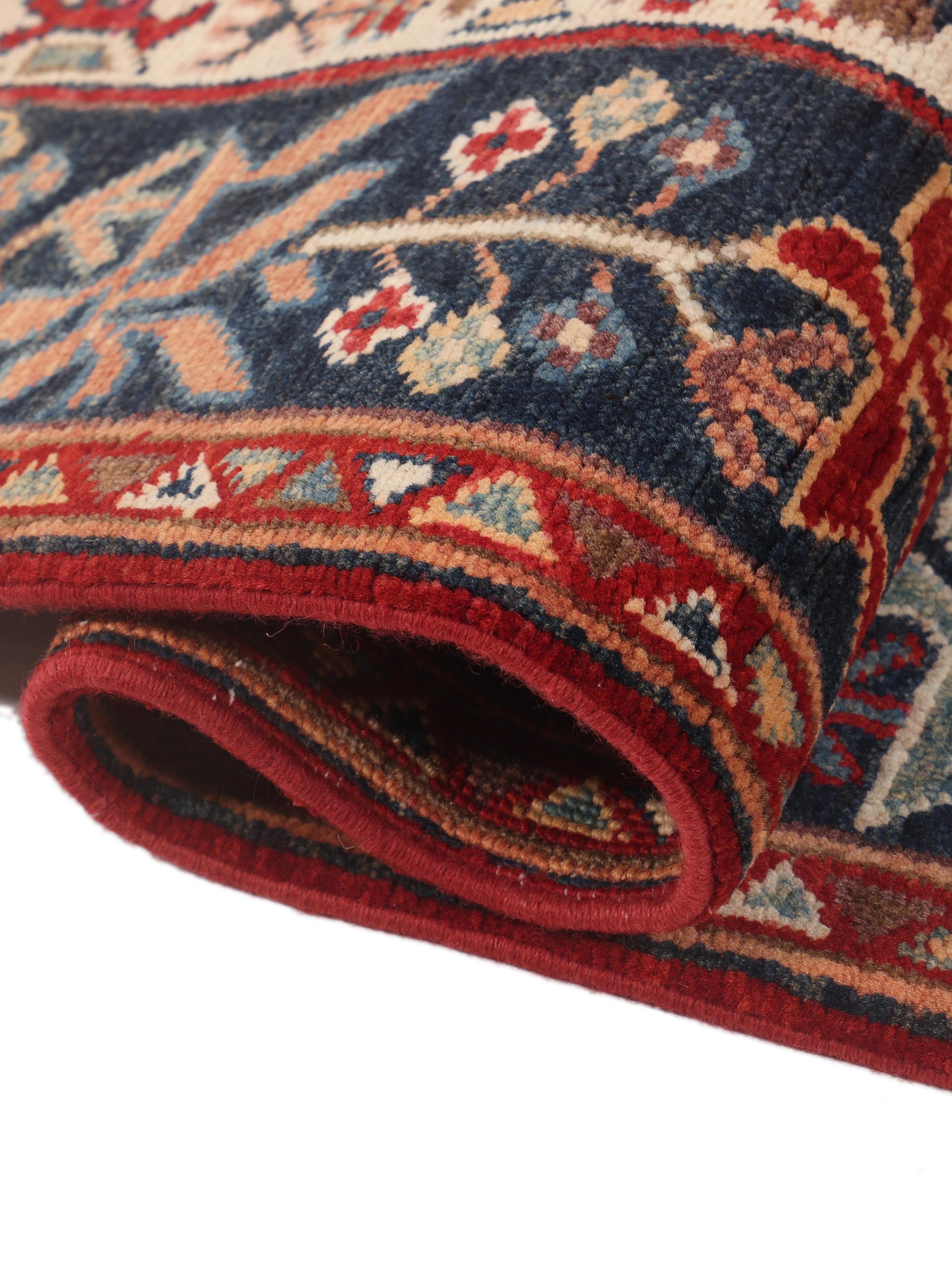
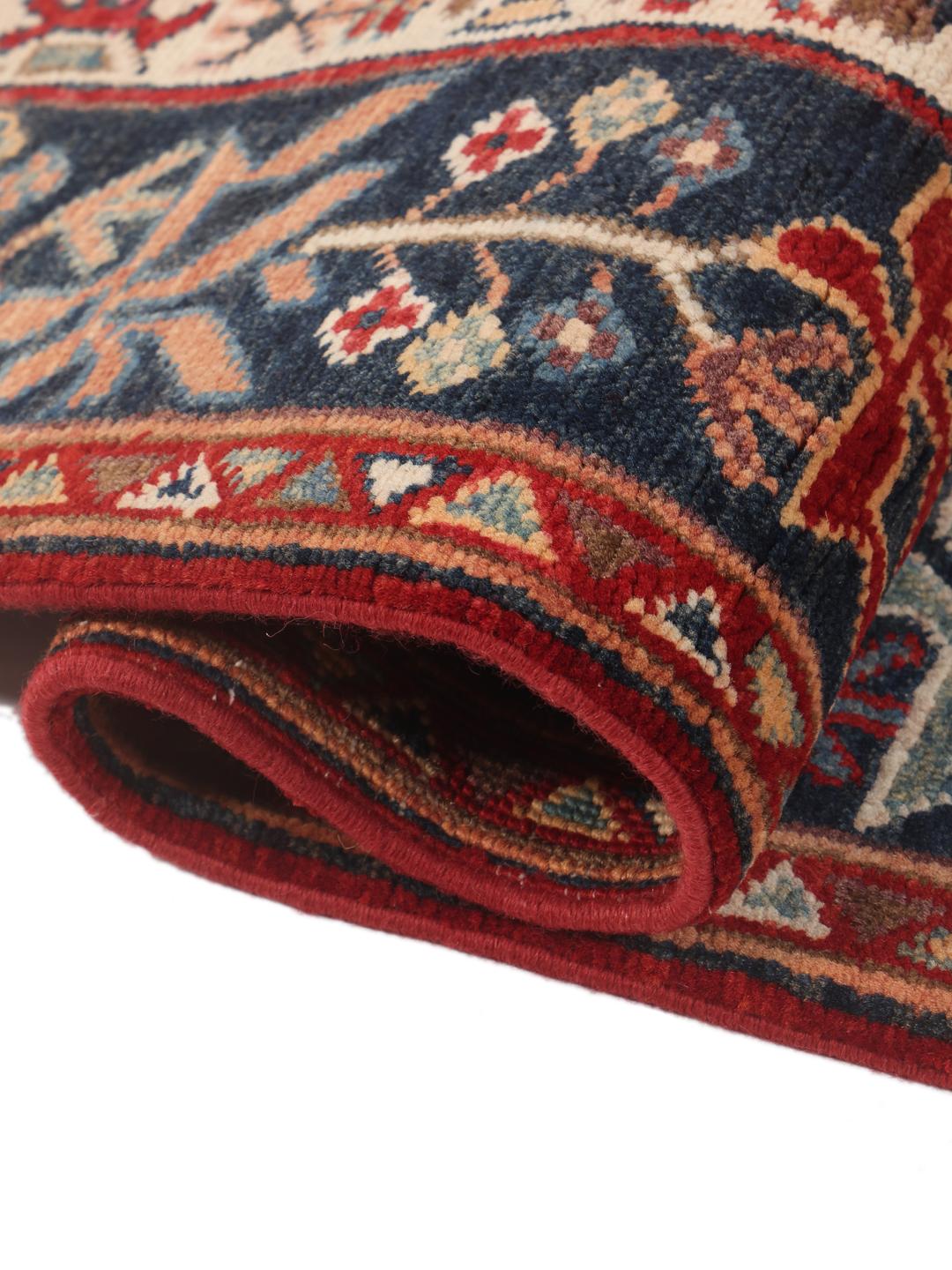
The term Kazak refers to a specific style of weaving characterised by bold, geometric designs and a heavy, durable pile. Technically, these rugs are known for their use of large, latch-hook medallions and strong, primary colours. The wool is typically hand-spun and dyed using traditional methods, which contributes to the characteristic slight variations in colour, often referred to as abrash, that provide these rugs with their distinctive, organic appearance.
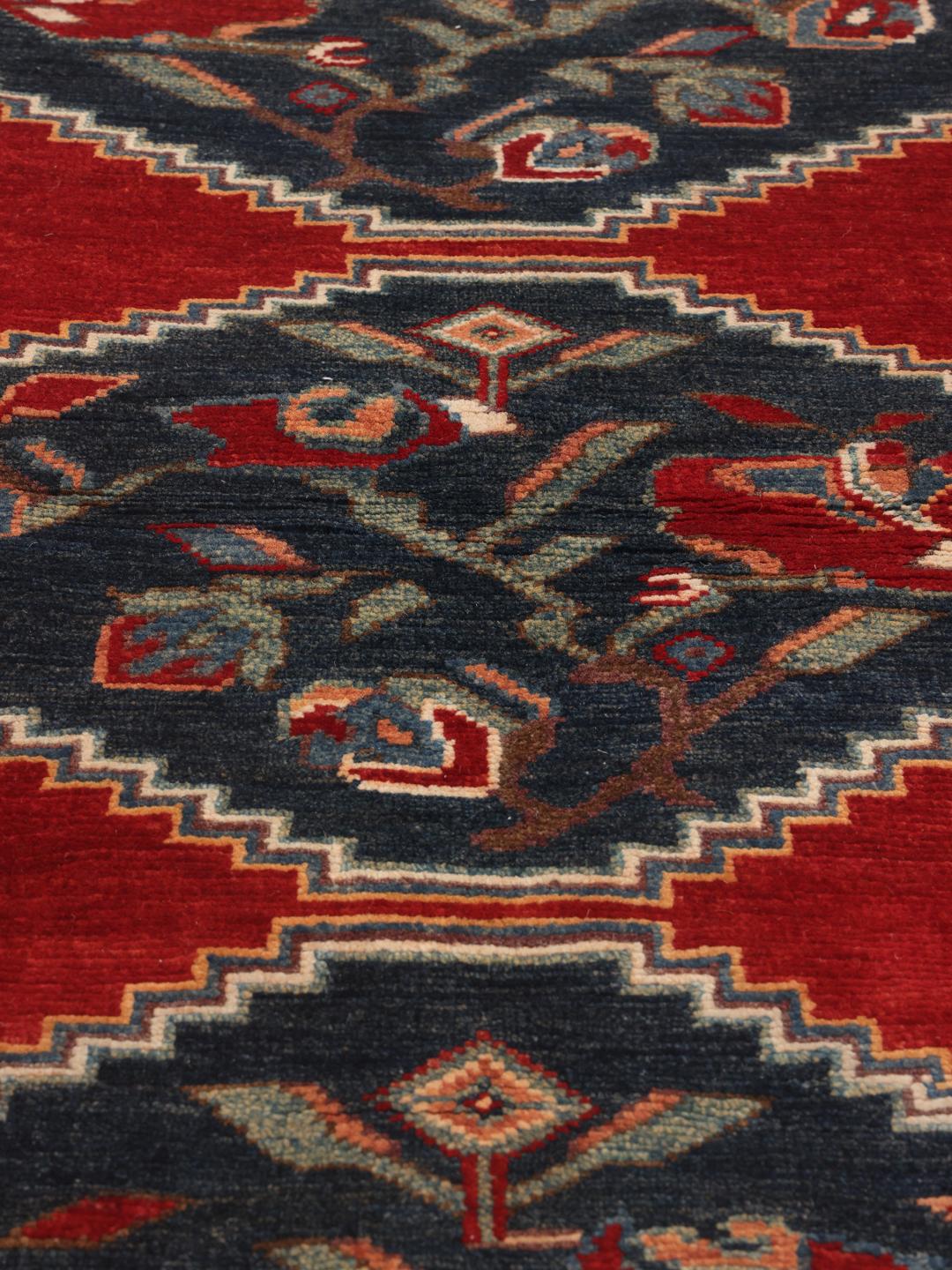
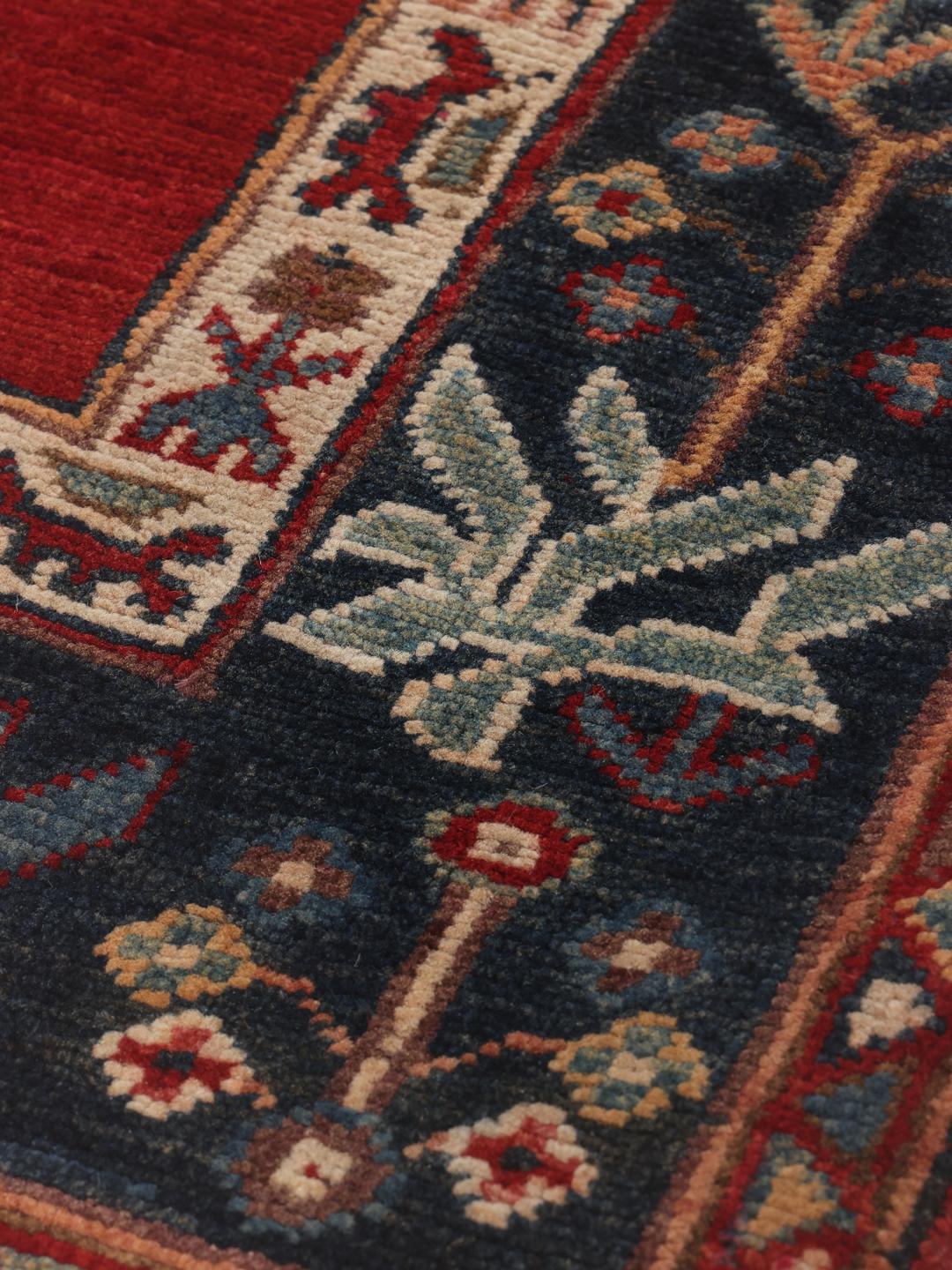
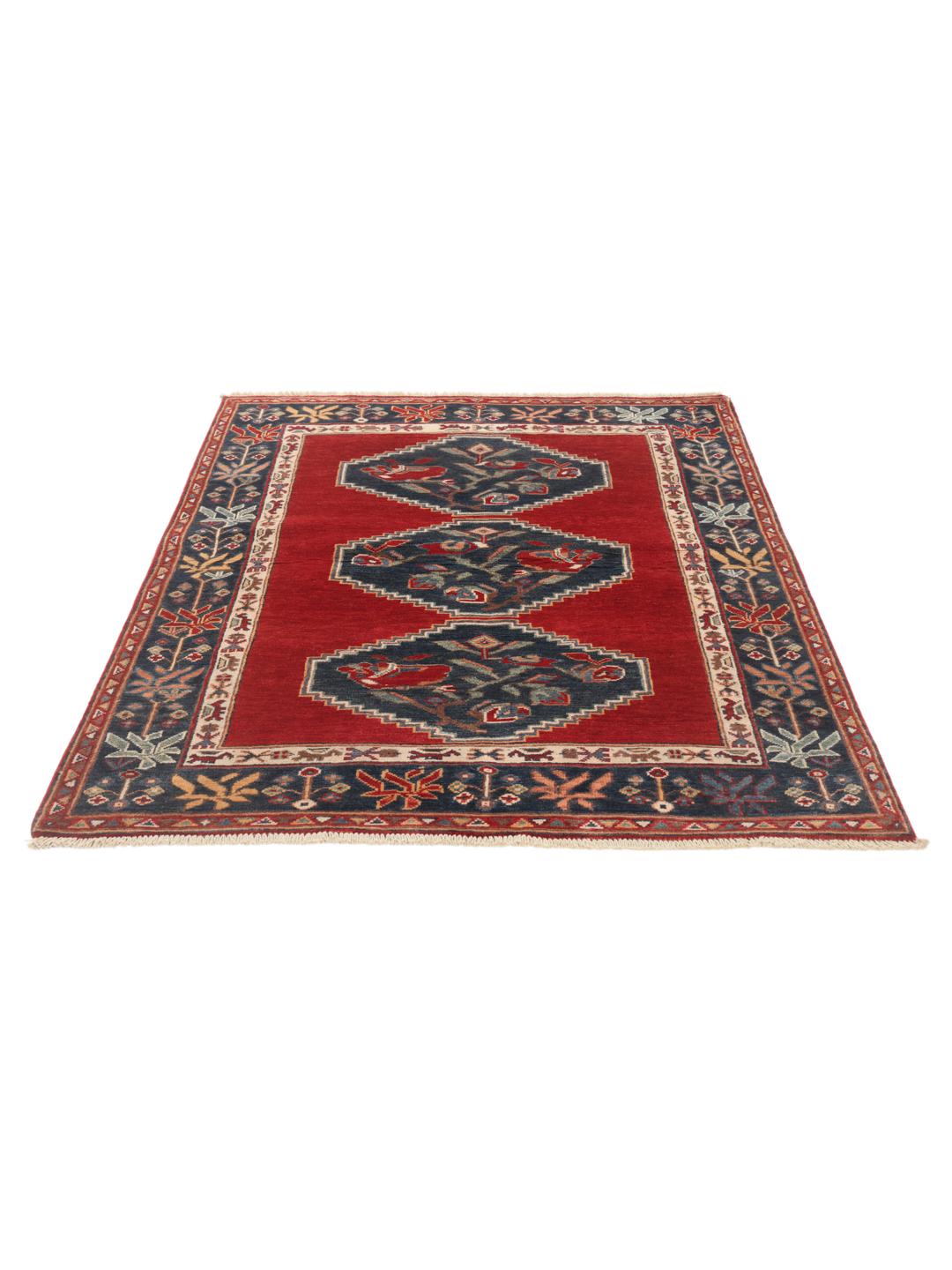
Signature design elements in this tradition include the use of large-scale geometric medallions, often filled with stylised floral or animal motifs. The borders are frequently decorated with complex geometric patterns that frame the field, providing a sense of order to the otherwise free-spirited and bold compositions. In this particular piece, the floral motifs within the medallions demonstrate the evolution of the style, blending traditional geometric rigidity with softer, naturalistic elements.
Collectors value Kazak rugs for their untamed, artistic quality and their ability to bring a sense of history into a modern home. They are seen as the ultimate expression of tribal weaving, where the weaver’s imagination is given free rein within the bounds of a respected tradition. Owning one is an investment in cultural heritage, representing a level of skill and authenticity that is increasingly rare in the contemporary market.