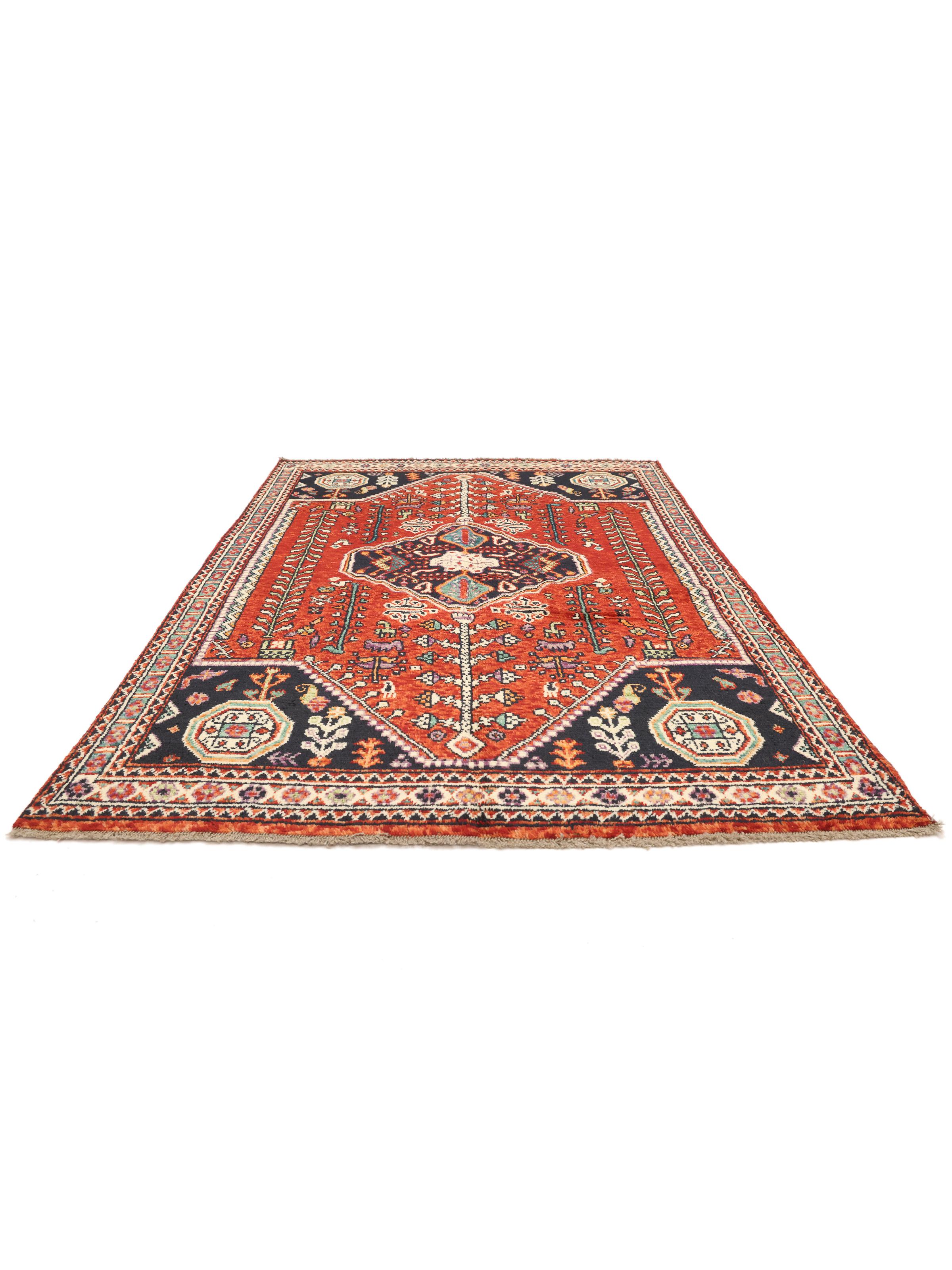
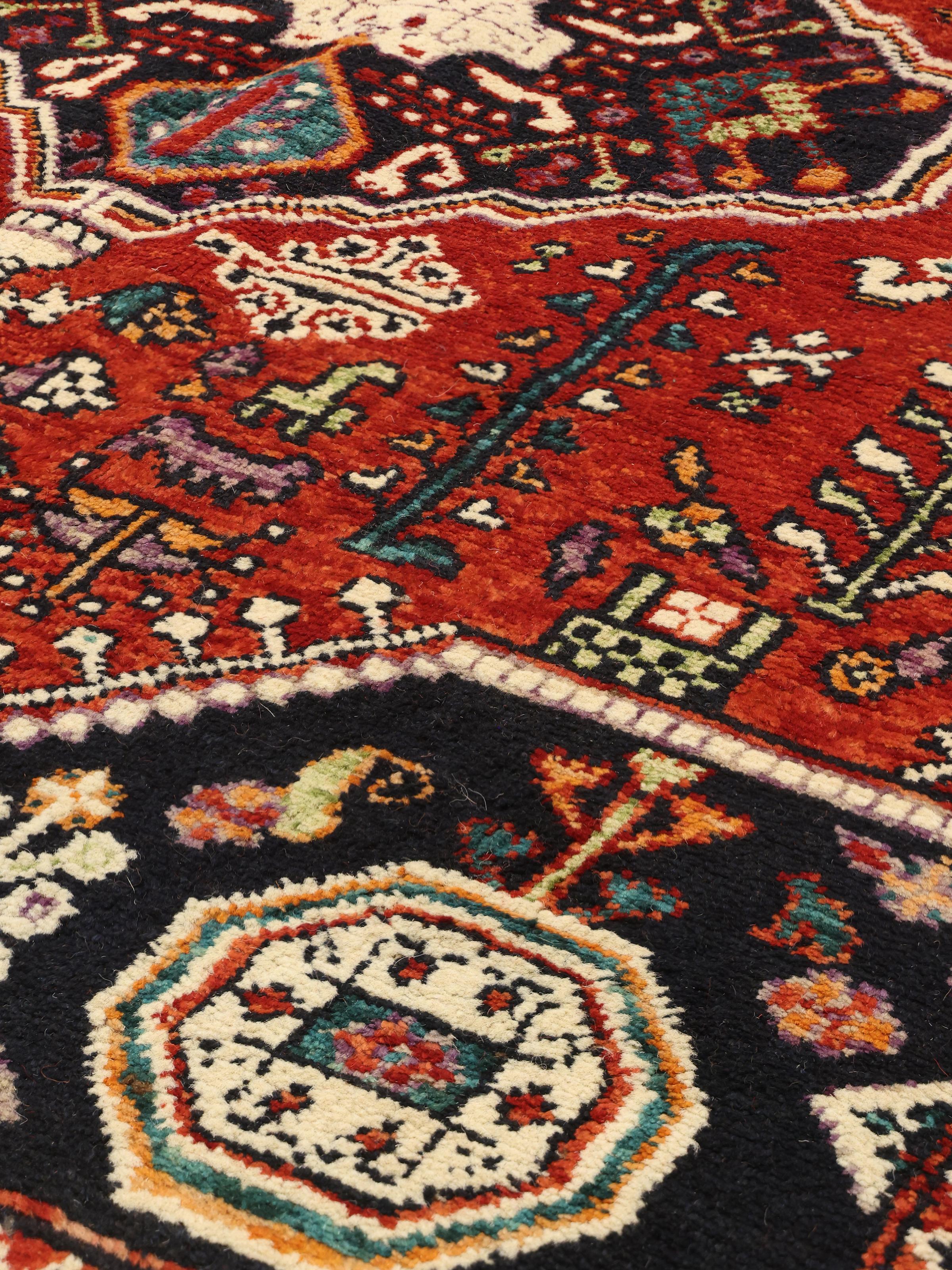
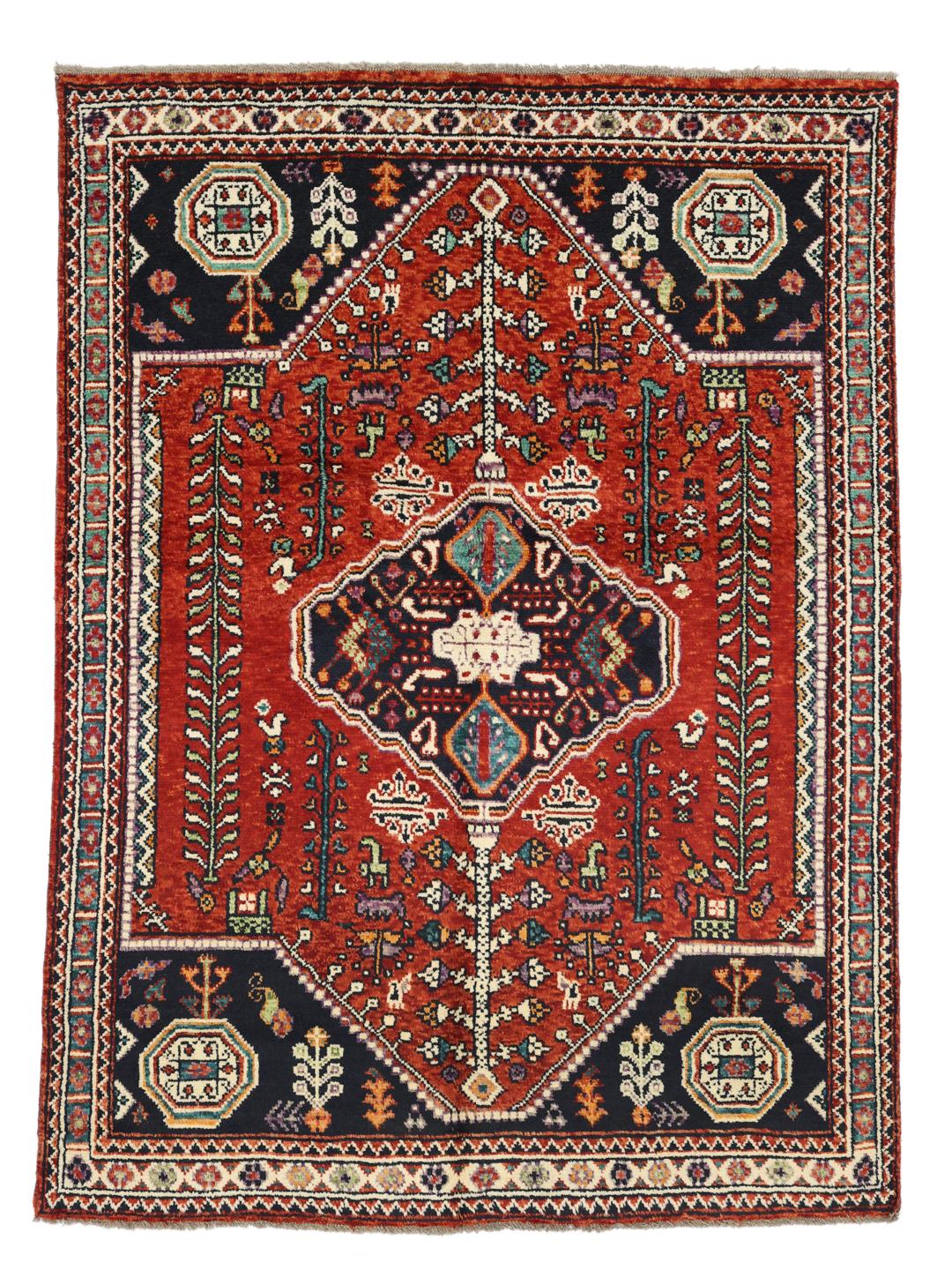
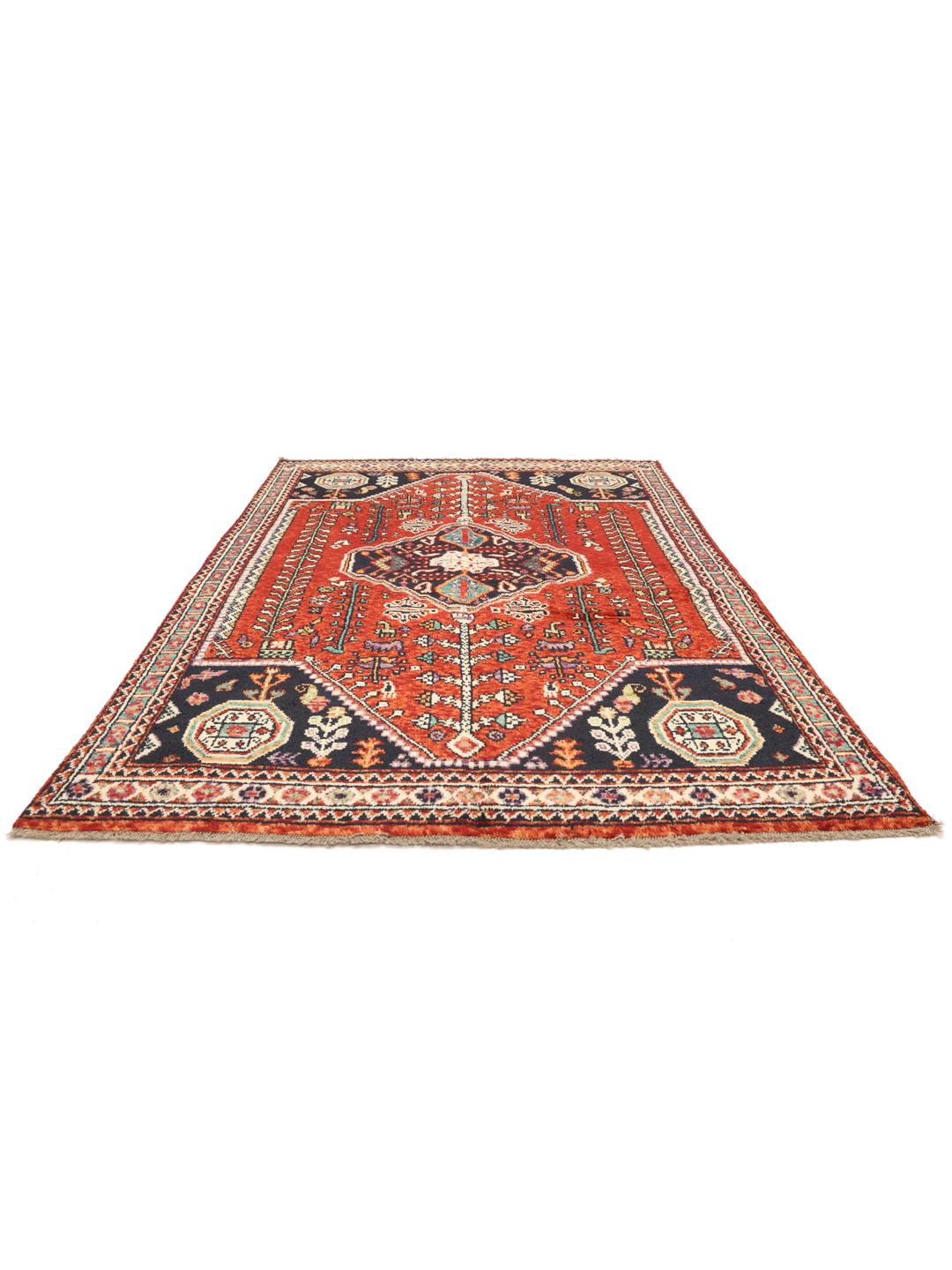
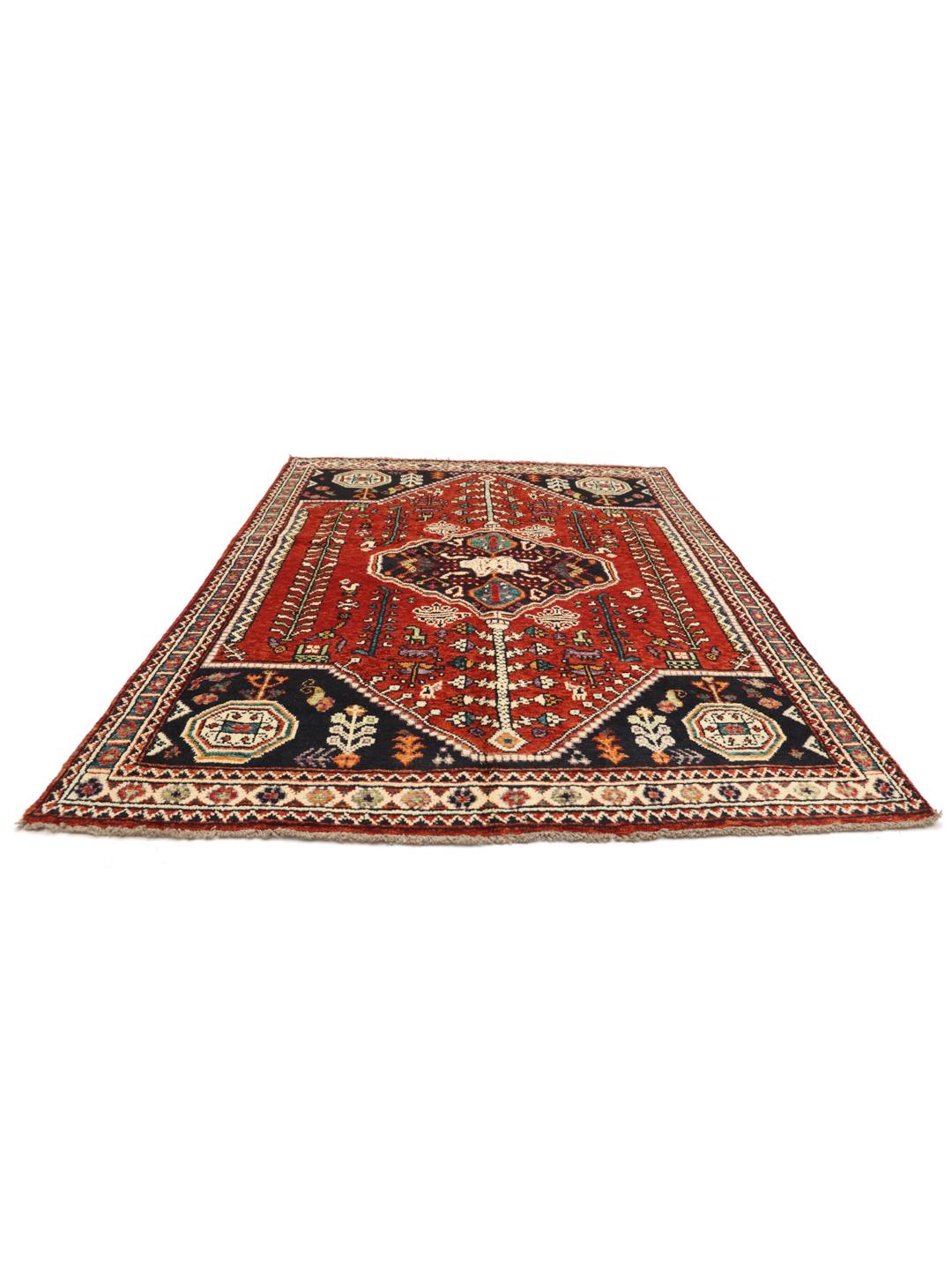
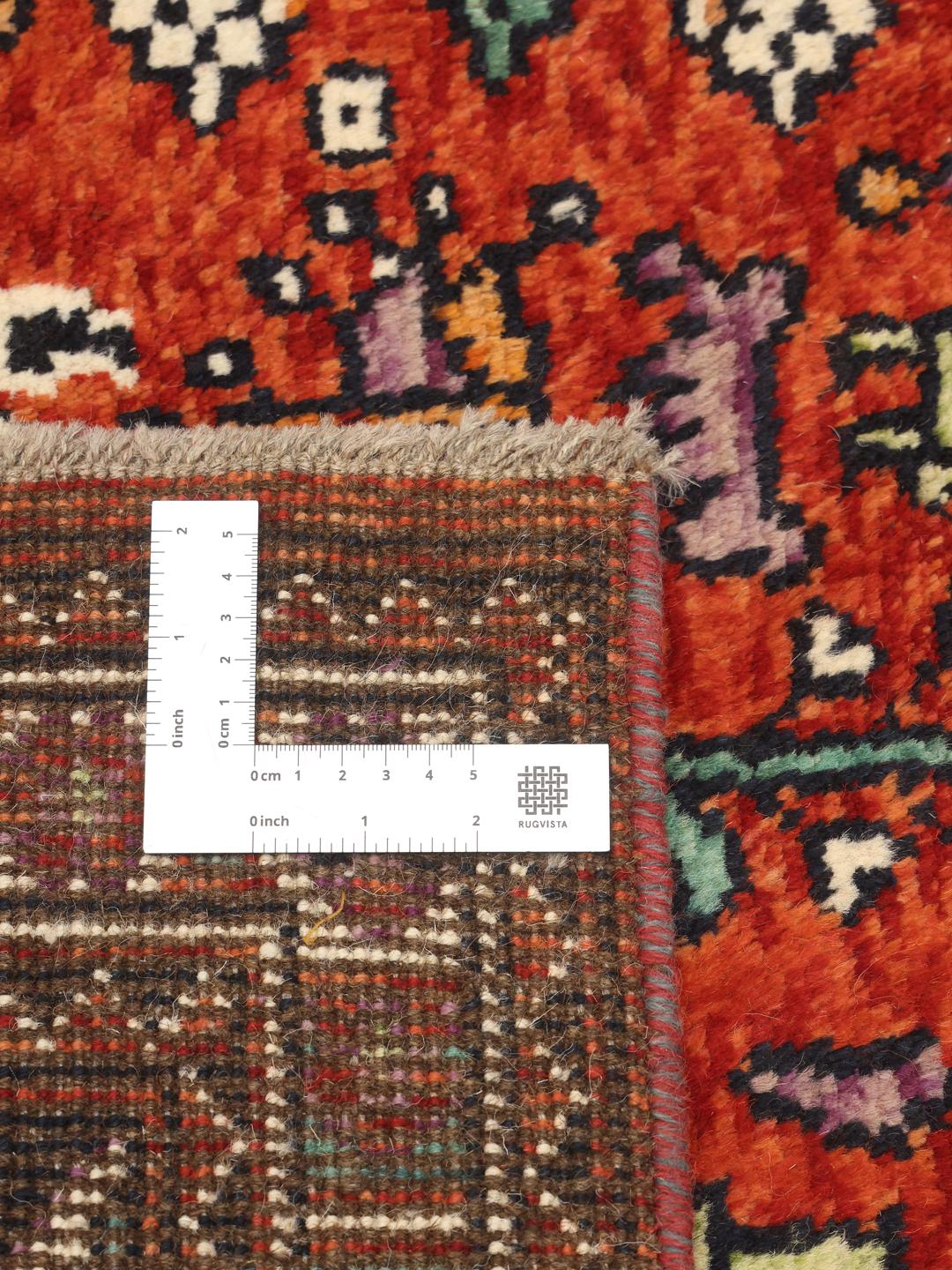
Kazak rugs originate from the Caucasus region, a mountainous area known for its rich history of textile production. While the term historically refers to rugs woven by various tribal groups in the Southern Caucasus, the tradition has evolved significantly over time. Today, some of the most vibrant and high-quality examples of this style are crafted in Afghanistan, where weavers have masterfully adopted the geometric aesthetics and bold colour palettes of the original Caucasian traditions.
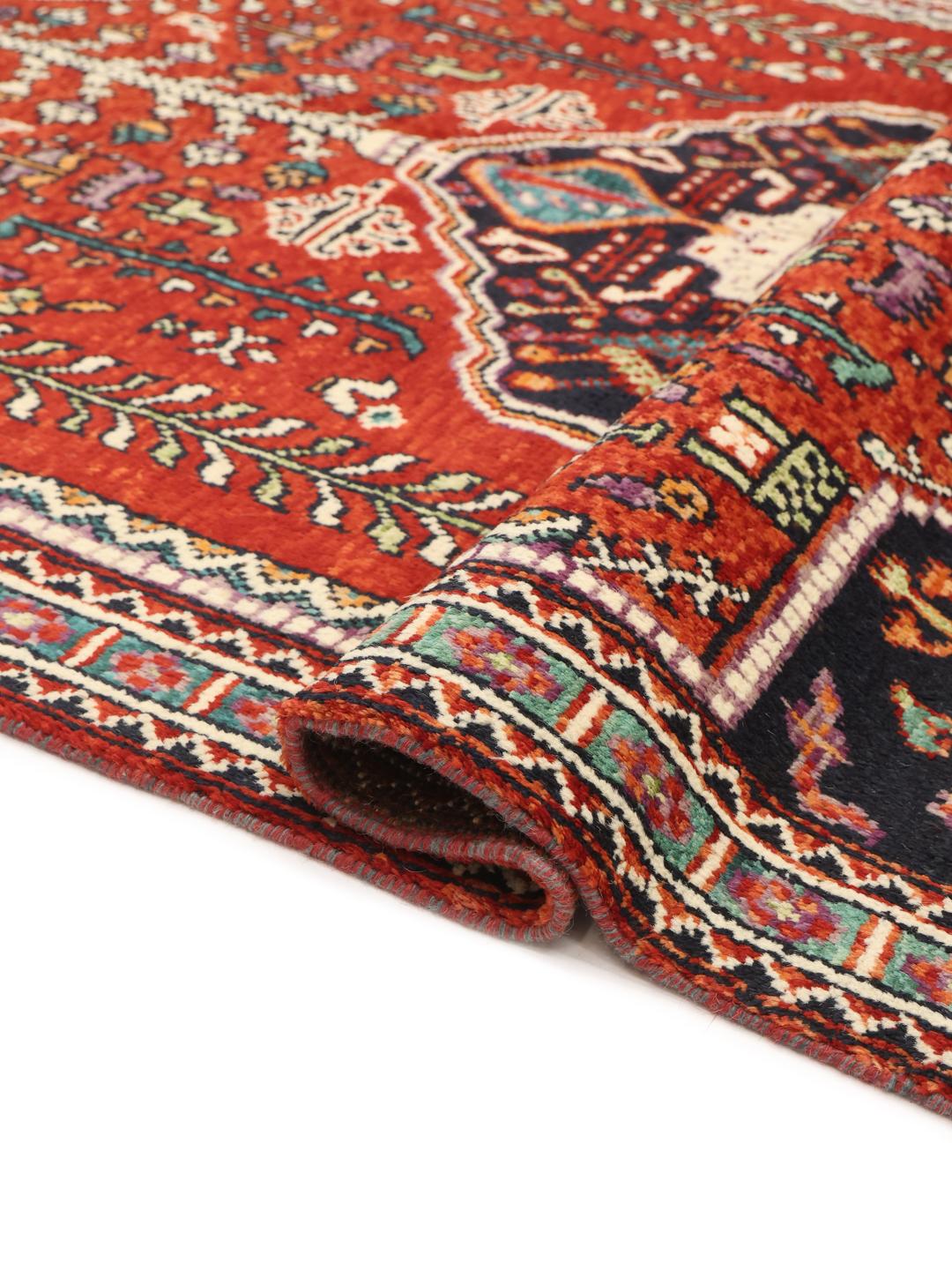
The term 'Kazak' has become synonymous with a specific, bold aesthetic that prioritises geometric abstraction over floral or curvilinear designs. These rugs are highly regarded for their use of distinct, saturated colours—typically deep reds, blues, and ivories—which create a high-contrast visual impact. Understanding this style requires appreciating the balance between the field, which often houses large, stylised medallions, and the intricate, multi-layered borders that frame the composition.
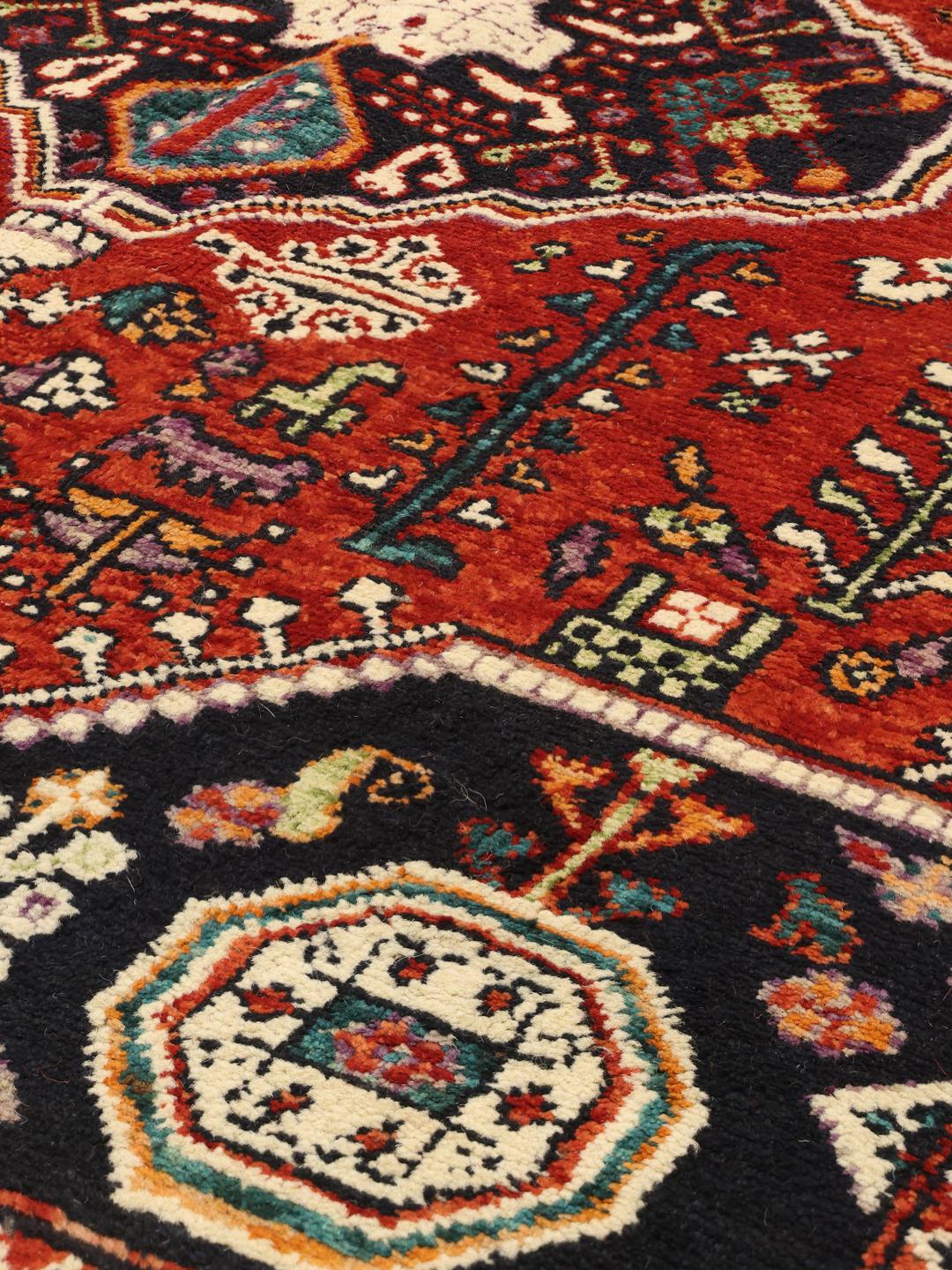
Signature elements of the Kazak tradition include the use of large-scale, angular motifs such as octagonal medallions, latch-hook designs, and stylised animals or plants. These patterns are not merely decorative but often carry symbolic meanings rooted in the tribal heritage of the weavers. The geometric clarity of these rugs makes them particularly versatile, as they provide a strong graphic anchor that complements both traditional and modern interior settings.
Collecting a Kazak rug is an investment in a living heritage. These pieces are valued for their raw, expressive beauty and the tangible connection they provide to the nomadic and semi-nomadic cultures that pioneered these designs. By acquiring this rug, you are preserving a craft tradition that prioritises individual expression and deep cultural knowledge, ensuring that these iconic patterns continue to be appreciated for their boldness, skill, and enduring character.