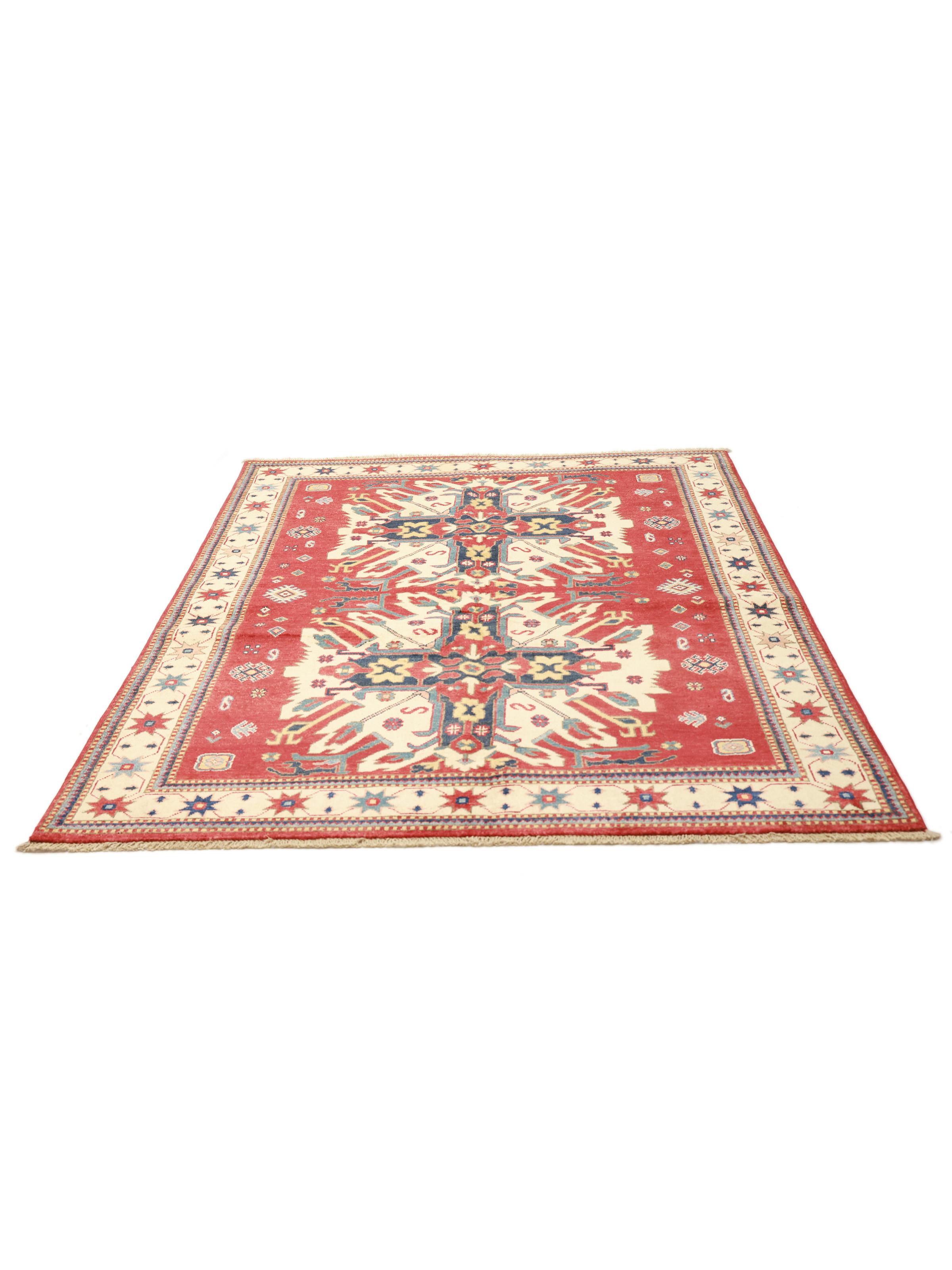
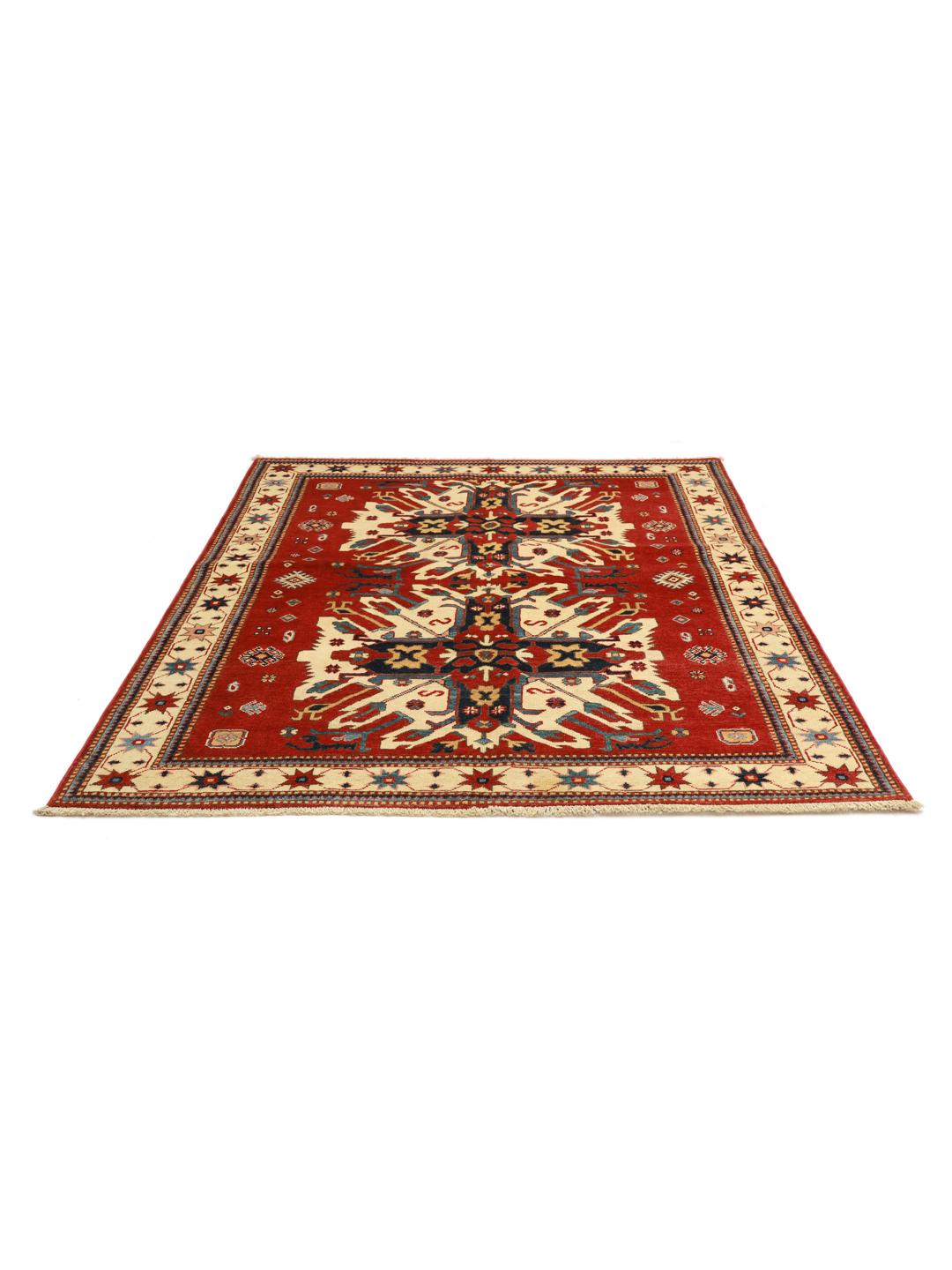
Kazak rugs trace their origins back to the tribal weaving traditions of the Caucasus region, though today, some of the most celebrated examples are masterfully crafted in Afghanistan. These rugs have historically been prized for their bold, expressive designs and their use of high-quality, long-staple Wool, which allows for a rich saturation of colour. The migration of these weaving techniques across the Middle East has allowed the tradition to evolve while maintaining its core focus on durability and artistic expression.
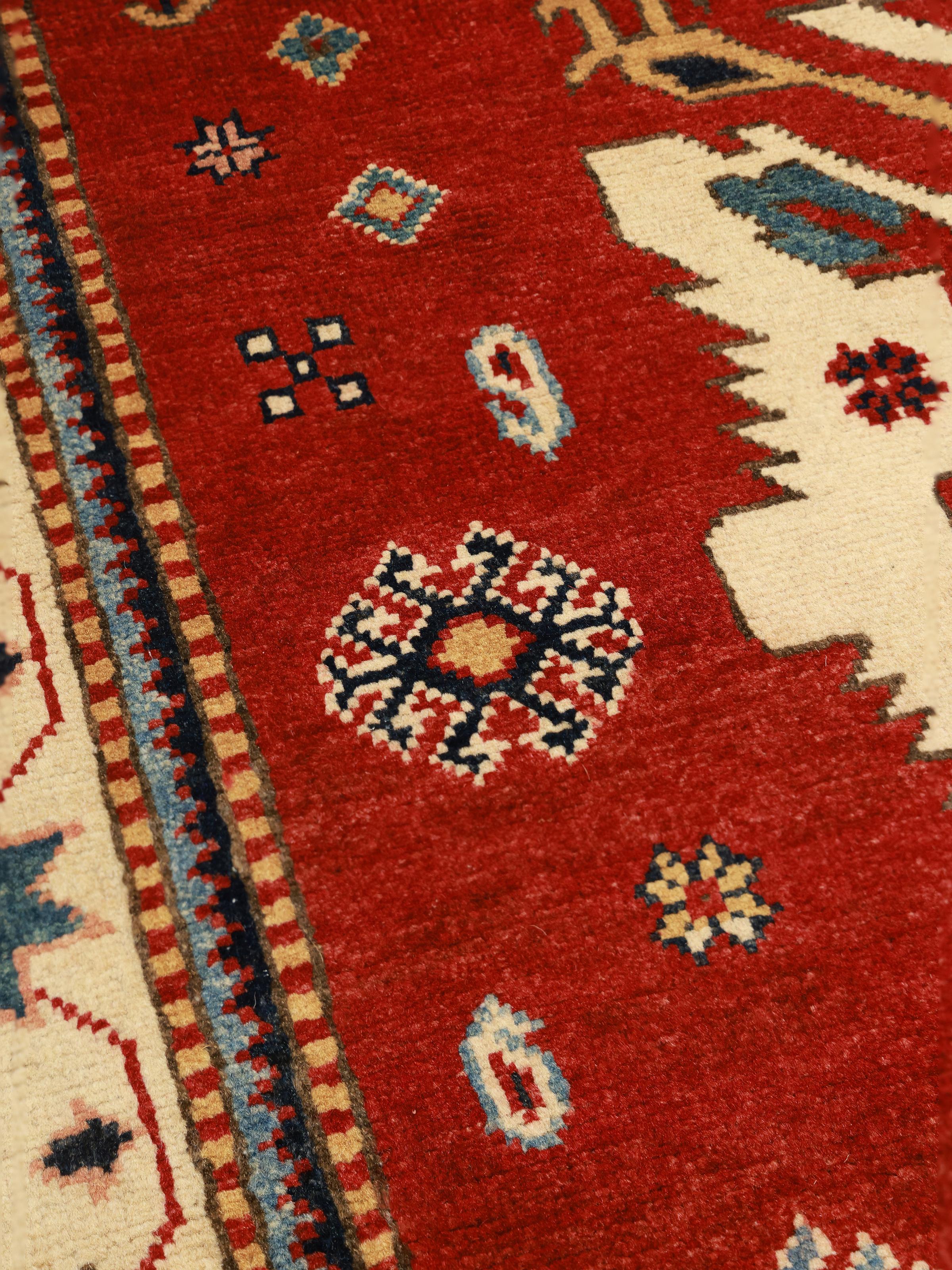
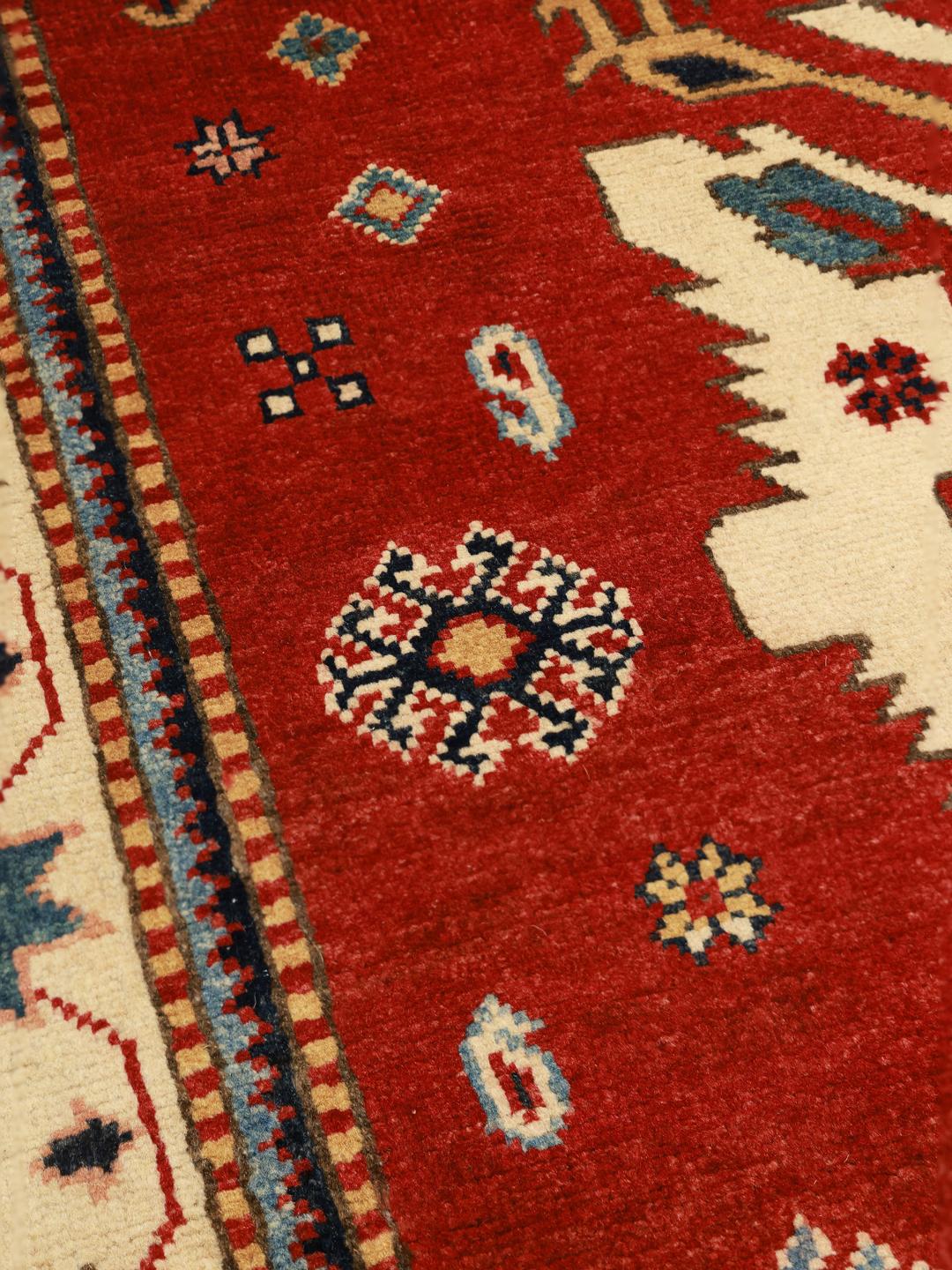
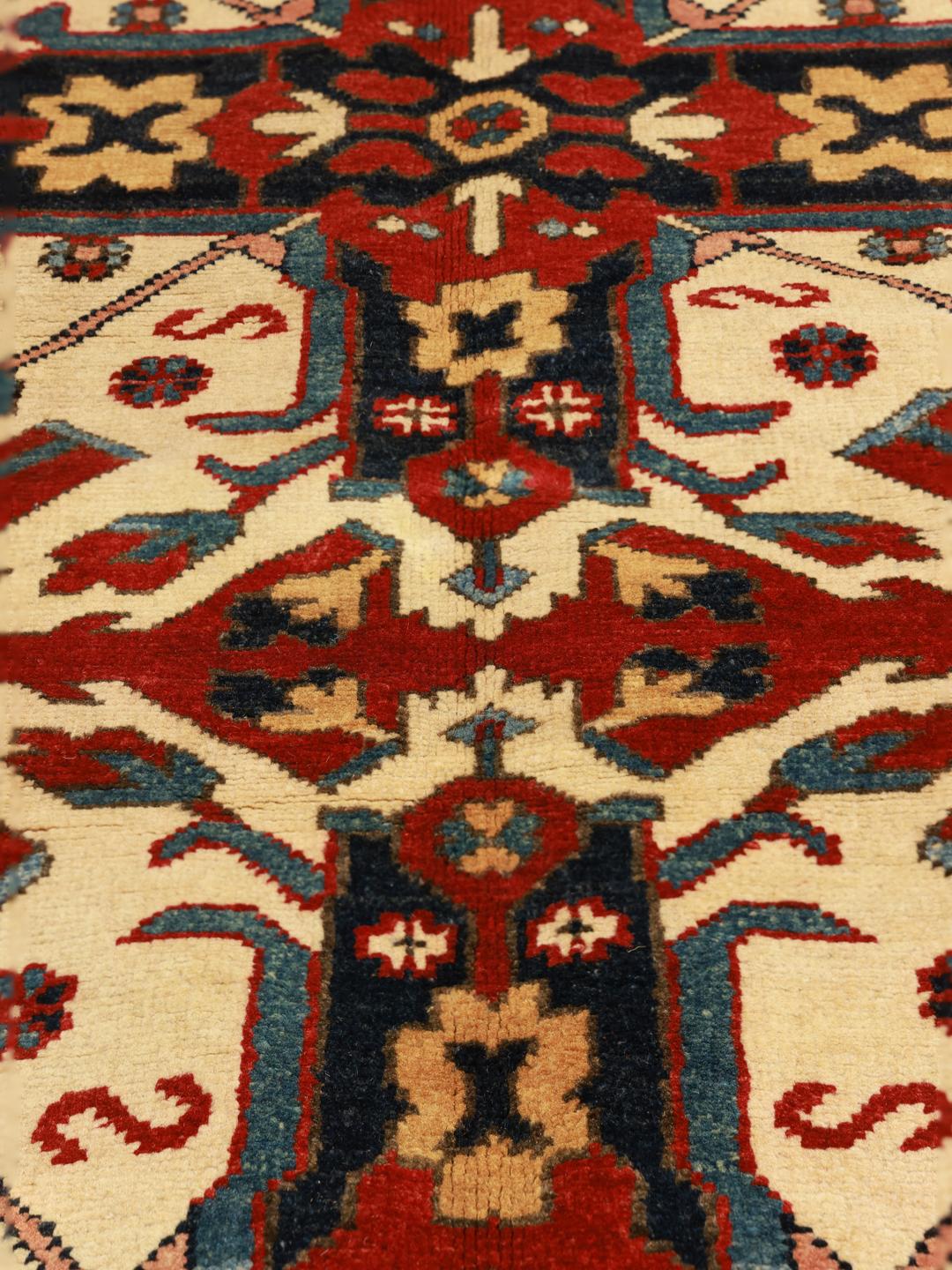
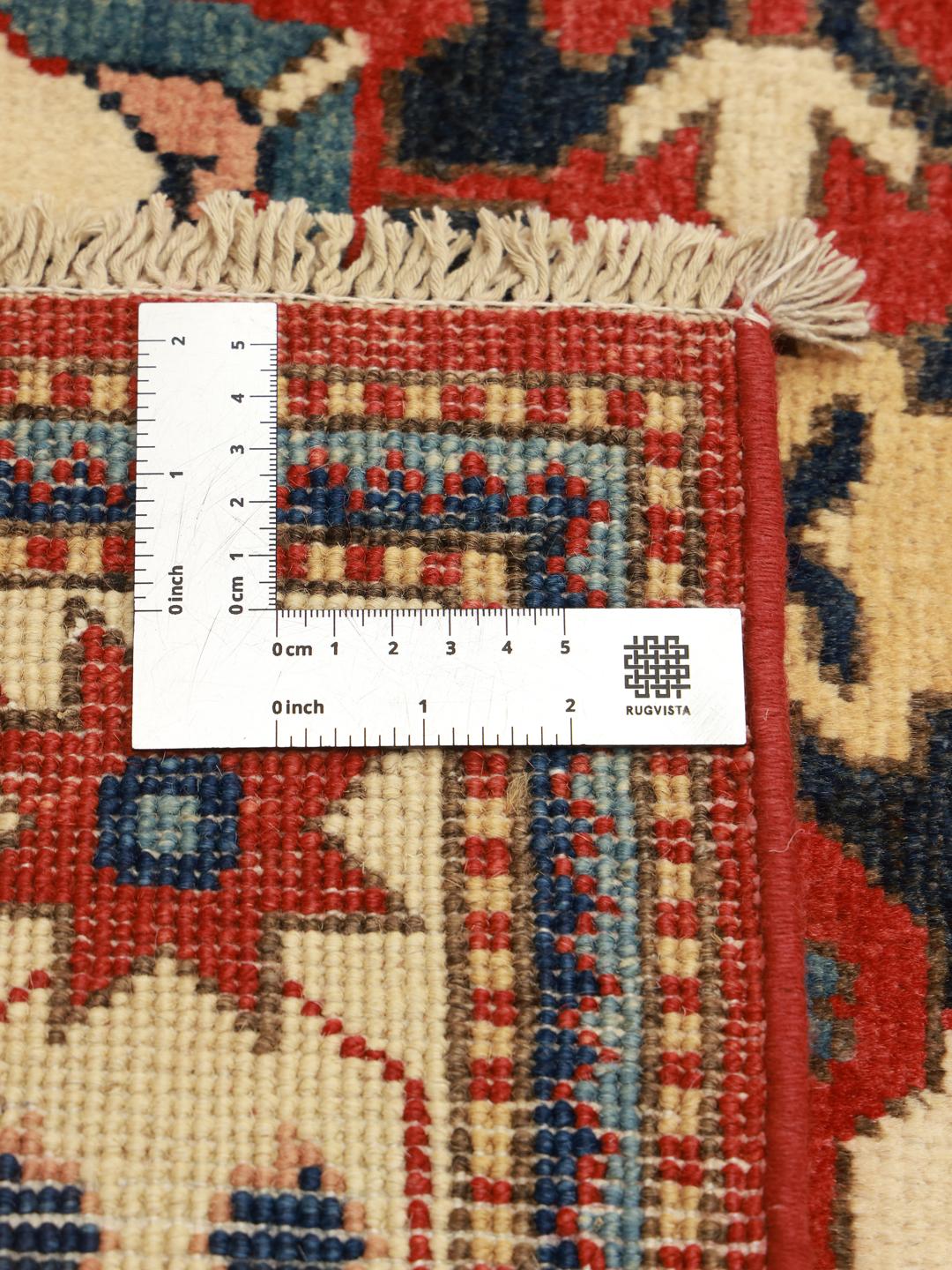
The term Kazak refers to a style rather than a specific village, characterised by a certain freedom in design and a robust construction. The use of hand-spinning techniques creates a slight variation in the Wool, which gives the finished rug a beautiful, subtle texture that changes as the light hits the pile. This natural variation is a key indicator of authentic hand-knotted work, distinguishing it from modern, mass-produced alternatives that often lack this depth.
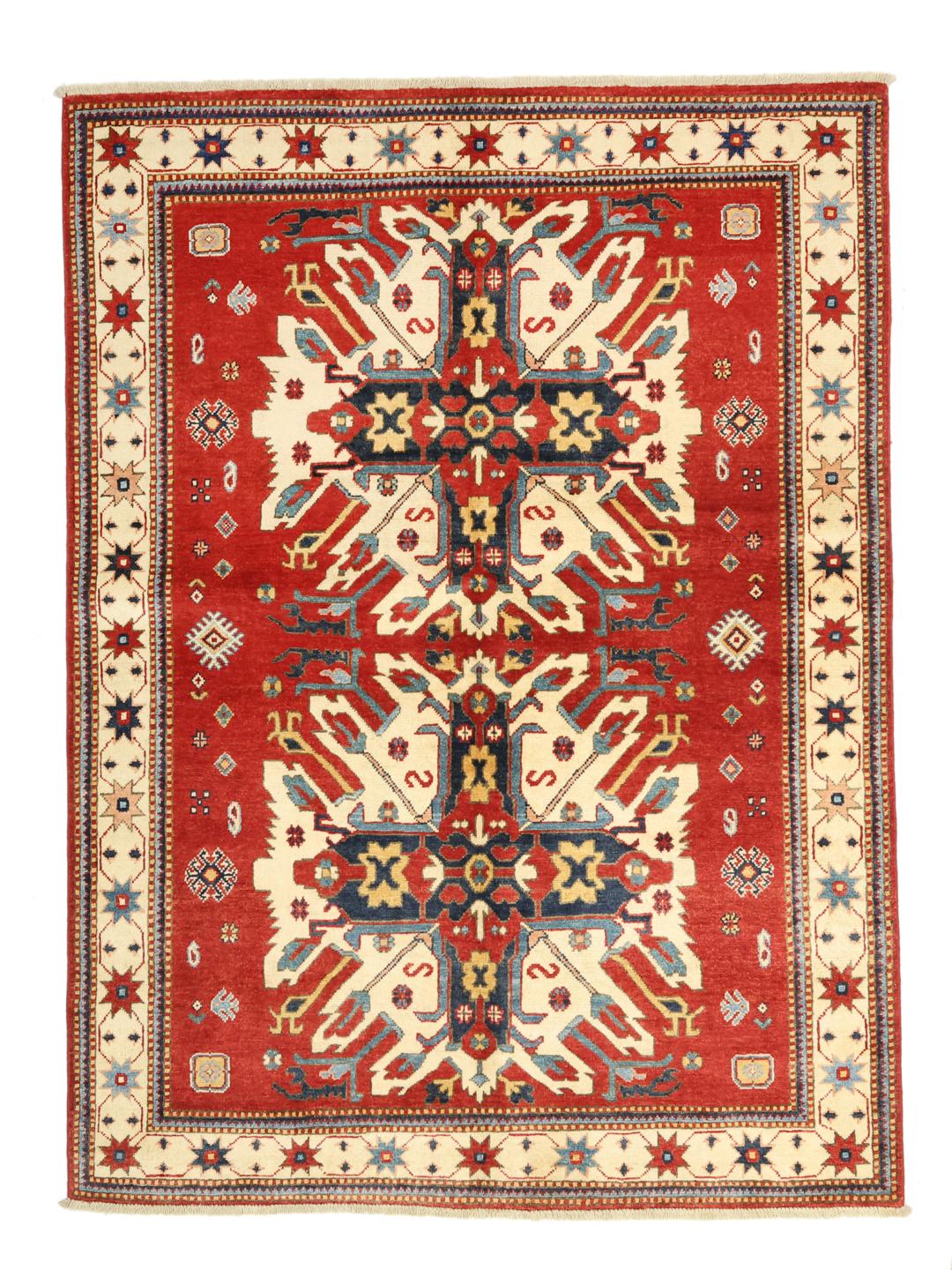
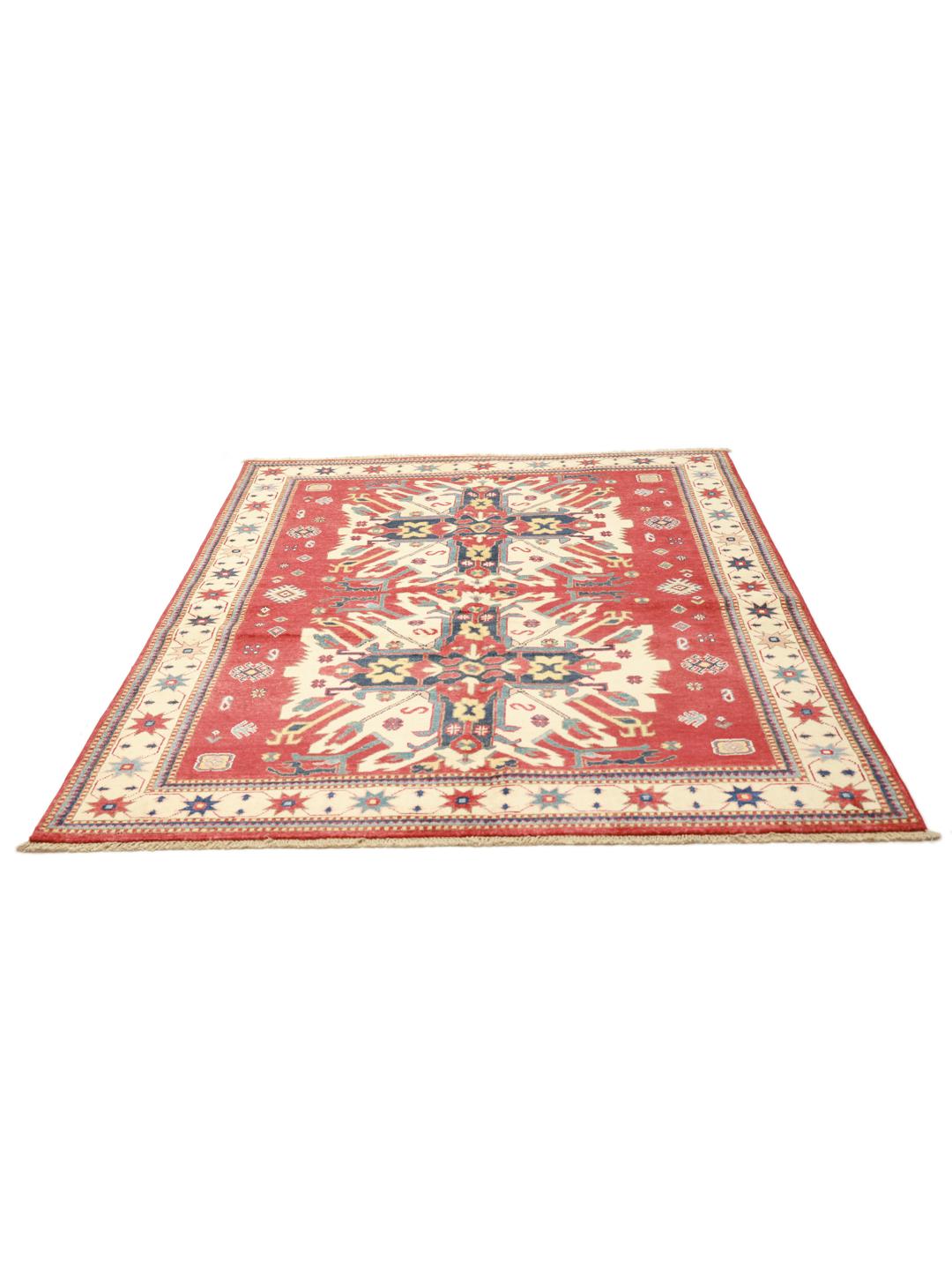
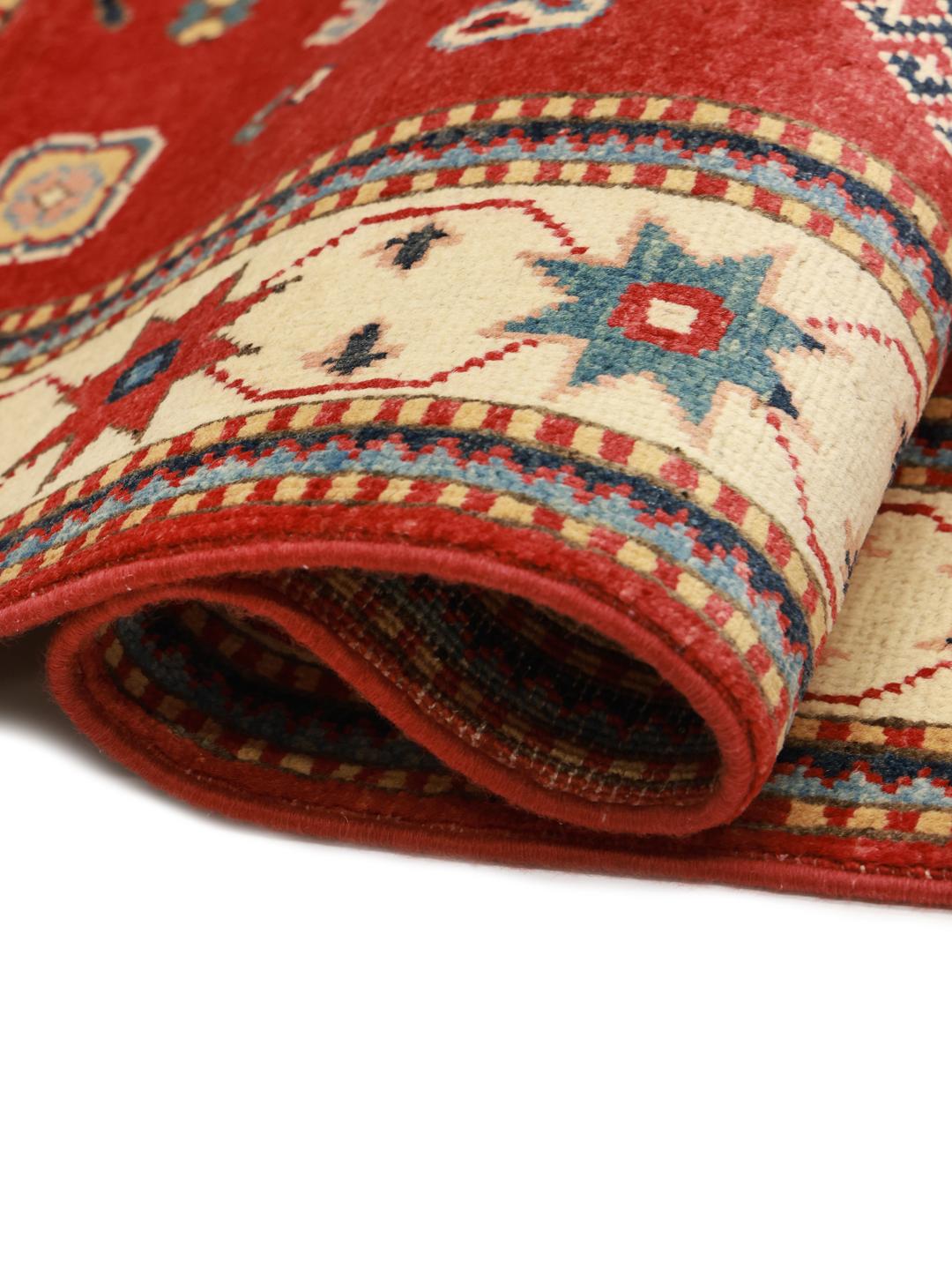
Visually, Kazak rugs are defined by their grand geometric medallions, often referred to as tribal motifs, which are frequently set against a field of vibrant colour. These designs are highly symbolic, often drawing on local folklore and the natural environment of the weaver. The borders are typically formal and decorative, providing a structured frame that contains the more energetic patterns of the central field, creating a balanced and harmonious composition.
For collectors and enthusiasts, these rugs are valued not just for their appearance, but for the human story they represent. Owning a Kazak rug is an investment in a living tradition, a way to connect your modern home to the skills and histories of artisan communities. These pieces are intended to be lived with and enjoyed, gaining character as they age and remaining a central, grounding element of your home for decades.