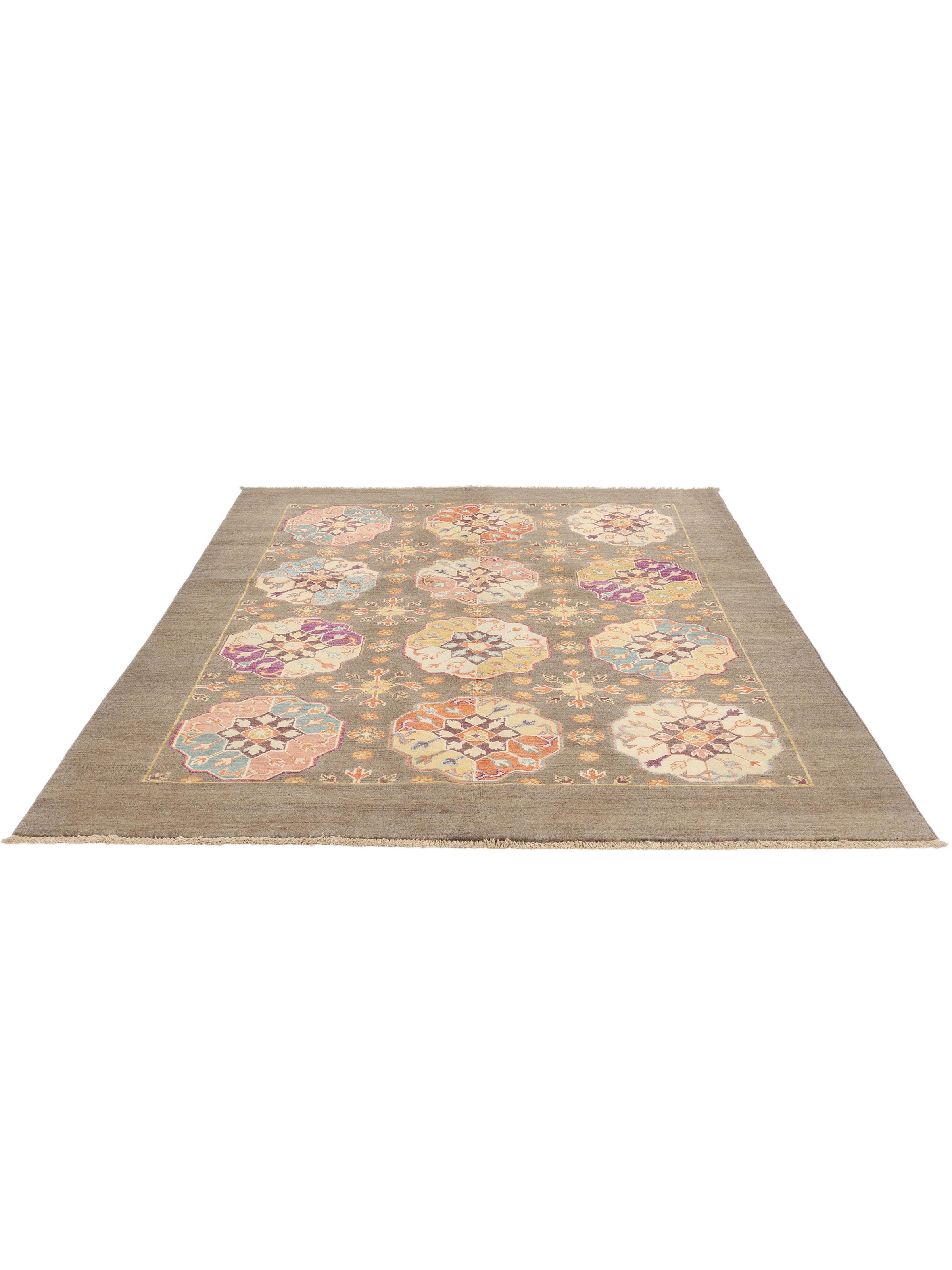
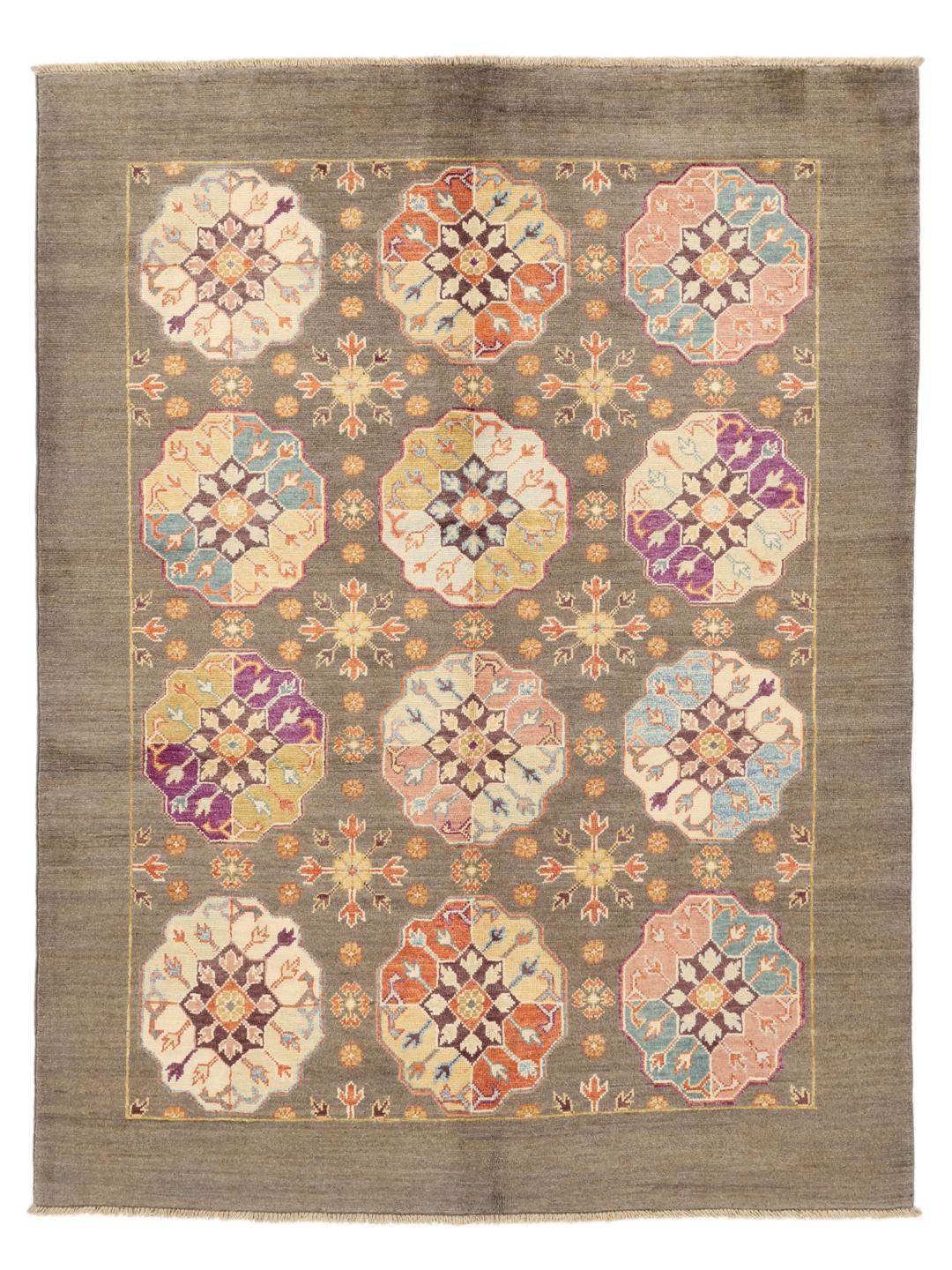
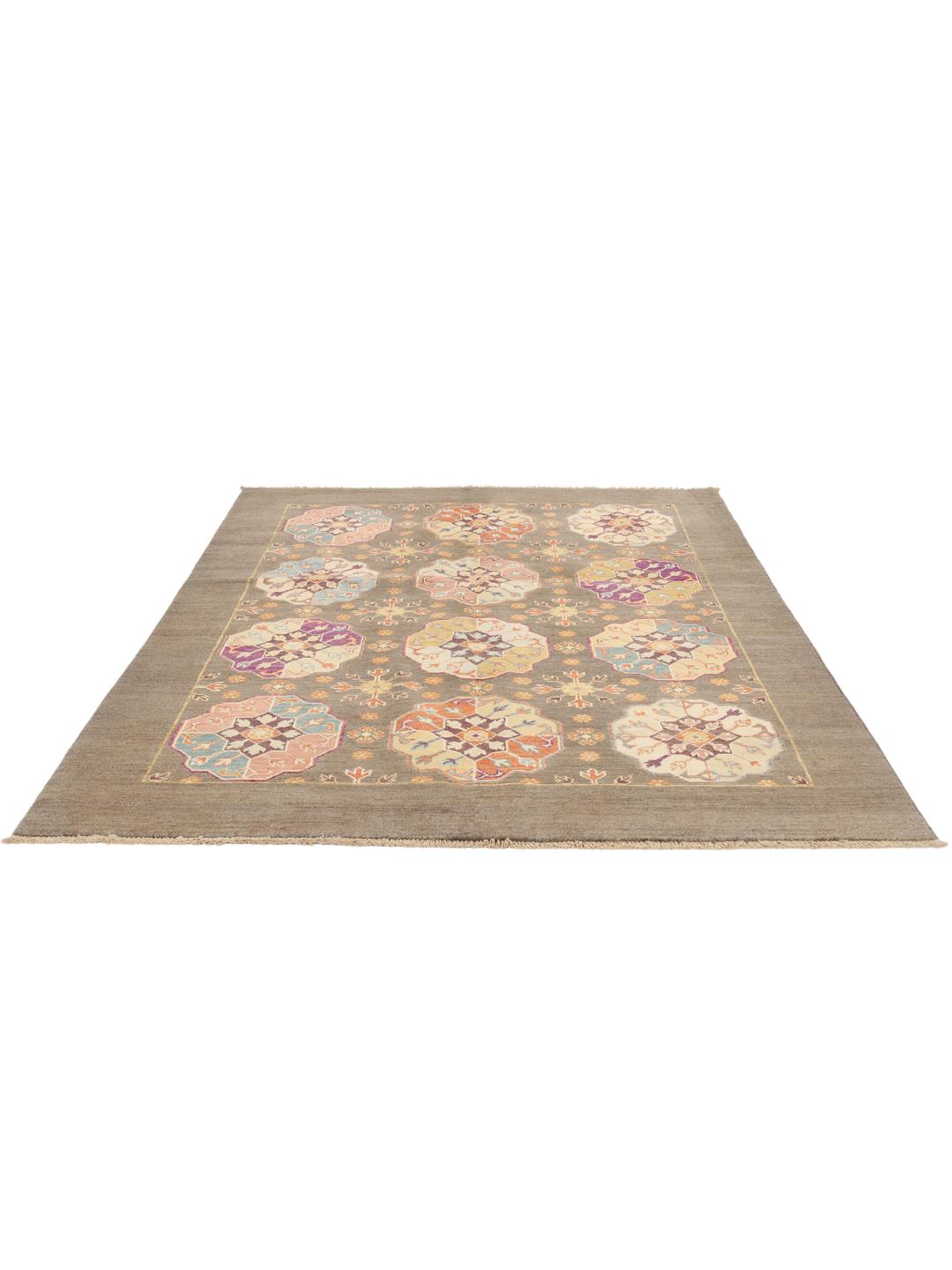
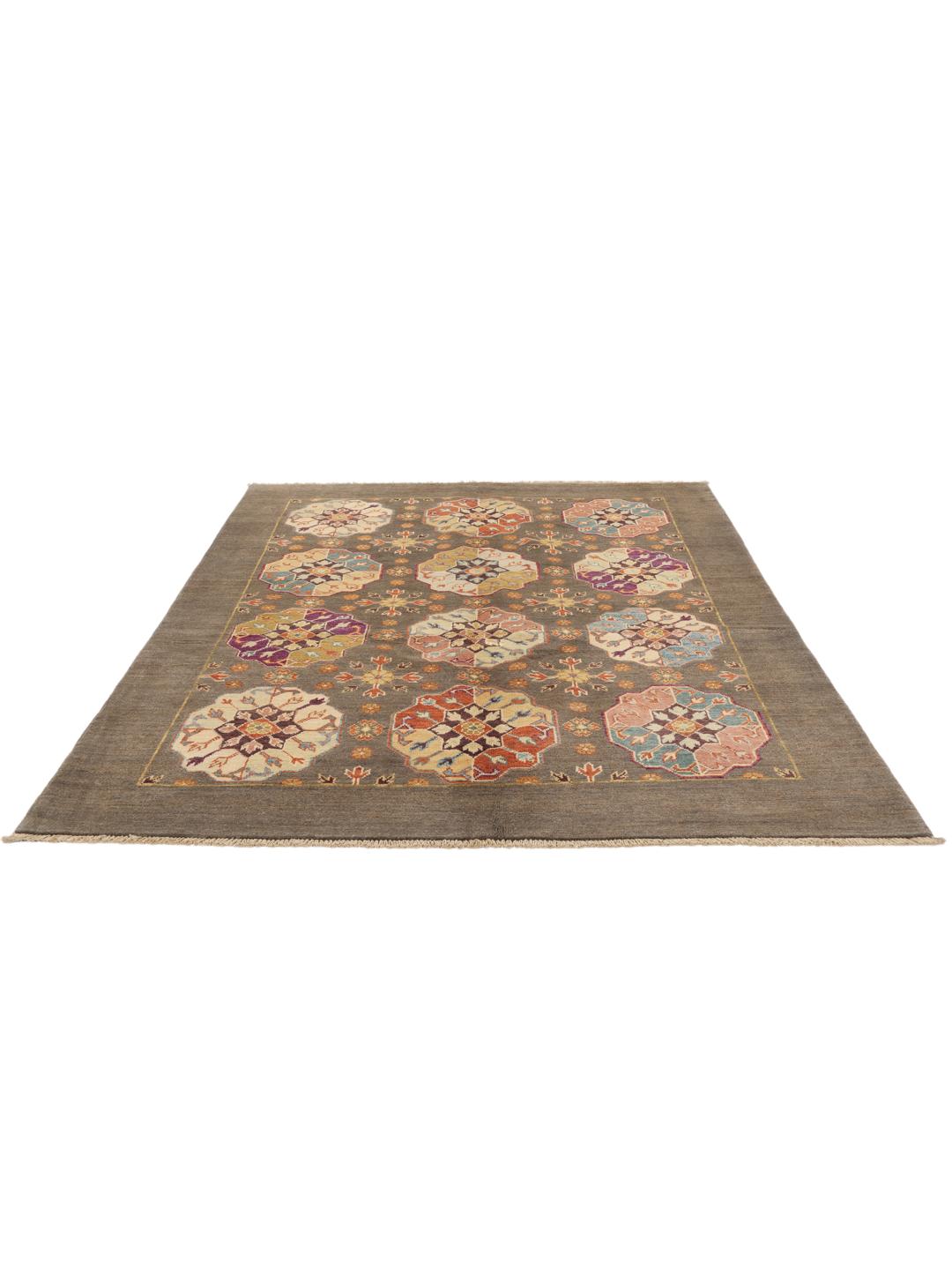
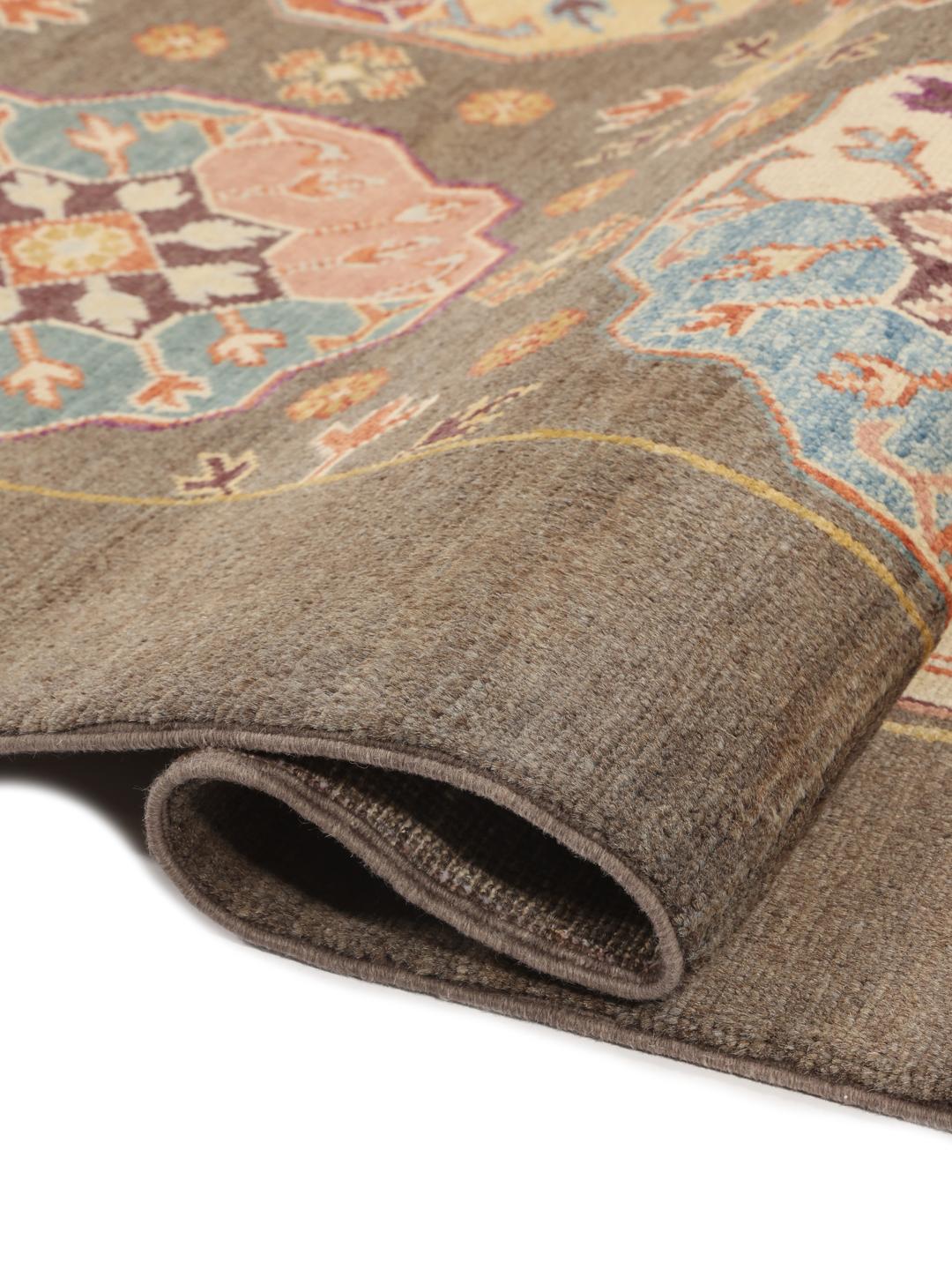
Kazak rugs have a storied history rooted in the Caucasus region, where they were traditionally woven by nomadic tribes. Today, the tradition has evolved, with some of the most impressive modern examples being masterfully produced in Afghanistan. These rugs are celebrated for their bold, graphic designs and their departure from the more formal, curvilinear styles found elsewhere in the Middle East.
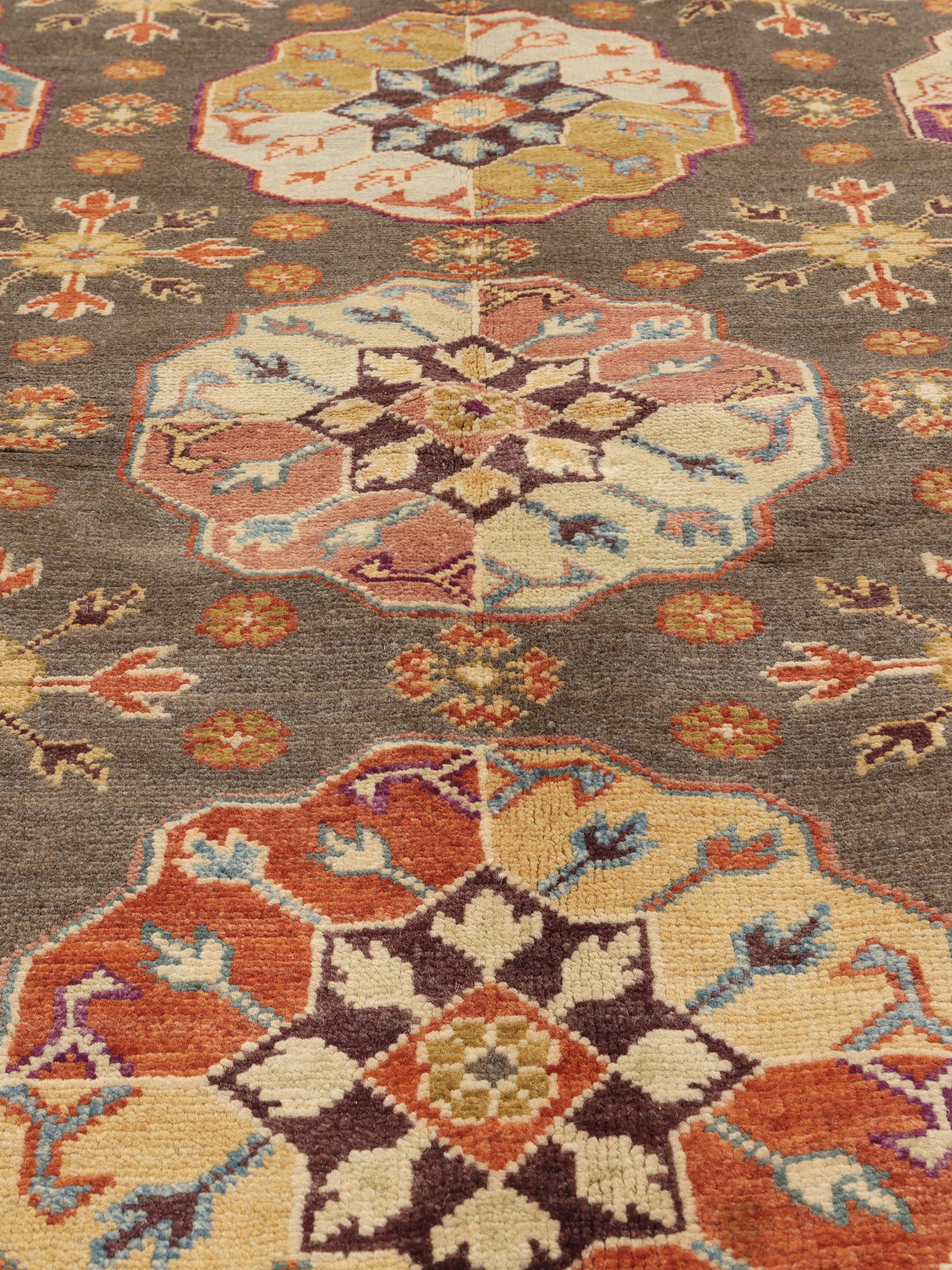
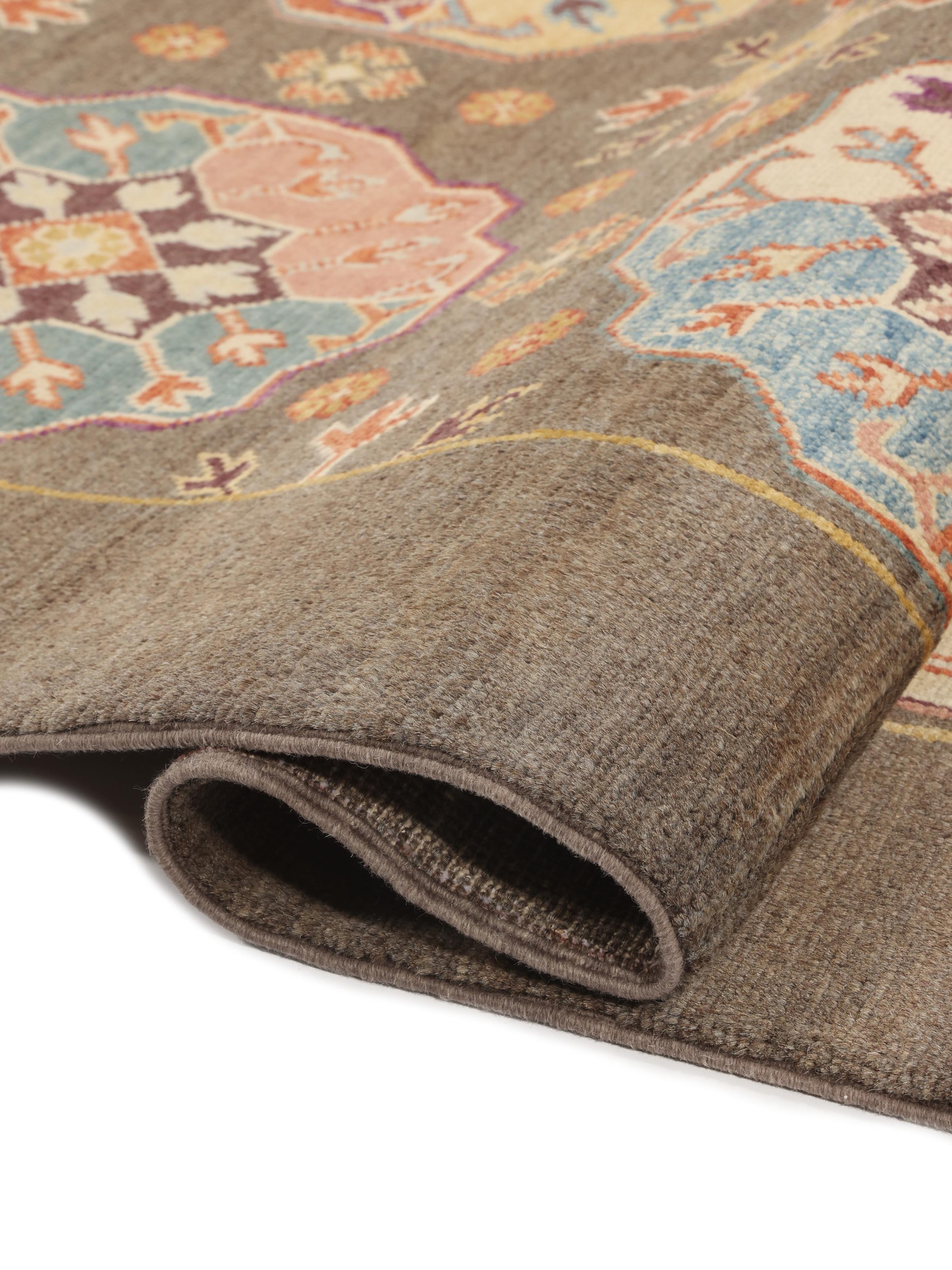
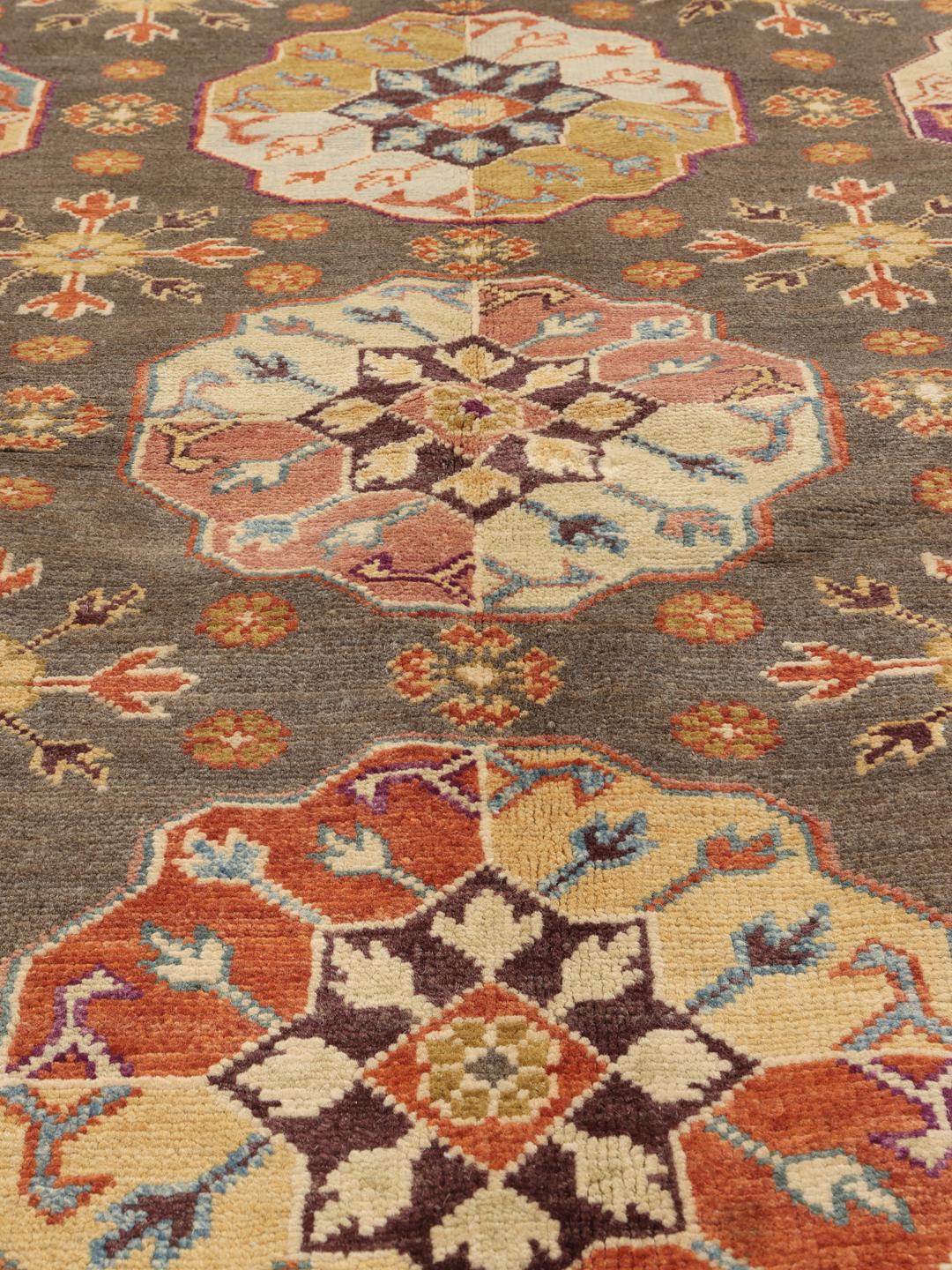
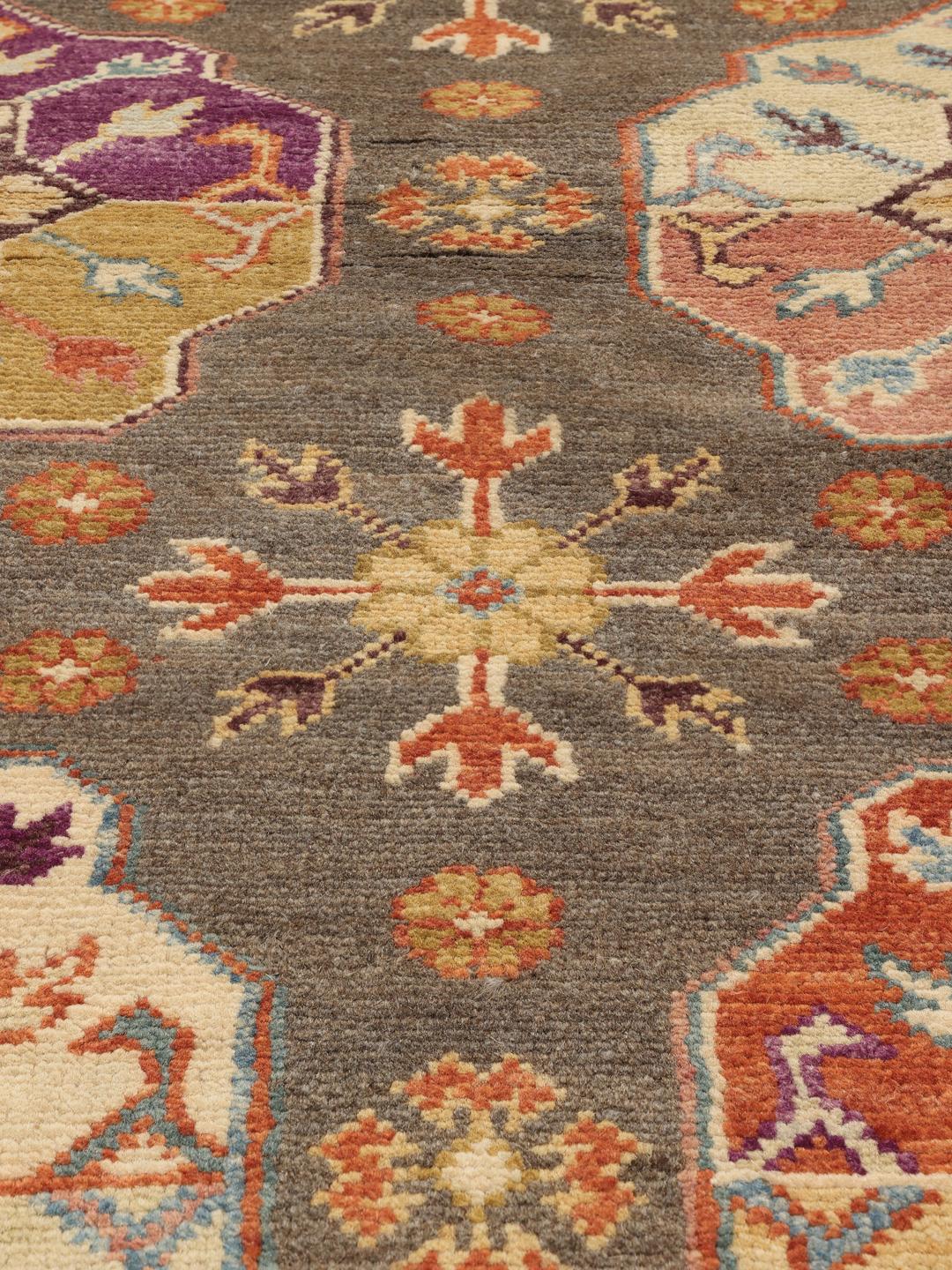
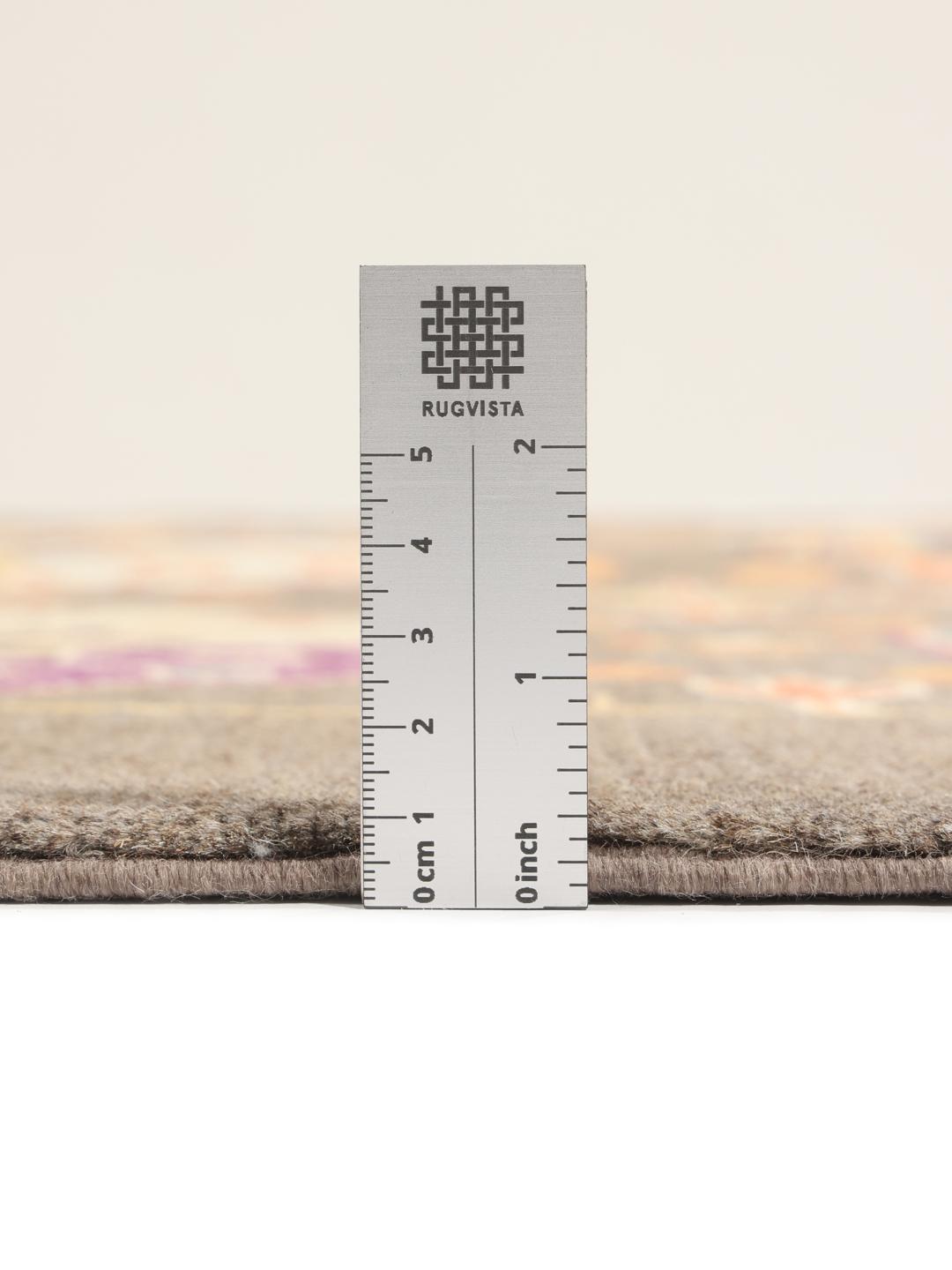
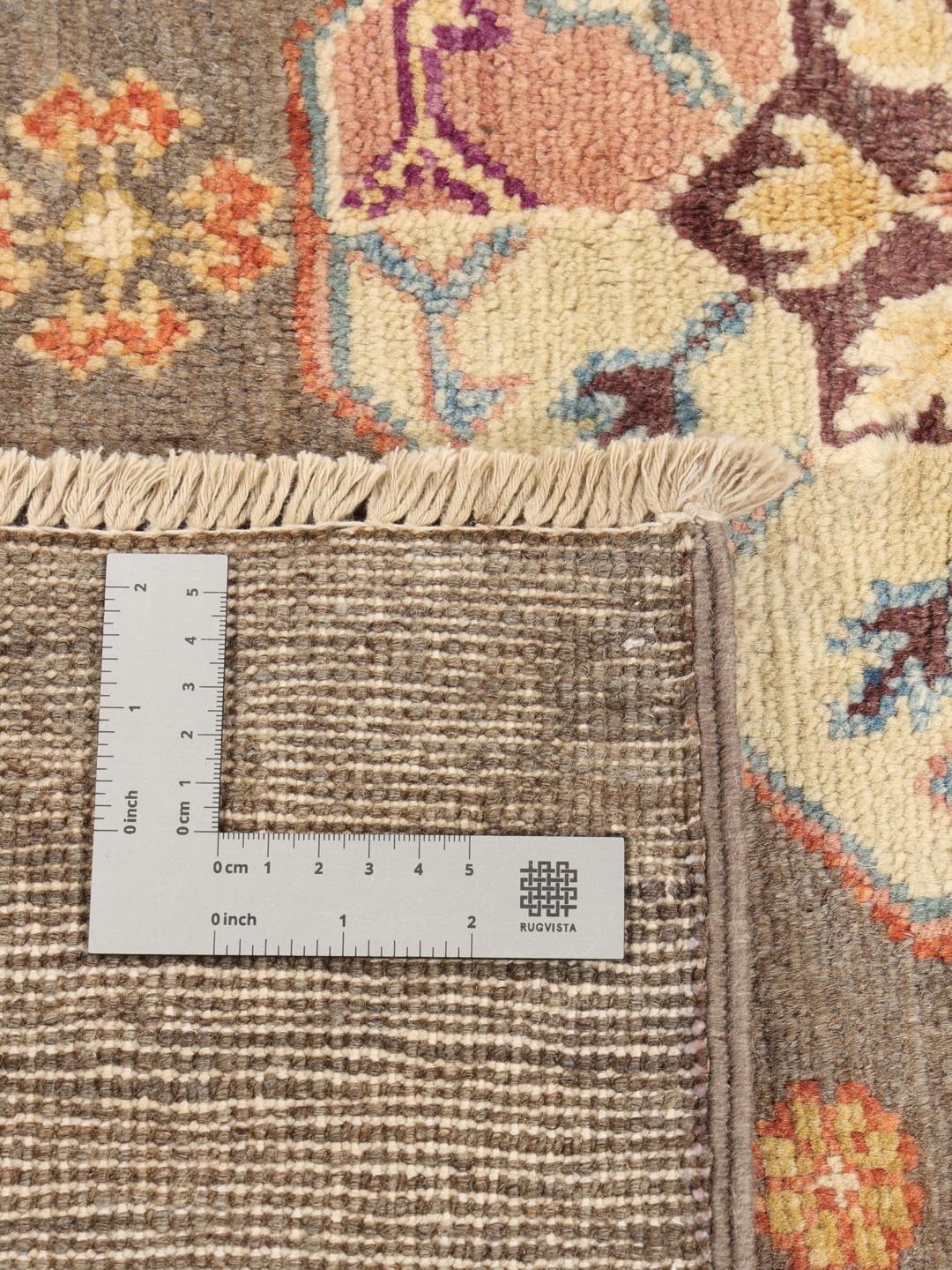
The term Kazak refers to a specific design lineage rather than a single village, encompassing a variety of tribal styles that prioritise strength and symbolic expression. These rugs are known for their use of high-quality wool, which is often hand-spun to retain natural lanolin, resulting in a pile that is not only soft to the touch but also naturally resistant to wear.
Visually, these rugs are defined by their iconic use of large-scale geometric medallions, stylised animals, and hooked motifs. The colour palette is traditionally derived from natural dyes, producing deep, saturated hues that develop a beautiful patina over time. The specific arrangement of these symbols often tells stories of the weaver's environment and cultural heritage.
Collectors value Kazak rugs for their primitive charm and the undeniable human touch present in every variation of their patterns. Owning a piece from this tradition is an investment in cultural heritage, representing a bridge between ancient nomadic artistry and the needs of a contemporary interior.