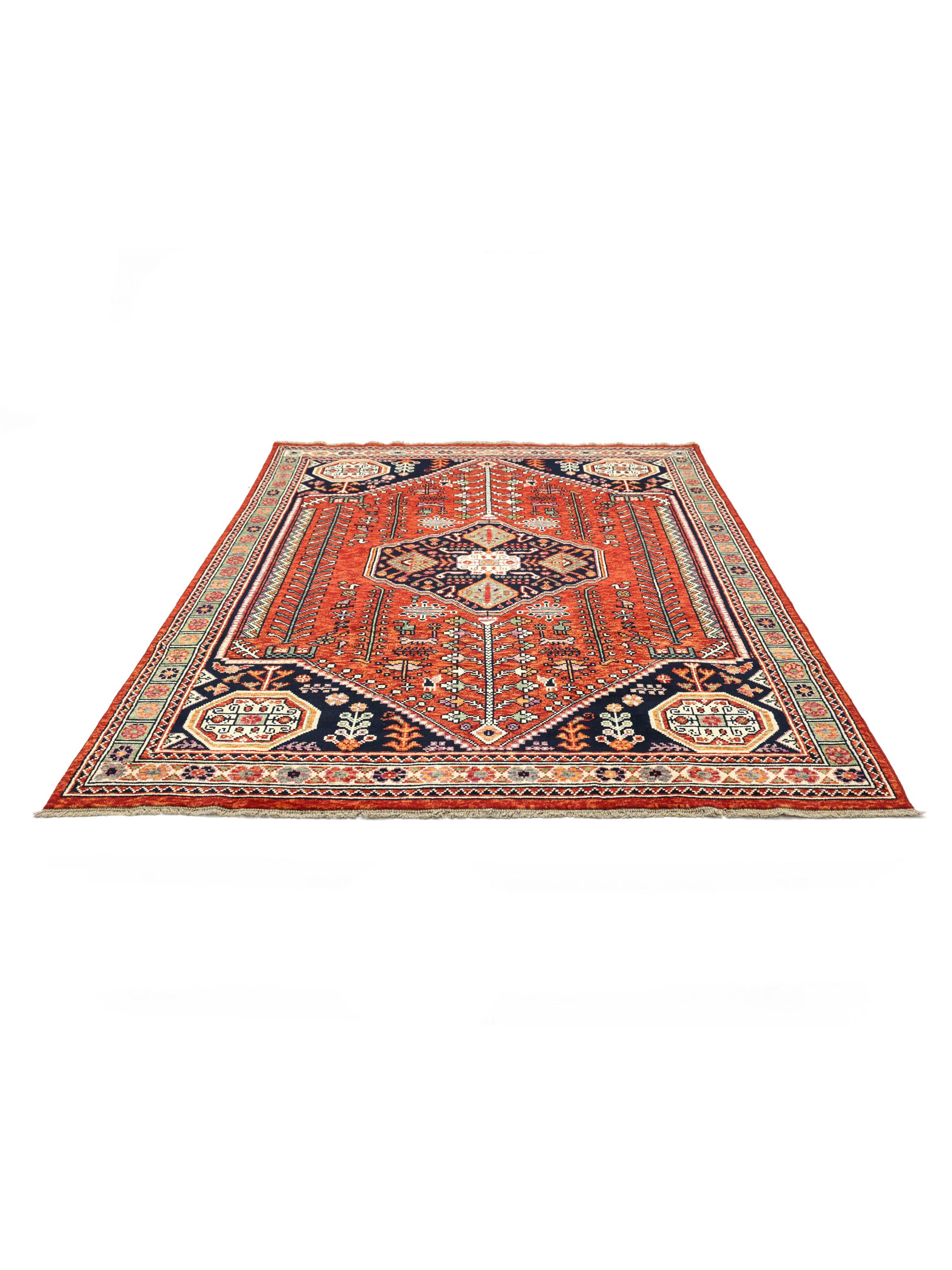
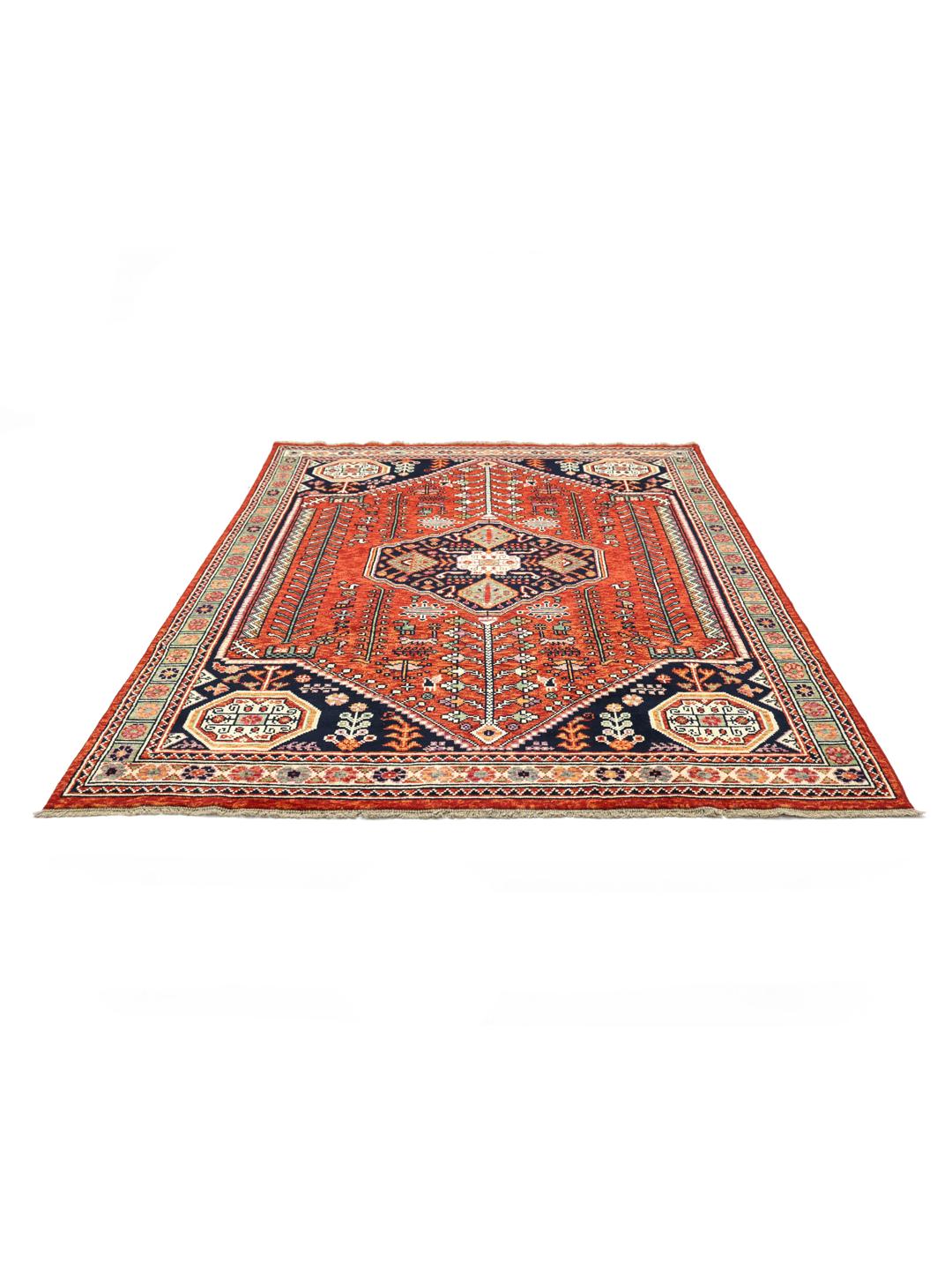
Kazak rugs have a storied history rooted in the Caucasus region, where they were traditionally crafted by nomadic tribes. While the name itself is synonymous with the bold, geometric aesthetic of the Caucasus, today the finest examples are primarily woven in Afghanistan. This evolution represents a continuation of ancient weaving traditions, where weavers have adapted classic designs to incorporate the high-quality local wool and techniques that have become the hallmark of the region.
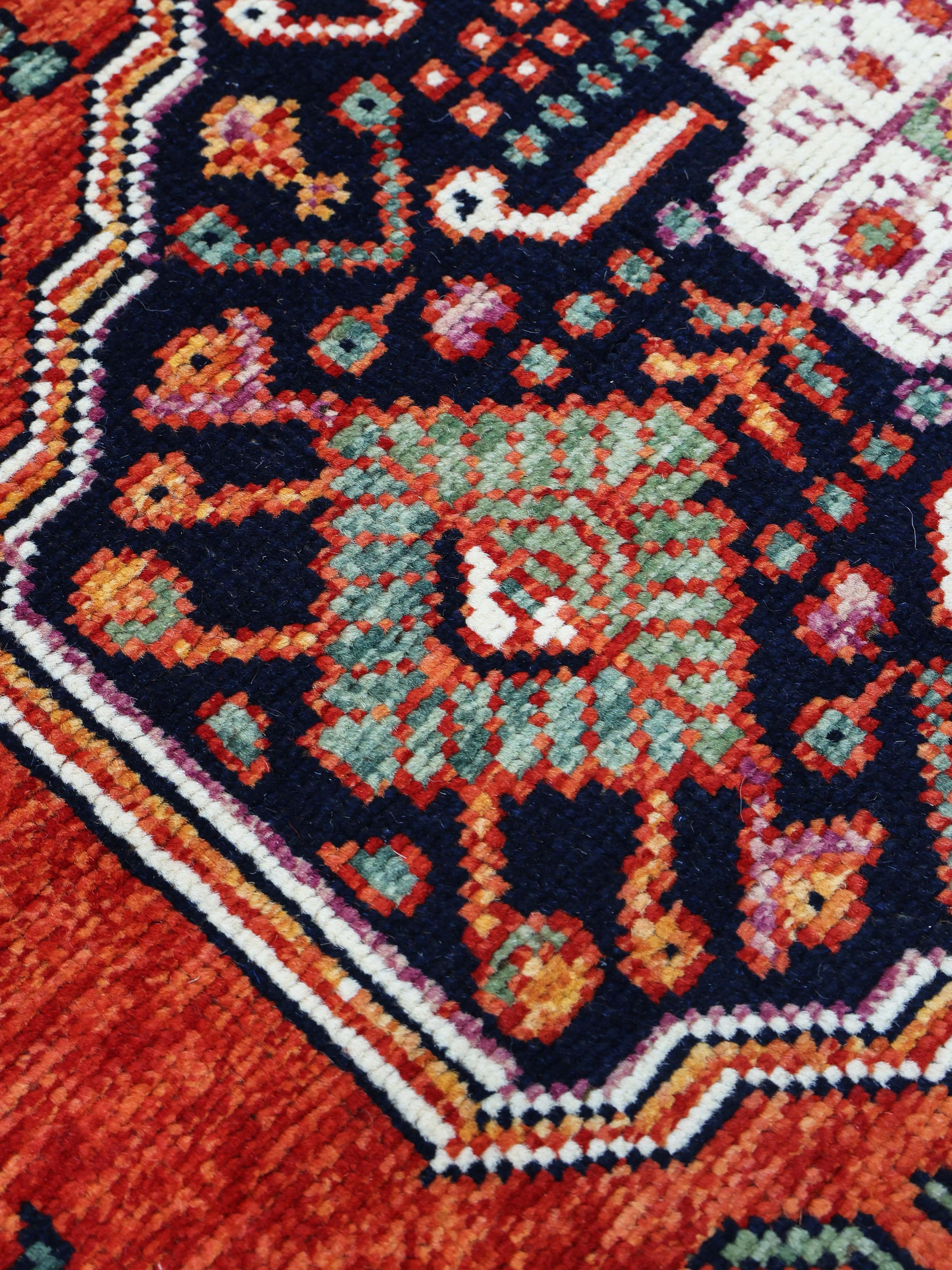
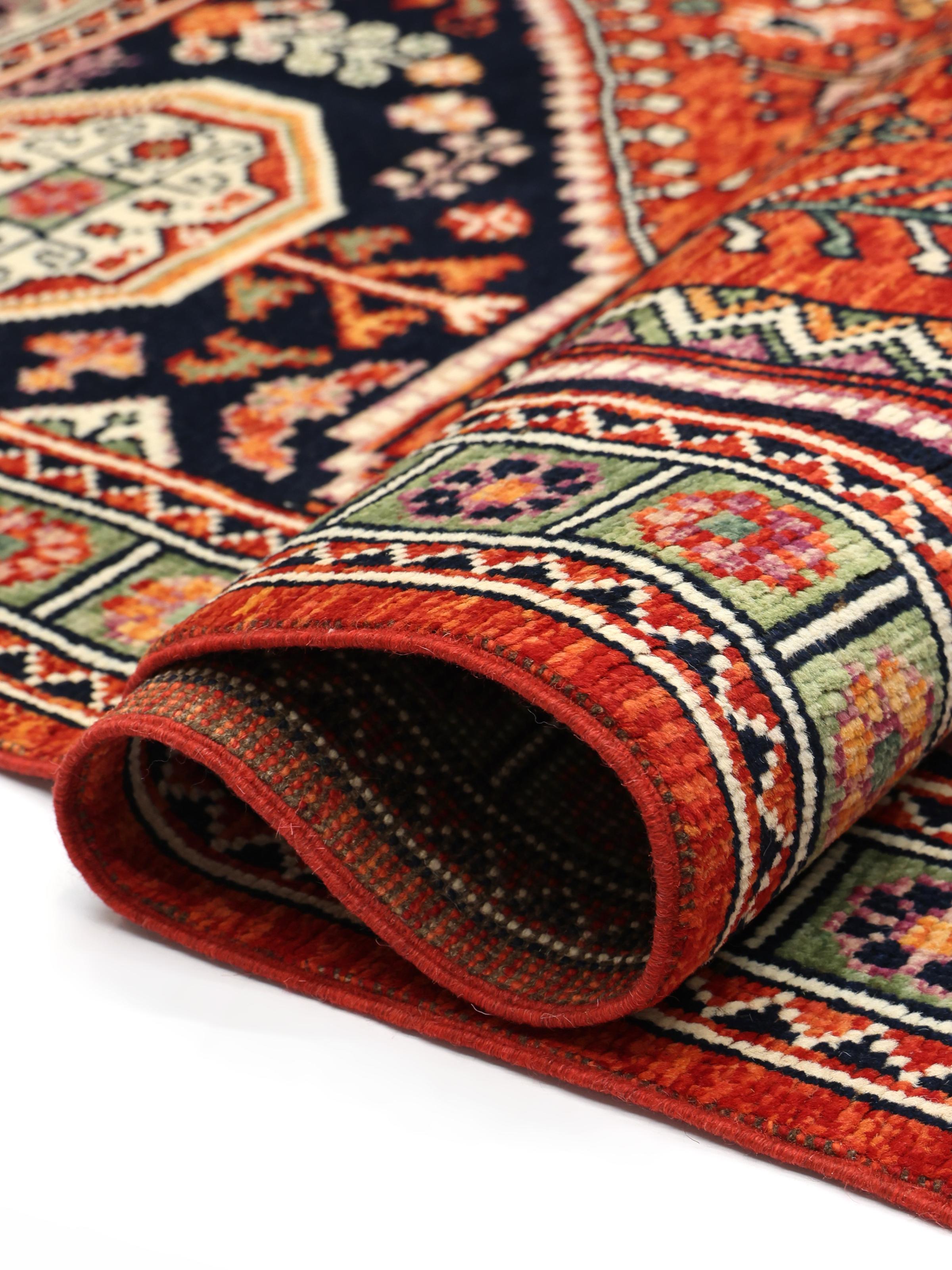
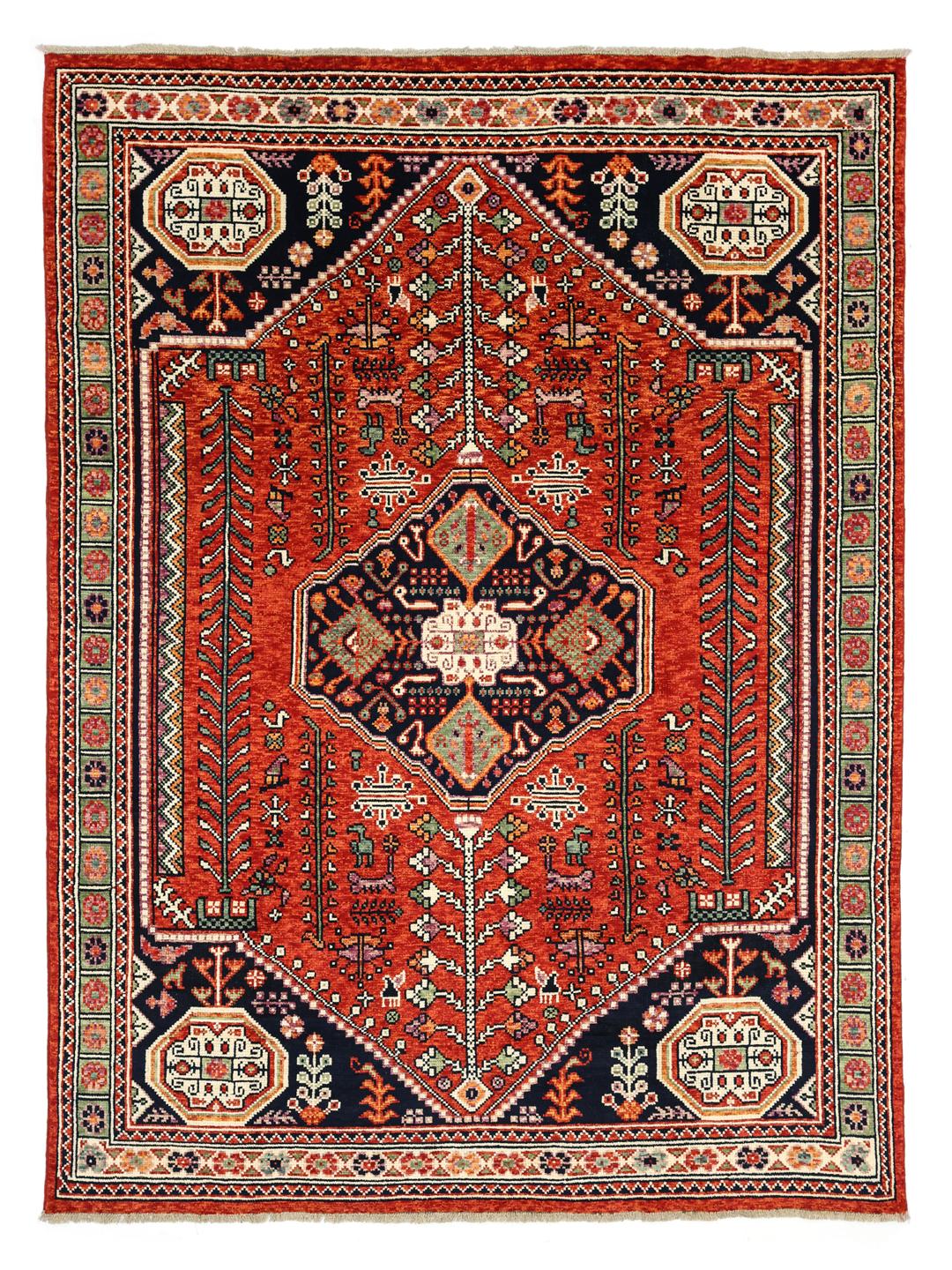
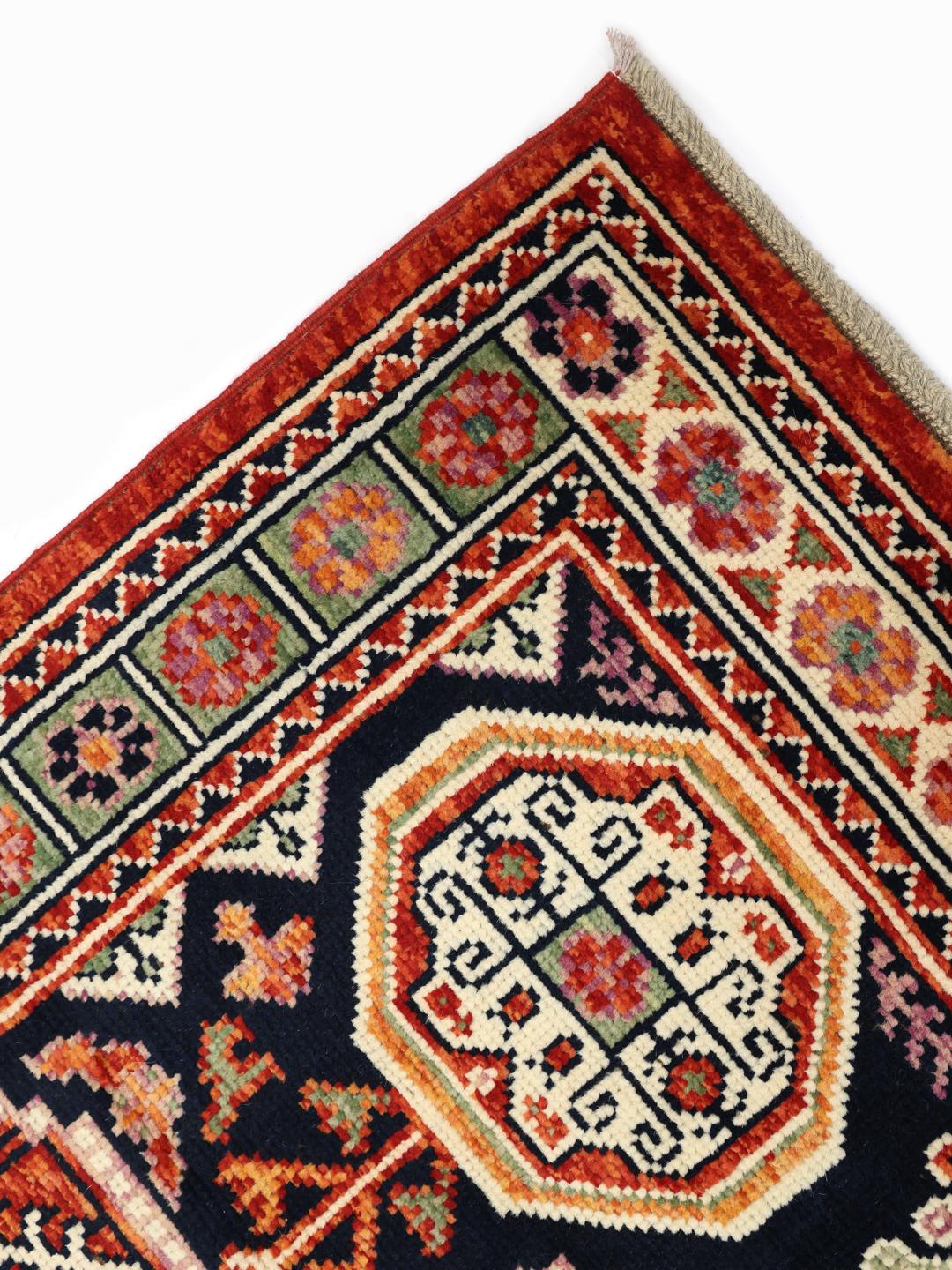
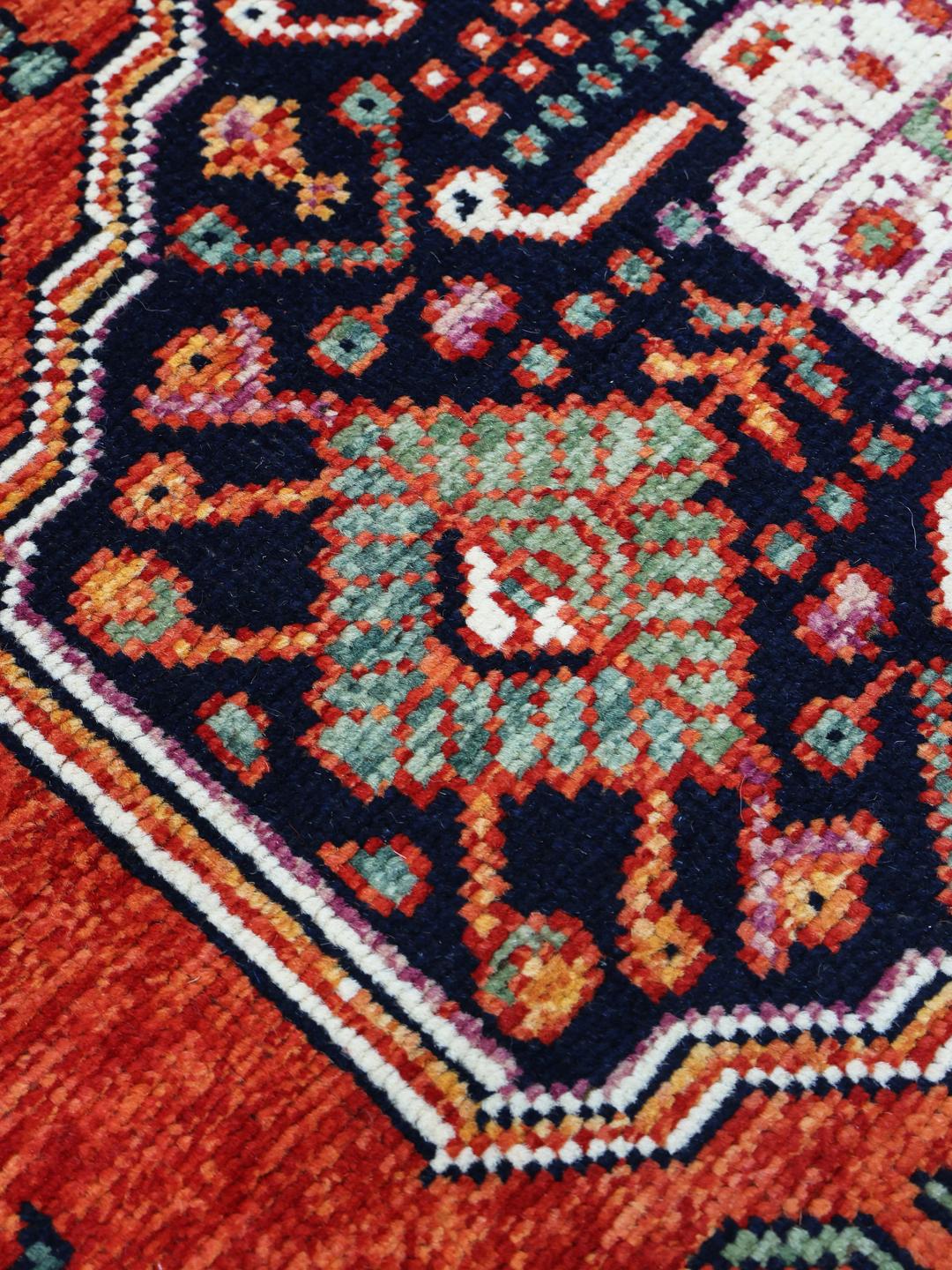
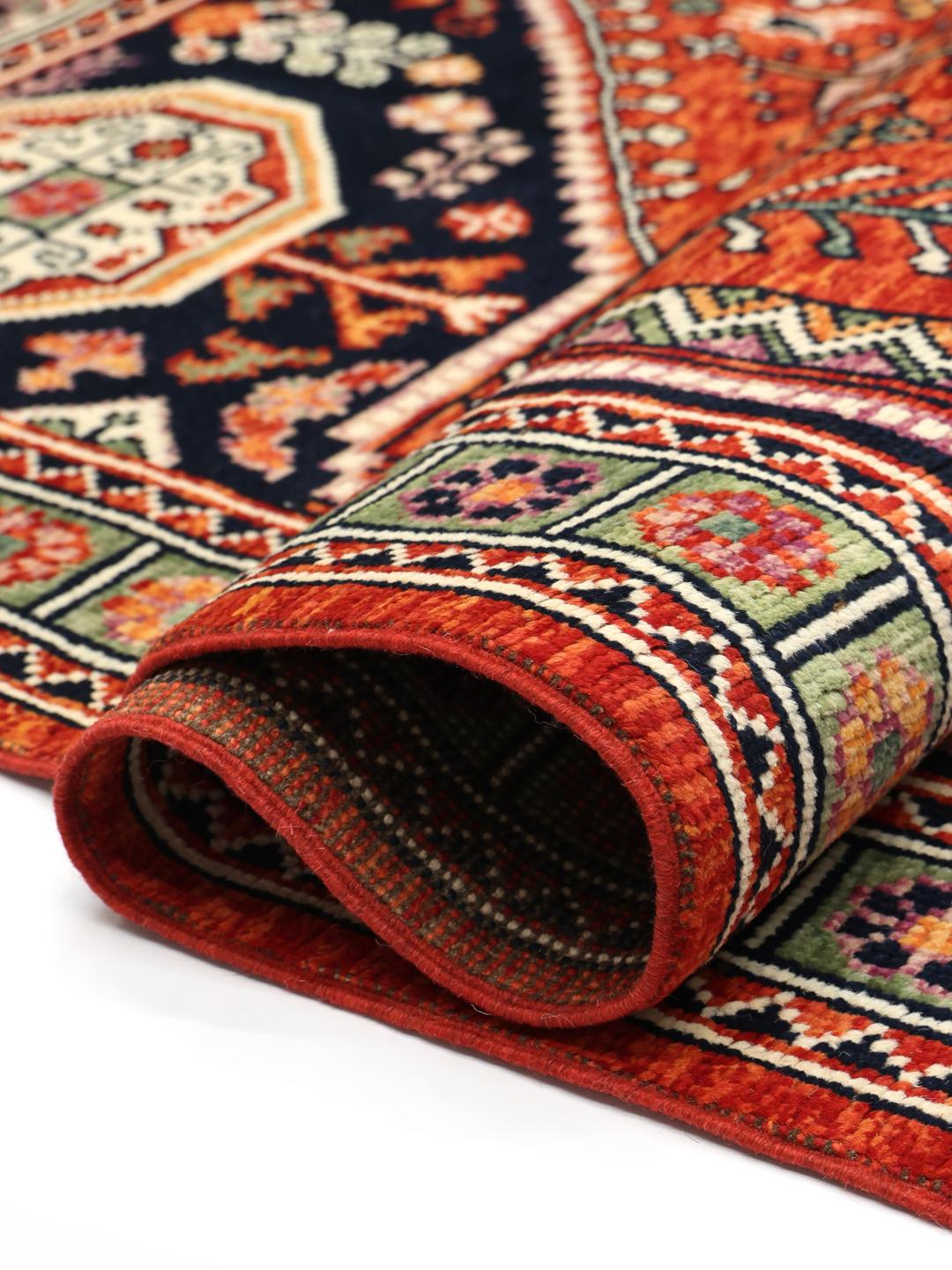
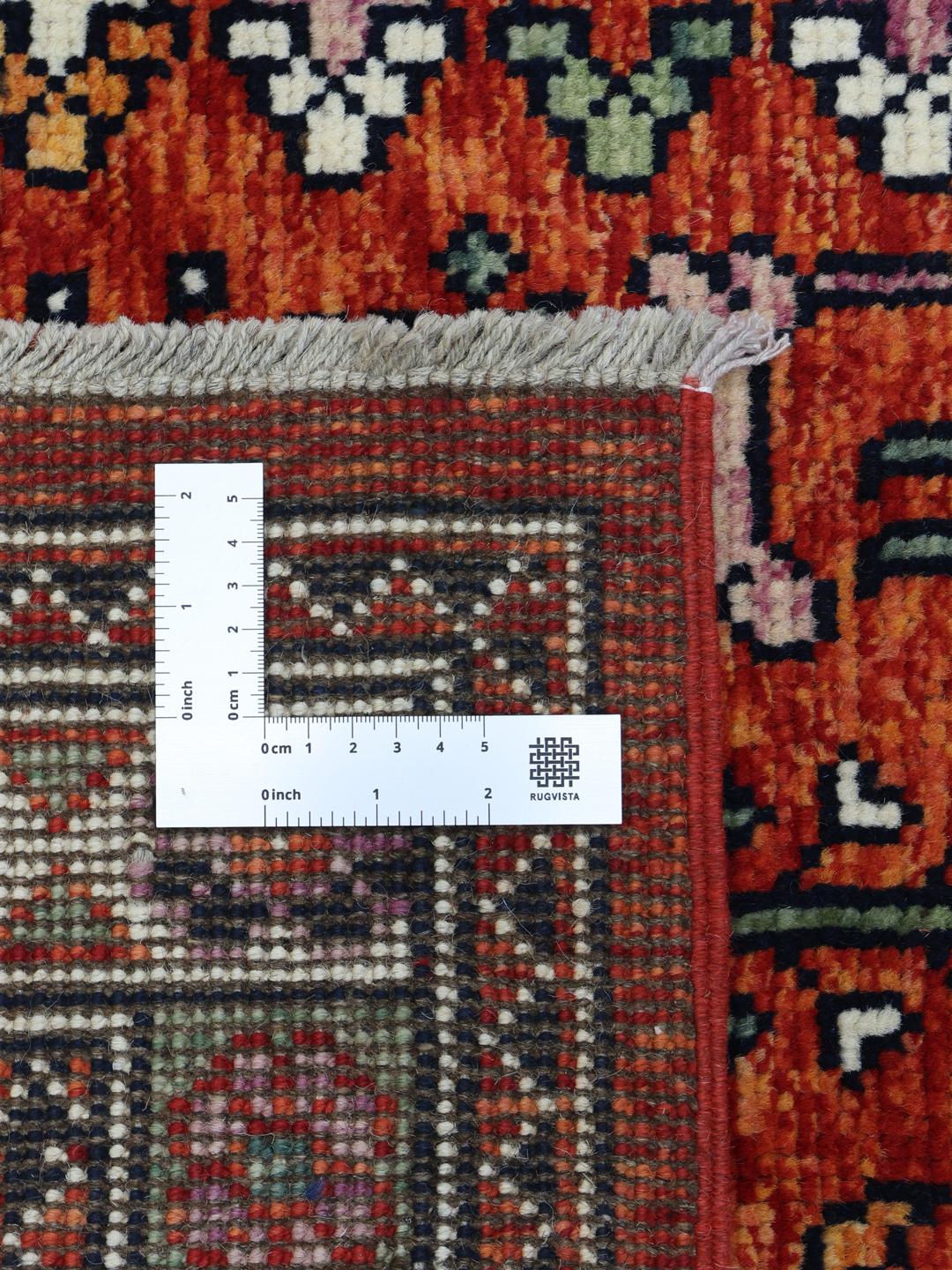
The term 'Kazak' refers to a specific design language rather than a single geographic origin. These rugs are celebrated for their strong, primitive aesthetic, which often features large-scale geometric medallions, stylised animals, and hooked motifs. The construction of these pieces relies on a foundation that provides a firm, stable base, allowing the intricate, hand-knotted pile to stand out with clarity and depth.
Visually, these rugs are defined by their vibrant colour palettes and formal borders that frame the central field. The use of deep, resonant colours is a traditional signature, often achieved through natural dyes that develop a beautiful patina over time. The geometric precision of the medallions and the symbolic nature of the secondary motifs provide a sense of order and balance that has made these rugs highly sought after for centuries.
Owning a hand-knotted Kazak is an investment in cultural heritage and human skill. Because these rugs are not mass-produced, each one carries the imprint of the person who created it. Collectors value these pieces for their authenticity, their ability to bridge the gap between traditional craft and modern living, and the enduring quality that ensures they can be passed down as cherished family heirlooms.