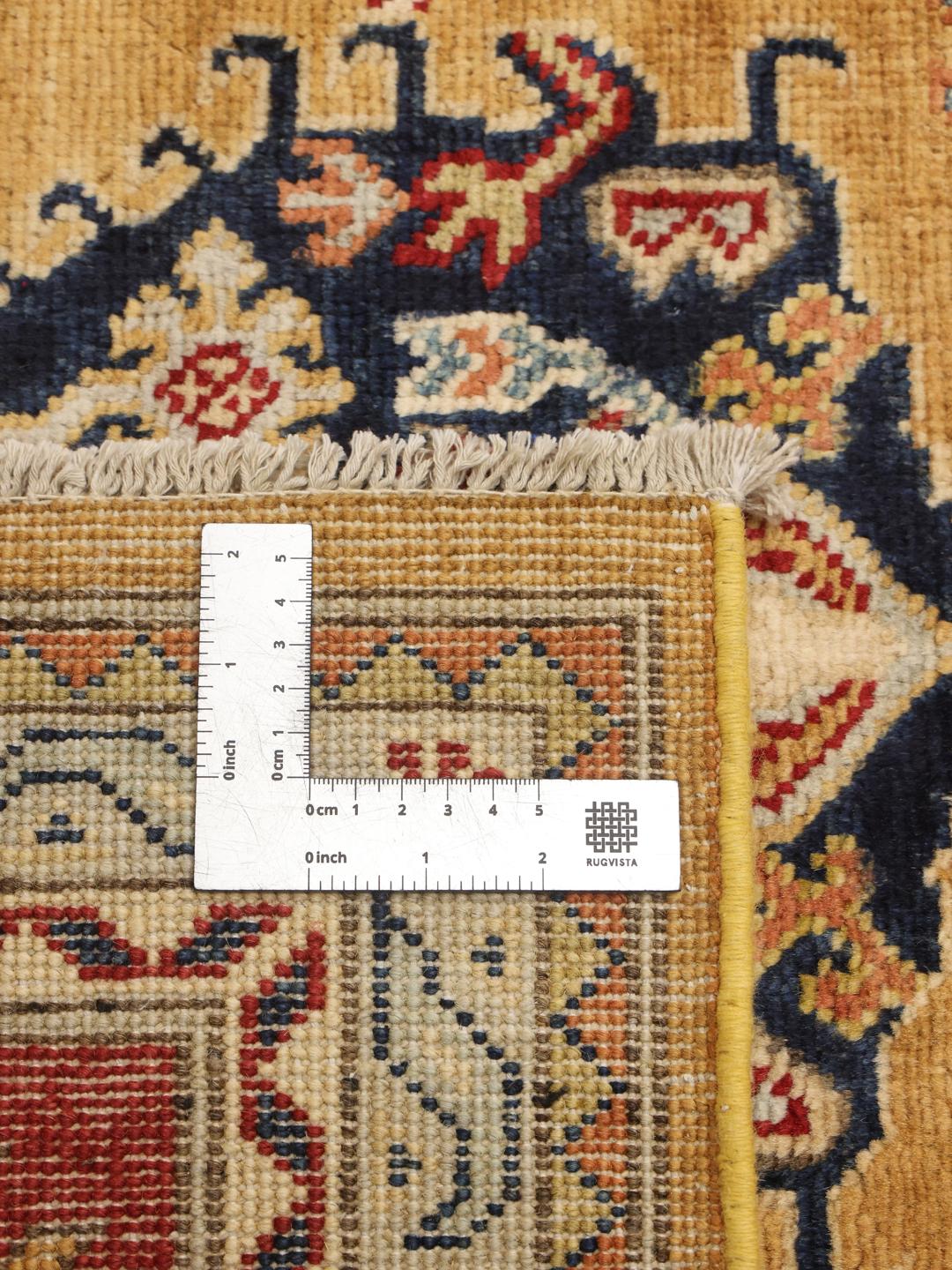
The Kazak rug tradition is rooted in the mountainous regions of the Caucasus, where nomadic and semi-nomadic tribes developed a distinct style of weaving that has been celebrated for centuries. While the original Kazak rugs were produced in the Caucasus, the tradition has evolved and flourished in neighbouring regions, including Afghanistan, where skilled weavers continue to uphold these historic techniques today.
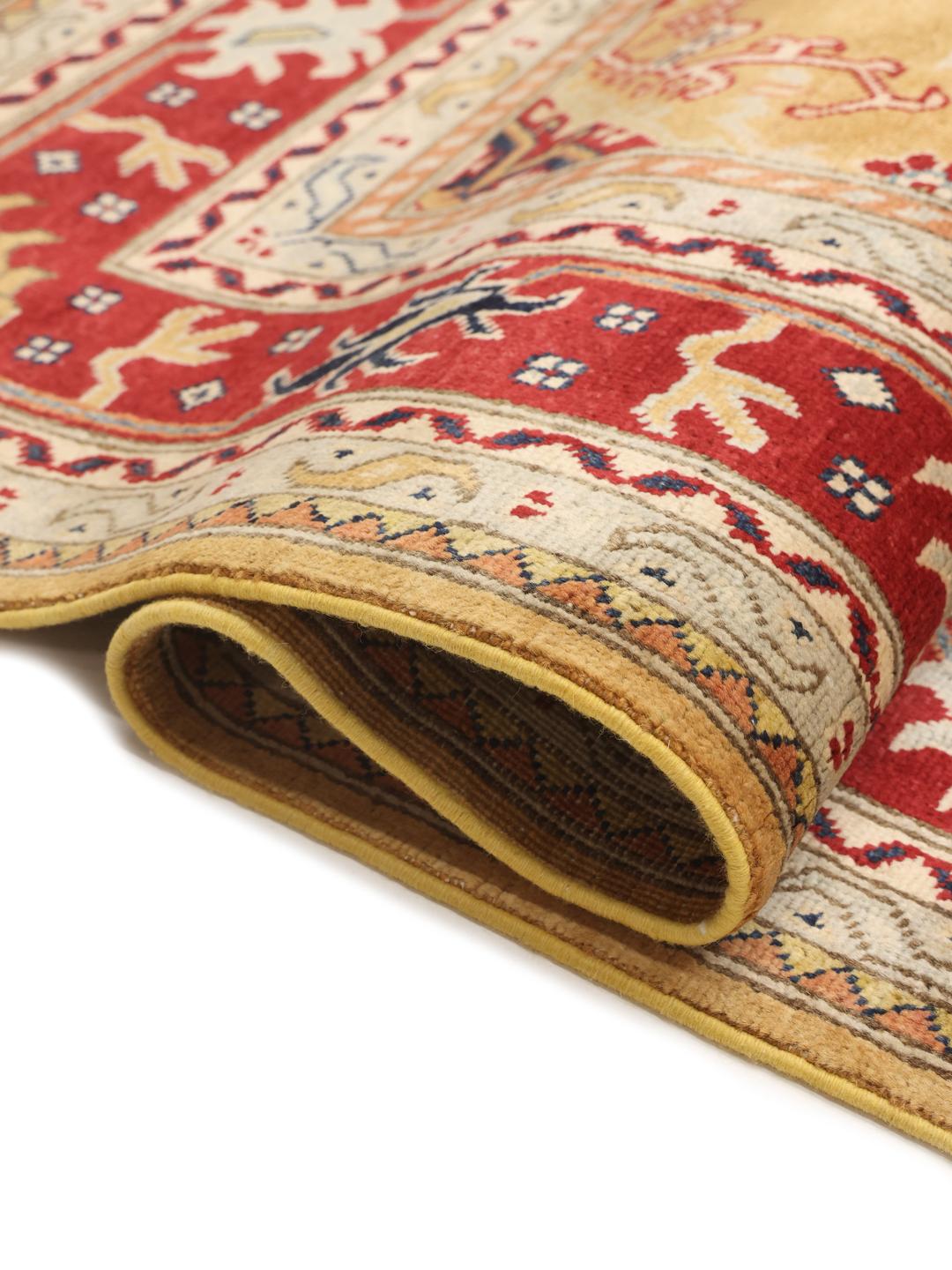
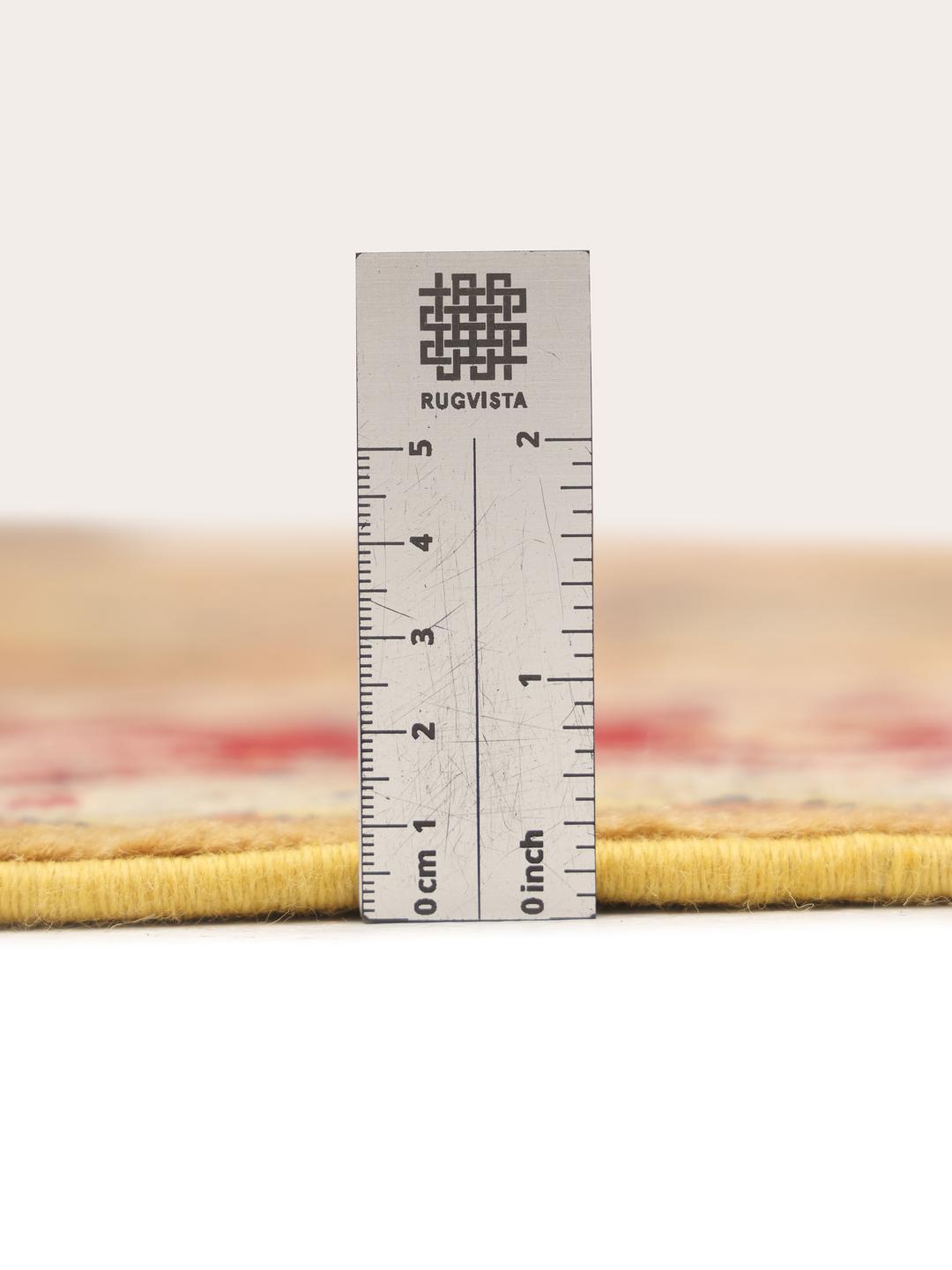
The term 'Kazak' often refers to a specific, bold style of geometric weaving that favours vibrant colours and striking, large-scale motifs. These rugs are traditionally characterised by their long-staple Wool, which provides a durable, lustrous pile that ages gracefully. The construction often employs sturdy foundations, resulting in a heavy, substantial rug that is prized for its longevity.
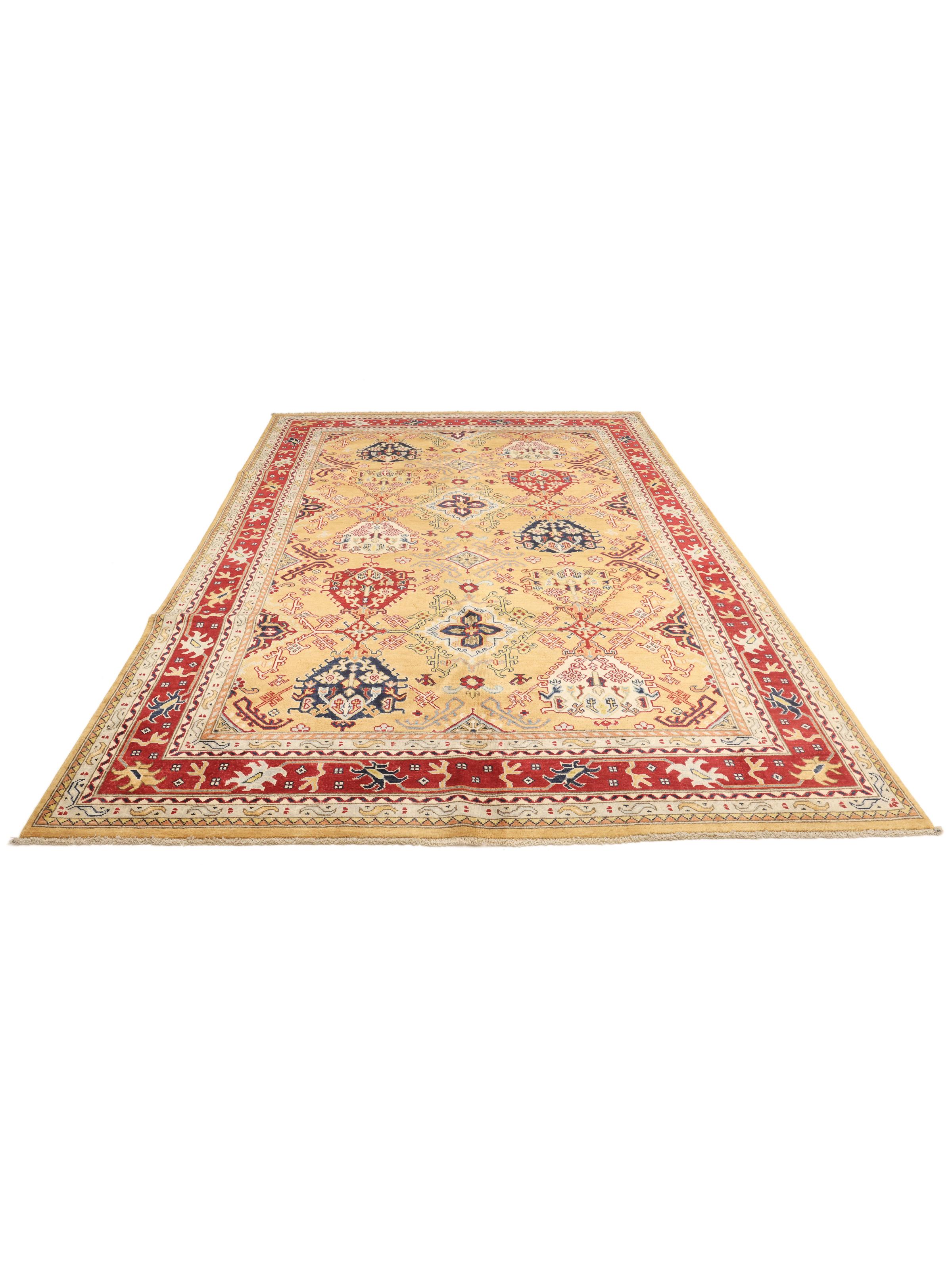
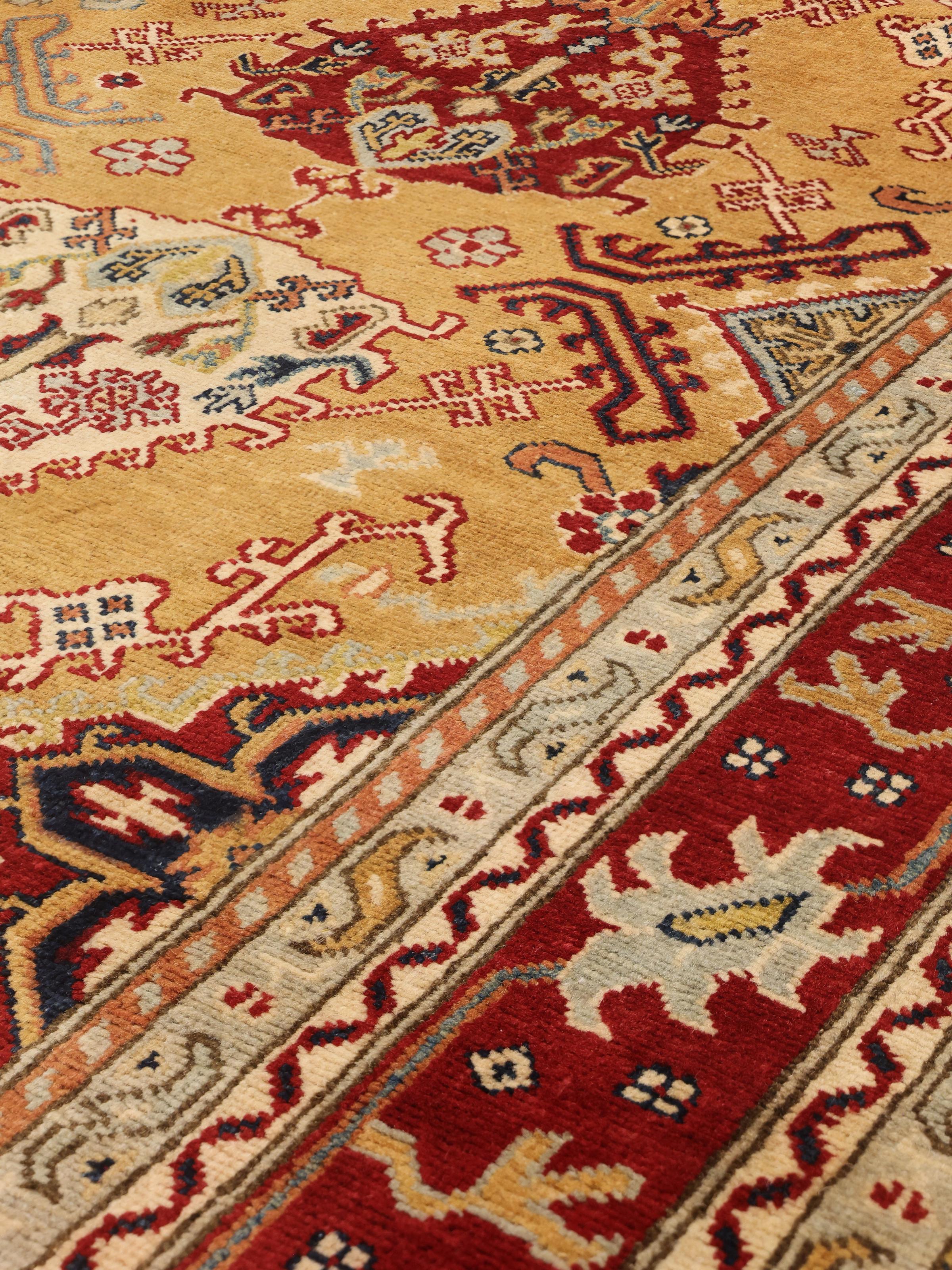
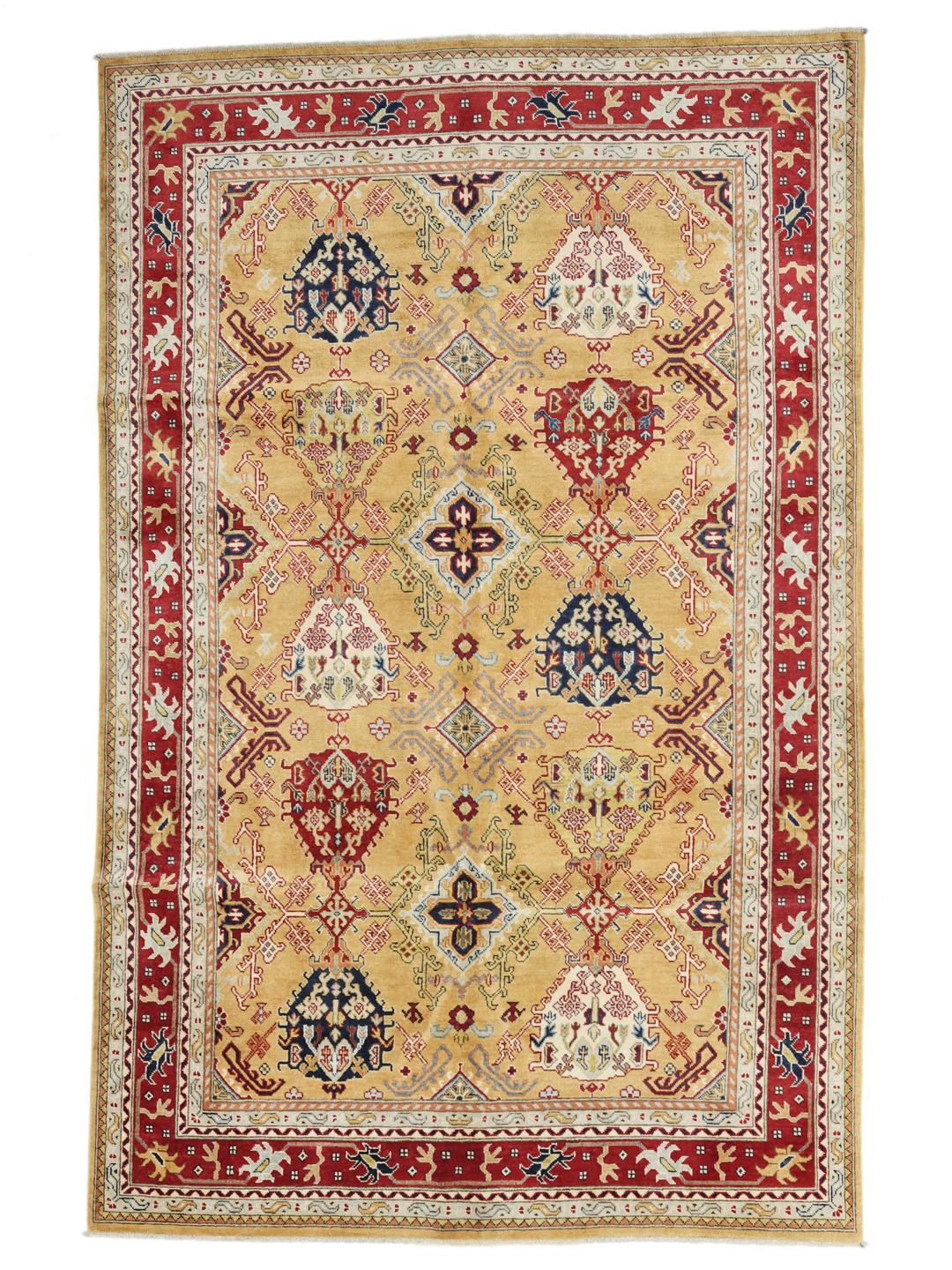
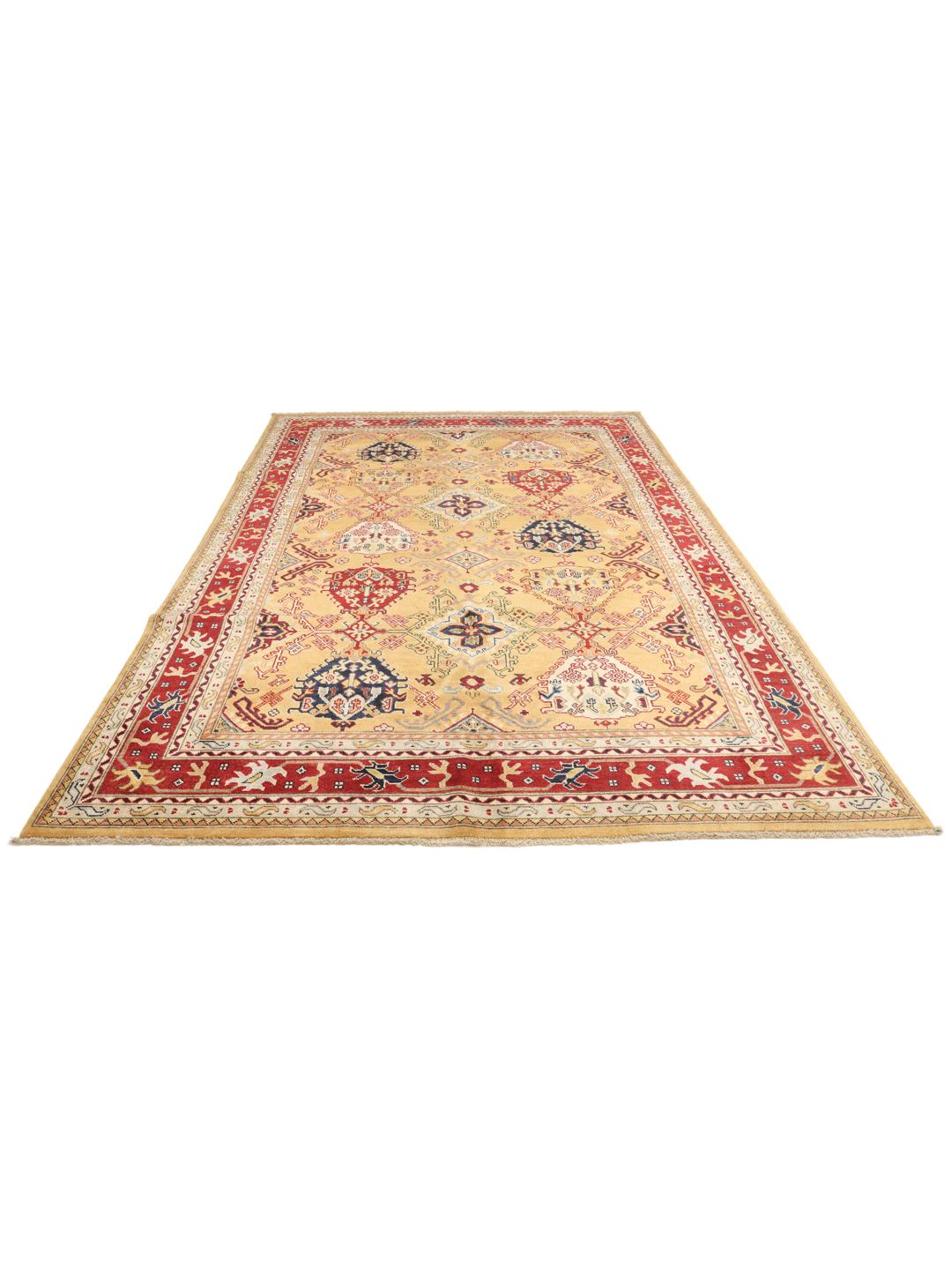
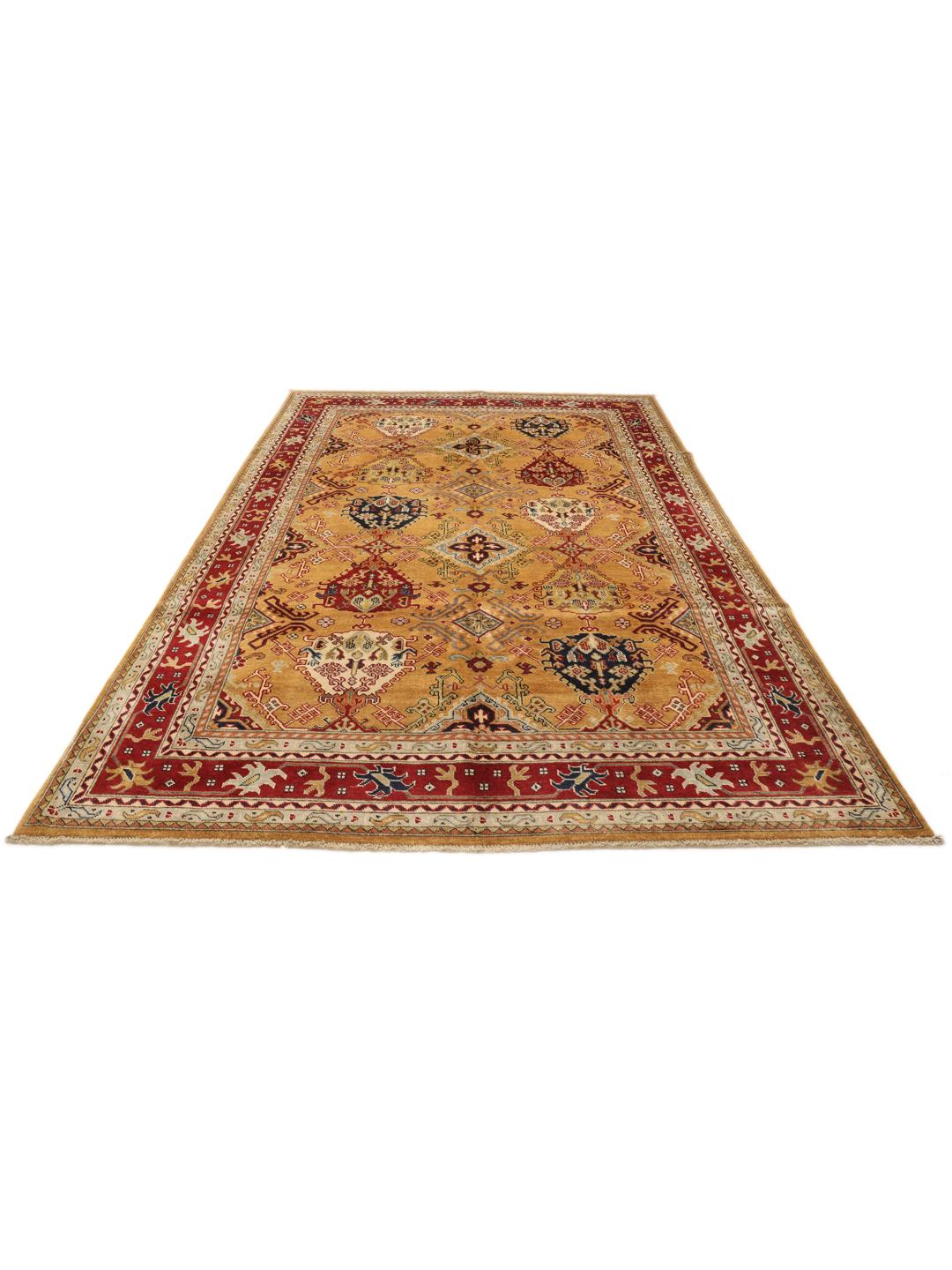
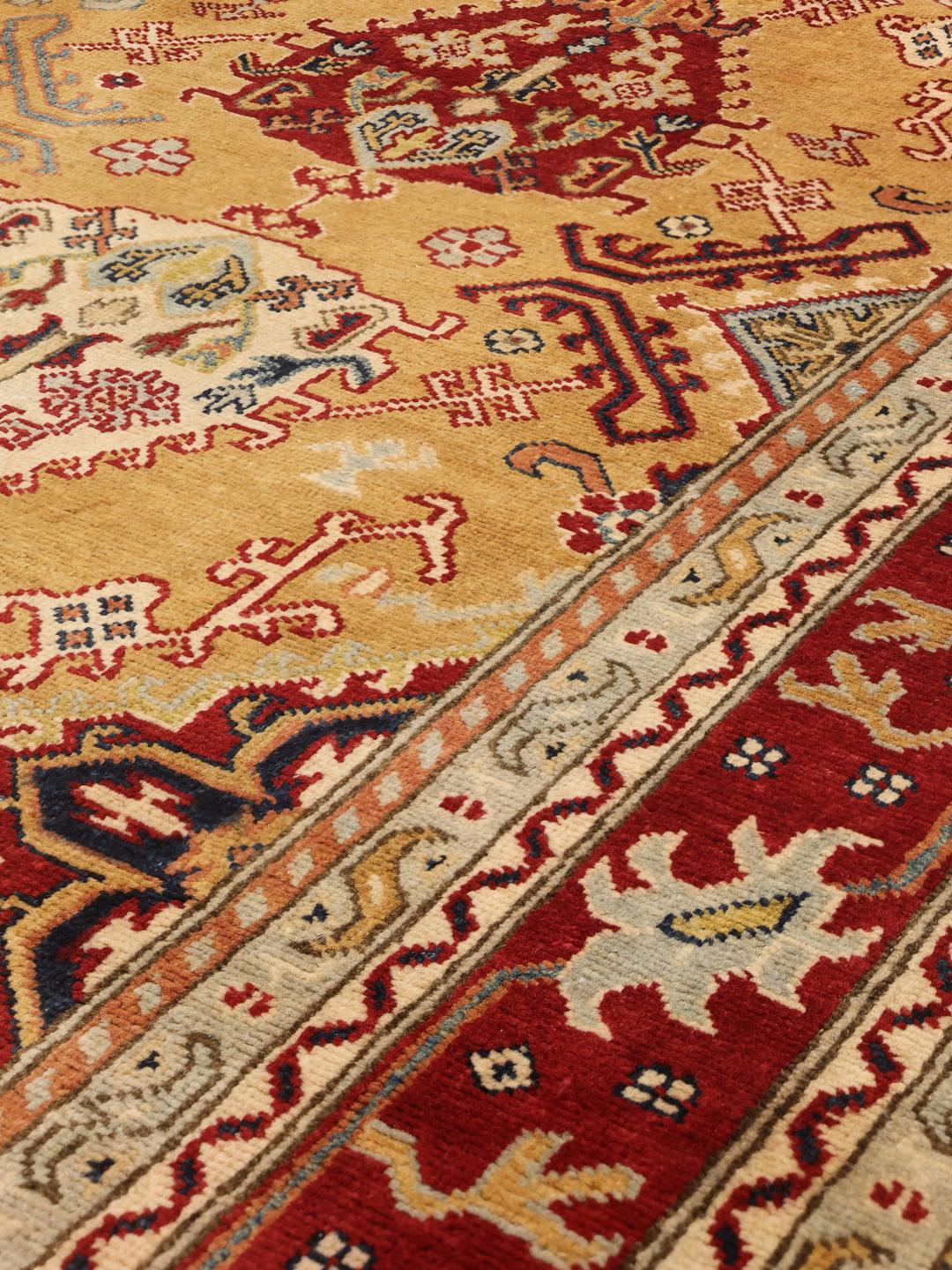
Visually, these rugs are defined by their angular, geometric vocabulary, which frequently includes medallions, latch-hook motifs, and stylised animals or floral elements. The borders are typically formal and decorative, framing the field with repeating patterns that draw the eye inward. This specific piece features a warm, earthy field that highlights the classic, powerful geometry synonymous with the Kazak tradition.
Owning a Kazak rug is an investment in cultural history and artisan skill. Because these rugs are produced in limited numbers and often follow ancestral patterns, they carry a sense of heritage that mass-produced items lack. Collectors value these pieces for their authentic character and the unique story each rug tells through its specific colour choices and design variations.