Kazak rugs originate from the Caucasus region, historically serving as a bridge between nomadic tribal traditions and settled weaving communities. While the name itself is often associated with the Cossack tribes of the Russian Empire, the rugs are celebrated for their bold, rustic aesthetic. Today, the tradition continues to thrive in Afghanistan, where weavers have mastered these iconic styles, preserving the ancient techniques that define this category.
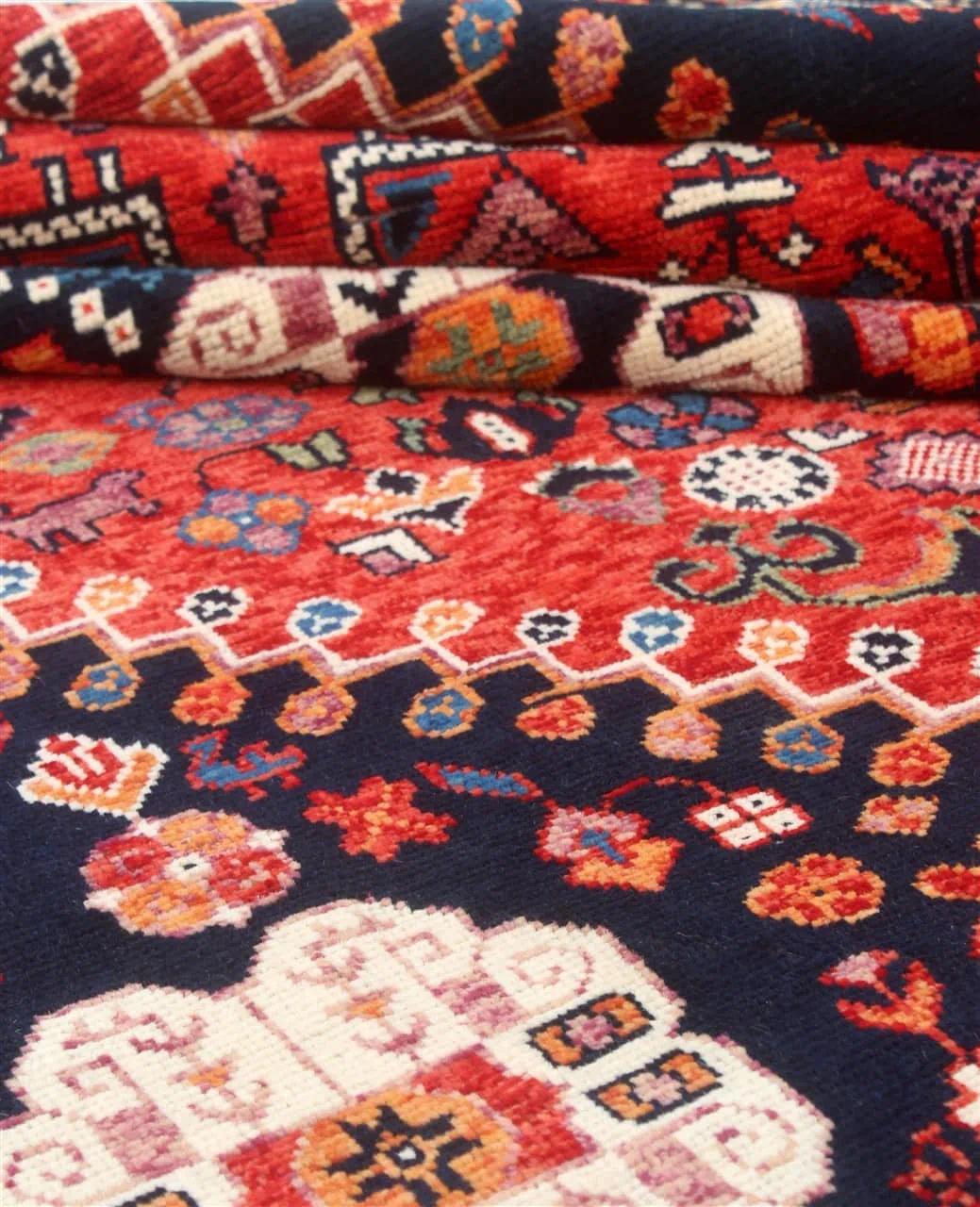
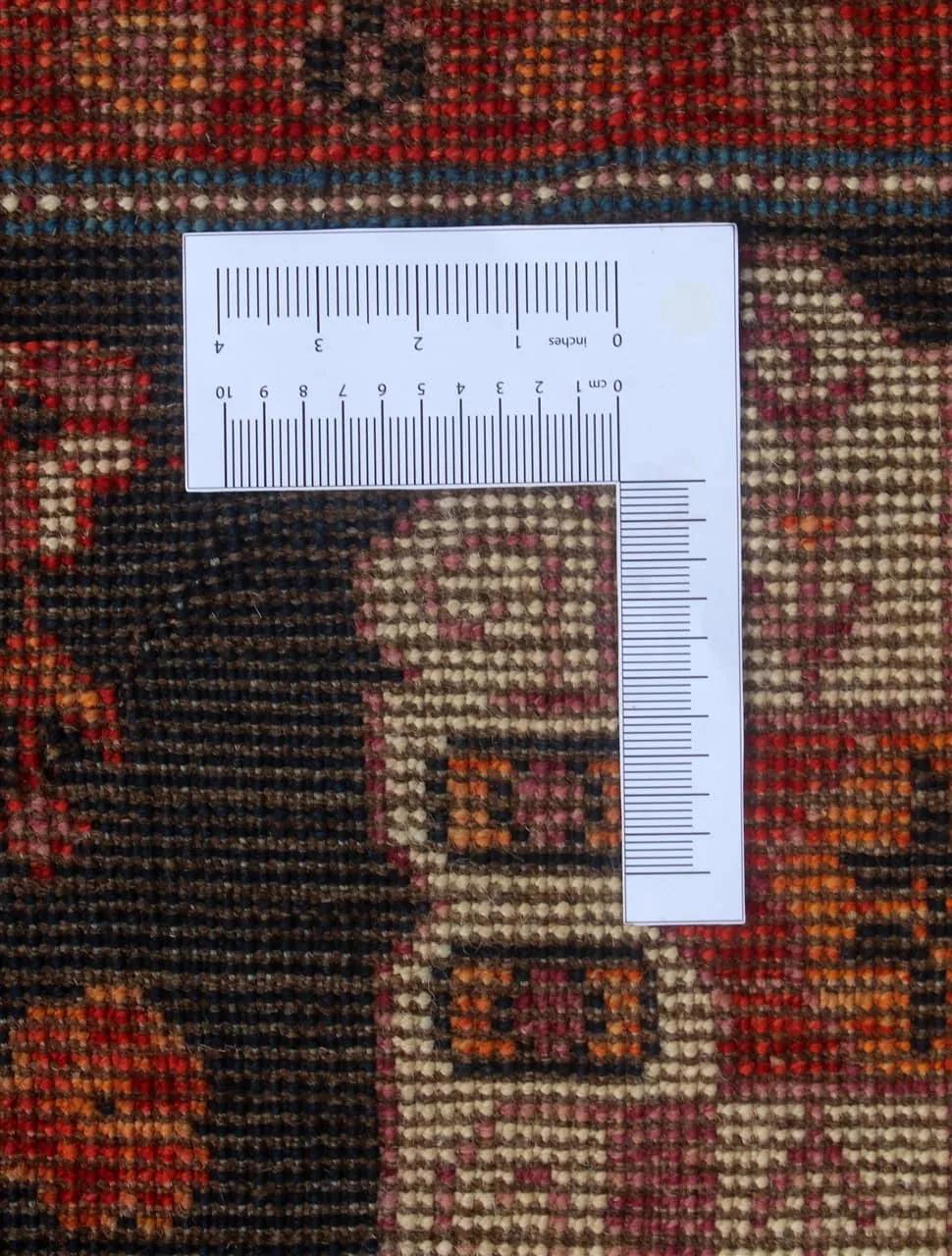
The term 'Kazak' refers to a specific style of weaving characterised by its strong, geometric designs and high-pile construction. These rugs are traditionally woven using a double-weft technique, which provides extra stability and a thicker, more durable body. This structural approach is essential for achieving the bold, sculptural look that enthusiasts of the style expect, ensuring the rug remains a functional piece of art for generations.
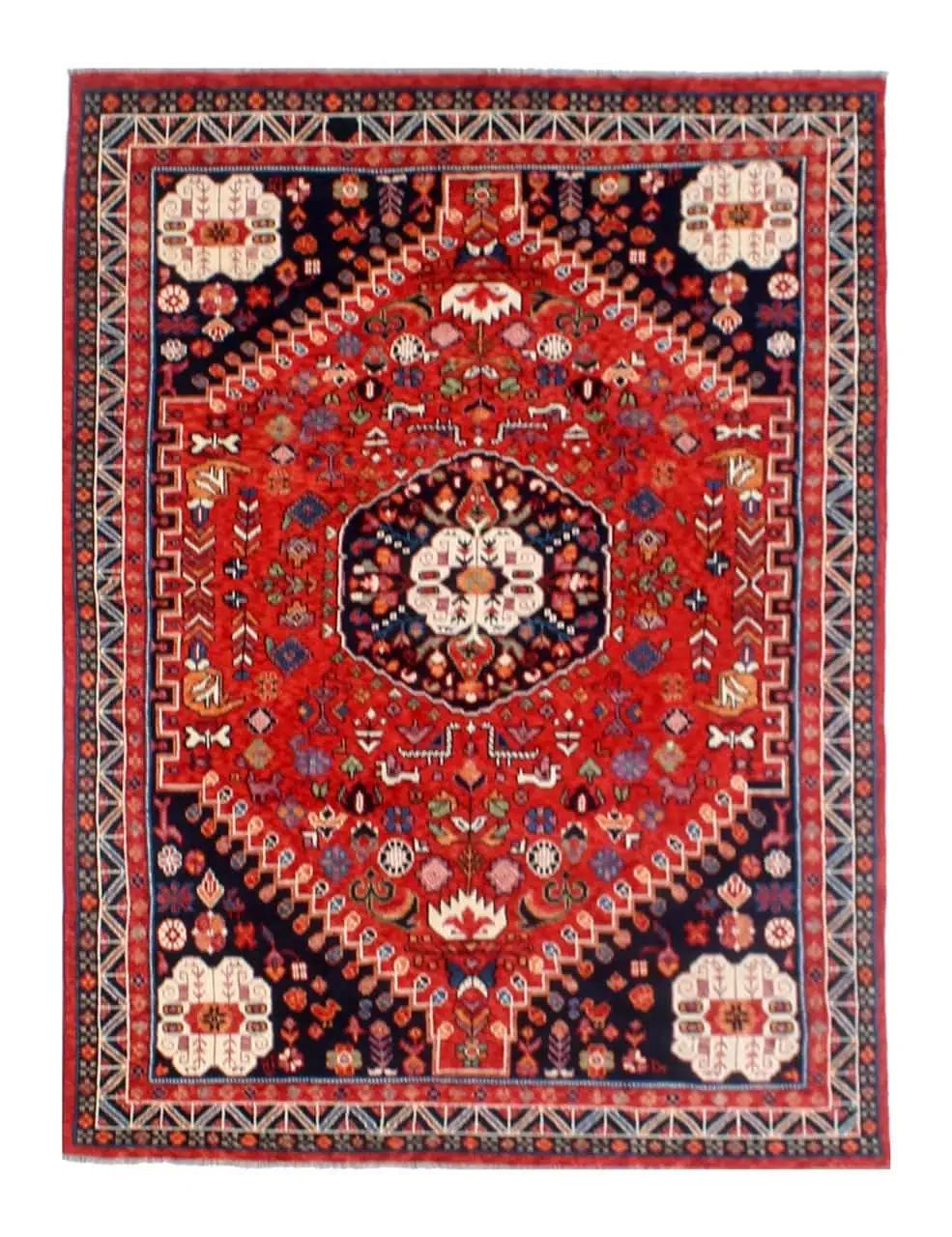
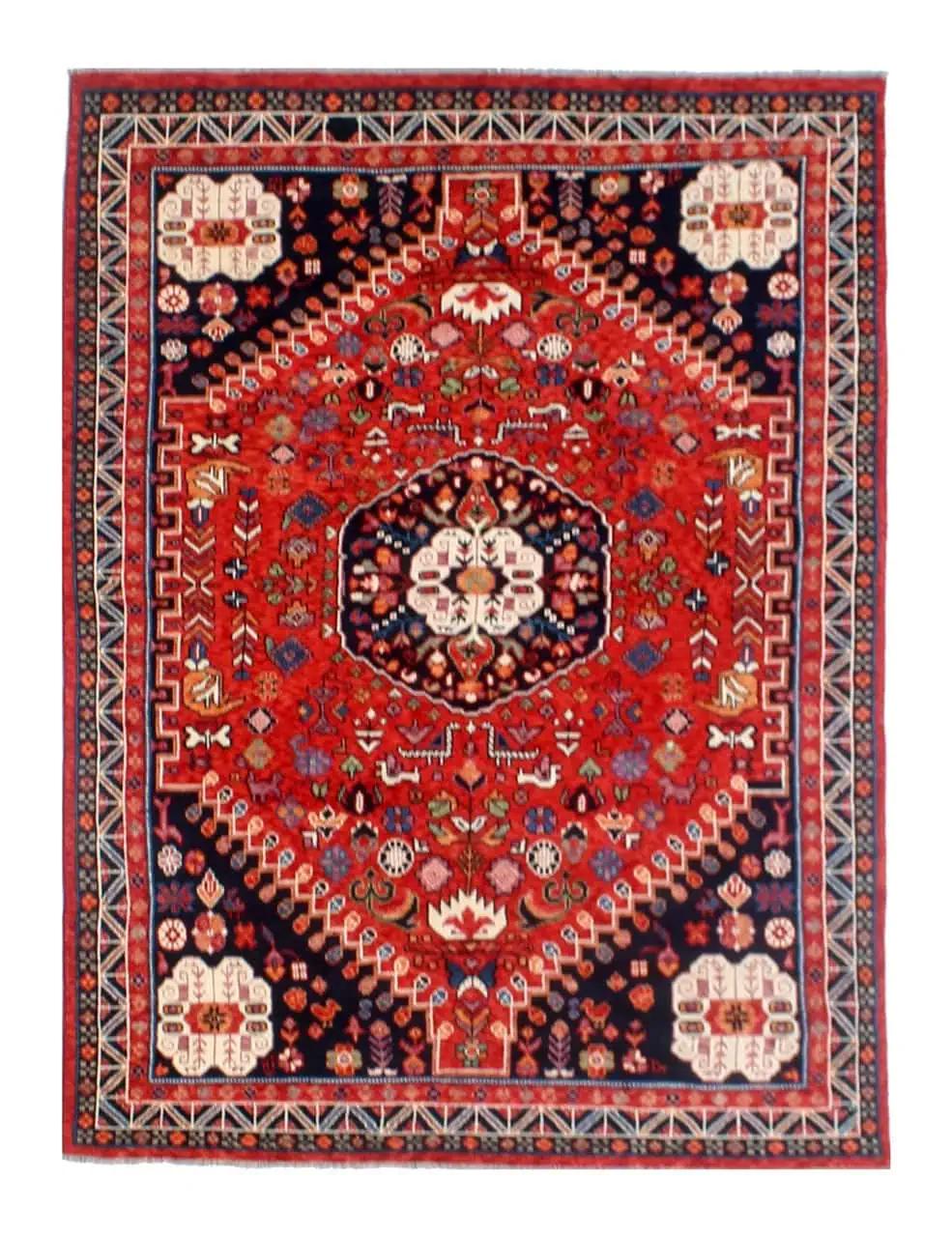
Signature elements of a Kazak rug include large-scale geometric medallions, often referred to as 'guls' or 'elephant-foot' motifs, and striking, angular borders. The colour palette typically leans toward deep, earthy tones, with red and blue being dominant. This specific piece stands out for its masterful balance of dark and light elements, which highlights the precision of the tribal-inspired patterns set against a vibrant field.
Collectors value Kazak rugs for their untamed beauty and the deep cultural narrative they carry. Owning a piece from this tradition is an investment in human skill and regional history. These rugs are not merely floor coverings but are highly regarded for their ability to bring a sense of heritage and authentic, grounded warmth to contemporary homes.