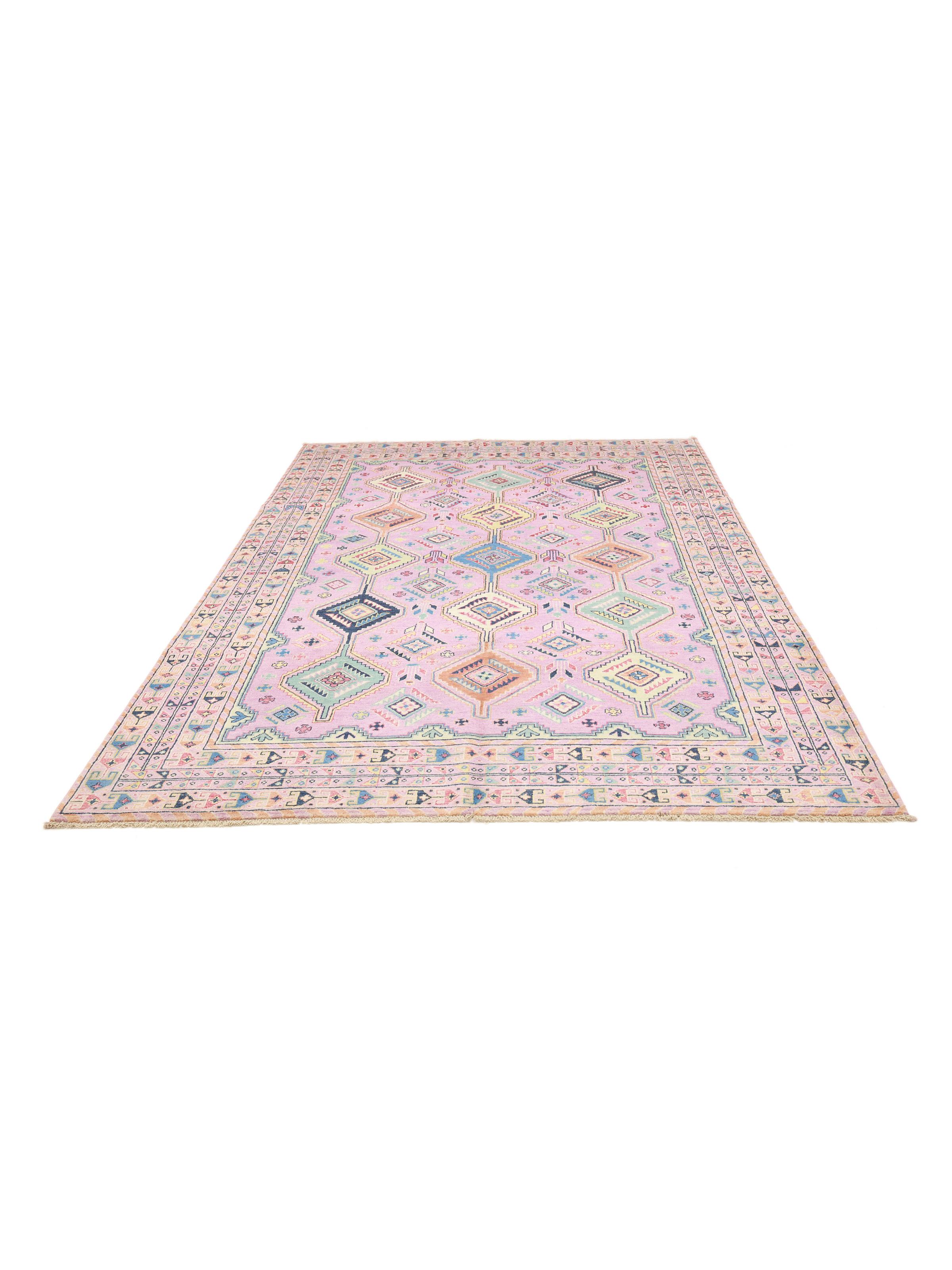
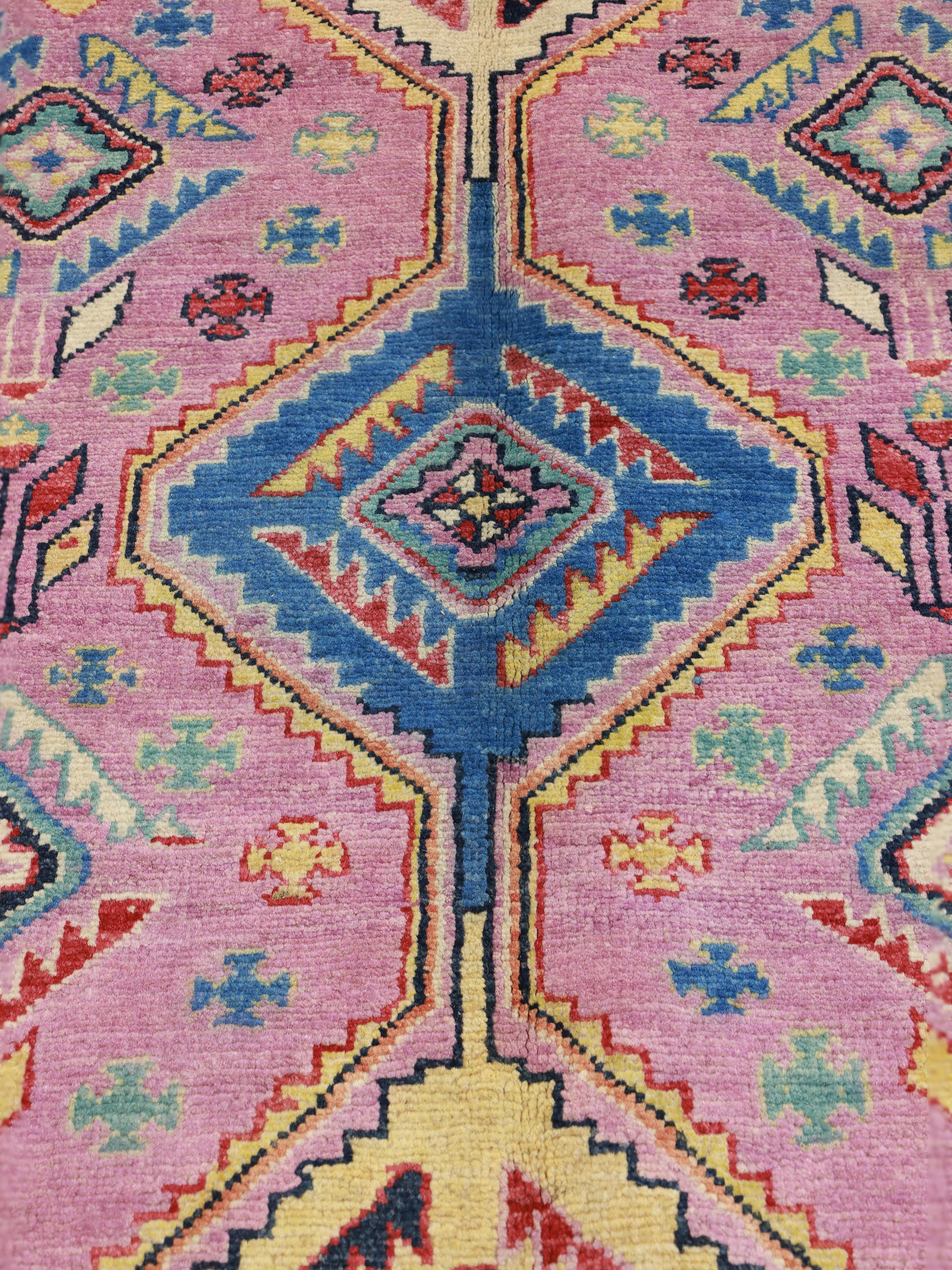
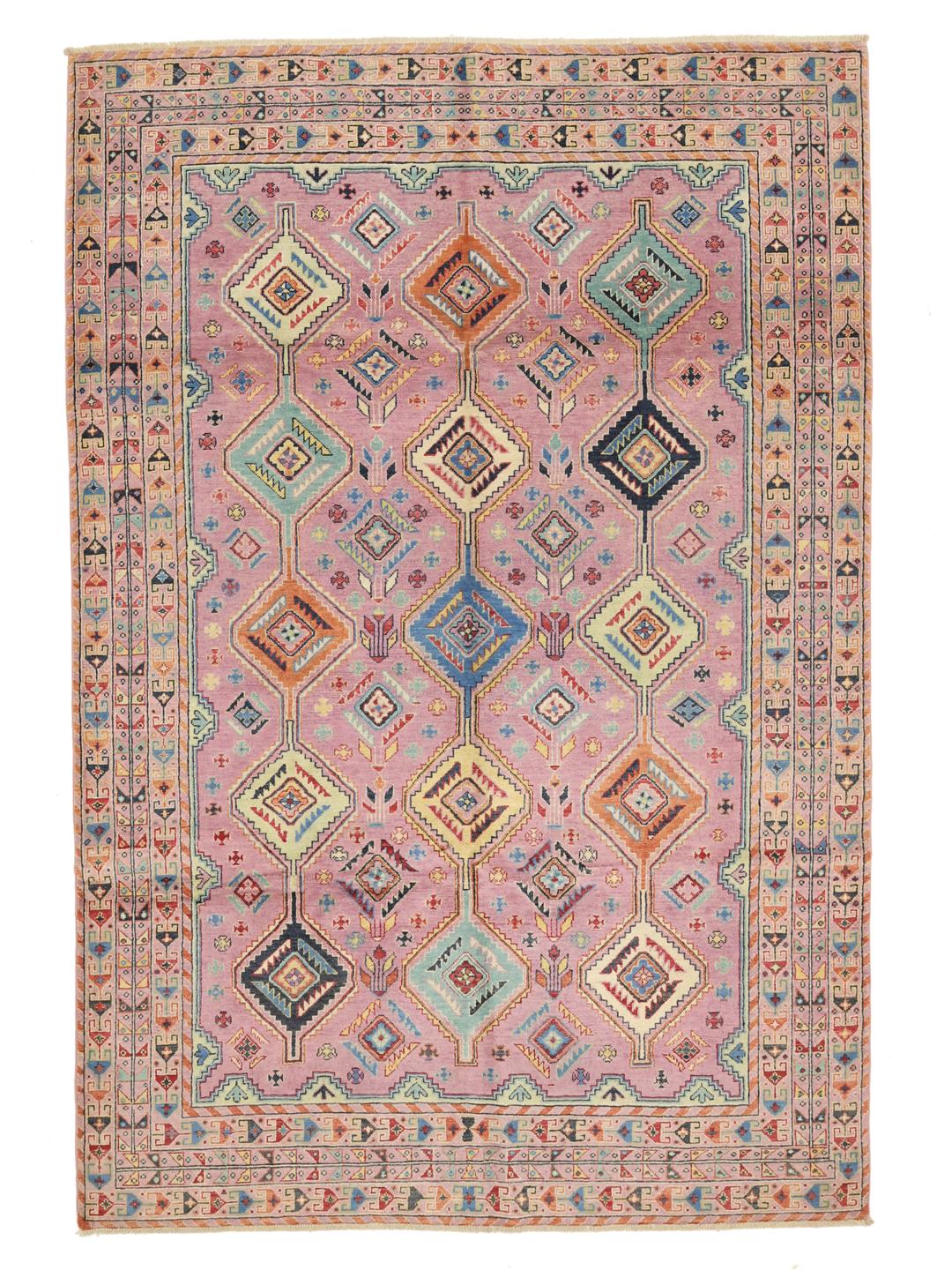
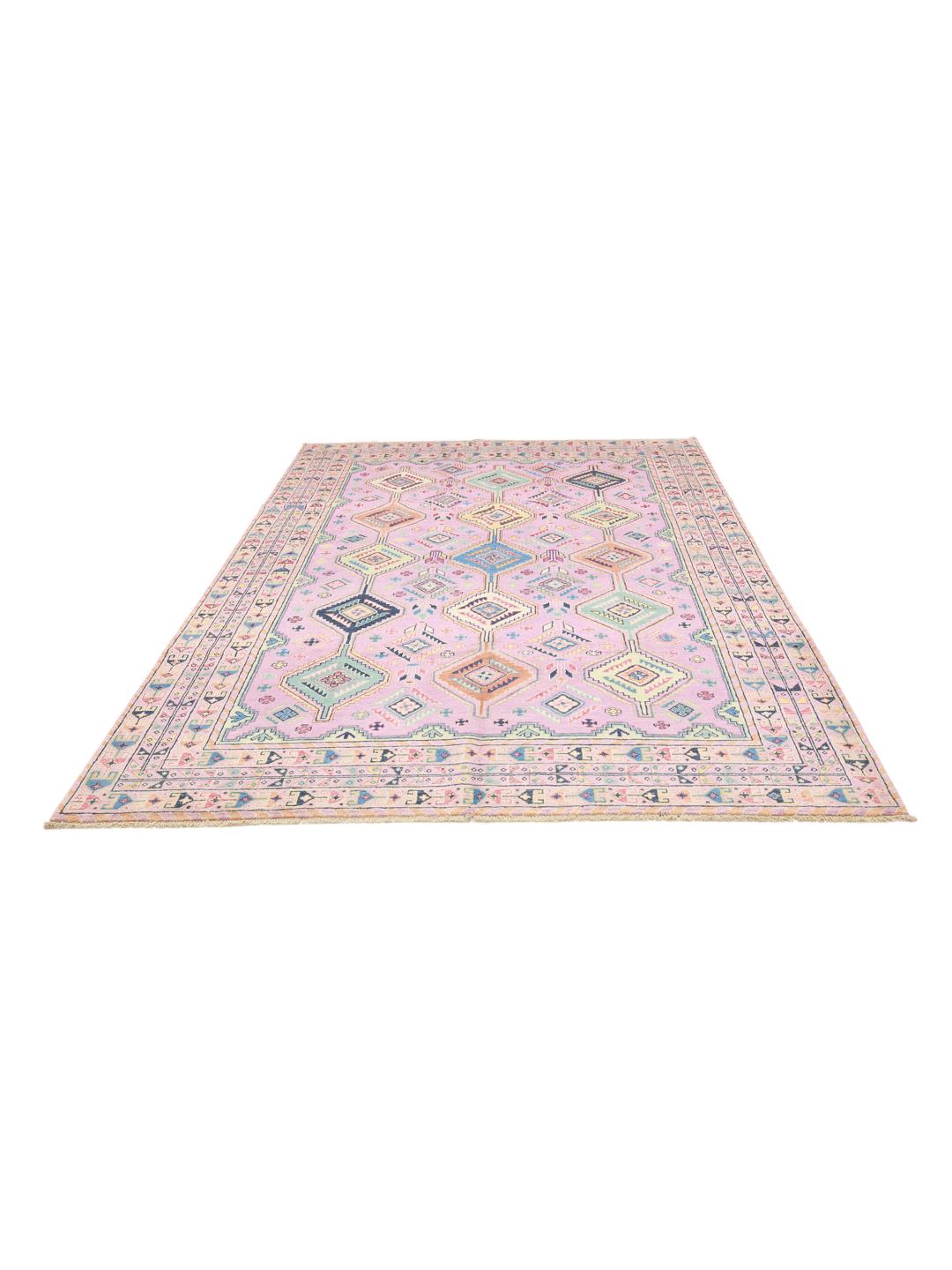
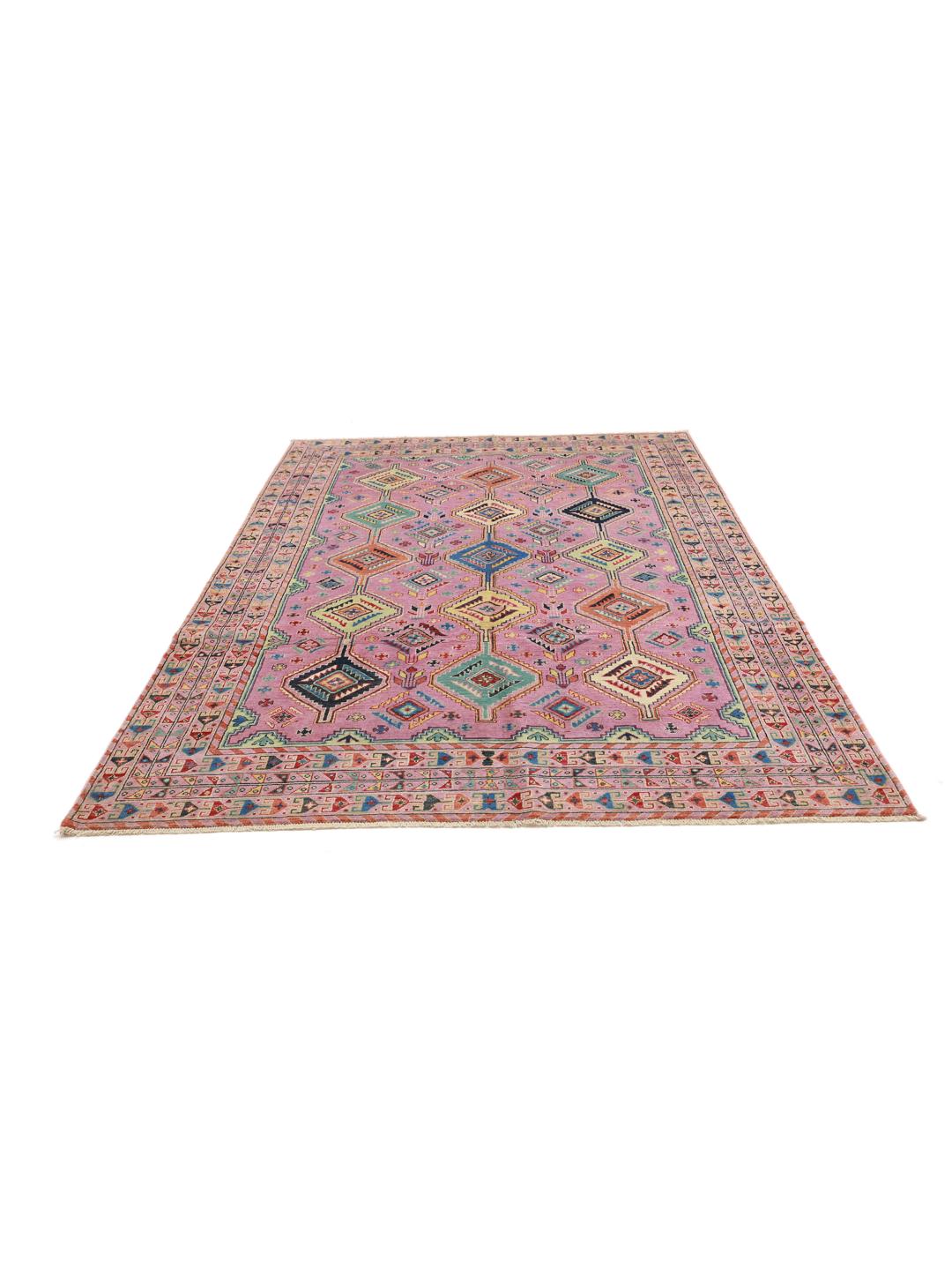
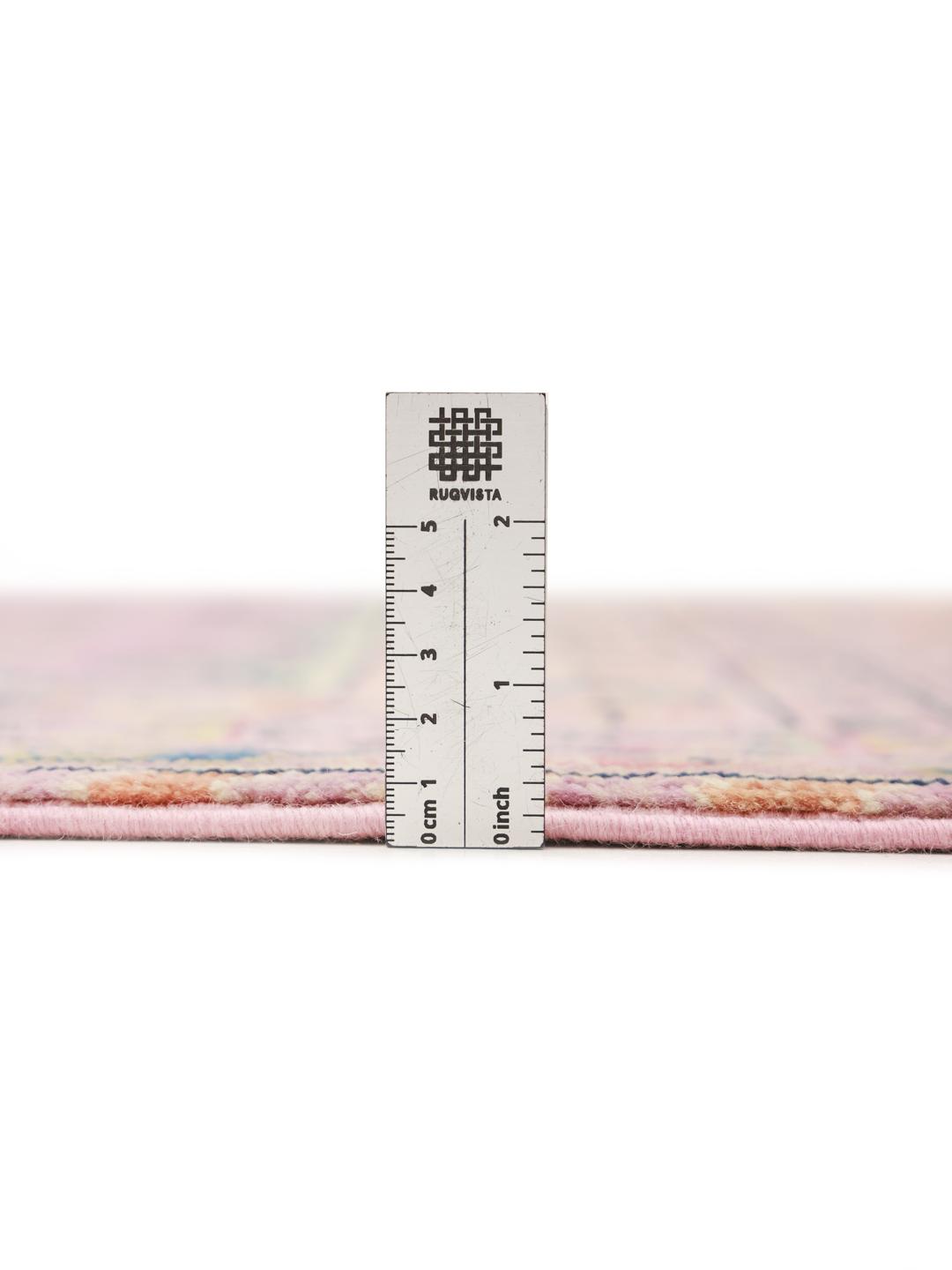
Kazak rugs originate from the Caucasus region, historically serving as a bridge between nomadic tribal life and sophisticated textile art. While the name originally referred to rugs made by various tribal groups in the southern Caucasus, the tradition has evolved significantly over time, with some of the finest contemporary examples now being skilfully woven in Afghanistan.
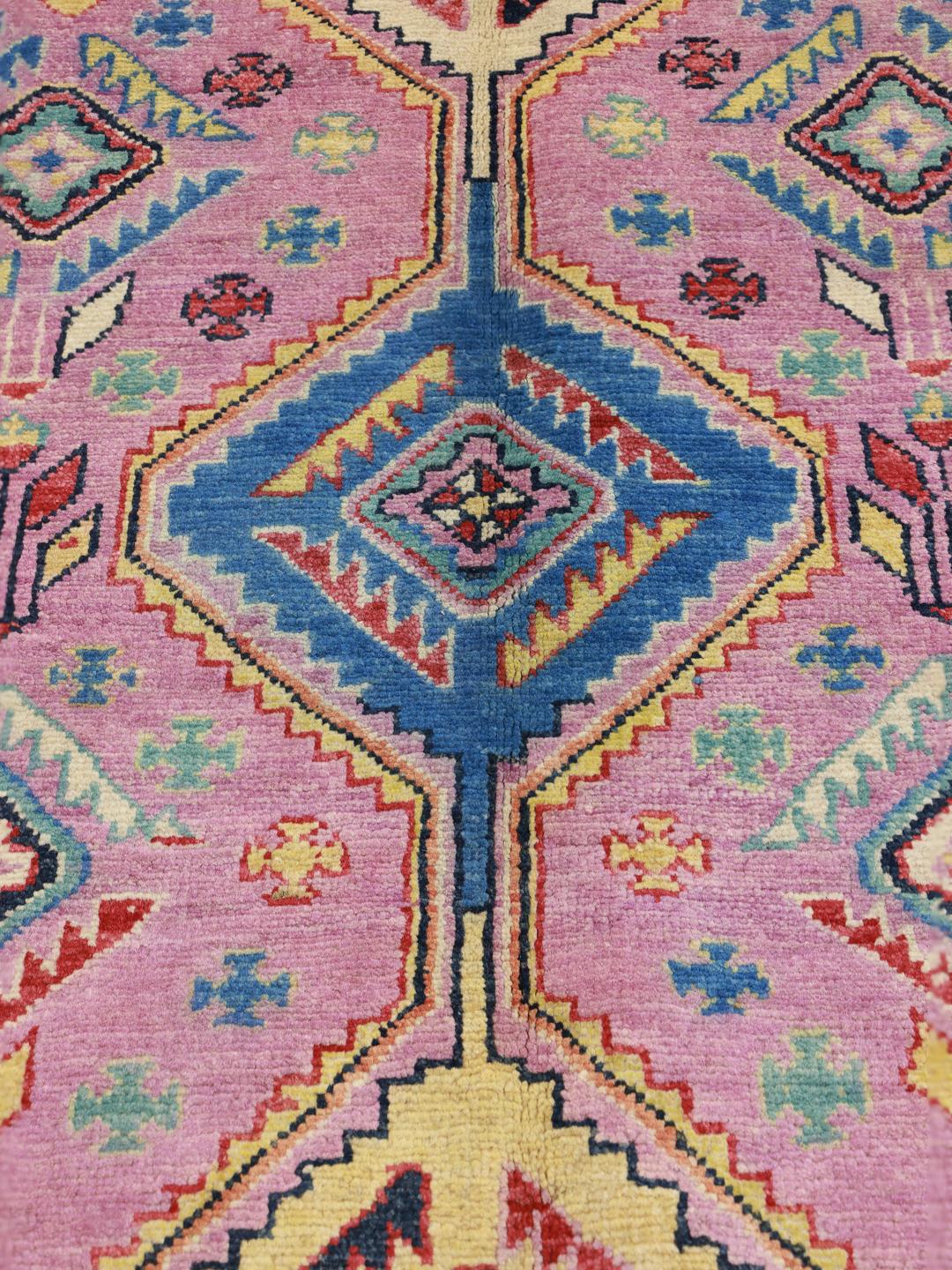
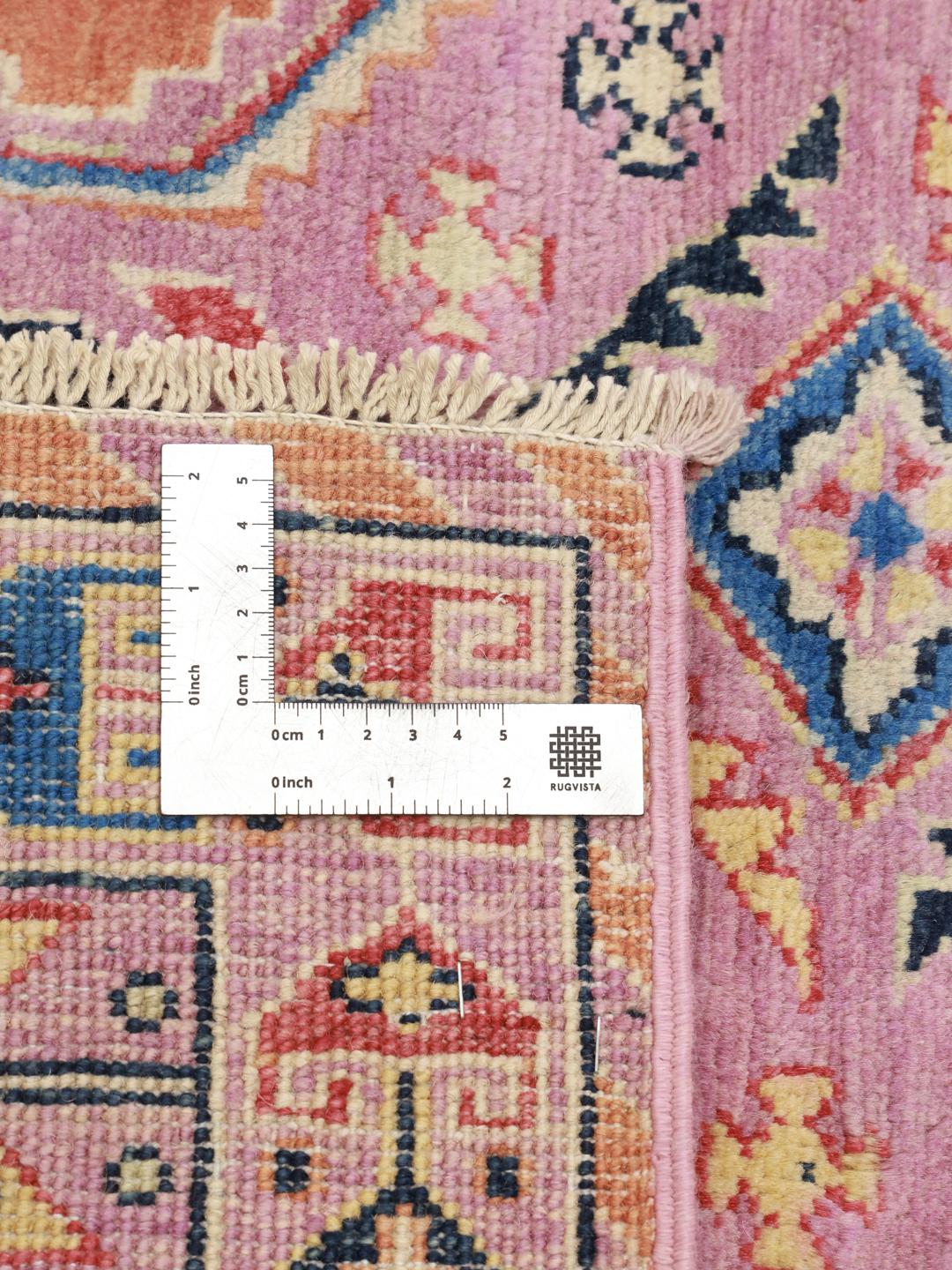
The term 'Kazak' is often associated with bold, expressive designs and a sturdy, thick pile. These rugs are highly regarded for their use of high-quality wool, which is often hand-spun and dyed using traditional methods to achieve deep, lasting colours. The craftsmanship involved in these pieces is focused on durability and the creation of a heavy, long-lasting foundation.
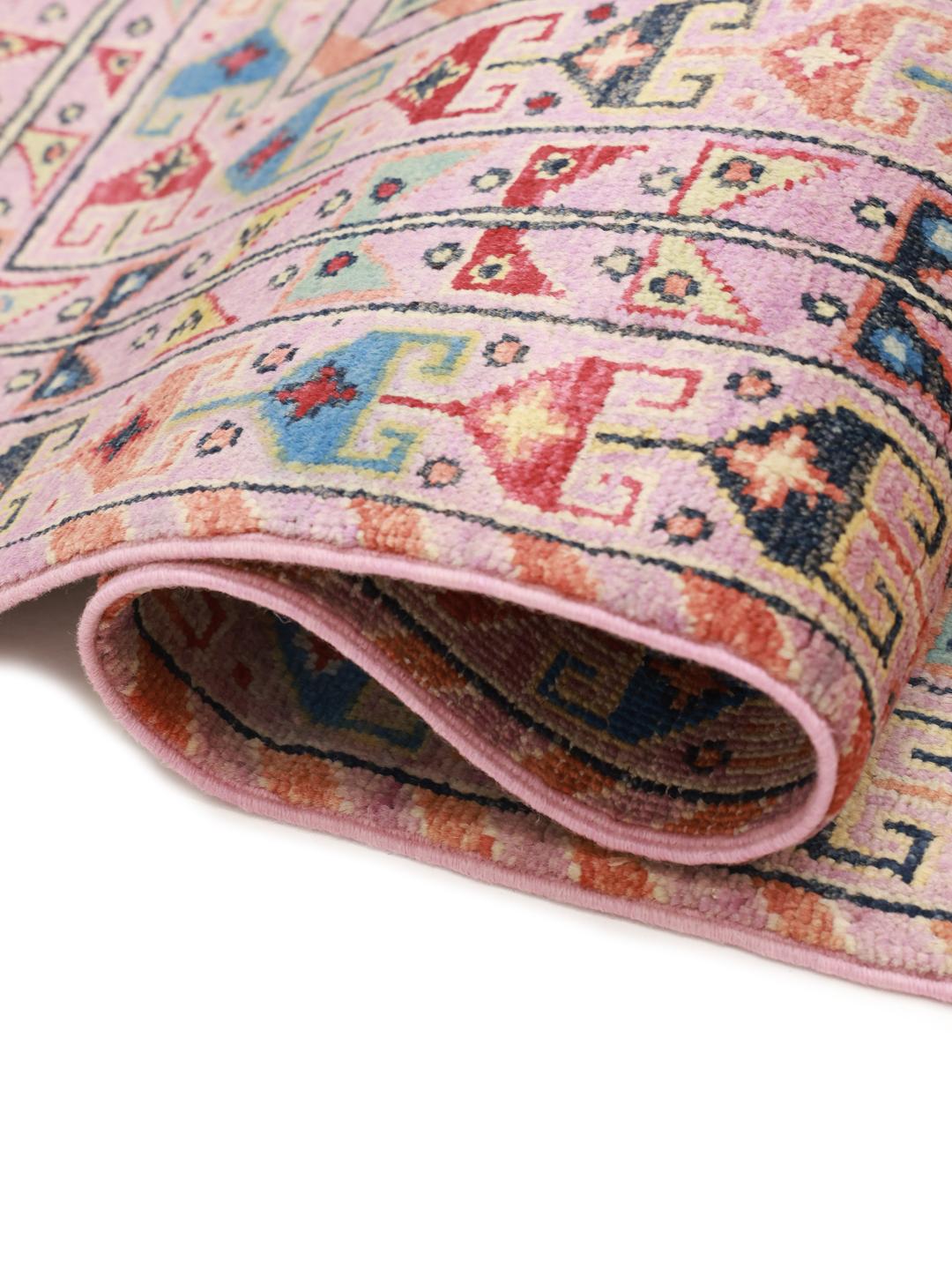
Visually, Kazak rugs are defined by their geometric language. You will often find motifs such as hooked diamonds, octagons, and stylised animals, all arranged with a sense of deliberate, rhythmic symmetry. The borders are typically formal and intricate, acting as a structured frame for the more expressive and symbolic imagery found in the central field.
Collectors value Kazak rugs for their blend of tribal authenticity and artistic complexity. Owning one is more than just having a floor covering; it is about preserving a legacy of craftsmanship that has been passed down through generations. These rugs are celebrated for their ability to bring a sense of history and human connection into a modern home.