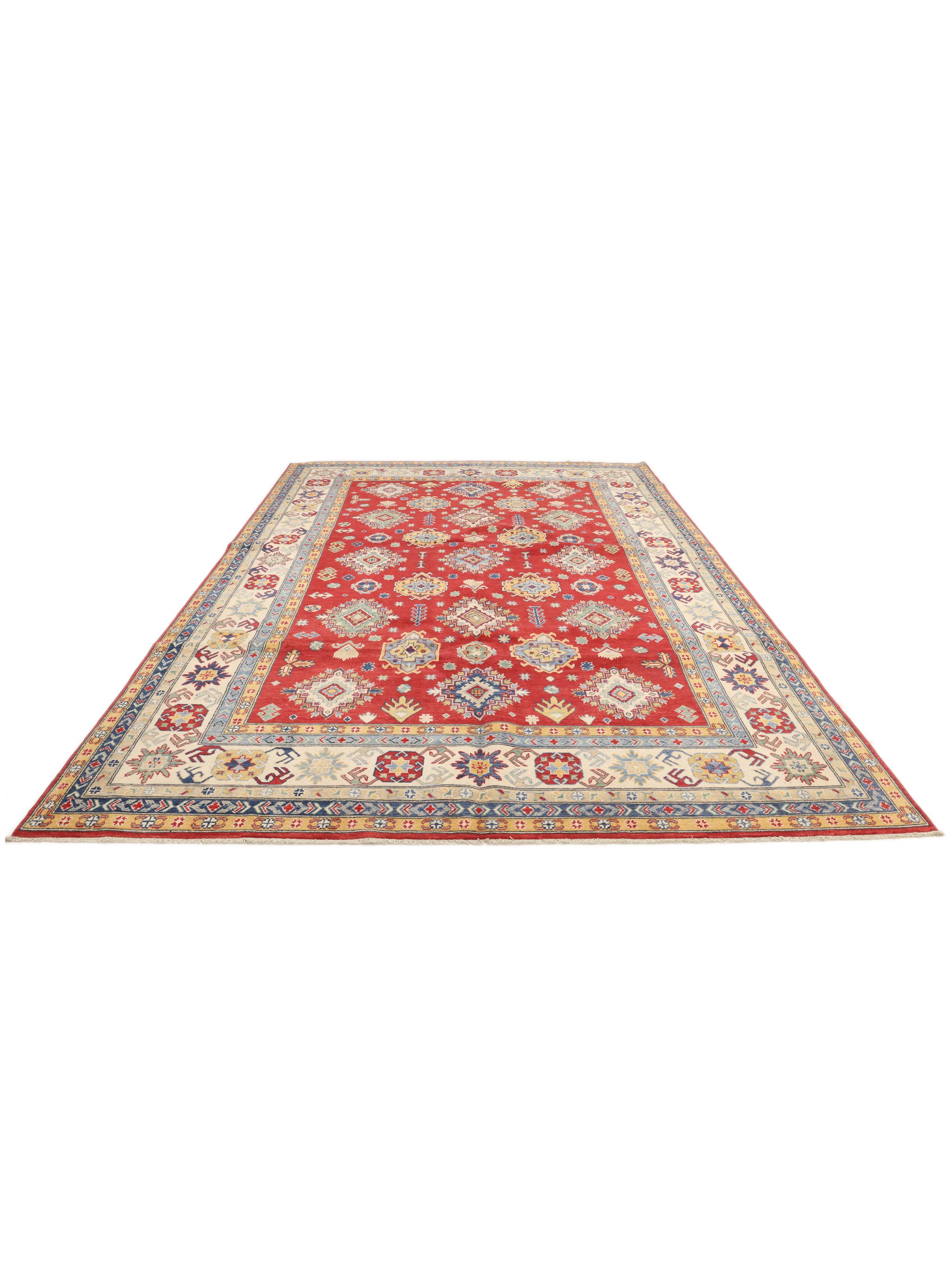
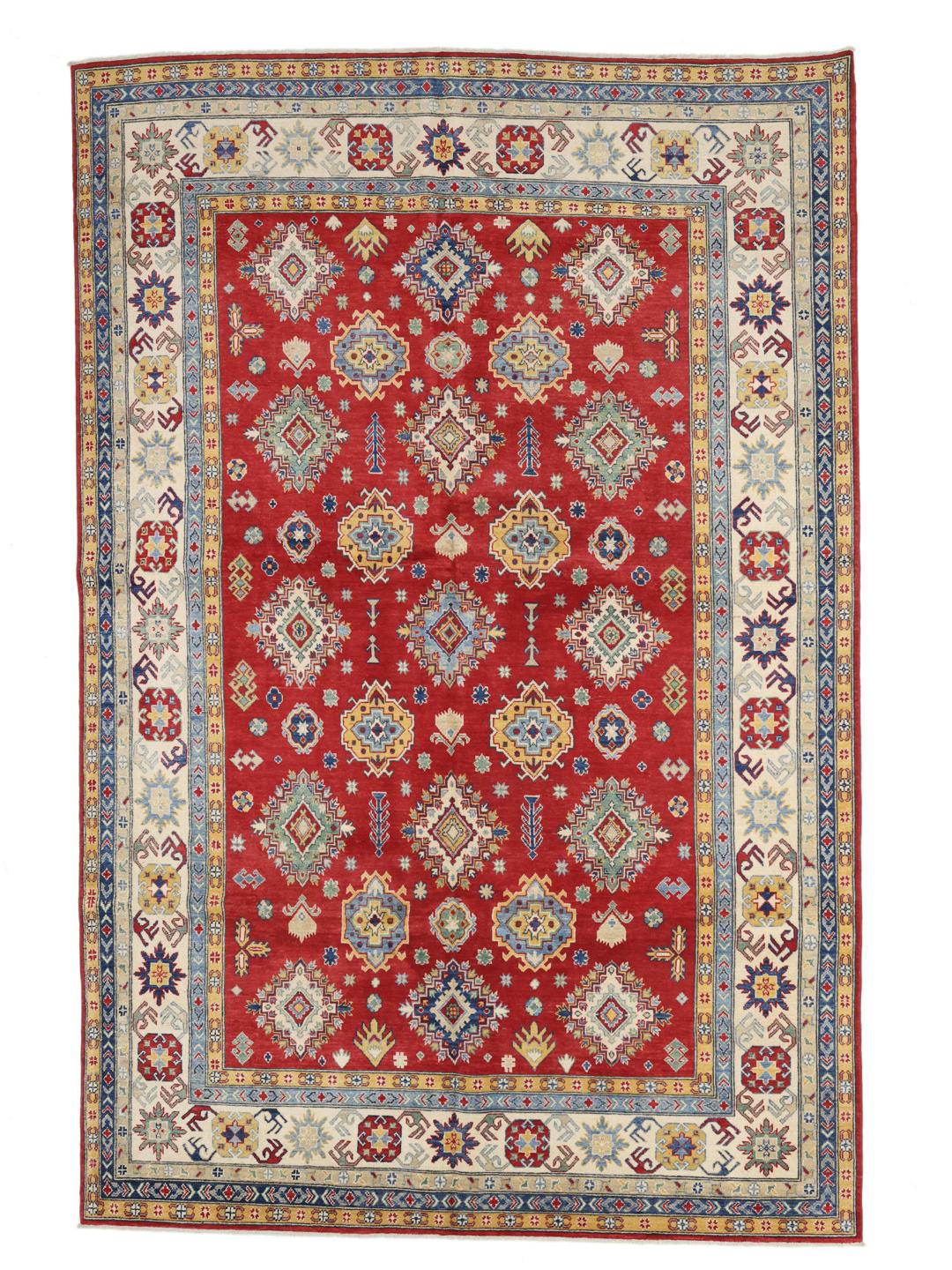
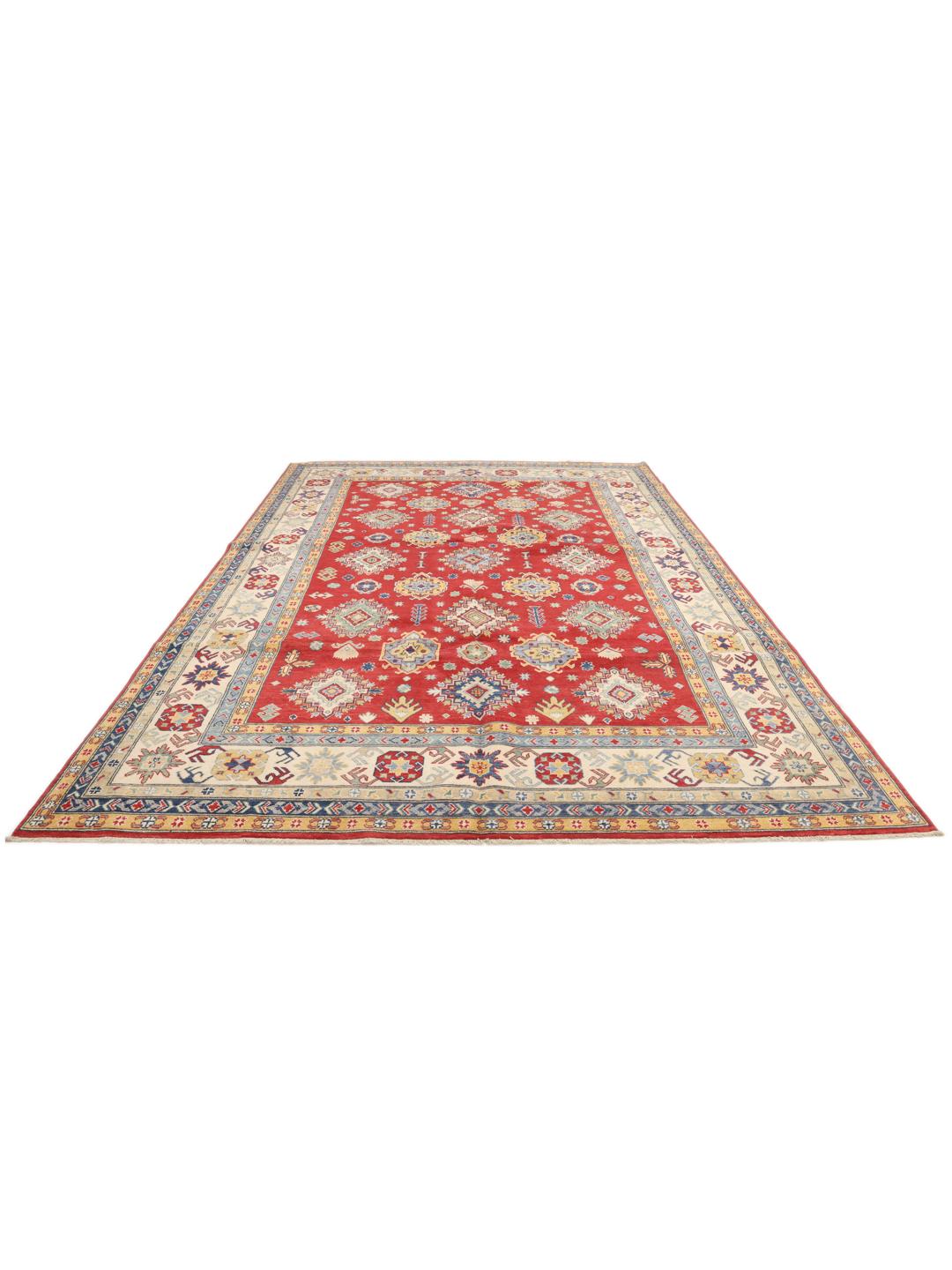
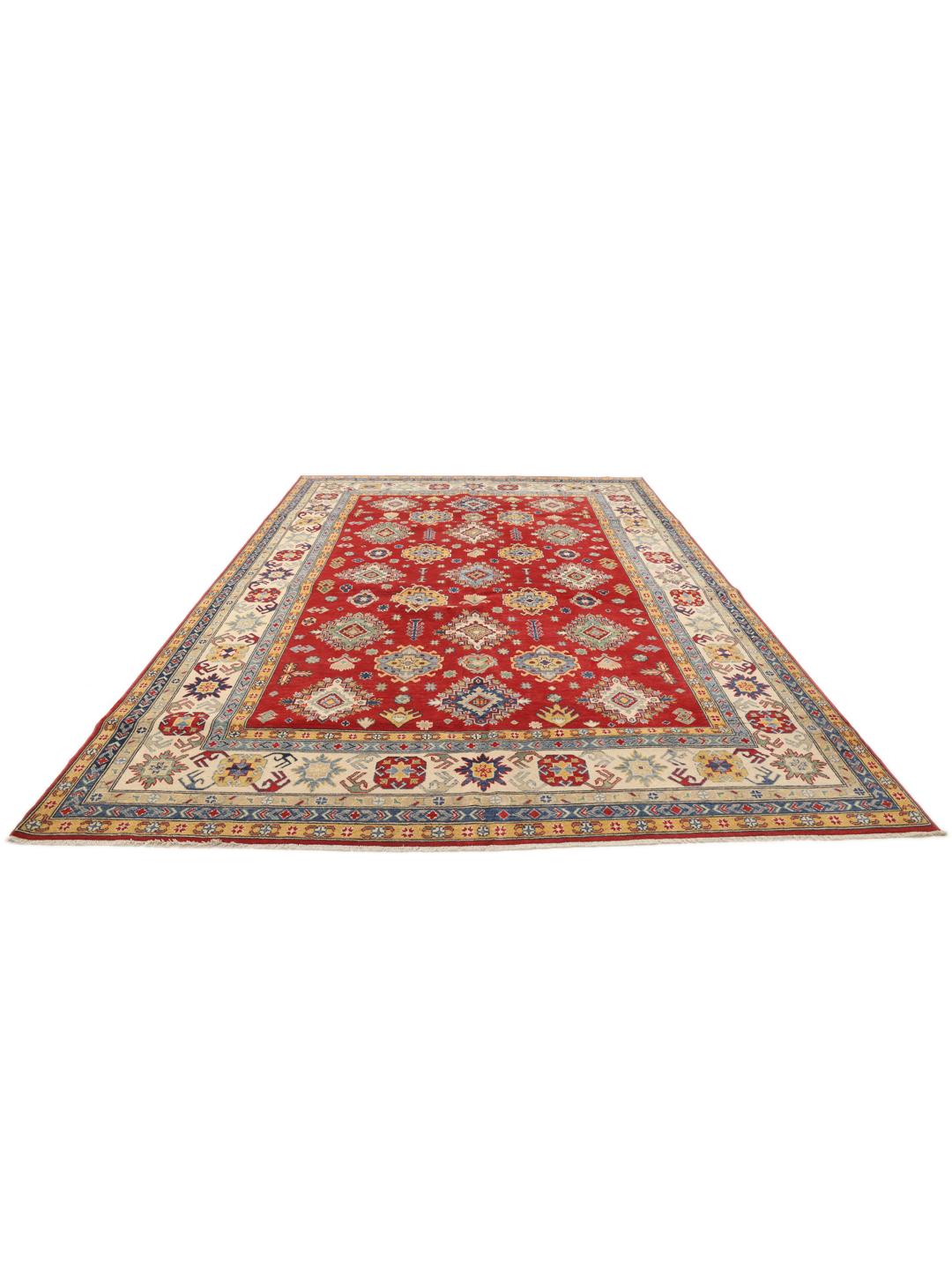
Kazak rugs have a storied heritage that traces back to the Caucasus region, though today they are widely celebrated for their continuation in Afghanistan. These rugs are deeply rooted in the nomadic traditions of the area, where weaving was not merely a utility but a way to record tribal identity and cultural stories. The migration of these techniques to Afghan workshops has allowed the tradition to thrive, combining historic motifs with the exceptional quality of local, high-altitude wool.
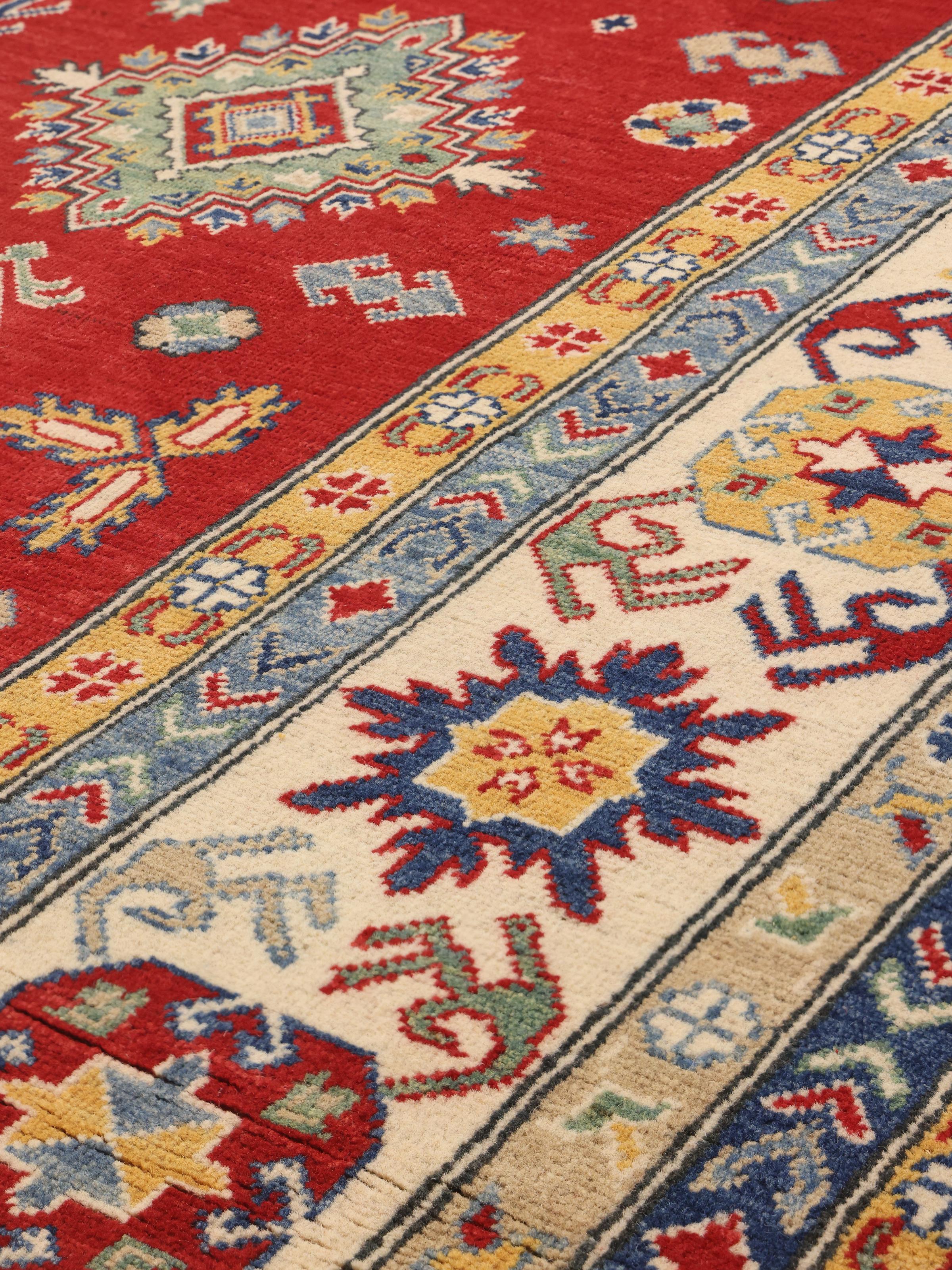
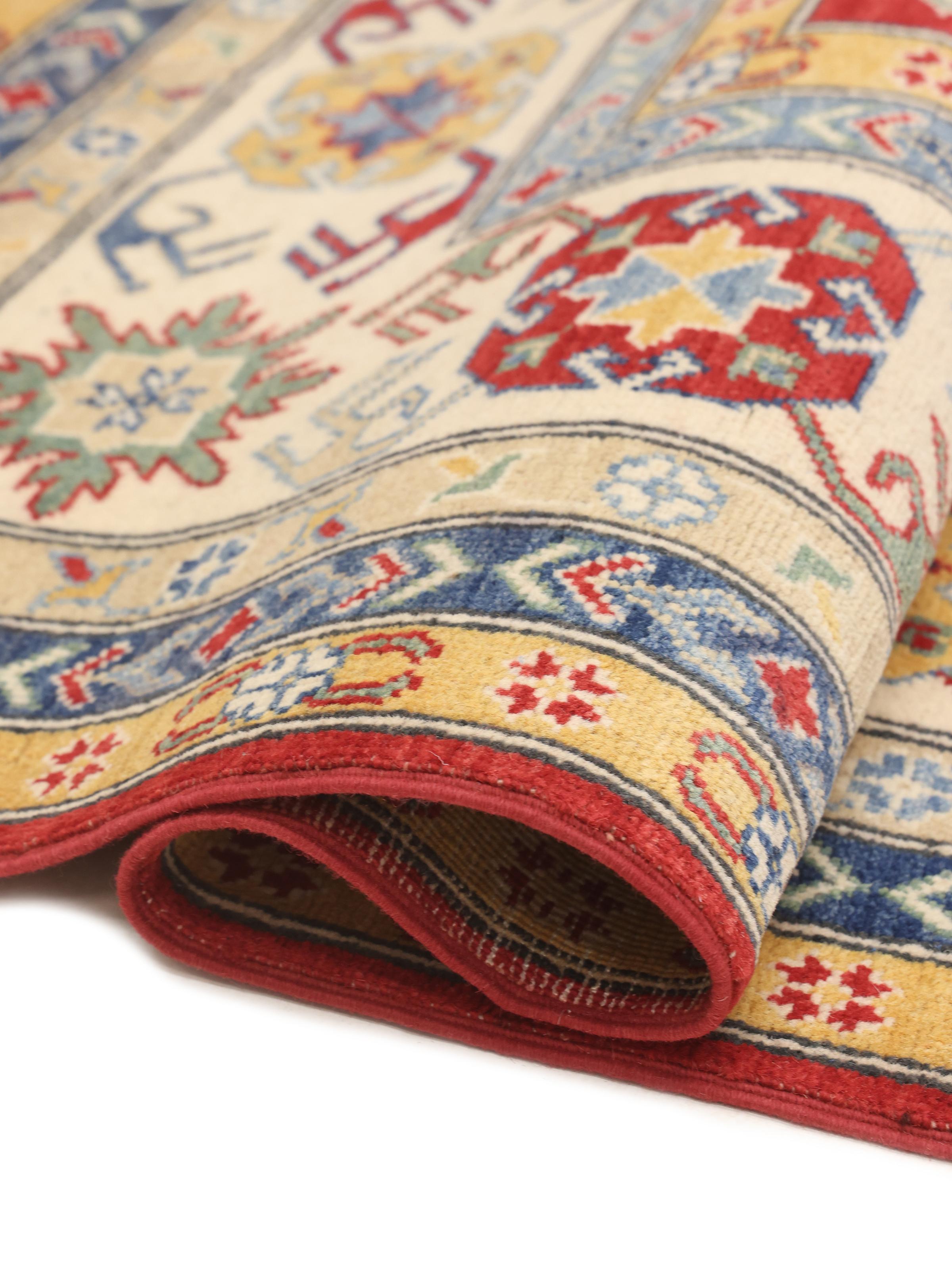
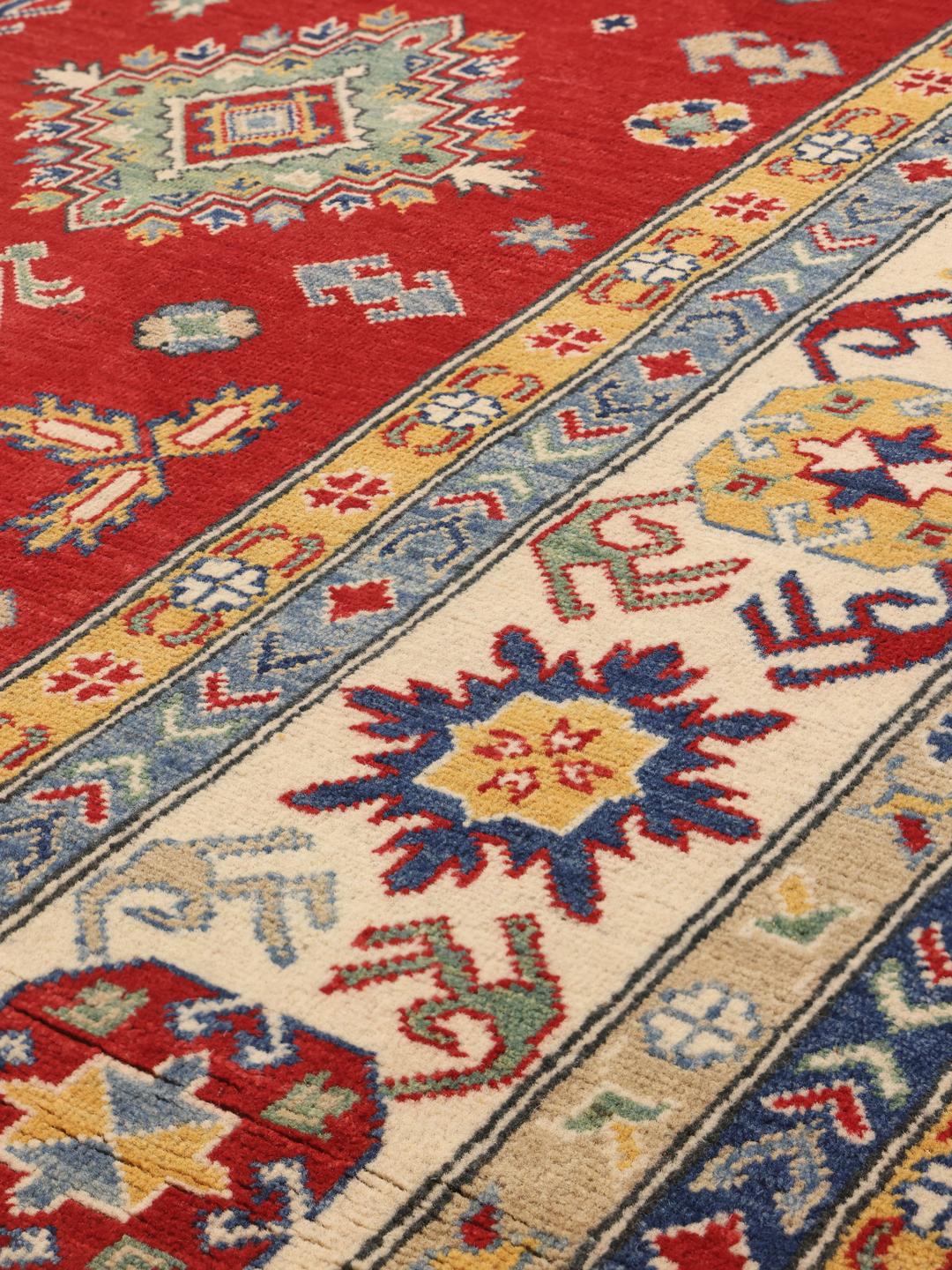
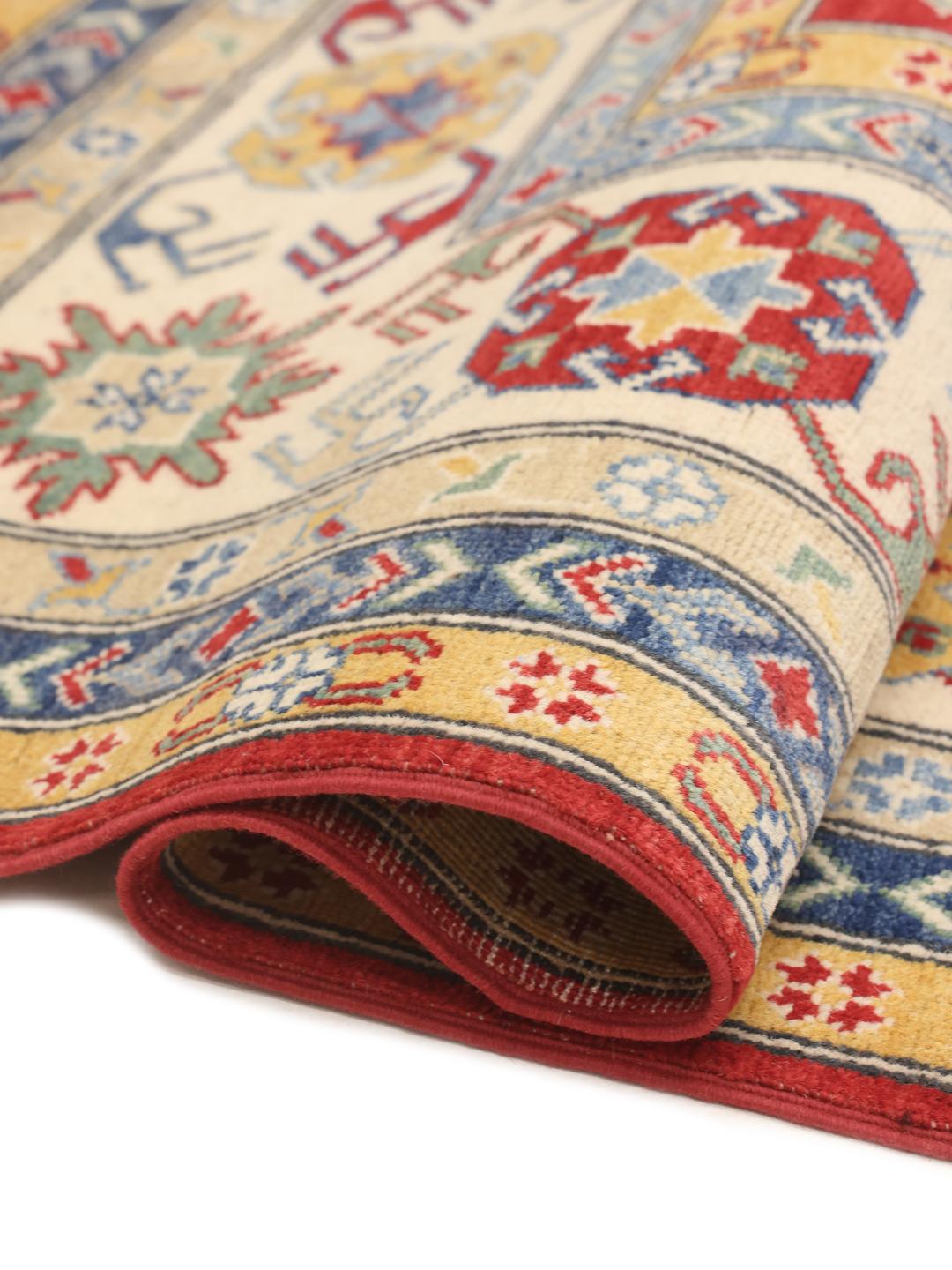
The term 'Kazak' often refers to a specific, bold aesthetic that prioritises geometric shapes and strong, saturated colours over the curvilinear designs found in other traditions. These rugs are characterised by their sturdy construction and their ability to stand up to the demands of daily life. The strength of the wool and the density of the knots are what allow these pieces to remain resilient, ensuring that the vibrant colours and sharp patterns stay defined for generations.
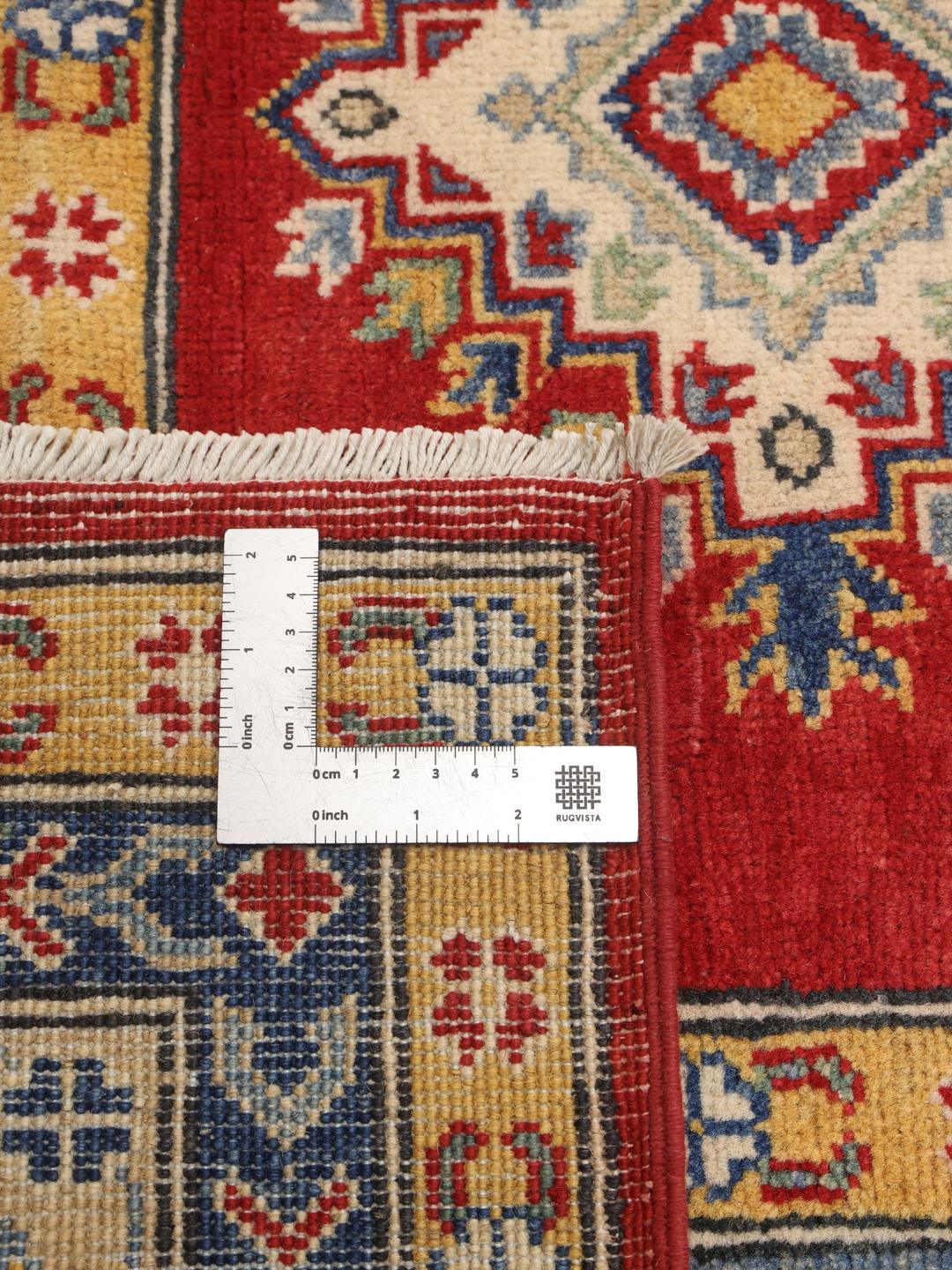
Visually, these rugs are defined by their iconic use of geometric medallions, often referred to as guls, which are typically arranged in a structured, rhythmic fashion across the field. You will often see common motifs like stars, diamonds, and hooked polygons, which are believed to have protective or symbolic meanings. The borders are frequently as elaborate as the centre, providing a strong frame that echoes the symmetry of the main design.
Collecting a Kazak rug is an investment in cultural heritage and human skill. These pieces are valued for their authenticity and the way they retain their beauty over time, only becoming more characterful as they age. By choosing a hand-knotted rug from this tradition, you are owning a functional piece of art that represents a bridge between ancient nomadic history and contemporary home design.