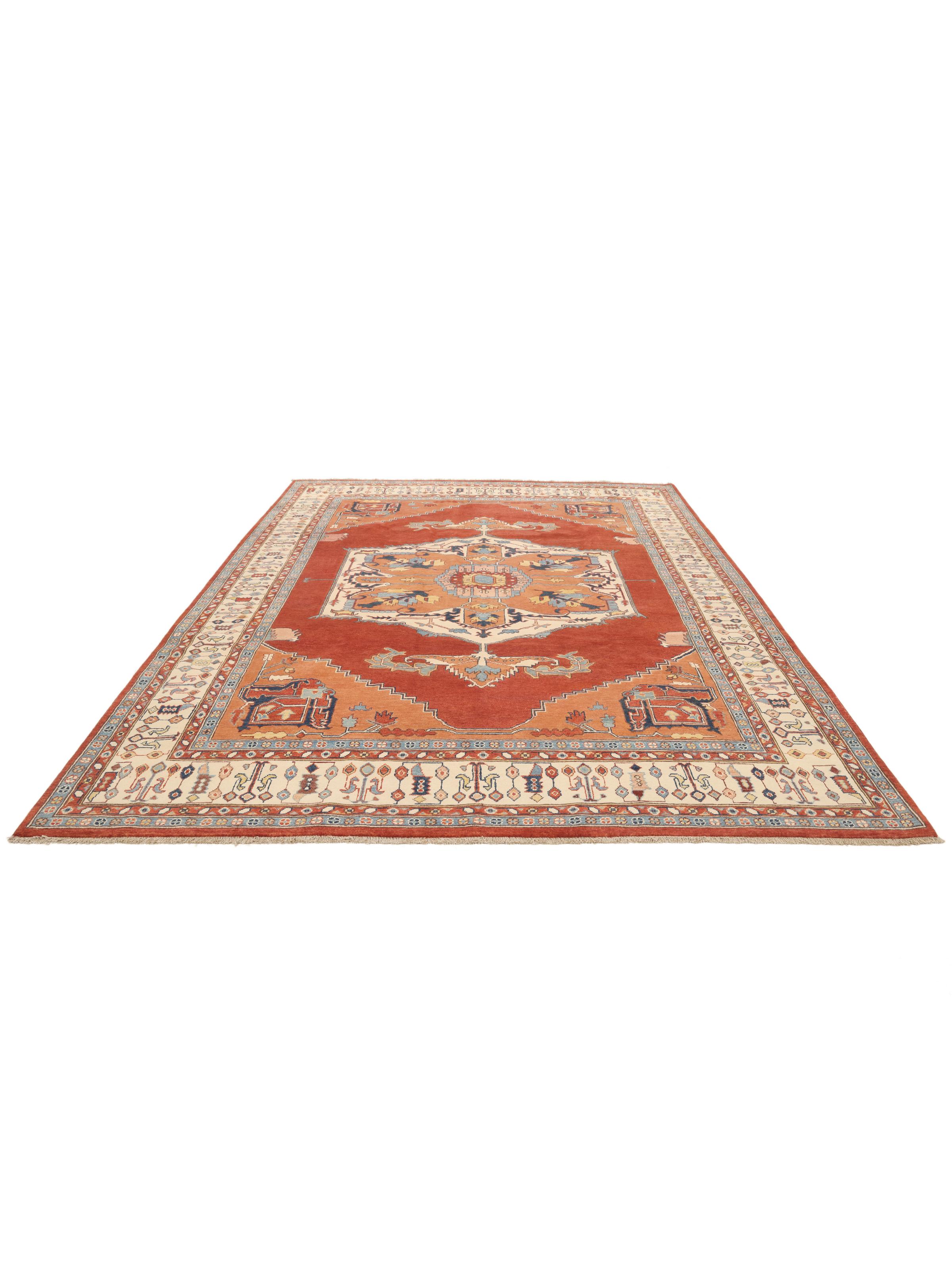
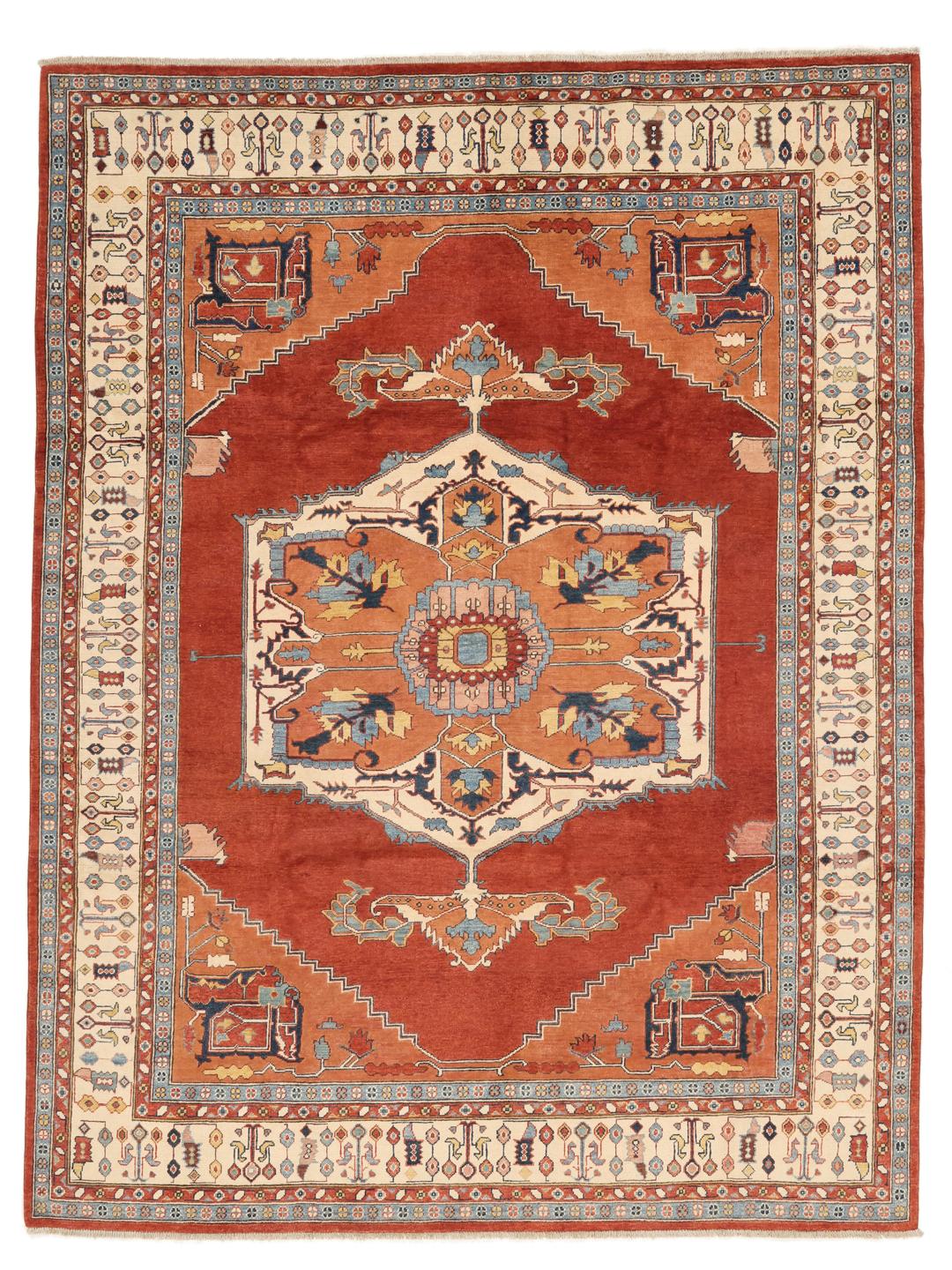
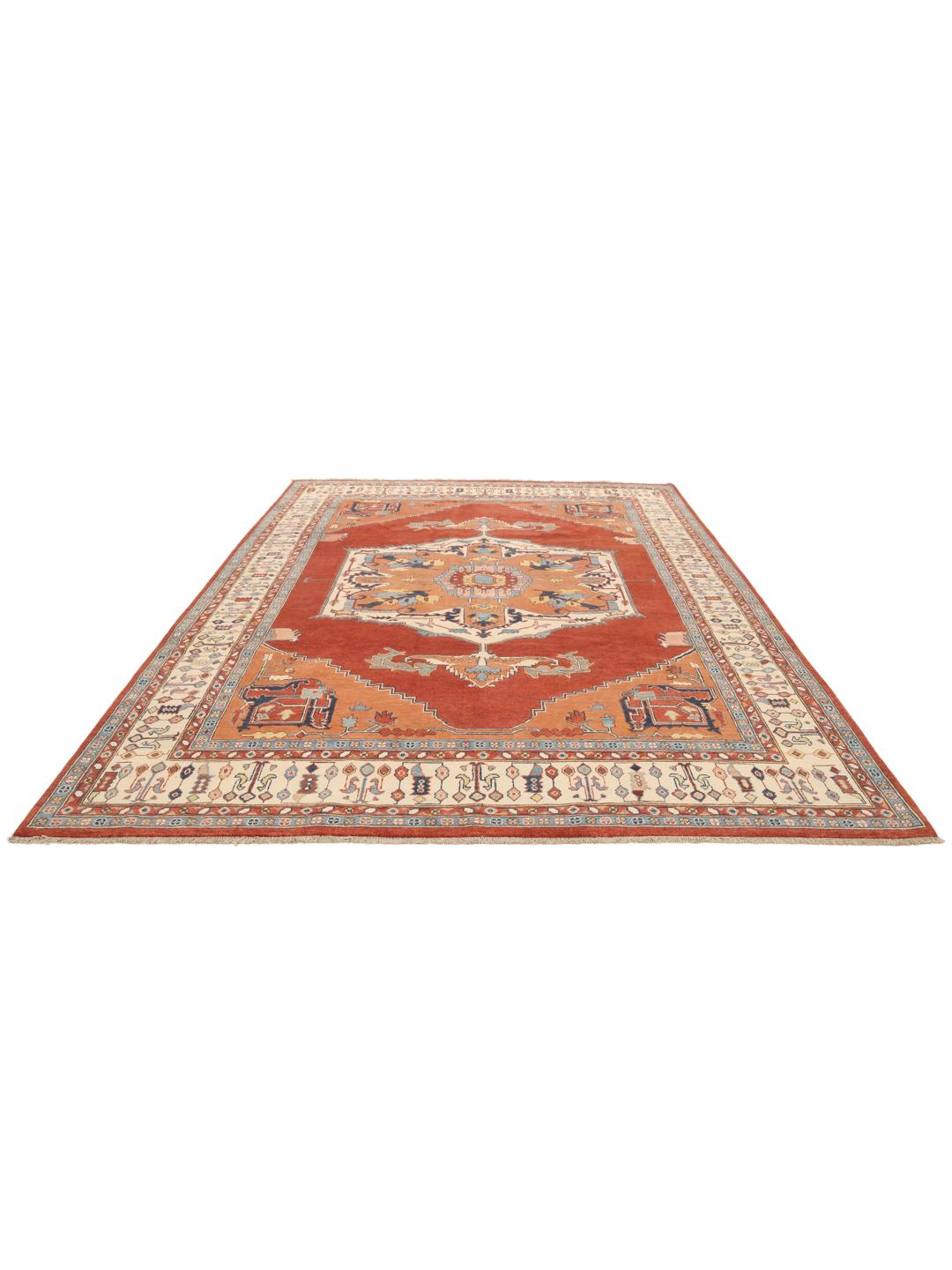
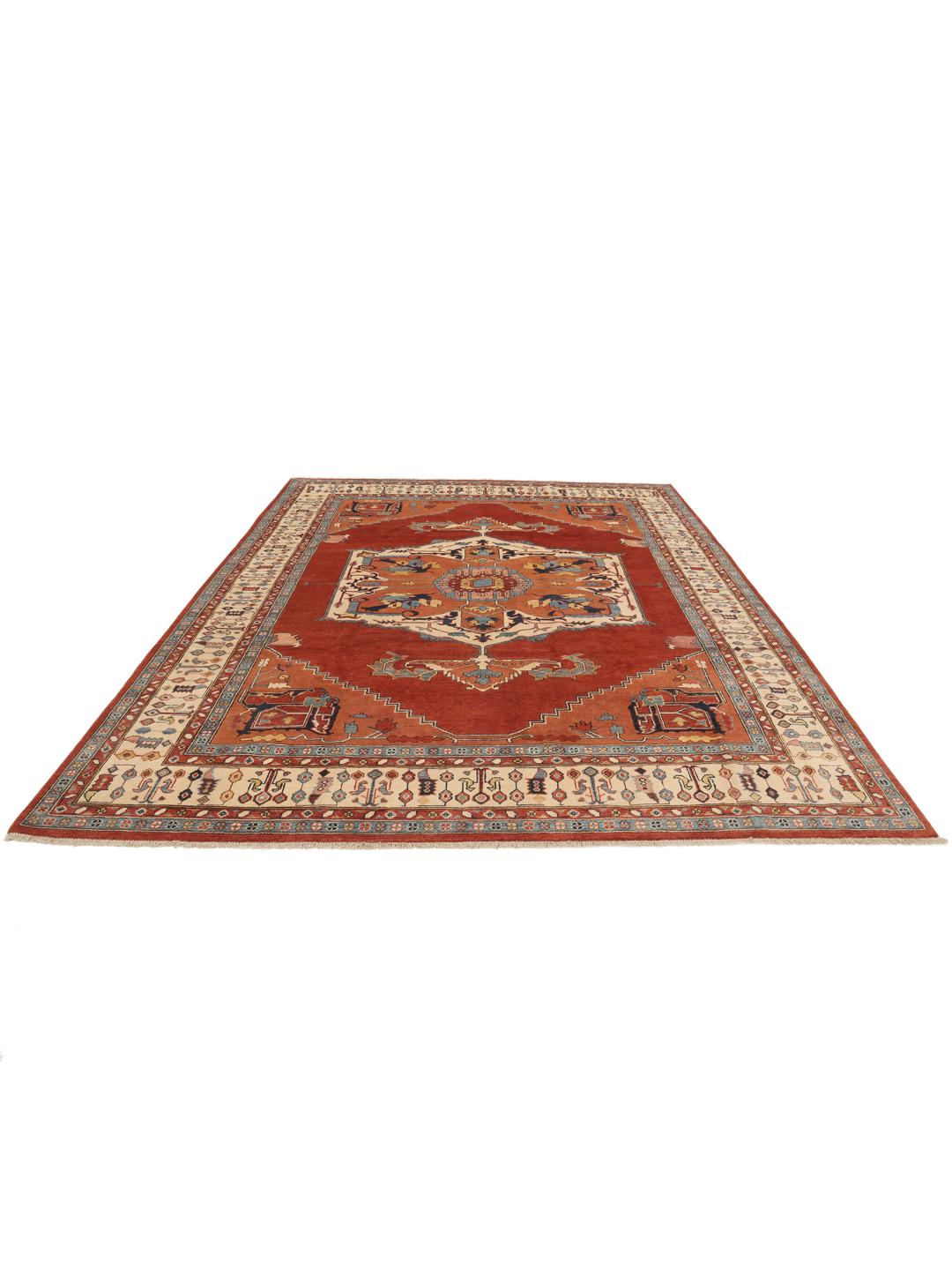
Kazak rugs originate from the Caucasus region, historically serving as a bridge between the nomadic weaving traditions of the steppes and the more settled, urban workshops of the Middle East. Over time, these weaving traditions migrated and found a new home in Afghanistan, where artisans continue to honour the bold, dramatic aesthetic that first defined the category centuries ago.
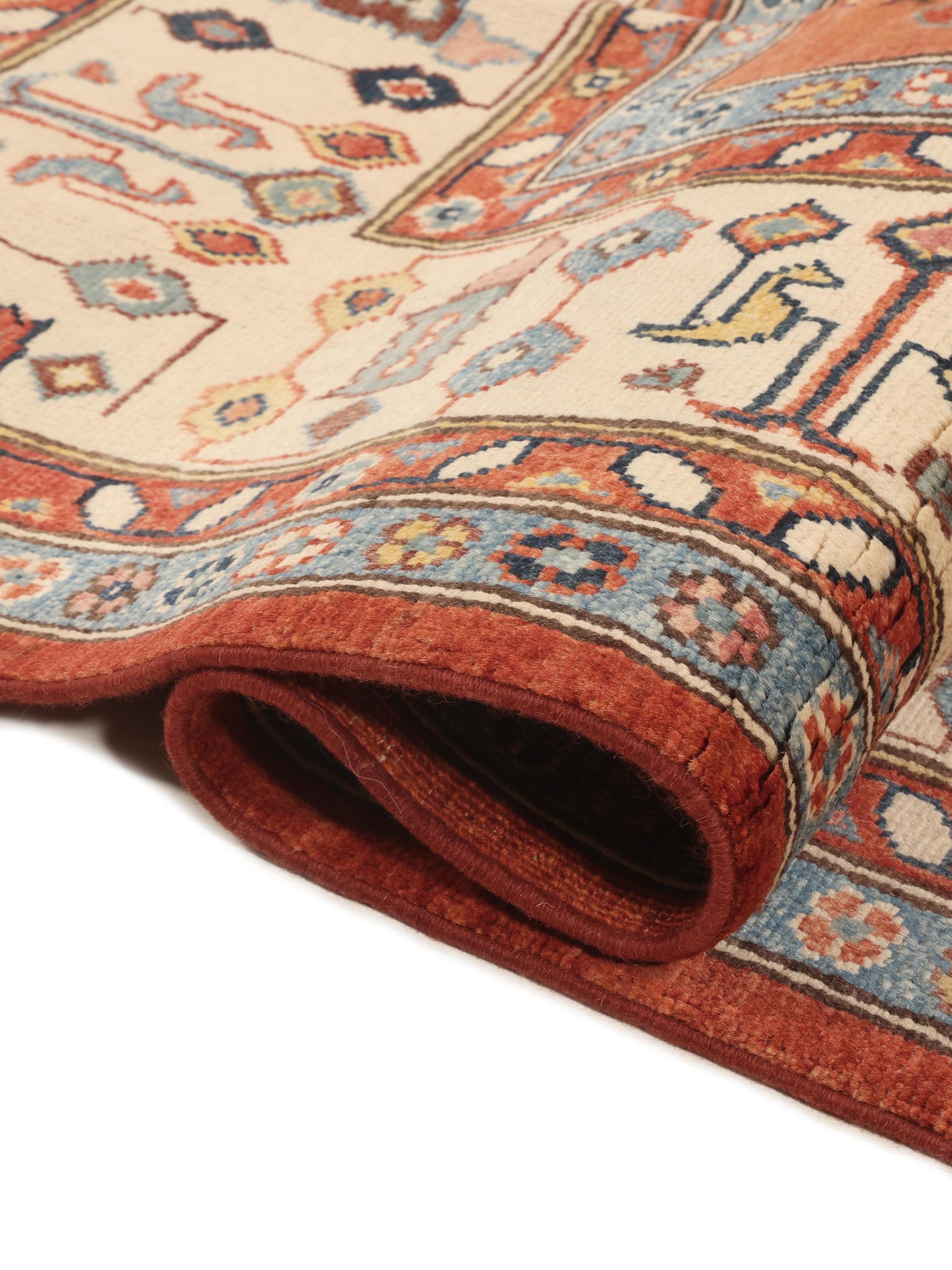
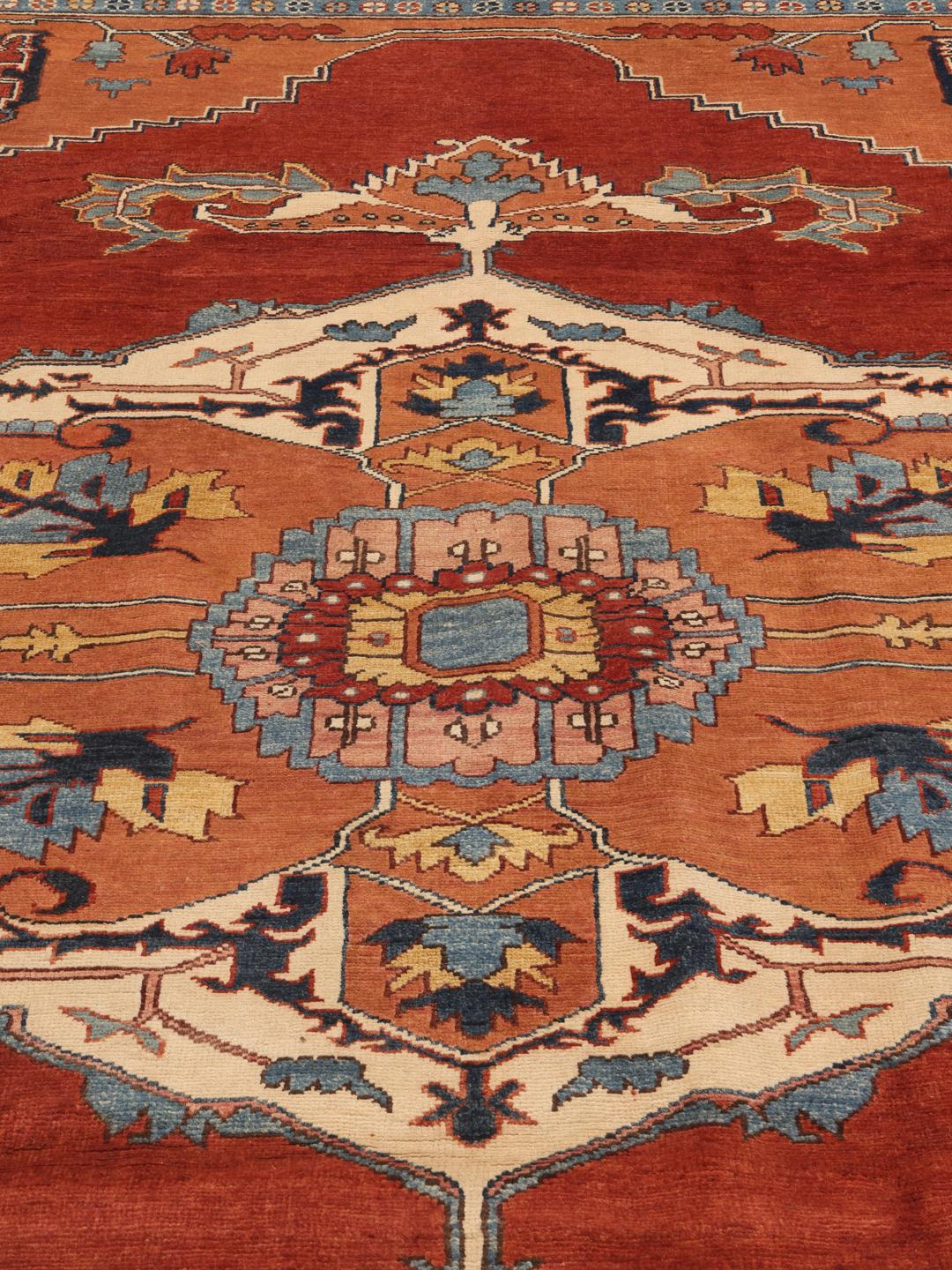
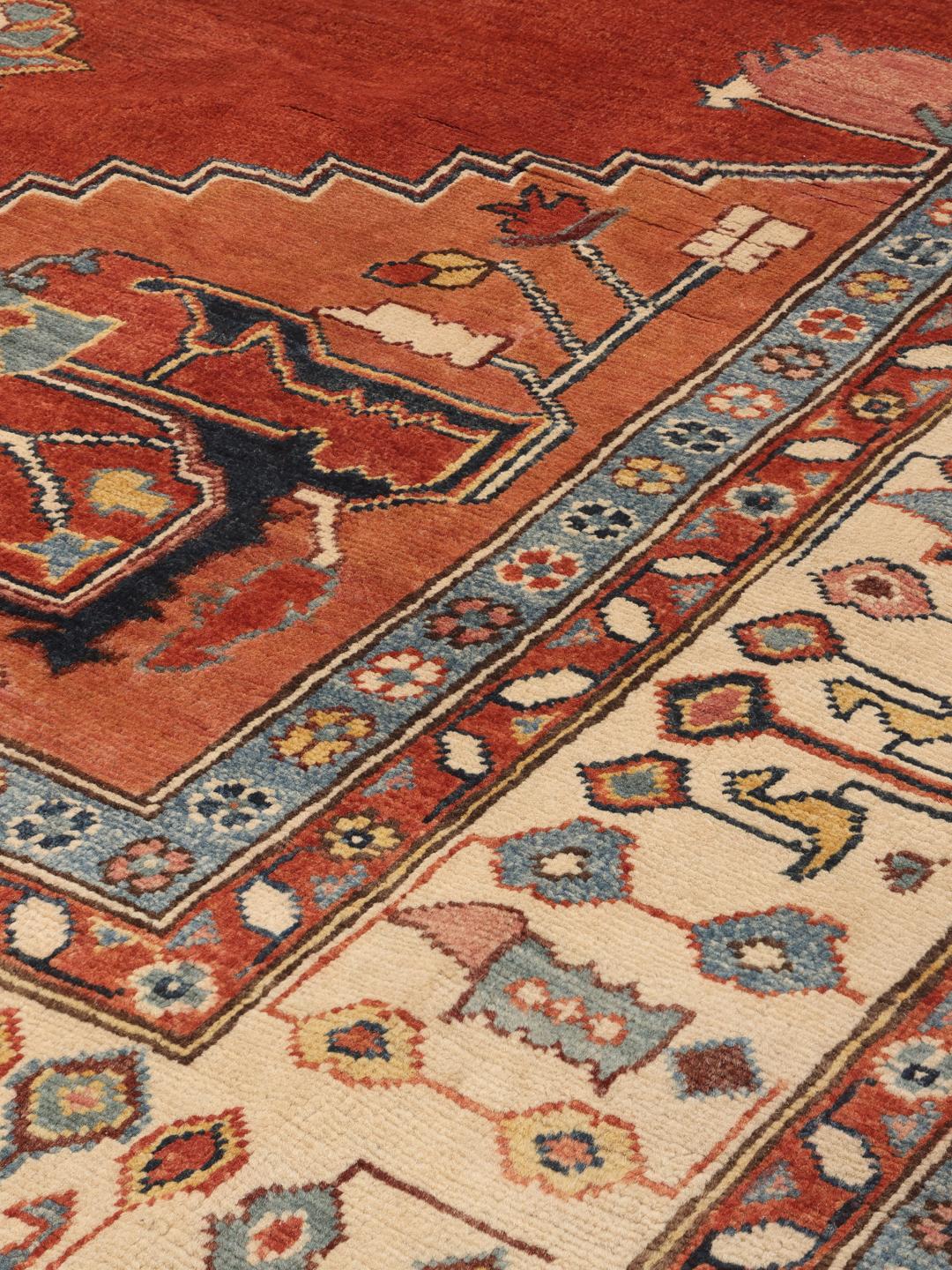
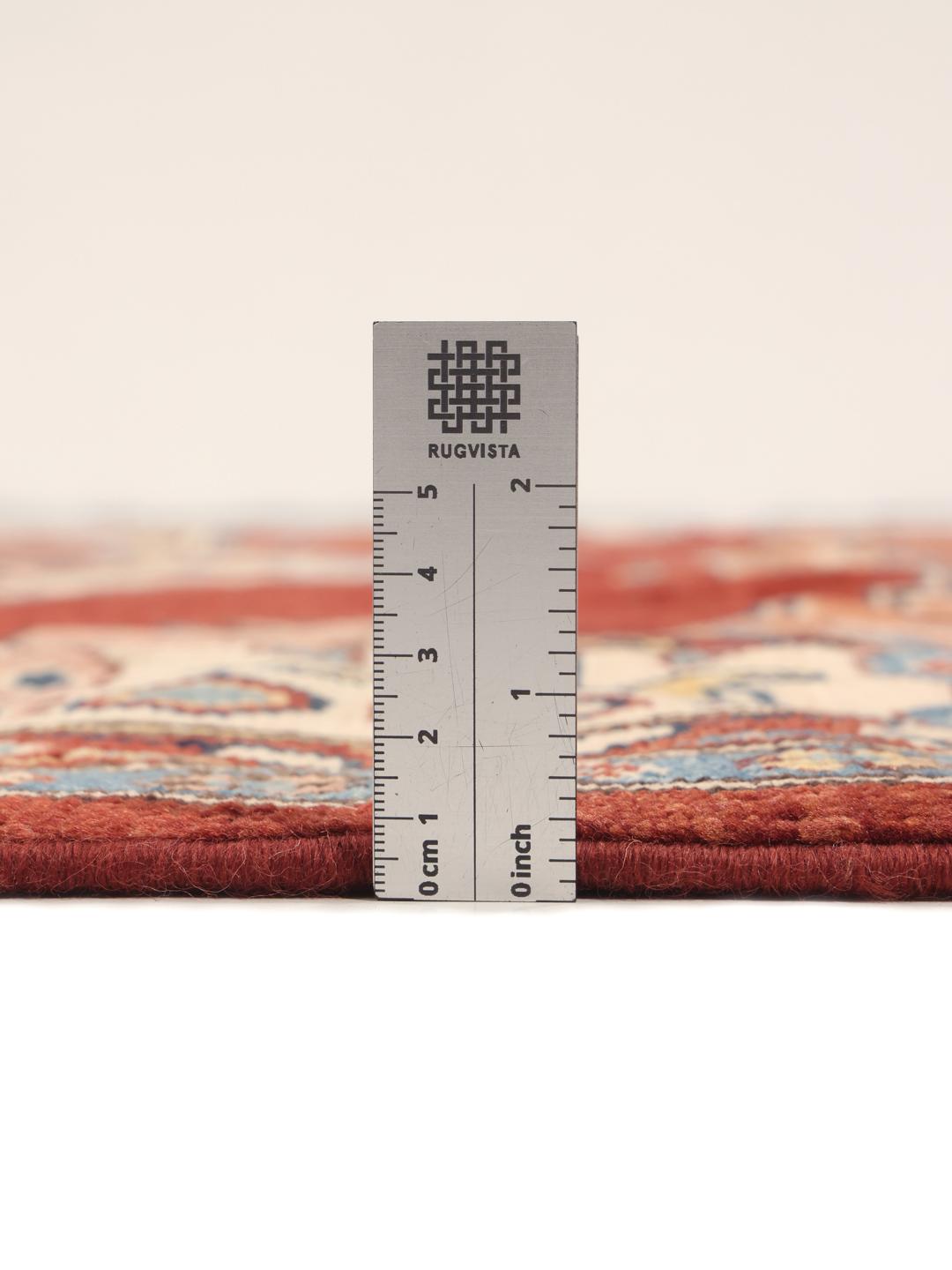
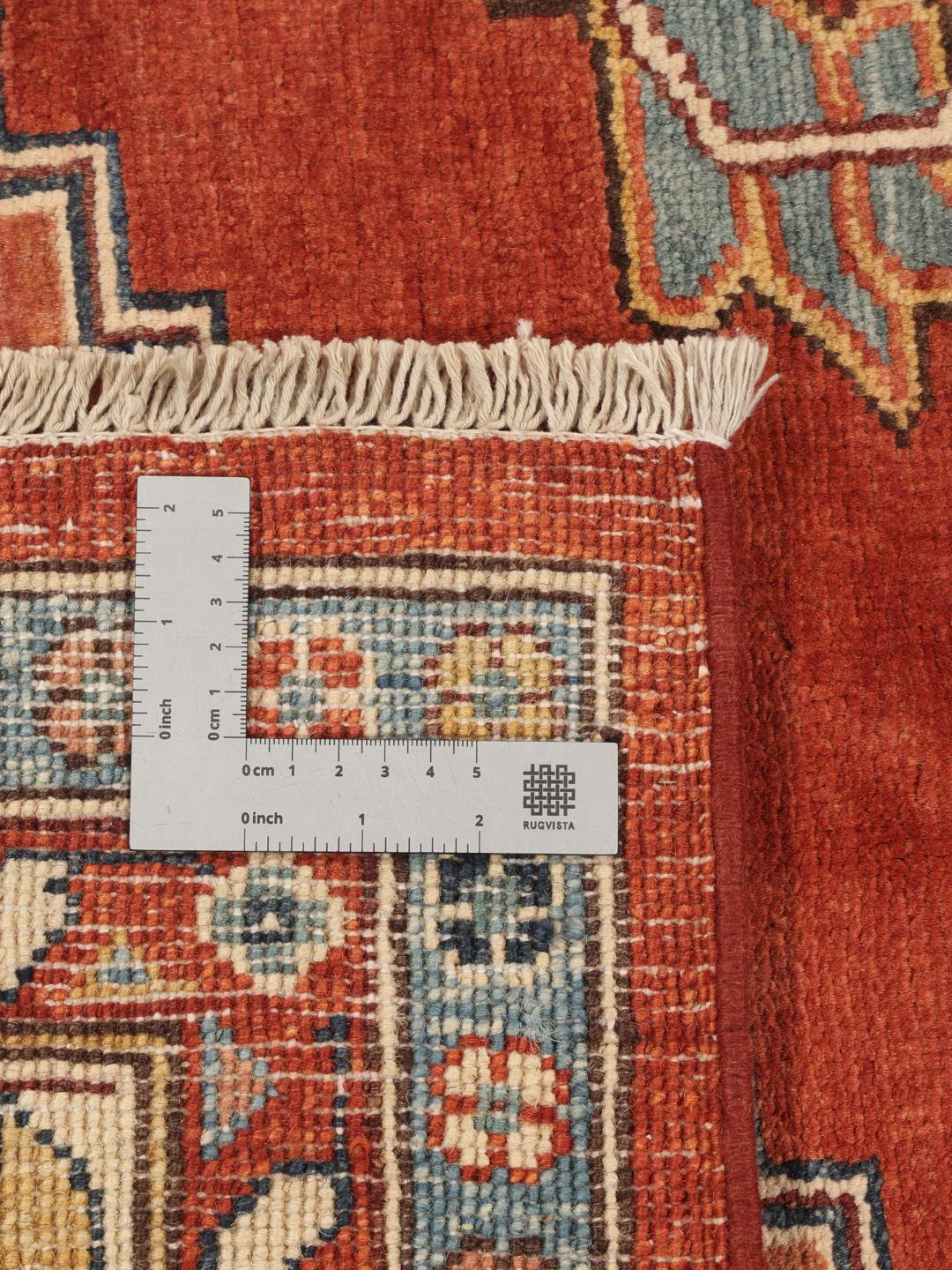
The term Kazak is synonymous with a specific, powerful design language that prioritises geometric abstraction over floral motifs. Technically, these rugs are defined by their robust, high-pile construction, which was originally intended to provide insulation against the cold climate of their mountainous origins. This tradition of using thick, high-quality wool remains a hallmark of the style, ensuring the rugs are as practical as they are decorative.
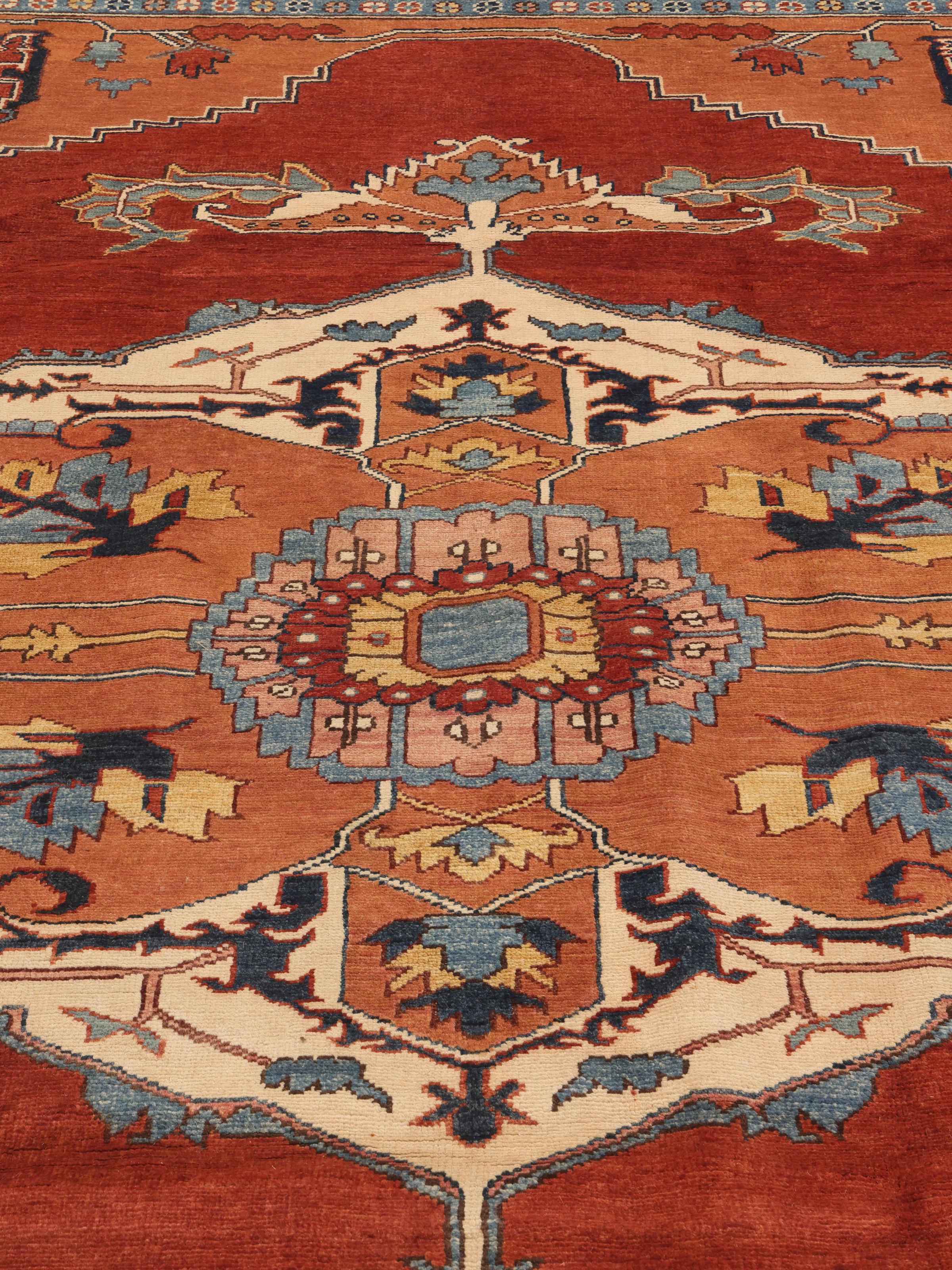
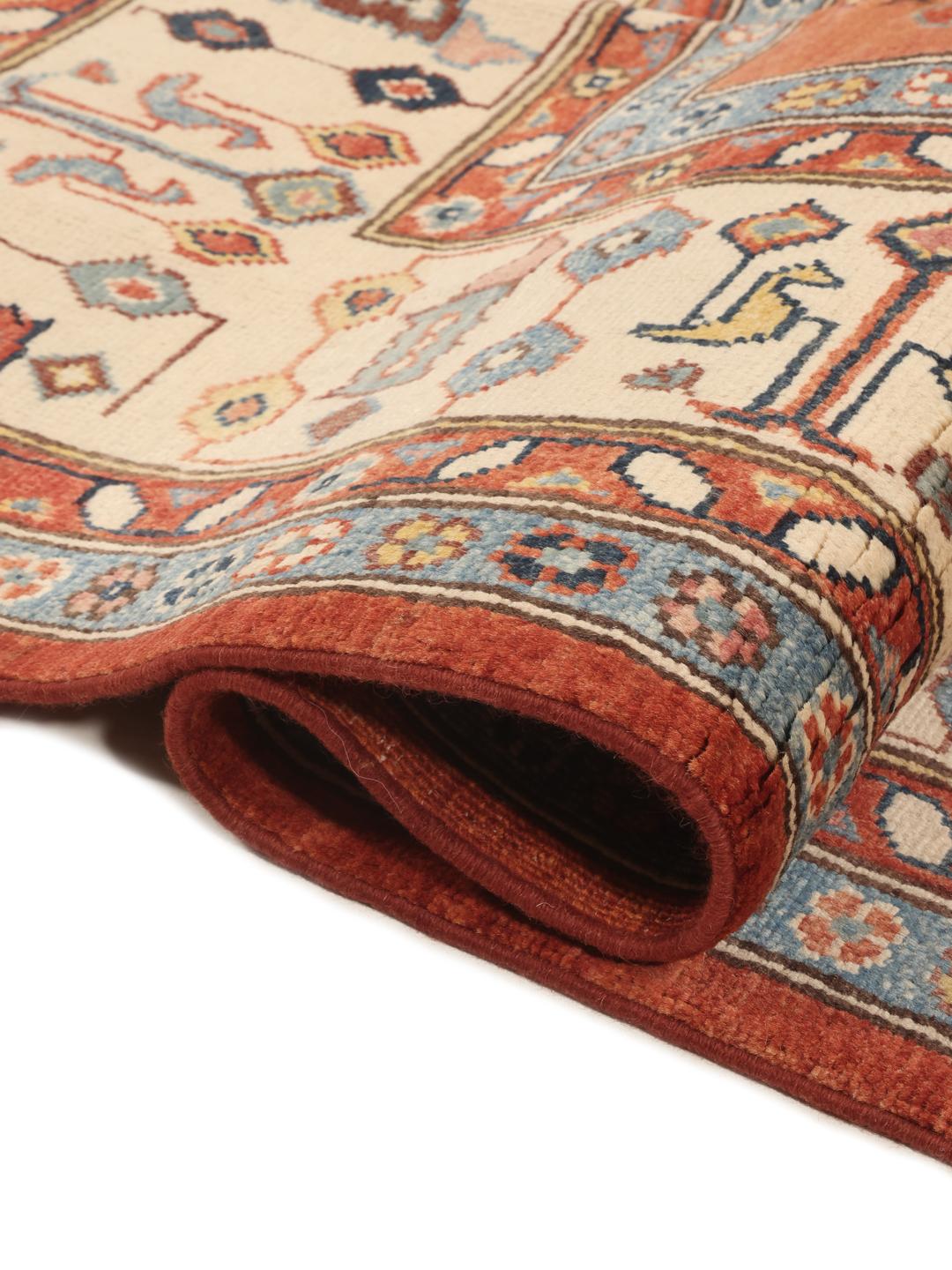
Visually, these rugs are easily identified by their large-scale, often angular medallions and vibrant colour palettes. They frequently feature stylised animals, stars, and latch-hook motifs that carry symbolic meaning, reflecting the cultural heritage of the weavers. The borders are typically wide and complex, acting as a structured frame that encloses the energetic, free-flowing patterns found in the central field.
Collecting a rug from this tradition is an investment in cultural heritage and long-standing craft skill. These pieces are highly valued not only for their striking beauty but for the human story they tell. By choosing a Kazak, you are acquiring a piece that carries the weight of history, crafted with an eye for detail and an appreciation for the artistic traditions that have shaped rug-making for centuries.