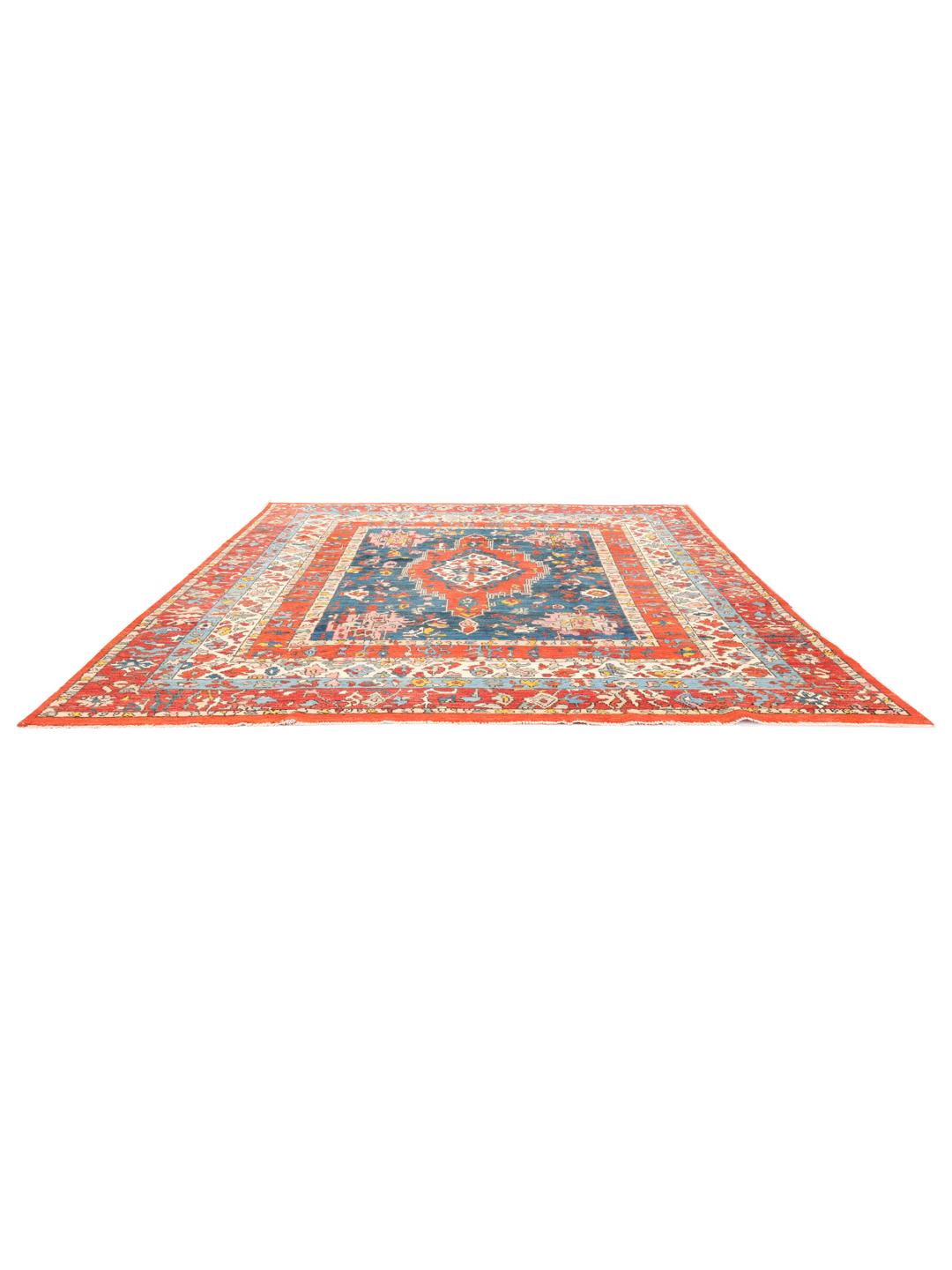
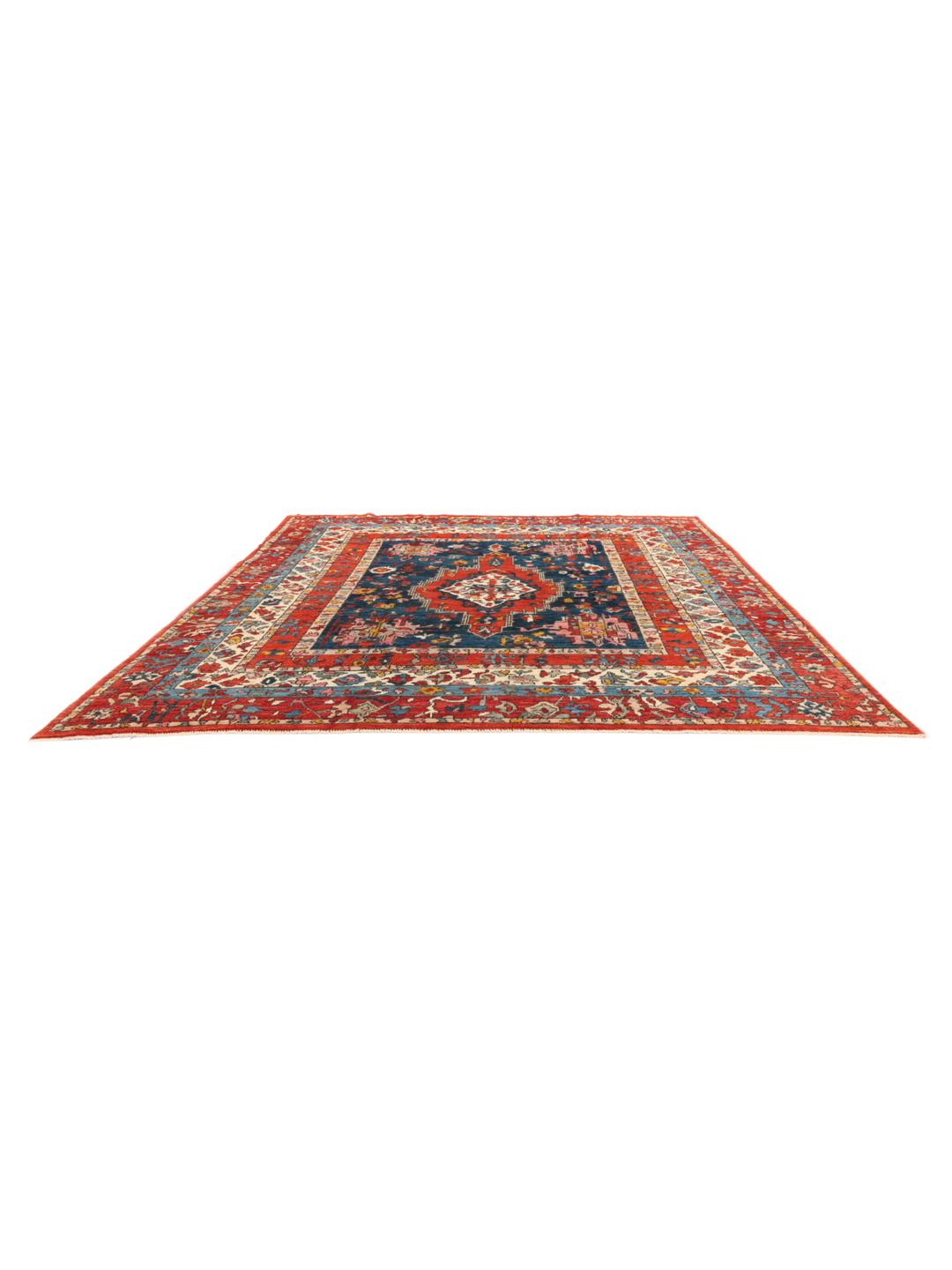
Kazak rugs originate from the Caucasus region, a mountainous area known for its rich weaving traditions and history of nomadic movement. While the name itself is often associated with the Kazak people of the steppe, these rugs have historically been produced by various ethnic groups across the region. Today, the tradition has found a new home in Afghanistan, where weavers continue to honour these ancient aesthetic codes with exceptional skill.
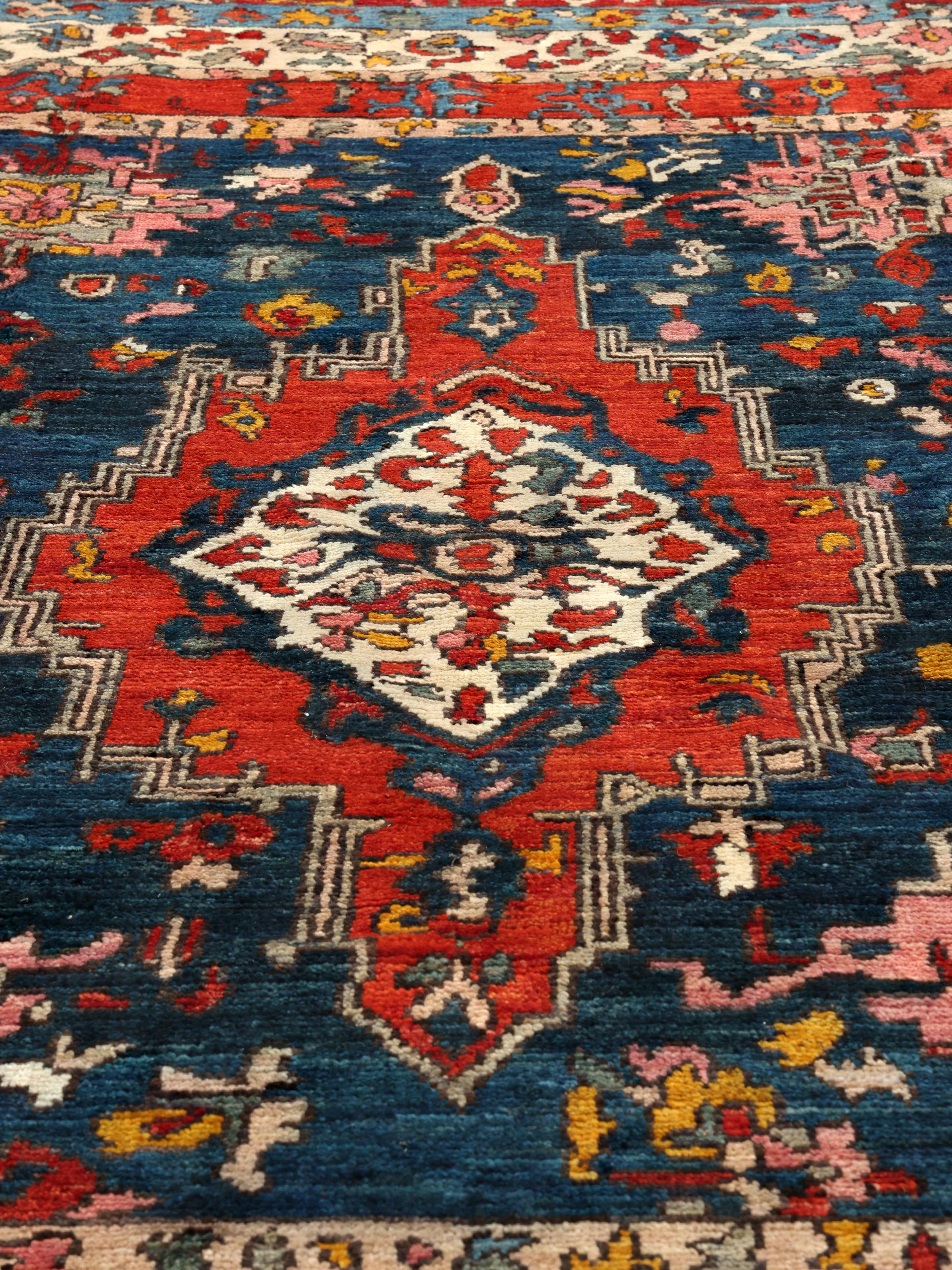
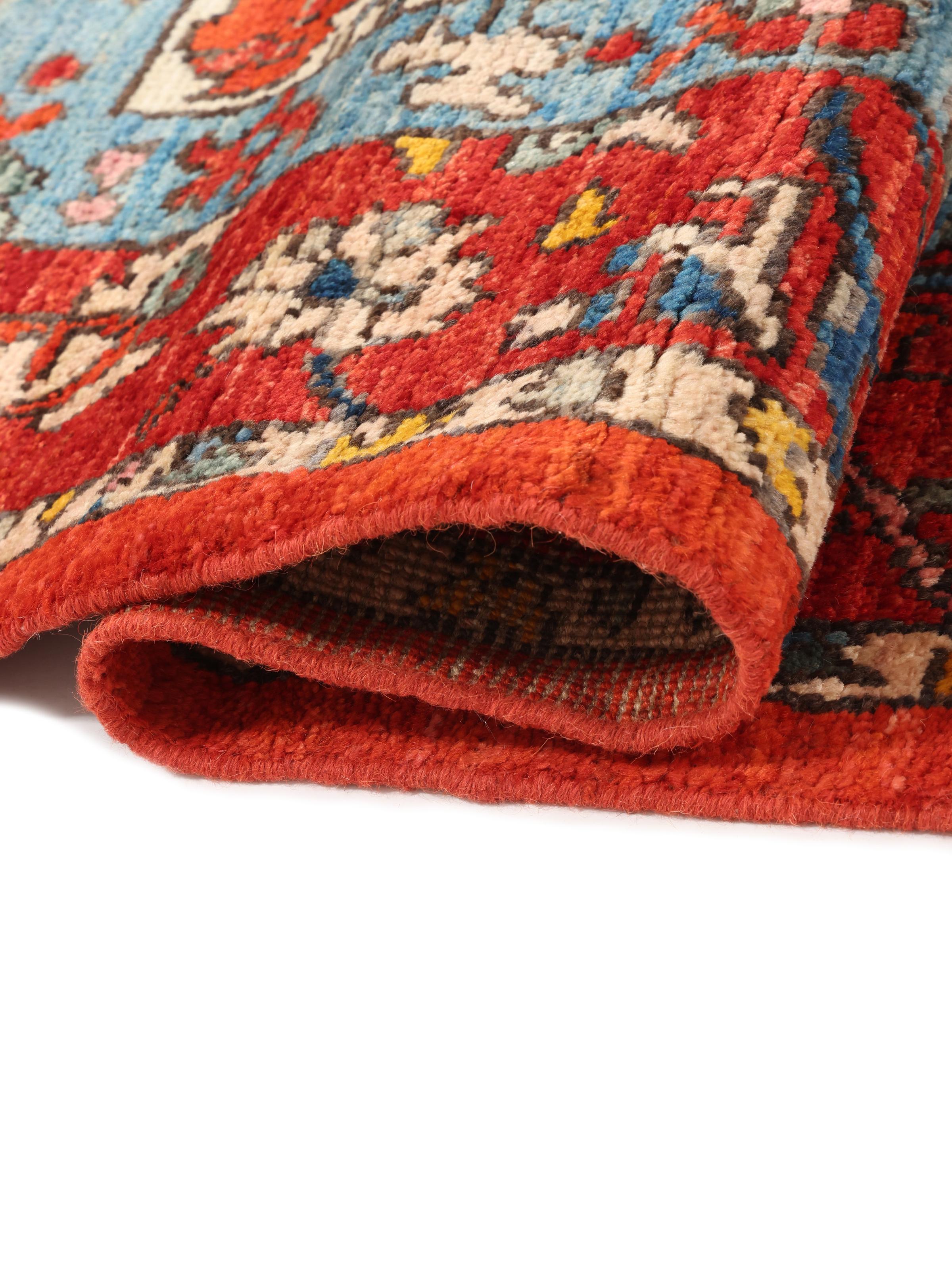
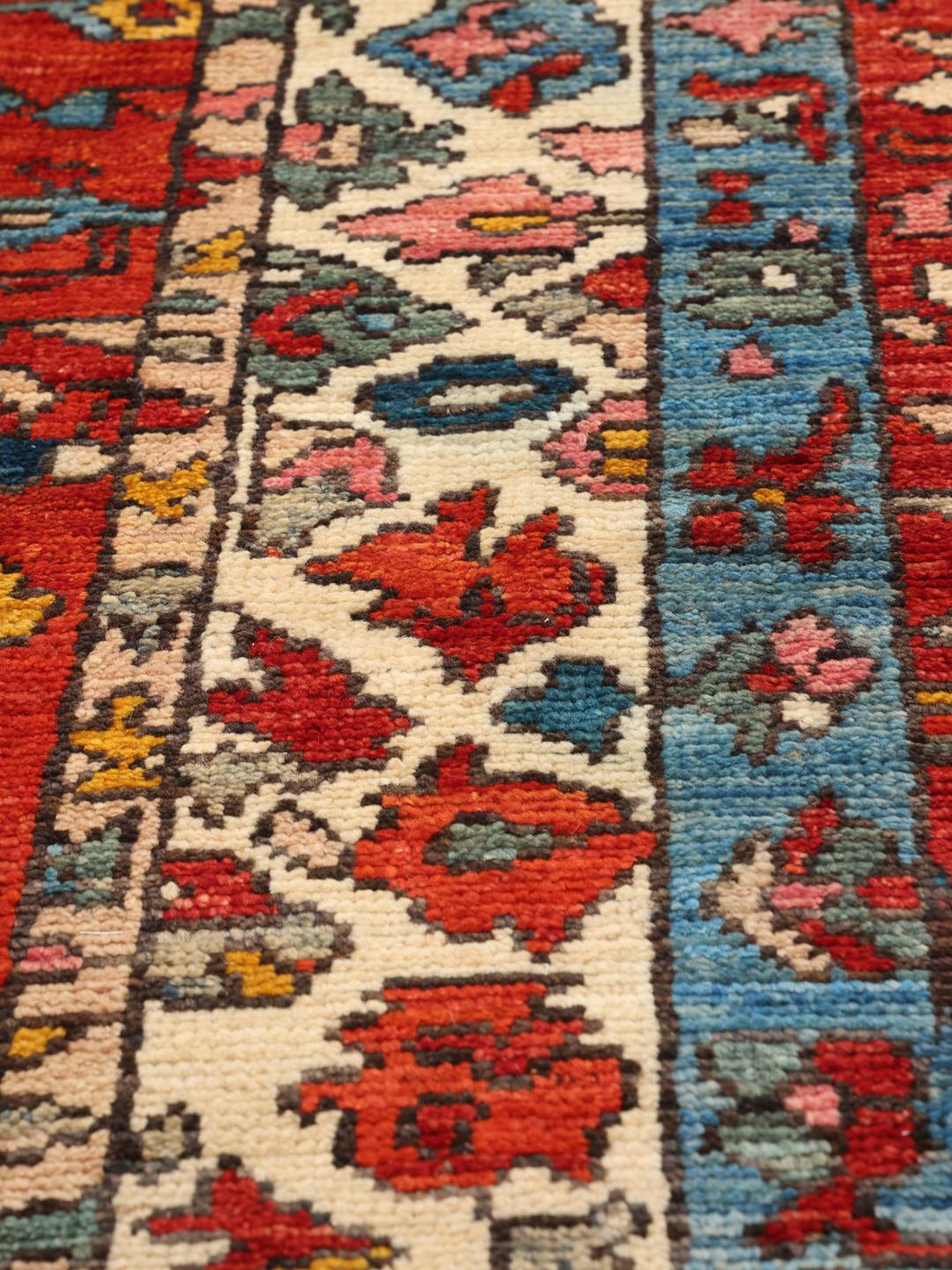
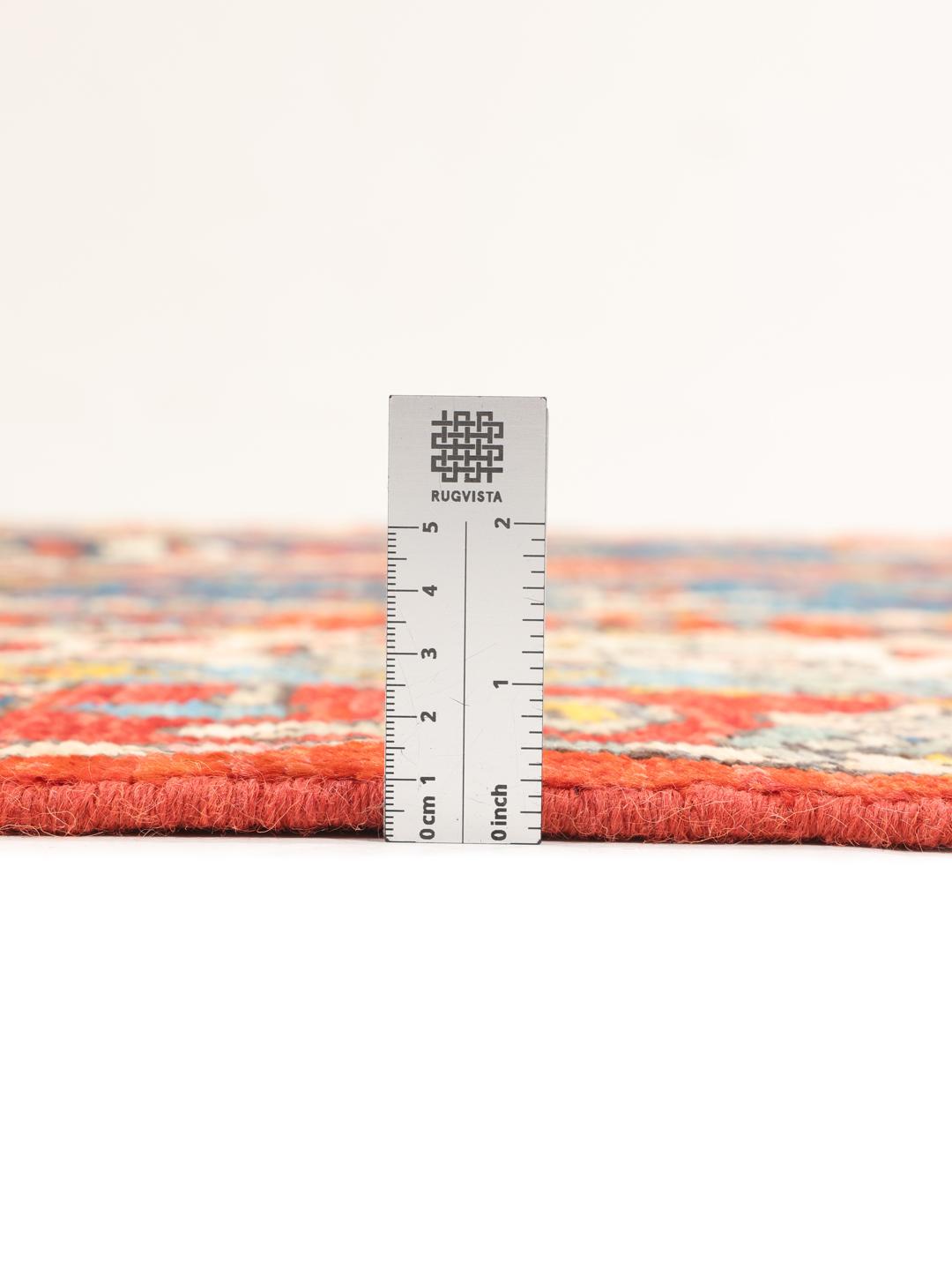
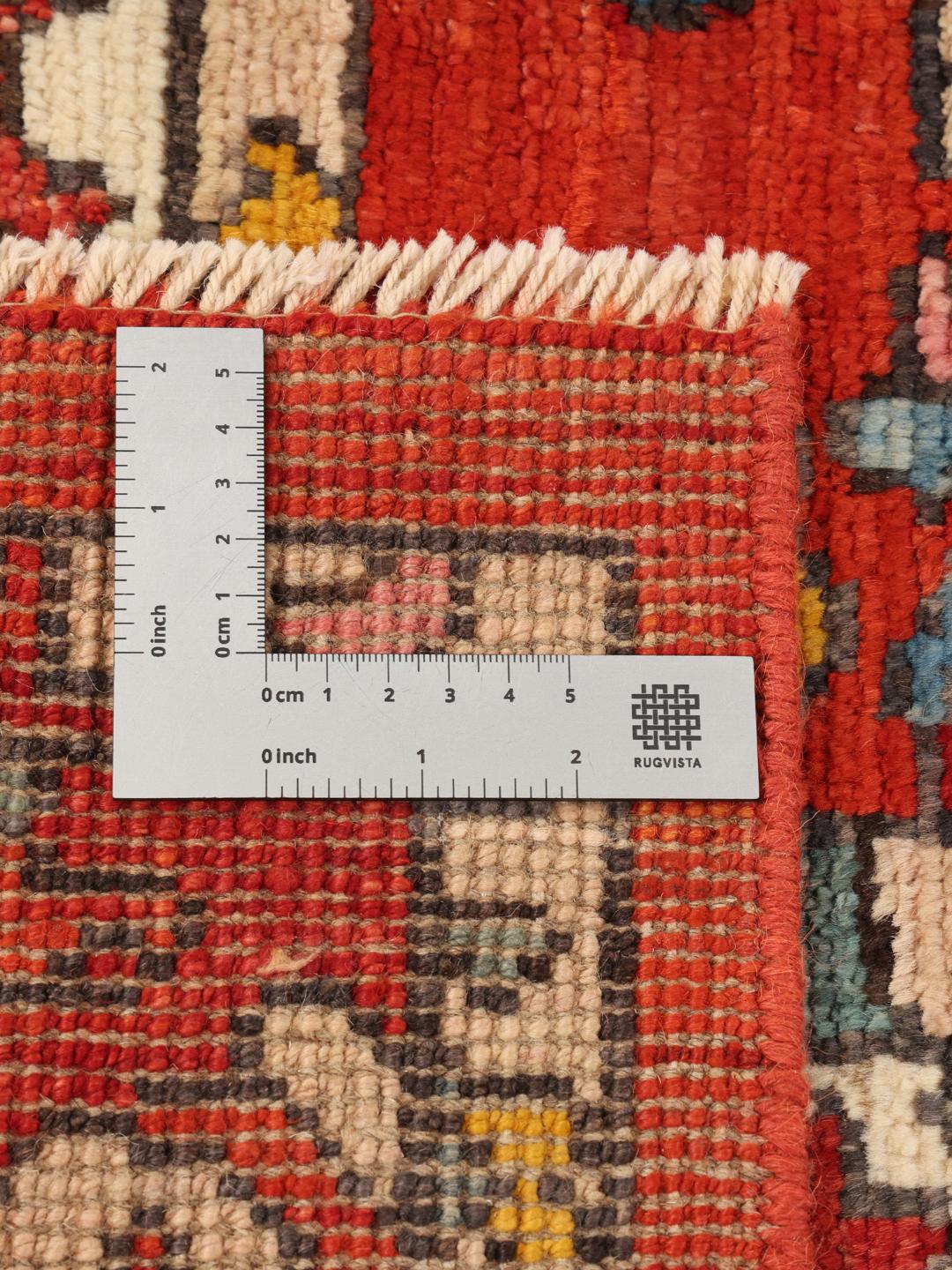
Technical quality in this category is defined by the use of long-staple wool and a sturdy foundation. The specific construction allows for a pile that is both soft to the touch and remarkably durable. In the context of these rugs, the term hand-knotted refers to the practice of wrapping wool yarn around the foundation threads, a technique that creates a secure, long-lasting surface that can endure for generations.
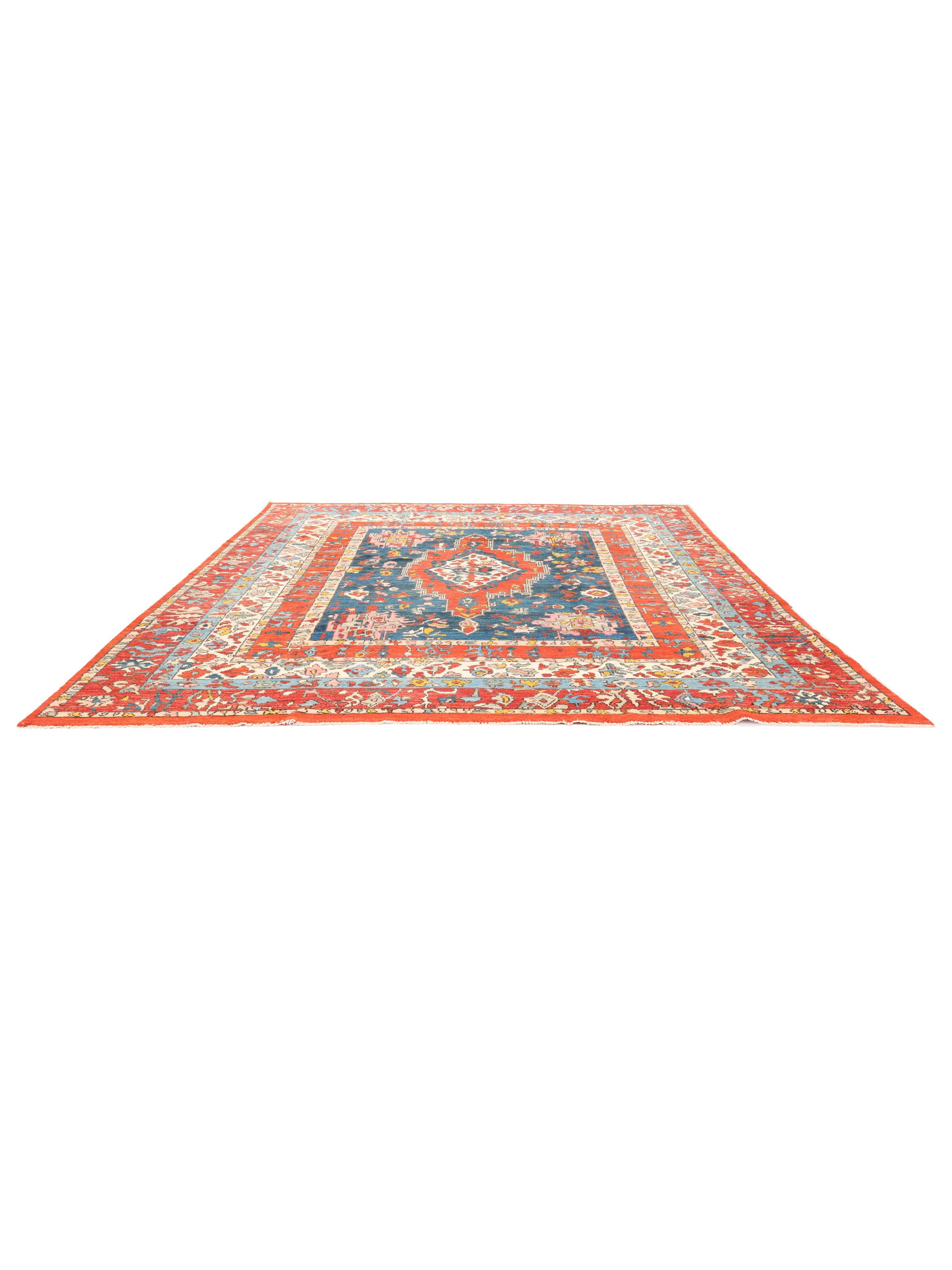
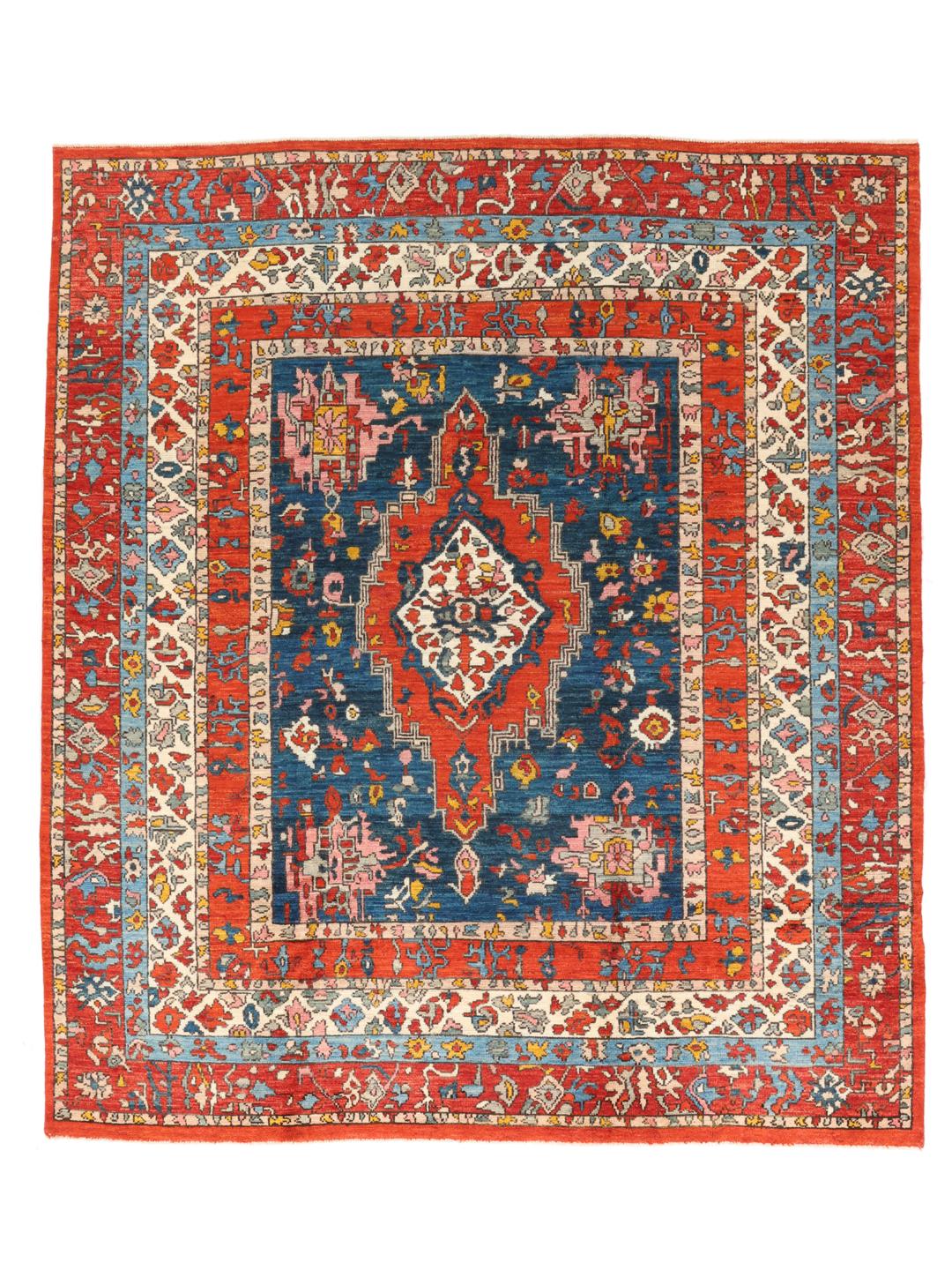
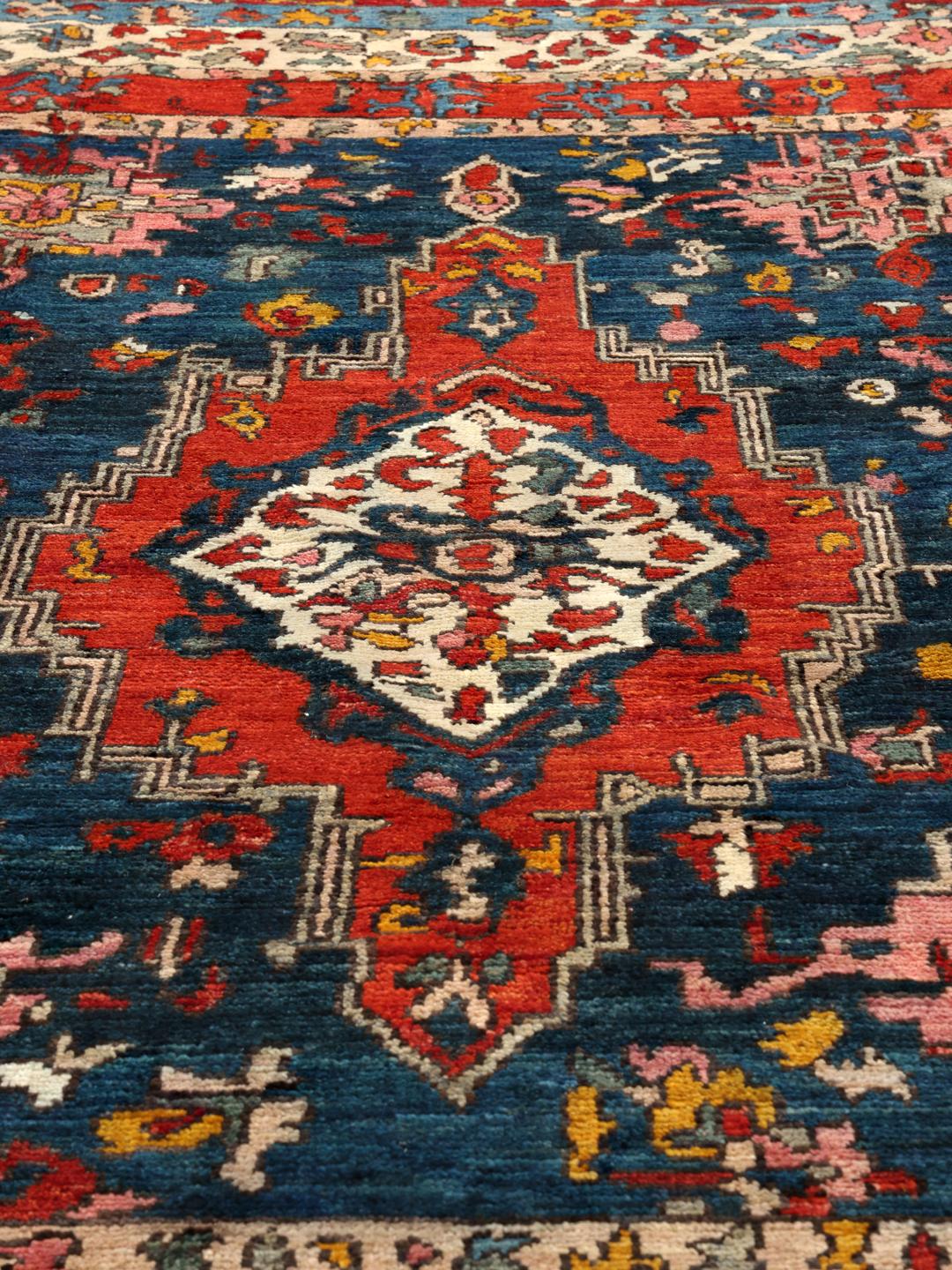
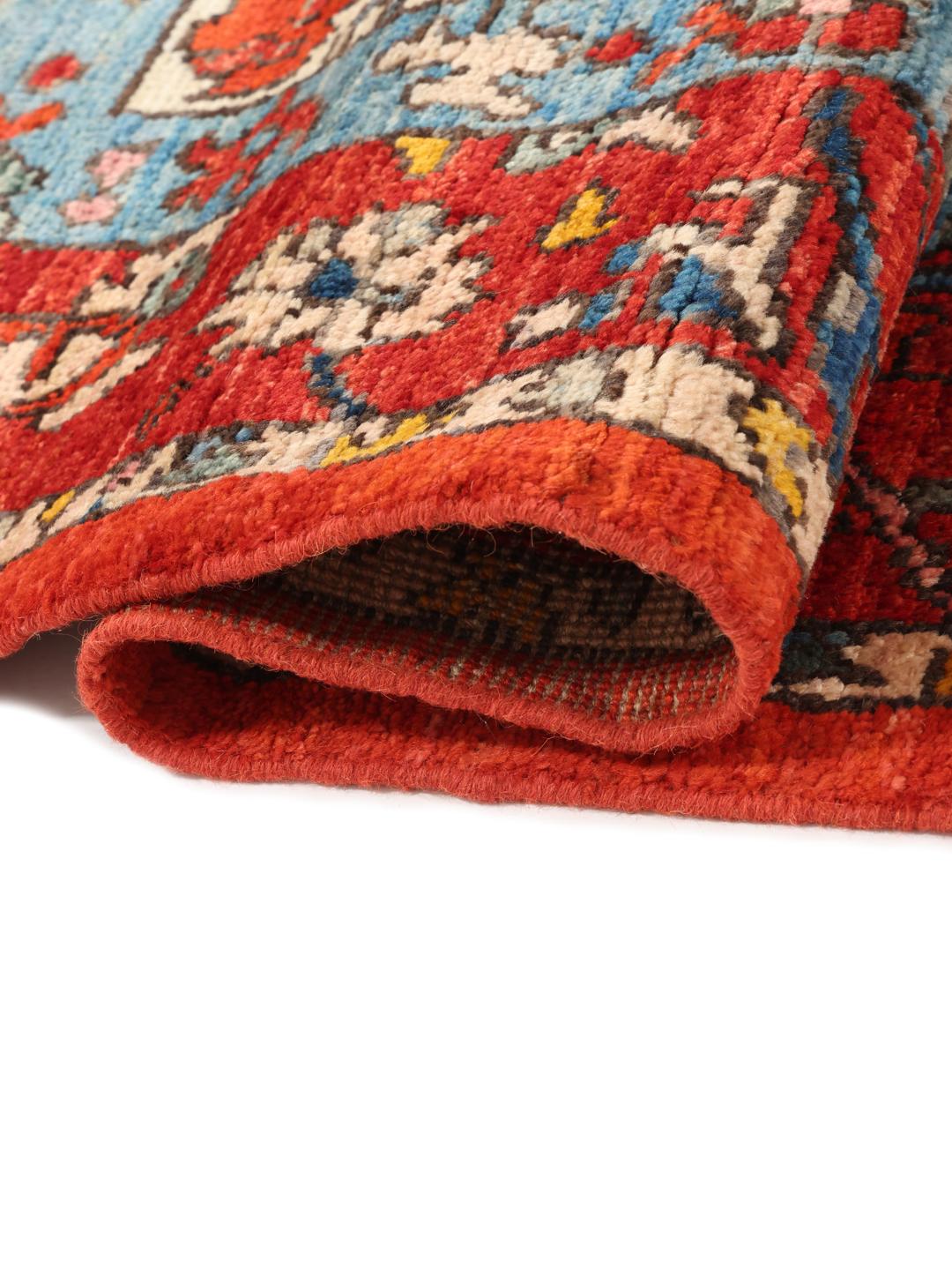
The visual language of the Kazak tradition is famously bold and geometric. You will typically find large-scale medallions, stylized floral motifs, and latch-hook patterns that create a vibrant, rhythmic composition. The borders are usually broad and complex, framing the central field with repeating geometric shapes that draw the eye toward the heart of the rug. This specific example reflects those traditions with its striking use of colour and balanced symmetry.
Collectors value these rugs for their artistic integrity and the cultural history they carry. Owning a Kazak rug is about more than just floor covering; it is about bringing a piece of living history into your home. The combination of ancient design motifs and the human effort required to craft them ensures that these rugs remain highly sought after by those who appreciate the intersection of heritage, skill, and enduring quality.