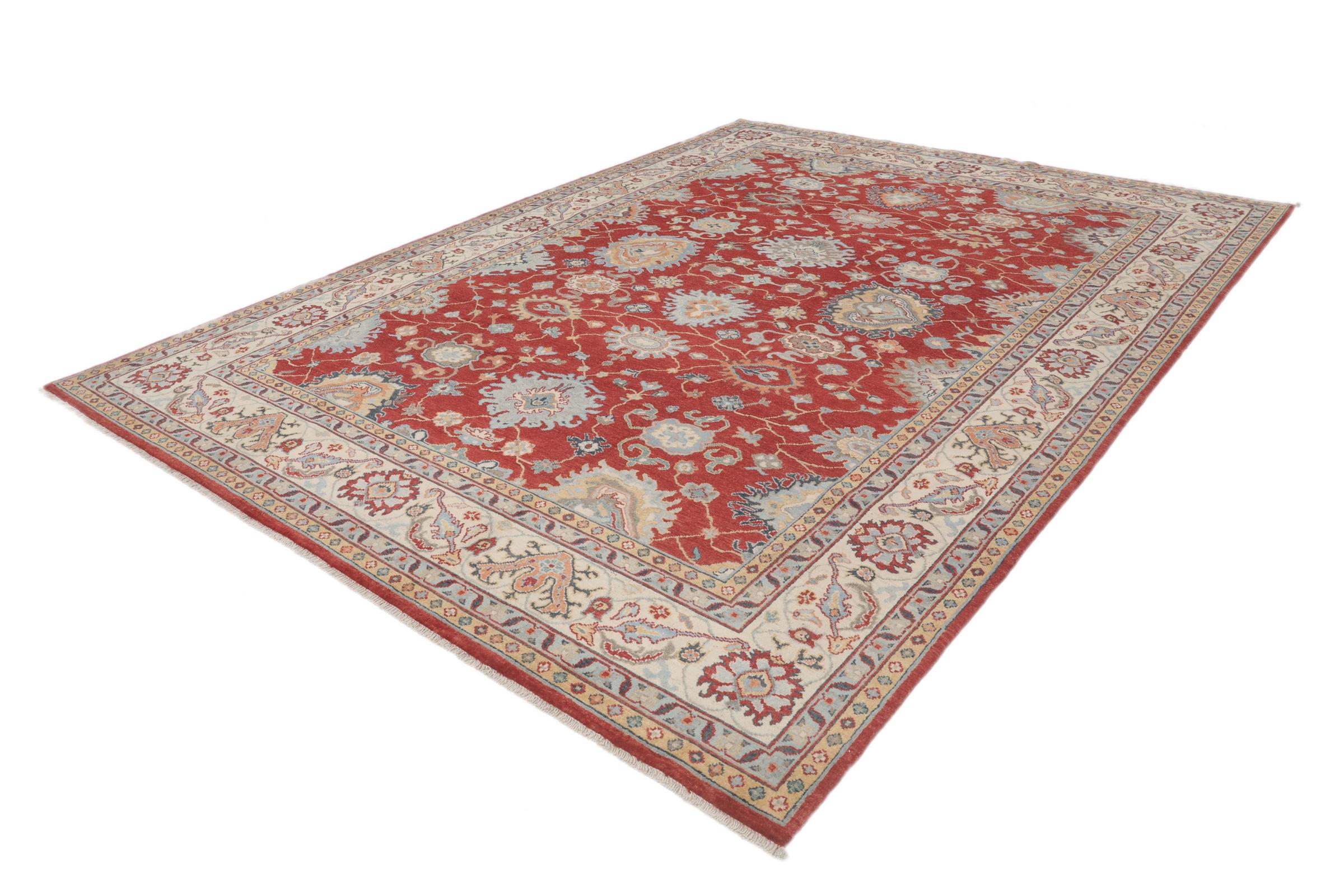
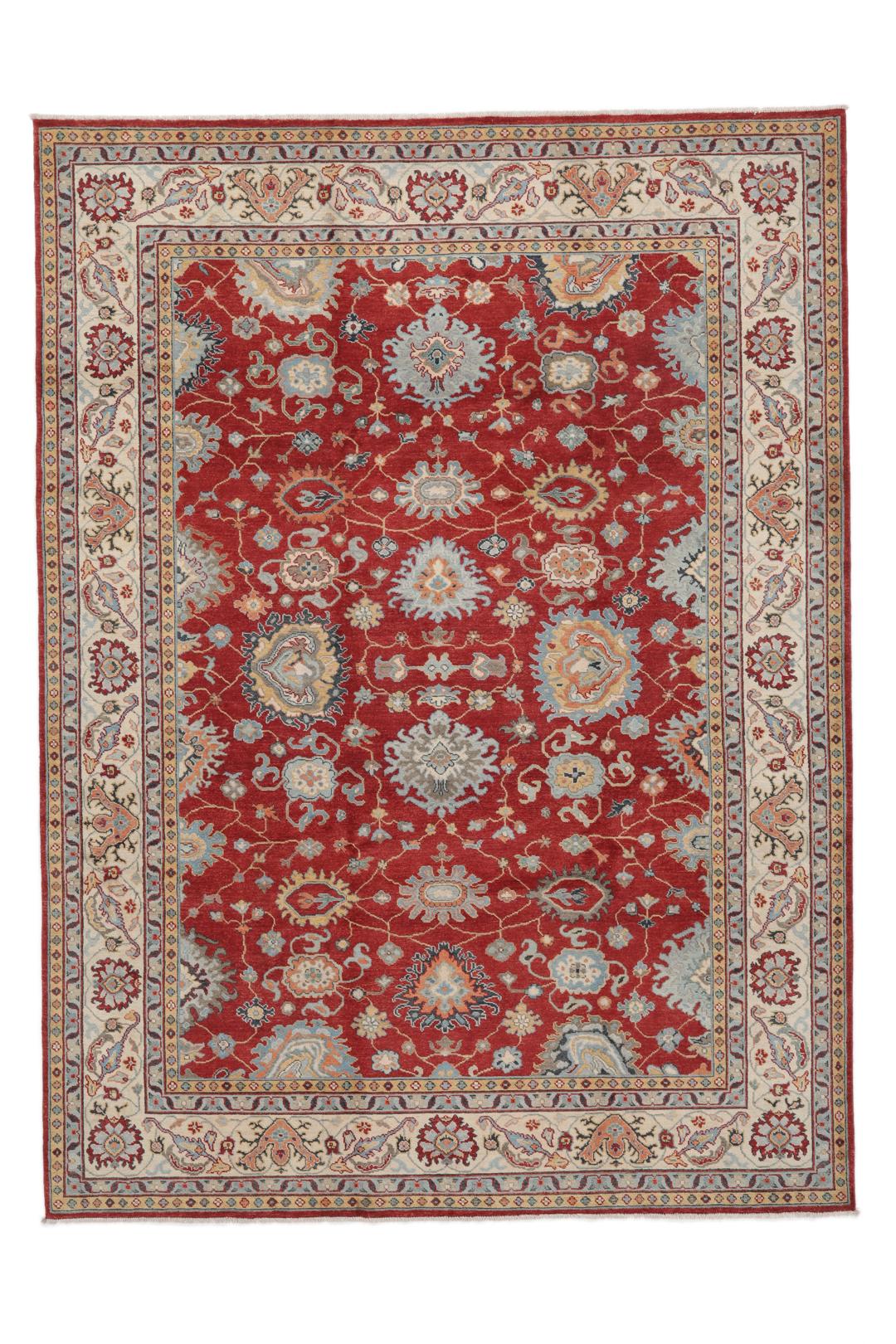
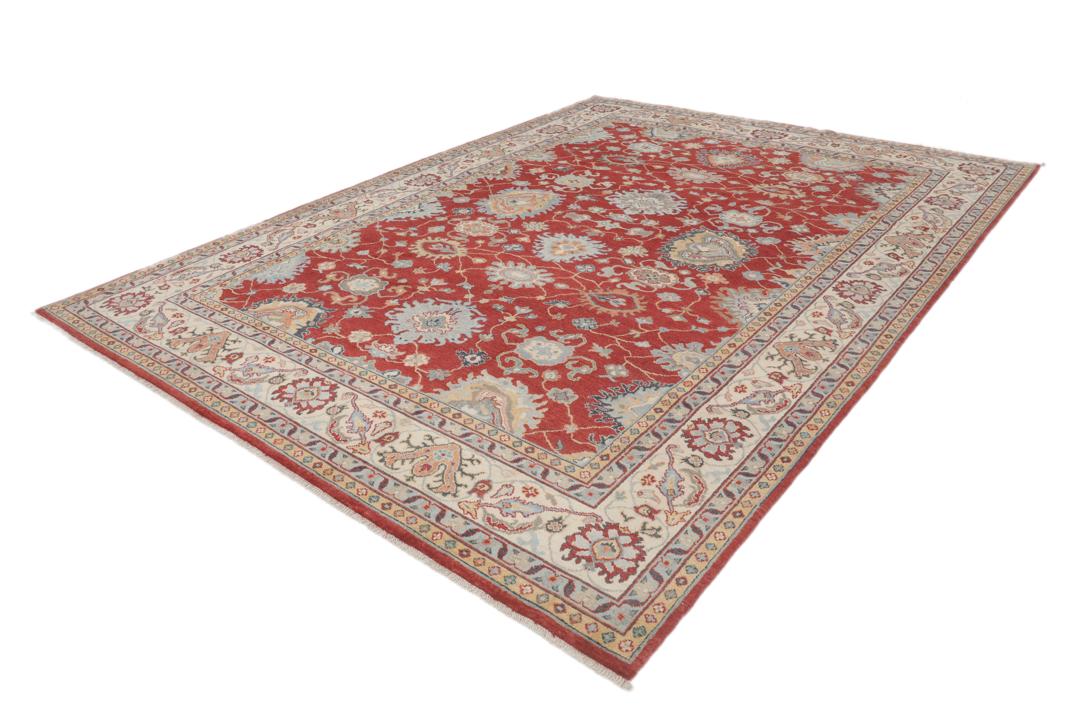
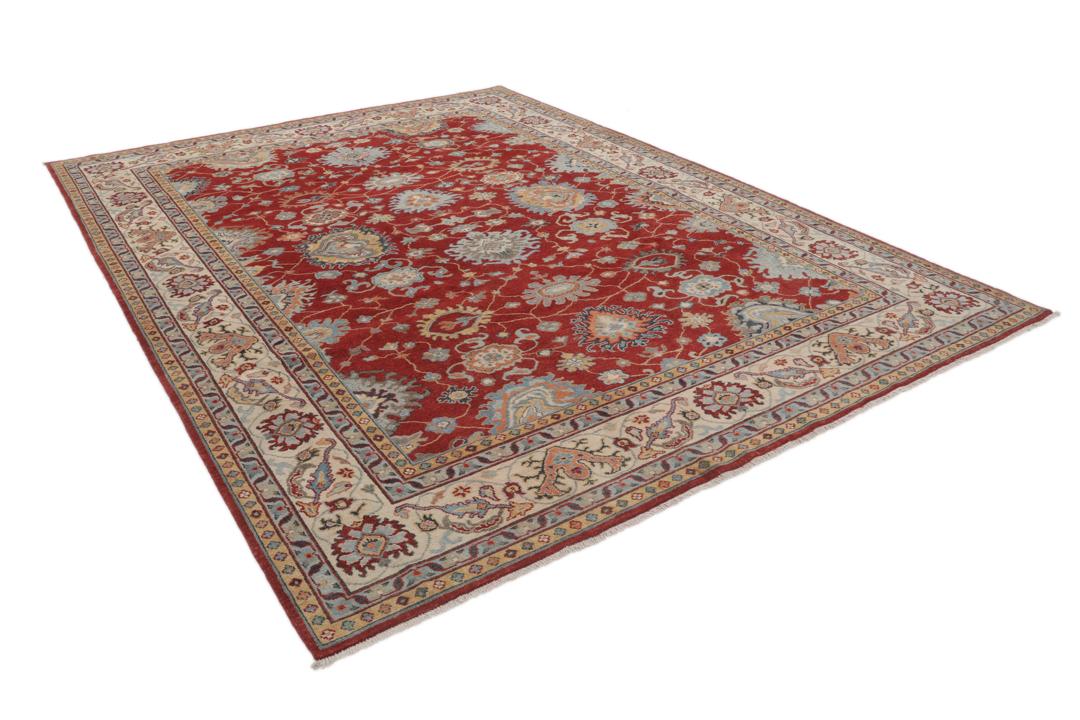
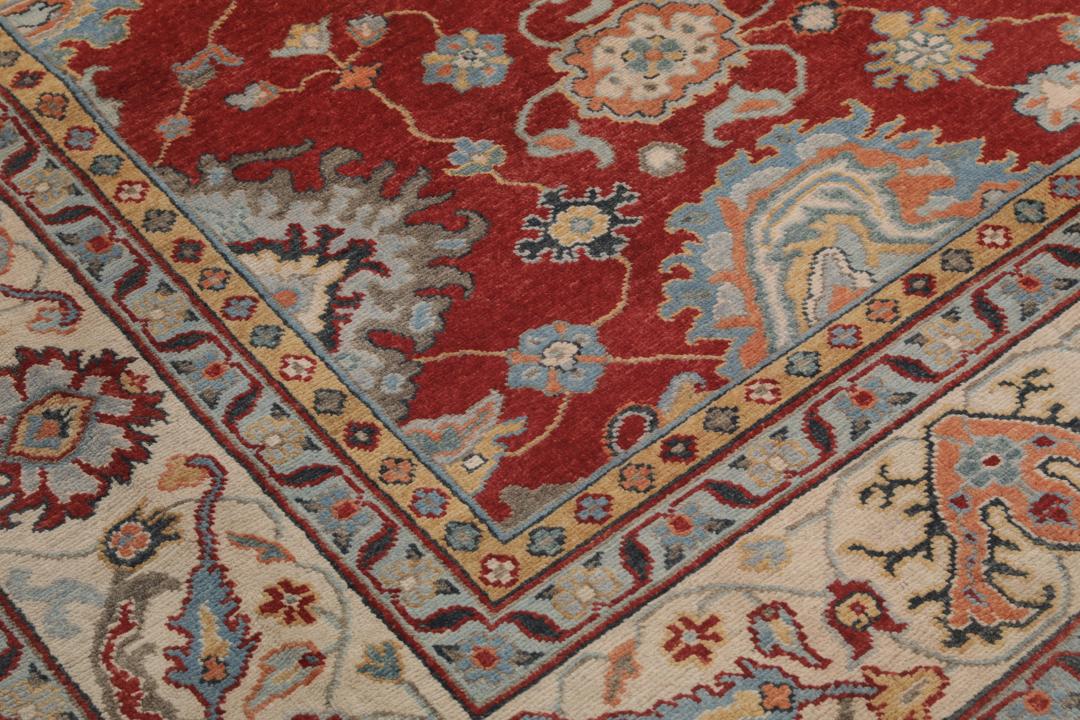
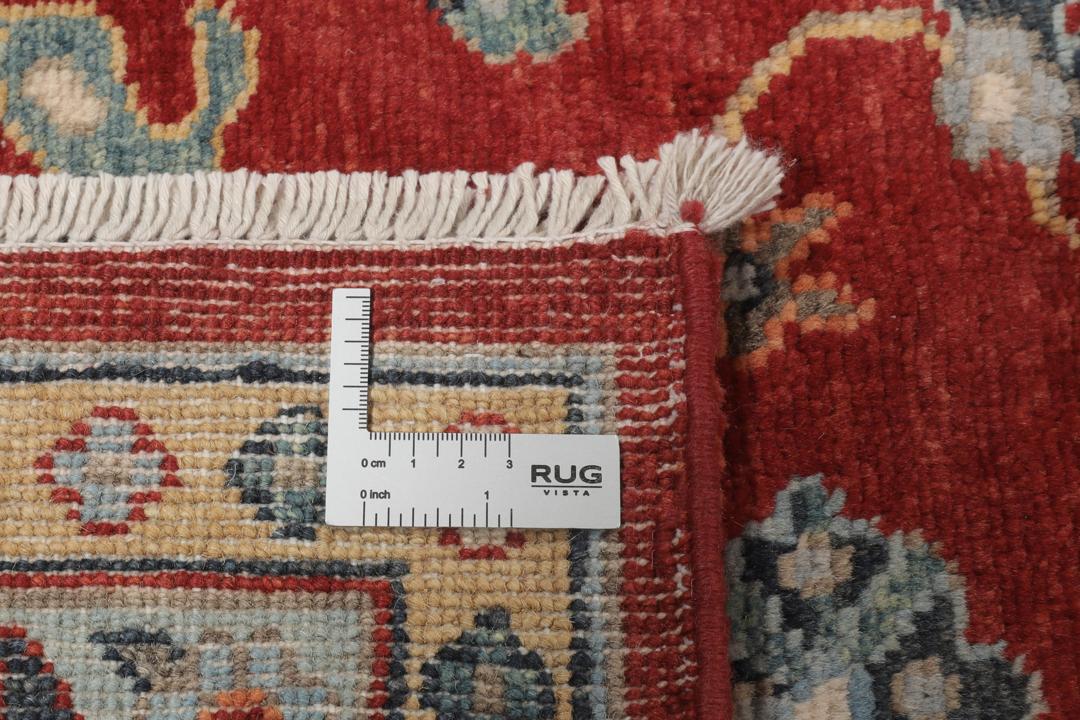
Kazak rugs originate from the Caucasus region, a mountainous area known for its rich weaving history and bold, geometric design traditions. While the term originally referred to rugs woven by nomadic tribes in the Caucasus, the style has evolved significantly over time. Today, some of the finest examples of this tradition are masterfully crafted in Afghanistan, where weavers have adopted and refined these classic motifs with local materials and techniques.
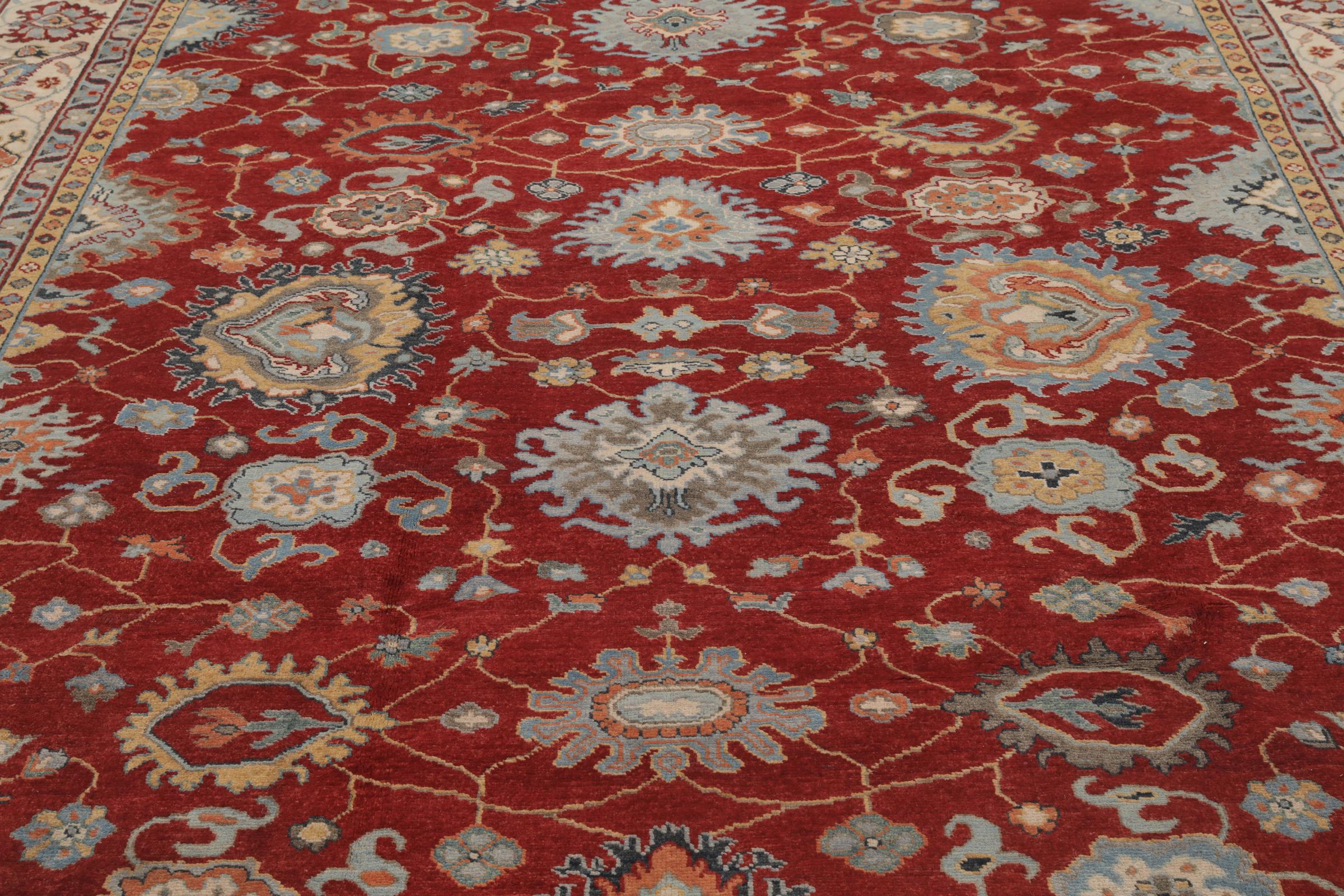
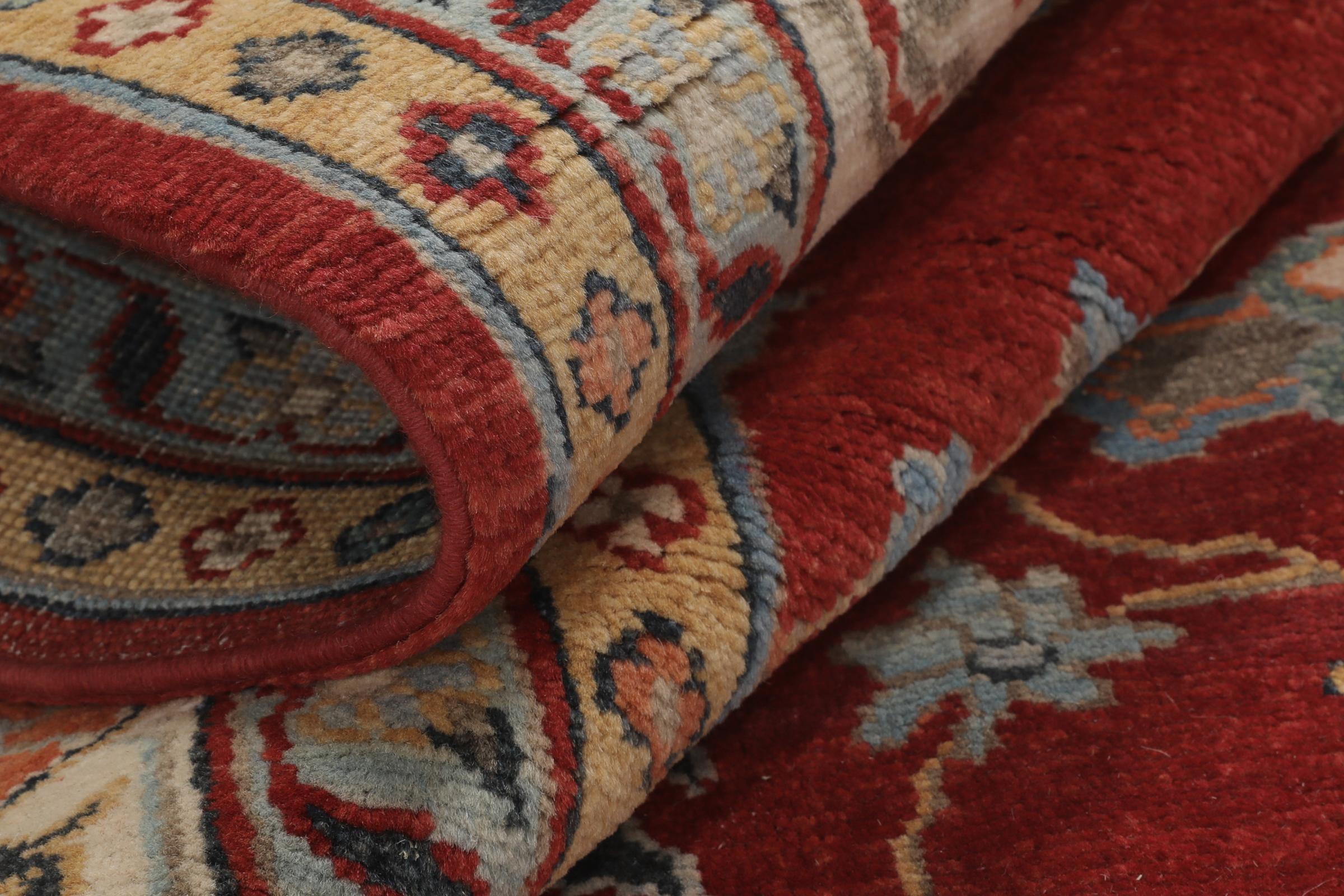
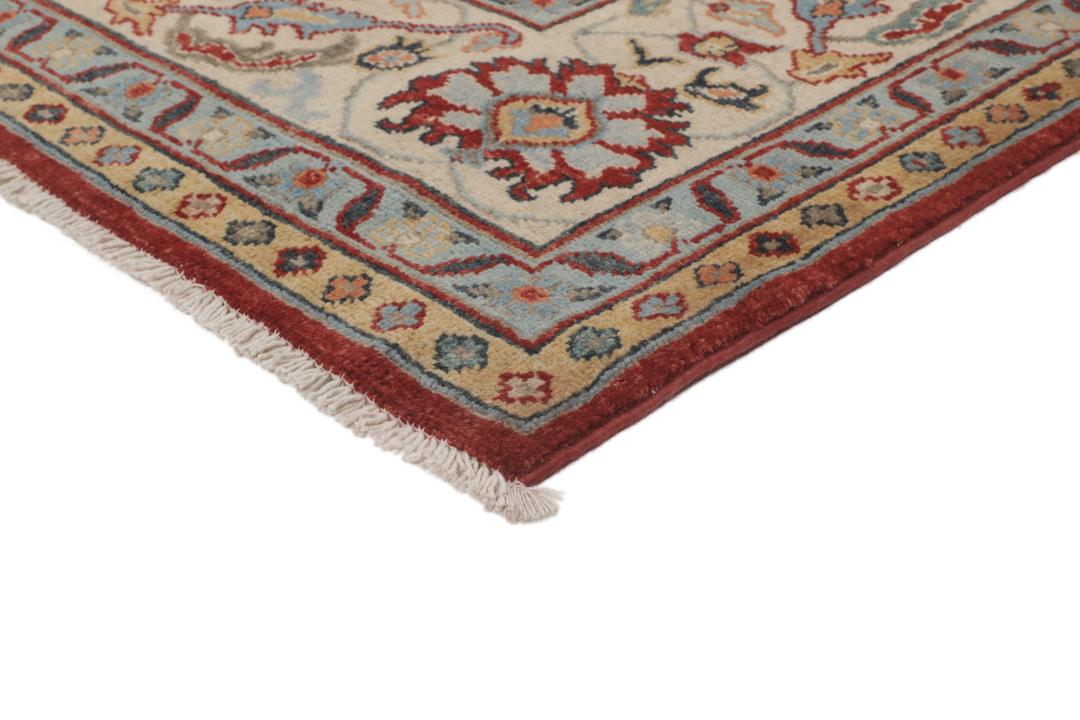
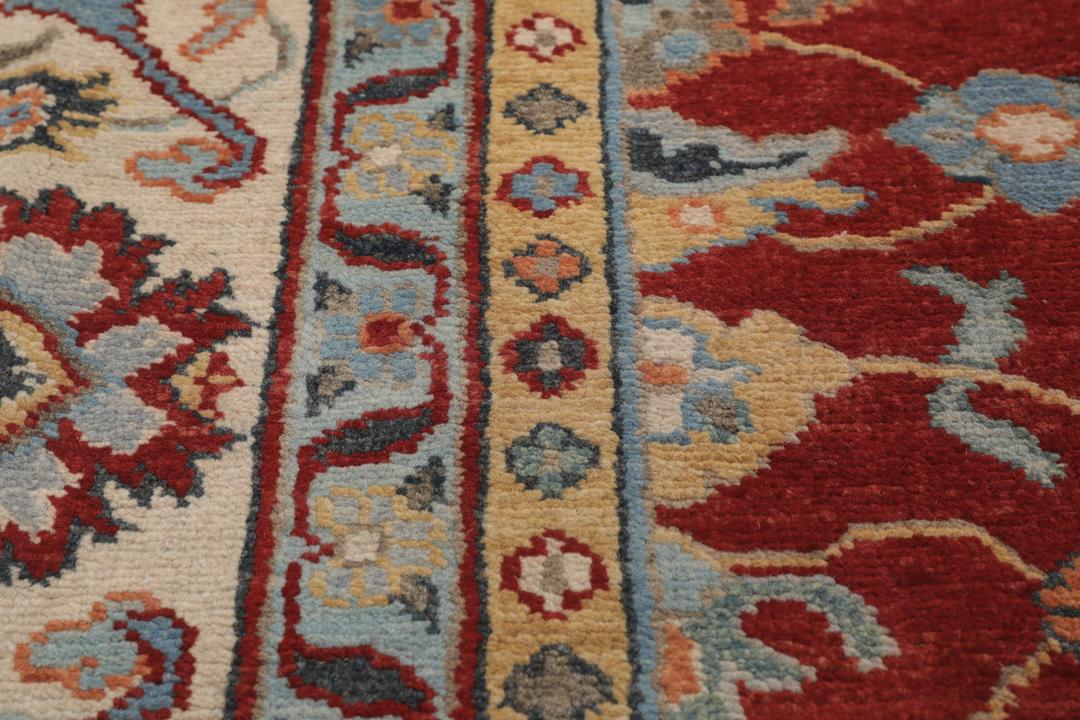
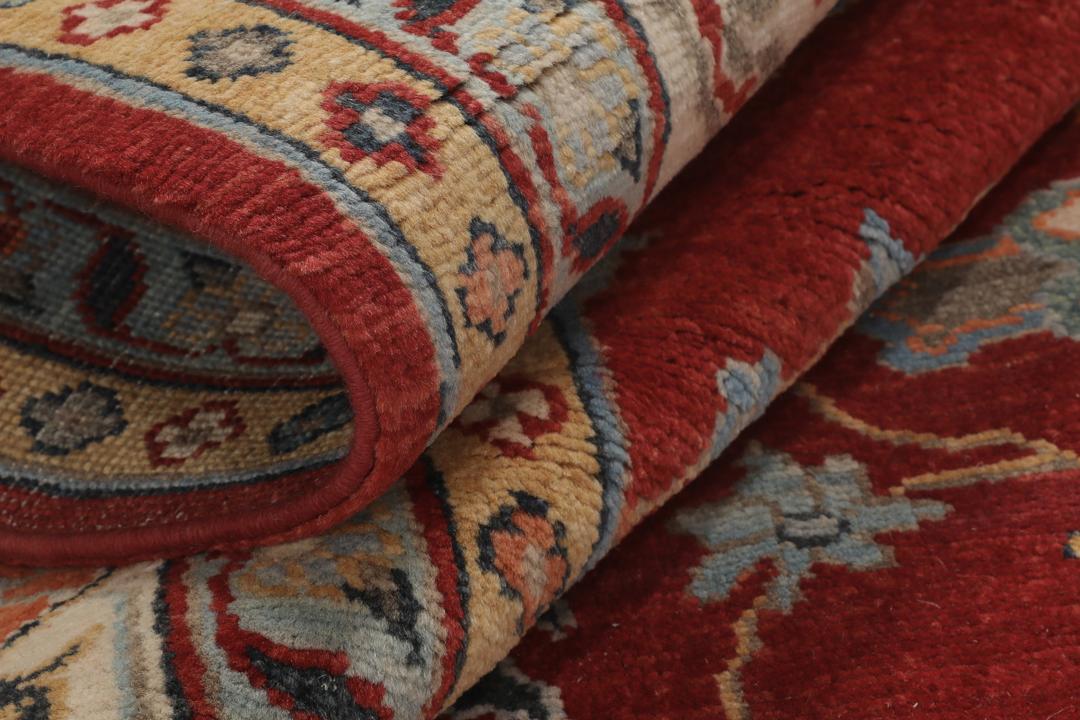
The term hand-knotted refers to the ancient technique of tying individual strands of wool onto a foundation of cotton. This labour-intensive process is what gives these rugs their exceptional durability and texture. By using hand-spun wool, the weavers ensure that the pile is not only soft underfoot but also capable of developing a beautiful patina over time, which enhances the rug's character as it ages.
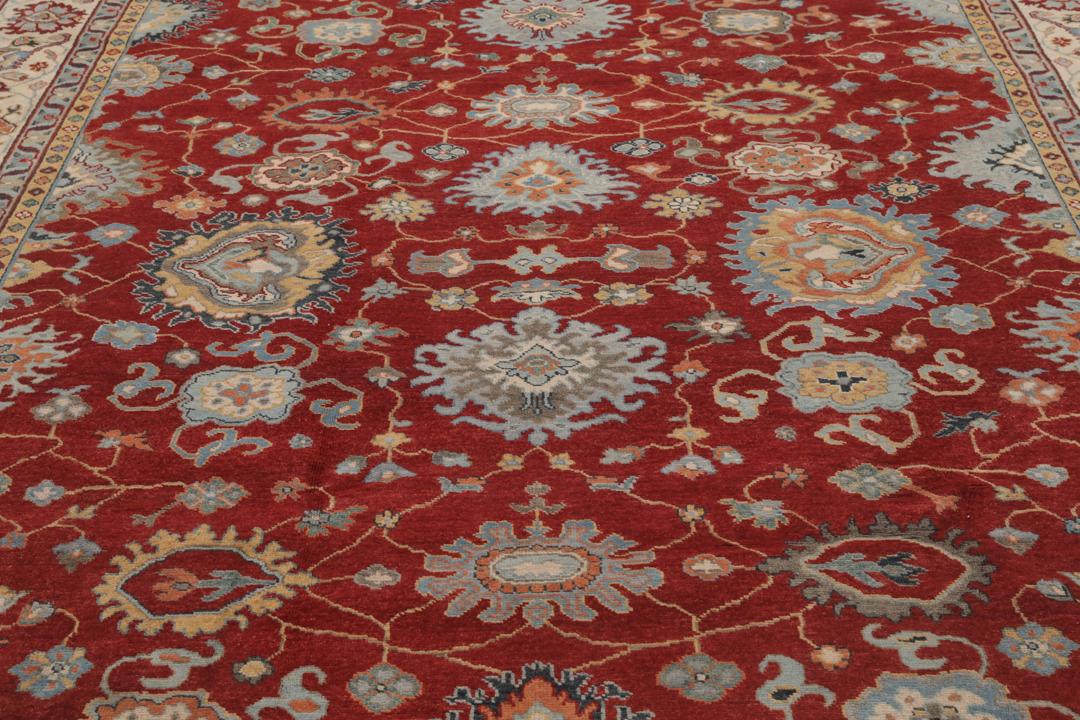
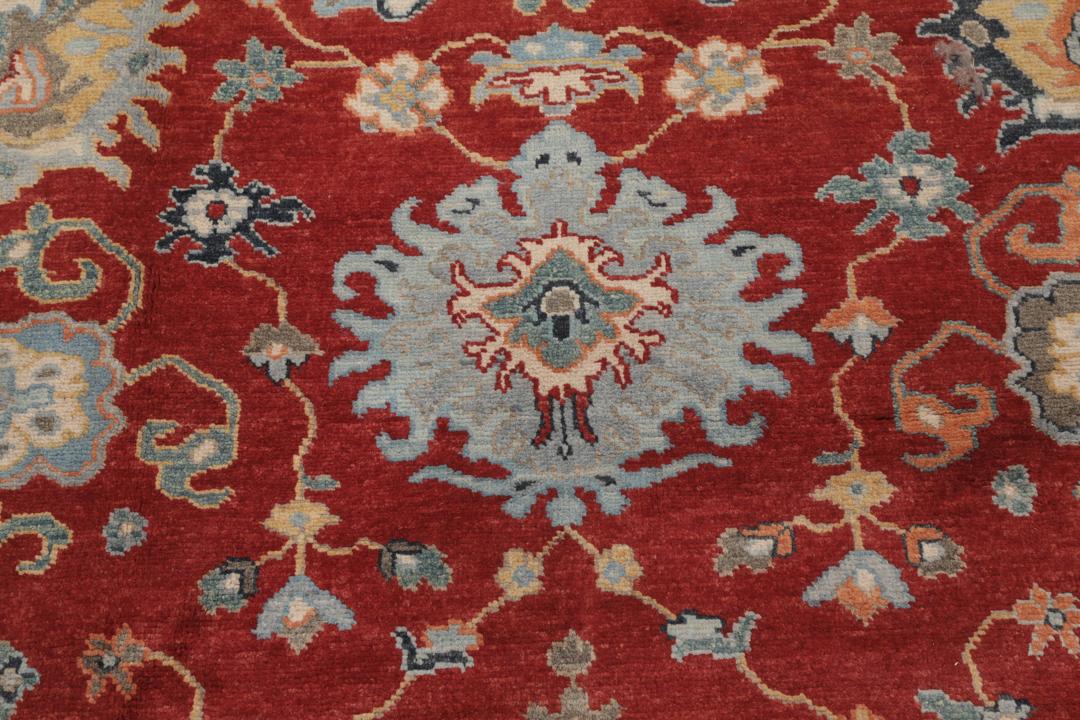
Visually, Kazak rugs are defined by their vibrant, saturated colour palettes and large-scale, stylized geometric motifs. The designs often draw inspiration from the natural world, featuring simplified versions of floral patterns, medallions, and tribal symbols. The borders are typically bold and structured, framing the field with repeating geometric patterns that provide a sense of balance and harmony to the overall composition.
These rugs are highly valued by collectors and interior enthusiasts alike for their cultural weight and the undeniable skill required to produce them. Owning a Kazak rug is more than just purchasing a floor covering; it is an act of preserving a nomadic artistic legacy. The combination of historical design, natural materials, and human-driven craft makes these pieces a testament to the enduring appeal of heritage textiles in the modern home.