Kazak rugs originate from the Caucasus region, a mountainous area known for its rich weaving traditions and vibrant textile art. While the historical Kazak rugs were traditionally woven by nomadic tribes, the term today refers to a specific style of bold, geometric design that has been successfully adapted by weavers in Afghanistan, who continue to honour these ancient aesthetic roots.
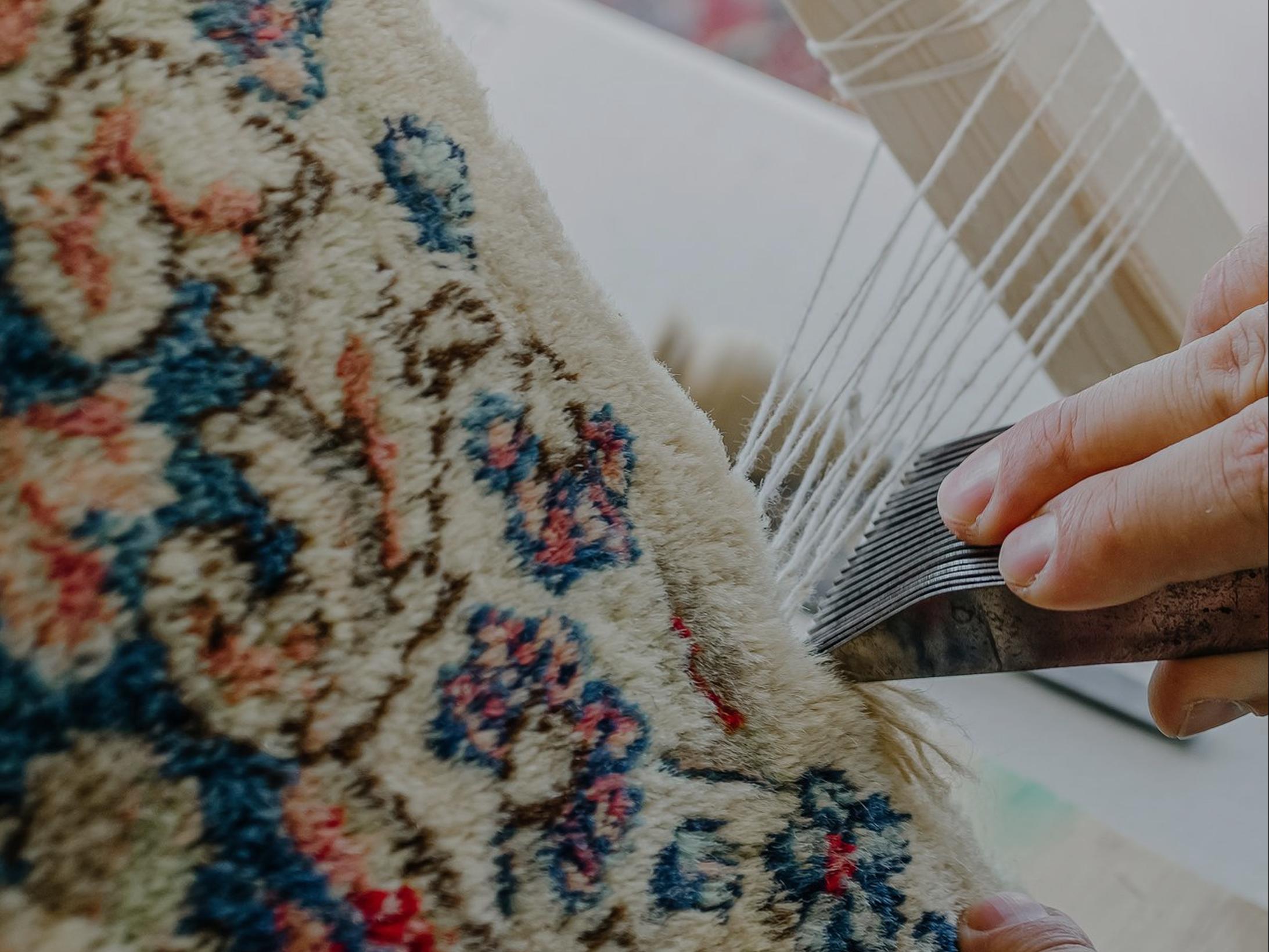
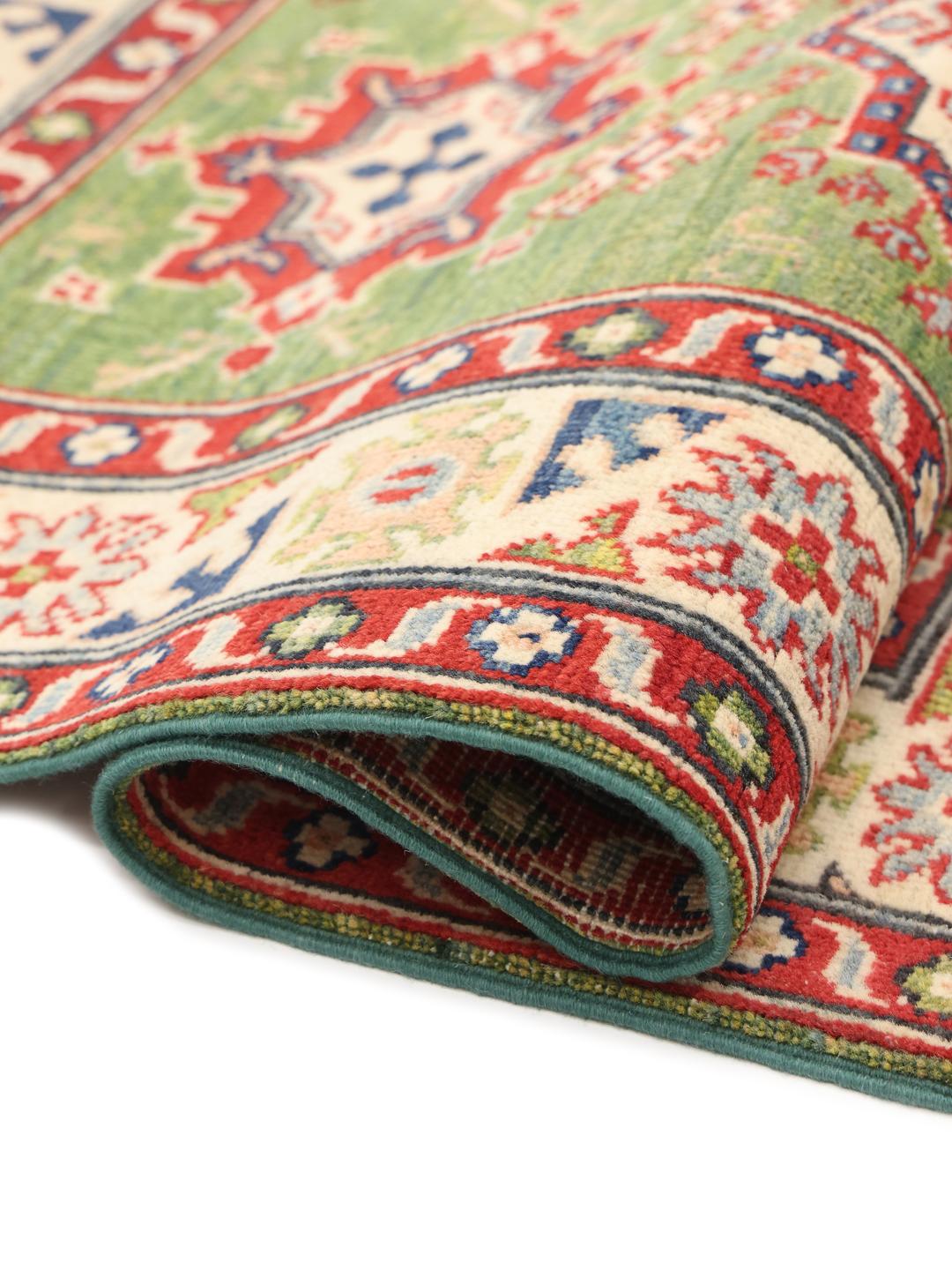
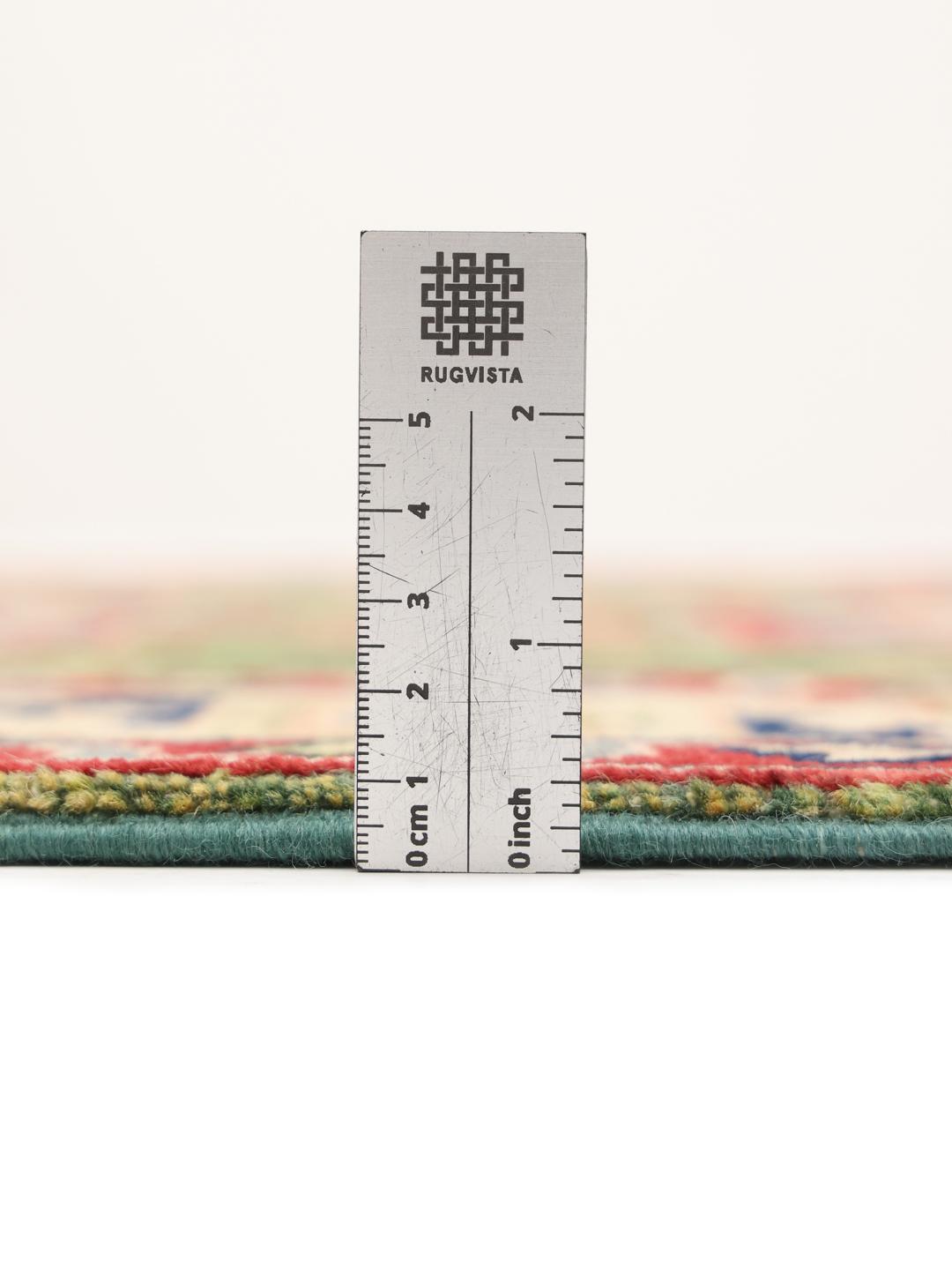
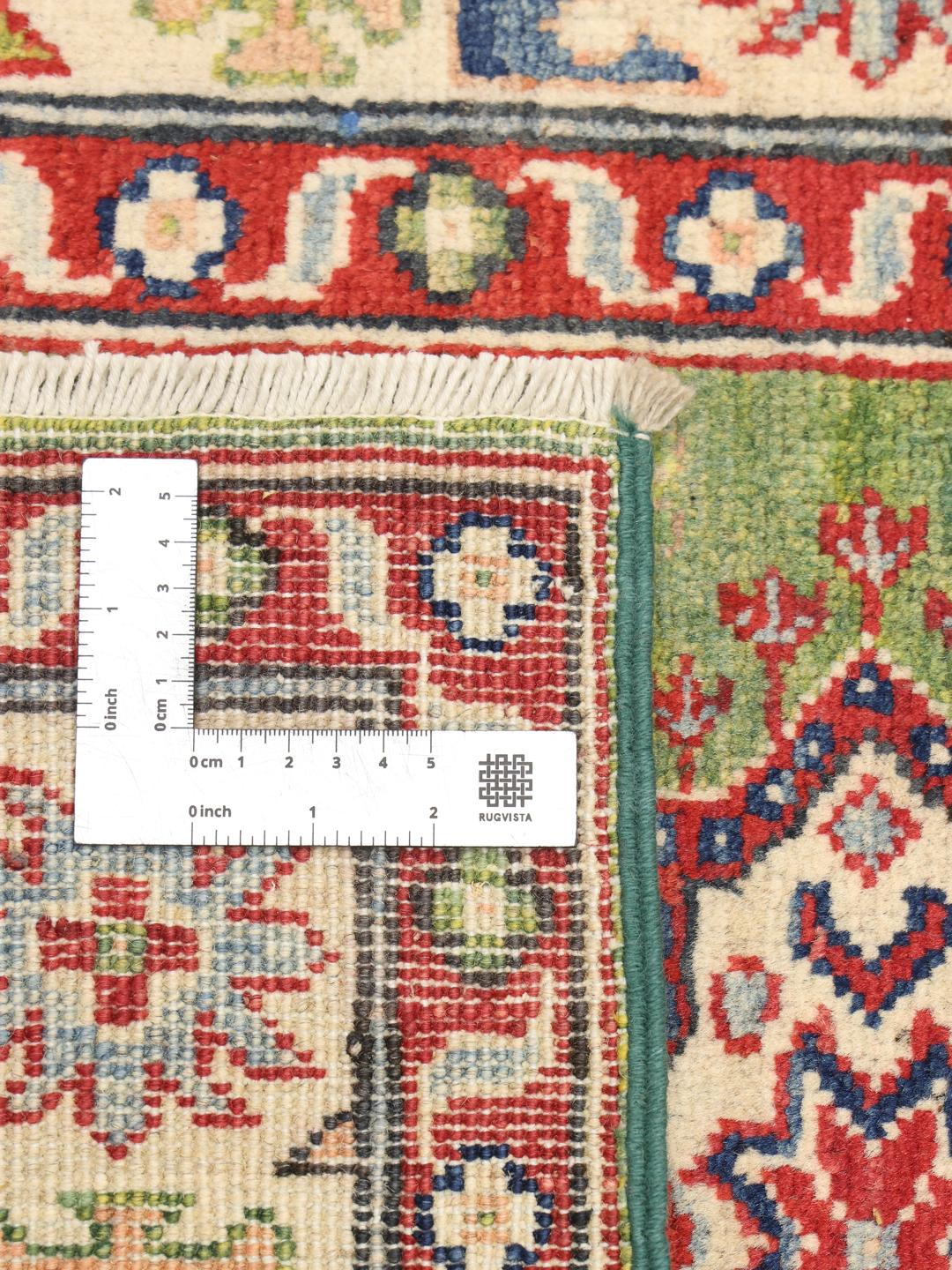
The term 'Kazak' is synonymous with a particular approach to rug making that prioritises durability and expressive, large-scale patterns. These rugs are typically hand-knotted, a method that allows for the creation of intricate, durable piles that can withstand the test of time. The quality of these rugs is defined by their dense, sturdy construction, which ensures they remain a staple of the home for generations.
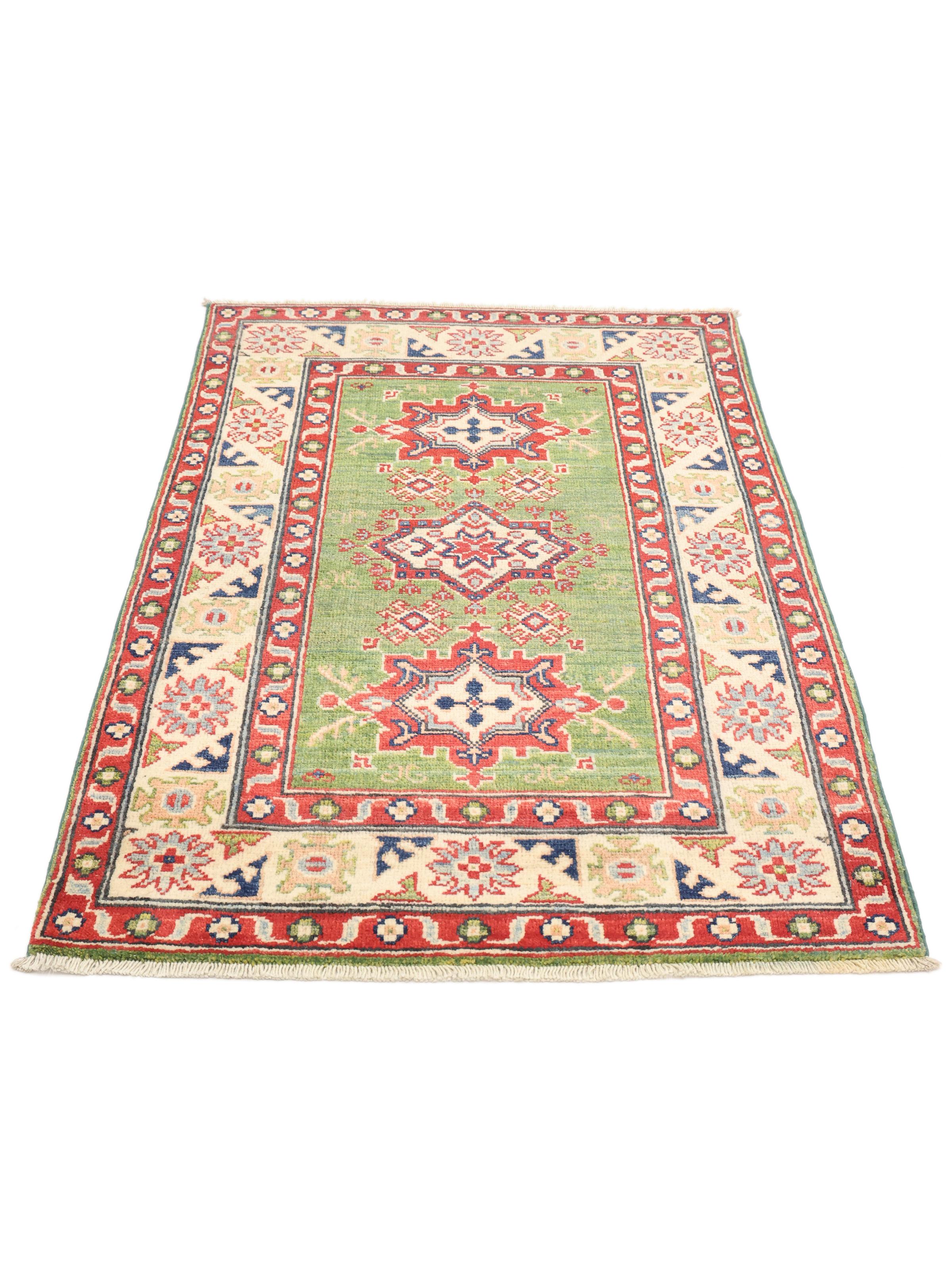
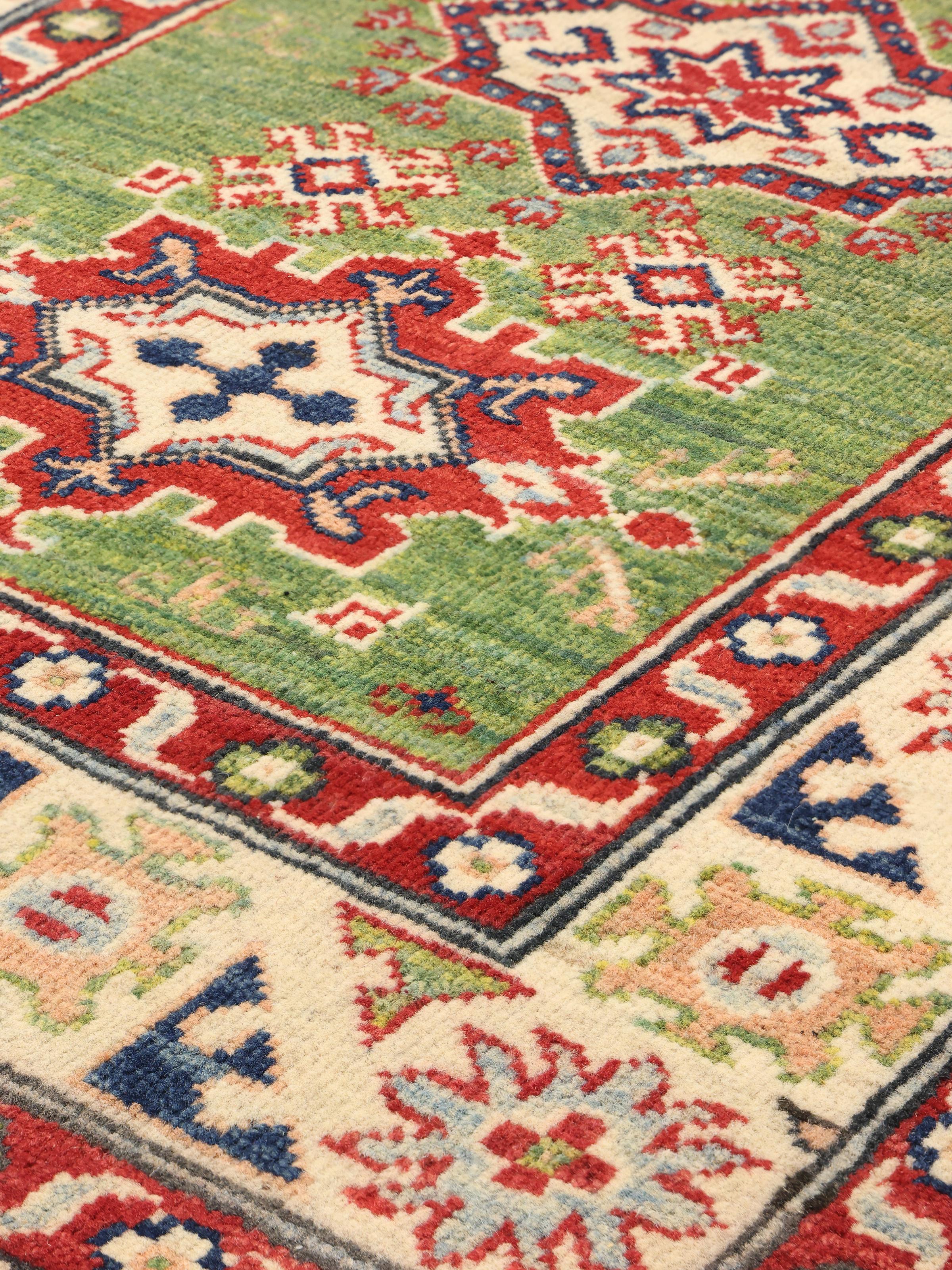
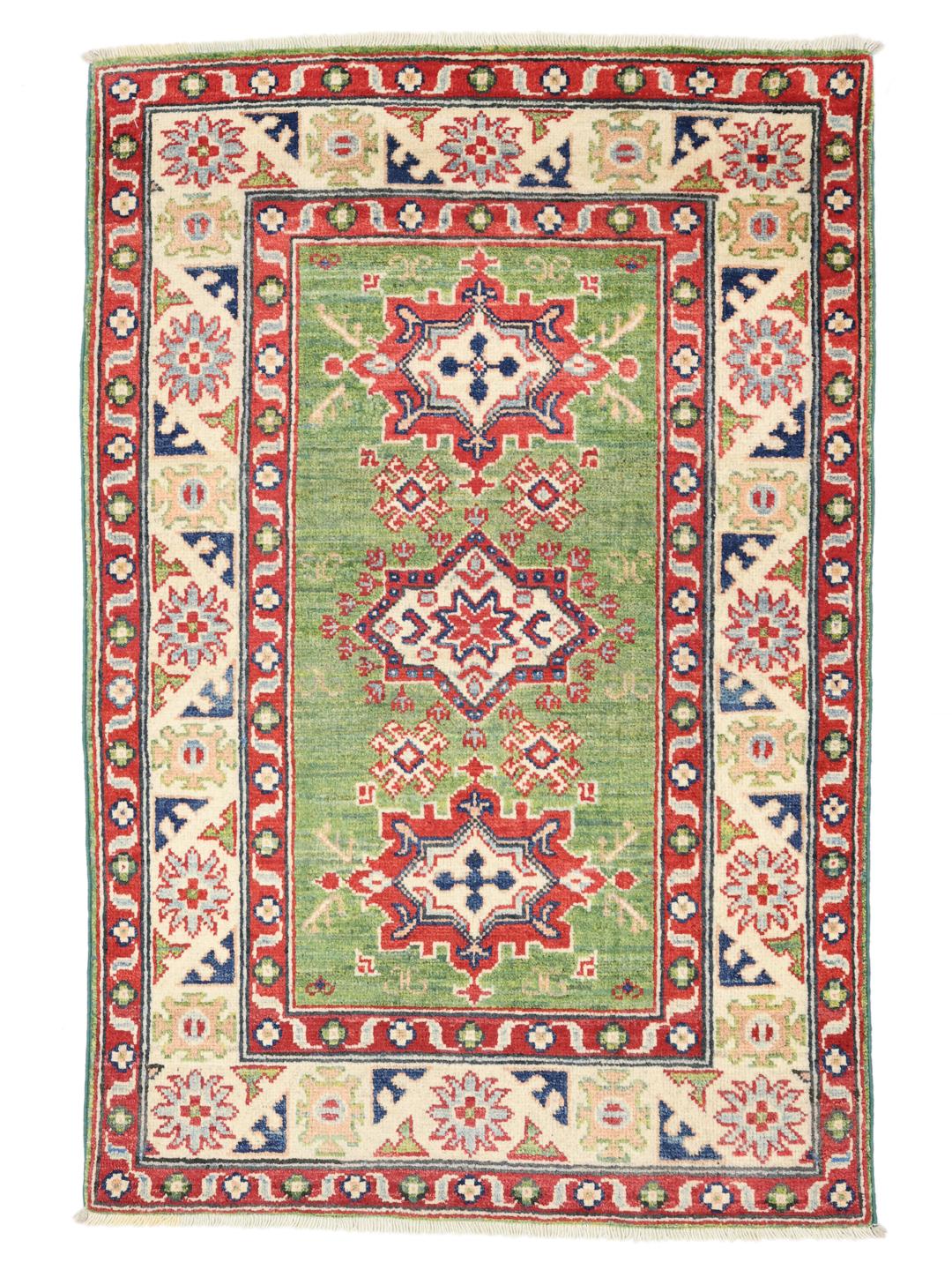
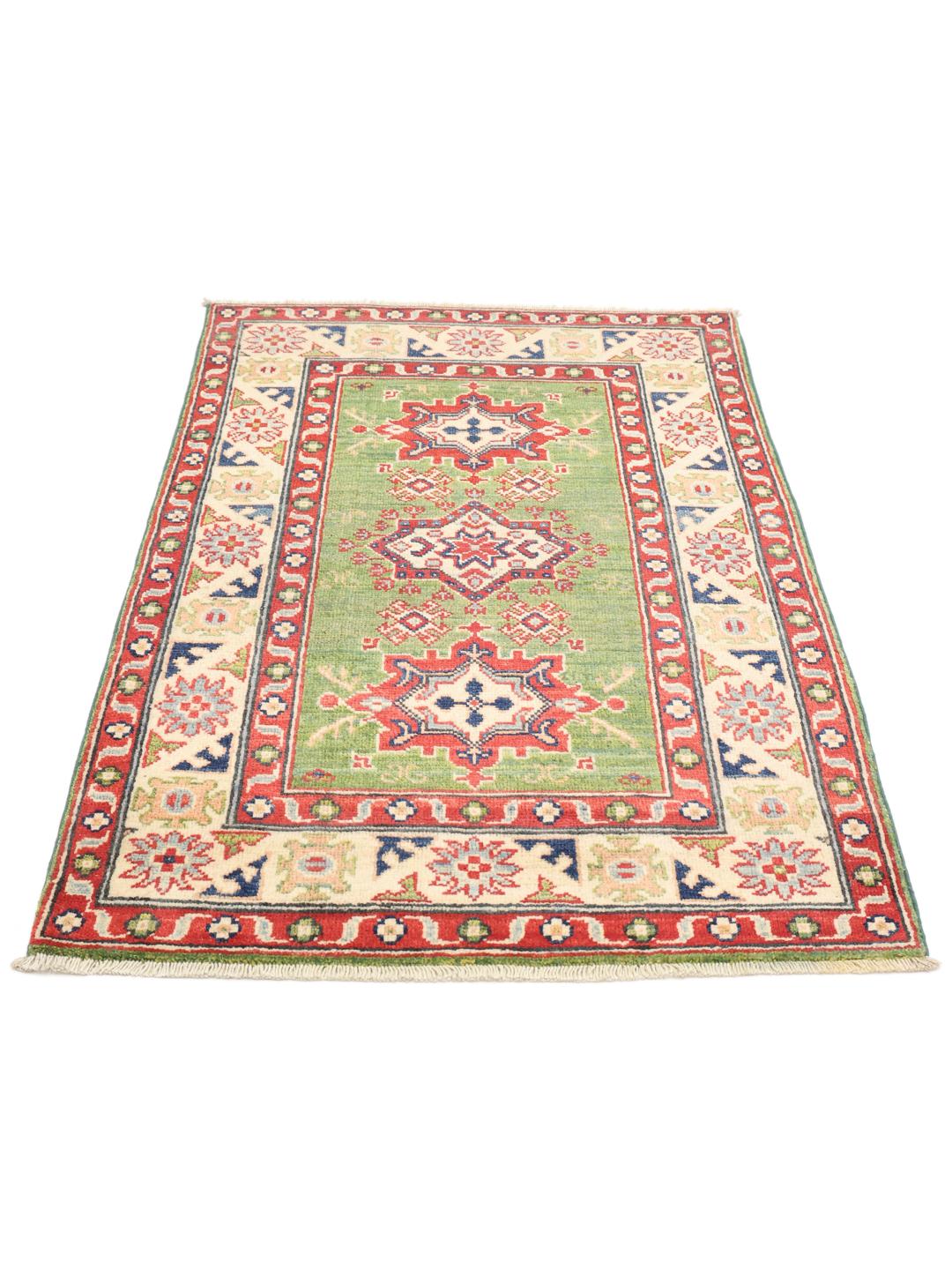
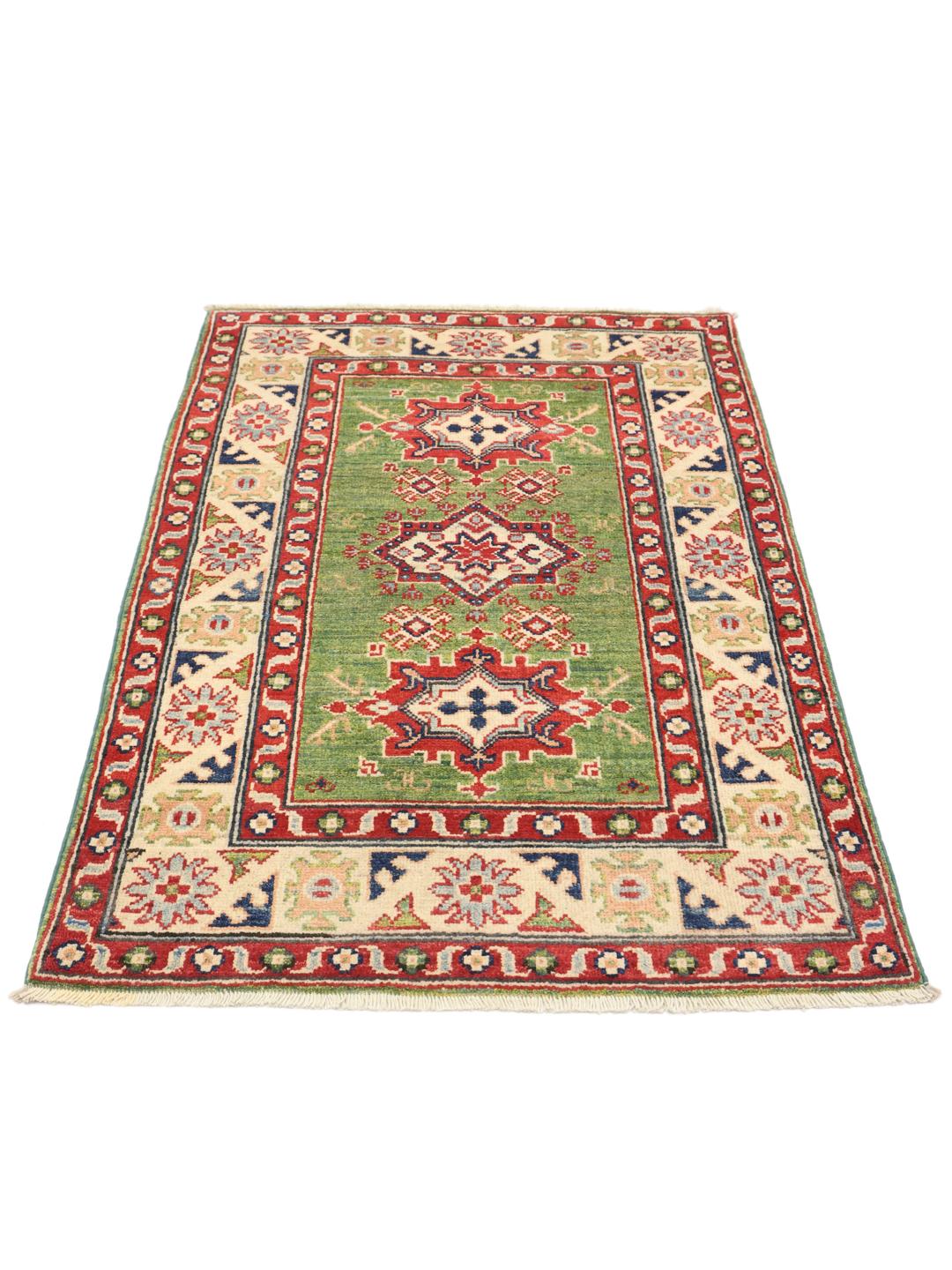
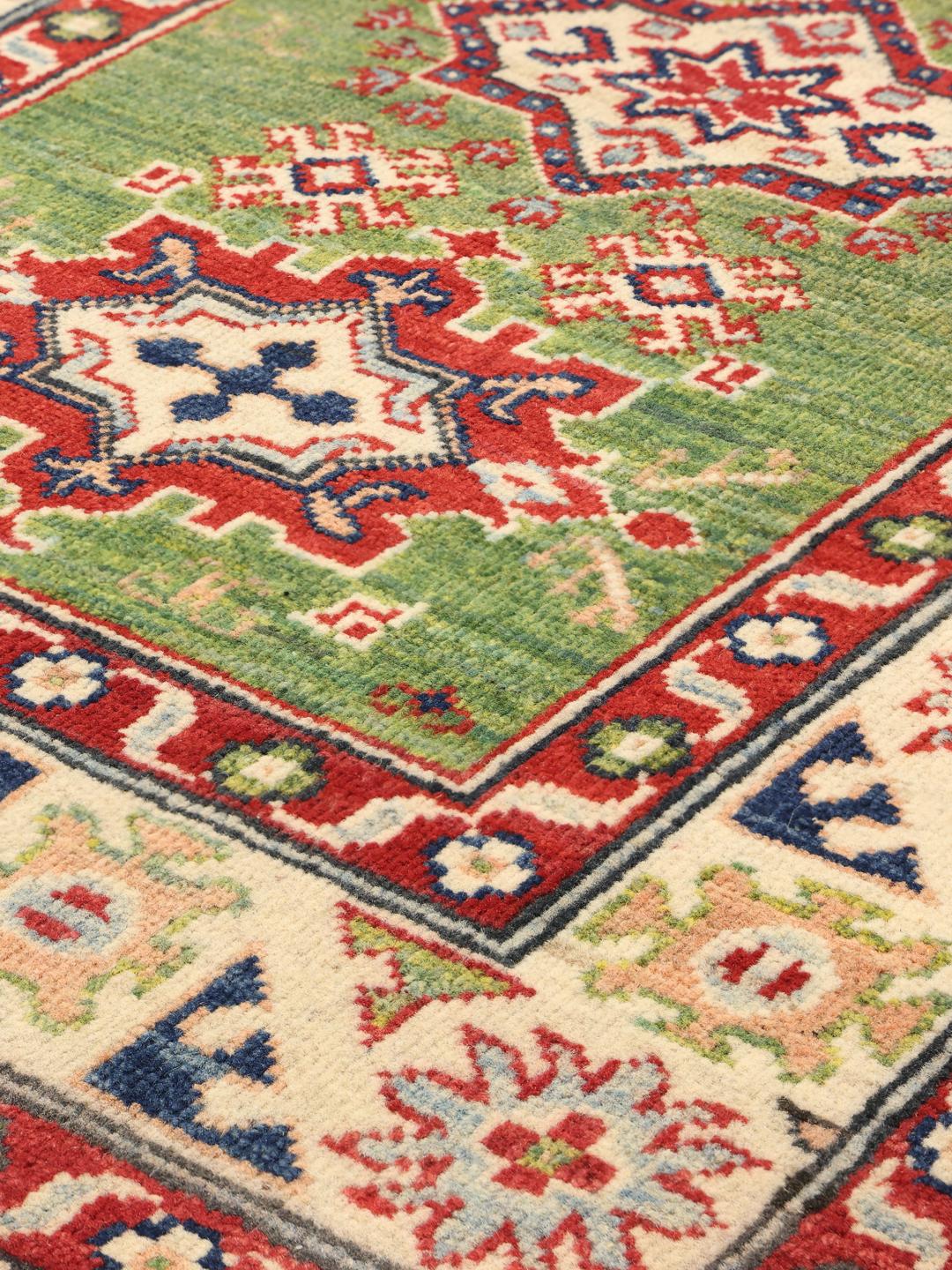
Visually, Kazak rugs are famous for their strong, geometric vocabulary. They often feature large, stylised medallions—frequently referred to as guls—along with sharp, angular motifs and bold, decorative borders. While traditional examples often favour deep reds, contemporary pieces like this one showcase a wider, more vibrant palette, proving the enduring versatility of the Kazak design language.
Collecting a Kazak rug is an opportunity to own a piece of living history. These rugs are valued not just for their functional role as floor coverings, but as significant cultural artefacts that bridge the gap between traditional nomadic art and modern interior design. Owning one means participating in a legacy of skill and heritage that has been passed down through centuries.