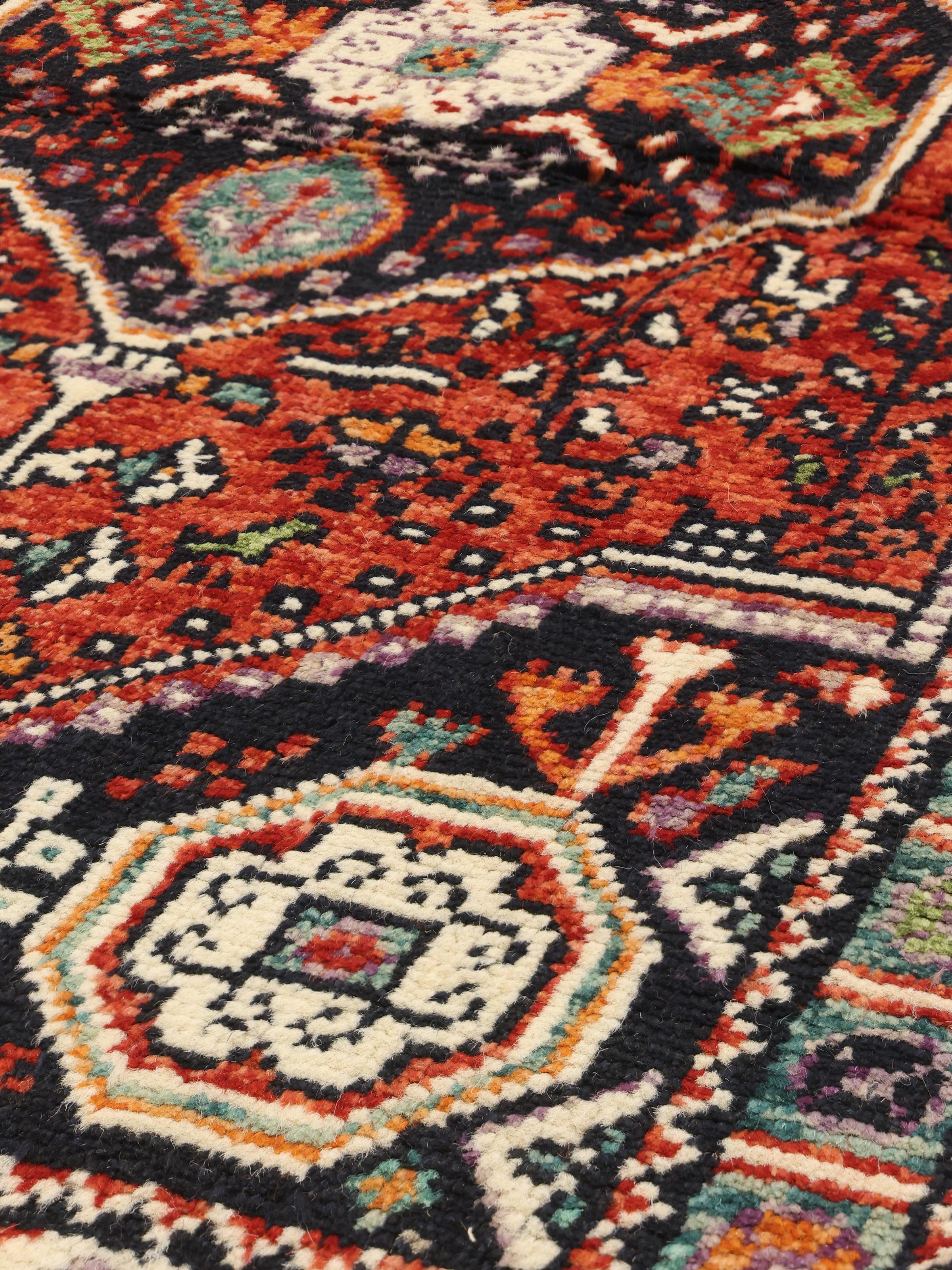
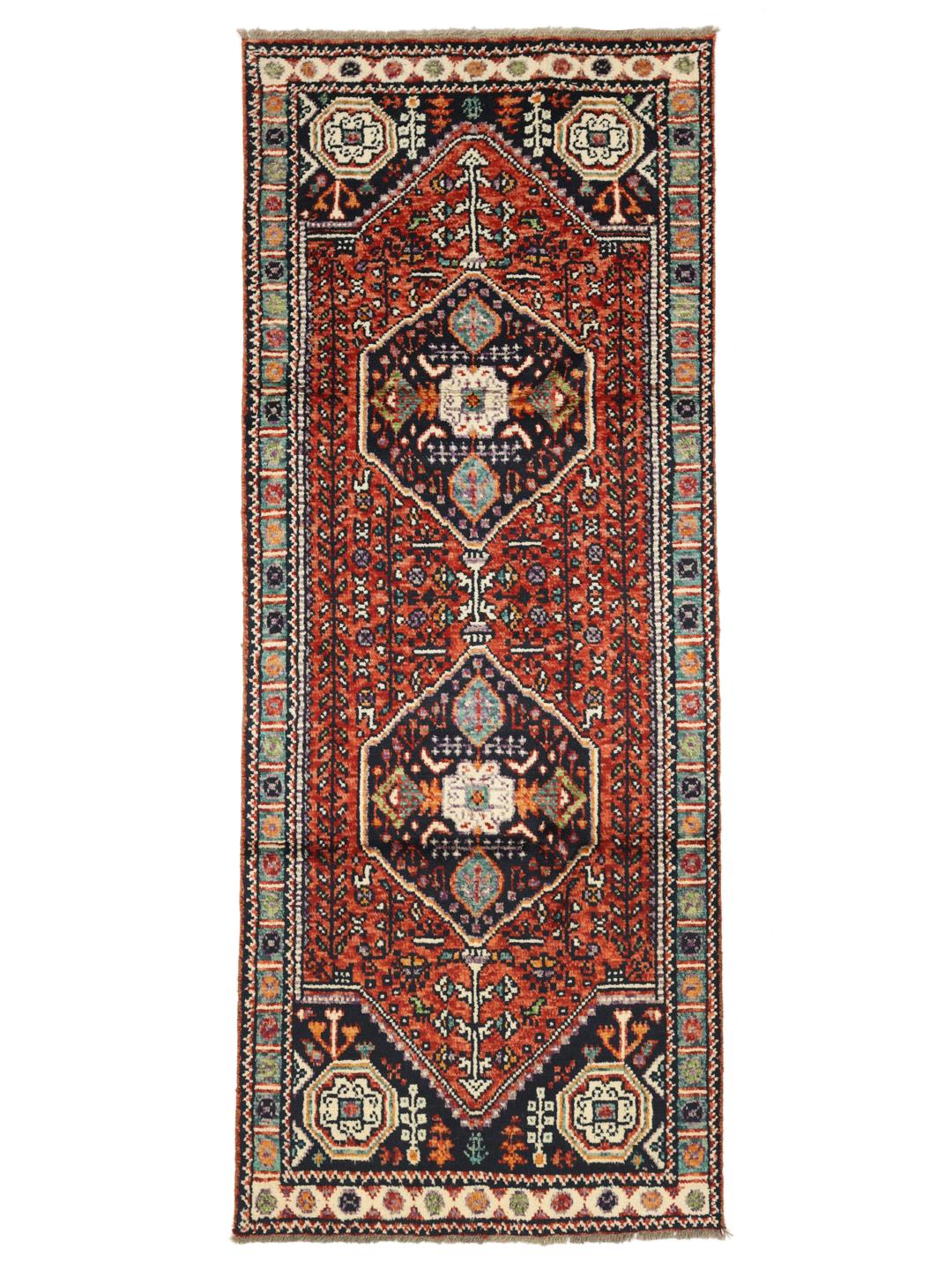
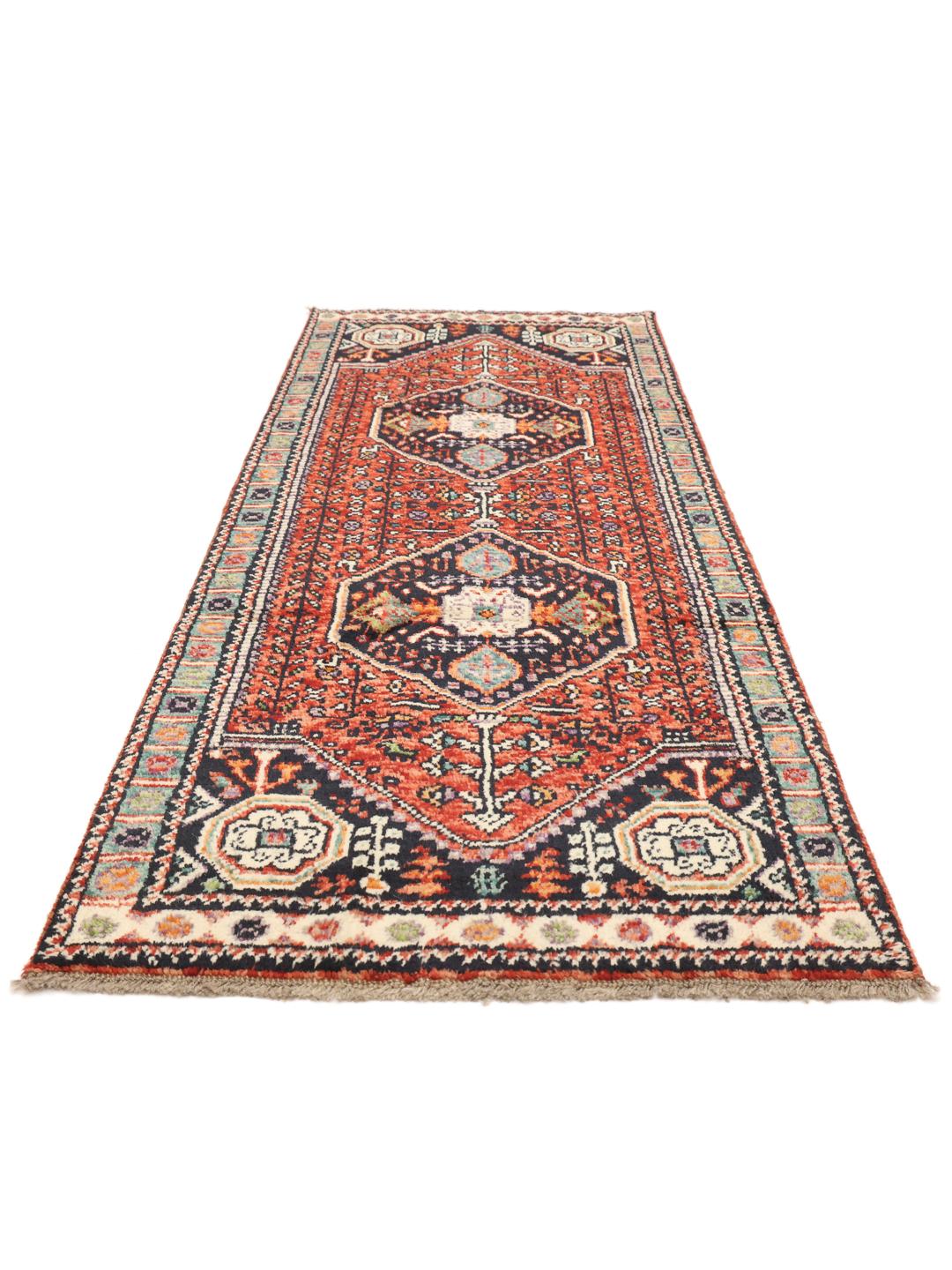
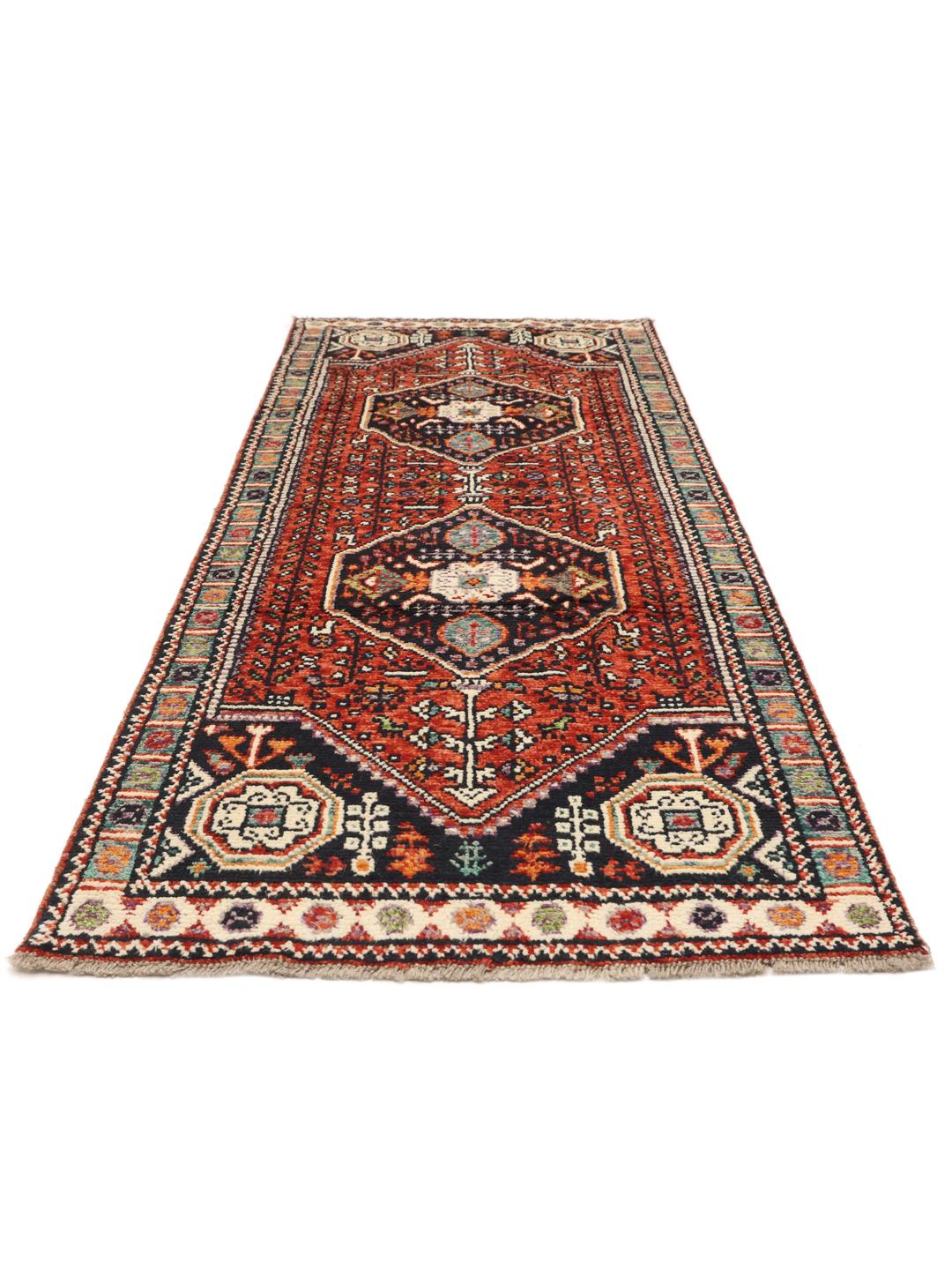
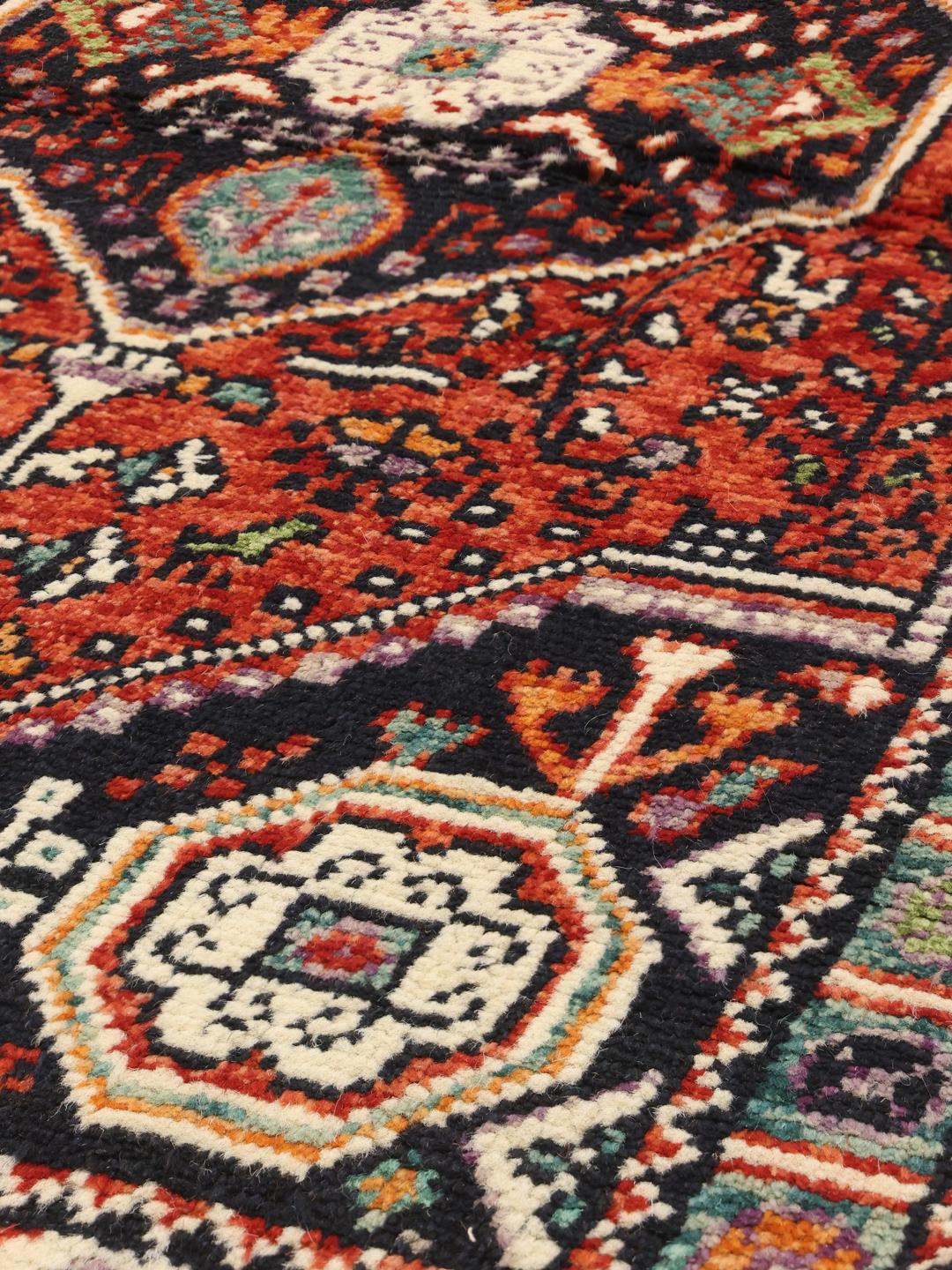
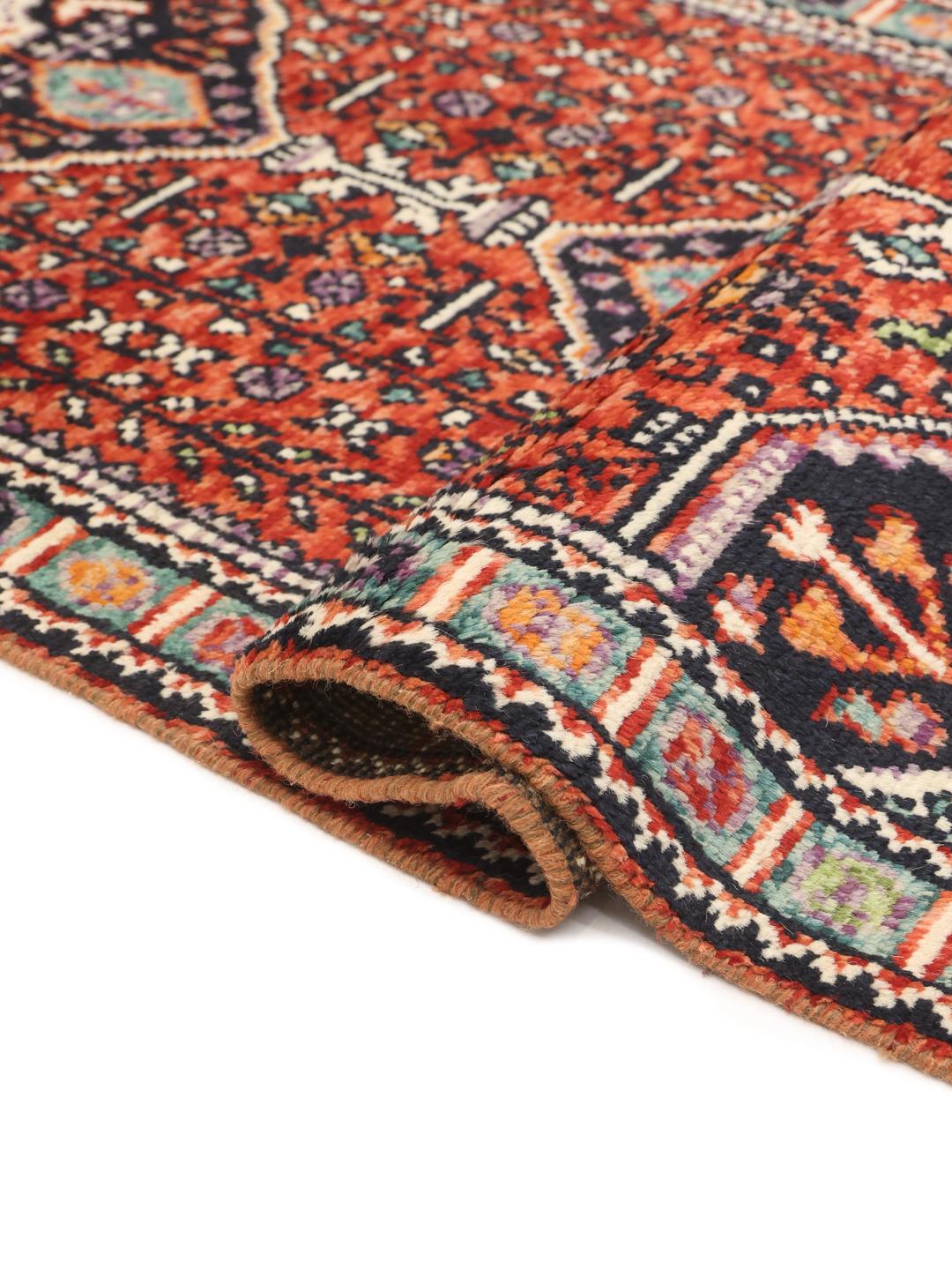
The Kazak tradition has its roots in the mountainous regions of the Caucasus, where nomadic tribes developed a distinct style of weaving characterised by bold, graphic designs. Over time, these weaving techniques migrated and evolved, with Afghan weavers today carrying forward these historic aesthetics, blending ancient motifs with regional materials to create rugs of exceptional character.
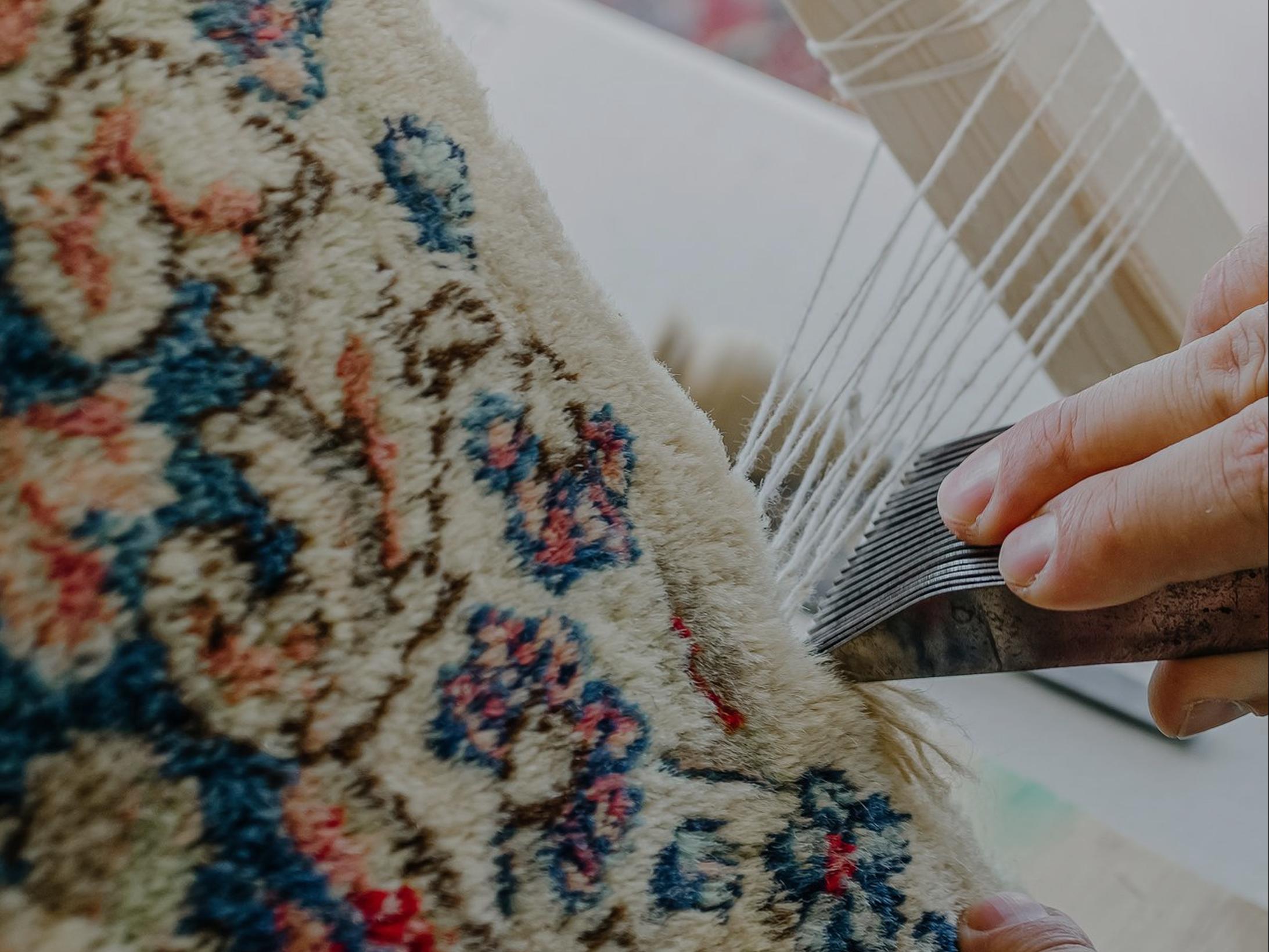
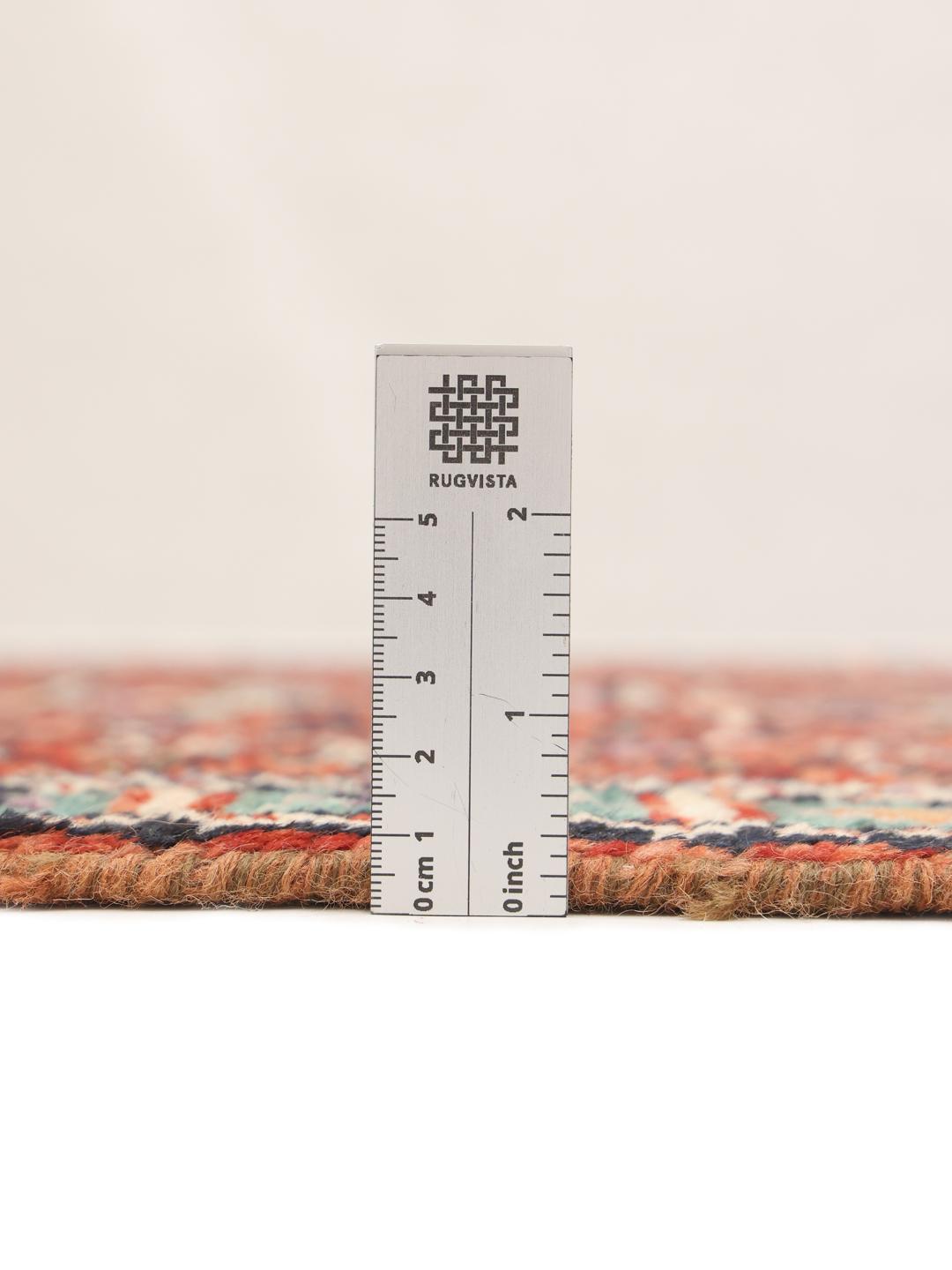
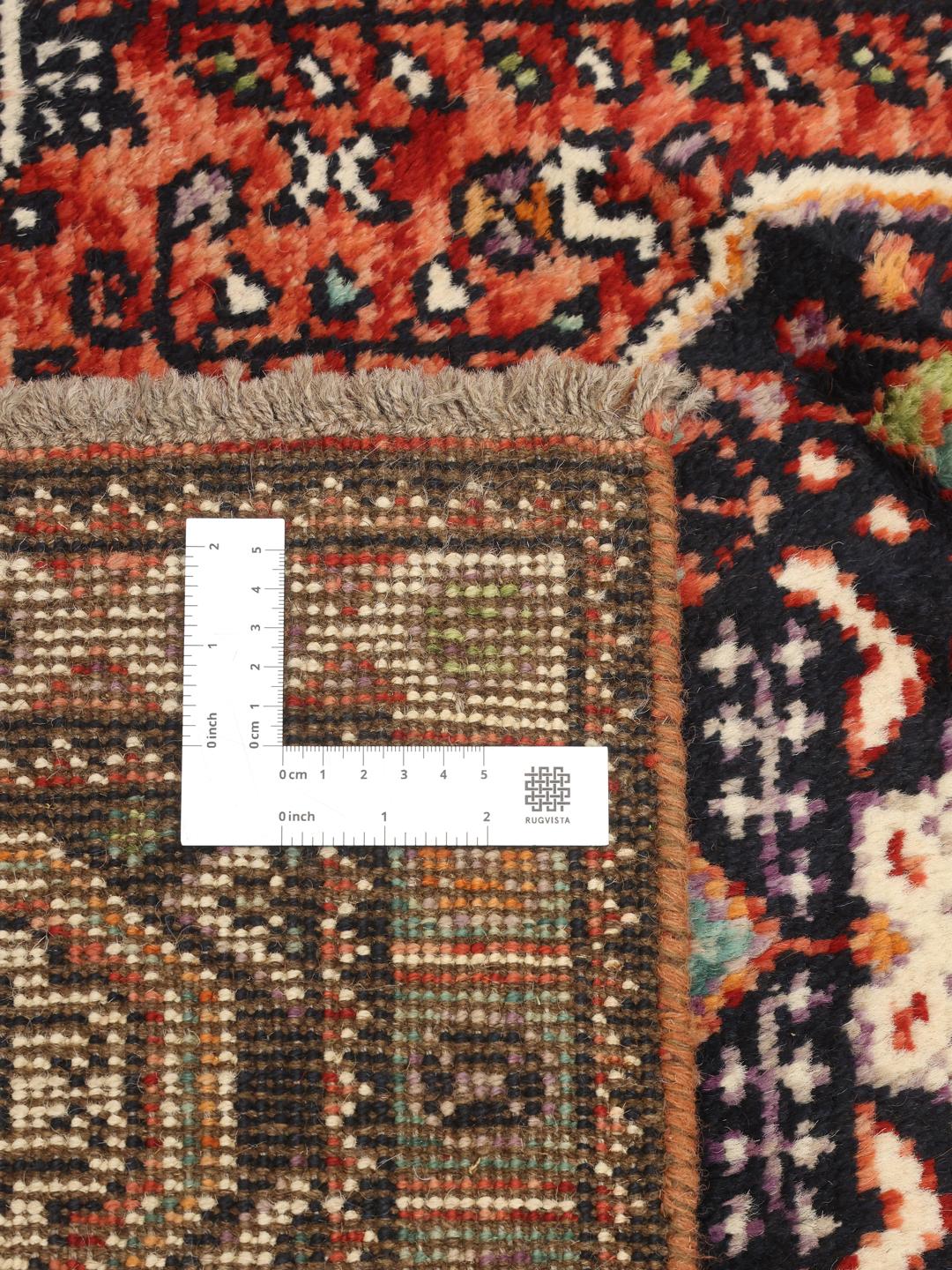
The term Kazak refers to a specific approach to pile construction where the wool is often hand-spun and dyed using traditional methods. This process results in a pile that is not only visually rich but also physically robust, possessing a natural lustre and depth of colour that improves with time, making these rugs highly valued for their longevity.
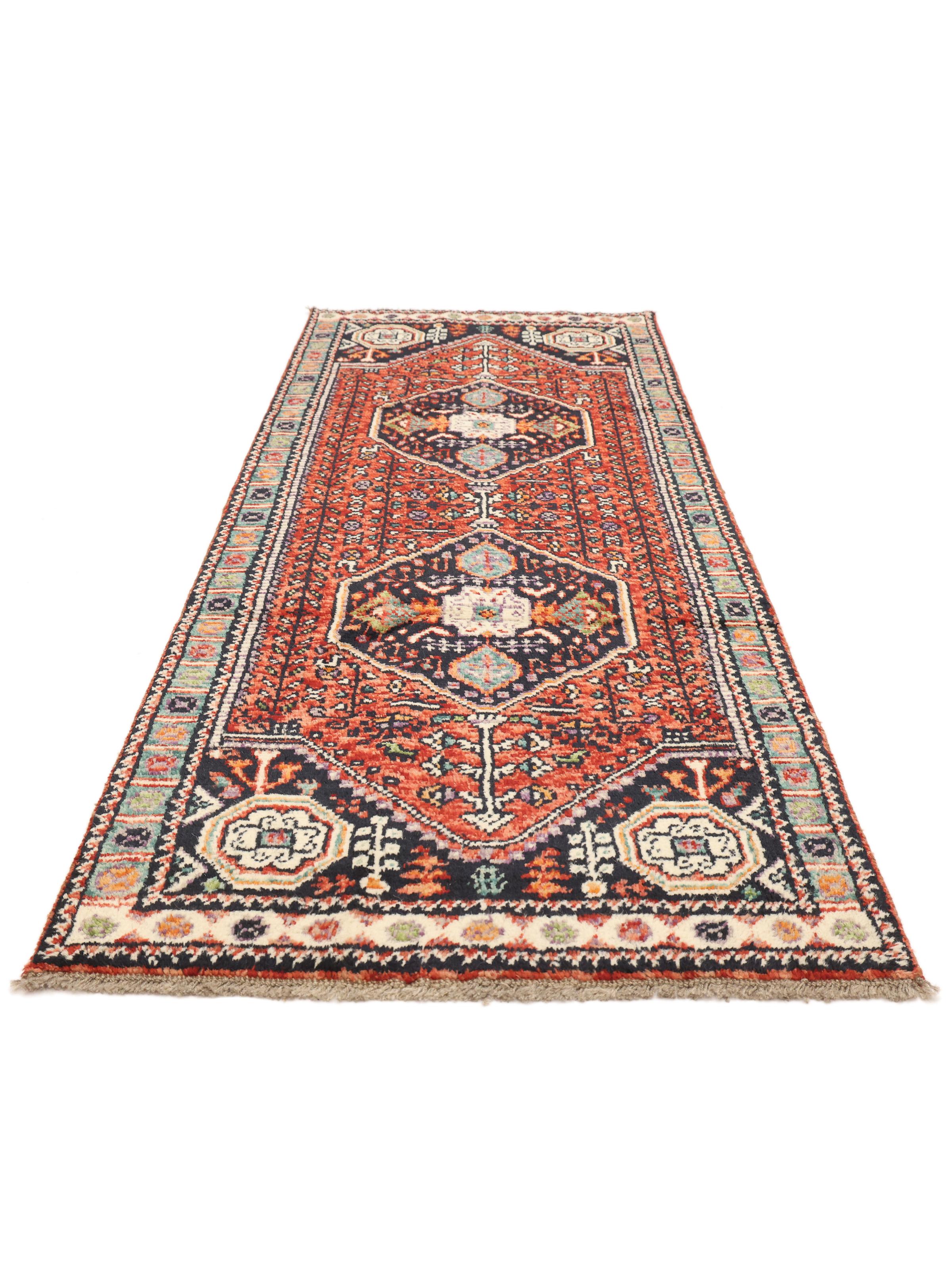
Signature design elements of these rugs include large-scale geometric medallions, often referred to as guls, set against a vibrant field. These patterns are typically framed by intricate, multi-layered borders that balance the central motifs. The use of repeating shapes and angular lines is a hallmark of this tradition, reflecting a history of storytelling through textile art.
Collectors value these rugs for their authenticity and the human skill they represent. Owning a piece from this tradition is an investment in cultural heritage, as the rugs serve as a bridge between past nomadic artistry and modern home interiors. They are celebrated for their ability to bring a sense of history and depth to any room they occupy.