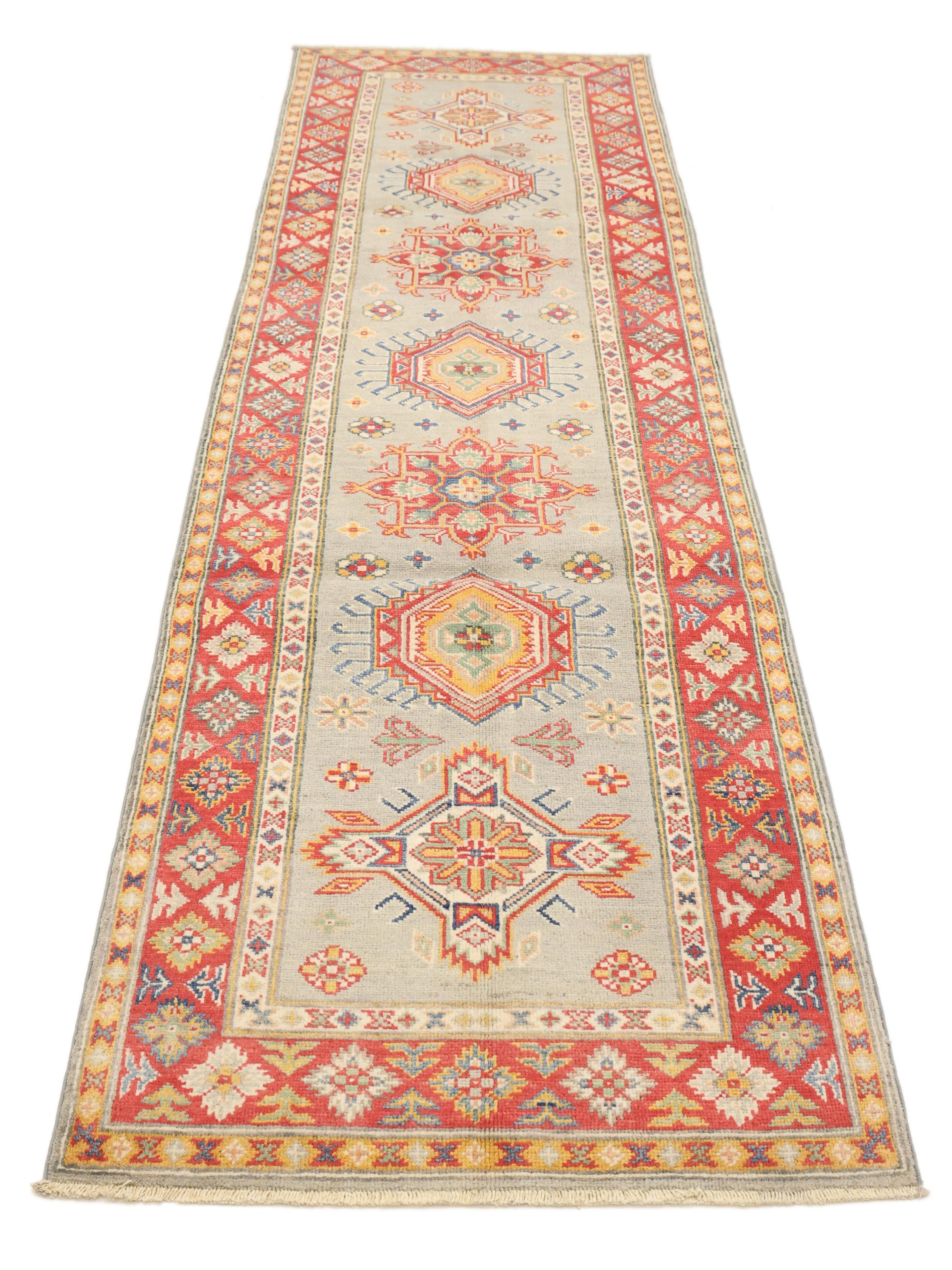
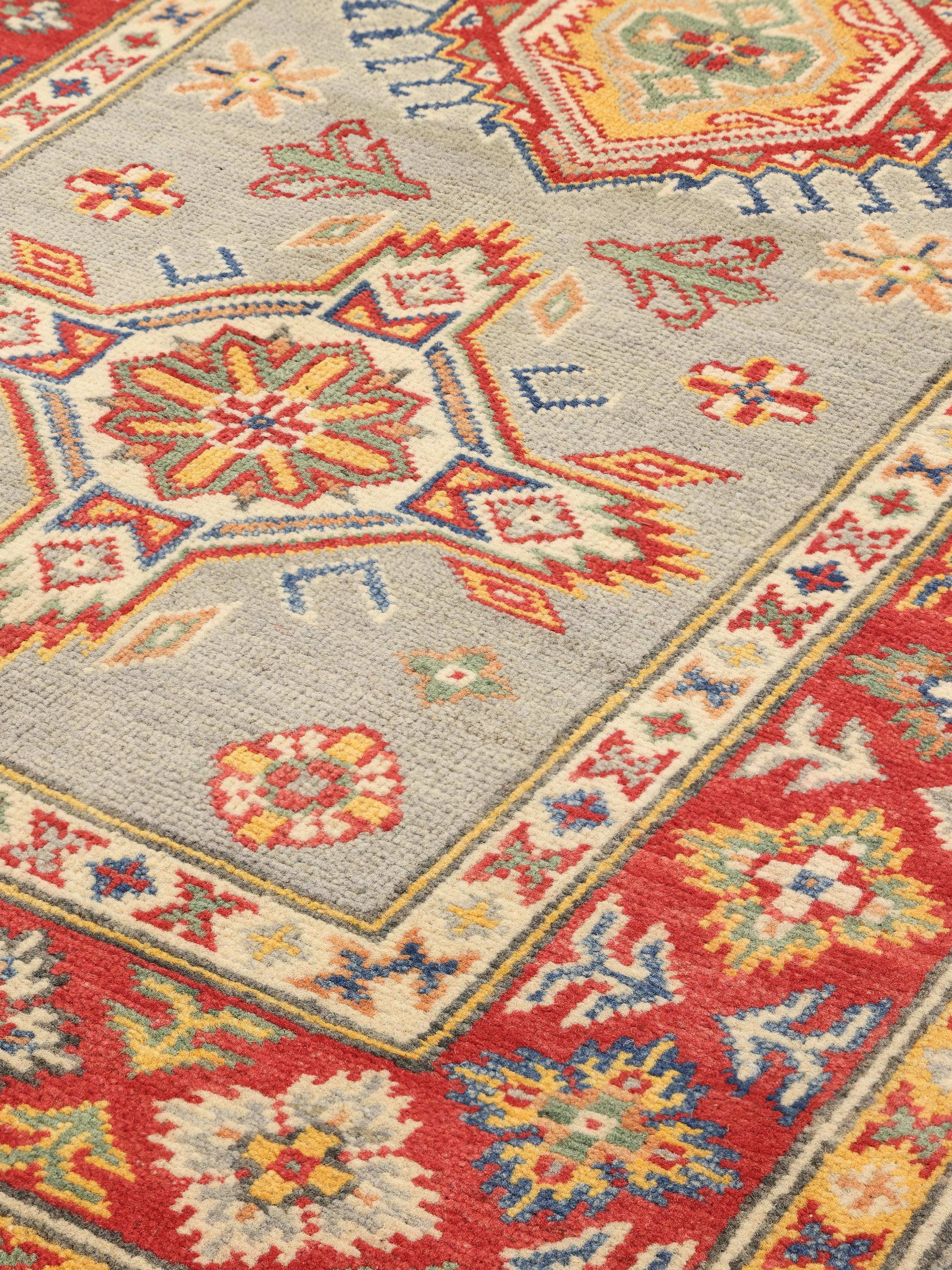
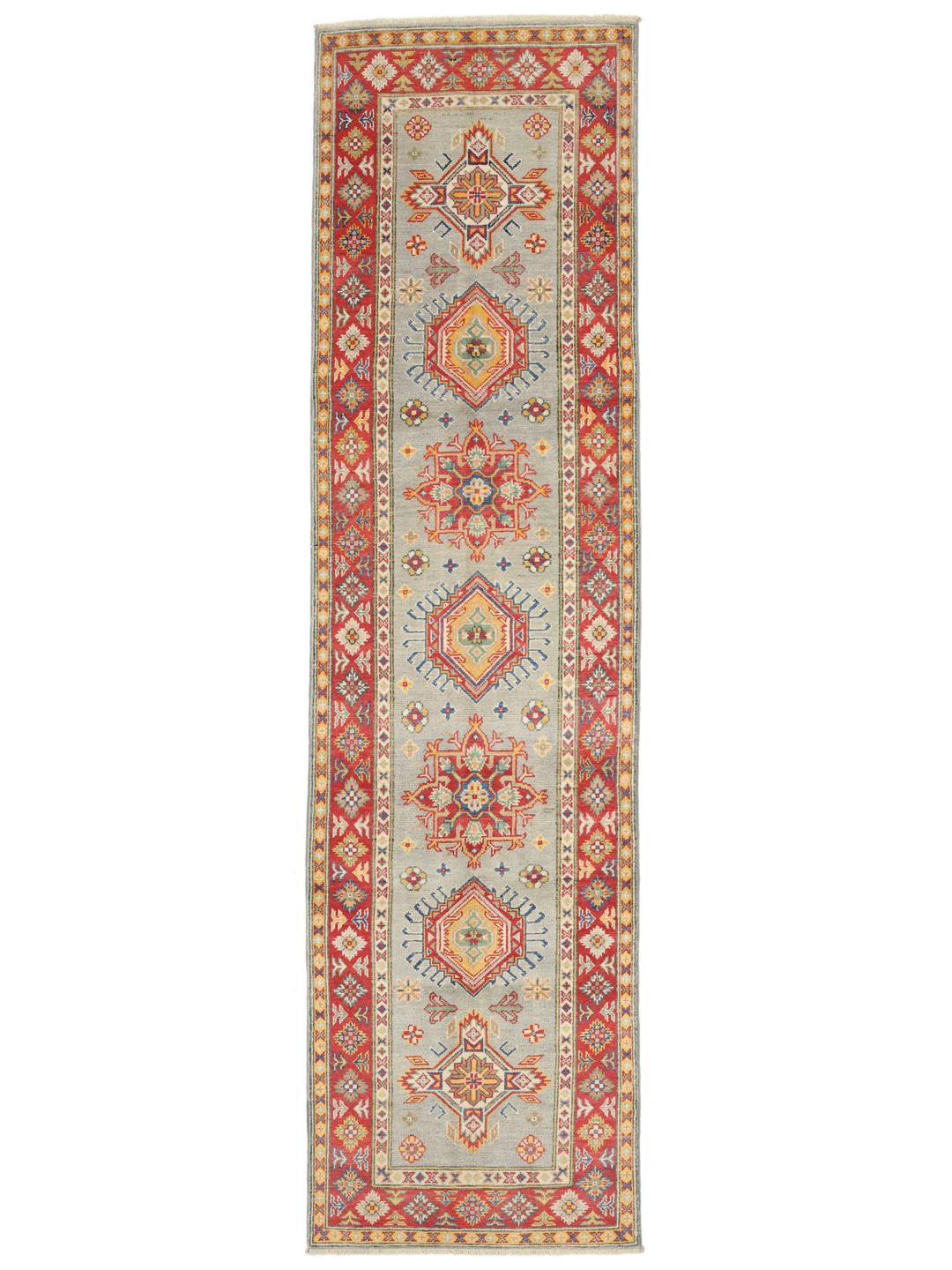
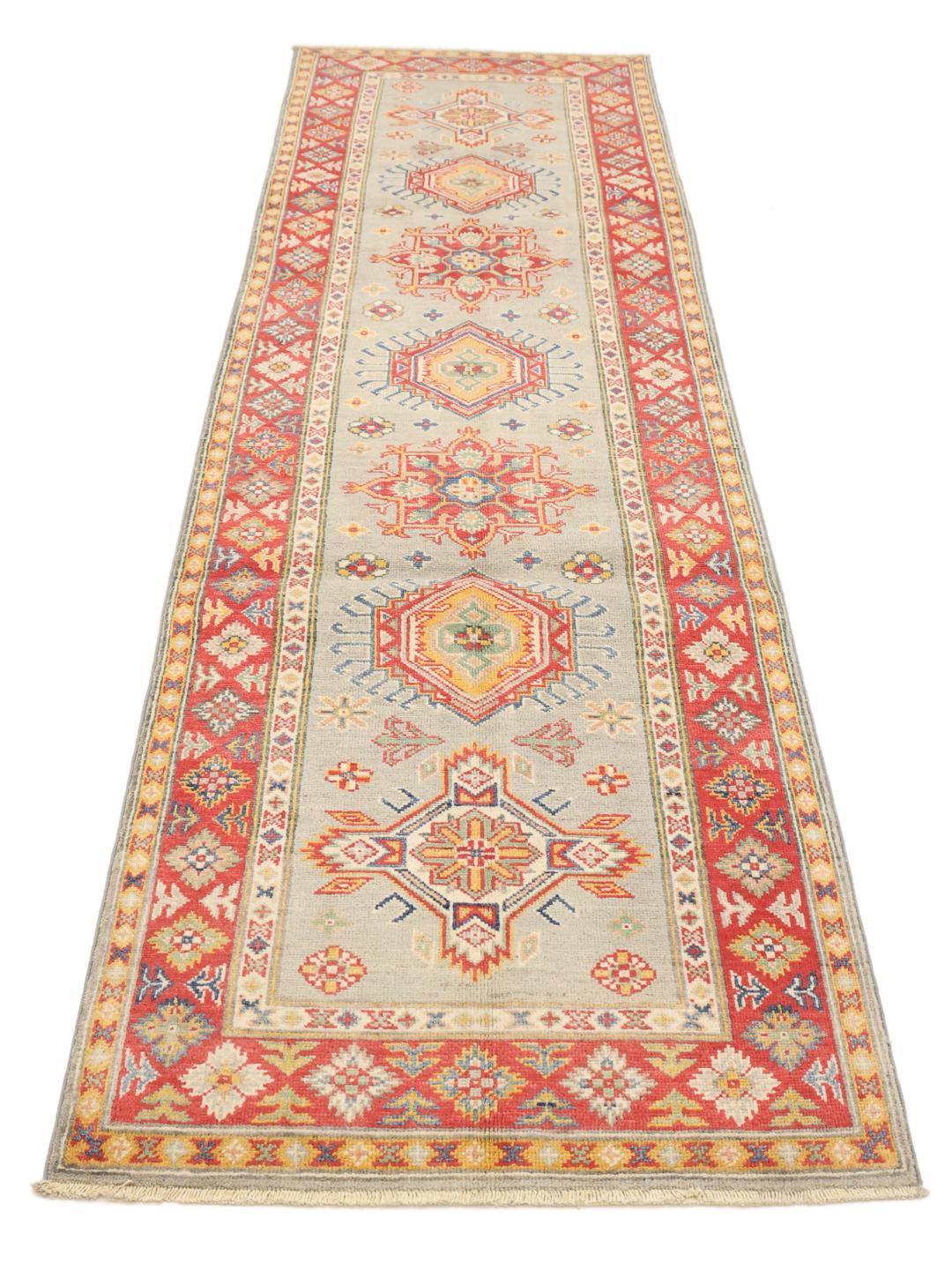
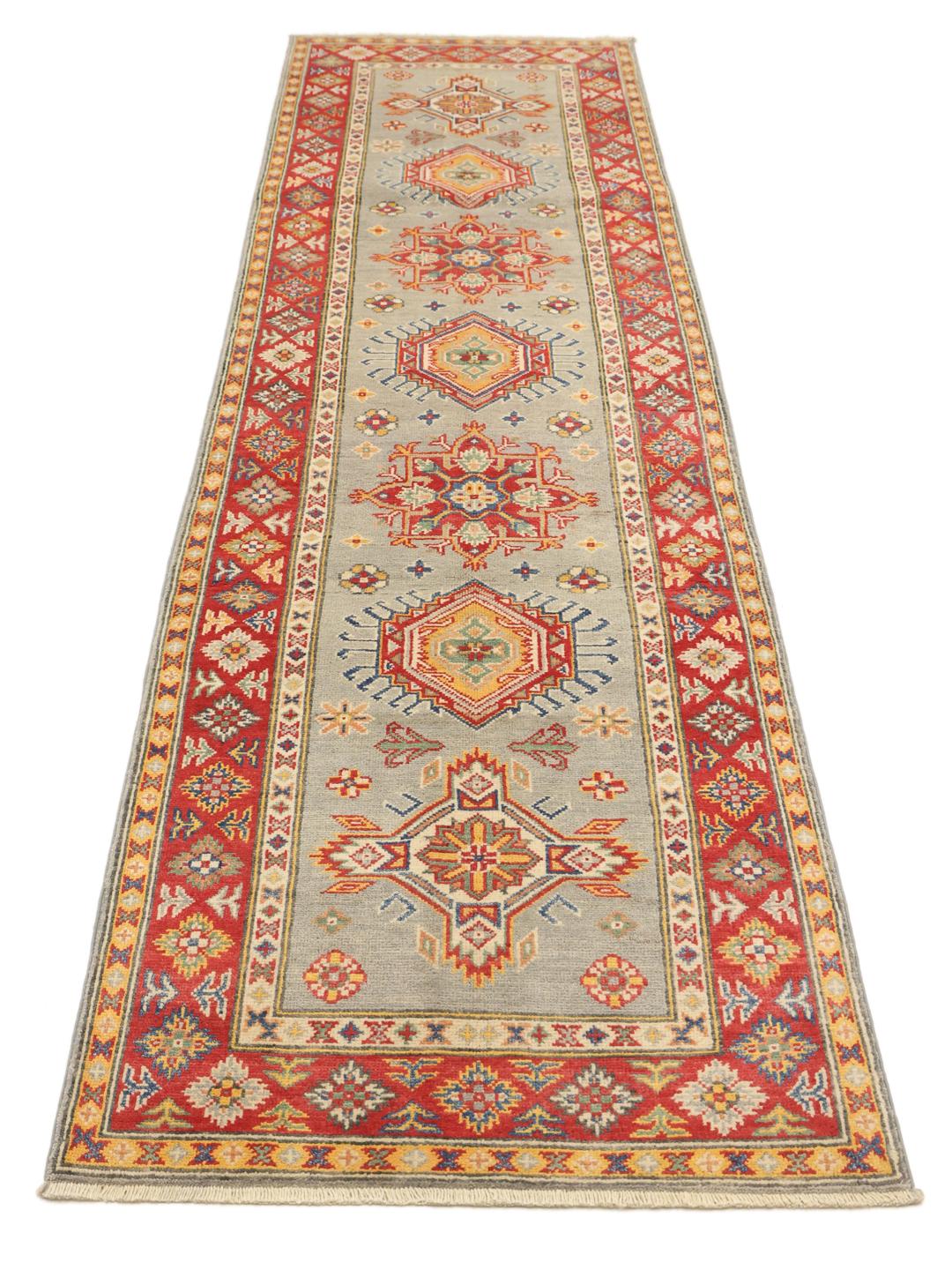
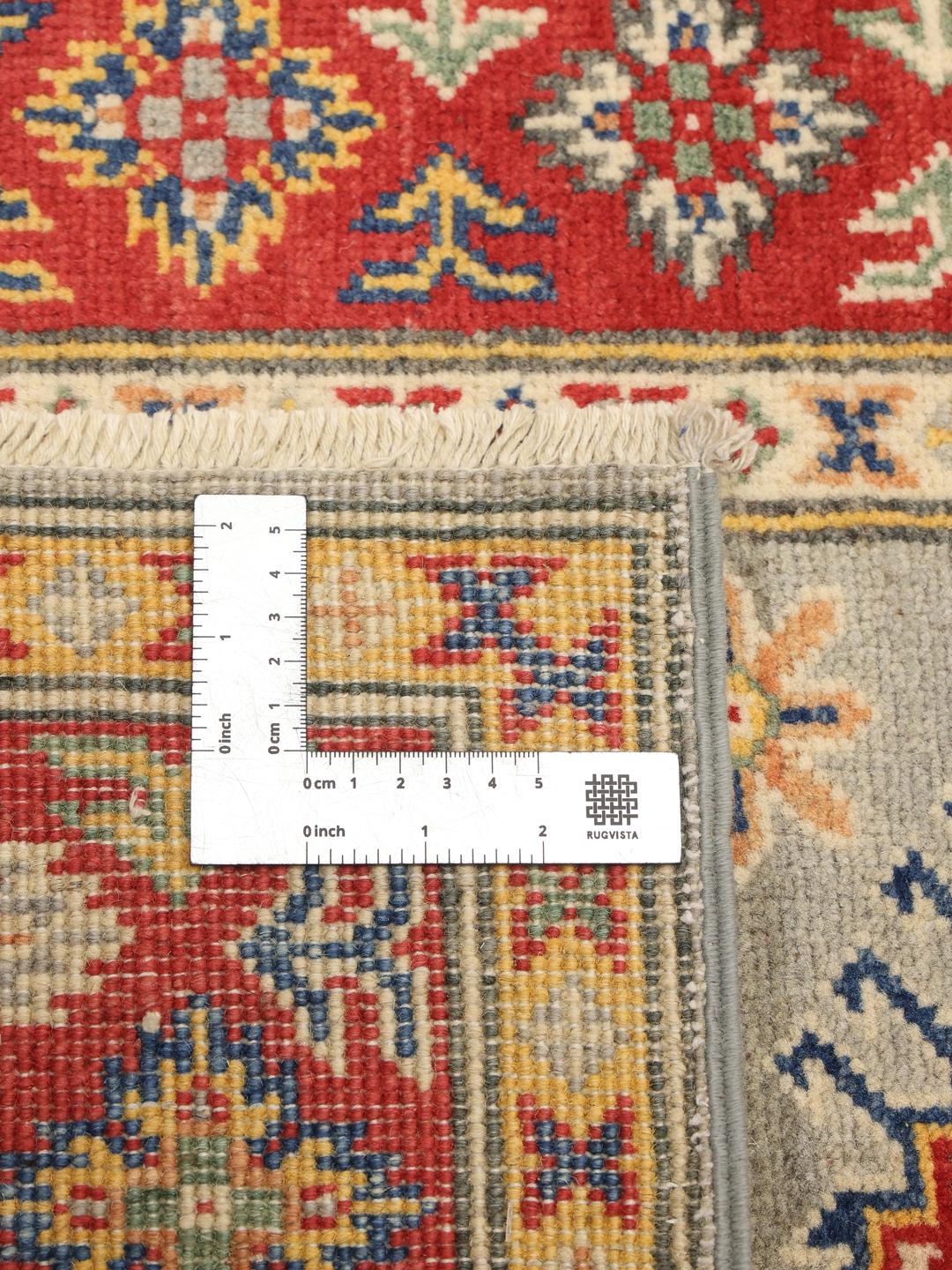
Kazak rugs are celebrated for their bold, graphic aesthetics and deep roots in the weaving traditions of the Caucasus region. While the original Kazak rugs were produced by various ethnic groups in the mountainous areas between the Black and Caspian Seas, the tradition has evolved over centuries. Today, some of the most impressive examples are crafted in Afghanistan, where weavers maintain the spirit of these historic designs while infusing them with new energy.
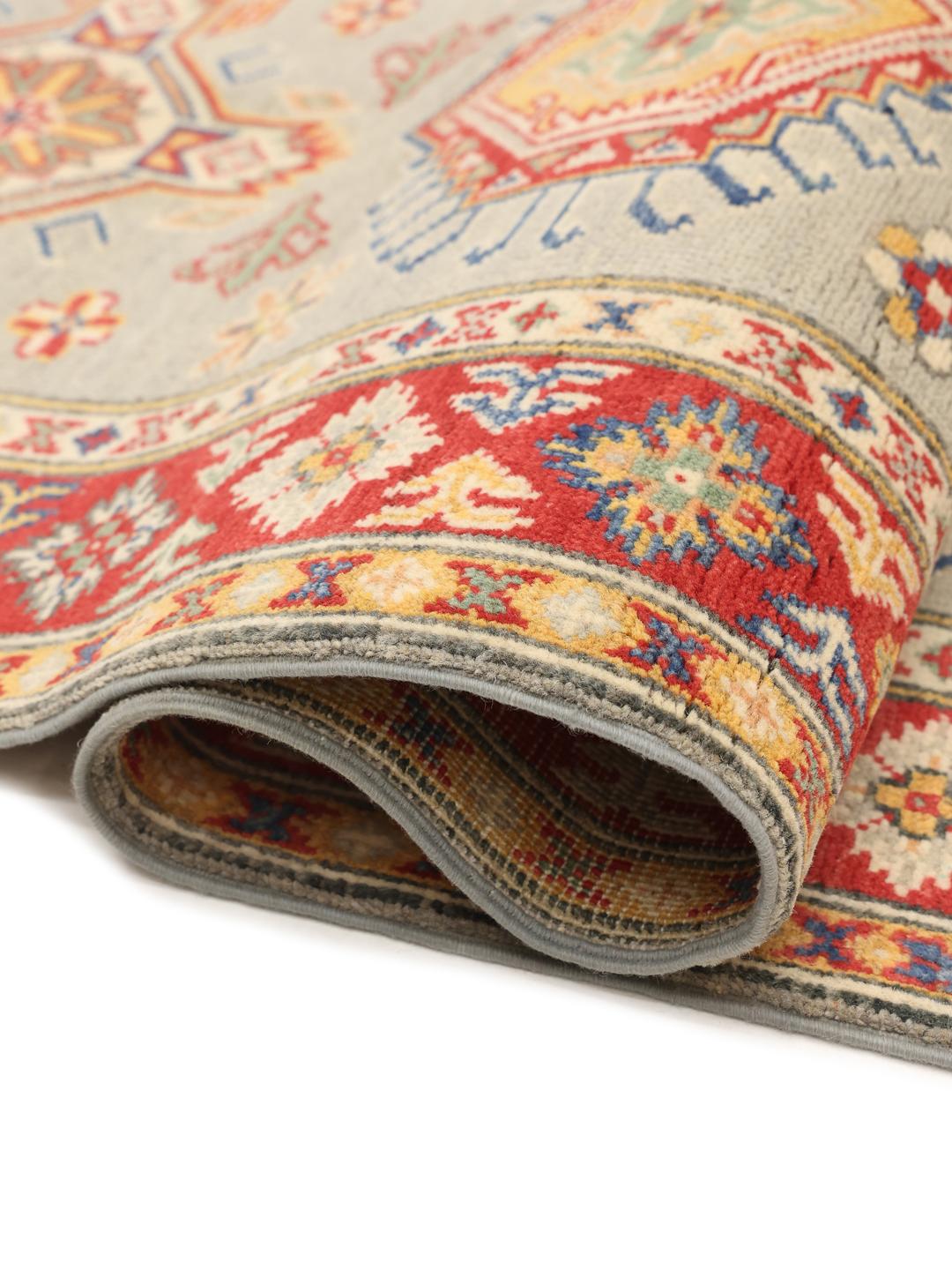
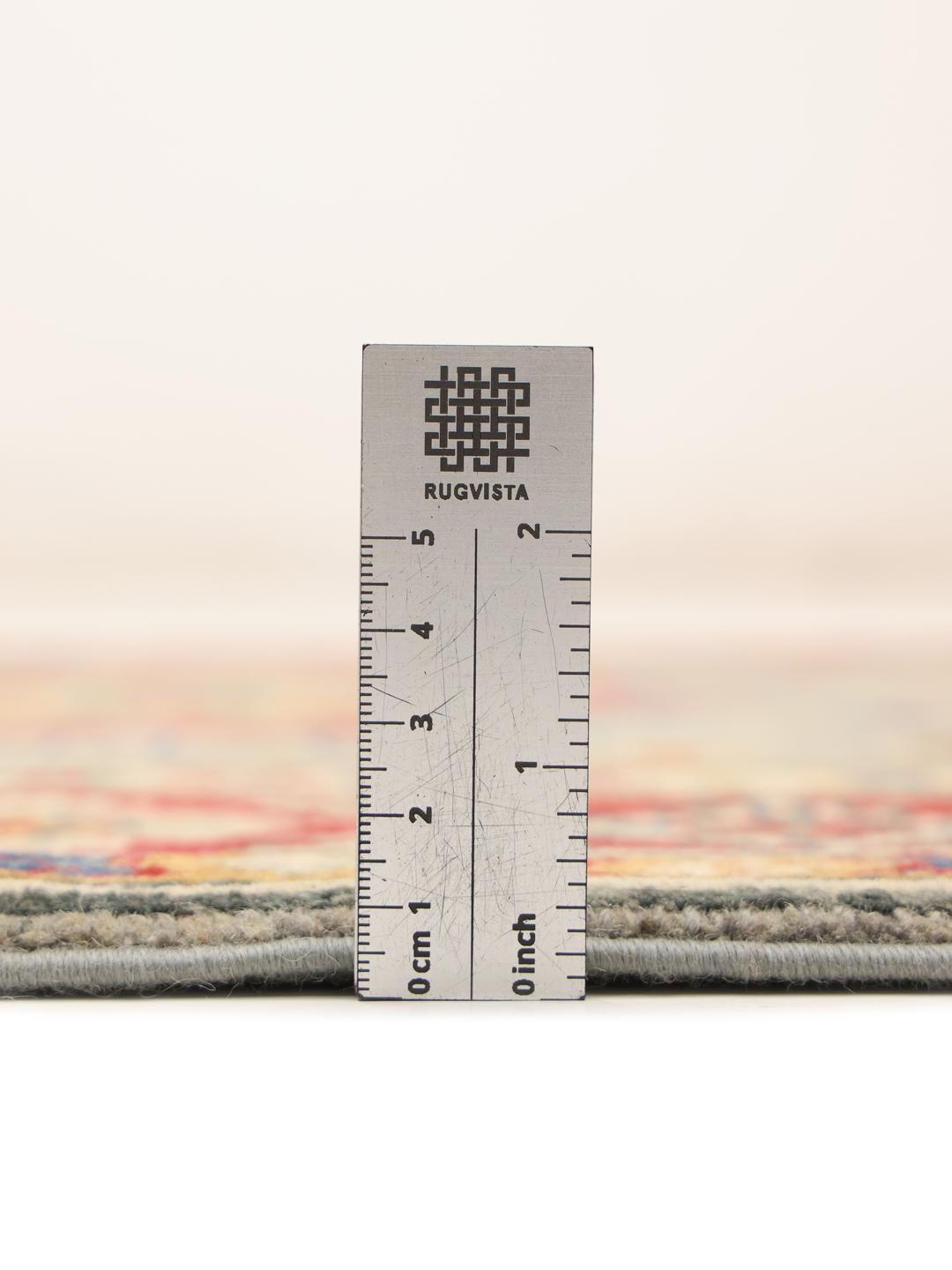
The term 'Kazak' often refers to a specific style of weaving that prioritises geometric clarity and saturated, natural colours. These rugs are known for their sturdy, thick pile, which is achieved through specific knotting techniques that prioritise durability. This structural integrity is what has allowed these patterns to survive through generations, moving from nomadic tents to contemporary homes.
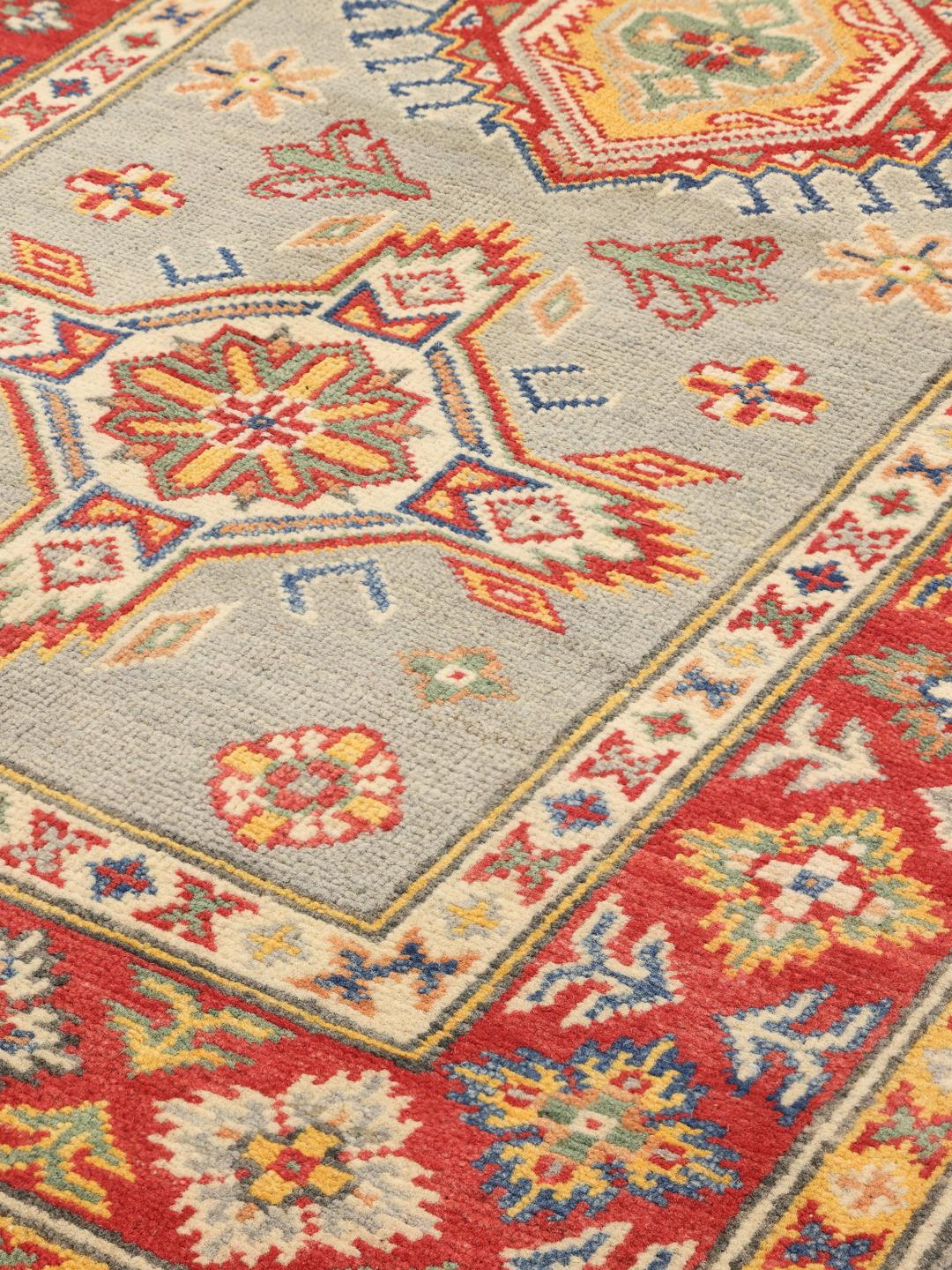
Visually, these rugs are defined by their powerful, repeating motifs. You will often see large, stylised medallions, geometric stars, and latch-hook symbols that carry deep cultural symbolism. The borders are typically wide and complex, acting as a frame for the central field. The use of vibrant reds and cool greys is a hallmark of this tradition, creating a high-contrast look that catches the eye and defines a room.
Owning a Kazak rug is an invitation to connect with a long lineage of craft. These pieces are highly valued by collectors because they represent a marriage of human skill and artistic expression that cannot be replicated by machinery. Each rug acts as a record of the weaver's talent, capturing a moment in time and preserving a legacy of design that continues to resonate in modern homes.