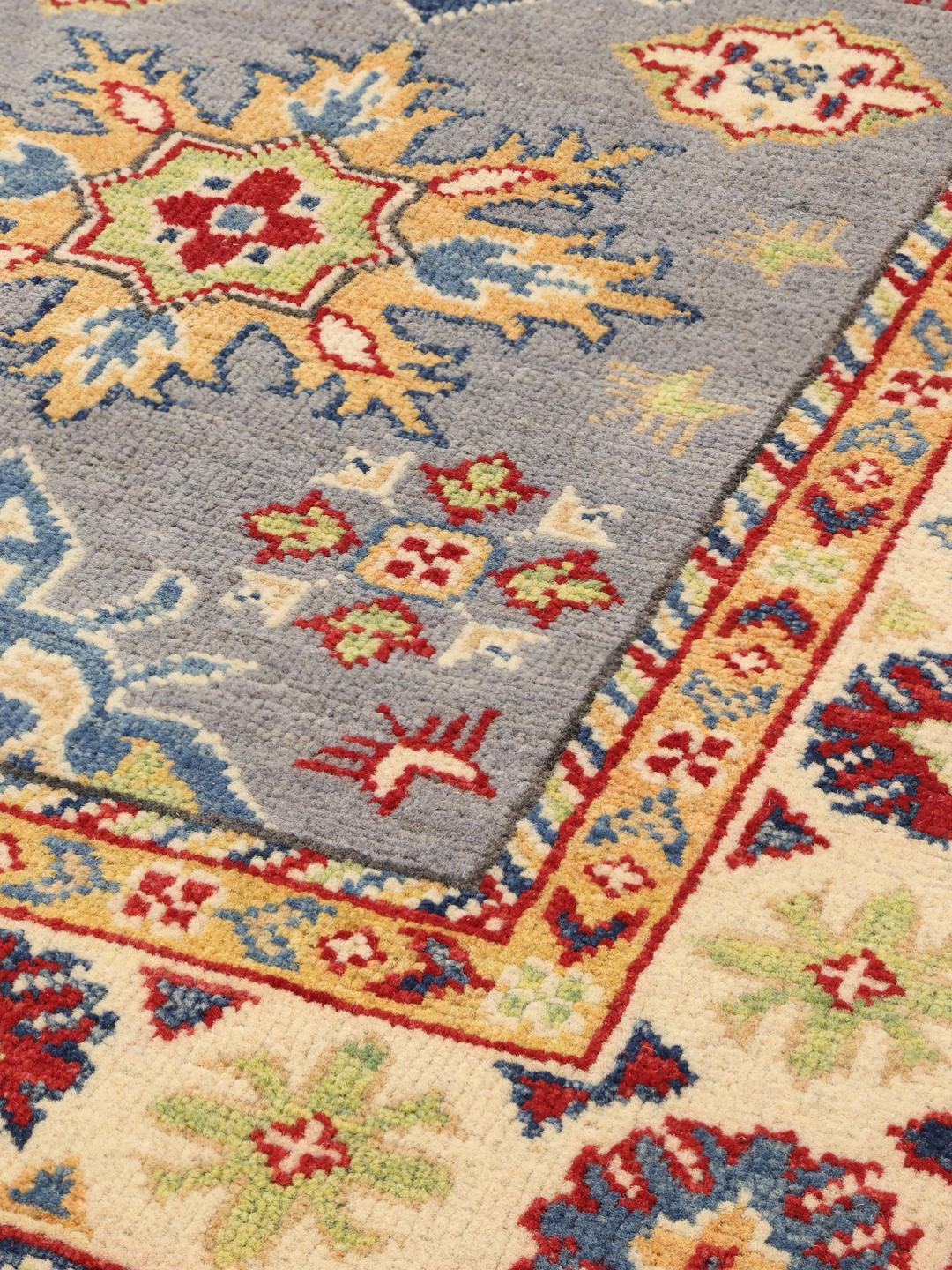
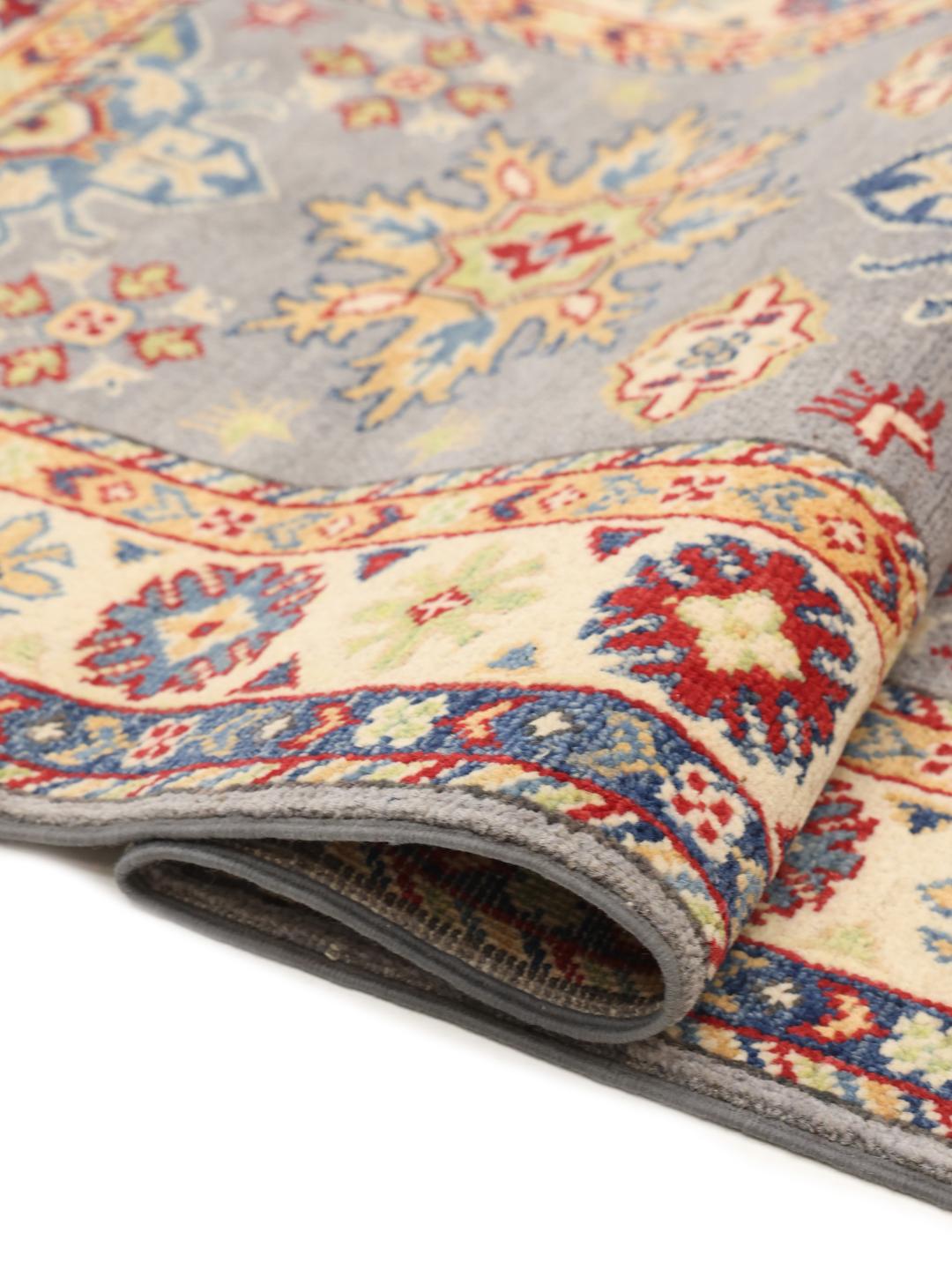
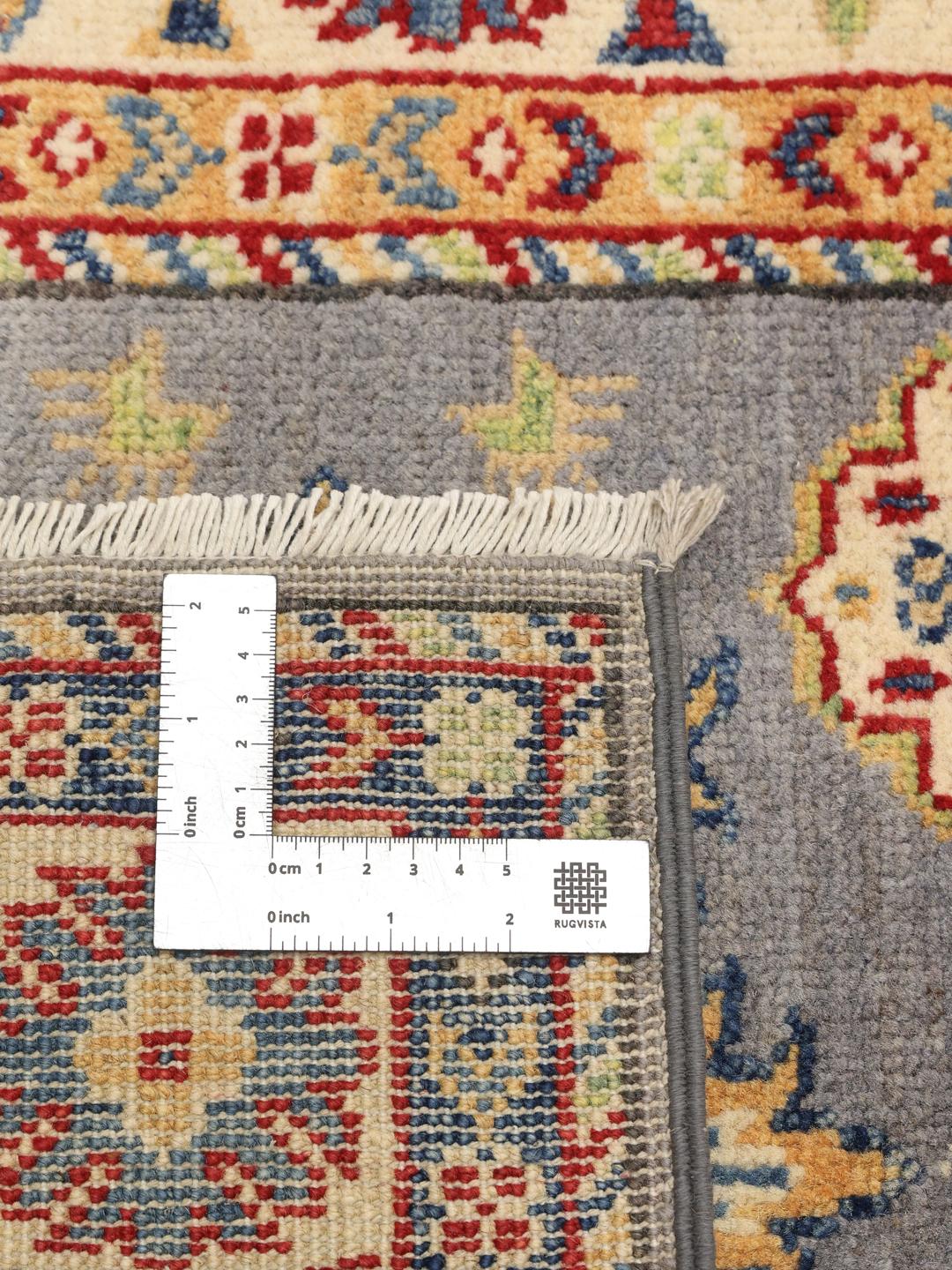
Kazak rugs originate from the Caucasus region, historically serving as a bridge between the artistic traditions of the Middle East and the nomadic cultures of the Eurasian steppes. While the name is tied to these mountainous origins, the tradition has evolved significantly, with modern Afghan weavers now producing some of the most respected examples, preserving the bold, graphic spirit of the original style.
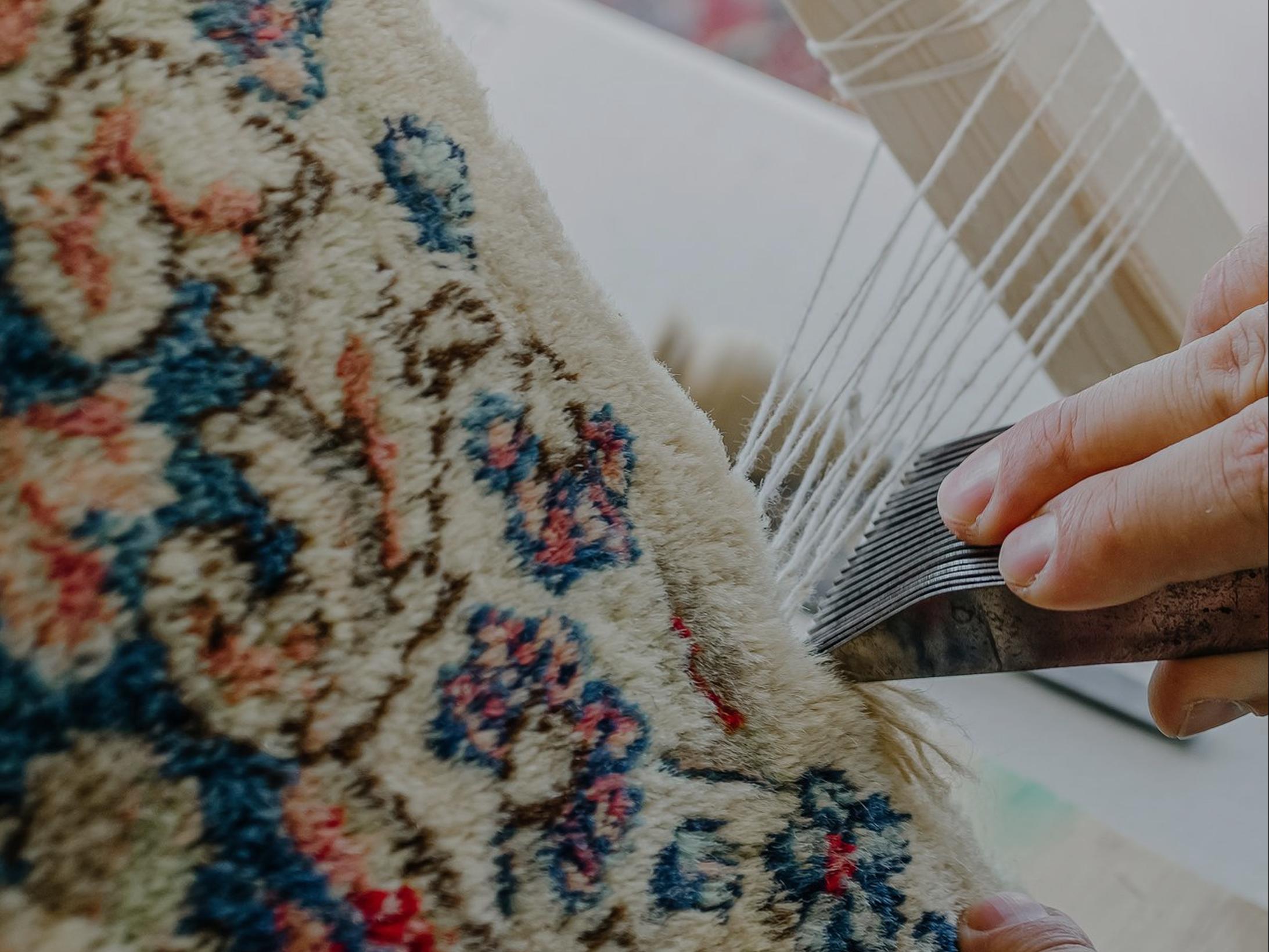
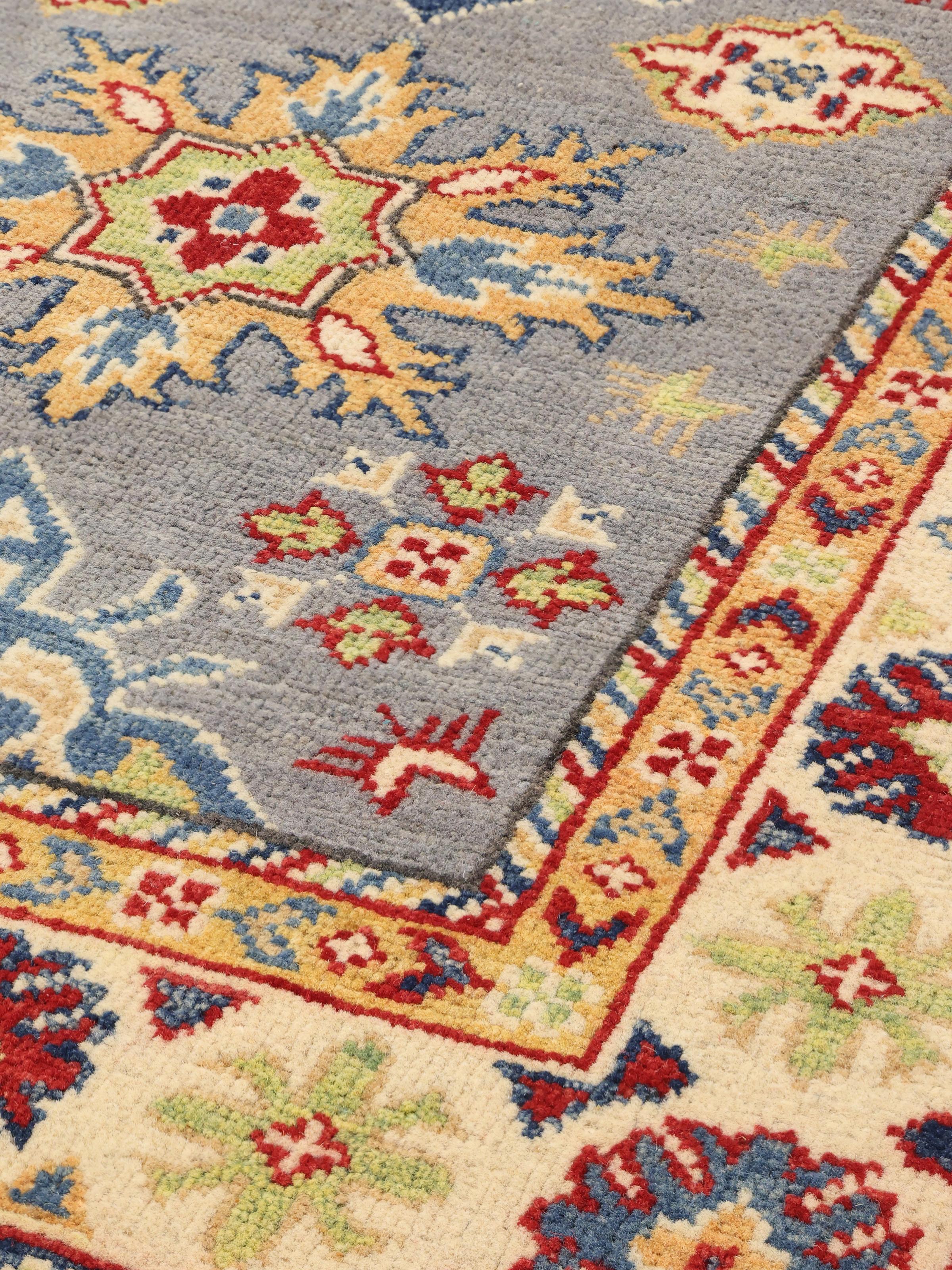
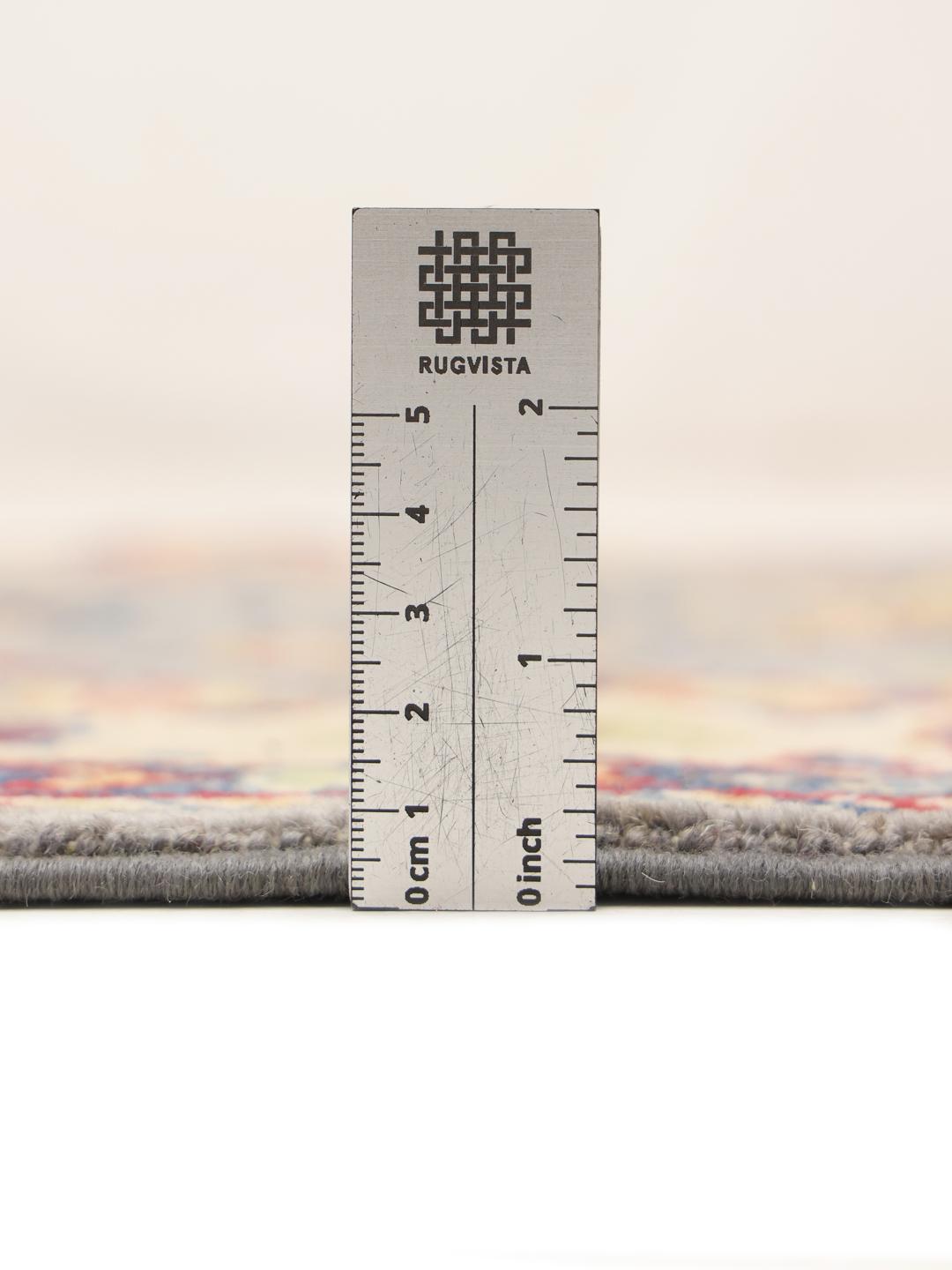
The term 'Kazak' describes a specific aesthetic rather than a single village, characterised by a focus on structural, geometric forms. These rugs are traditionally woven with a generous pile, a feature that distinguishes them from flatter weaves and provides the thick, insulating quality that made them essential for the harsh, cold climates of their ancestral home.
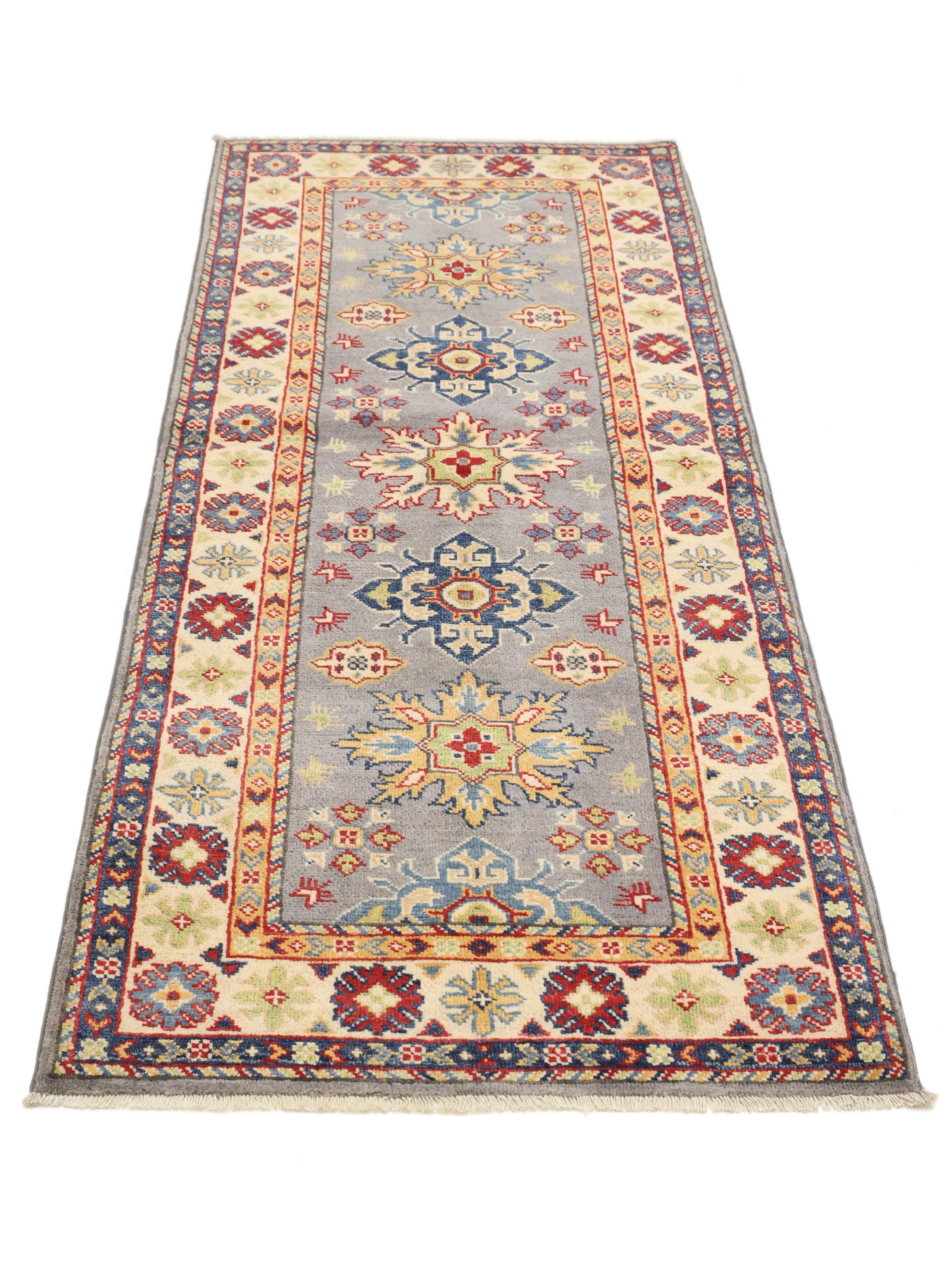
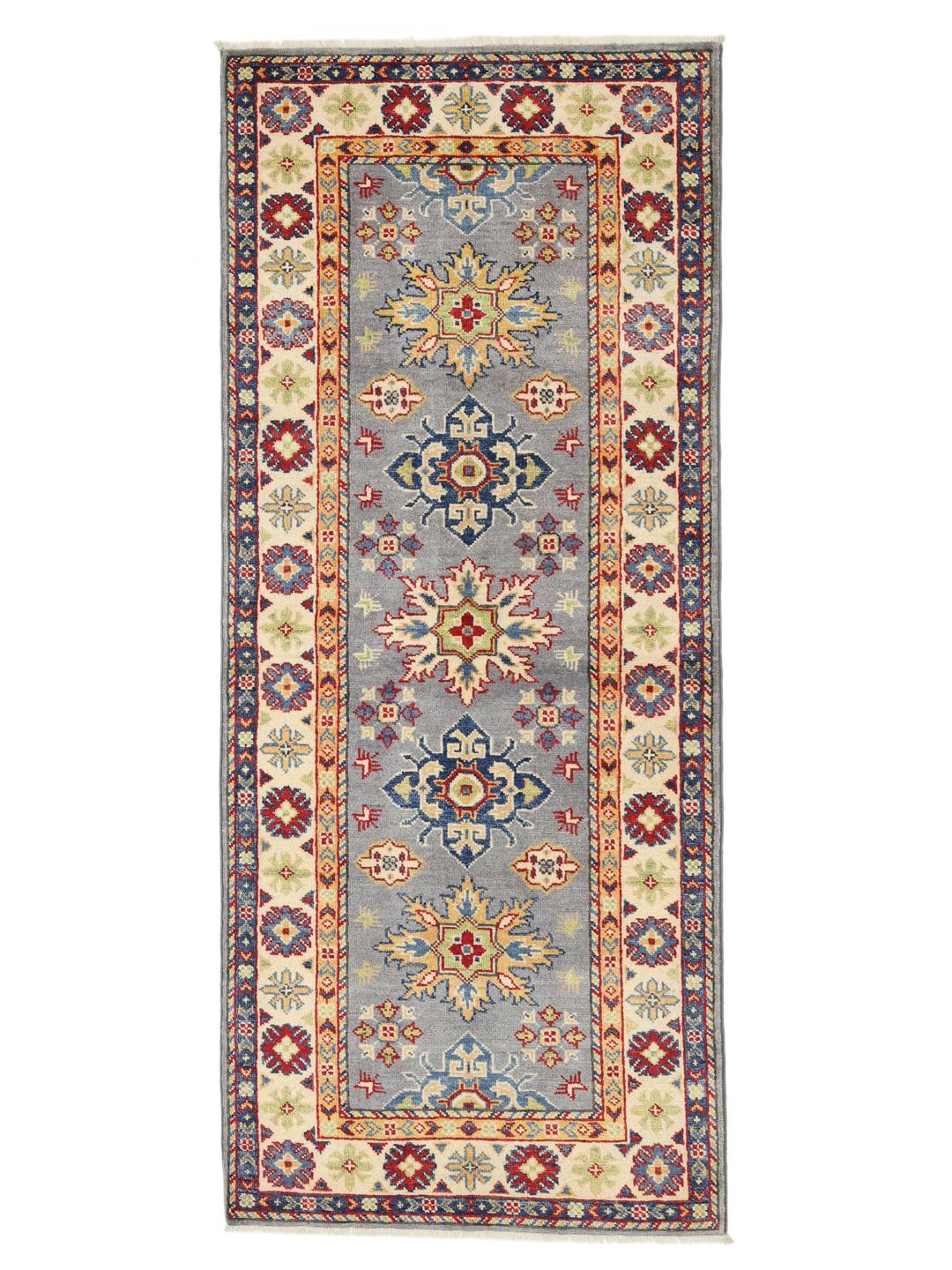
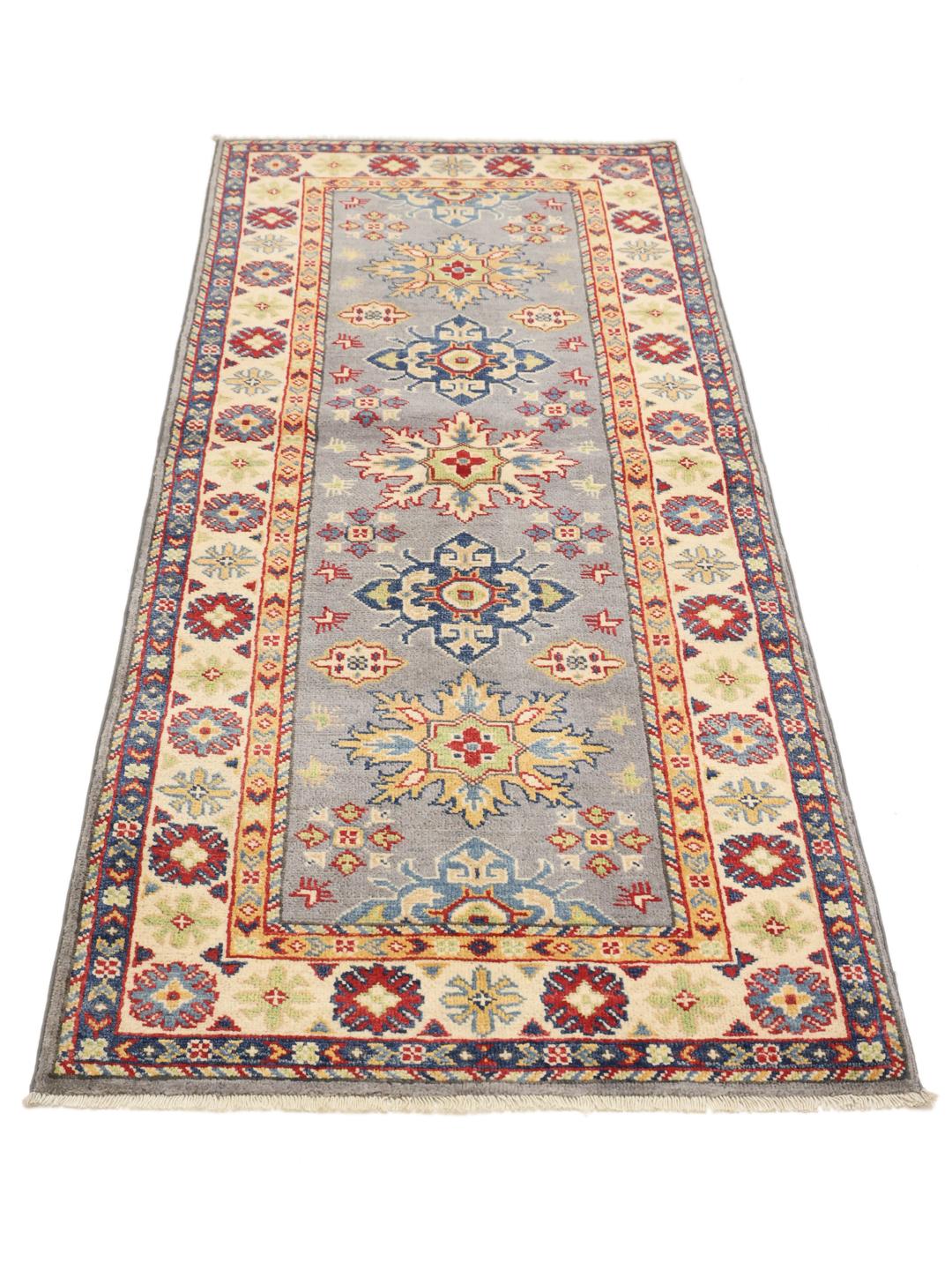
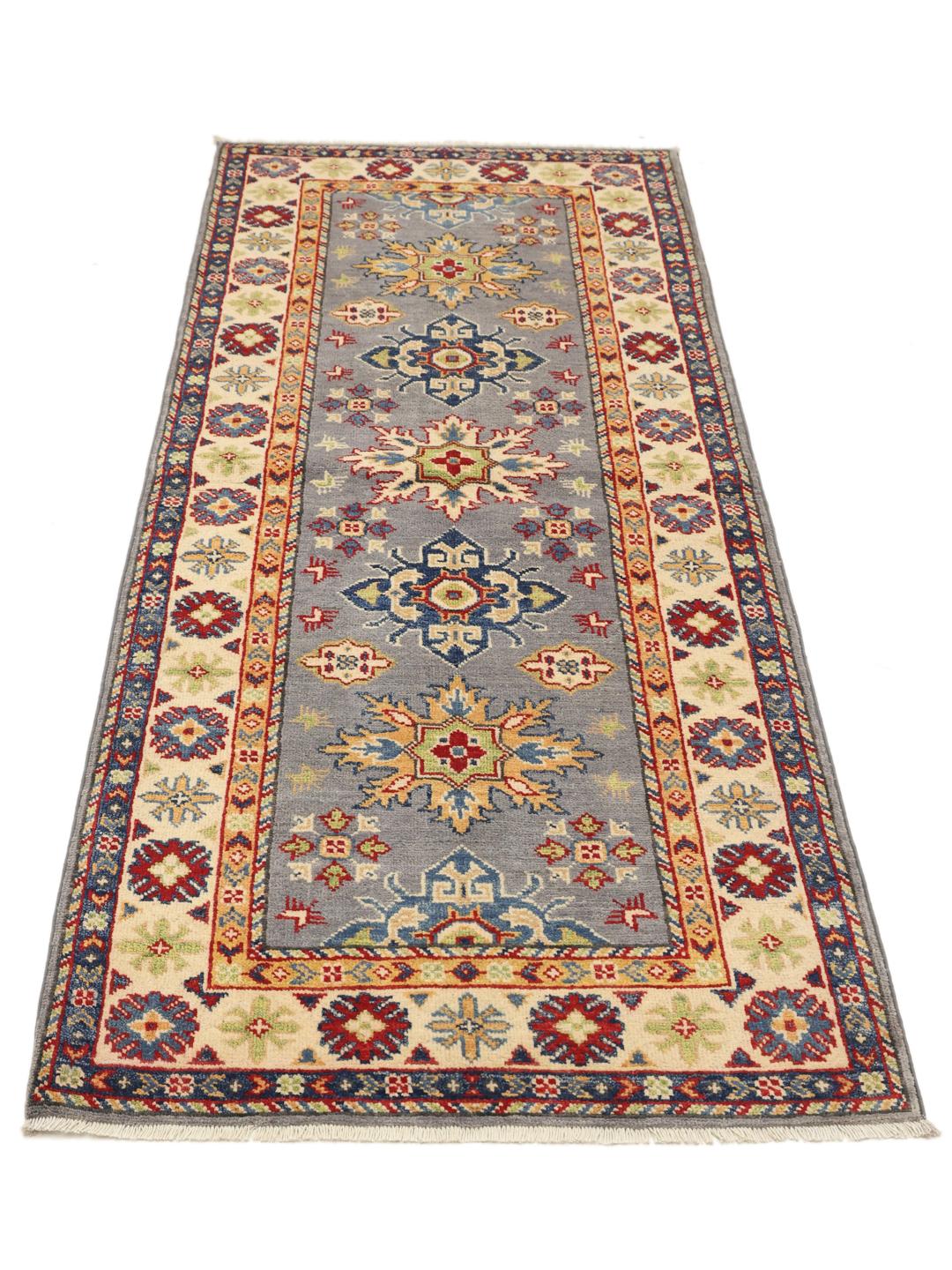
Signature design elements include the use of large-scale medallions, latch-hook motifs, and bold, simplified floral or animal-inspired shapes. The borders on these rugs are often just as significant as the central field, frequently featuring serrated leaves or interlocking geometric patterns that frame the composition and ground the overall design.
Collectors value Kazak rugs for their unapologetic colour palettes and the raw, expressive quality of their patterns. Owning a piece from this tradition is a way to connect with a long-standing heritage of textile art, where each rug serves as a canvas for the weaver's interpretation of classic tribal motifs passed down through generations.