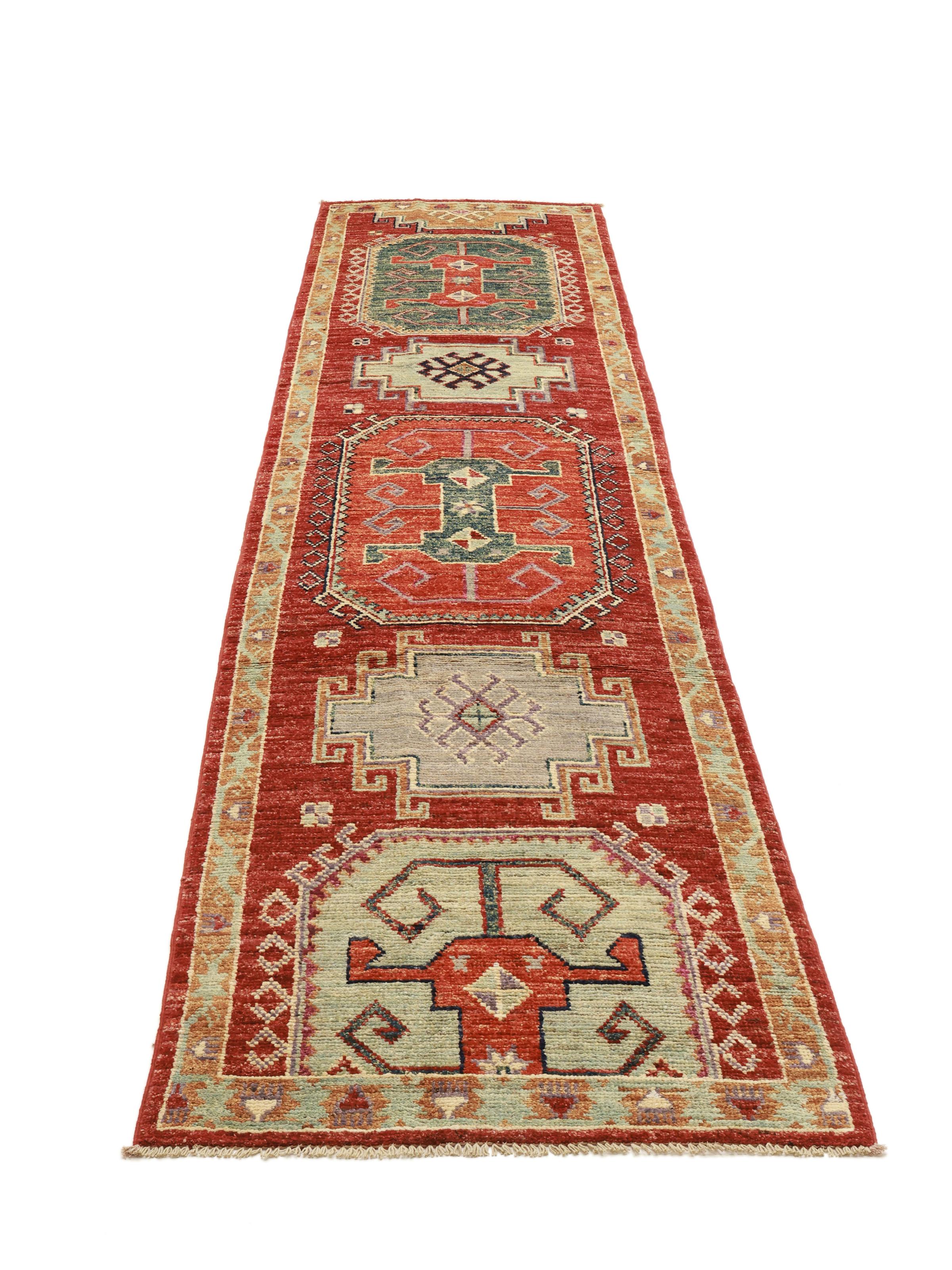
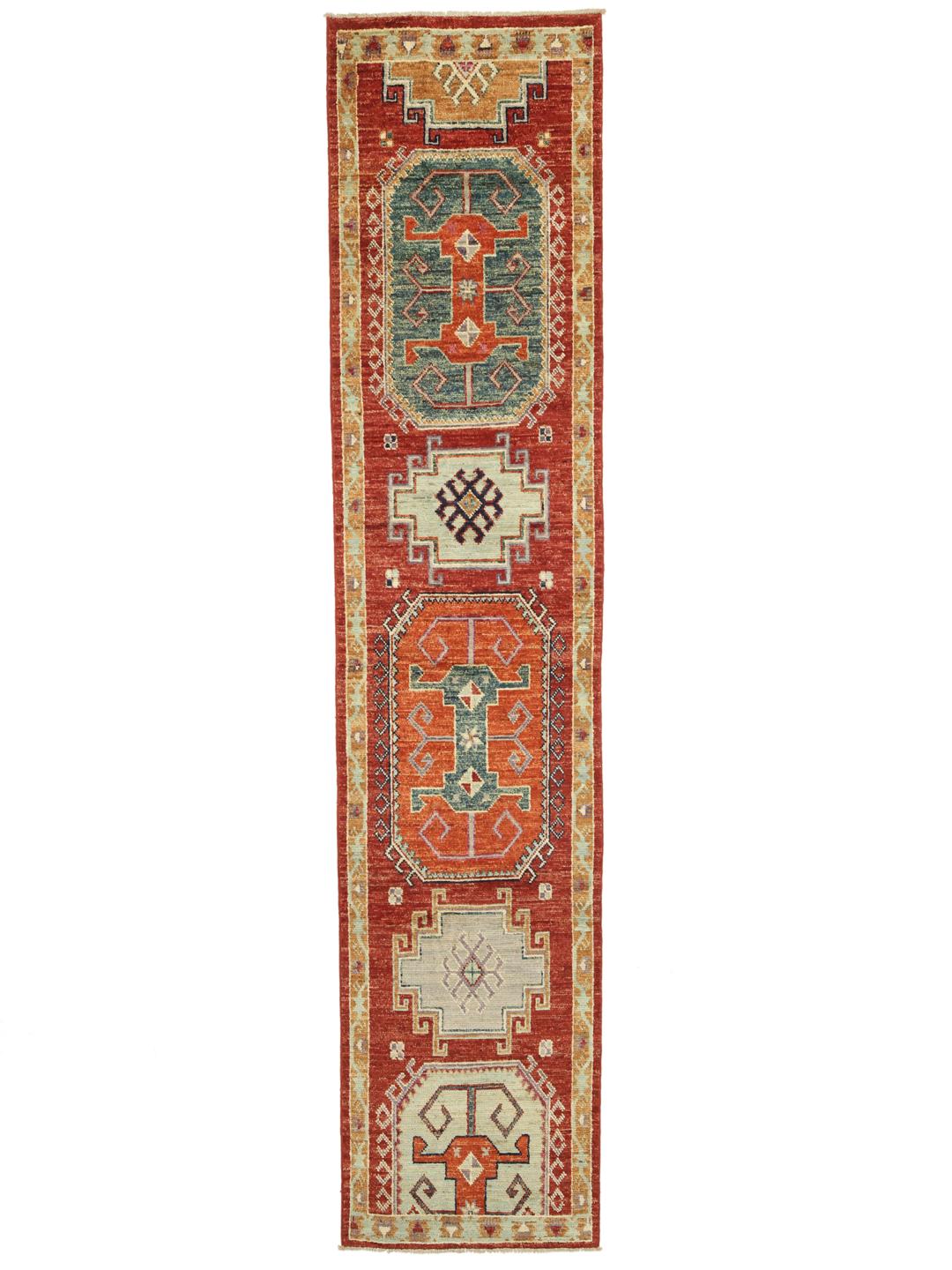
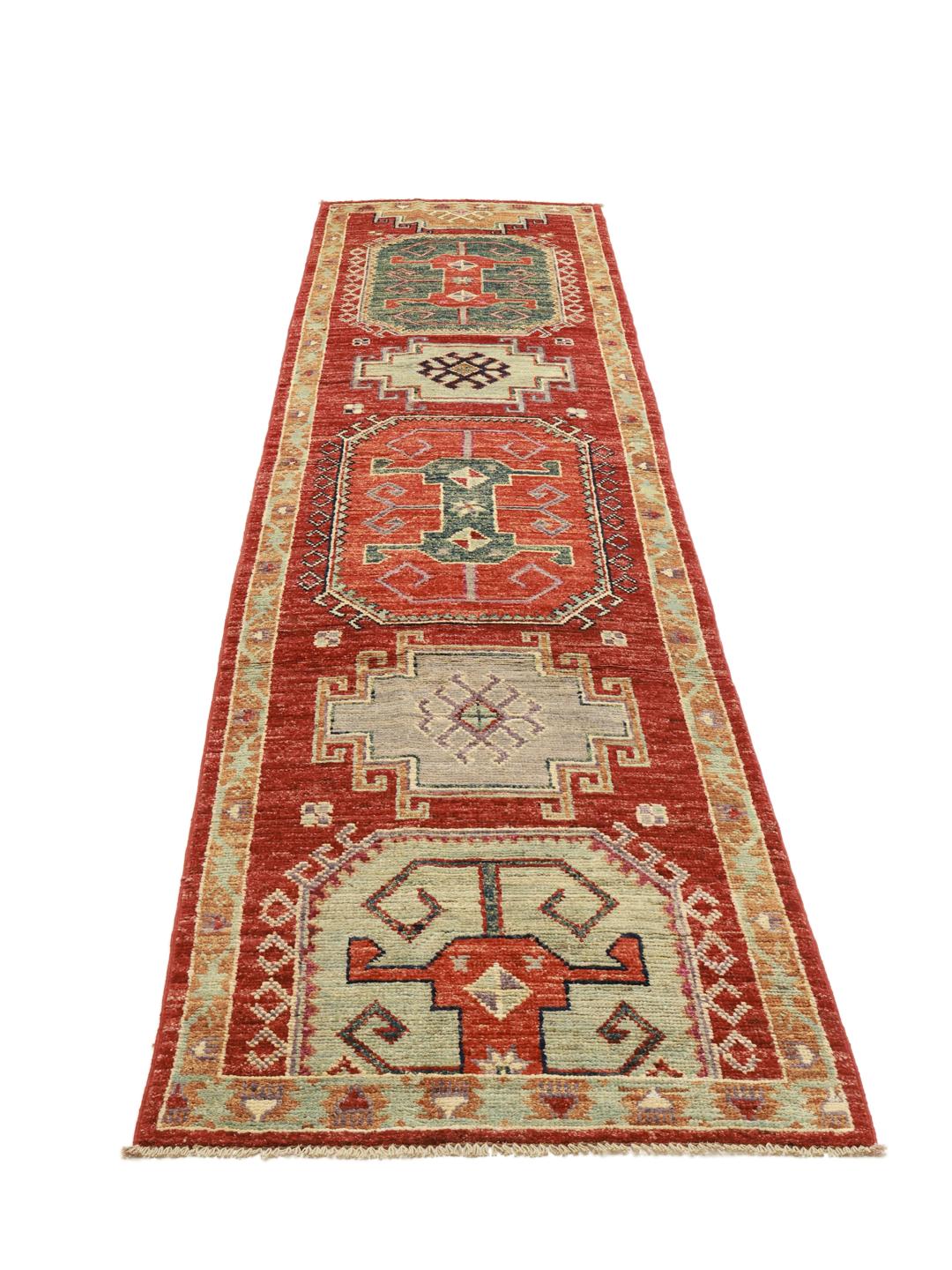
The history of Kazak rugs is deeply rooted in the nomadic traditions of the Caucasus region, characterised by bold designs and a striking use of colour. While the style originated in the mountains between the Black and Caspian Seas, the tradition has evolved significantly, with some of the most exquisite contemporary examples now being masterfully woven in Afghanistan.
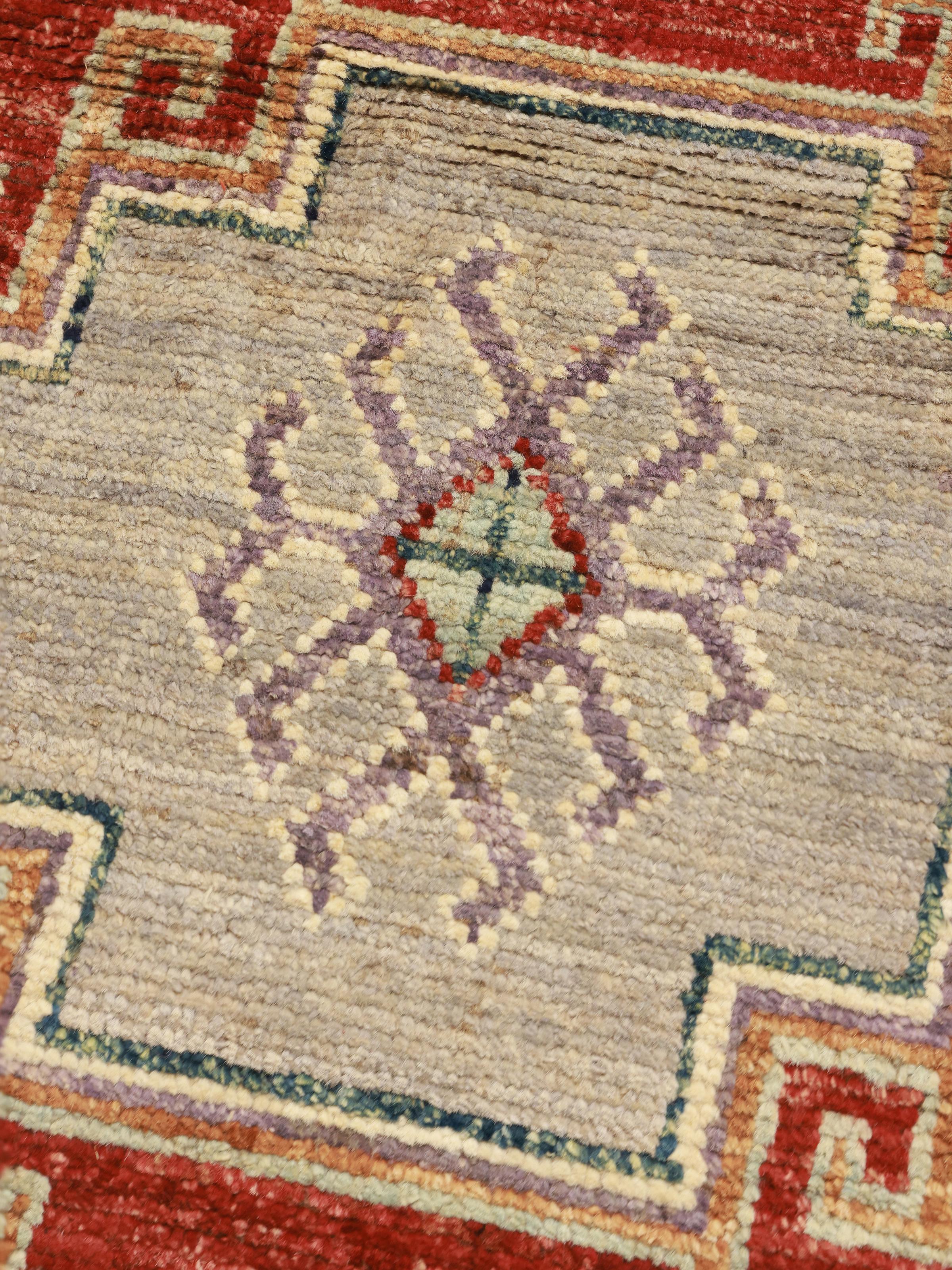
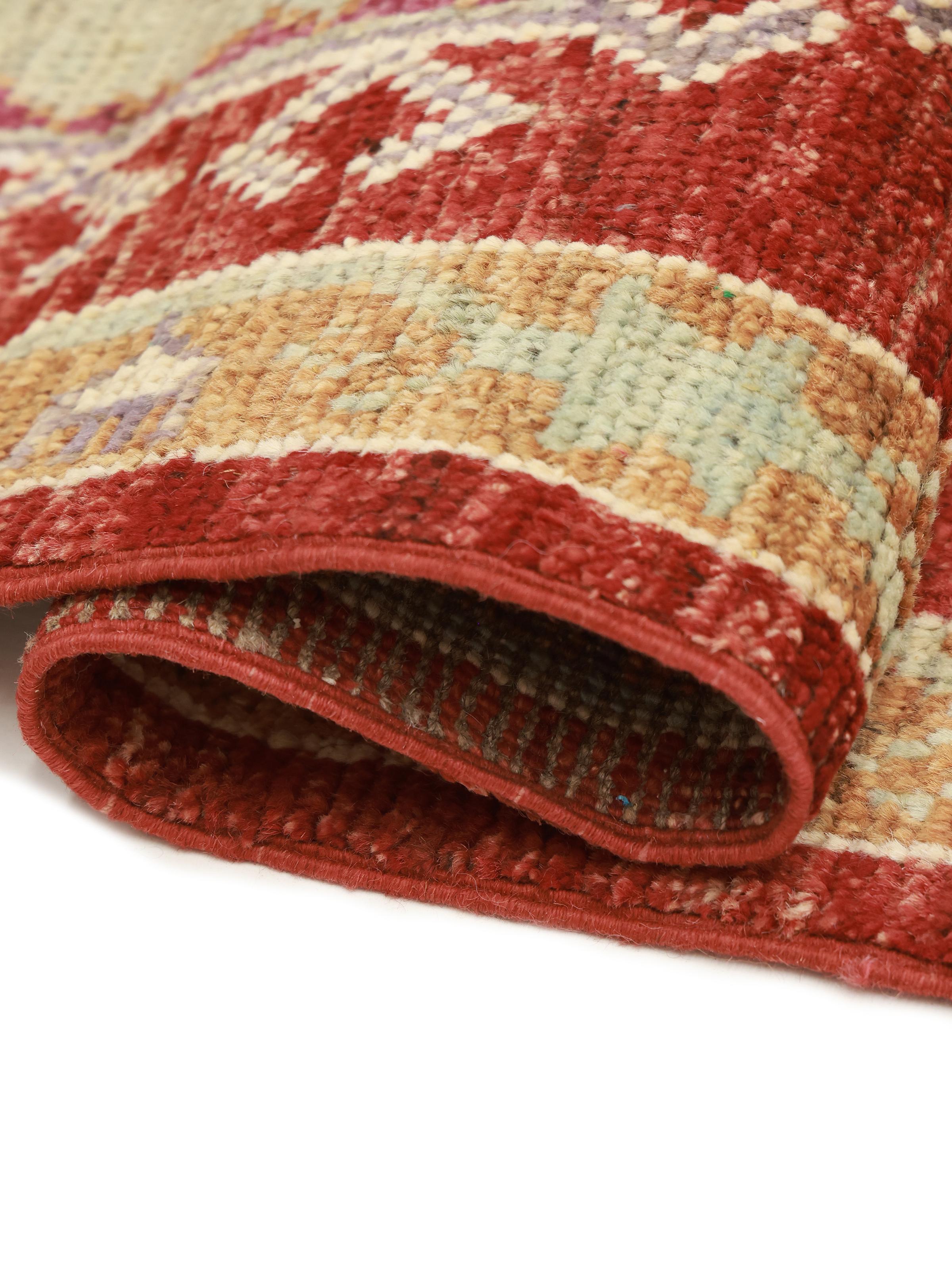
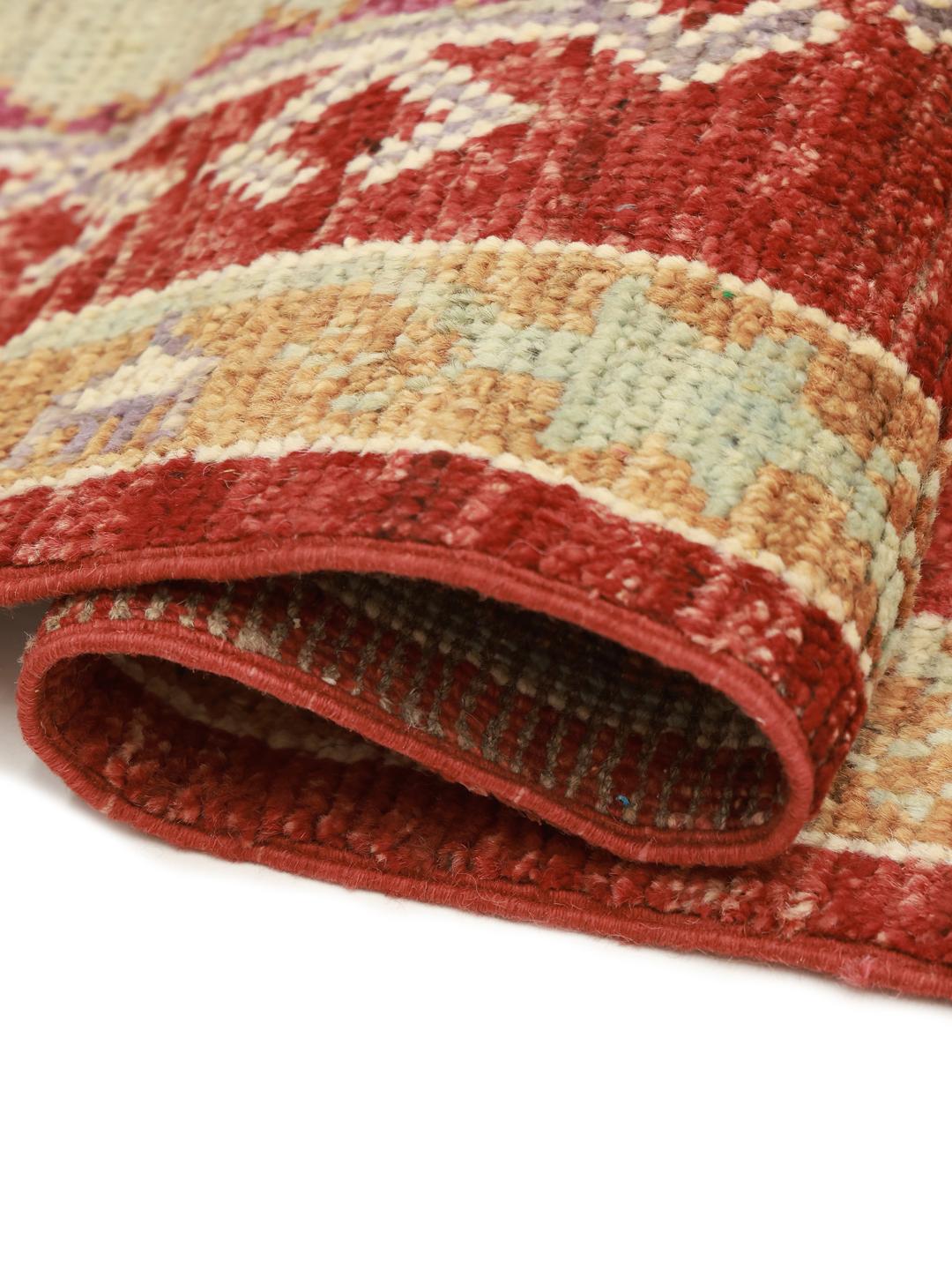
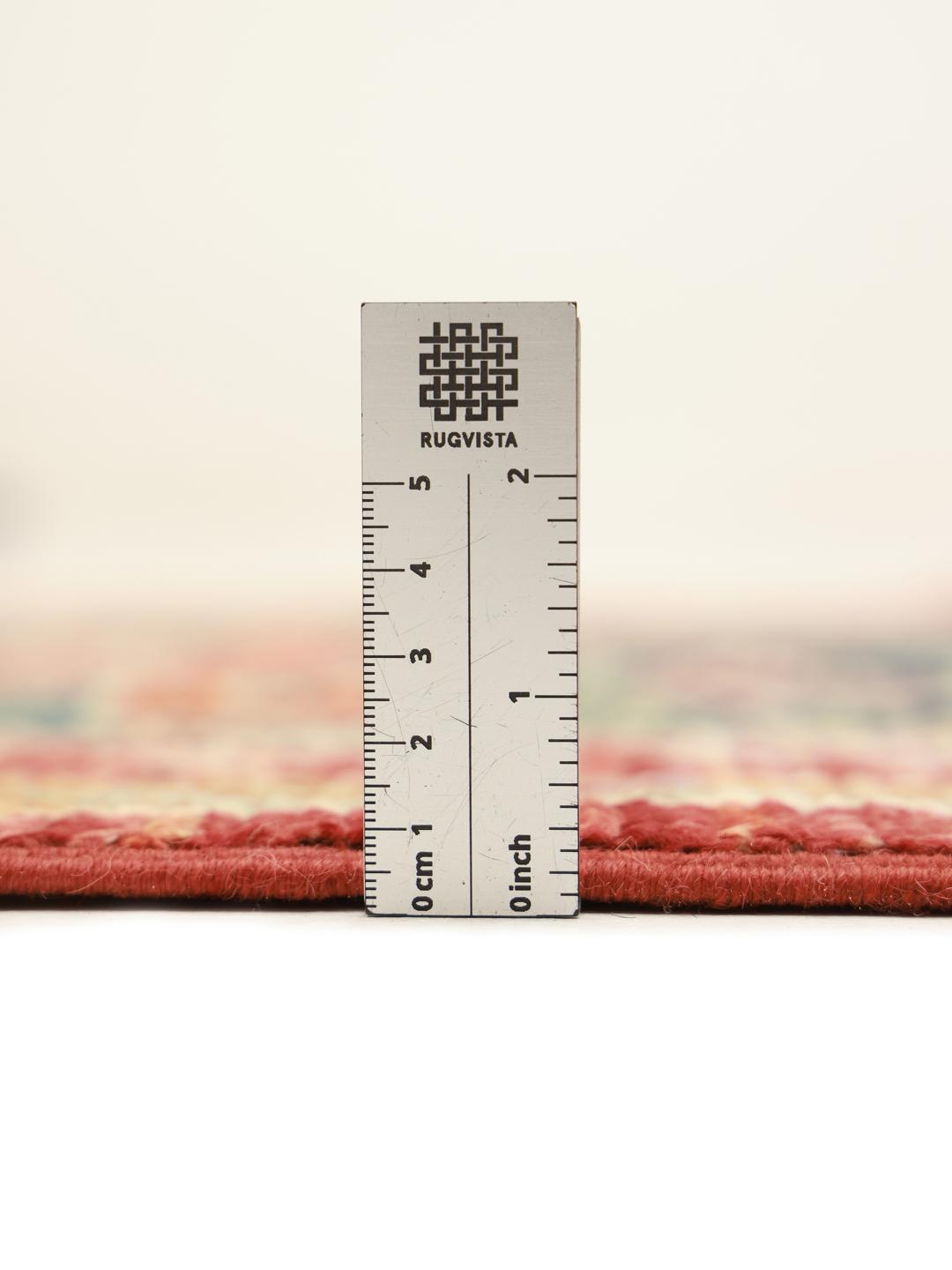
The term 'Kazak' refers to a specific style of hand-knotted rug known for its large-scale geometric designs and saturated colour palettes. These rugs are traditionally woven with a thick, durable pile, making them highly prized for their longevity and ability to anchor a room with their powerful visual presence.
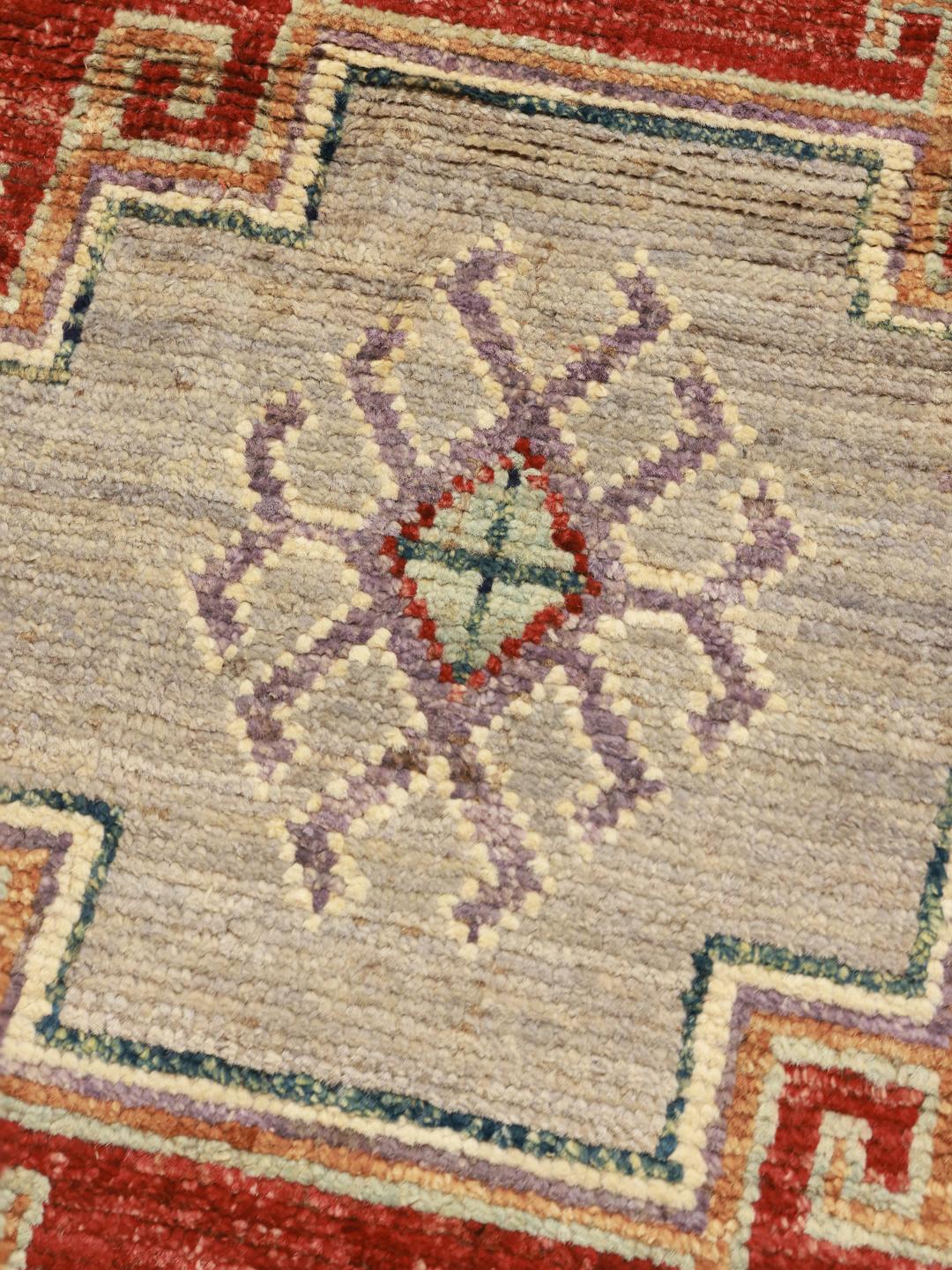
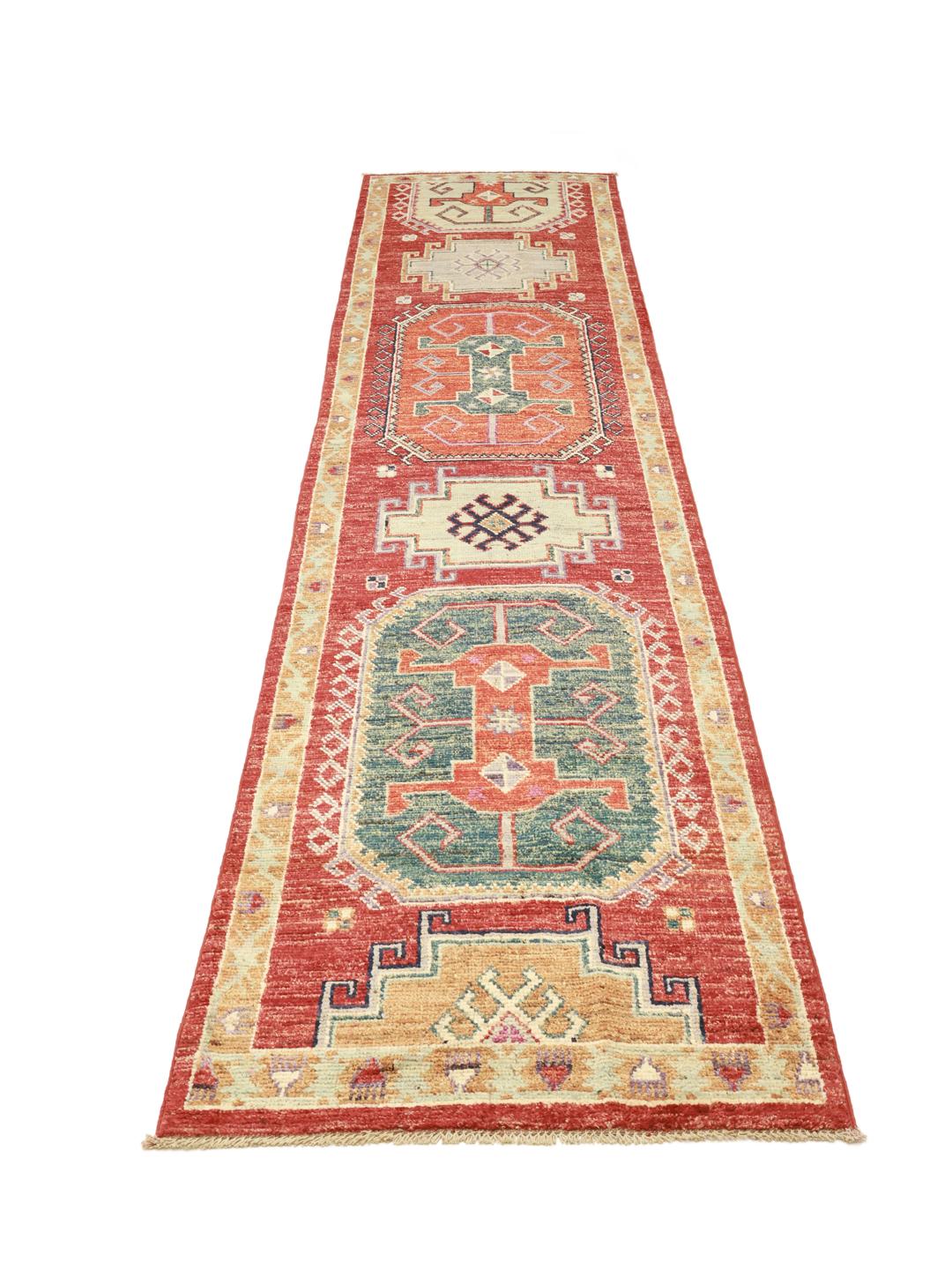
The signature design elements of this tradition include highly stylised, geometric medallions, often referred to as guls, which are set against a dramatic field. The borders are typically wide and filled with rhythmic, angular motifs that frame the central design, creating a sense of balance and harmony that is instantly recognisable to collectors.
Owning a piece from this tradition is an investment in cultural heritage and human skill. Because these rugs are not mass-produced, each one carries the individual touch of its maker, serving as a bridge between ancient techniques and modern interiors. They are valued not just for their aesthetic appeal, but for the story of tradition and patience woven into every strand.