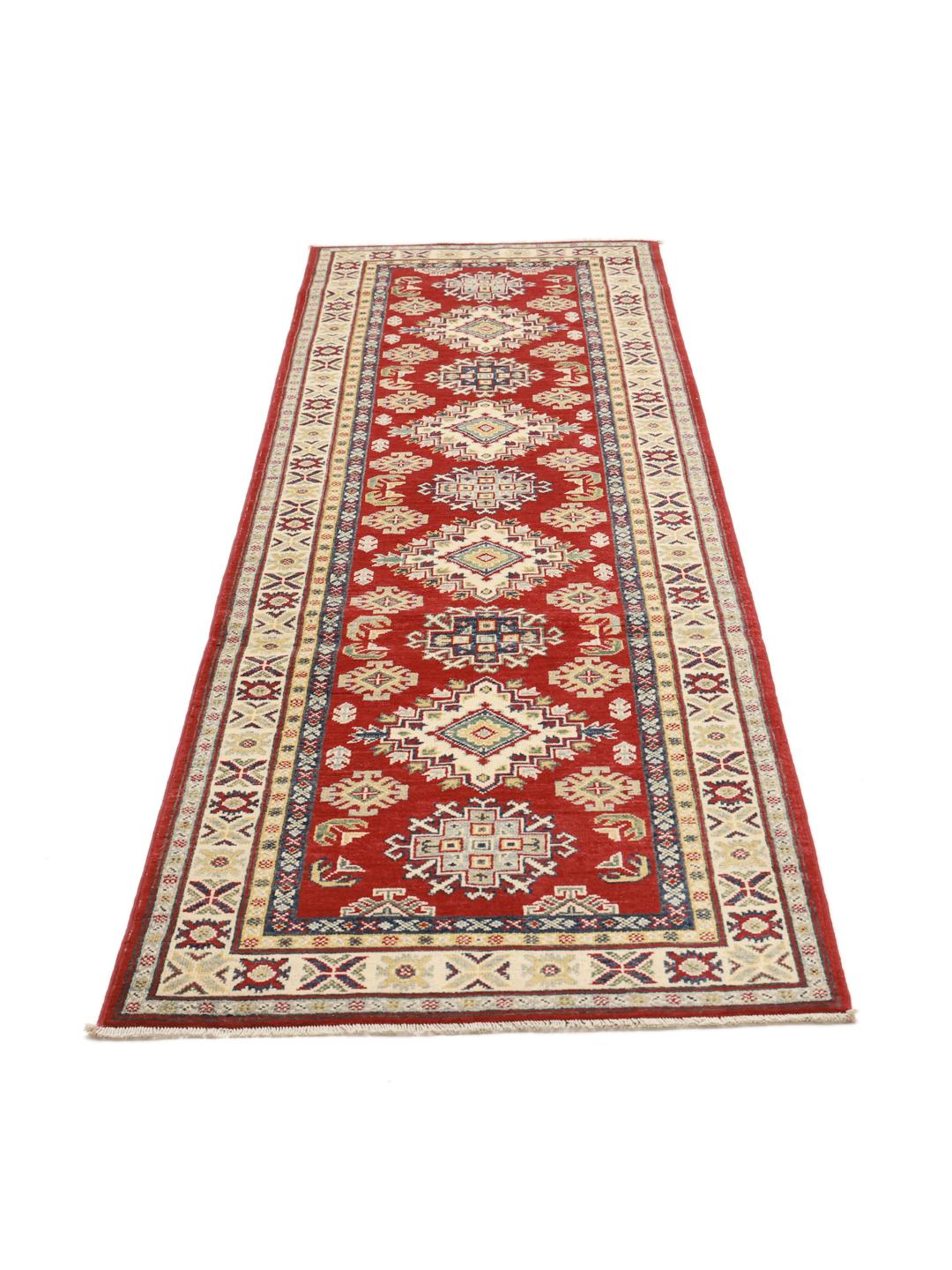
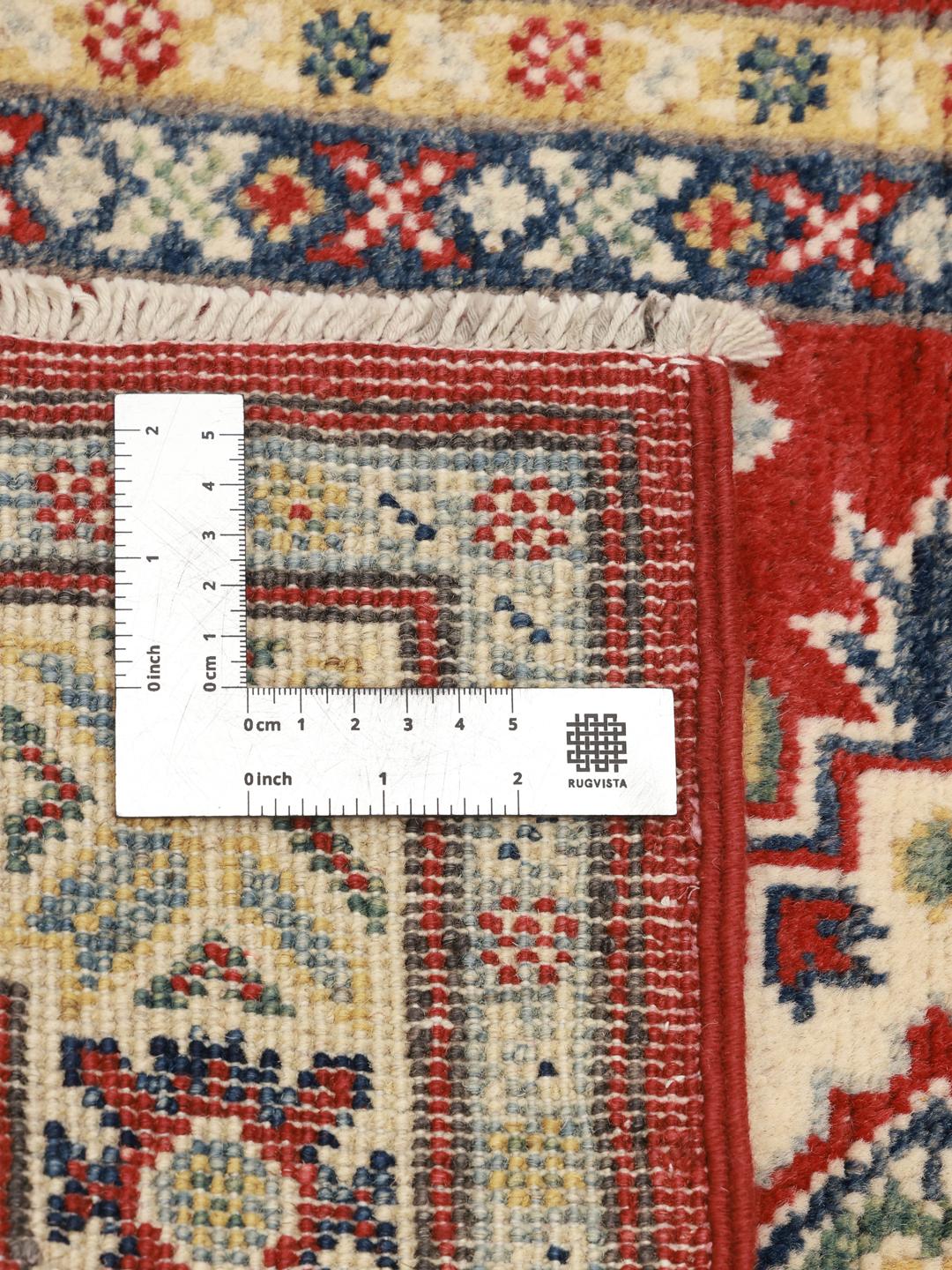
The Kazak tradition has its roots in the mountainous regions of the Caucasus, where nomadic tribes developed a distinct style characterised by bold, geometric patterns and a vibrant, earthy colour palette. Over generations, this aesthetic evolved as weaving techniques migrated through the Middle East, eventually finding a new home in the skilled hands of Afghan artisans.
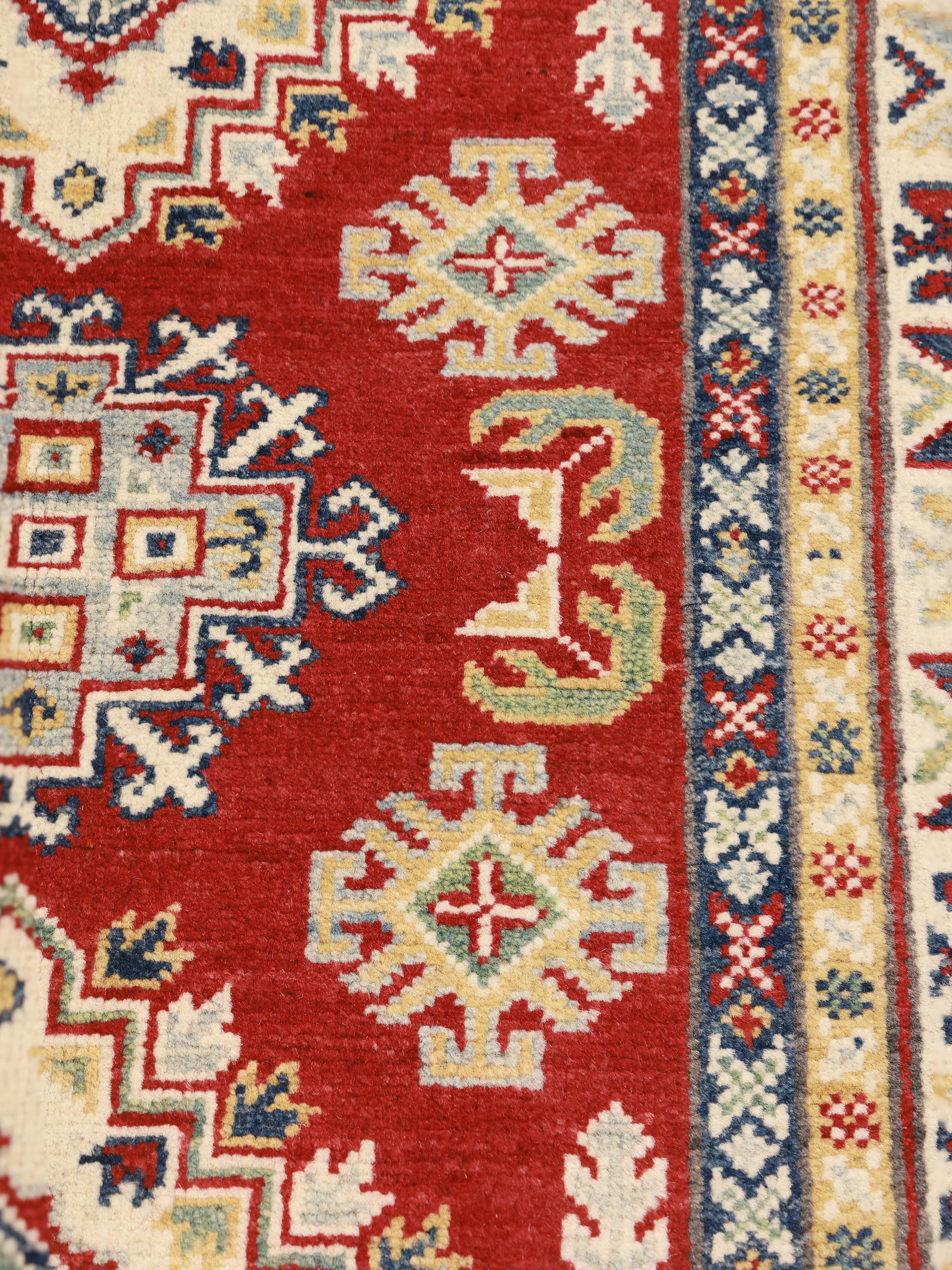
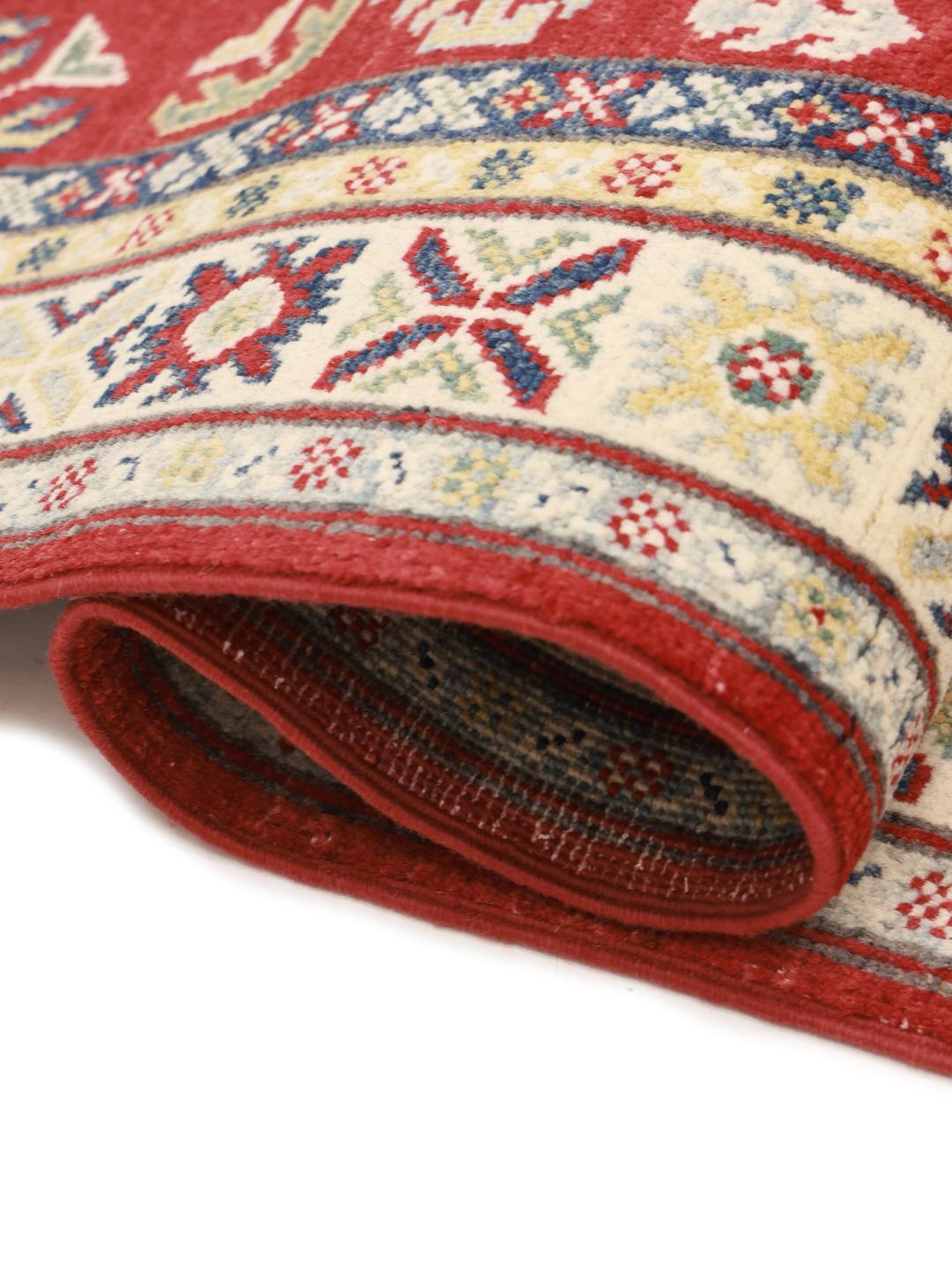
The term 'Kazak' refers to these specific, striking designs rather than a single village of origin. These rugs are celebrated for their sturdy construction and their use of high-quality wool, which is traditionally hand-spun to retain its natural oils. This process results in a lustrous, durable pile that is highly resistant to wear.
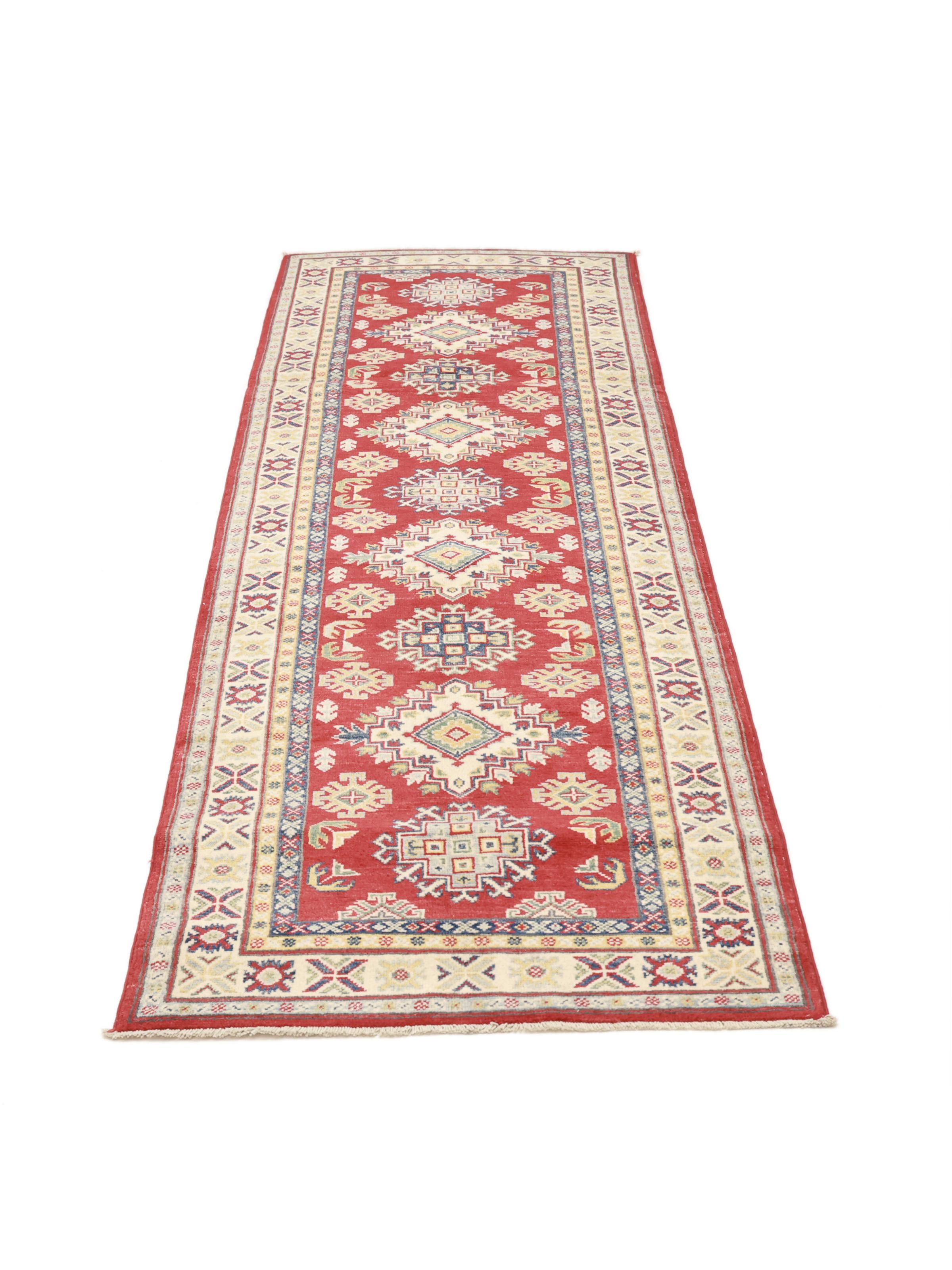
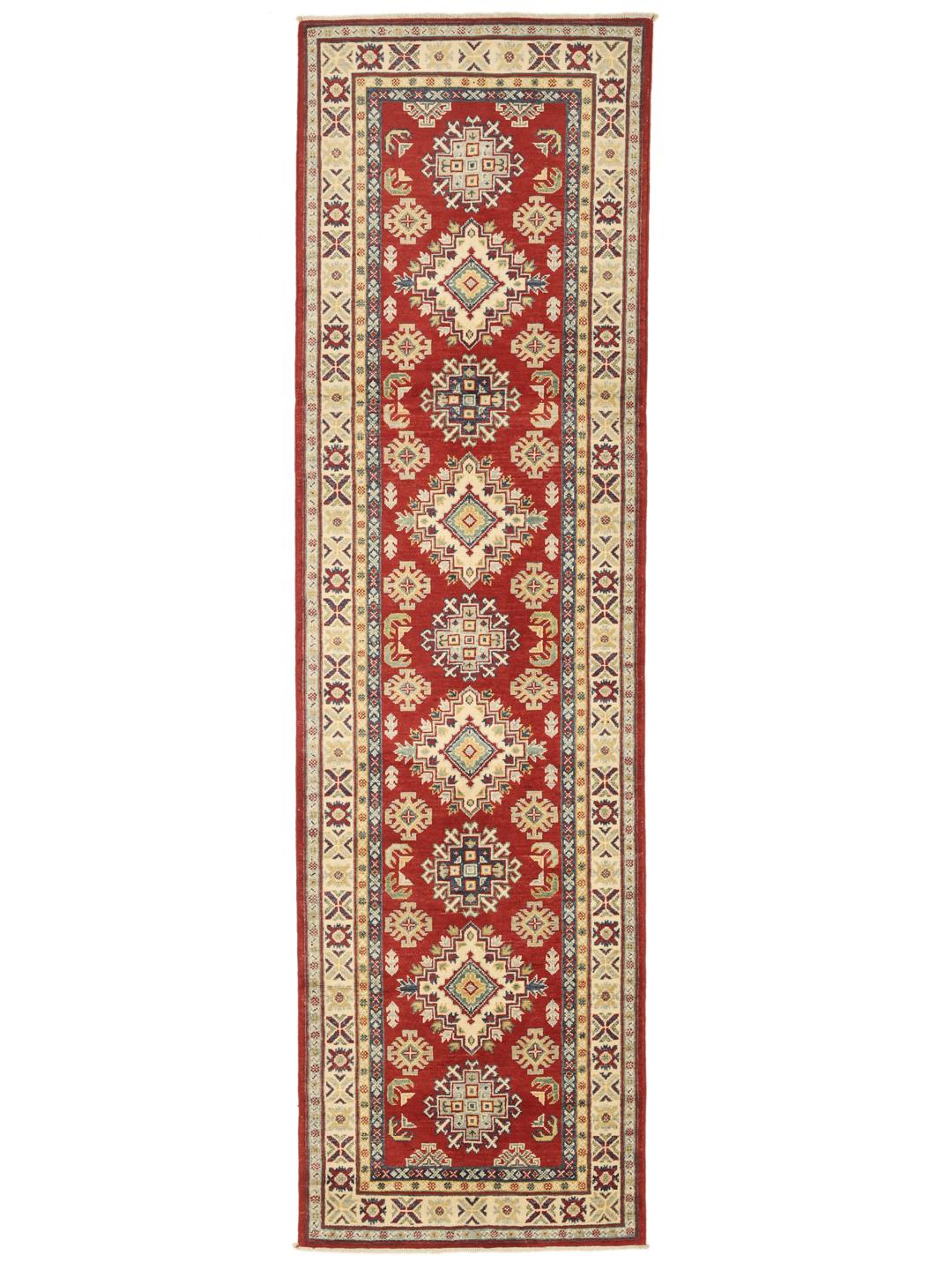
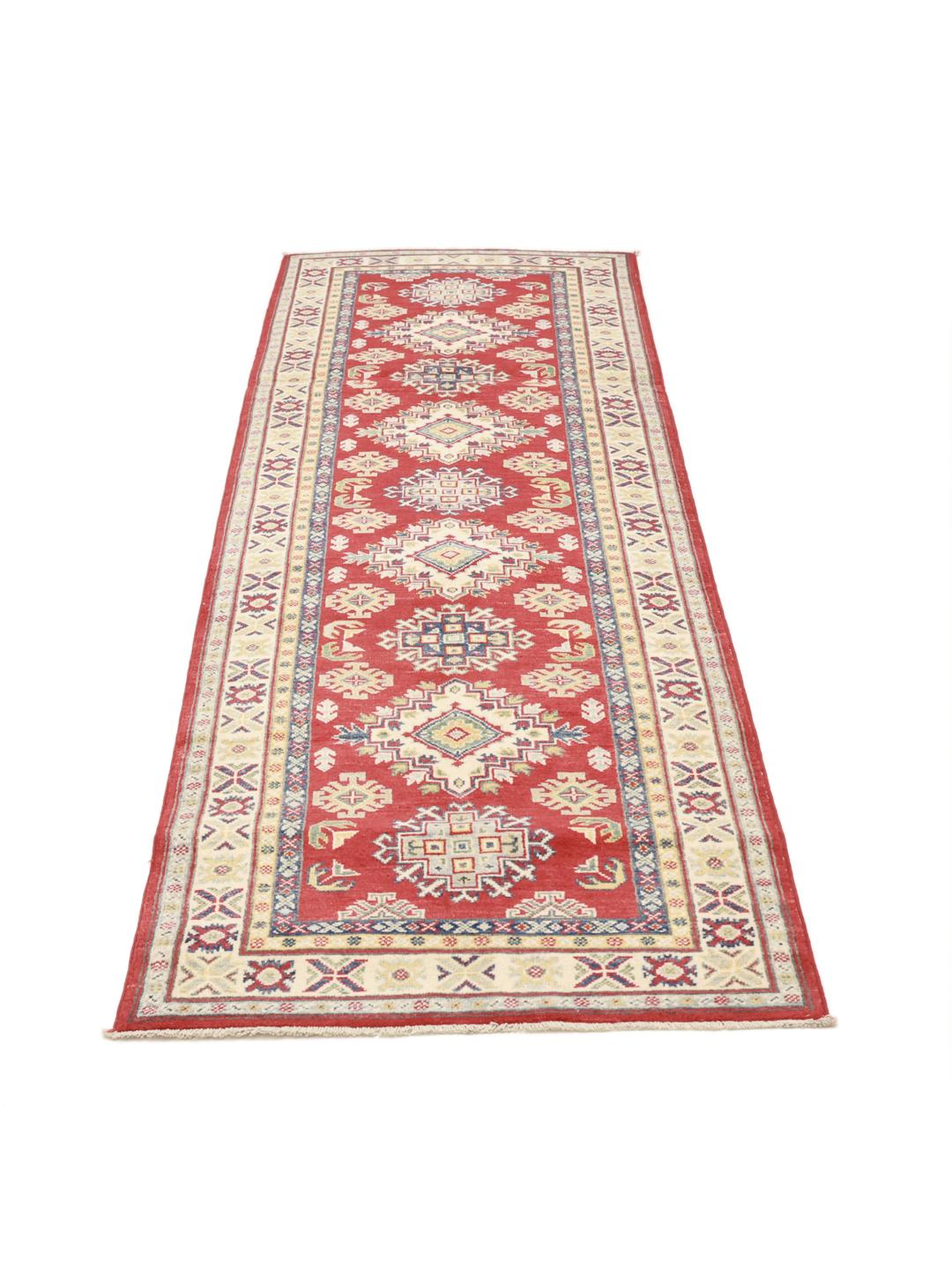
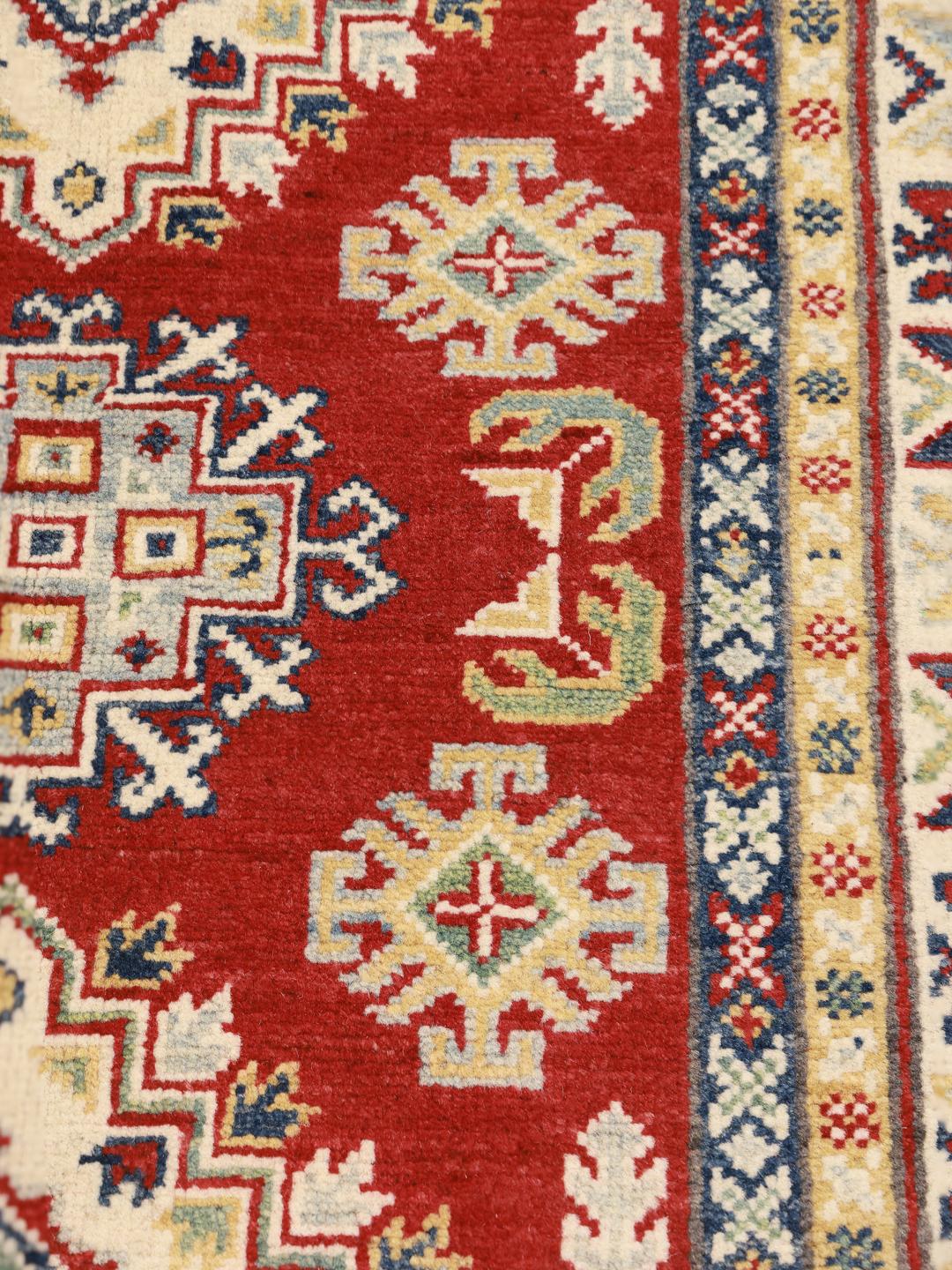
Visually, these runners are defined by their rhythmic, repeating motifs, which often feature stylised medallions, diamonds, and latch-hook details. The borders are equally important, typically filled with geometric guards that frame the central field. Such designs are not merely decorative but are deeply symbolic, reflecting the cultural narratives and natural surroundings of the weavers.
Collectors value these pieces for their authenticity and the human story woven into every knot. Owning a Kazak runner is an investment in cultural heritage, representing a bridge between ancient craftsmanship and contemporary living. It is a testament to a skill set that has been passed down through families, offering a level of character that mass-produced alternatives simply cannot match.