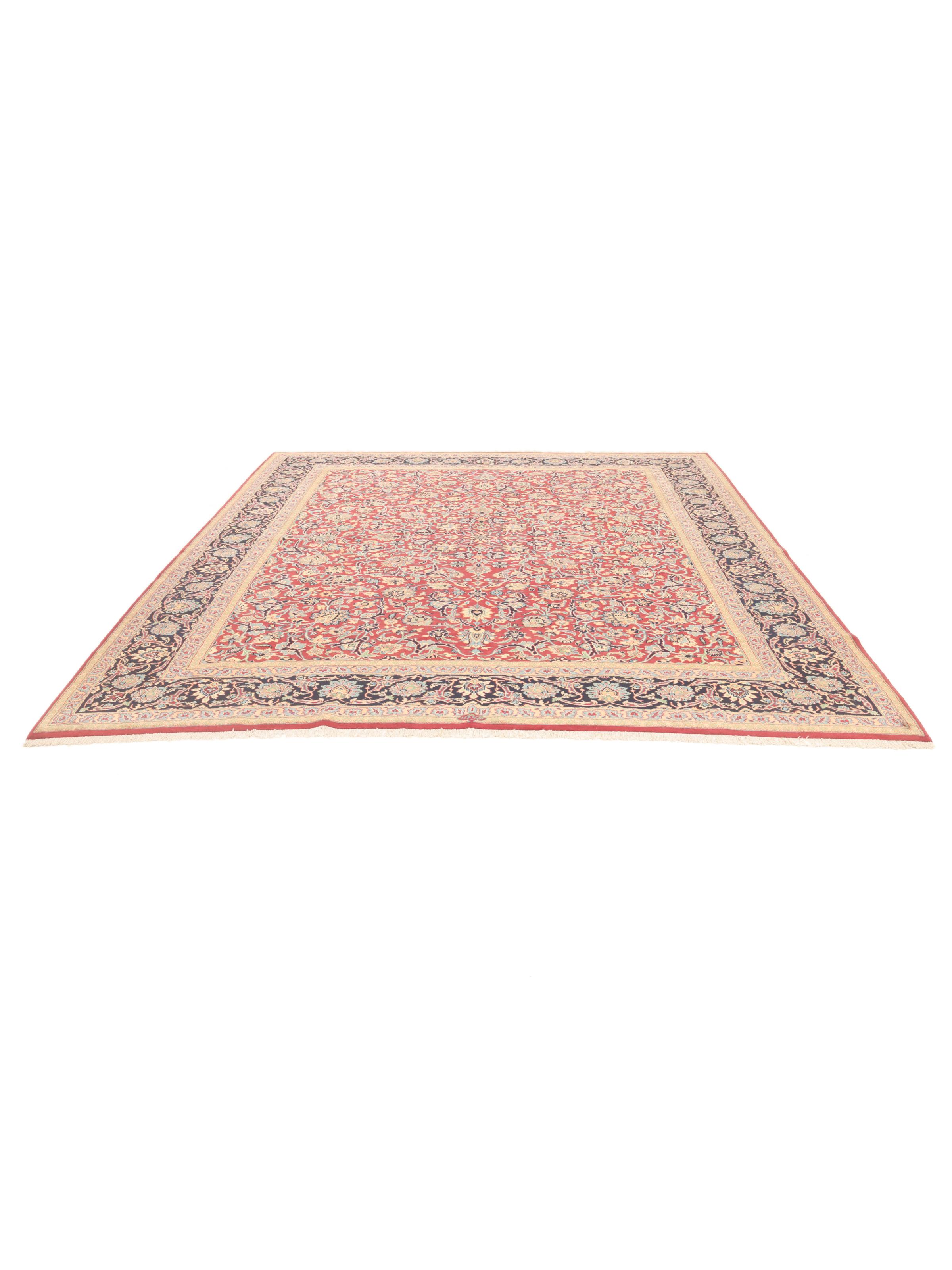
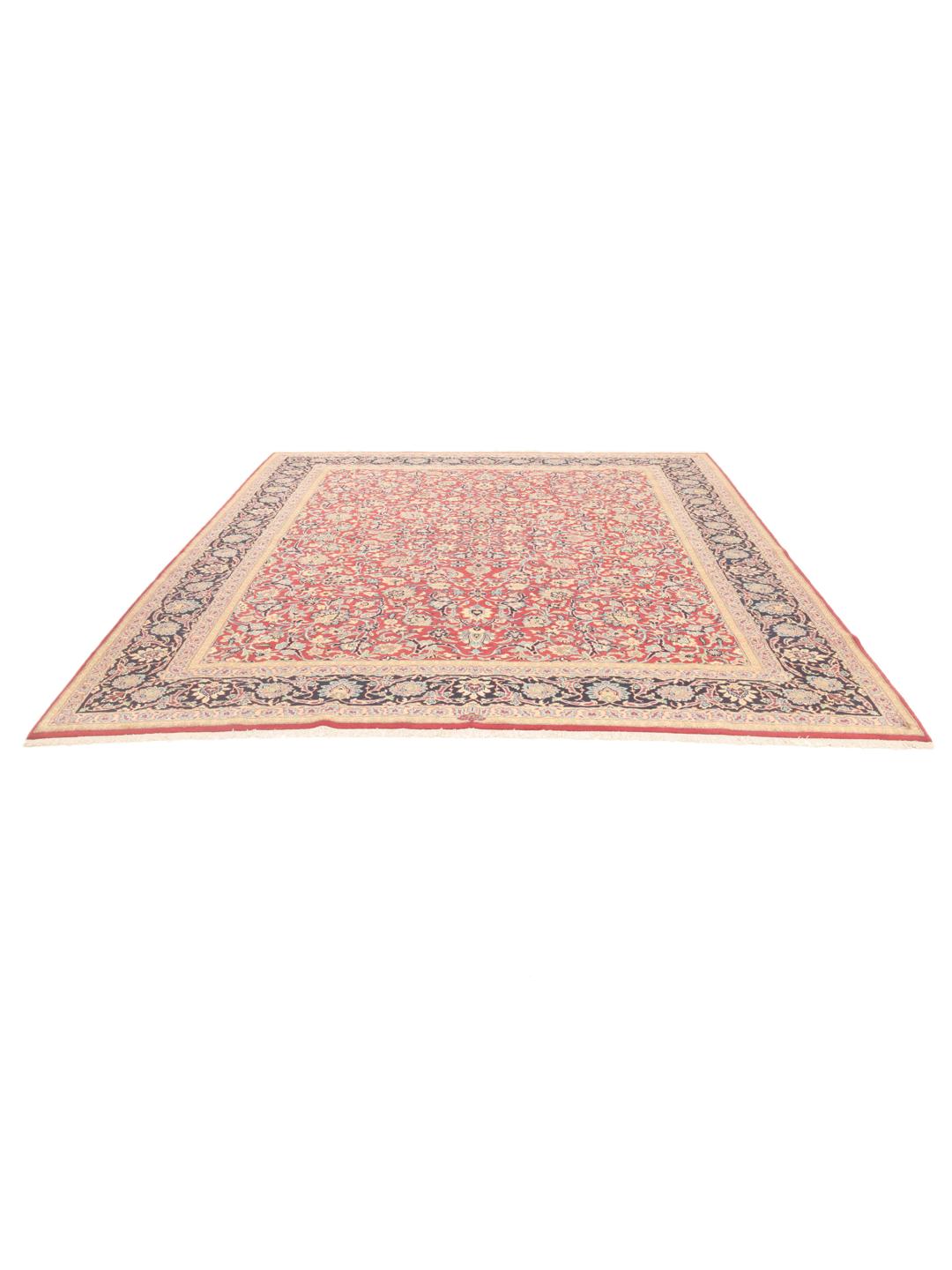
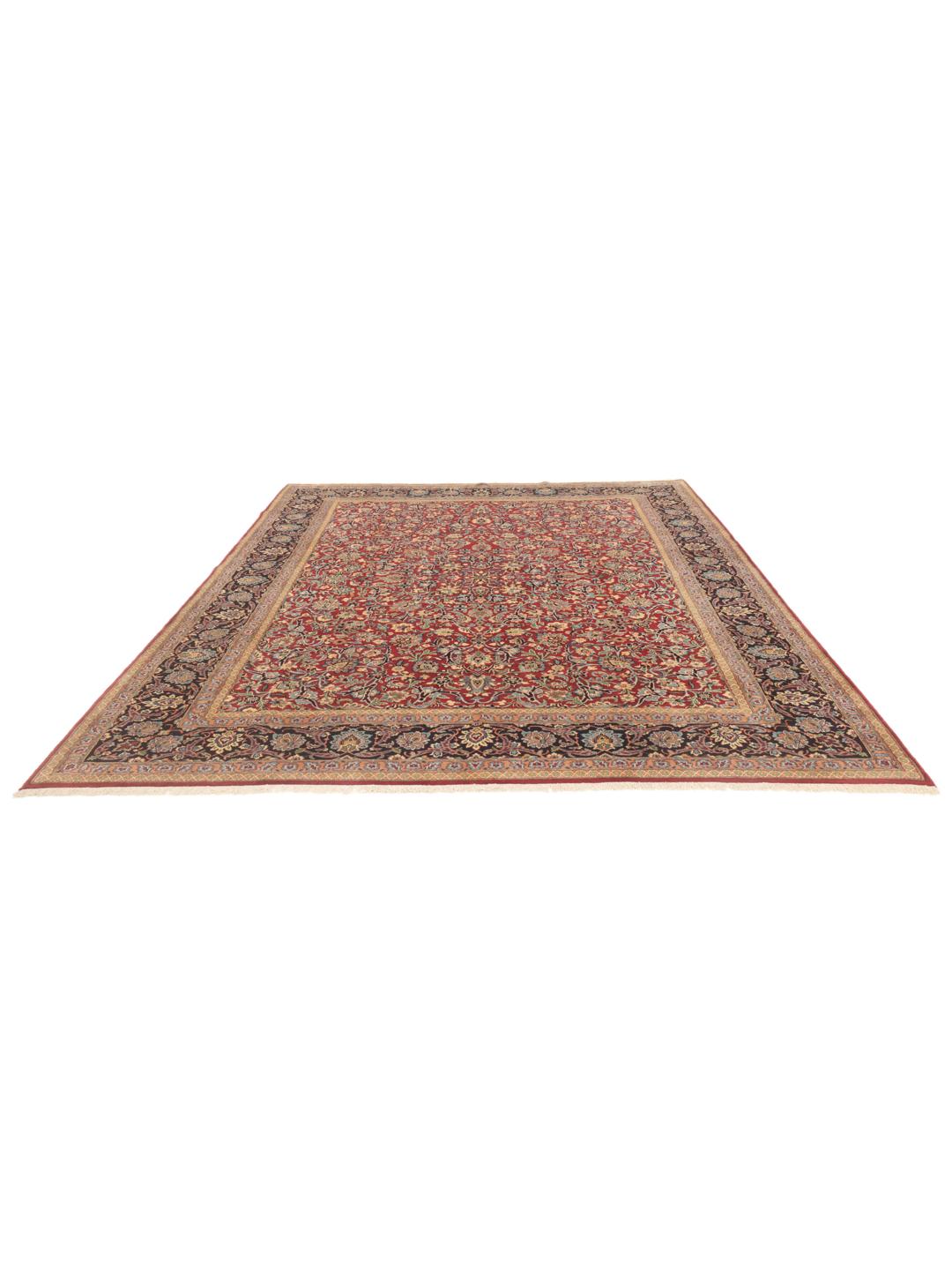
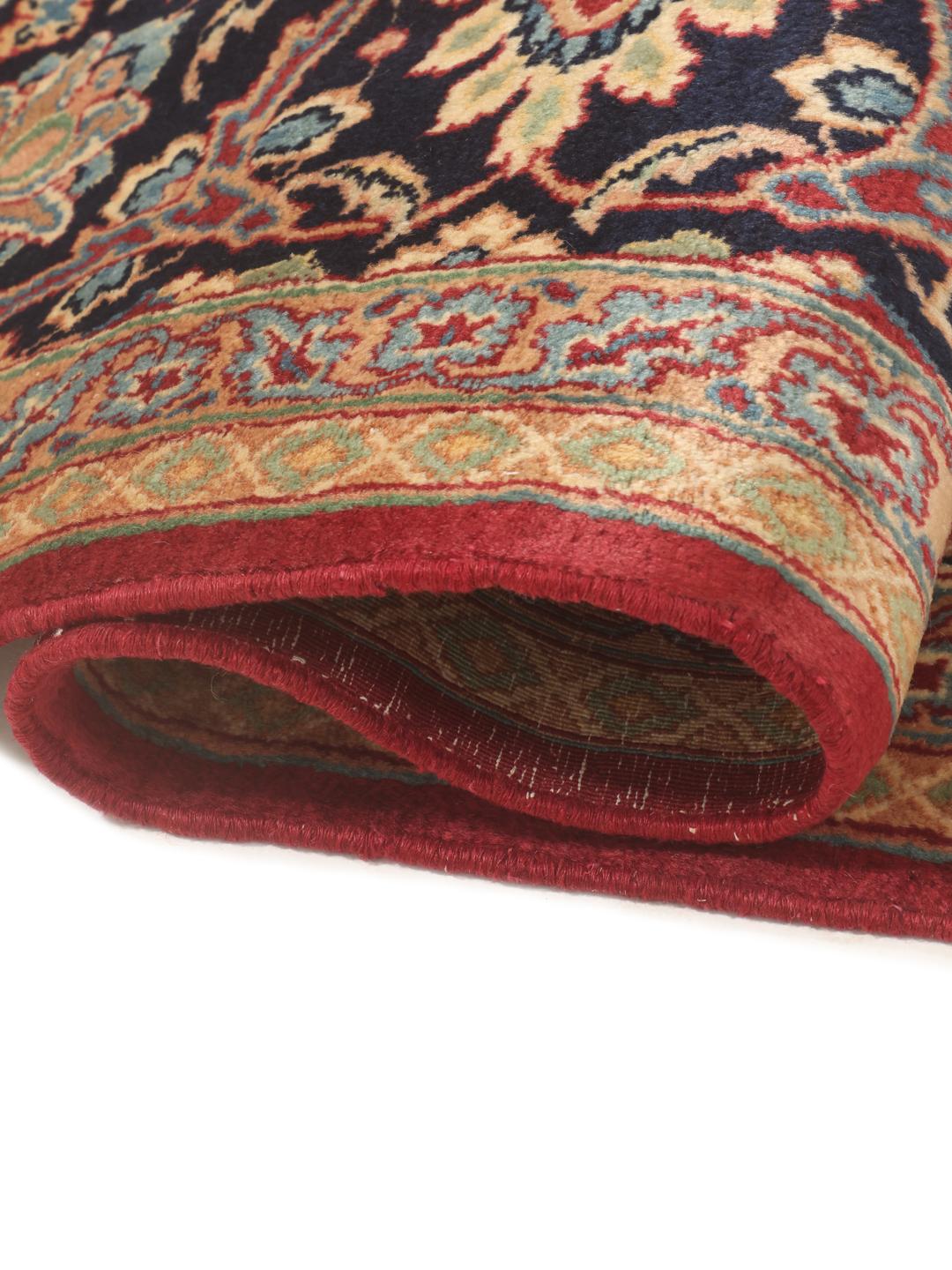
Kerman rugs originate from the desert city of Kerman in the Middle East, a region that has served as a vital hub for textile production for centuries. Historically, Kerman became famous for its refined weaving workshops, which were often supported by local governors and merchants who appreciated the fine, high-quality output of the city's master artisans. This tradition of excellence has allowed Kerman to maintain its reputation as a centre for sophisticated, high-end rug production throughout history.
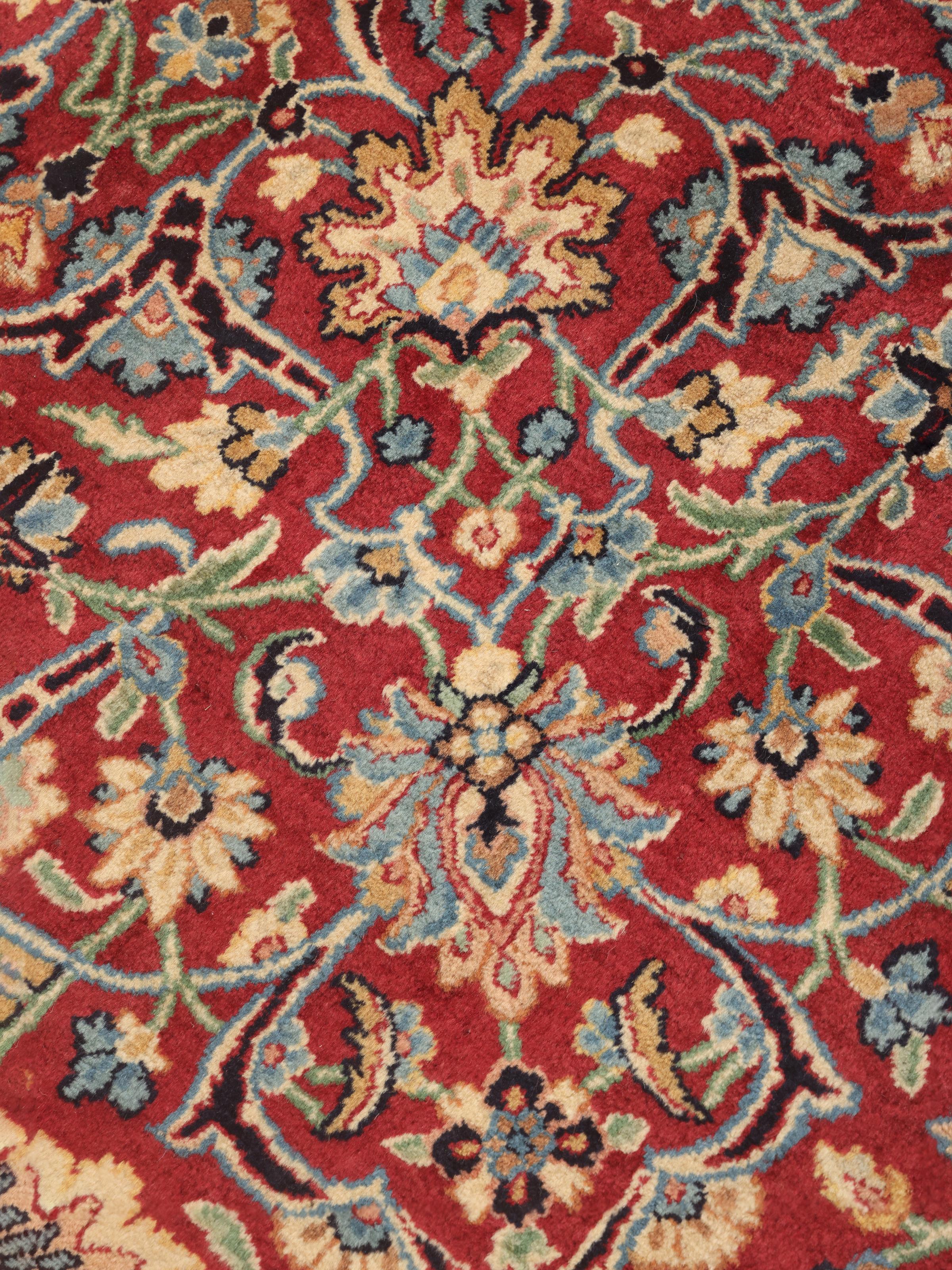
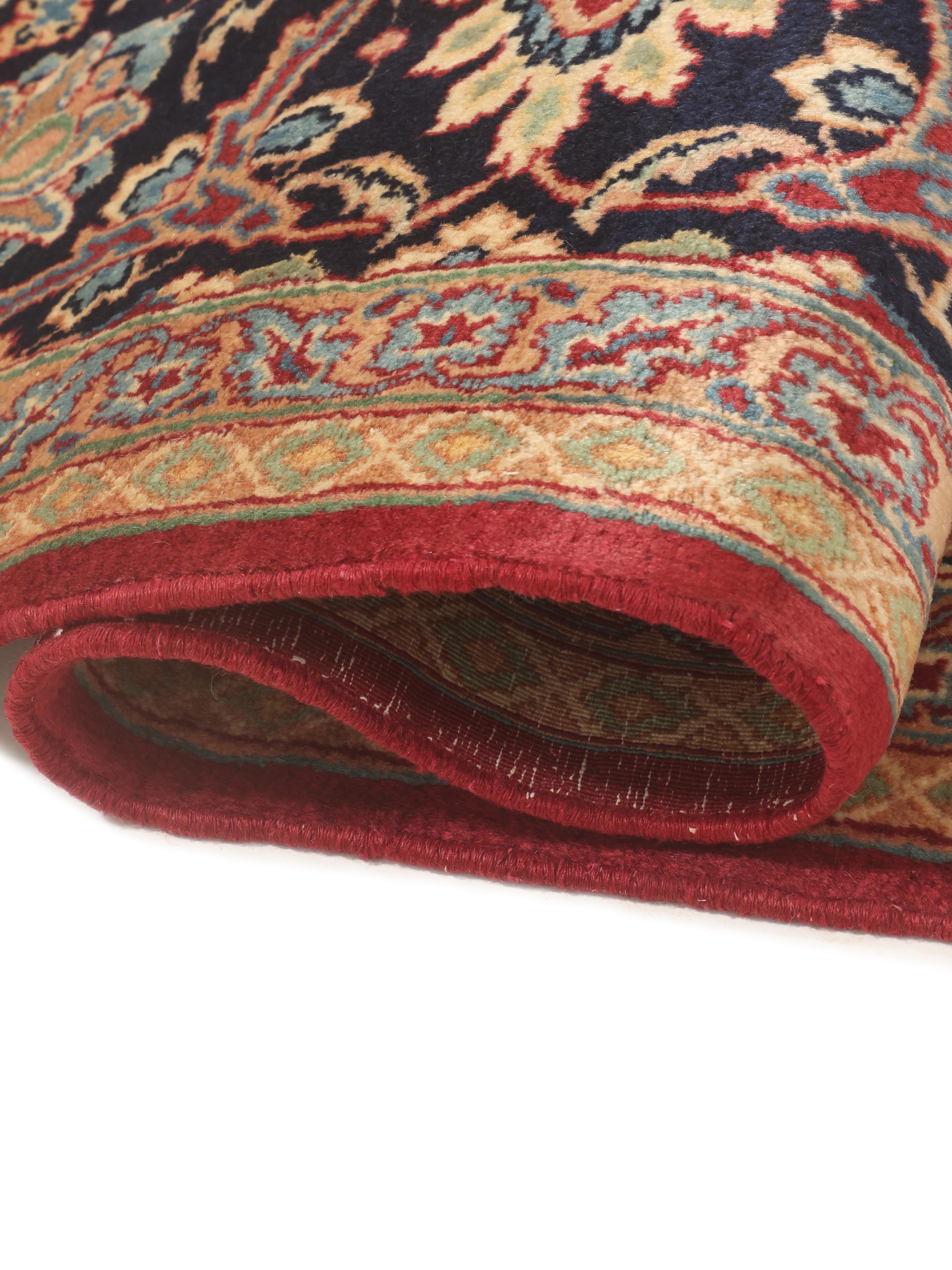
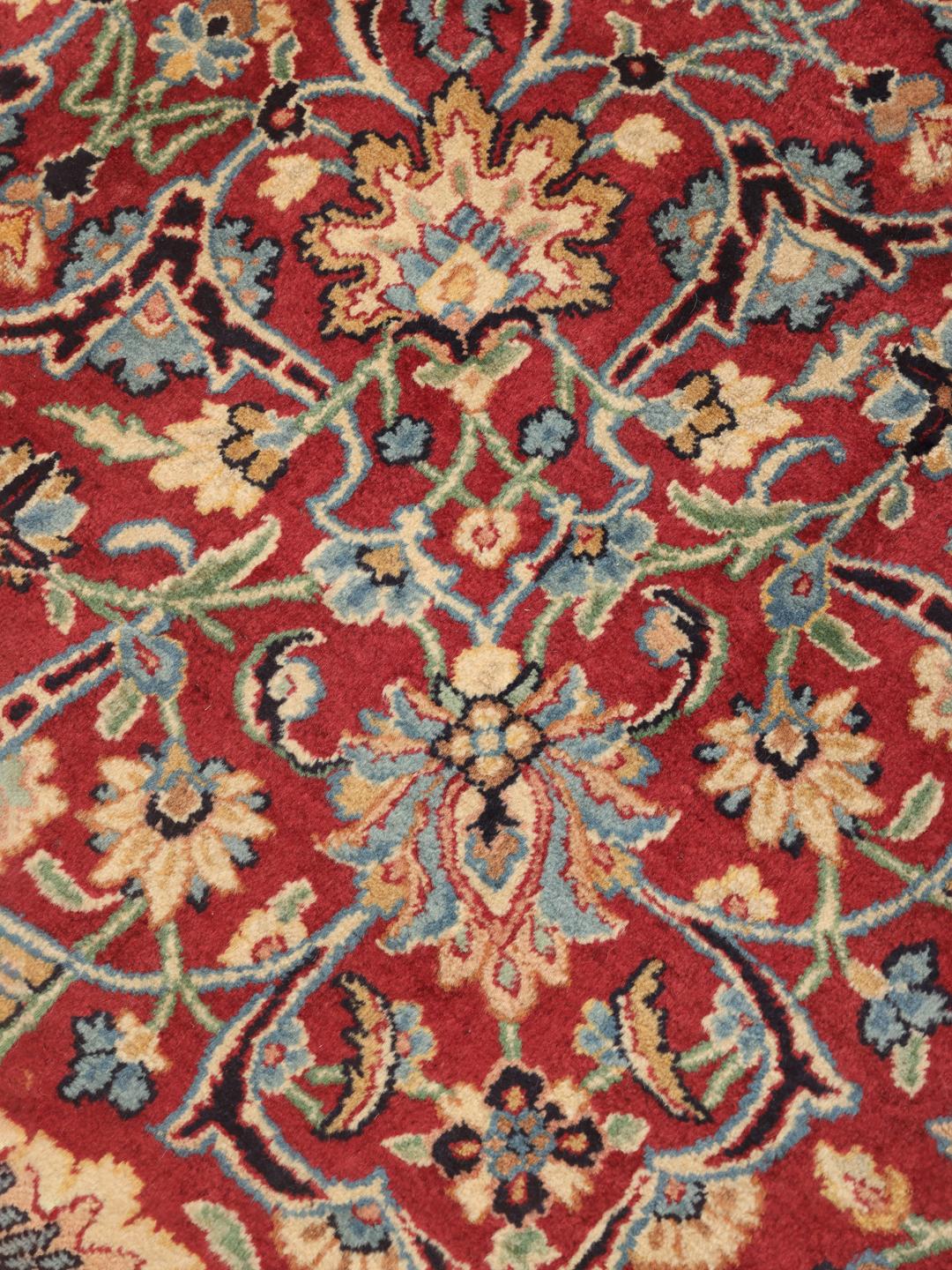
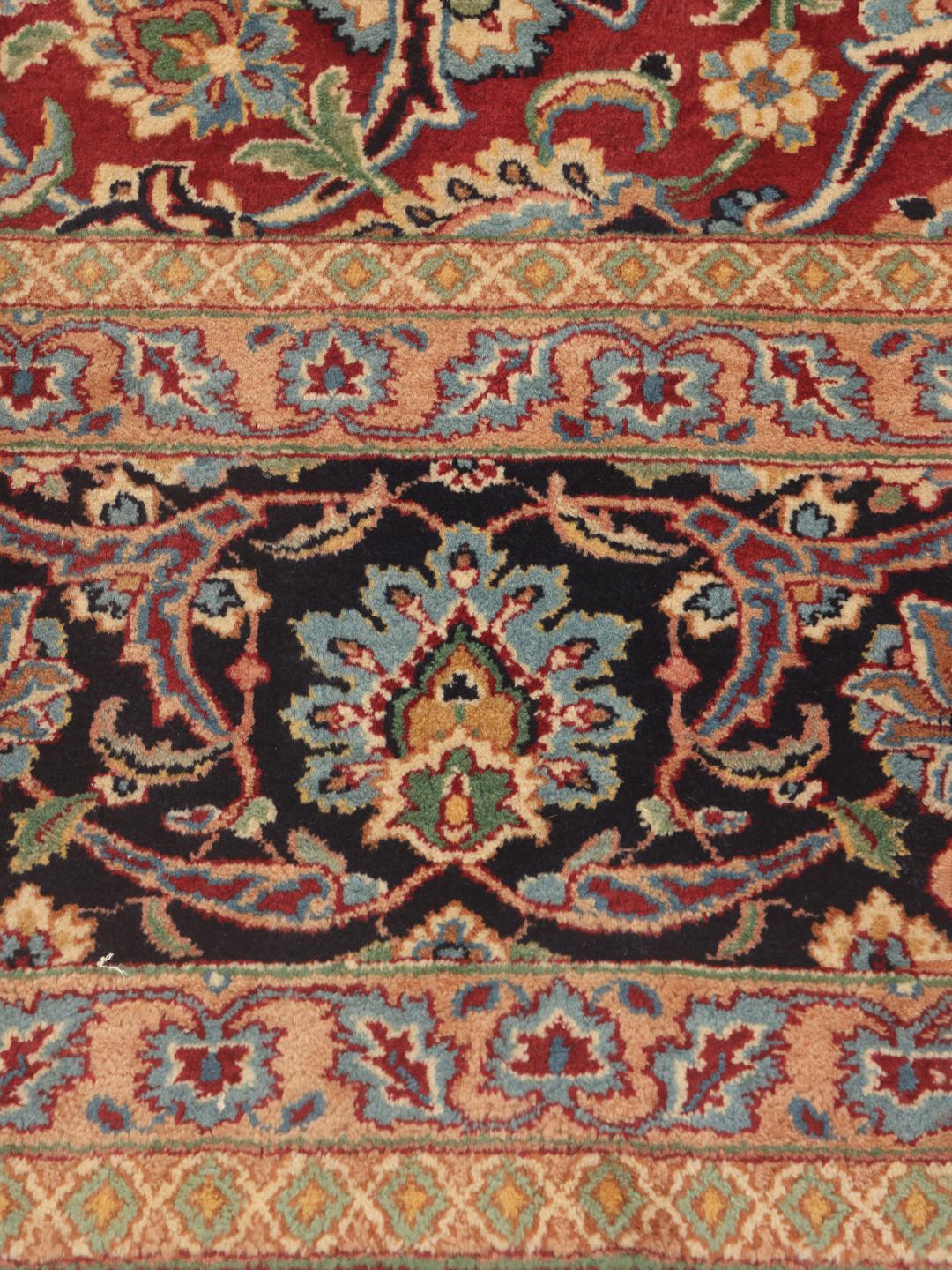
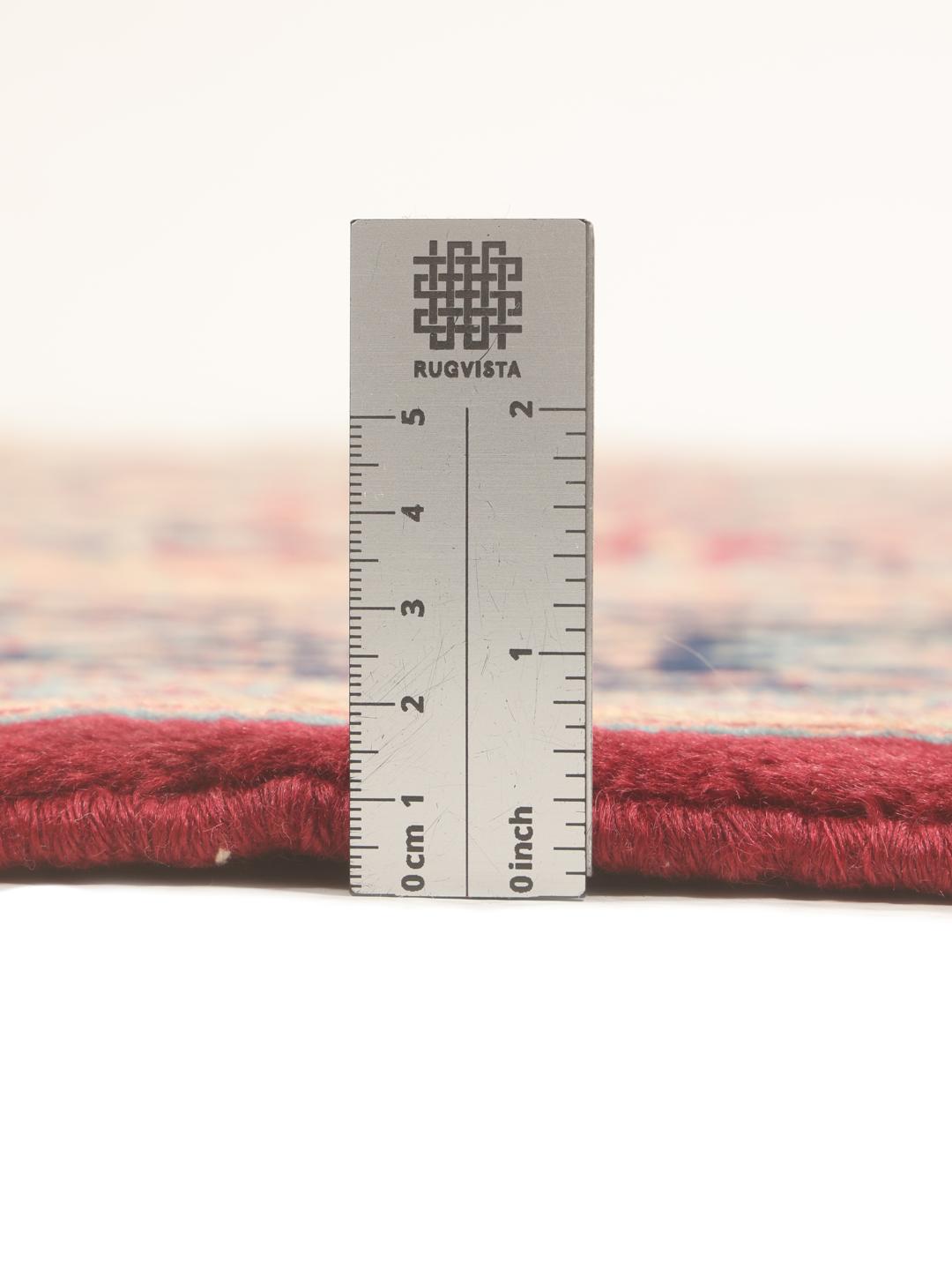
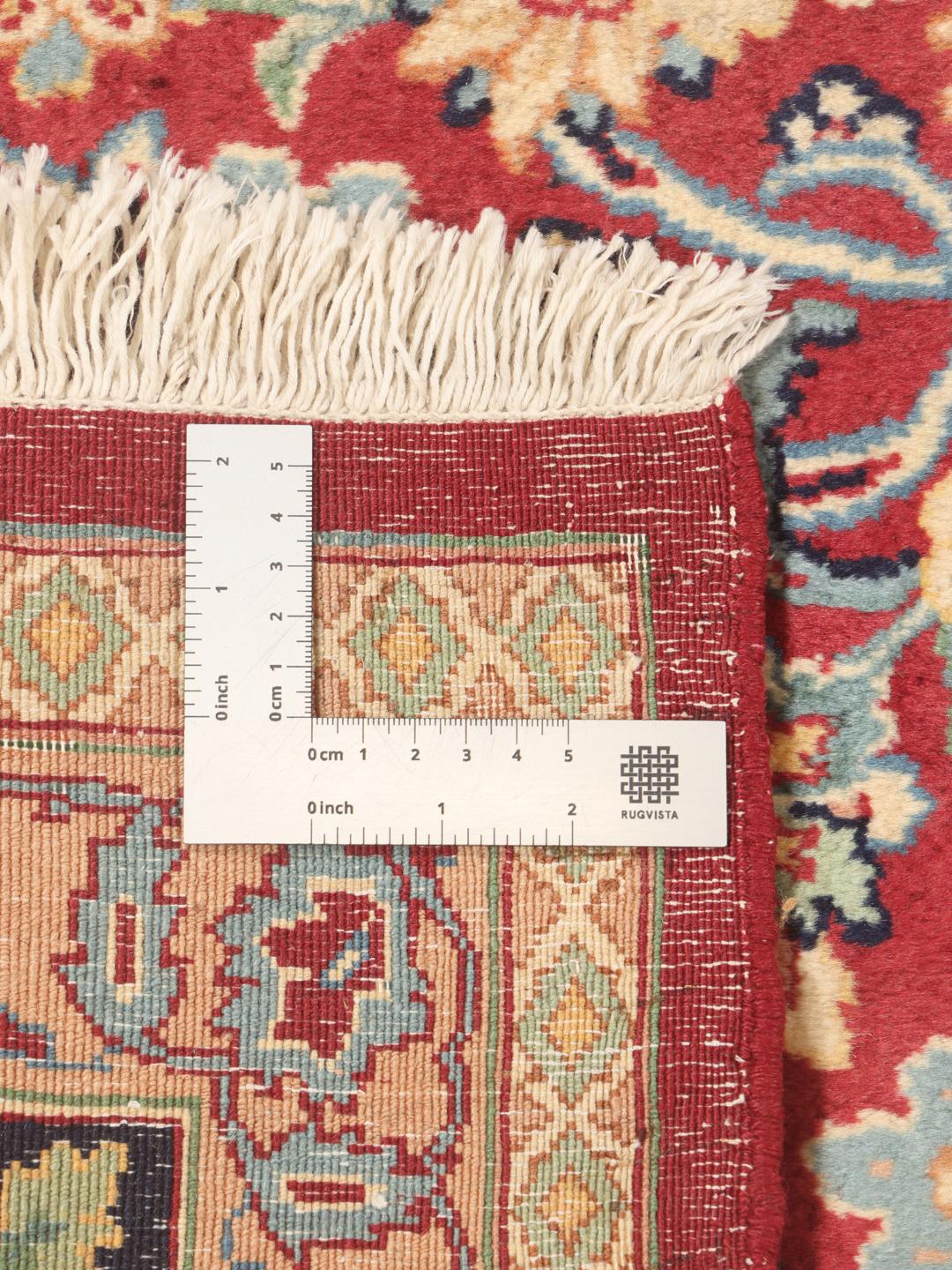
The term 'Fine' in this context refers to the exceptional density and quality of the weave, which allows for highly detailed, curvilinear designs that are often difficult to execute in coarser rugs. This high knot density is achieved by using thin, strong threads, which creates a smooth, durable surface and a crispness to the floral motifs. For the collector, this level of technical precision is a key indicator of a superior rug that will retain its value and beauty over decades of use.
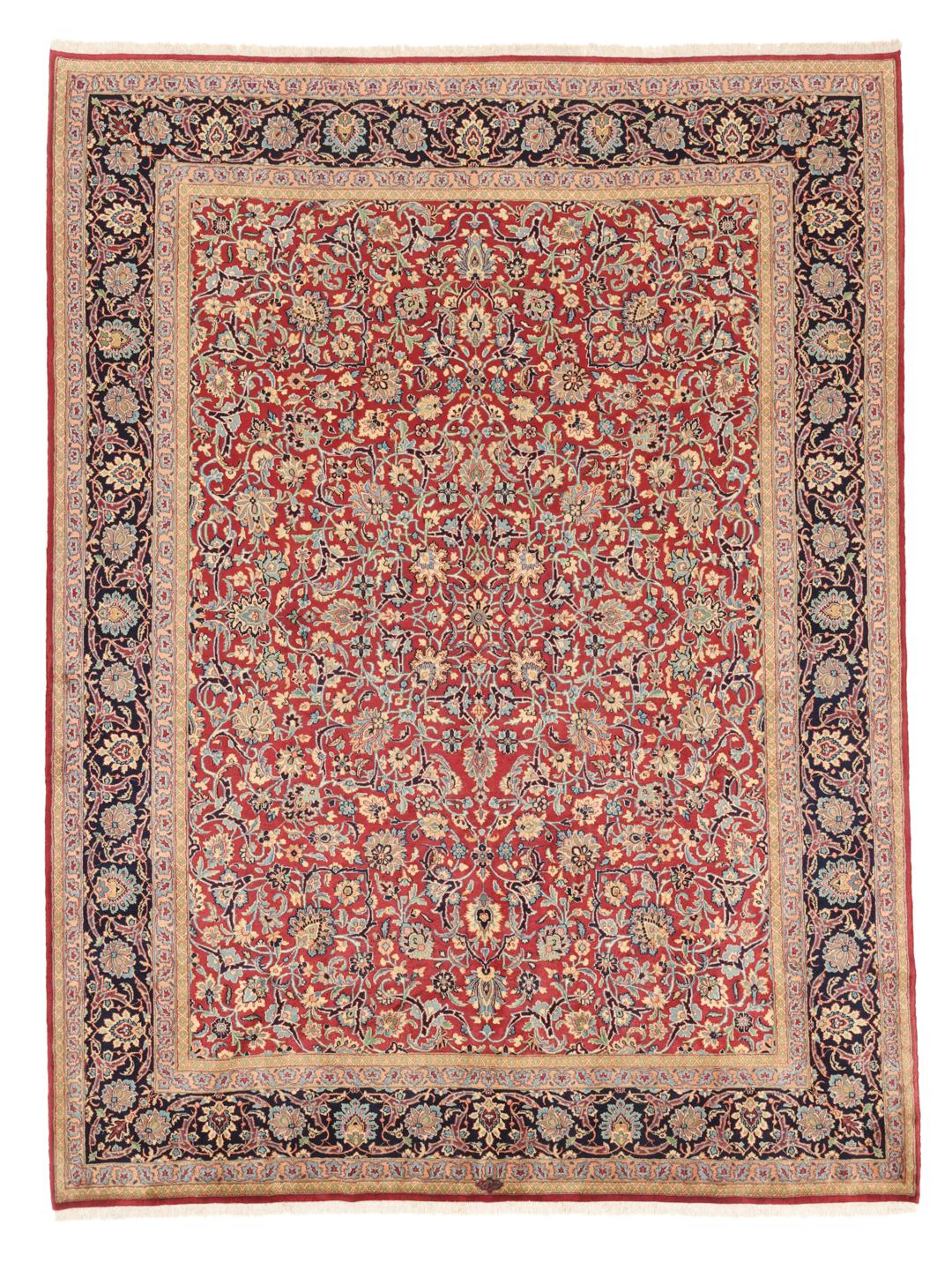
Signature design elements of these rugs typically include an elaborate central medallion surrounded by a sea of delicate, interconnected floral sprays and palmettes. While many traditional rugs feature geometric or tribal patterns, Kerman rugs are prized for their graceful, naturalistic floral compositions that often mimic the appearance of formal garden scenes. The contrast between the typically vibrant field and the deep, rich borders is a hallmark of this tradition, creating a balanced and harmonious aesthetic.
Collecting a rug from this tradition is an investment in cultural continuity and human skill. These pieces are valued not only for their visual beauty but for the stories they carry from the workshops of the Middle East to modern homes worldwide. Owning such a rug signifies an appreciation for the slow, deliberate nature of traditional craft and a desire to surround oneself with objects that hold real substance and timeless appeal.