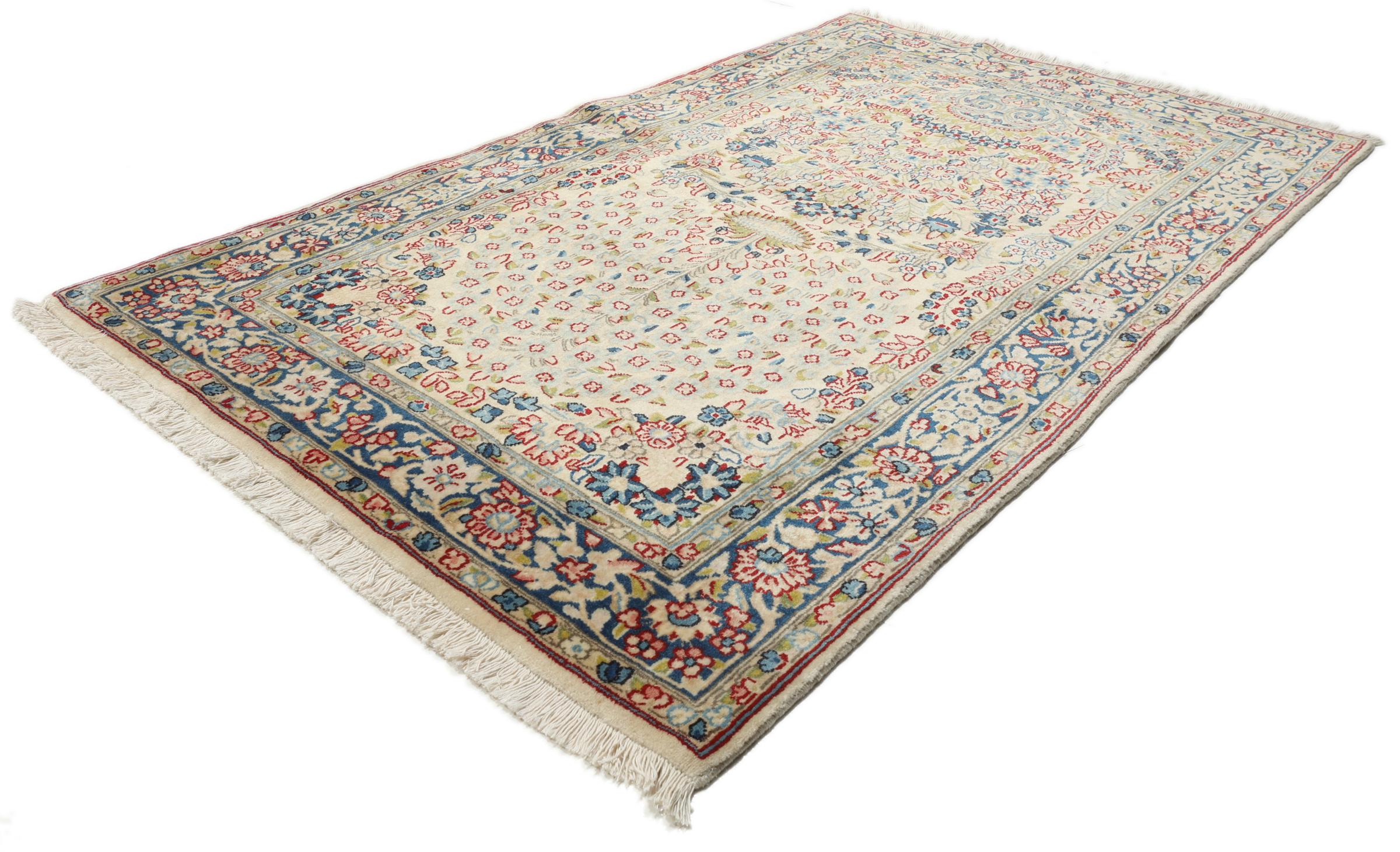
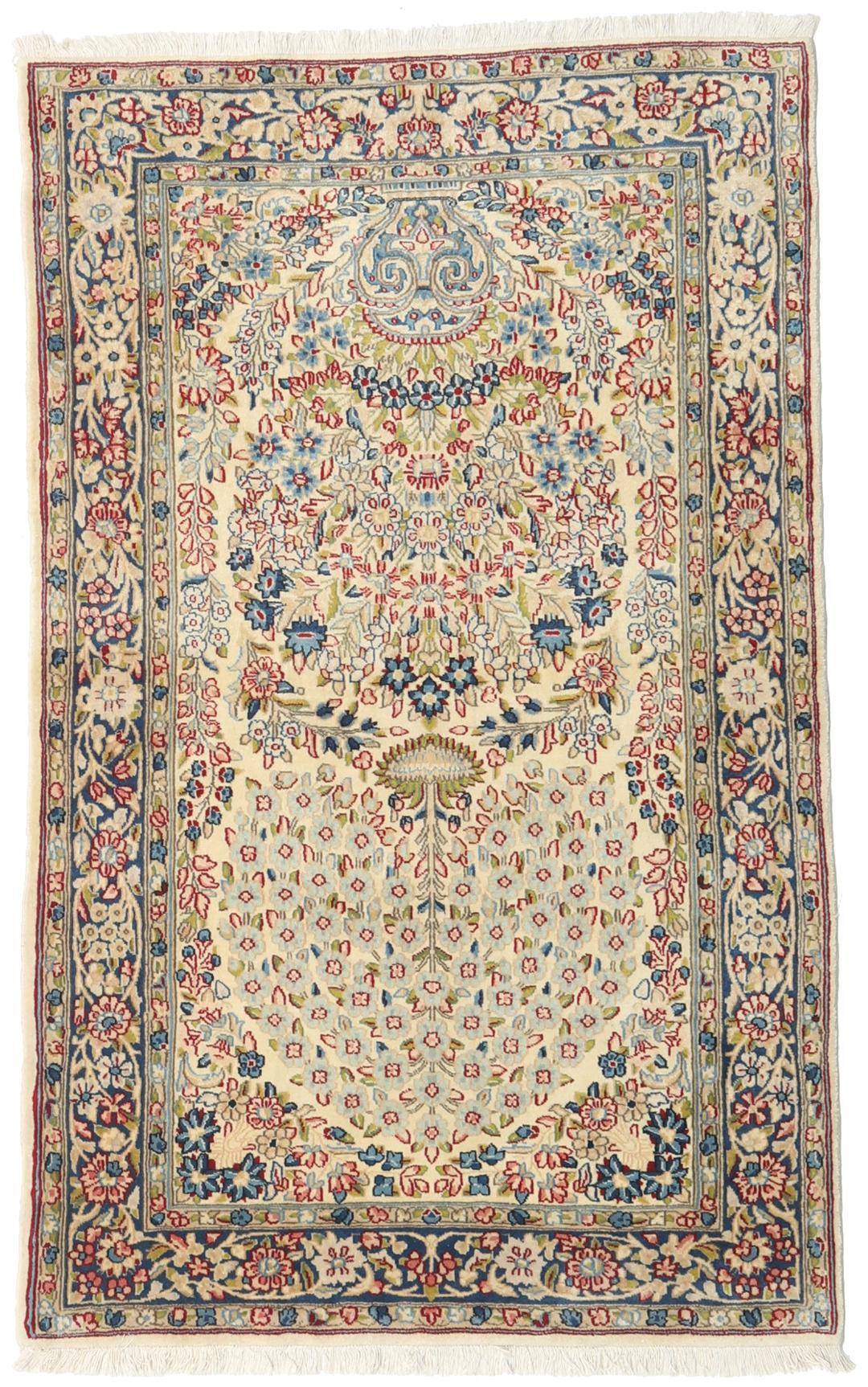
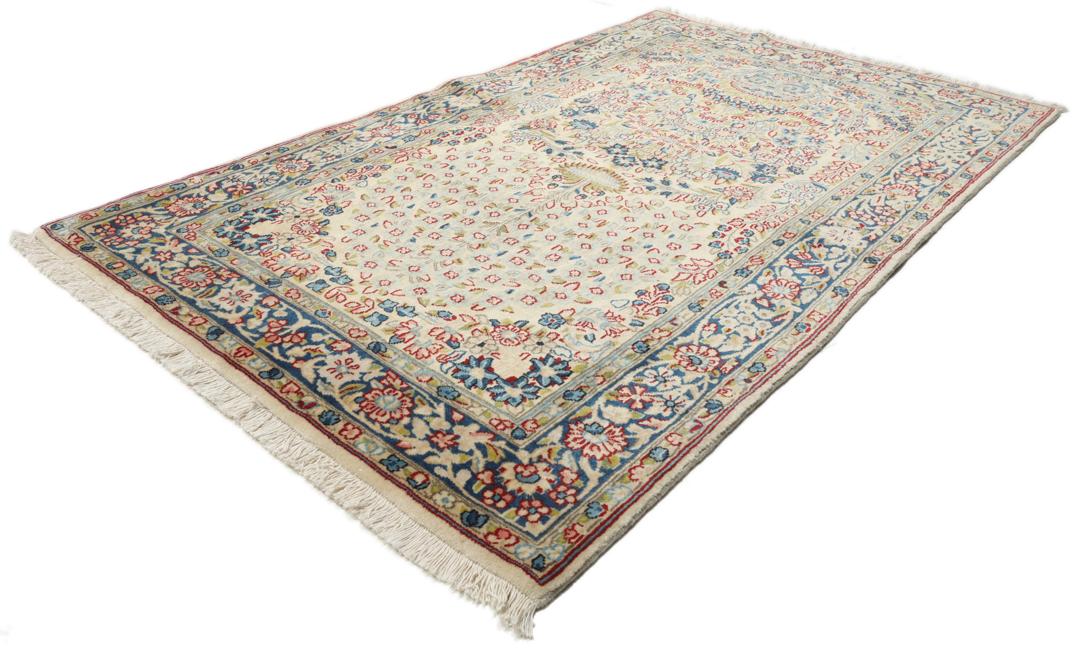
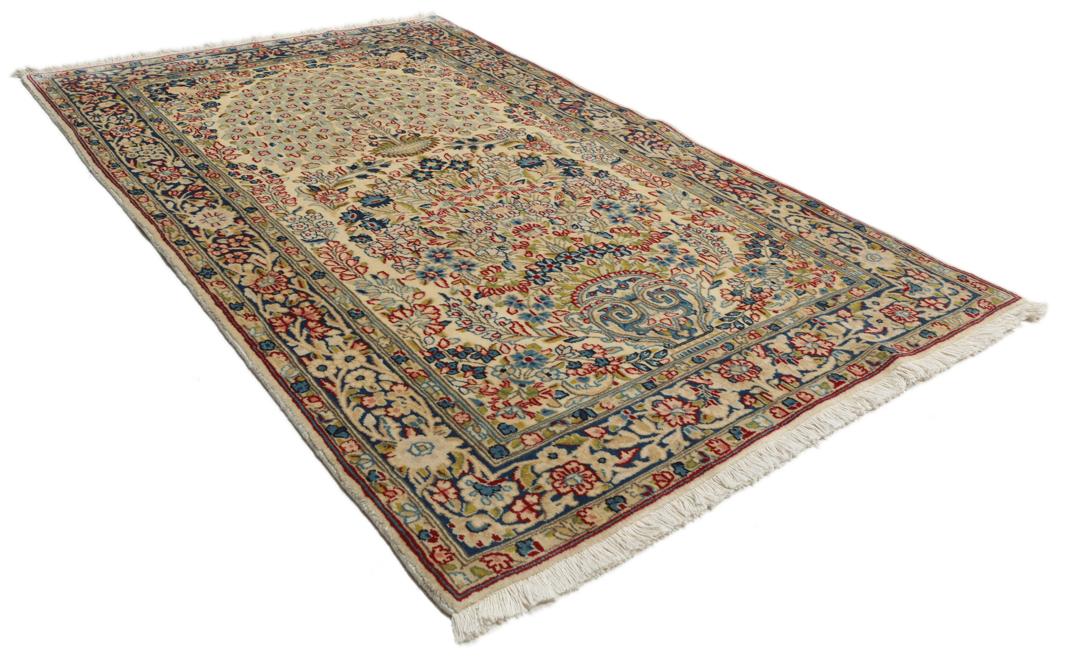
Kerman rugs originate from the desert city of Kerman in the Middle East, a region with a history of textile production that dates back centuries. The city has long been celebrated as a centre for sophisticated design, where weavers have historically pushed the boundaries of complexity and colour, often creating rugs that served as the pride of royal courts and noble homes.
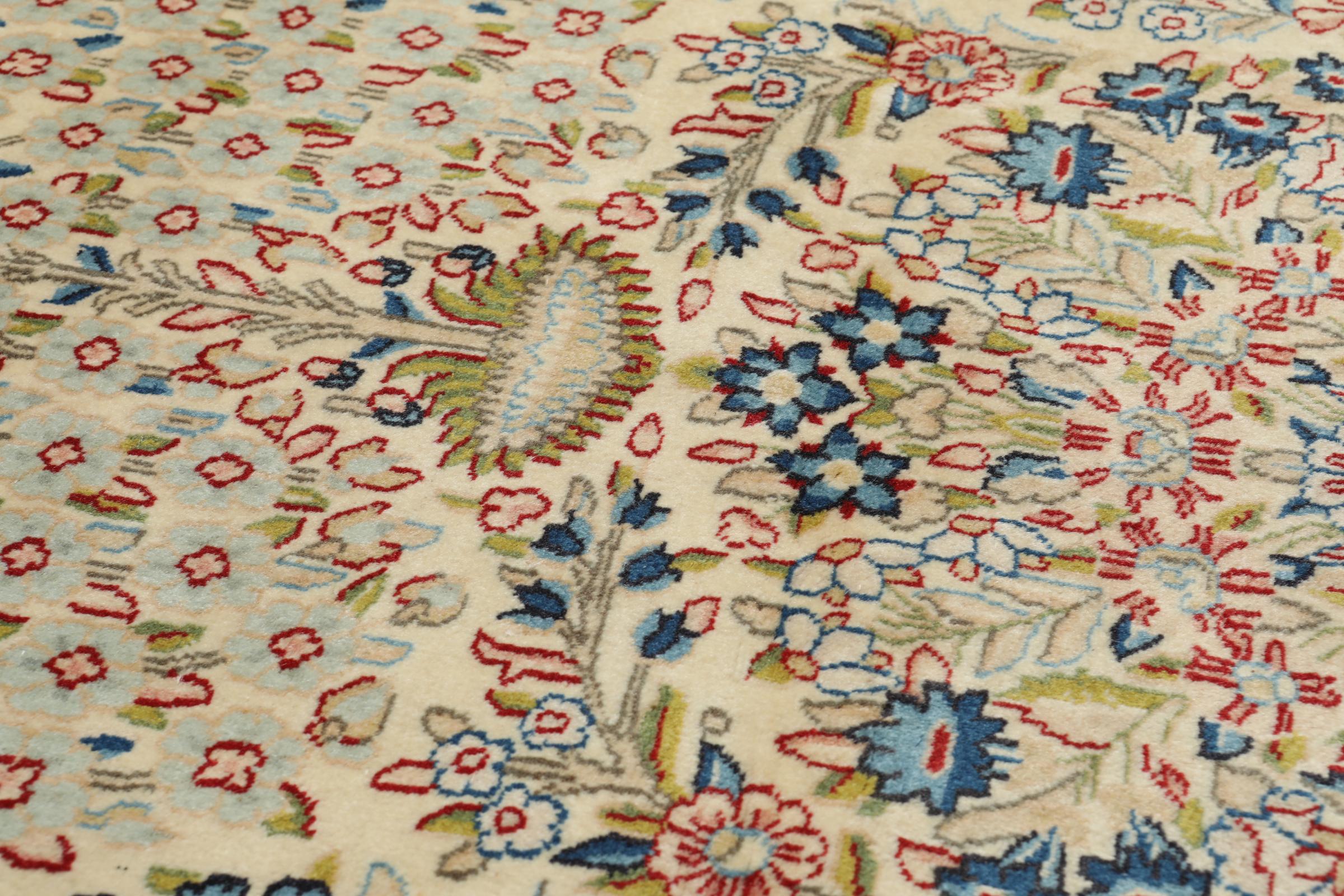
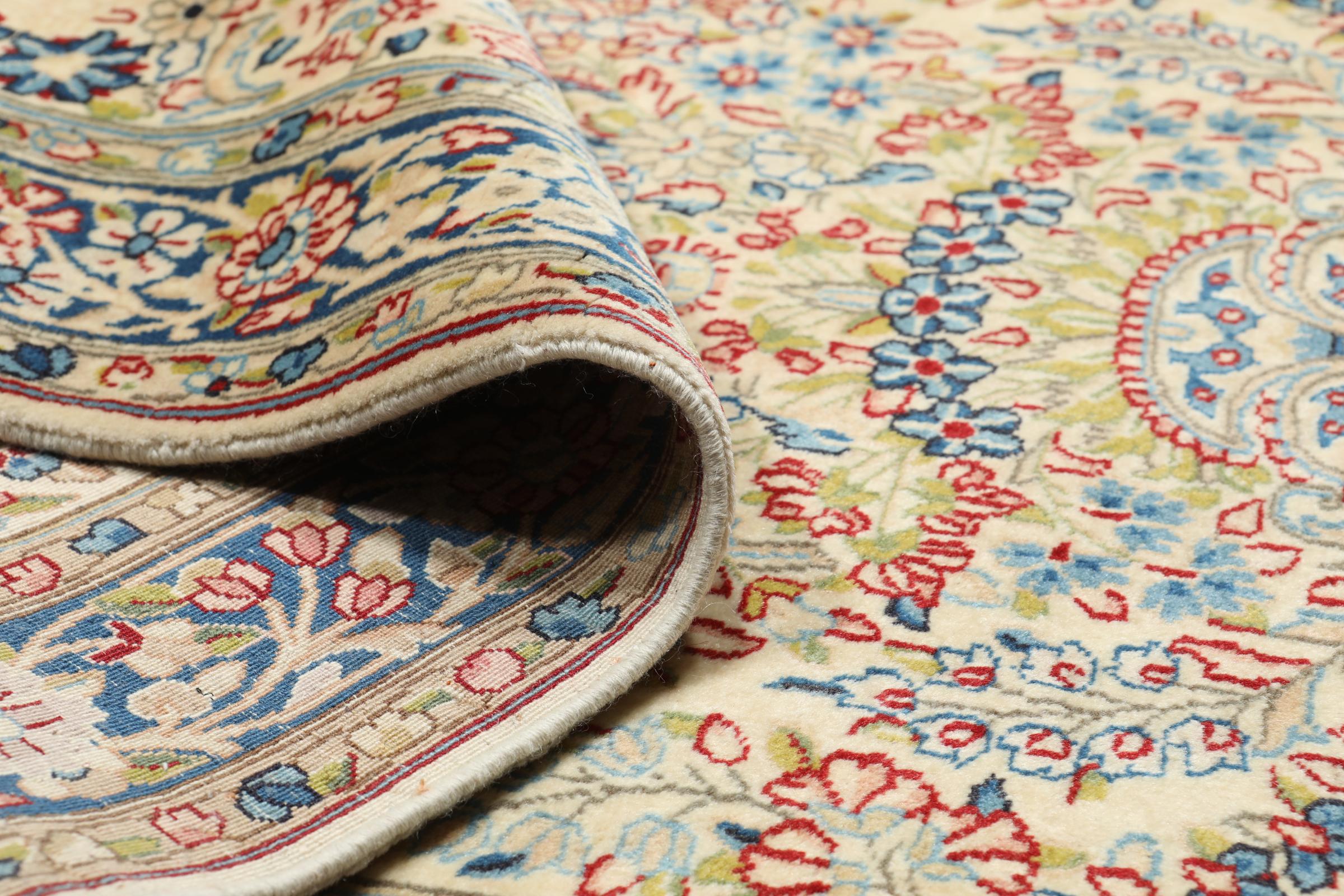
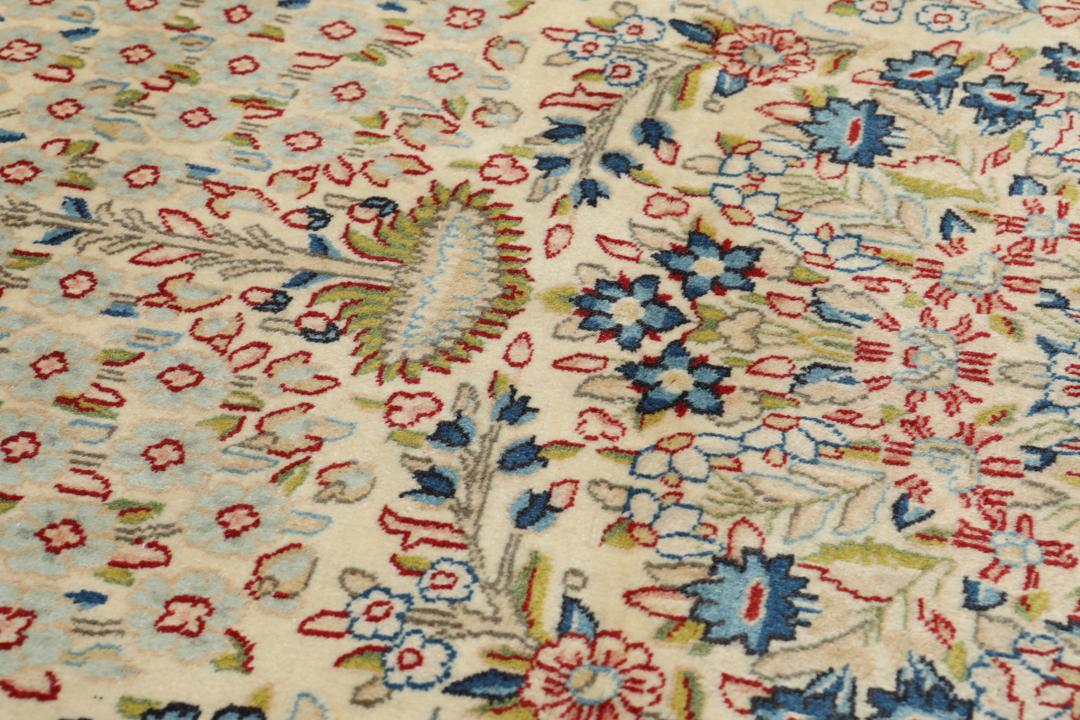
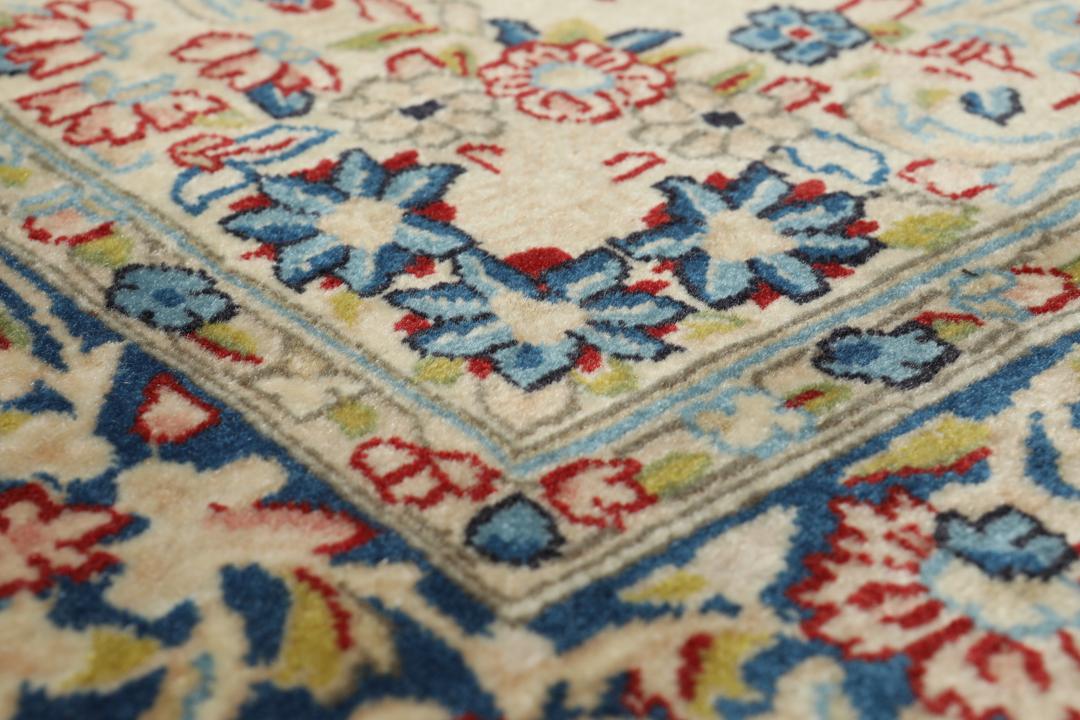
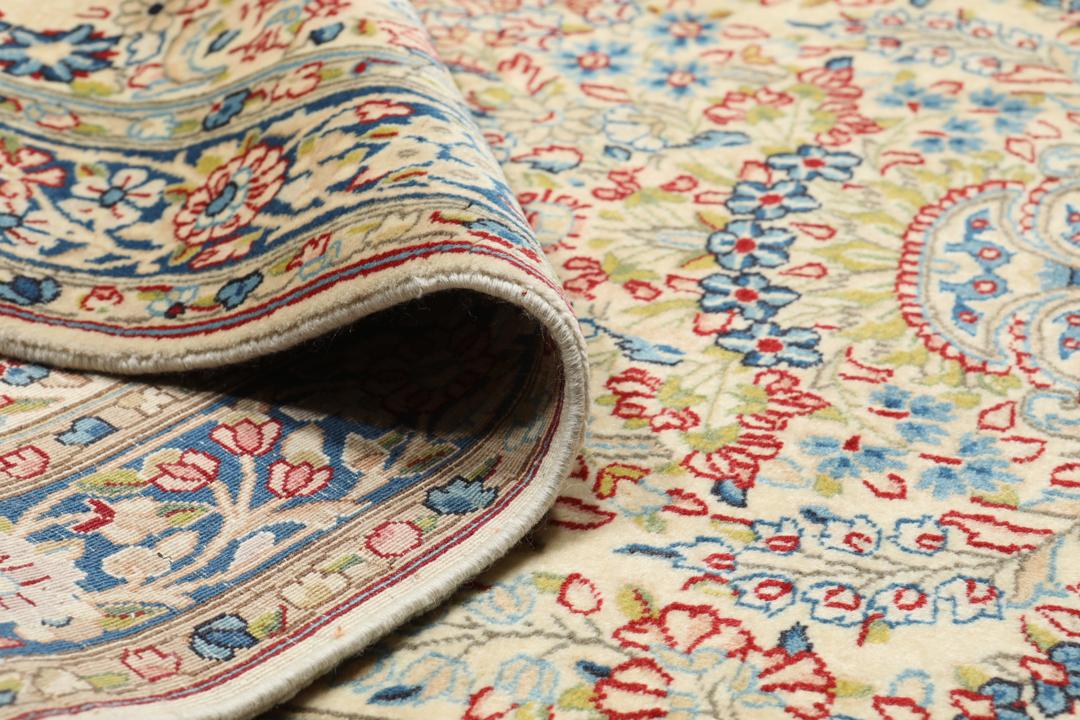
The term 'Kerman' is synonymous with a specific approach to floral design that emphasises fluid, naturalistic patterns. Unlike the rigid geometric layouts seen in other nomadic traditions, Kerman weavers often favoured intricate 'vase' or 'garden' designs, where flowers, vines, and leaves appear to flow across the field in a continuous, elegant dance of colour and form.
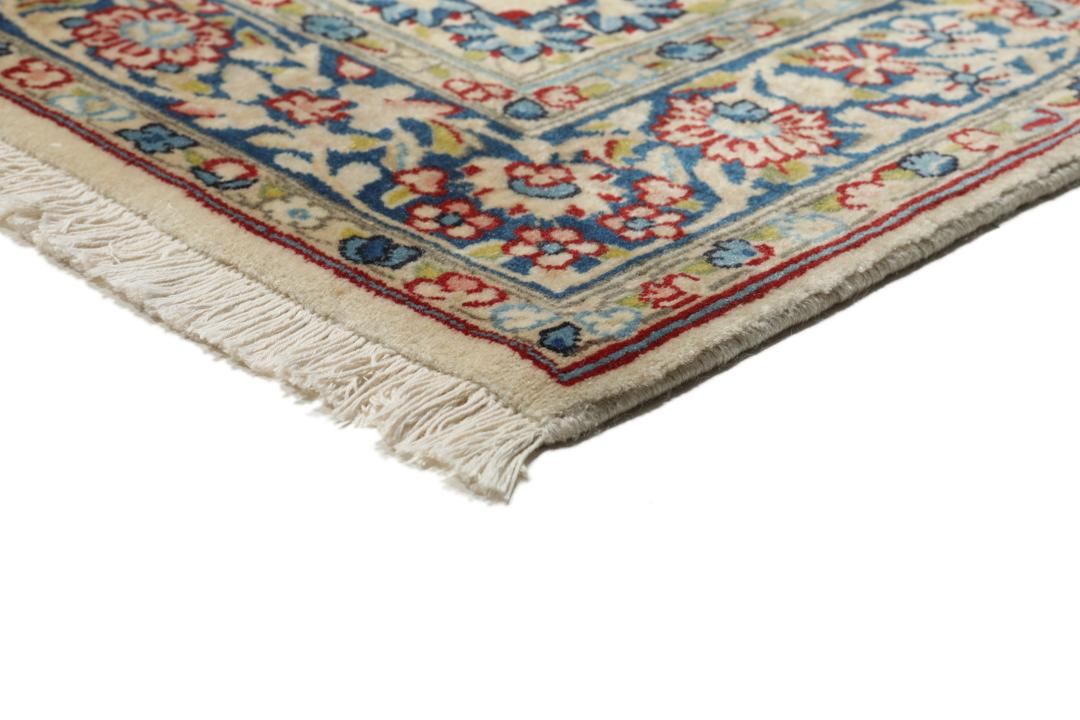
Signature elements of these rugs include the use of soft, muted palettes and highly detailed borders that frame the central floral display. These rugs are particularly noted for their artistic depth, often featuring a 'shrub' or 'tree of life' motif that carries deep cultural symbolism, representing growth, fertility, and the beauty of the natural world.
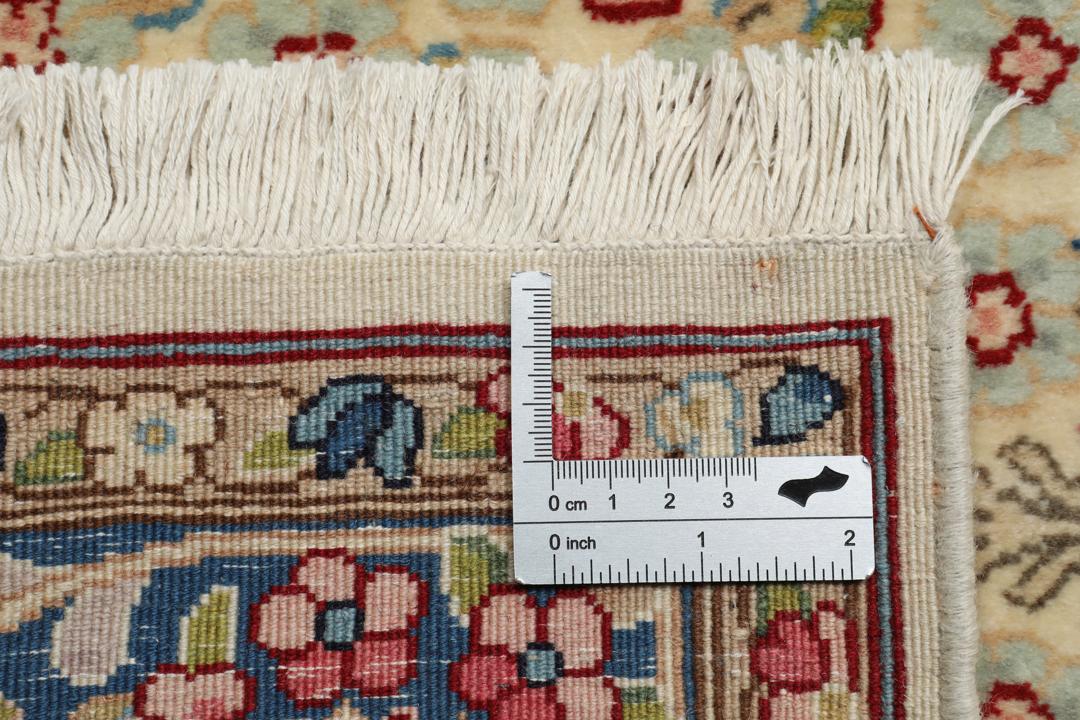
Collecting a Kerman rug is an investment in cultural heritage, as these pieces are valued for their technical excellence and the artistic legacy they represent. Owning one means participating in a tradition that prizes patience and beauty, ensuring that the skill of the master weaver is preserved and appreciated within your own home for generations to come.